Cart
0
Sign up and get 10$ off your order
Expected delivery
1-3 days
You may also like



Danish Company

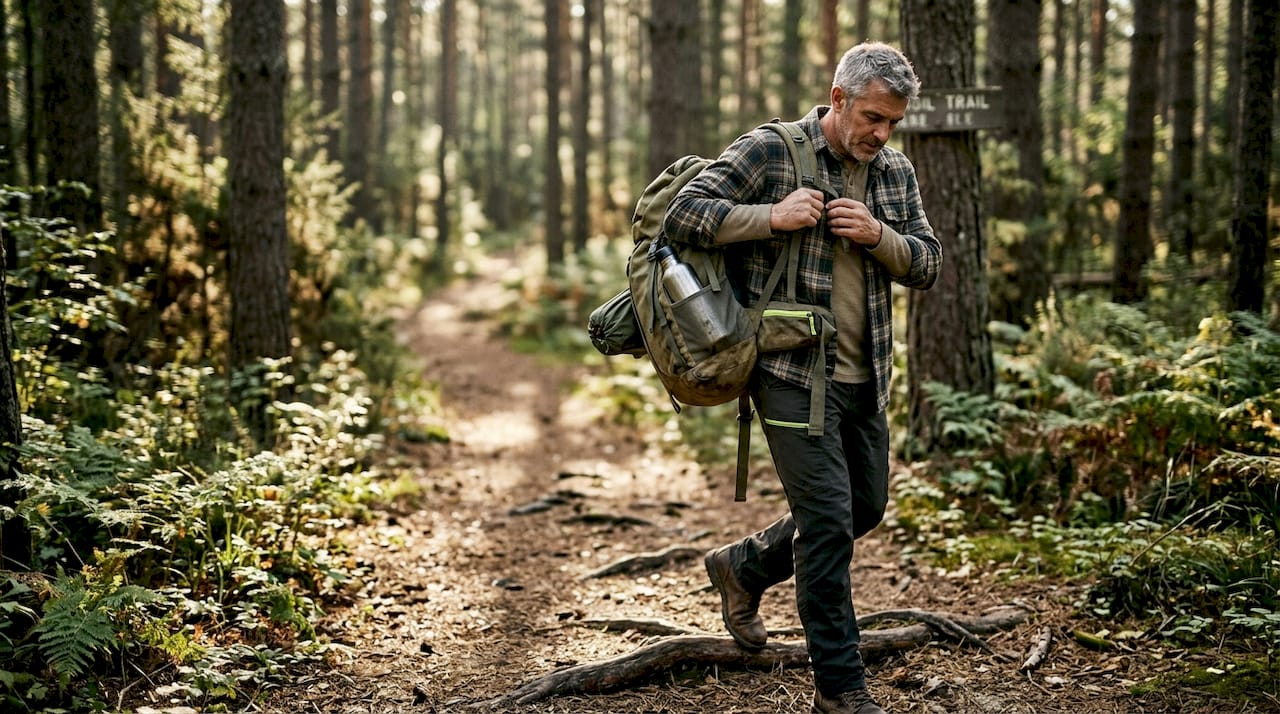
You’ve carefully selected your tent, sleeping bag, and backpack, but have you considered how their combined weight affects your entire camping experience? Many outdoor enthusiasts focus on features and durability while overlooking a critical factor that determines whether a trip feels effortless or exhausting. Pack weight directly influences your energy levels, injury risk, and overall enjoyment on the trail. Understanding why every ounce matters transforms how you approach gear selection and trip planning, ultimately leading to more rewarding adventures in the backcountry.
| Point | Details |
|---|---|
| Lighter packs save energy | Carrying less weight conserves energy, enabling longer hikes and quicker recovery. |
| Injury risk above 35 percent | Exceeding 35 percent of body weight sharply increases the risk of ankle sprains, knee problems, and other overuse injuries. |
| Big Three weight drivers | The tent, sleeping bag, and backpack typically account for the largest portion of total weight and should be prioritized for savings. |
| Ultralight gear boosts endurance | Ultralight gear can extend hiking range and reduce fatigue when it is selected with safety and comfort in mind. |
Every gram you carry up a mountain requires energy from your body. Reducing pack weight conserves energy, allowing longer hikes, faster recovery, and greater enjoyment by minimizing physical burden. Your cardiovascular system works harder to pump blood to working muscles when carrying additional load, while your respiratory rate increases to meet oxygen demands. This creates a compounding effect where heavier packs drain energy reserves faster than most campers realize.
The relationship between pack weight and energy expenditure isn’t linear. Energy cost rises non-linearly with pack weight due to biomechanical and environmental factors described in the Metabolic Energy Mile framework. A pack that weighs 40 pounds requires disproportionately more energy than one weighing 20 pounds, not simply double the effort. Your body must stabilize the additional mass, adjust gait patterns, and compensate for shifted center of gravity, all of which tax your muscles beyond the obvious weight burden.
“The difference between a 30-pound pack and a 15-pound pack isn’t just comfort. It’s the difference between hiking 12 miles feeling strong versus struggling through 8 miles completely depleted.”
Consider how pack weight influences your hiking day. With a lighter load, you maintain better posture throughout the hike, reducing strain on your lower back and knees. Your breathing stays controlled rather than labored, allowing you to enjoy conversations and scenery instead of focusing solely on the next rest break. Recovery time shortens dramatically when your body hasn’t been crushed under excessive weight for hours.
Pro Tip: Track your perceived exertion on hikes with different pack weights. You’ll notice that shaving even 5 pounds from your base weight creates a noticeable difference in how you feel at the end of a long day, making the investment in minimalistic camping gear benefits worthwhile for regular backpackers.
Lighter packs deliver measurable advantages:
Pushing beyond safe weight limits transforms camping from adventure into injury risk. Excessive pack weight increases injury risk, fatigue, and overuse injuries, especially above 35% of body weight. This threshold represents a critical point where biomechanical stress overwhelms your body’s ability to maintain proper movement patterns. Beyond this limit, your risk of ankle sprains, knee problems, and stress fractures rises sharply.
Fatigue compounds these dangers in ways that aren’t immediately obvious. As your muscles tire under a heavy load, your gait deteriorates and compensatory movement patterns emerge. You might start favoring one leg, leaning forward excessively, or taking shorter, choppier steps. These adaptations feel necessary in the moment but create repetitive stress that accumulates over miles, potentially causing injuries that don’t manifest until days or weeks after your trip.
Common injuries linked to excessive pack weight include:
Your individual carrying capacity varies based on fitness level, age, experience, and terrain difficulty. A conditioned thru-hiker might comfortably manage 30% of body weight on maintained trails, while a weekend warrior should target 20% or less, especially on rugged terrain. Elevation gain amplifies these effects, as does technical scrambling that requires balance and agility.
Pro Tip: Calculate your maximum safe pack weight by multiplying your body weight by 0.20 for weekend trips and 0.25 for experienced backpackers on easier terrain. A 150-pound person should aim for 30 pounds or less for most camping scenarios, adjusting downward for challenging conditions or limited experience.
Preventing weight-related injuries requires honest assessment of your capabilities and trip demands. Don’t let ego or peer pressure push you beyond safe limits. How to pack light for camping strategies help you stay within healthy weight ranges while maintaining necessary gear for safety and comfort.
Not all gear contributes equally to your pack weight. The Big Three account for 50-70% of base weight, making them the key target for reduction. These three categories, your shelter, sleep system, and backpack, offer the greatest potential for meaningful weight savings. Upgrading just these items can transform a 35-pound base weight into a 20-pound setup without sacrificing functionality.
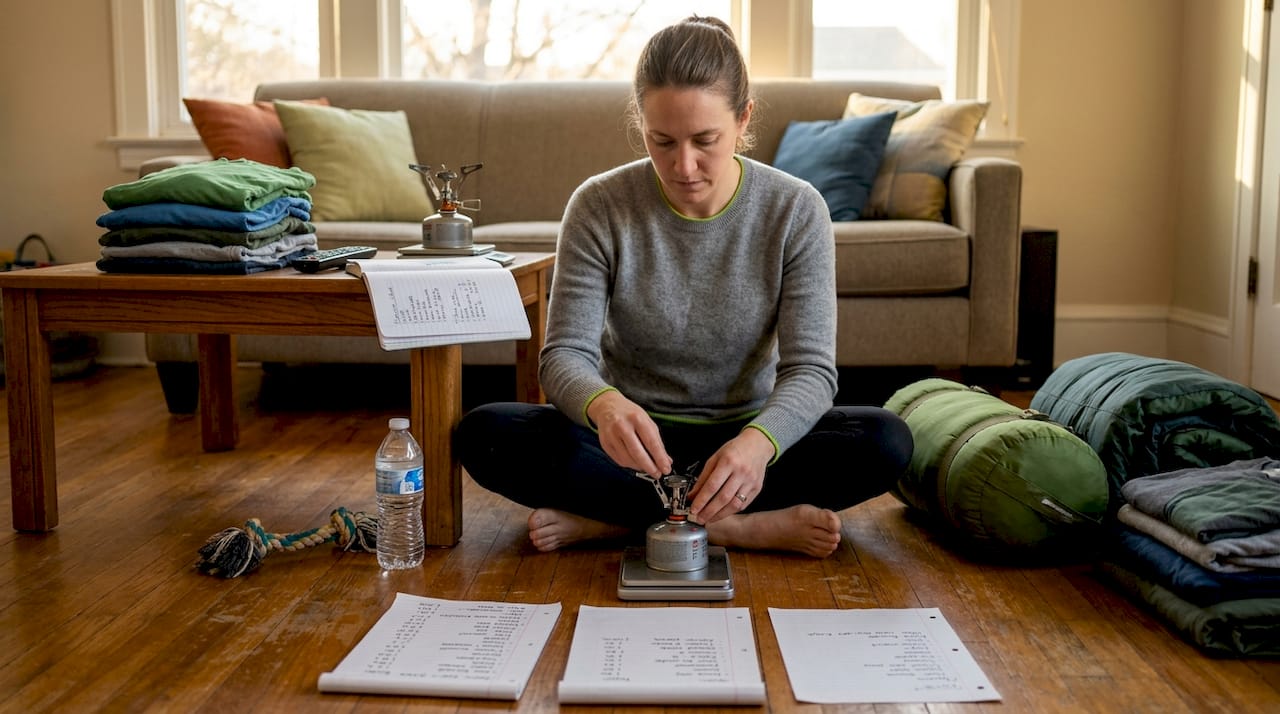
Traditional camping gear in these categories adds up quickly. A standard three-season tent weighs 5-7 pounds, a conventional sleeping bag runs 3-4 pounds, a sleeping pad adds 1.5-2 pounds, and a traditional backpack weighs 4-6 pounds. Combined, you’re carrying 13.5-19 pounds before adding a single piece of clothing, food, or cooking equipment. This represents a massive opportunity for optimization.
| Gear category | Traditional weight | Ultralight weight | Potential savings |
|---|---|---|---|
| Shelter | 5-7 lbs | 1-2 lbs | 3-5 lbs |
| Sleeping bag | 3-4 lbs | 1-1.5 lbs | 1.5-2.5 lbs |
| Sleeping pad | 1.5-2 lbs | 0.5-1 lb | 0.5-1.5 lbs |
| Backpack | 4-6 lbs | 1-2 lbs | 2-4 lbs |
| Total | 13.5-19 lbs | 3.5-6.5 lbs | 7.5-13 lbs |
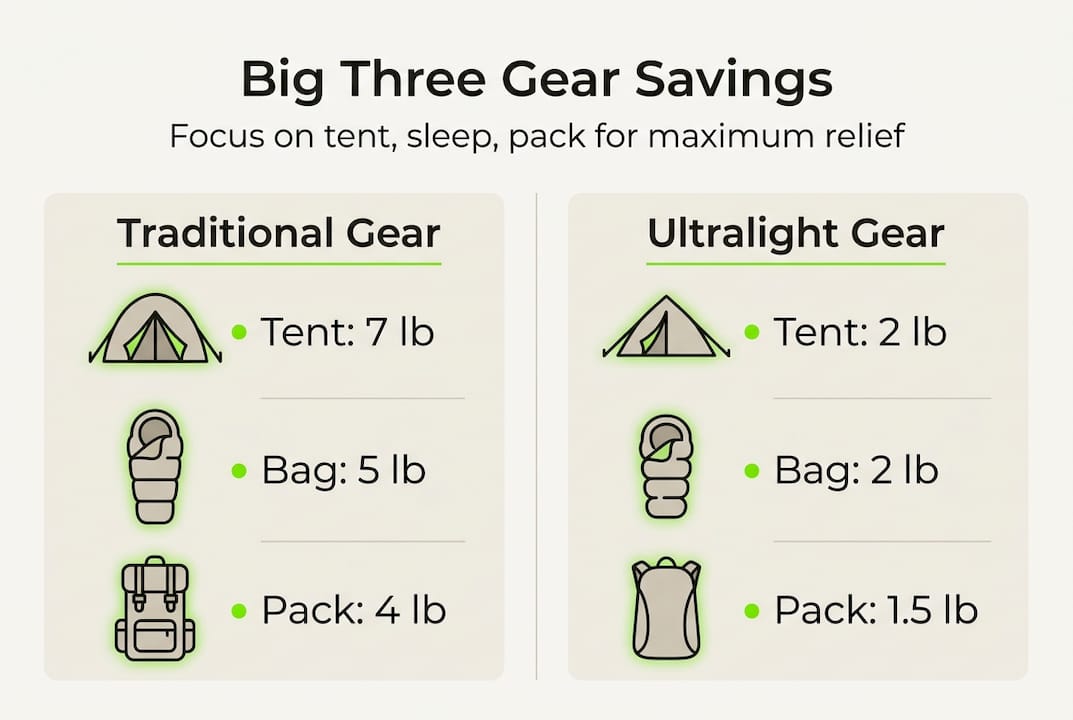
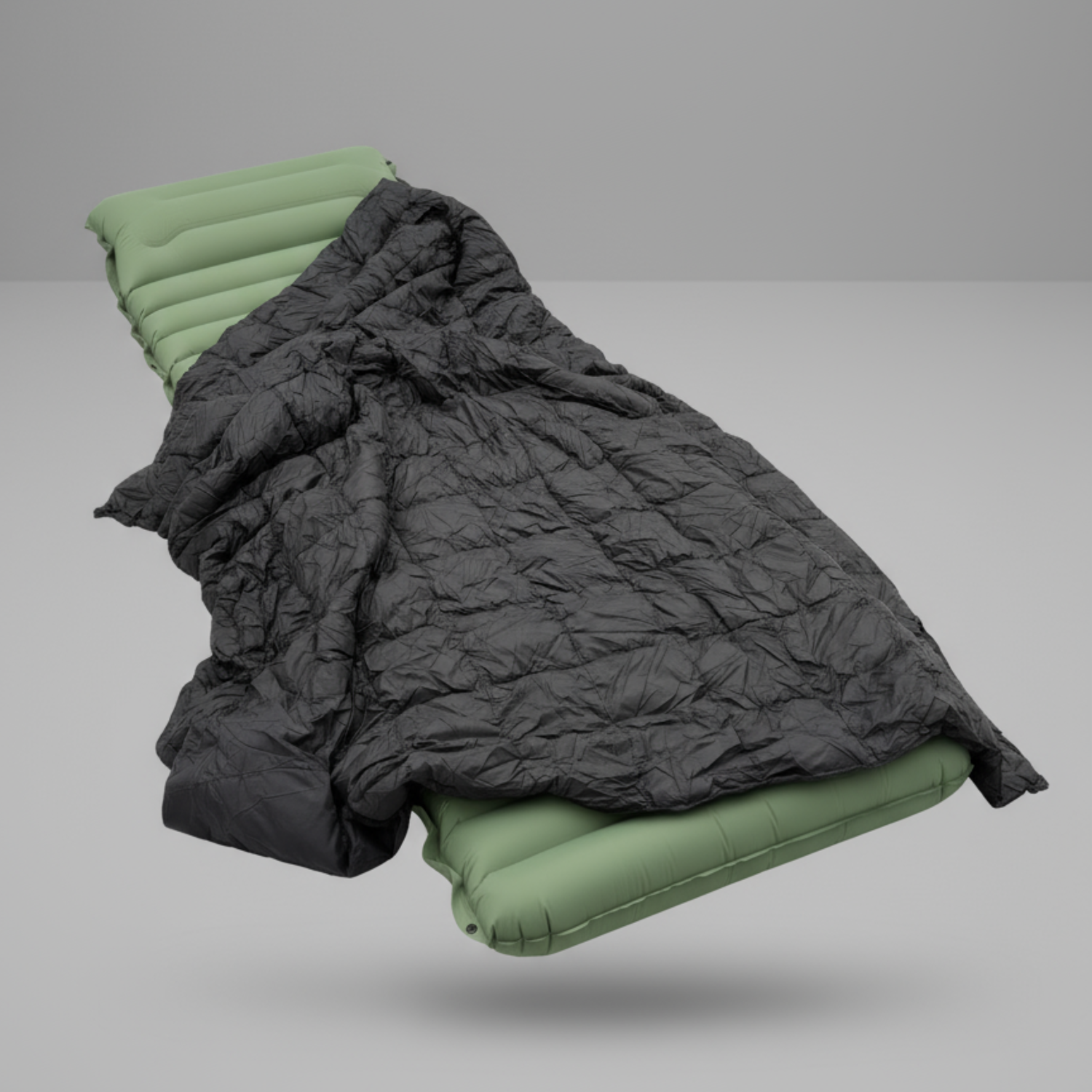
Modern ultralight alternatives achieve these weight reductions through advanced materials and minimalist designs. Cuben fiber shelters provide weather protection at a fraction of traditional tent weight. Down sleeping bags with higher fill power deliver warmth with less insulation mass. Frameless or minimalist backpacks eliminate unnecessary structure when carrying lighter loads.
Prioritize your Big Three upgrades strategically:
Pro Tip: Before buying new gear, weigh your current Big Three items individually on a digital scale. This creates a baseline for measuring improvement and helps you identify which upgrade delivers the best weight-to-cost ratio for your specific setup.
Focusing on these core categories rather than obsessing over ounces in minor items produces transformative results. Cut pack weight for mobility by addressing the gear that matters most, and you’ll experience immediate improvements in hiking comfort and endurance.
Pursuing the lightest possible pack creates trade-offs that don’t suit every camper or situation. Ultralight isn’t always optimal because comfort, joy items, and skills matter more than gear alone, with diminishing returns on extreme lightness. Shaving the last few ounces often requires sacrificing features or durability that enhance your camping experience. The goal isn’t achieving the lowest number on a scale but finding the sweet spot where weight reduction improves rather than compromises your adventures.
Extreme ultralight approaches demand increased skill and experience. A minimalist shelter requires proficient setup in challenging conditions. A frameless backpack needs careful packing technique to remain comfortable. Carrying less margin for error means you must accurately predict weather, navigate confidently, and handle unexpected situations with limited resources. Beginners who adopt aggressive weight-cutting strategies without developing corresponding skills often find themselves uncomfortable or unsafe.
| Experience level | Recommended base weight | Pack weight percentage | Key considerations |
|---|---|---|---|
| Beginner | 15-20 lbs | 15-20% body weight | Prioritize comfort and margin for error |
| Intermediate | 12-15 lbs | 20-25% body weight | Balance weight with proven gear confidence |
| Advanced | 8-12 lbs | 25-30% body weight | Optimize based on conditions and skills |
| Expert | 5-8 lbs | 30-35% body weight | Minimal gear with extensive experience |
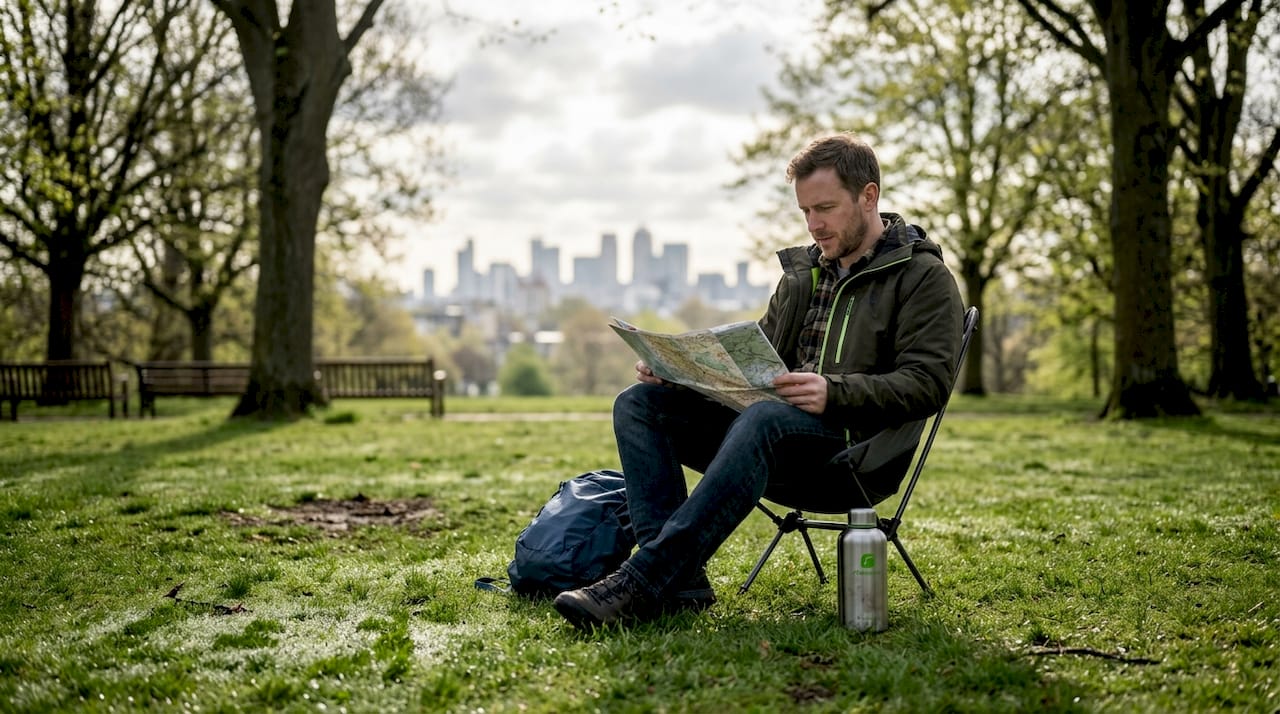
Personal preferences legitimately influence optimal pack weight. Some campers value a comfortable camp chair that adds 2 pounds because it transforms their evening relaxation. Others prioritize a real pillow for quality sleep despite the weight penalty. A lightweight camera might weigh more than a smartphone but captures memories that justify carrying it. These “luxury” items contribute to trip enjoyment in ways that pure weight optimization overlooks.
Consider these factors when determining your target weight:
“The best pack weight is the one that lets you hike strong, sleep well, and return home eager for your next adventure rather than recovering from an ordeal.”
Diminishing returns emerge as you approach ultralight extremes. Cutting from 35 pounds to 25 pounds dramatically improves your hiking experience. Reducing from 15 pounds to 10 pounds offers noticeable but smaller benefits. Obsessing over the difference between 8 pounds and 6 pounds often costs disproportionate money and compromises functionality for minimal real-world advantage.
Pro Tip: Create two gear lists, one optimized for weight and another for comfort. Compare them honestly, noting which heavier items genuinely enhance your experience versus which represent unnecessary security blankets. This exercise reveals where strategic weight additions make sense for your camping style.
The right balance evolves with experience and changing priorities. Pack light and maximize comfort by making informed choices rather than blindly pursuing the lowest possible number. Your ideal pack weight supports rather than defines your outdoor adventures.
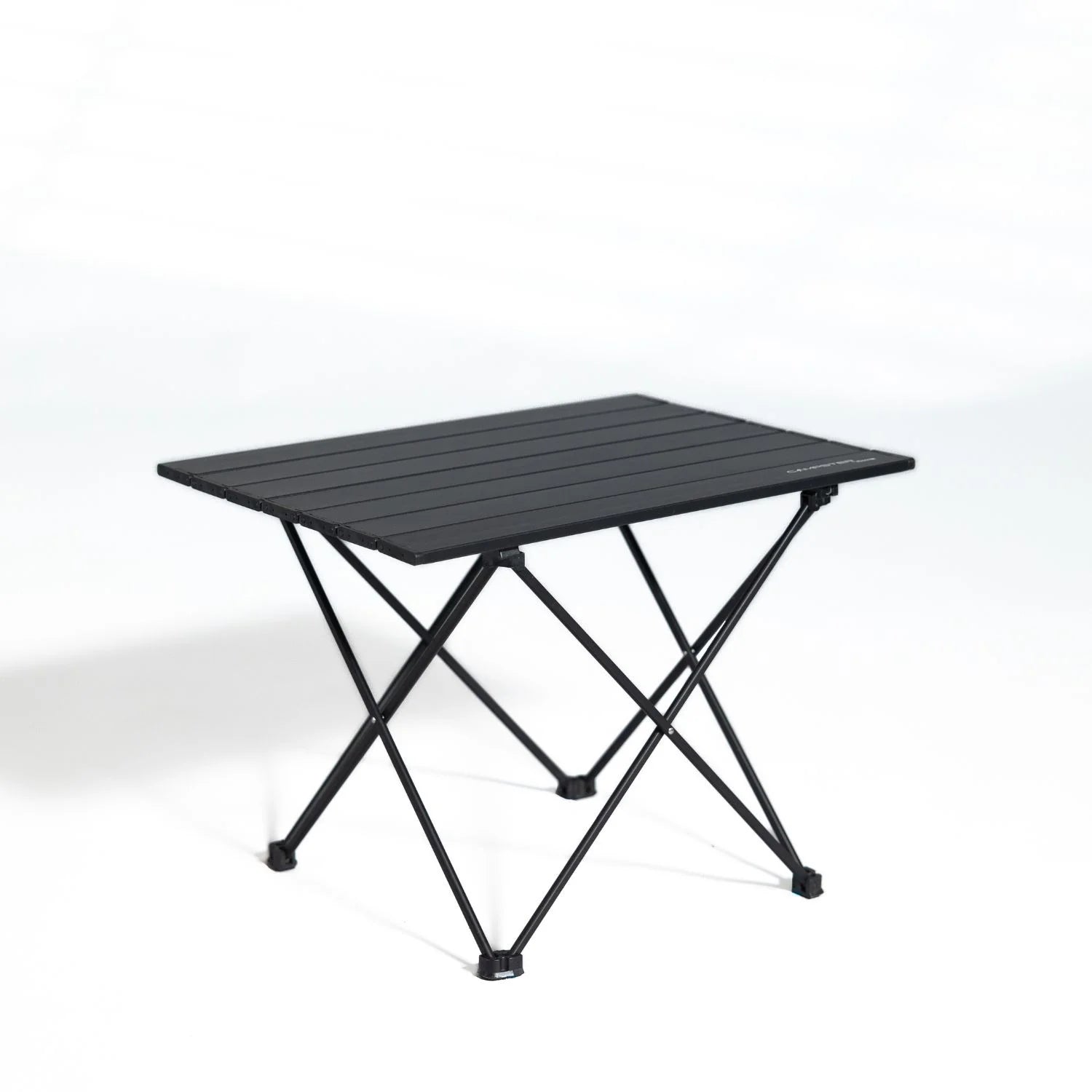
Applying these weight management principles becomes easier with gear designed specifically for minimalist camping. Sitpack specializes in ultralight, ergonomic outdoor products that help you reduce base weight without sacrificing comfort on the trail. Their innovative camping solutions address the exact challenge this article explores, providing practical ways to lighten your load while enhancing your camping experience.
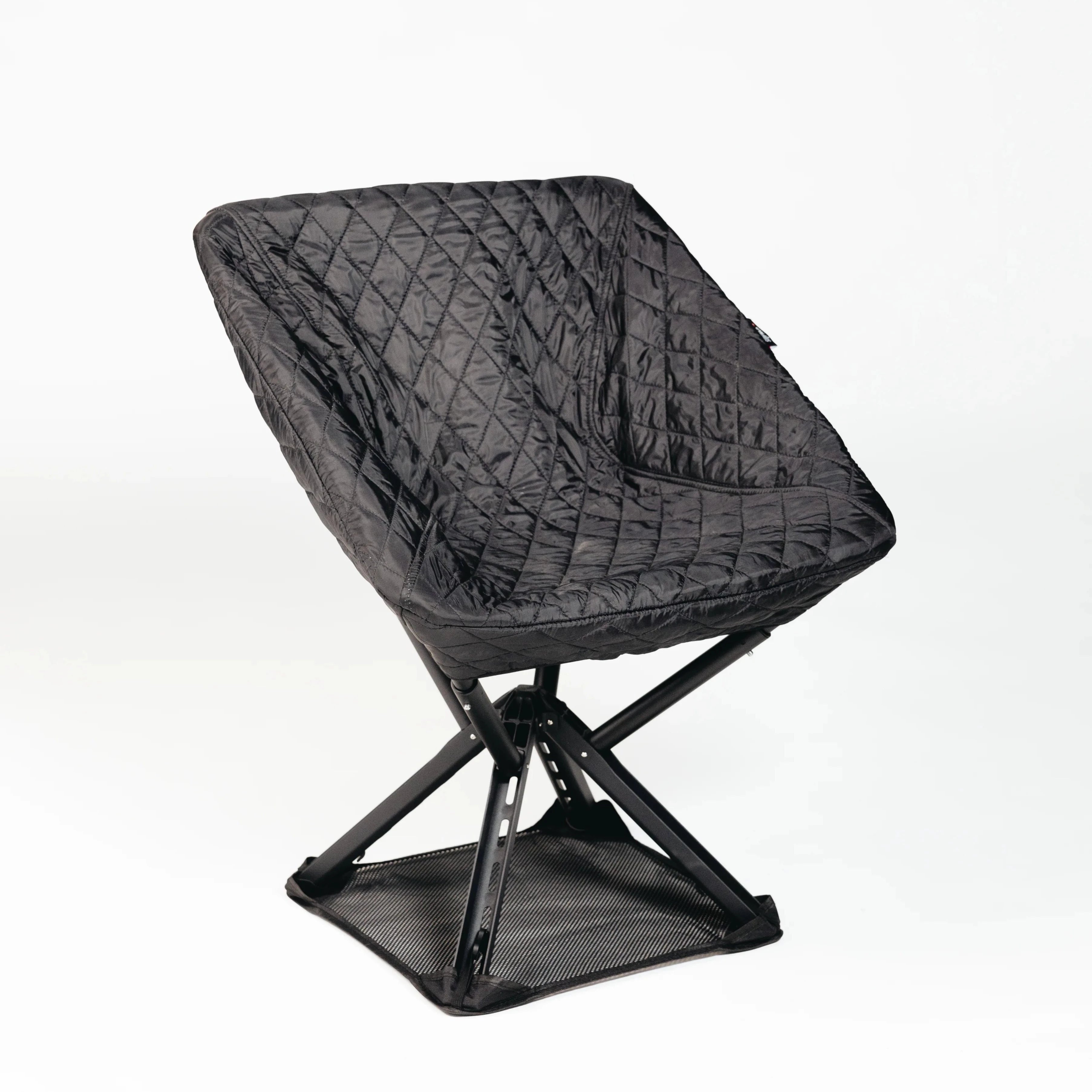
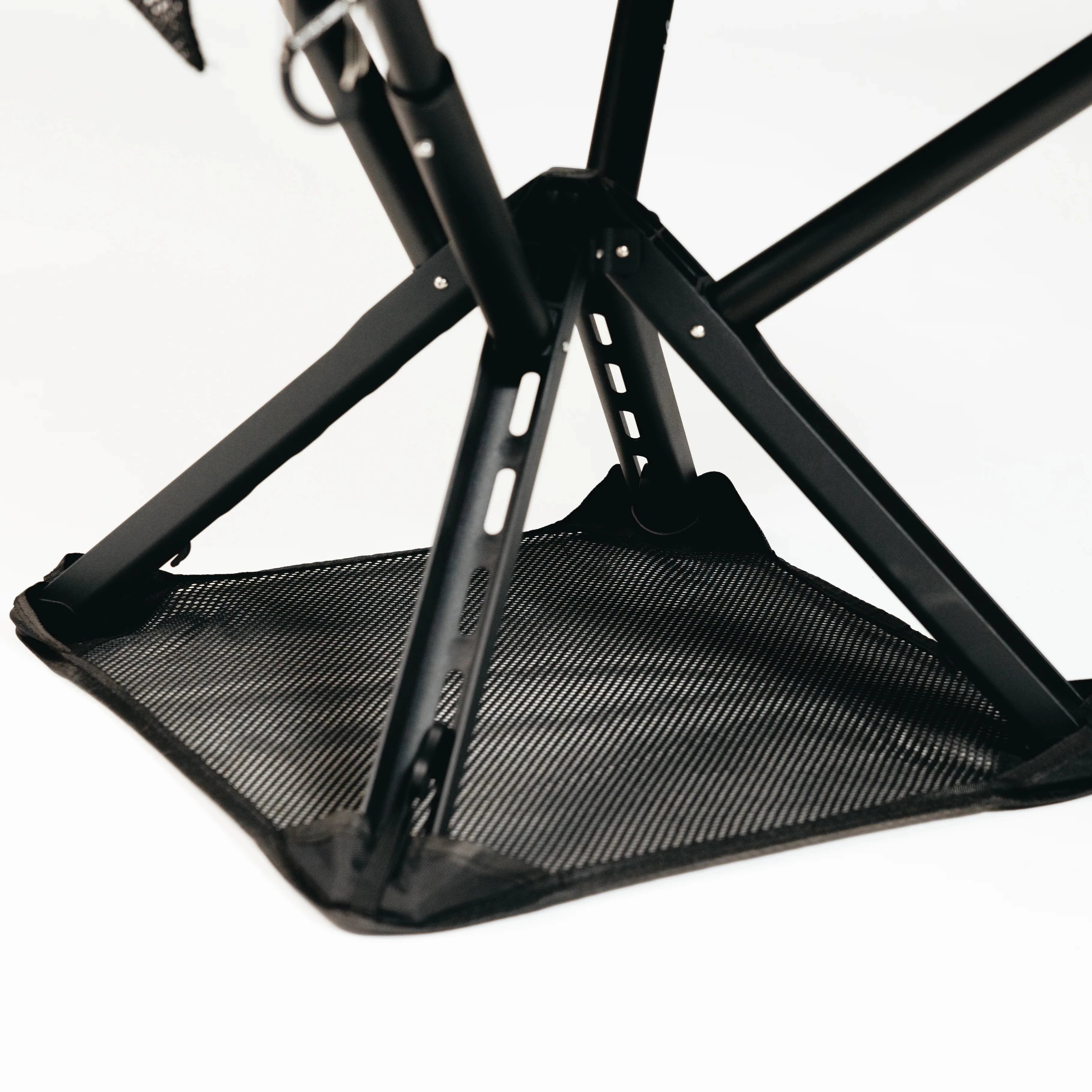
The company’s portable seating options exemplify smart weight management. Traditional camp chairs weigh 3-5 pounds and occupy significant pack space, yet many campers consider them essential for comfort.
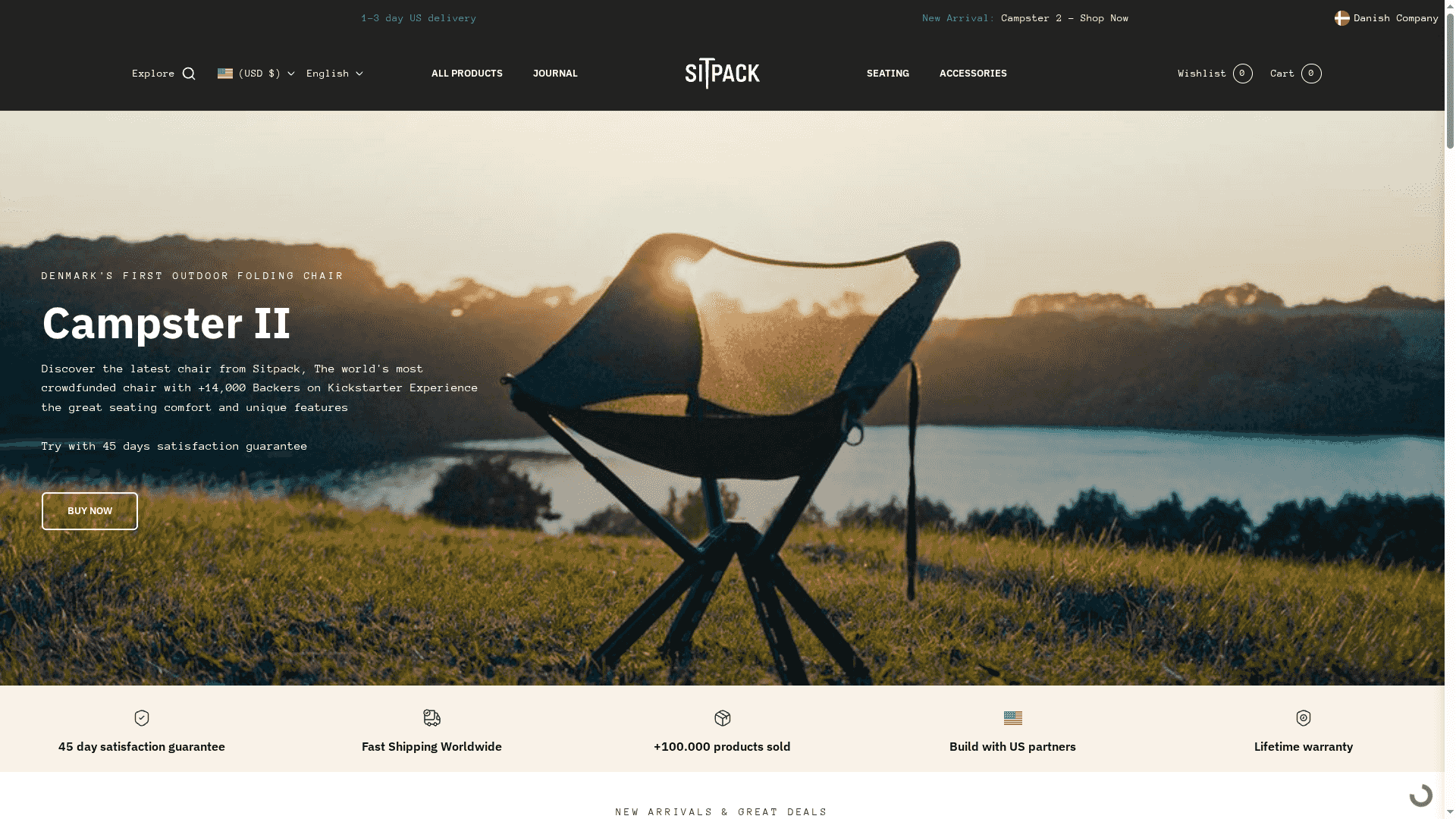
Sitpack’s ultralight alternatives deliver the comfort you want at a fraction of the weight, letting you enjoy relaxing evenings without the heavy penalty. Their minimalist designs pack smaller, weigh less, and still provide the support that transforms a campsite from functional to comfortable.
Explore Sitpack’s lightweight camping gear to discover how modern design solves traditional weight challenges. Their product line reflects the principles discussed throughout this guide, offering solutions that help you hike farther, recover faster, and enjoy camping more. Learn more about minimalistic camping gear benefits and find practical advice on how to pack light for camping to optimize your outdoor setup.
Your body expends energy proportional to the load you carry, but the relationship isn’t linear. Heavier packs require disproportionately more cardiovascular effort, alter your biomechanics, and force compensatory movement patterns that drain energy reserves faster than the weight alone would suggest.
Most experts recommend keeping total pack weight below 20-25% of your body weight for comfortable hiking, with 35% representing an absolute maximum before injury risk increases sharply. A 150-pound person should target 30-37 pounds fully loaded, adjusting downward for difficult terrain or limited experience.
Start by evaluating your Big Three gear items, as these offer the greatest weight savings potential. If your current shelter, sleep system, and backpack weigh more than 15 pounds combined, upgrading to lighter alternatives will deliver noticeable improvements in hiking comfort and endurance worth the investment.
Watch for signs like excessive fatigue, labored breathing on moderate terrain, inability to maintain conversational pace, lower back pain during or after hikes, and reduced enjoyment of the camping experience. These indicators suggest your pack weight exceeds your comfortable carrying capacity.
Yes, extreme weight cutting can compromise safety and comfort if it reduces your margin for error below your skill level. Balance weight reduction with adequate insulation, shelter protection, and emergency supplies appropriate for your experience and trip conditions rather than pursuing the lowest possible number.