Vogn
0
Tilmeld dig og få 10% i rabat på din ordre
Forventet levering
1-3 dage
Du vil måske også kunne lide


Dansk Firma


TL;DR:
- Choosing appropriate seating is critical to preventing event discomfort and confusion, directly impacting guest experience. Planning should start with clarifying goals, understanding constraints, and selecting suitable styles, considering space, mobility, and flexibility needs. Treat seating as a strategic system, revisiting plans regularly to optimize comfort, sightlines, and flow, especially for outdoor, temporary, and corporate events.
Poor seating choices are a silent event killer. You can nail the catering, book a stunning venue, and print flawless signage, yet if guests are craning their necks for a view, tripping over each other at the entrance, or wandering around confused because there’s no clear place to sit, the whole experience falls flat. We’ve seen it happen more times than we’d like to admit. The good news is that most seating disasters are entirely preventable when you approach seat selection as a deliberate, goal-driven process rather than an afterthought. This guide walks you through every major step, from clarifying your event’s objectives right through to handling last-minute curveballs.
| Point | Details |
|---|---|
| Match seating to event goals | Link your seating layout directly to your event’s objectives and attendee behavior to ensure an engaging experience. |
| Use space benchmarks | Apply tested square footage guidelines per person for each seating style and adapt for aisles and technical needs. |
| Always plan for accessibility | Design every layout with ADA compliance, clear views, and easy movement in mind for all guests. |
| Leave room for changes | Avoid maximum capacity plans by keeping a 5–10% buffer for last-minute guest adjustments and operational surprises. |
| Outdoor events need special care | Consider ground stability, weather, and infrastructure when organizing outdoor seating to ensure comfort and compliance. |
With the stakes understood, the first practical move is to clarify your unique event requirements and constraints. This sounds obvious, but you’d be surprised how many planners skip straight to chair catalogs before answering the most fundamental question: what is this event actually trying to accomplish?
Different goals demand radically different seating approaches. A conference designed for knowledge transfer needs clear sightlines and minimal distractions. A networking mixer needs open space and flexible furniture that encourages movement. A collaborative workshop needs tables, proximity, and easy eye contact between participants. As Cvent points out, the smartest move is to map your seating layout by matching your event’s goal to the room’s geometry first. Sightlines, networking flow, and collaboration patterns each pull you in a different direction.
Beyond goals, you need to understand your attendee demographics honestly. Are you expecting elderly guests who need extra support and wider aisles? Families with young children needing booster seats or open floor space? A mix of mobile and wheelchair-using attendees? These factors can’t be retrofitted after the fact.
Here’s a quick checklist of constraints to nail down before anything else:
“A seating plan that ignores the physical and logistical context of the venue isn’t a plan at all. It’s a guess.” Planning with constraints front and center is what separates experienced coordinators from first-timers.
For outdoor events especially, the planning layer gets thicker fast. Check out these outdoor event seating tips to get a head start on the terrain and weather side of things. The sun angle at 3 p.m. can wreck visibility for an entire row if you haven’t plotted it out beforehand.
Pro Tip: Gather your constraints list before you talk to any vendor. Once a vendor starts showing you pretty chairs, it’s easy to get pulled into a layout that fits their inventory rather than your event.
Once goals and constraints are mapped, it’s time to evaluate which seating style best supports your event’s vision. There are five main styles that cover the majority of events, and each one comes with its own spatial math, strengths, and blind spots.
| Seating style | Space per person | Best for | Pros | Cons |
|---|---|---|---|---|
| Theater | 6–8 sq ft | Presentations, keynotes | High capacity, clear sightlines | No tables, limited interaction |
| Classroom | 12–18 sq ft | Training, workshops | Note-taking friendly, structured | Lower density, less flexibility |
| Banquet/rounds | 10–12 sq ft | Galas, dinners, award shows | Social, elegant, service-friendly | Poor sightlines from some seats |
| Cocktail/standing | 5–7 sq ft | Networking, receptions | Maximizes space, encourages movement | Fatigue over long periods |
| Bleacher/temporary | 4–6 sq ft | Festivals, outdoor sports | Scalable, portable, weather-adaptable | Comfort limitations, sightline risks |
Capacity planning benchmarks like these are useful starting points, but you should adjust every figure for your specific aisles, stage footprint, AV equipment placement, and egress paths required by local codes. The numbers above are minimums for comfortable occupancy, not targets.
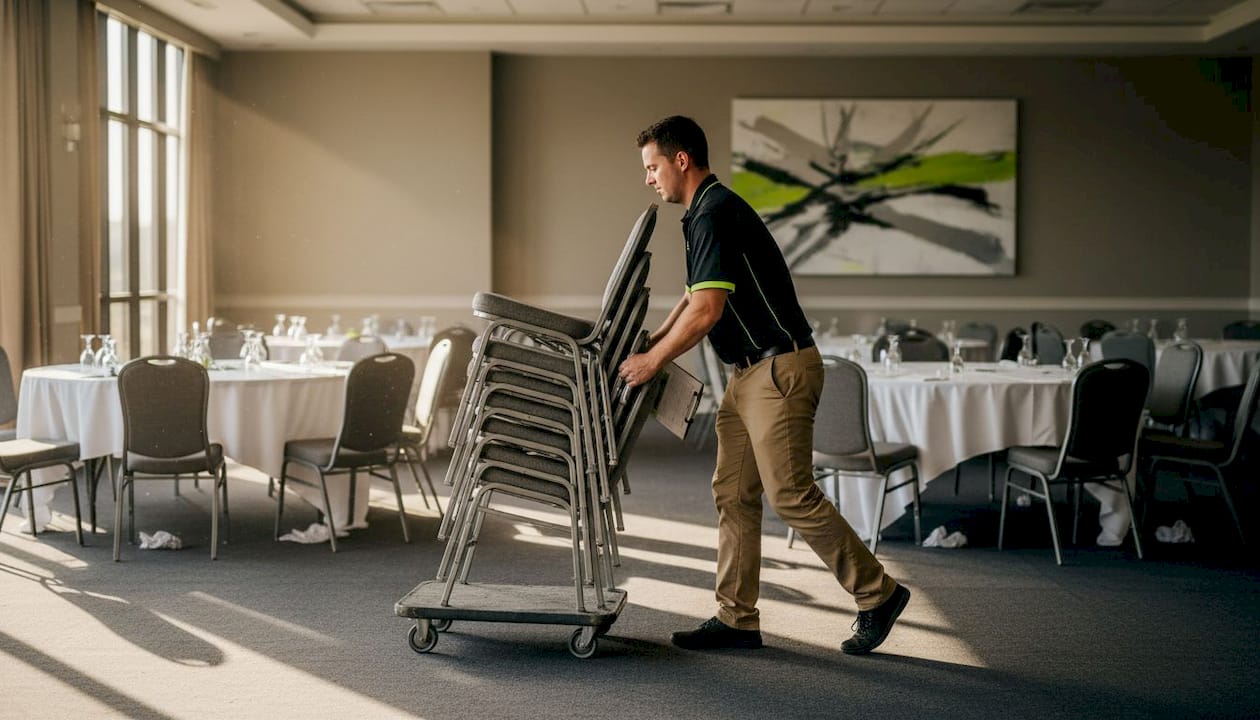
Flexibility is another factor worth weighing heavily. Events with multiple program segments, from a sit-down breakfast to a standing afternoon session, need layouts that can shift quickly. Round banquet tables are notoriously slow to rearrange. Theater rows with lightweight chairs can be reset in minutes, which matters a lot if you’re flipping the room between segments.
Corporate events deserve a special mention here because, as SeatPlan.io notes, you should treat corporate seating as an operations and change management challenge rather than a static layout exercise. Attendance lists shift, stakeholders get added at the last minute, and seating politics (yes, that’s a real thing) can create tension if seat assignments don’t reflect organizational relationships thoughtfully.
Flexibility factors to think through:
Understanding the need for portable seating becomes especially clear in multi-format events where the room has to serve several different functions in a single day.
Pro Tip: Never fill a venue to its theoretical maximum. Leave a 10–15% buffer for surprise attendees, accessibility adjustments, and the inevitable last-minute speaker who needs a chair on stage.
Armed with a seating style in mind, let’s move through a step-by-step, evidence-driven planning workflow. Think of this as your pre-event checklist, not a suggestion list.
Space benchmarks by seating type:
| Event type | Seating style | Minimum sq ft/person | Recommended sq ft/person |
|---|---|---|---|
| Keynote conference | Theater | 6 | 8 |
| Corporate training | Classroom | 12 | 15 |
| Gala dinner | Banquet rounds | 10 | 13 |
| Festival grandstand | Bleacher | 4 | 6 |
| Networking reception | Cocktail/standing | 5 | 8 |
A realistic stat worth keeping on your radar: last-minute attendee count changes of 5–10% are common across most event types, and outdoor festivals can see even higher variability depending on weather. Designing for accessibility and clear sightlines from the start is far less expensive than retrofitting adjustments after complaints start rolling in.
Use this streamlined seating workflow as an operational companion to the checklist above, particularly if you’re managing a large outdoor event where the logistics multiply fast.
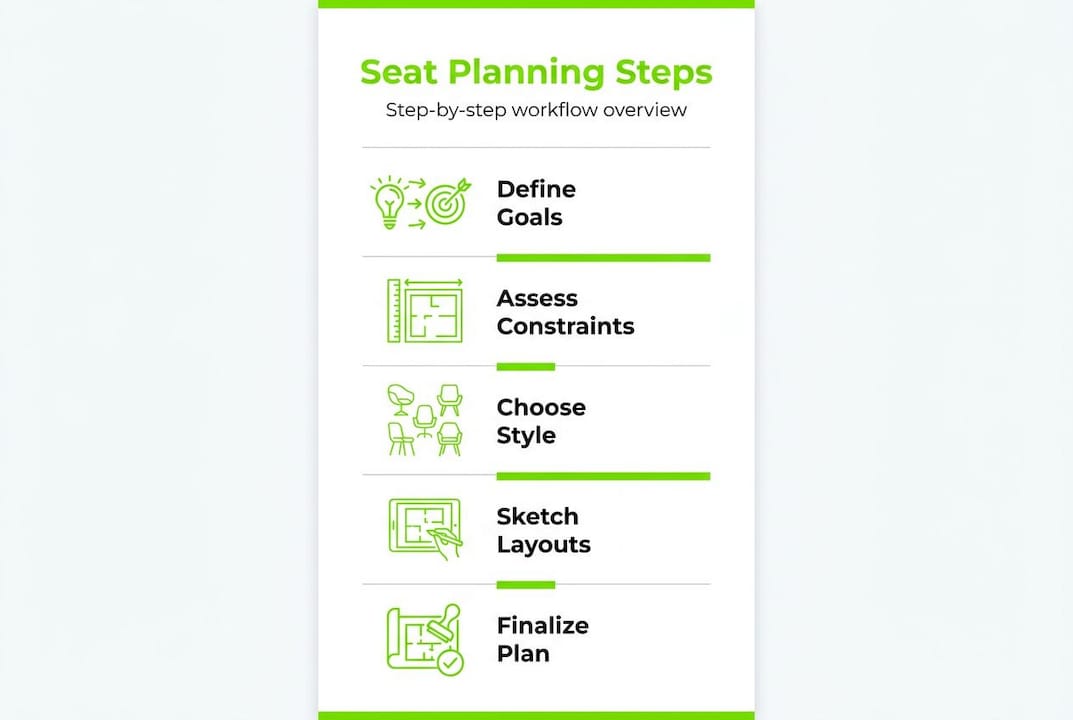
Pro Tip: Sketch at least three different layout scenarios before committing. Planners who only draw one layout tend to fall in love with it and miss obvious improvements that a second or third iteration reveals quickly.
While the general process works for most events, some scenarios demand special tweaks and extra caution.
Outdoor events introduce a whole set of variables that indoor planners rarely face. The ground itself can be the biggest enemy: soft grass sinks chair legs, gravel shifts underfoot, and slopes create row-height inconsistencies in bleacher setups. According to VFairs’ festival planning guidance, you should incorporate weather, ground, and infrastructure considerations into the plan at the same level of priority as the furniture itself.
Outdoor event seating checklist:
“The outdoor event planner’s biggest mistake isn’t choosing the wrong chair. It’s failing to visit the site until the day before setup.”
Temporary seating structures like bleachers and risers add an engineering dimension to event planning. Staggered row heights are critical for sightlines, and the structure needs to meet local safety codes for load capacity and anchoring. Work with certified rental vendors who can provide compliance documentation.
Corporate events present a different flavor of complexity. Assigned versus open versus hybrid seating is a real strategic decision, not just a logistical one. As Amy Abbott Events explains, how you structure seating interacts directly with your guest count and service flow. Assigned seating works well for formal dinners and hierarchical gatherings where relationships matter. Open seating suits casual brainstorms and innovation workshops where you want organic grouping. Hybrid models, a mix of reserved and open zones, work well for large conferences where some attendees need guaranteed spots near exits or accessible areas.
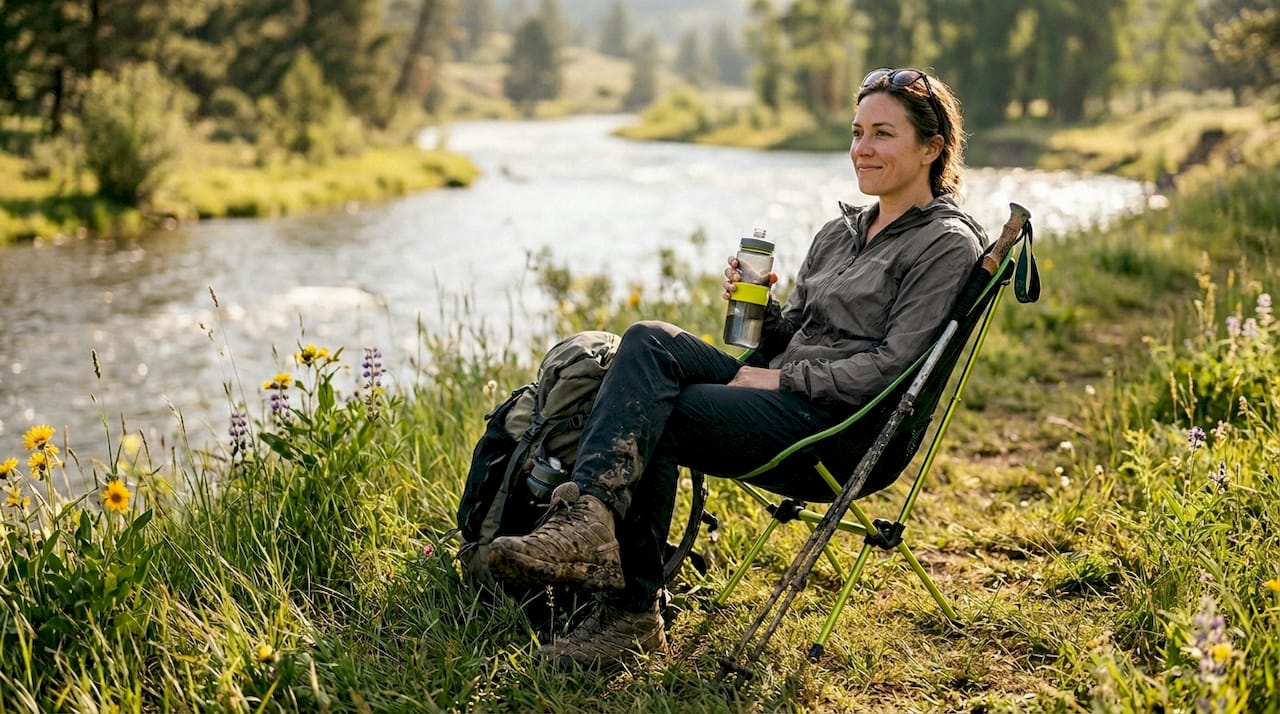
These portable seating tips are worth bookmarking for any outdoor or pop-up context where you need to combine flexibility with comfort on tricky terrain.
Pro Tip: For corporate events with assigned seating, always keep a “floating seat” reserve of 5–8% of total capacity for latecomers, VIPs who weren’t on the original list, and accessibility-related swaps that come up the morning of the event.
Beyond the checklist, it’s worth reshaping how you think about event seating as a strategic asset rather than a logistical expense.
Here’s the honest truth: most post-event surveys that come back negative don’t mention “the decor was average” or “the branding was inconsistent.” They mention sore backs, blocked views, confusion about where to sit, and feeling disconnected from the program. Seating is the physical infrastructure of every emotion a guest experiences. It’s where they decide whether to lean in or tune out.
We think planners who operate at the highest level treat seating as a living system, not a fixed diagram. They revisit the floor plan after the RSVPs close, again when the final headcount lands, and again after the venue walkthrough. The planners who treat it as “done” after the initial layout are the ones who get caught scrambling the morning of the event.
There’s also a fascinating behavioral element at play. The spacing between seats affects whether strangers talk to each other. The angle of a row affects how much attention an audience gives a speaker. The height of a chair affects perceived status and comfort in a negotiation setting. None of this is interior design theory. It’s practical cause and effect that plays out at every event.
The next time you’re planning a seating layout, we’d encourage you to spend an extra hour exploring scenarios and asking “what breaks first?” Run through the event seating workflow overview with fresh eyes and you’ll almost certainly find one improvement that pays dividends on the day. Small tweaks to aisle placement, row staggering, or accessible seating positioning can transform an average event into one that guests actually rave about.
The bottom line: seating is the hidden system that determines whether your event’s goals actually get met. Give it the strategic attention it deserves.
If you’ve made it this far, you’re clearly the kind of planner who sweats the details that make events genuinely memorable. Smart seating choices don’t stop at the layout diagram, though. The actual chairs, stools, and portable seating solutions you put into that plan matter just as much as where you place them.
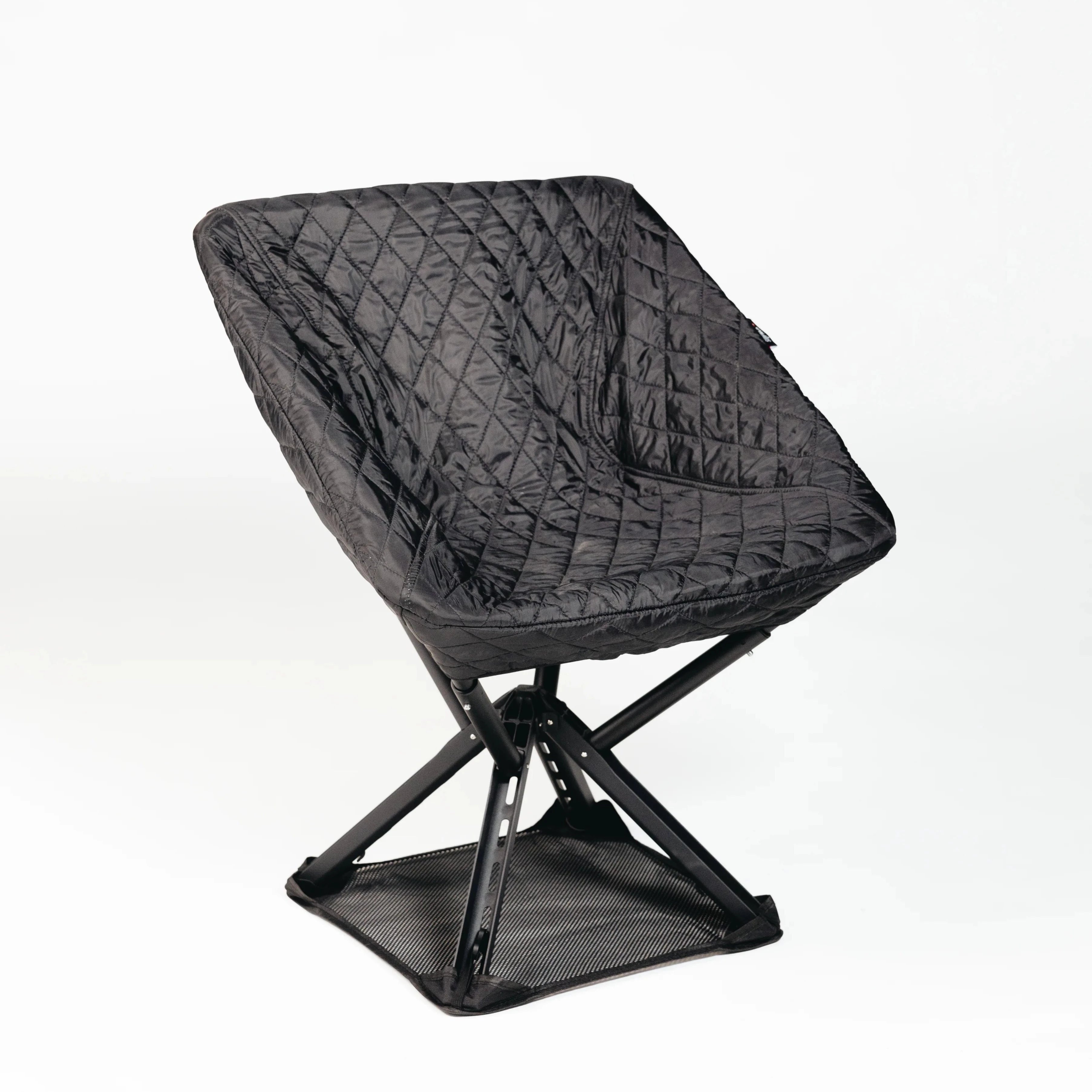
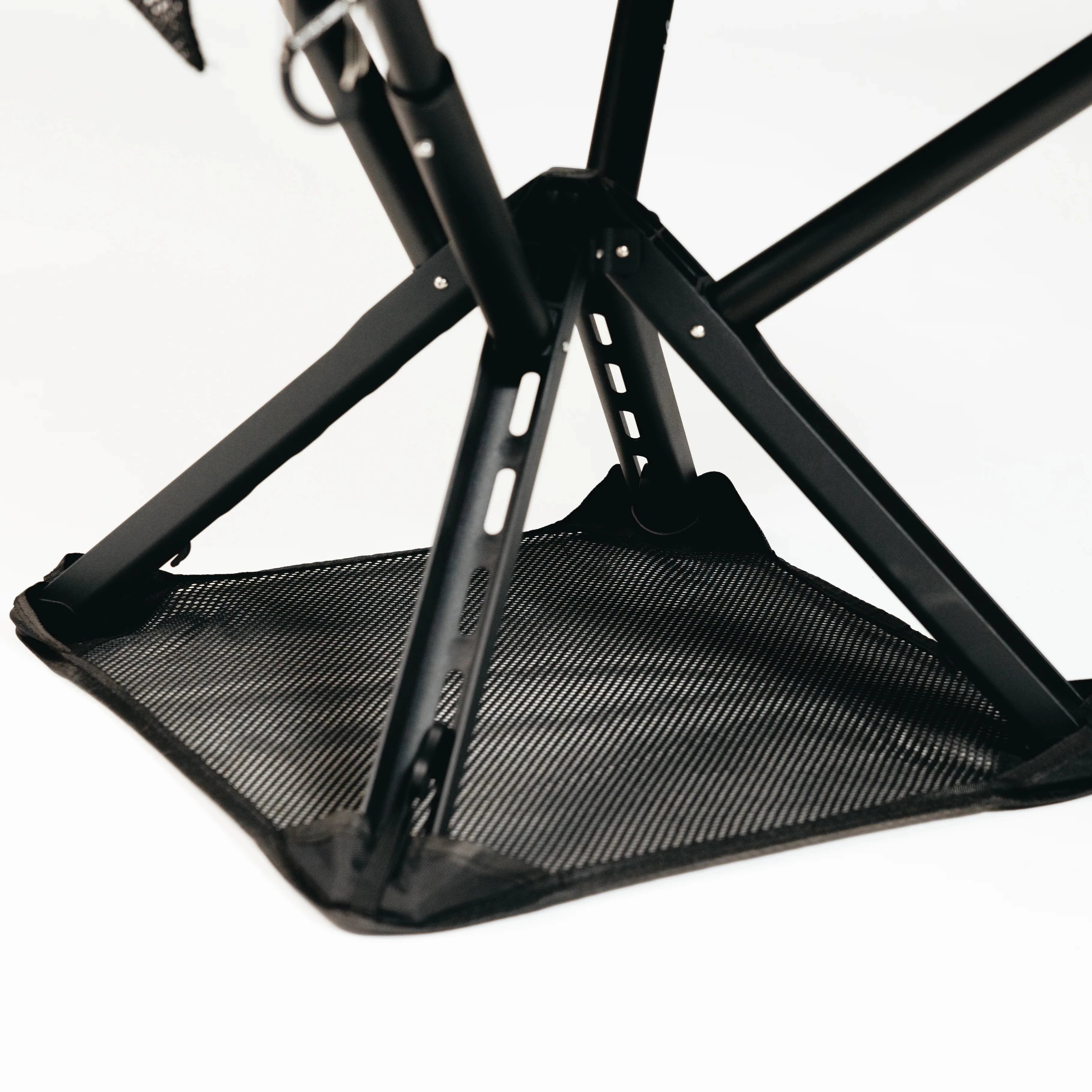
At Sitpack, we design portable, lightweight seating built for exactly the kinds of scenarios you’re planning around: outdoor festivals, pop-up events, corporate functions that need flexible room flips, and any gathering where comfort and adaptability aren’t optional. From the Campster II to the Sitpack Zen, our products are designed to slot into demanding event environments without weighing your setup team down. Browse our full range of portable seating solutions and accessories at sitpack.com and see what a well-designed chair can actually do for your next event.
Start by mapping your event’s goals and format to a seating style that fits your venue’s geometry and attendee needs. As Cvent recommends, aligning room geometry with your event goal, whether that’s stage visibility, networking, or collaboration, is the most reliable starting point.
Plan for 5–10% more seats than your confirmed guest count to handle last-minute additions without scrambling. SeatPlan’s guidance on avoiding theoretical maximums applies equally to weddings and large corporate events.
Design ADA-compliant routes, maintain adequate aisle widths (typically 44 inches for primary aisles), and integrate accessible seating throughout the floor plan rather than clustering it in one corner. Ticket Fairy’s planning framework covers sightline and accessibility compliance in detail for festival-style setups.
Assigned seating provides structure and avoids confusion at formal events, open seating offers flexibility for casual gatherings, and a hybrid combines both for large or mixed-format events where some guests need guaranteed spots. Amy Abbott Events breaks down how each approach interacts with service flow and guest count.
Visit the site in person, evaluate ground stability and drainage, plan accessible paths across uneven terrain, and build in a weather contingency before finalizing any layout. VFairs’ festival planning guide is a solid resource for working through the full infrastructure checklist for outdoor events.