Vogn
0
Tilmeld dig og få 10% i rabat på din ordre
Forventet levering
1-3 dage
Du vil måske også kunne lide



Dansk Firma


Comfort features decide whether you arrive worn out or arrive ready to enjoy the place. Seat shape, support, temperature, noise and a spot to sit down when there isn’t one all add up, and research from several universities shows they change how tired you feel and which journeys people choose. For campers, commuters and city wanderers, the most useful comforts are the ones you carry yourself, like a lightweight folding seat or a puffy blanket, because you control them on every leg of the trip.
A travel comfort feature is anything that lowers physical strain or mental stress on the way from A to B. On a plane, the list from an industry overview of onboard comfort includes comfortable seats, legroom, storage, lighting, soundproofing, temperature control, Wi-Fi, entertainment, blankets and pillows. Premium economy cabins add seat pitch (the distance between rows), adaptable headrests, footrests, USB power and extra storage.
Strip away the airline jargon and you get a simple idea: your body needs support, your head needs some quiet and your hands need something to do. The same logic works on a train platform, at a trailhead or at an outdoor market where every bench is taken.
A 2016 literature review on passenger seat comfort found that comfort comes from an interaction between the person, the product and the context. Your body size, what you are doing and the seat’s characteristics all matter, and they work through things like posture, movement and the pressure between you and the seat. In plain terms: there is no single perfect seat, because you are not a single perfect sitter.
So when we talk about comfort features, we mean three groups:
Travel tiredness isn’t only about distance. Researchers at Chalmers University of Technology in Sweden built a model of car ride comfort from two studies with 48 participants. They sorted comfort into physical, psychological and functional parts. Physical discomfort came from inadequate head, back and leg support, limited room to stretch and pressure on parts of the body, and over time it showed up as fatigue, numbness and reduced circulation.
That last bit is worth remembering. A wobbly or badly shaped seat doesn’t just annoy you at minute five. It adds up.
A later Chalmers analysis of 233 free-text answers, Passenger Perceptions of Sitting Comfort in Mobility, shows what people mean when they say they are sitting comfortably. They describe physical relaxation, with no stiff back or sore backside, feeling safe enough to relax mentally, and being able to do things like gaze out the window, read or nap. Comfort was also shaped by stature, health, age and seat contour.
The parts also feed each other. A follow-up Chalmers study found that low psychological comfort, such as not feeling safe, can create physical tension and reduce enjoyment of activities, while physical factors like seat-belt fit affect both body and mind. If you are tense, you sit worse. If you sit worse, you get tenser.
Travel comfort doesn’t stop when you arrive. A survey of 609 frequent business and leisure travelers, published in a study on hotel attributes and guest sleep, linked poor sleep to uncomfortable bed linens (odds ratio 2.63), uncomfortable pillows (2.49), heating or air-conditioning noise (1.57) and outside noise (2.23). Sleep satisfaction was also a strong predictor of how happy guests were with the hotel overall.
A small preliminary study with 49 healthy participants at a Paris hotel, on first-night sleep in hotels, tried a bundle of changes: an 18°C room, warm socks, relaxation practices and a pressure-relief bed. Participants had higher sleep scores, longer sleep and more deep sleep than at home, with the biggest gains among people who slept poorly at home. It is early research on a small group, but the pattern is easy to relate to: temperature, softness and quiet are levers you can pull.
For campers, that translates directly. Your tent is your hotel room, and a layer you can wrap around yourself does the job of the thermostat.

We tend to assume everyone just wants the fastest option. The data says it is more nuanced.
A Delft University of Technology stated-preference study by Kantelaar, using 2019 data from 804 Dutch travelers, looked at willingness to use night trains. Raising comfort from 1 to 5 stars lifted the estimated market potential by 30 percentage points, from 41.0% to 70.9%, on a 13-hour trip. Cutting the travel time by up to 2.5 hours changed it by only around 5%. Privacy, meaning a 2-person versus a 6-person compartment, was the key comfort variable, and comfort mattered more to business travelers than leisure travelers.

Hitachi Rail’s Better Connected Report 2025 points the same way: “less stress”, direct journeys and speed lead the reasons for choosing long-distance rail, and travelers under 35 put onboard comfort and easy booking near the top.
Speed still counts, of course. A US study of 1,033 travelers on the Los Angeles to San Francisco corridor, on high-speed rail mode choice, found convenience, travel frequency, income and total travel time shaped the choice between flying, rail and driving. The lesson isn’t that comfort always beats time. It is that comfort is a real part of the price you pay for a trip, and it is one you can improve yourself.
It depends on where you are and who you are, but a few themes keep showing up.
A cross-cultural study of 795 participants in nine countries, including the USA, Canada, Brazil, China and Germany, found that every country rated a luxurious bed above a simple one and first-class seats above economy. Every country also rated comfort lower the longer the sitting lasted. Preferences differed too: participants from the USA and Canada liked softer beds and pillows, while Chinese and German participants leaned toward harder mattresses.
Translate that into a quick ranking for everyday travelers:
Notice that the first three are things you can pack.
A researcher at the University of Southampton, in a presentation on passenger comfort in rail travel, makes a point that anyone who has bought a chair online will recognize: static comfort is judged in seconds, but ride comfort reveals itself over the whole journey. A seat can win the showroom test and lose the long haul.
The same presentation lists why public seats are compromises. Fire standards limit which foams and fabrics can be used, crash-safe seatbacks are taller and block the view, and thinner cushions buy legroom or room for more seats. One test in the presentation scored spring-case seating at 128% and a foam recliner at 121%, against a rigid wooden seat at 100%. Context shapes all of it.
The Delft thesis on comfort experience in air travel adds another detail: reduced seat pitch and sharp seat edges constrain body postures, and that changes how comfortable you feel through the parts of your body touching the seat.
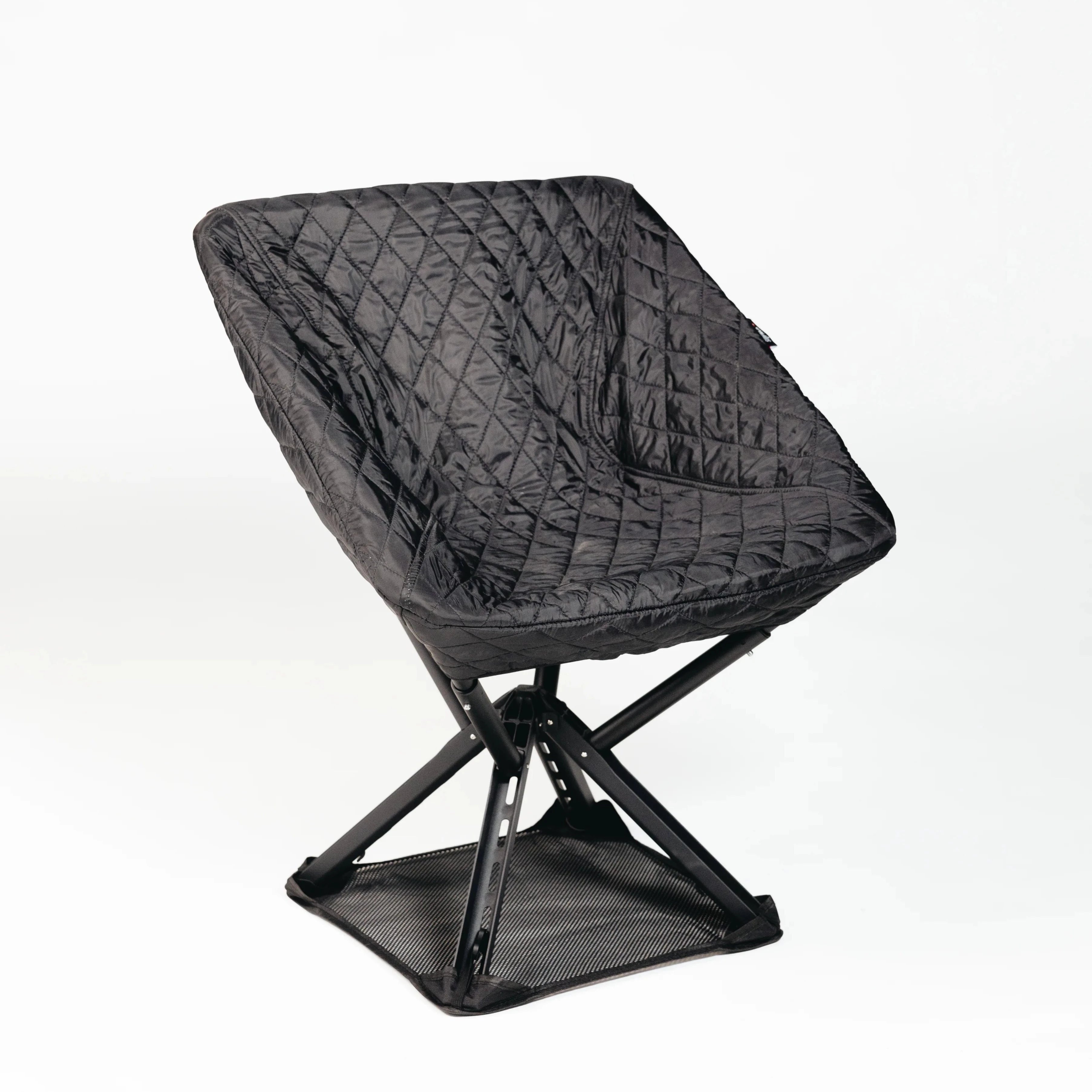
What does this mean for you? Public seating is built for the average passenger and the operator’s budget. Your own seating is built for one person, and you can pick it for how it handles hours of use, not seconds. That is the reasoning behind a portable seat: not a luxury, just a way to take control of the one variable that wears you down.
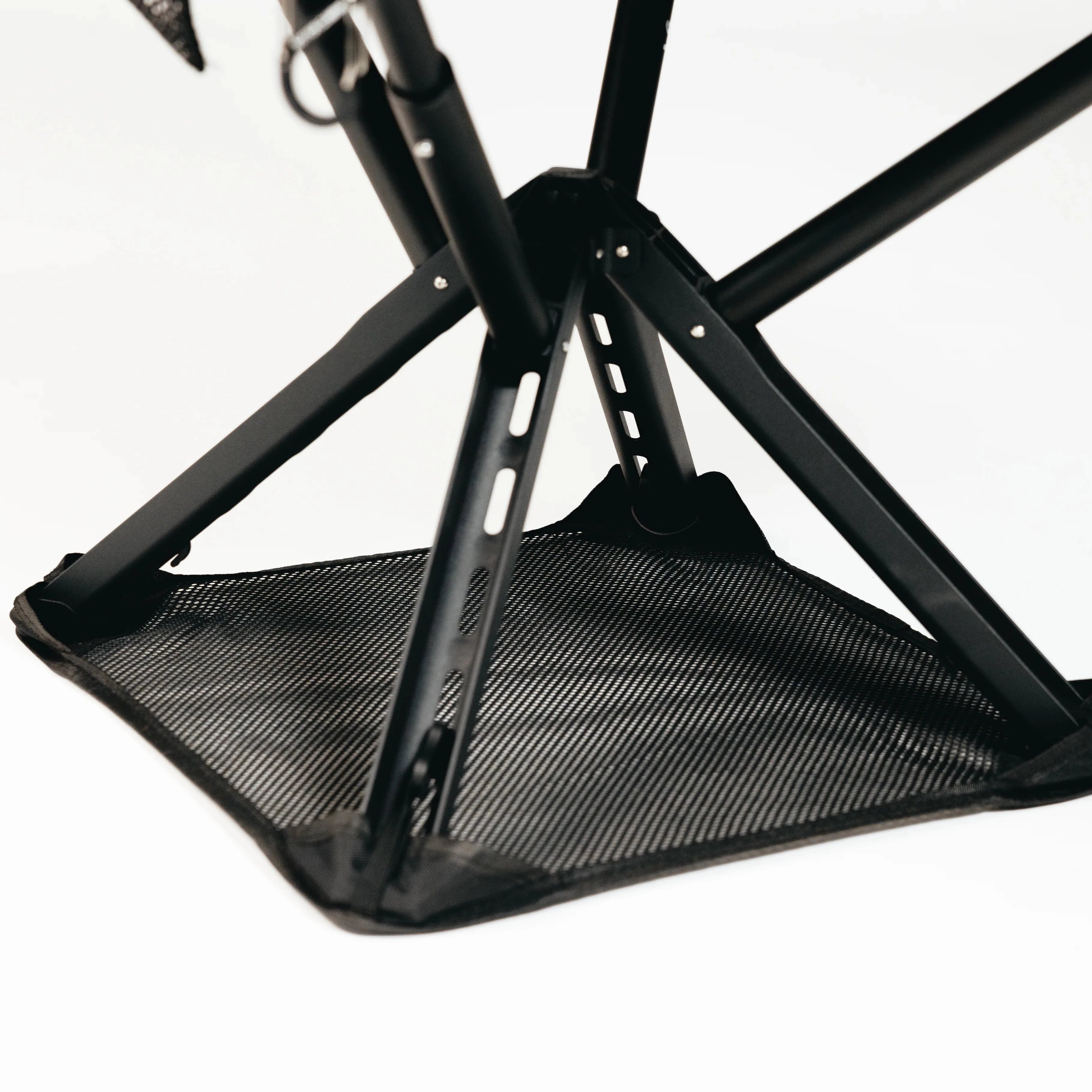
Portability brings its own trade-off. Anything you carry has to be light and small, or it stays at home. That is why design choices like a foldable frame and low weight matter as comfort features in their own right.
Here is how the research looks in a real bag.
Campers and hikers. Your day has long stretches of sitting: breakfast, rest stops, camp evenings. A compact folding seat solves the support problem, and a puffy blanket handles the climate problem when the sun drops. Our travel seating essentials checklist for long trips walks through what to pack.
Commuters. Platforms, delays and crowded stations mean standing when you would rather sit. A light seat in your daypack turns a 40-minute delay into a break. A seat warmer helps on a cold bench.
City explorers and festival-goers. Queues, parks, markets and outdoor concerts reward anyone who can sit down anywhere. We cover this in more depth in our guide to adaptable seating for travelers.
Long-haul travelers. You can’t bring a chair on a plane seat, but you can use comforts like a blanket, and you can sit properly at the airport gate, at a transfer or at your destination. Our post on travel seating tips for comfort and mobility goes through it.
Eco-conscious packers. One durable seat you keep for years beats a drawer of cheap ones. If that matters to you, read about ergonomic travel seating with eco options.
A short pre-trip routine helps anyone:
We design around a simple belief: comfort shouldn’t depend on what the venue happens to offer. Public seats are built for the average passenger and the operator’s budget, so the only reliable way to get a good seat is to bring one.
That is why we focus on portable, foldable seating with a lightweight, minimalistic design and durable materials, with eco-friendly choices where we can. The research backs the thinking: comfort is physical, psychological and practical at once, and a seat that supports you, a layer that warms you and a spot to rest all pull in the same direction.
Our Campster II, our Airwrap blankets and the rest of the range are meant to be the things you actually carry, because a comfort feature left at home does nothing. Some of our items carry a lifetime warranty, and we offer a 45-day satisfaction guarantee, so you can build your own comfort kit with confidence.
Park your posterior somewhere good. The trip will thank you.
Jonas
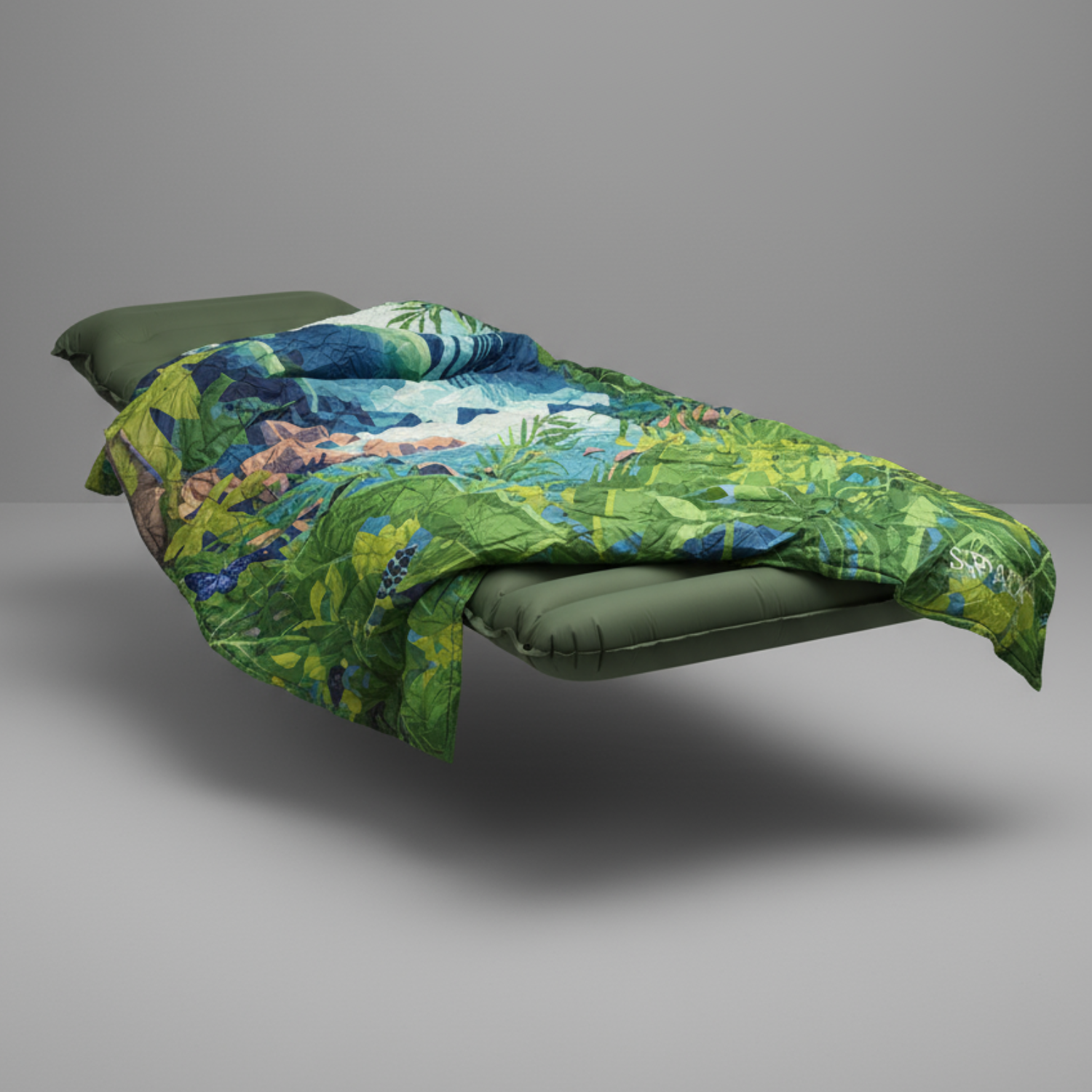
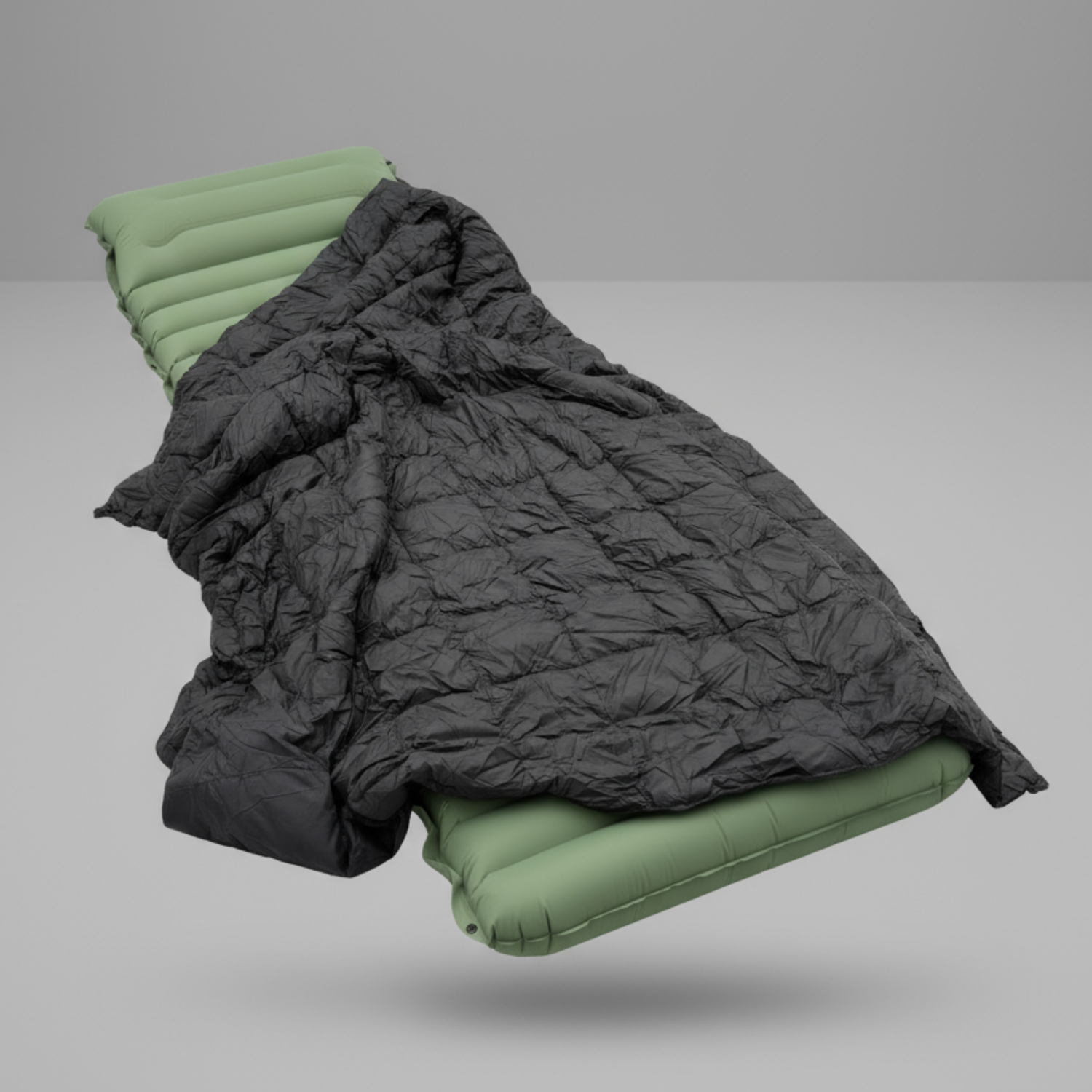
If you want a seat that rides along in a pack, start with the Campster II, our lightweight foldable chair. For cold evenings and camp rests, the Airwrap puffy adventure blanket adds the climate layer. You can browse the whole range, including OCTO and the accessories, on our all products page. We ship worldwide, and every order comes with our 45-day satisfaction guarantee.
Comfort affects how tired you feel and how much you enjoy what you do. Chalmers research links poor support, limited stretching and body pressure to fatigue and numbness over time. Comfort that feels safe and relaxed also lets you read, rest or enjoy the view.
Often they matter a lot. In a Delft study of night-train choice, raising comfort from 1 to 5 stars raised market potential by 30 percentage points, while saving up to 2.5 hours changed it by about 5%. Speed still matters, especially for travelers who fly often, so the best answer depends on the trip.
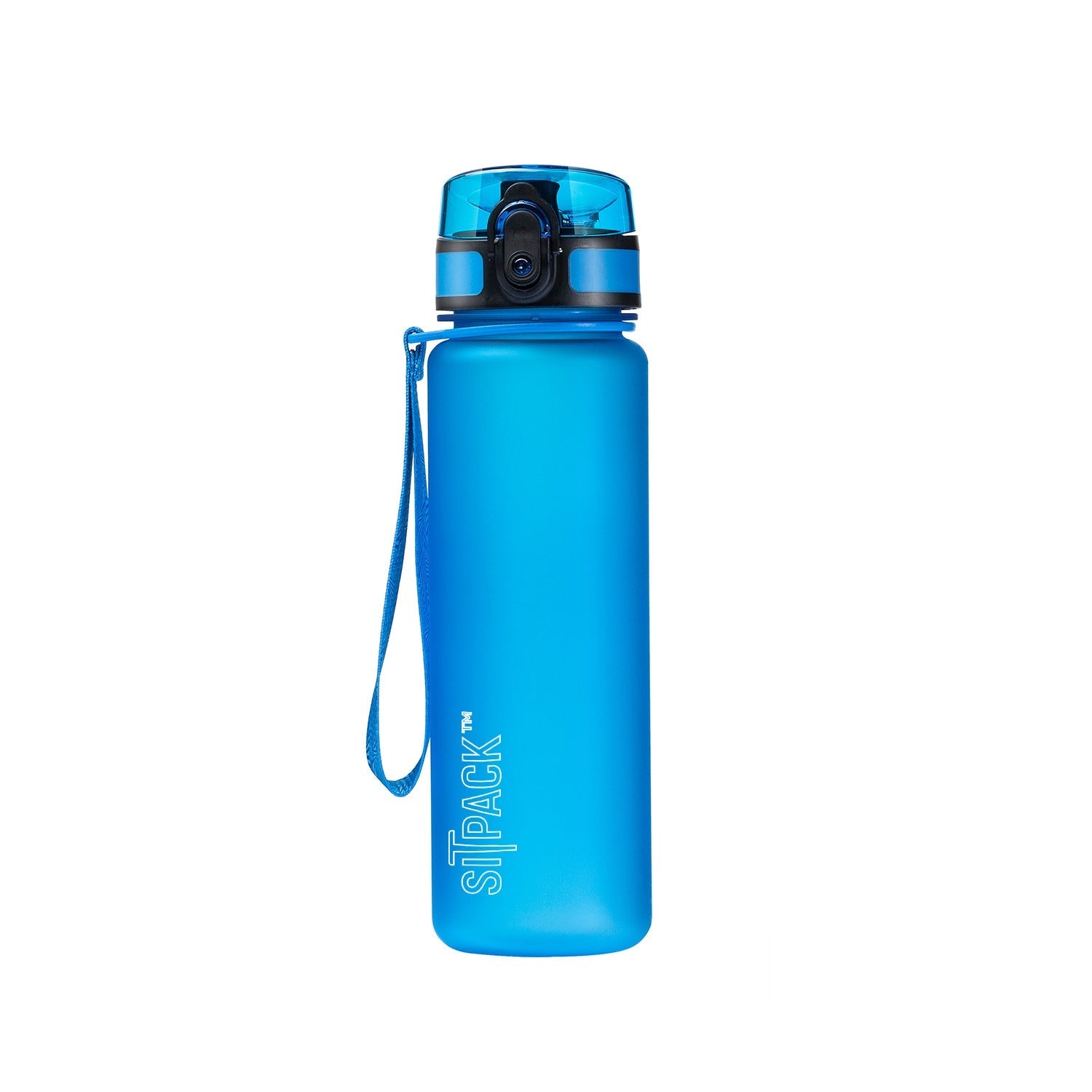
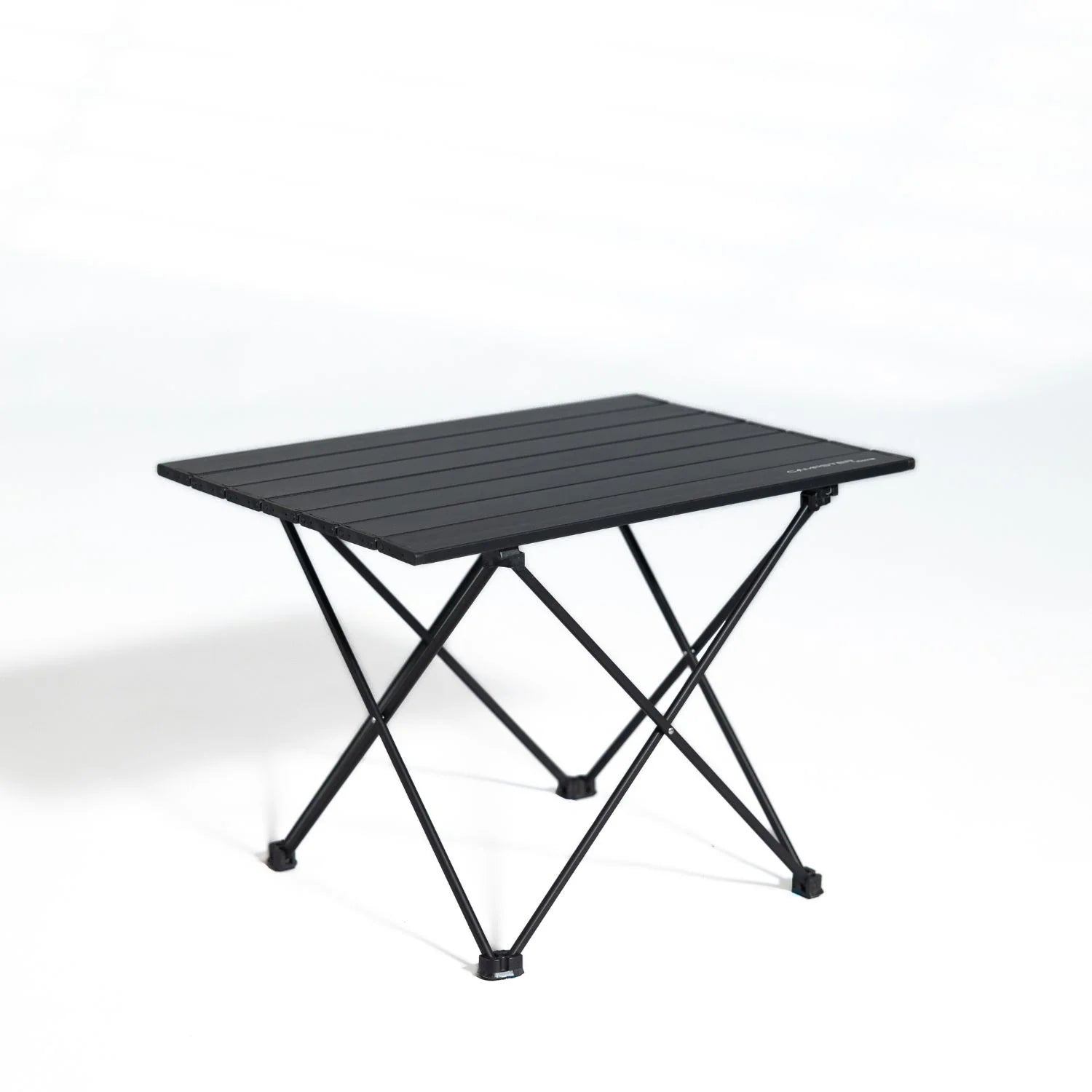
Start with a place to sit, a warm layer and something for rest. A lightweight folding chair, a puffy blanket and a seat warmer cover those three needs, and a small table or water bottle makes stops easier. Pick what you will actually carry on every trip.
No. Research shows that body size, health, age and activity all shape comfort, and a nine-country study found that preferences for soft or firm bedding differ by country. That is a good reason to choose your own seating and bedding comforts instead of relying on a one-size-fits-all option.