Vogn
0
Tilmeld dig og få 10% i rabat på din ordre
Forventet levering
1-3 dage
Du vil måske også kunne lide


Dansk Firma

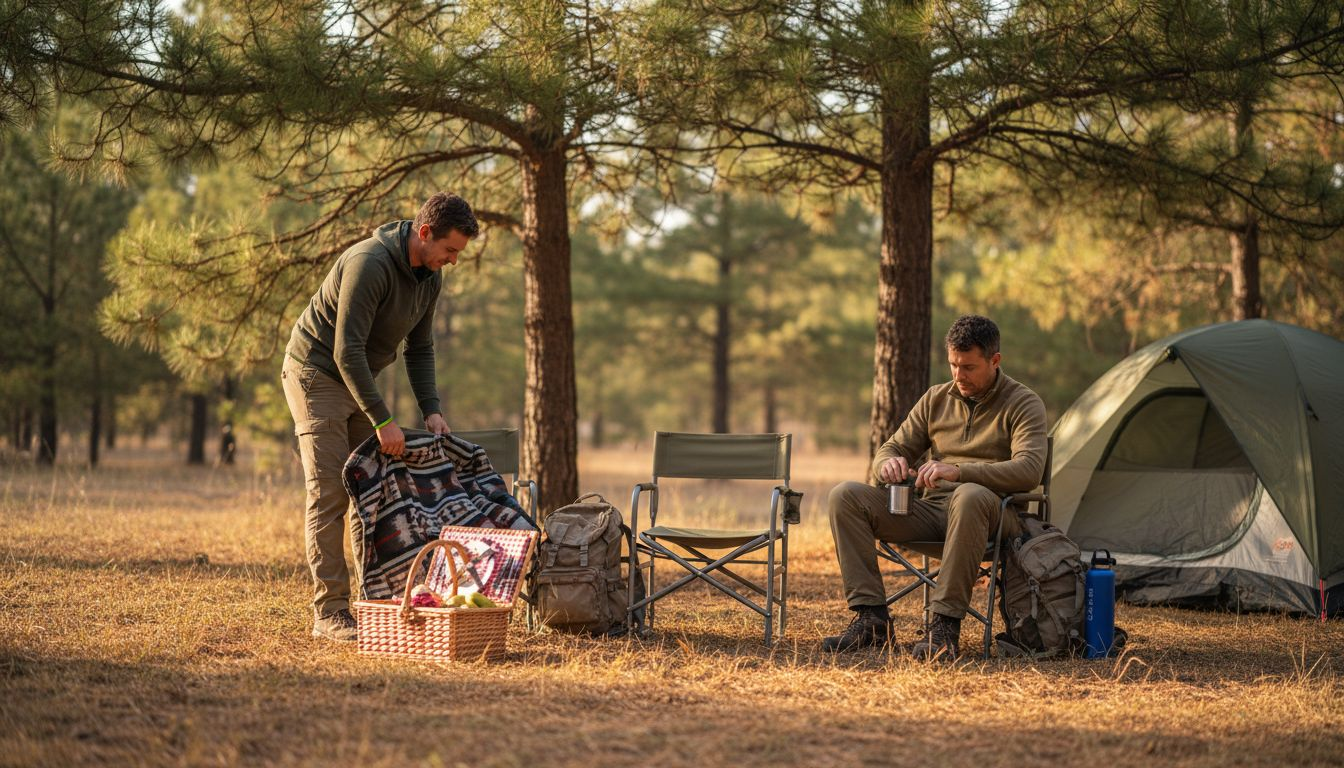
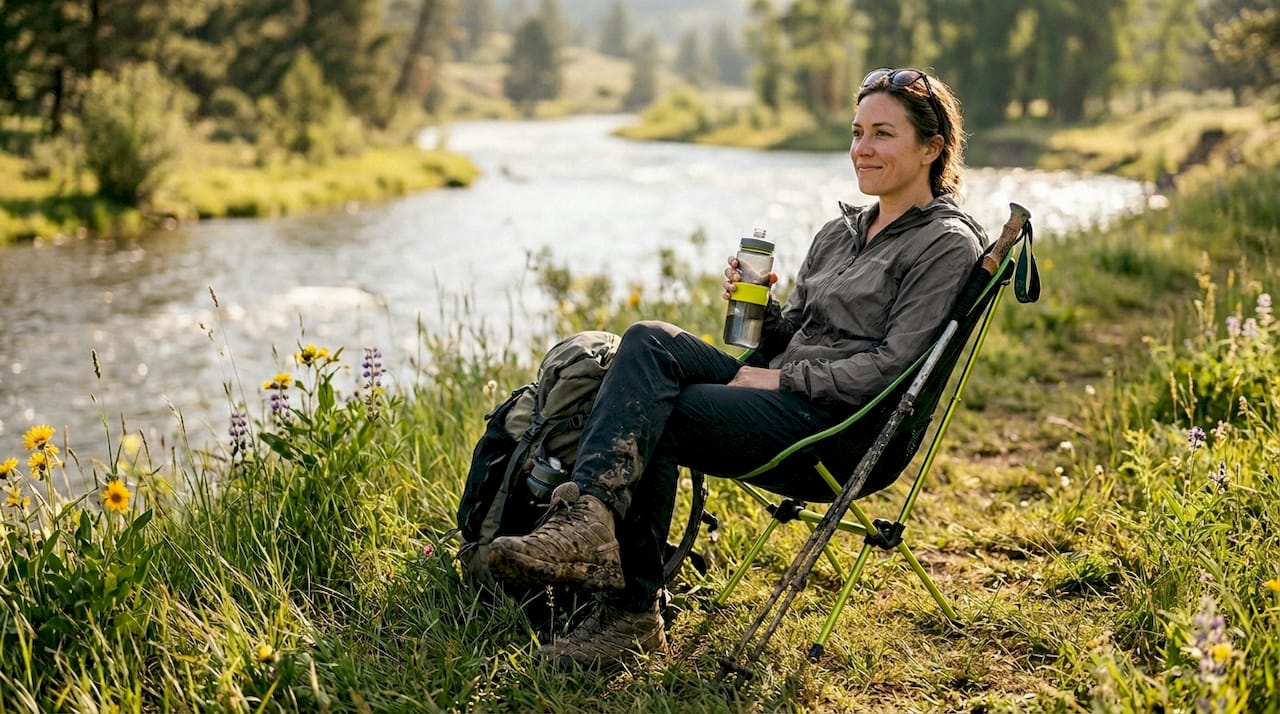
Finding the right portable chair for your next trip can feel overwhelming when so many outdoor seating options promise comfort but fall short in real world use. For urban dwellers who crave eco-conscious choices, the right seat means balancing durability, portability, and personal comfort at every festival, local park, or weekend escape. This guide breaks down how strategic seating placement and smart material selections support your unique adventures while prioritizing lightweight, functional solutions you can rely on wherever you go.
| Key Insight | Explanation |
|---|---|
| 1. Assess Your Outdoor Seating Needs | Evaluate your typical outdoor activities to determine the best portable seating options that fit your lifestyle and comfort requirements. |
| 2. Select Lightweight and Durable Solutions | Choose seating made from weather-resistant materials that are lightweight for easy transport and durable for various environments. |
| 3. Enhance Comfort With Smart Accessories | Invest in versatile accessories like cushions and supports to personalize your seating experience and improve overall comfort. |
| 4. Test and Adjust for Maximum Relief | Systematically evaluate your seating setup in different environments to fine-tune comfort and performance based on personal preferences. |
| 5. Maintain and Store Gear for Longevity | Implement regular cleaning and smart storage practices to preserve the quality and functionality of your portable outdoor seating. |
Deciding on the perfect portable outdoor seating starts with a strategic personal evaluation that considers your unique adventure style. Your goal is to match a seating solution precisely to your lifestyle and comfort requirements.
Begin by examining your typical outdoor scenarios. Are you a festival goer who needs lightweight, compact chairs? A weekend camper seeking robust support? A picnic enthusiast wanting social clustering options? Strategic seating placement depends entirely on understanding your specific use cases. Consider factors like weight capacity, portability, terrain adaptability, and frequency of use. Some key questions to ask yourself include: How often will you use the seating? What environment will you be in (beach, forest, urban park)? Will you need to carry the seat long distances? Do you require special accessibility features?
Your outdoor seating selection should balance practical functionality with personal comfort. Accessibility guidelines recommend thinking about seat height, width, stability, and adaptability for different user needs. Lightweight travelers might prioritize packability, while comfort seekers could focus on cushioning and ergonomic design. Sketch out your primary outdoor activities and match those requirements to potential seating solutions.
Pro Tip: Always test potential portable chairs by simulating your most common outdoor scenarios before making a final purchase.
Choosing the right portable outdoor seating means finding the perfect balance between weight, durability, and comfort. Your ideal solution will provide robust performance without weighing you down during adventures.
When evaluating potential seating options, focus on materials that offer weather resistance and long term reliability. Aluminum, treated synthetic fibers, and high grade plastics typically deliver exceptional performance. Consider the specific environments where you will use the seating most often. Beach environments require rust resistant materials, while forest settings demand sturdy construction that can handle uneven terrain. Lightweight travelers should prioritize packable designs under 3 pounds, while weekend campers might accept slightly heavier options with enhanced stability.
Look beyond basic specifications by examining real world performance characteristics. Outdoor seating construction should withstand frequent use and varying weather conditions. Check weight capacity, material flexibility, and resistance to UV degradation. Some advanced portable chairs now incorporate aerospace grade materials that provide incredible strength without compromising portability.
Here is a snapshot comparing popular outdoor seating materials and their advantages:
| Material Type | Key Benefits | Typical Use Cases |
|---|---|---|
| Aluminum | Lightweight, rustproof | Beach, hiking, festivals |
| High-grade plastic | UV resistant, easy clean | Parks, campsites |
| Treated fabric | Weatherproof, flexible | Camping, picnics |
Pro Tip: Always pack a small repair kit with duct tape and basic tools to handle unexpected gear maintenance during outdoor adventures.
Transforming your portable outdoor seating from basic to exceptional involves strategic accessorizing that maximizes comfort and functionality. Your goal is to create a personalized seating experience that adapts to various environments and personal preferences.
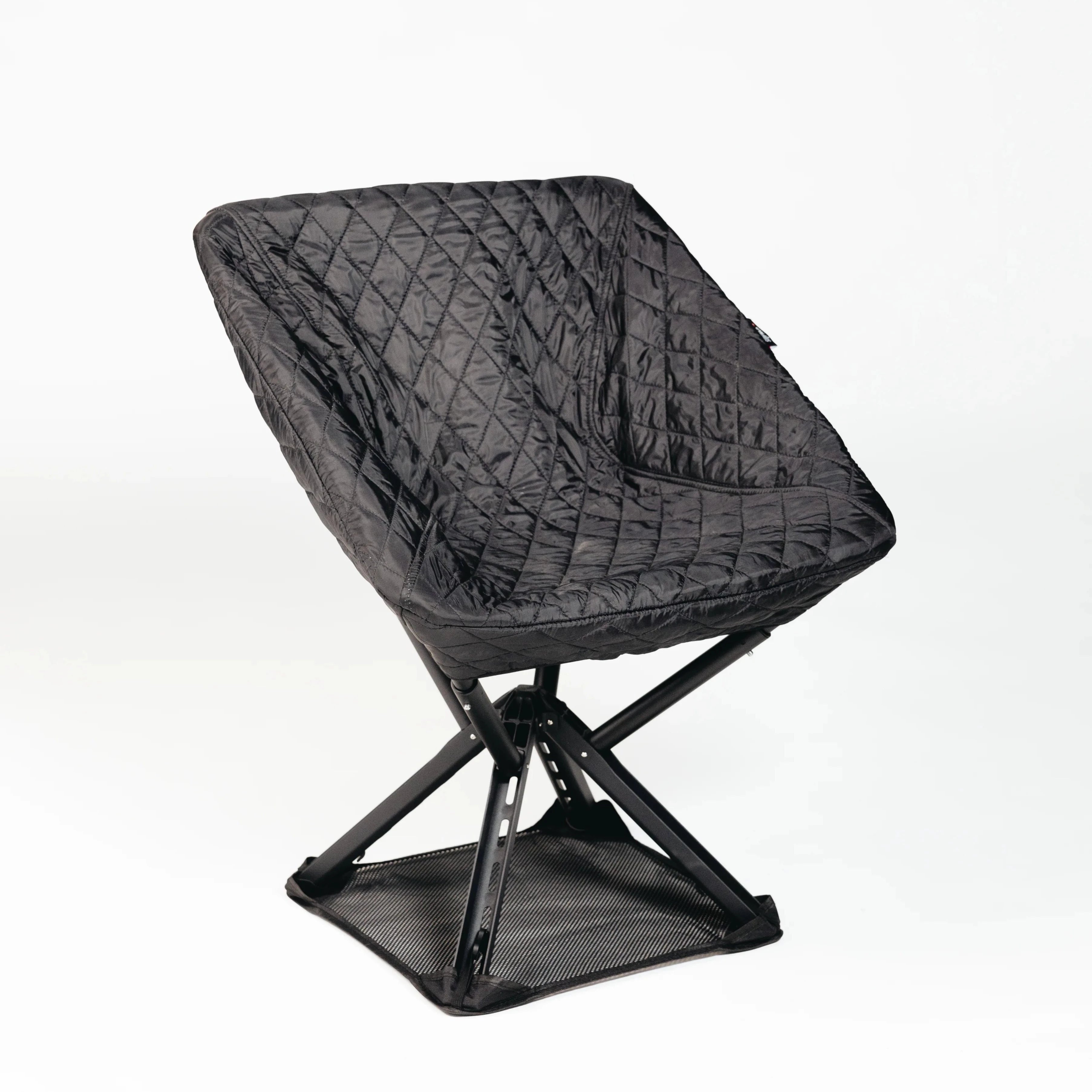
Flexible seating research demonstrates the critical importance of customizable comfort elements. Start by investing in versatile add ons like weather resistant cushions, lumbar support attachments, and quick drying seat covers. Consider accessories that address specific comfort challenges: thermal insulating pads for cool environments, breathable mesh backings for hot conditions, and compact cushions that compress easily into travel bags. Some innovative travelers even pack lightweight blanket clips or tension straps to create makeshift wind barriers or additional support structures.
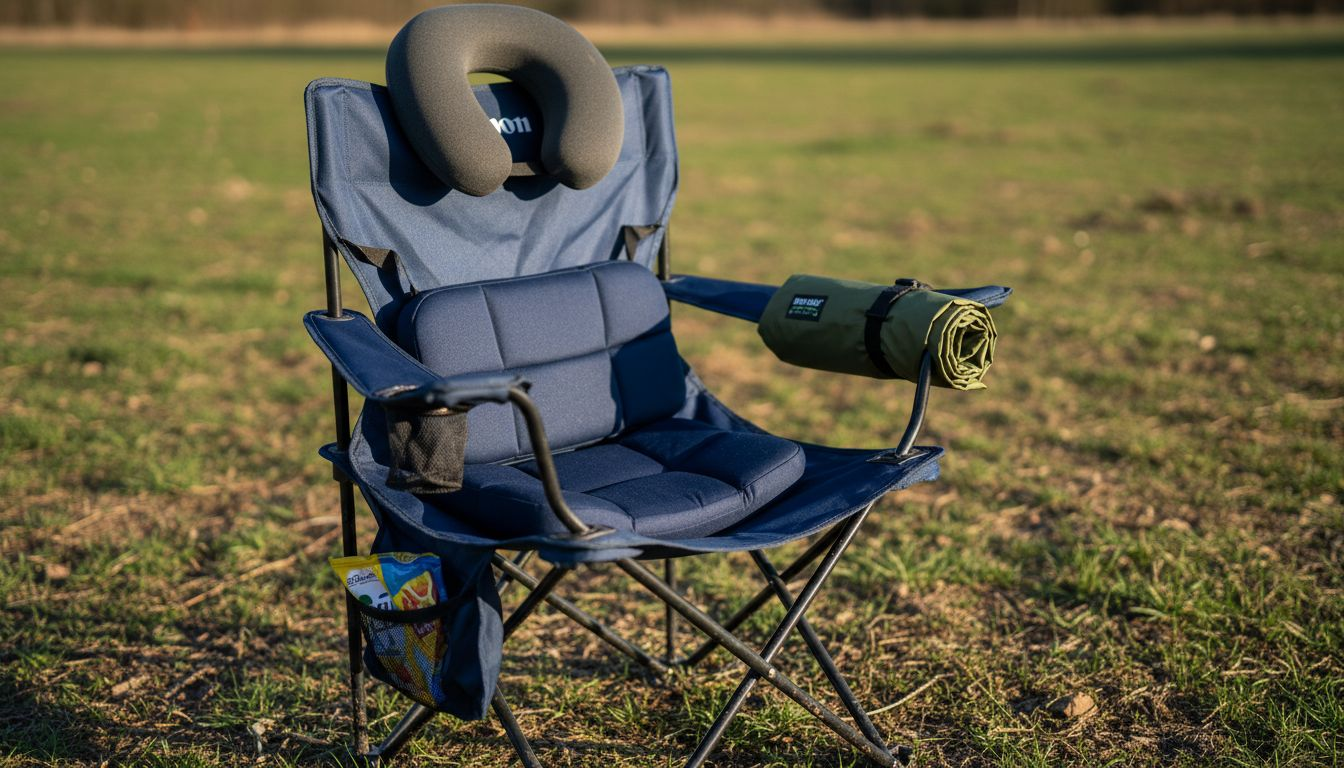
Expand your comfort toolkit by thinking beyond traditional padding. Waterproof seat liners, compact neck supports, and modular attachments can dramatically improve your outdoor seating experience. Look for accessories that serve multiple functions lightweight materials that offer temperature regulation, quick moisture wicking, and compact storage. The best outdoor seating solutions transform with your changing environment creating a flexible personal comfort zone that moves wherever your adventures take you.
Consider these accessory functions to elevate your seating comfort:
| Accessory Type | Primary Function | Ideal Environments |
|---|---|---|
| Lumbar support pad | Enhances back comfort | Camps, festivals |
| Weatherproof cushion | Blocks moisture, soft seating | Wet, cool outdoors |
| Mesh seat cover | Improves airflow, quick drying | Hot, humid climates |
Pro Tip: Invest in multipurpose accessories that can be used across different seating scenarios to maximize your gear versatility and minimize packed weight.
Optimizing your portable outdoor seating is a dynamic process that requires careful evaluation and personal fine tuning. Your ultimate goal is creating a seating solution that adapts perfectly to your unique body mechanics and changing outdoor environments.
Seating comfort studies highlight the importance of systematic testing and personalized adjustments. Begin by conducting a comprehensive comfort assessment in multiple settings. Simulate real world scenarios like camping trips, beach outings, and festival environments. Pay attention to pressure points, lumbar support, and overall body alignment. Test your seating across different terrains test how it performs on soft ground, uneven surfaces, and compact spaces. Note how the chair responds to your body weight distribution and movement patterns.
Develop a personal comfort calibration system by tracking specific comfort metrics. Measure factors like seat angle, cushion compression, and weight distribution. Some travelers keep a simple comfort journal documenting how different accessories and adjustments impact their overall experience. Remember that comfort is deeply personal no single configuration works identically for everyone. Be willing to experiment swap out cushions, adjust attachment points, and continuously refine your portable seating setup.
Pro Tip: Photograph your seating setup in different environments to help you analyze and replicate your most comfortable configurations.
Preserving the quality and performance of your portable outdoor seating requires strategic maintenance and intelligent storage practices. Your goal is to protect your investment and ensure your gear remains reliable through countless adventures.
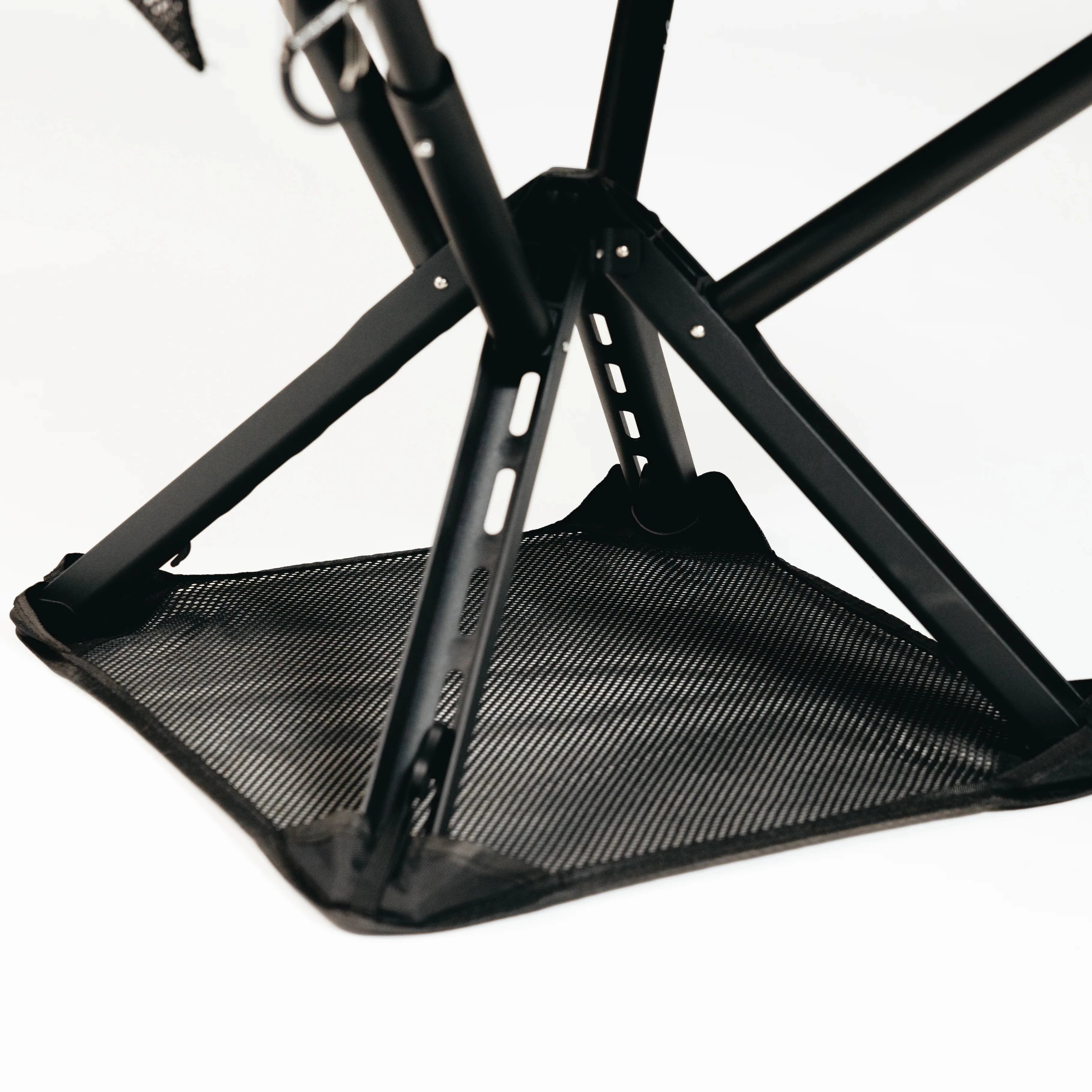
Outdoor seating maintenance involves a comprehensive approach to cleaning, protecting, and storing your gear. Start by establishing a post adventure cleaning ritual that removes dirt, sand, and potential moisture from every component. Use specialized cleaning agents appropriate for your seating material aluminum frames might require different treatment compared to synthetic fabric surfaces. Pay special attention to moving parts like hinges and locking mechanisms clean and lightly lubricate these areas to prevent rust and ensure smooth operation.
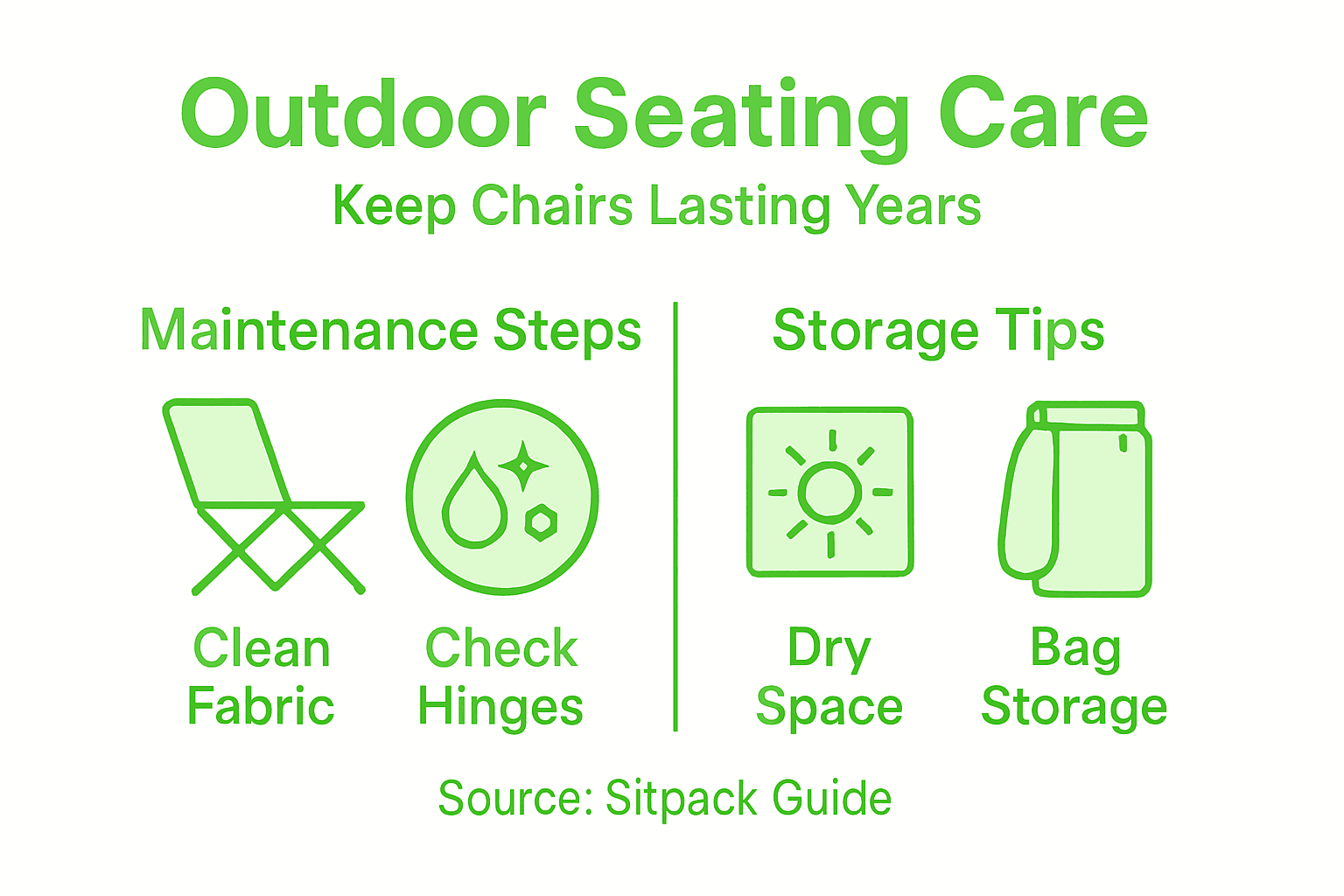
Protective storage strategies are critical for extending your seating gear’s lifespan. Always store portable chairs in cool, dry locations away from direct sunlight and extreme temperatures. Invest in breathable protective covers that shield against dust and moisture while allowing air circulation. Before extended storage periods, conduct a thorough inspection checking for any signs of wear, loose connections, or potential structural weaknesses. Completely dry your seating before storing to prevent mildew and material degradation.
Pro Tip: Create a dedicated storage zone for your outdoor gear with controlled humidity and temperature to maximize equipment longevity.
The article highlights the challenge of finding portable outdoor seating that strikes the perfect balance between lightweight design, durability, and personal comfort. Key pain points include adapting to various terrains, enhancing lumbar support, and ensuring portability without sacrificing stability. Concepts like ergonomic design, weather resistance, and customizable accessories are central to maximizing outdoor seating comfort.
At Sitpack, we understand these needs deeply. Our range of foldable chairs like the Campster II and Sitpack Zen are crafted with lightweight and durable materials ideal for festivals, camping, and urban adventures. Each product integrates ergonomic features to reduce pressure points and support posture for prolonged comfort in diverse outdoor settings. Combining minimalistic style with innovative functionality, our collection also includes essential accessories such as seat warmers and travel towels that enhance your seating experience.
Discover how strategic design and smart accessories can transform your outdoor seating at Sitpack. Explore solutions backed by a lifetime warranty, eco-friendly materials, and fast international shipping.
Join thousands of outdoor enthusiasts who have elevated their comfort effortlessly.
Unlock your perfect portable seat today.
Experience comfort anywhere with Sitpack.
Take action now:
Imagine enjoying unparalleled comfort during your next outing with reliable, portable seating designed just for you
Browse the full collection and find your ideal outdoor companion at Sitpack and redefine what it means to relax outdoors.
Start by evaluating your common outdoor activities and environments. Consider factors like portability, weight capacity, and comfort features tied to your specific use cases, such as camping or attending festivals.
Choose lightweight and durable materials that offer weather resistance, like aluminum or treated synthetic fibers. Ensure the material suits your outdoor setting; for instance, prioritize rust-resistant options for beach use.
Invest in accessories like weatherproof cushions, lumbar support pads, and quick-drying covers. These can significantly improve comfort across various environments, helping you create a more personalized seating experience.
Conduct a comprehensive comfort assessment by simulating your typical outdoor activities. Pay attention to pressure points and overall support to identify any adjustments needed for maximum comfort.
Establish a routine for cleaning your seating after each use, focusing on removing dirt and moisture. Additionally, store your seating in a cool, dry place and conduct regular inspections for wear and tear.
Test your seating in different outdoor scenarios to gauge stability. Observe how it performs on soft ground or uneven surfaces, and make adjustments as necessary to ensure it meets your outdoor needs.