Vogn
0
Tilmeld dig og få 10% i rabat på din ordre
Forventet levering
1-3 dage
Du vil måske også kunne lide
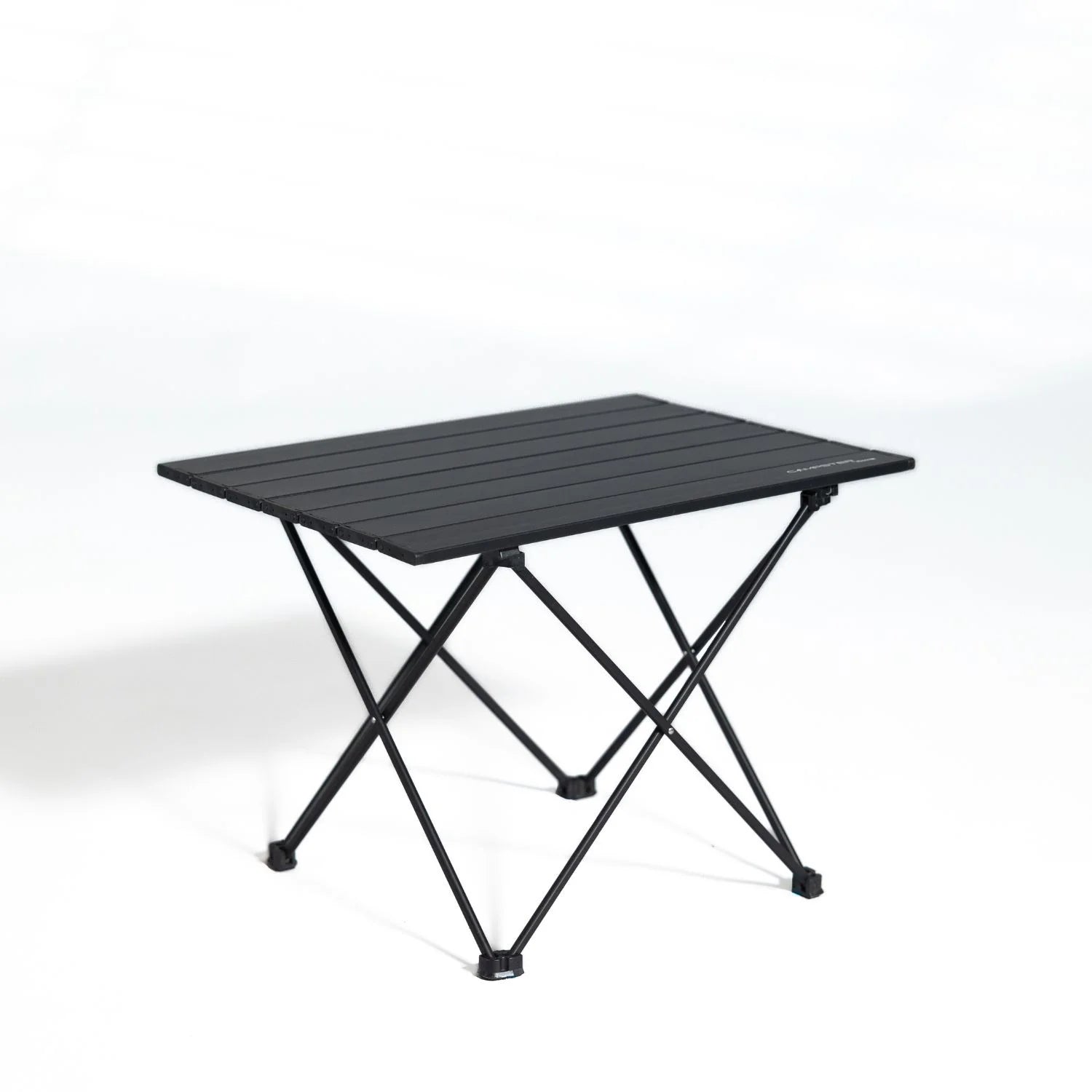
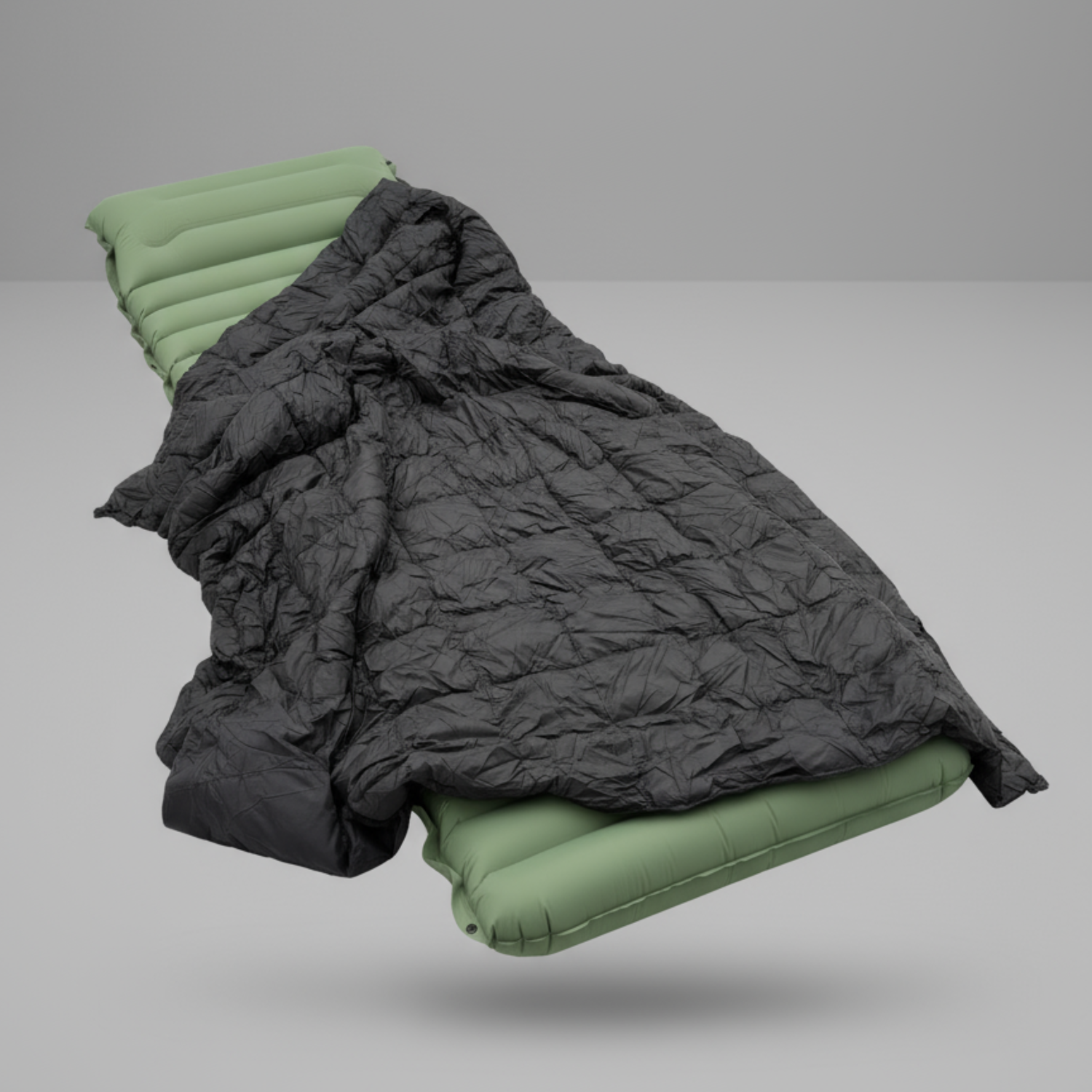
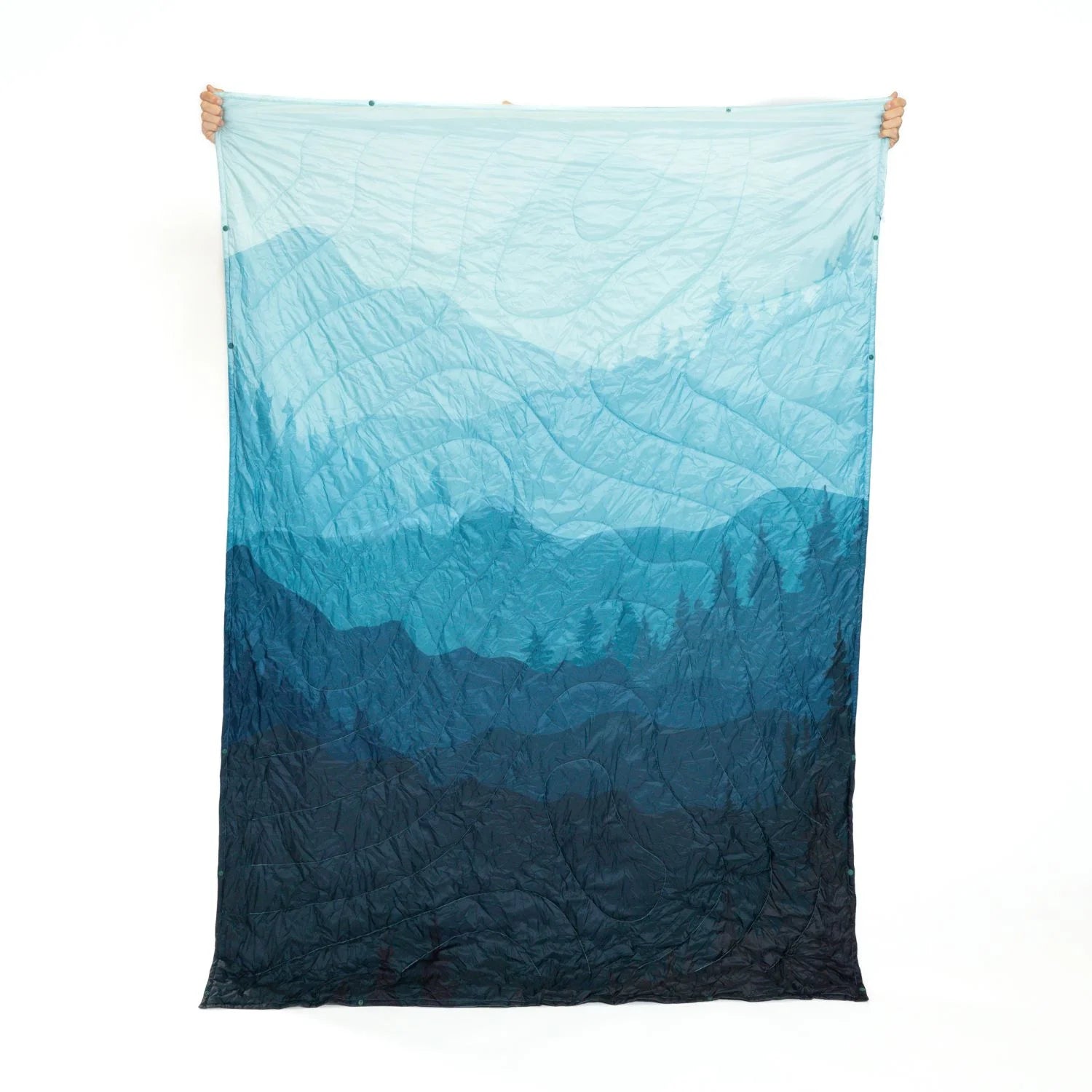
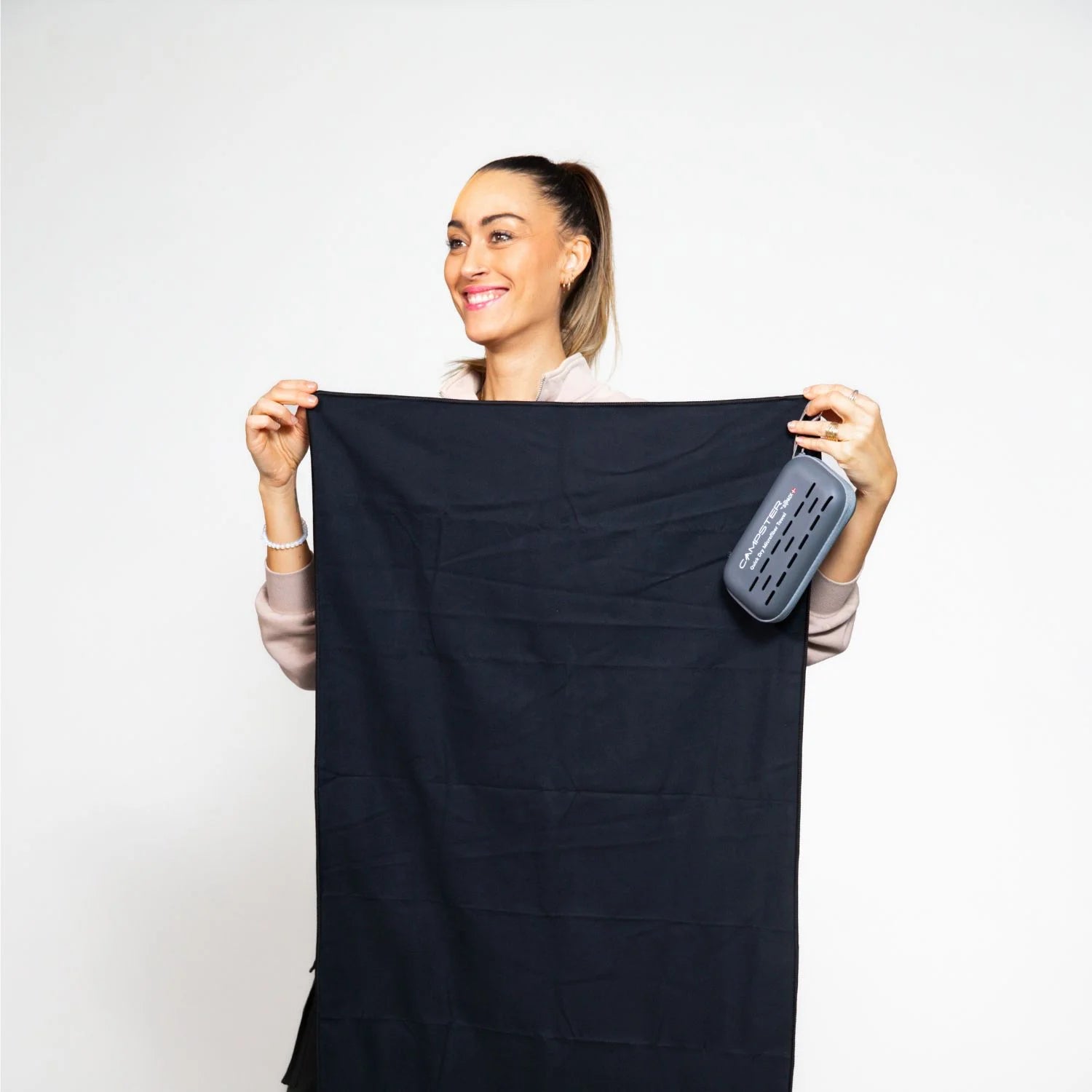


Dansk Firma


Over half of American outdoor enthusiasts now seek camping gear that is both lightweight and flexible for travel across countries like Canada and Australia. Modular camping furniture appeals to modern adventurers who care about durability and low environmental impact. Whether trekking in the Swiss Alps or camping by the Pacific coast, this furniture style adapts easily, making global backpacking more convenient and personal while reducing the clutter and weight of traditional setups.
| Point | Details |
|---|---|
| Modular Design Enhances Flexibility | Modular camping furniture enables customization and adaptability for diverse outdoor experiences, allowing users to configure their setups according to personal preferences and environments. |
| Key Attributes of Modular Systems | Core features include scalability, portability, and ease of setup, making these systems ideal for adventurers seeking efficiency during their outings. |
| Material Considerations Matter | Evaluating materials for durability, weight, and weather resistance is crucial when selecting modular furniture, as it impacts performance in varying conditions. |
| Maintenance is Essential | Regular upkeep and understanding of maintenance practices extend the lifespan of modular camping furniture, ensuring ongoing reliability and comfort in outdoor adventures. |
Modular camping furniture represents a revolutionary approach to outdoor equipment design, transforming how adventurers experience portable comfort. At its core, modular design subdivides systems into independent components that can be customized, exchanged, and reconfigured to suit diverse outdoor environments and personal preferences.
These innovative furniture systems are characterized by several key attributes that distinguish them from traditional camping gear. Unlike rigid, single-purpose equipment, modular camping furniture offers incredible flexibility and adaptability. Each component is engineered to connect seamlessly with other parts, creating a dynamic setup that can transform from a compact chair to an extended seating area, or from a compact table to a multi-level surface. Government research highlights their primary advantages as interchangeability, portability, and rapid setup capabilities, making them ideal for adventurers who prioritize efficiency and versatility.
The fundamental design principles of modular camping furniture focus on three critical elements: scalability, customization, and transportability. Typical systems might include:
By embracing modular design, campers gain unprecedented control over their outdoor living spaces, allowing them to create personalized environments that adapt to changing terrain, group size, and specific activity requirements.
Pro tip: When selecting modular camping furniture, prioritize systems with universal connection mechanisms and standardized component sizes to maximize future compatibility and versatility.
Modular outdoor furniture encompasses a diverse range of design categories that cater to the dynamic needs of modern adventurers. Government guidelines highlight furniture types ranging from seating arrangements to storage units, all designed for portability and adaptability, creating versatile solutions for outdoor environments.
The primary categories of modular outdoor furniture can be classified along two critical dimensions: material composition and functional purpose. Research indicates that materials typically include wood, metal, plastic, and composite materials, each offering unique advantages for specific camping scenarios. These materials are engineered to provide lightweight durability while maintaining structural integrity across changing outdoor conditions.
Functional categories of modular outdoor furniture include:
By offering such comprehensive design approaches, modular outdoor furniture empowers campers to create personalized environments that adapt seamlessly to terrain, group size, and specific activity requirements.
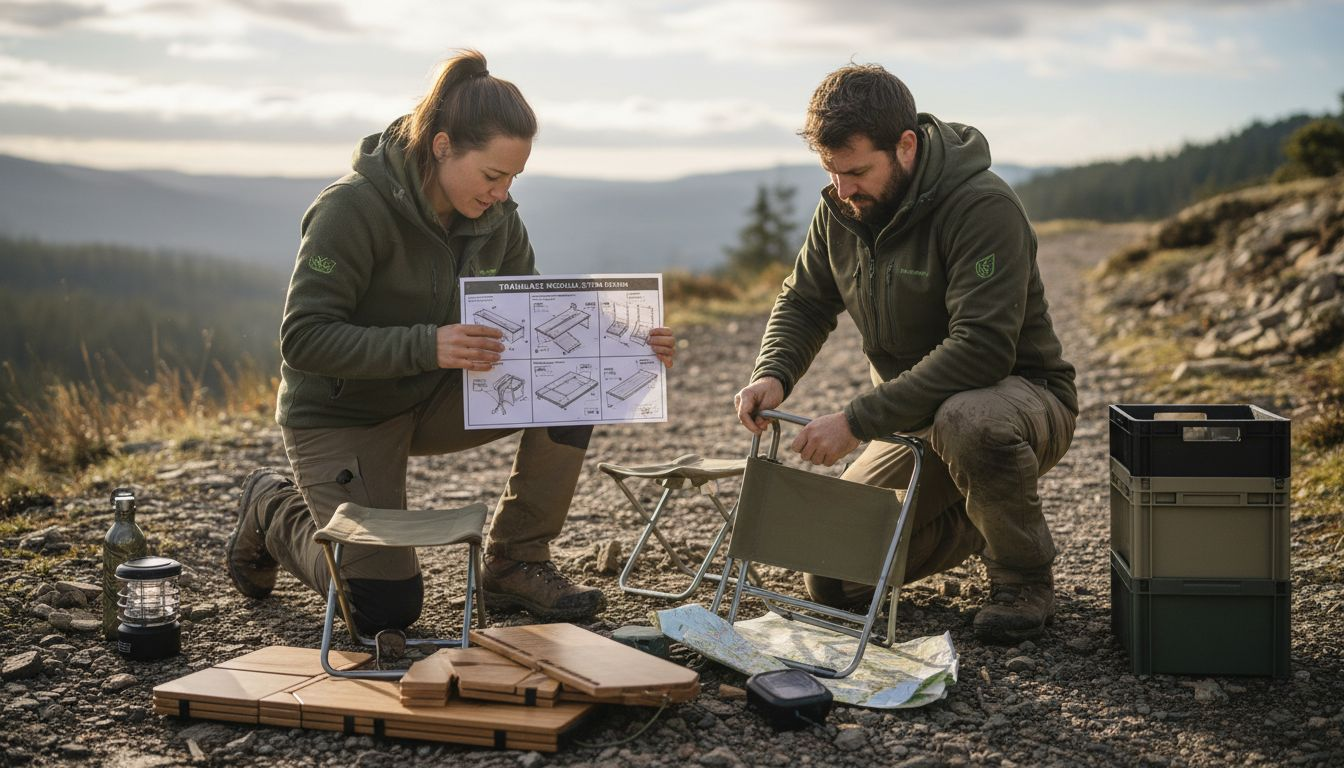
Here’s a comparison of popular modular camping furniture materials and their characteristics:
| Material Type | Durability | Weight | Weather Resistance |
|---|---|---|---|
| Aluminum | High, resists dents | Very light | Excellent, rustproof |
| Steel | Very high, strong | Heavier | Good, may rust over time |
| Composite Plastic | Resistant to cracking | Light to moderate | Excellent, waterproof |
| Wood | Moderate, may wear | Moderate | Fair, needs treatment |
Pro tip: When selecting modular outdoor furniture, evaluate connection mechanisms, weight distribution, and material durability to ensure maximum versatility and long-term performance in diverse outdoor settings.
Modular camping furniture represents a sophisticated intersection of design innovation, user experience, and environmental consciousness. Sustainable furniture design in outdoor contexts emphasizes critical principles of portability, comfort, and ecological responsibility, creating solutions that meet both personal and planetary needs.
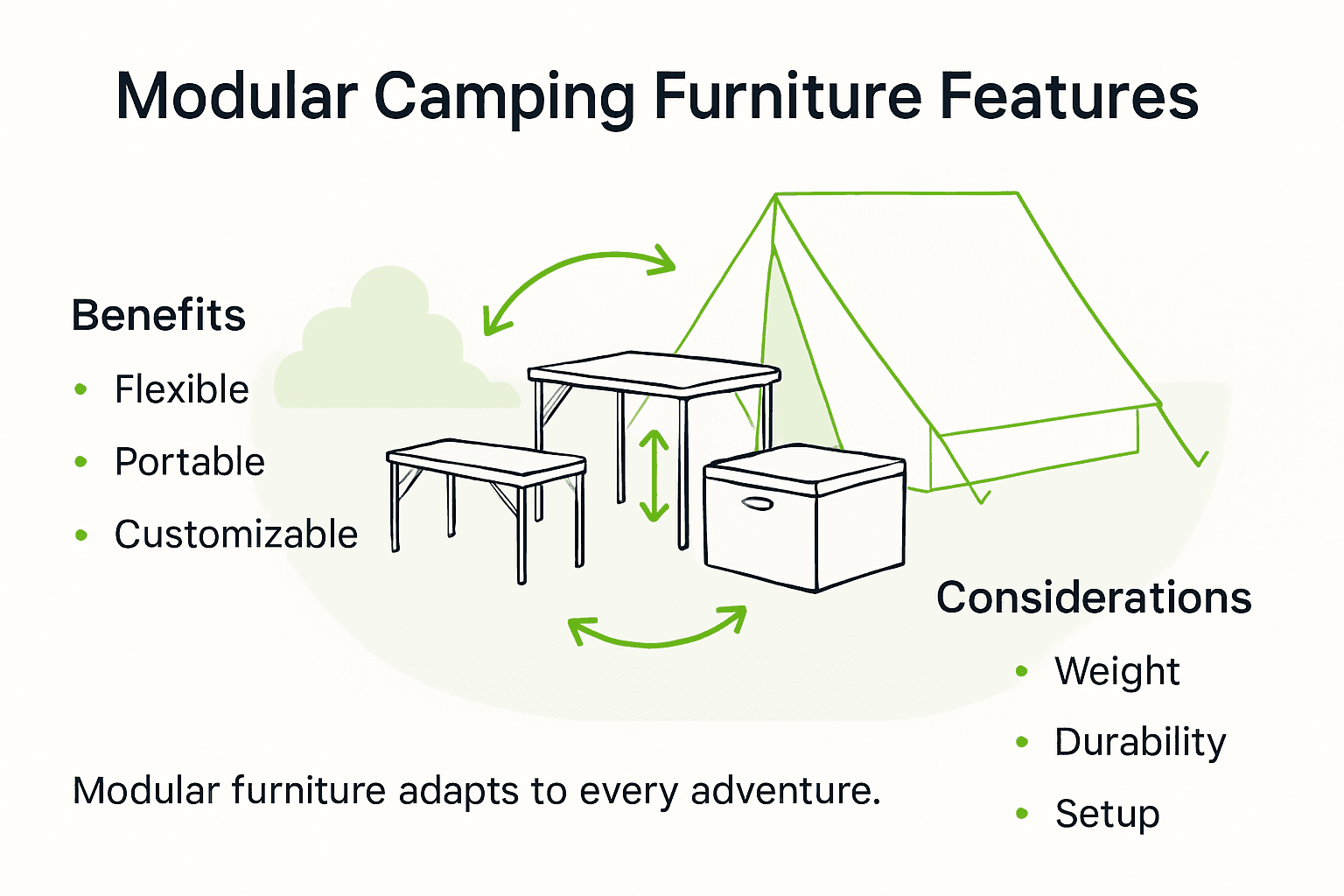
Portability emerges as a fundamental feature of modern modular outdoor furniture. Lightweight components engineered for easy transport transform how adventurers approach outdoor living. Designers achieve this through strategic material selection and intelligent structural engineering, ensuring that each piece can be quickly disassembled, packed, and reassembled with minimal effort. Environmental standards now guide the development of eco-friendly furniture designs, prioritizing materials and manufacturing processes that minimize carbon footprint.
The core features of premium modular camping furniture include:
These interconnected design principles demonstrate how modern outdoor furniture transcends traditional functionality, creating products that respect both user needs and environmental sustainability.
Pro tip: When evaluating modular camping furniture, look for third-party environmental certifications and detailed specifications about material sourcing to ensure you’re investing in truly sustainable outdoor equipment.
Modular camping furniture fundamentally transforms outdoor experiences by offering unprecedented flexibility and convenience for adventurers. Unlike traditional rigid camping equipment, these innovative systems allow campers to create personalized outdoor living spaces that adapt to changing environments, group dynamics, and activity requirements.
Space optimization becomes a critical advantage of modular furniture design. Advanced configurations help campers maximize limited outdoor spaces through multifunctional pieces that can be rapidly reconfigured, enabling efficient setups in diverse terrains from mountain campsites to beach environments. This adaptability means adventurers can quickly transition between cooking, relaxing, socializing, and sleeping configurations without carrying multiple specialized pieces.
Key ways modular furniture enhances camping experiences include:
By reimagining outdoor furniture as dynamic, intelligent systems, modular designs empower campers to create comfortable, personalized environments that support memorable outdoor adventures.
Pro tip: Practice assembling your modular furniture components at home before your trip to familiarize yourself with connection points and maximize efficiency during actual camping setup.
Selecting the right modular camping furniture requires a strategic approach that balances performance, durability, and versatility, ensuring your outdoor gear meets the dynamic challenges of various camping environments. Smart selection goes beyond aesthetic appeal, focusing on technical specifications that determine long-term usability and comfort.
Maintenance becomes a critical aspect of preserving your modular camping furniture’s functionality and longevity. Proper care involves understanding manufacturers’ guidelines for cleaning, handling weather exposure, and managing potential wear and tear. The goal is to protect your investment through proactive maintenance strategies that extend the furniture’s operational life.
Key considerations when choosing and maintaining modular camp furniture include:
By approaching modular camping furniture as a dynamic system requiring careful selection and consistent maintenance, outdoor enthusiasts can ensure reliable, comfortable, and long-lasting equipment that enhances their adventure experiences.
Pro tip: Create a simple maintenance kit with silicone lubricant, microfiber cloths, and small repair tools to address minor issues and protect your modular furniture’s connectors and moving parts during outdoor trips.
Modular camping setups represent a paradigm shift in outdoor equipment design, fundamentally transforming how adventurers approach their outdoor living spaces. Unlike traditional camping furniture that remains rigid and inflexible, modular systems offer unprecedented adaptability, allowing campers to customize their environment with unprecedented precision and efficiency.
Comparative analysis reveals distinct advantages and trade-offs between modular and traditional camping setups. Traditional setups often appeal to casual campers through their simplicity and lower initial cost, while modular systems provide sophisticated solutions for frequent outdoor enthusiasts who demand versatility, performance, and intelligent design. The core differences extend beyond mere equipment configuration, representing fundamentally different approaches to outdoor living.
Key comparative dimensions include:
By understanding these nuanced differences, outdoor enthusiasts can make informed decisions that align with their specific camping style, frequency, and personal preferences.
Below is a summary table to help identify which campers benefit most from modular versus traditional furniture:
| Camper Type | Best Suited Setup | Key Advantages |
|---|---|---|
| Solo backpacker | Modular systems | Light load, easy to adapt |
| Family group | Modular setups | Custom layouts, expandability |
| Occasional camper | Traditional setups | Lower cost, simple use |
| Frequent adventurer | Modular systems | Upgradable, durable investment |
Pro tip: Experiment with modular furniture components during a short local camping trip to understand their flexibility before committing to a complete system for extended adventures.
Modular camping furniture brings incredible flexibility and portability to your outdoor adventures but finding gear that balances lightweight design, durability, and adaptability can be a challenge. If you value easy setup, compact storage, and personalized comfort as highlighted in the article, discovering the right seating system transforms your camping experience. At Sitpack, we understand the need for innovative, foldable seating that complements modular setups and enhances portability without sacrificing ergonomic support.
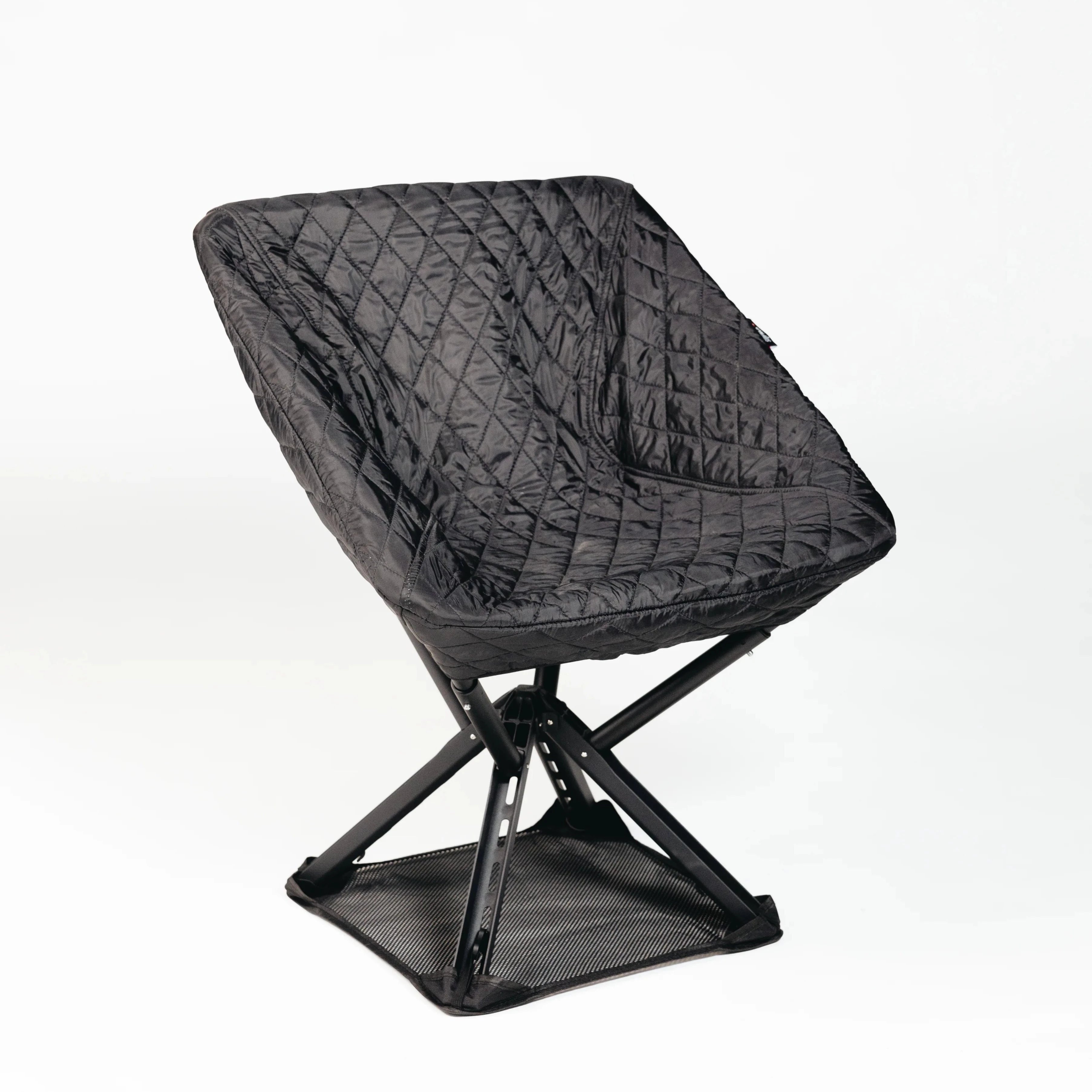
Explore our collection of premium portable chairs like the Campster II and the Sitpack Zen which focus on minimalistic design, eco-friendly materials, and robust construction to meet your outdoor lifestyle demands. With fast worldwide delivery, reliable customer support, and a 45-day satisfaction guarantee, now is the perfect time to upgrade your outdoor gear. Visit Sitpack and turn modular camping furniture into a seamless, comfortable reality for your next adventure.
Modular camping furniture systems are innovative outdoor equipment designs that consist of independent, customizable components that can be reconfigured to suit various outdoor environments and personal preferences. This flexibility allows campers to adapt their furniture to changing needs during their adventures.
Modular camping furniture enhances the camping experience by maximizing space efficiency and allowing for rapid setup and breakdown. Its adaptability enables users to easily transition between different configurations for cooking, relaxing, and socializing, making the camping experience more enjoyable and convenient.
When selecting modular camping furniture, consider features such as material durability, weight and portability, connection mechanism quality, and compatibility with existing gear. Also, take into account portability attributes, comfort innovations, and eco-design considerations for a well-rounded choice.
Modular camping furniture differs from traditional setups in several ways: it offers quicker assembly, maximized space efficiency, higher customization potential, and more compact, lightweight components. In contrast, traditional camping furniture typically features fixed layouts and may require full replacement rather than offering upgradeable options.