Vogn
0
Tilmeld dig og få 10% i rabat på din ordre
Forventet levering
1-3 dage
Du vil måske også kunne lide


Dansk Firma


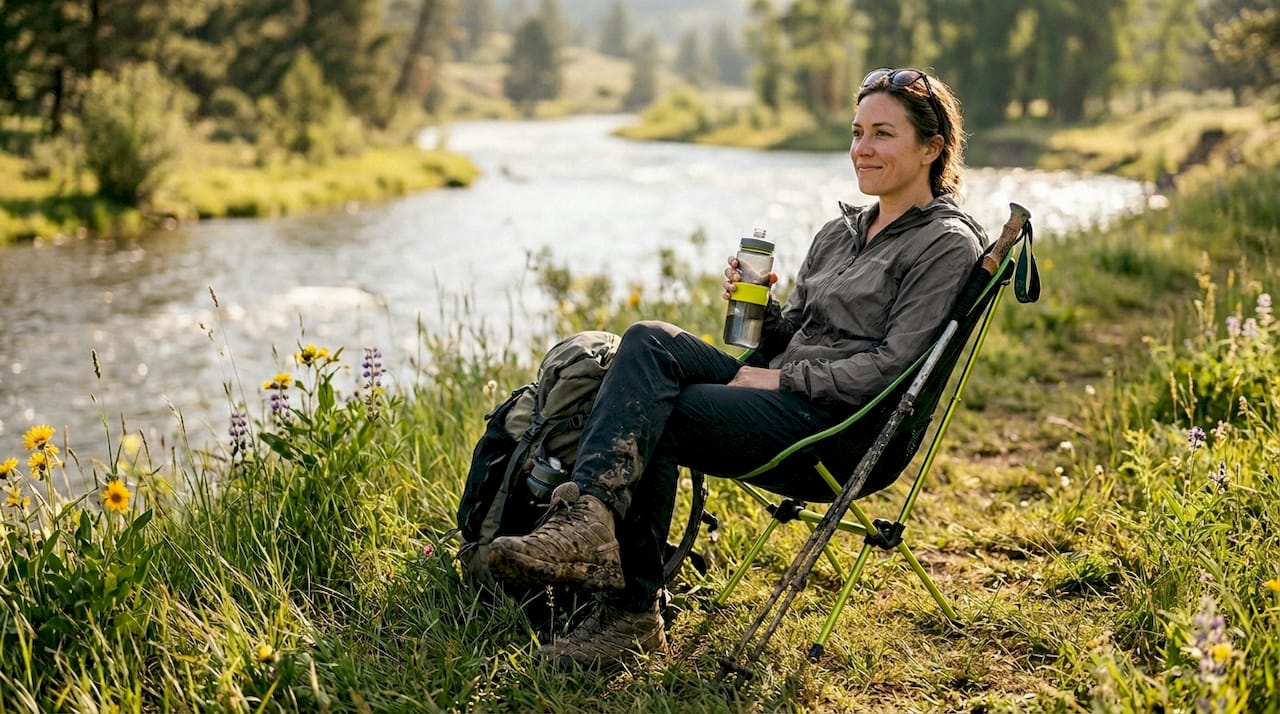
Most people assume outdoor seating means lugging around heavy, bulky chairs that take forever to set up. That’s outdated thinking. Modern outdoor minimalist design flips this assumption by prioritizing lightweight materials, simple construction, and portable solutions that don’t sacrifice comfort or durability. Whether you’re camping in the backcountry, traveling internationally, or simply enjoying urban green spaces, understanding minimalist design principles helps you choose seating that enhances mobility without compromising function.
| Point | Details | |-------|---------|| | Minimalist design prioritizes portability | Lightweight materials and compact folding enable easy transport for camping and travel. | | Simple construction enhances reliability | Shock-corded poles and basic frames reduce setup time and potential failure points. | | Sustainable materials extend product life | Recycled aluminum and repairable designs minimize environmental impact. | | Weight and comfort balance through engineering | Ergonomic shapes and tension fabrics provide support without adding bulk. | | Terrain adaptability matters for stability | Ground contact design and seat height affect performance across different outdoor surfaces. |
Outdoor minimalist design prioritizes lightweight, packable, and versatile gear to minimize environmental impact and maximize mobility. The core philosophy centers on eliminating unnecessary components while retaining essential function. This approach transforms outdoor seating from a burden into an asset for adventurers who value freedom of movement.
Portability drives every design decision in minimalist outdoor seating. Manufacturers select aluminum alloys for frames because they deliver strength at a fraction of traditional steel weight. Fabrics use engineered polyester that resists tears while packing down to pocket size. These material choices directly impact your carrying capacity on long hikes or multi-day trips.
Simple construction techniques define minimalist outdoor furniture. Shock-corded poles thread through fabric sleeves, enabling assembly in under 30 seconds without instructions. Fewer moving parts mean fewer opportunities for mechanical failure in remote locations. This simplicity also makes field repairs possible with basic tools.
Sustainability emerges naturally from minimalist principles. Reducing material usage cuts manufacturing waste and transportation emissions. Many modern designs incorporate recycled content or prioritize repairability over disposability. When you choose minimalistic chair design, you’re often selecting products engineered for decade-long service rather than seasonal replacement.
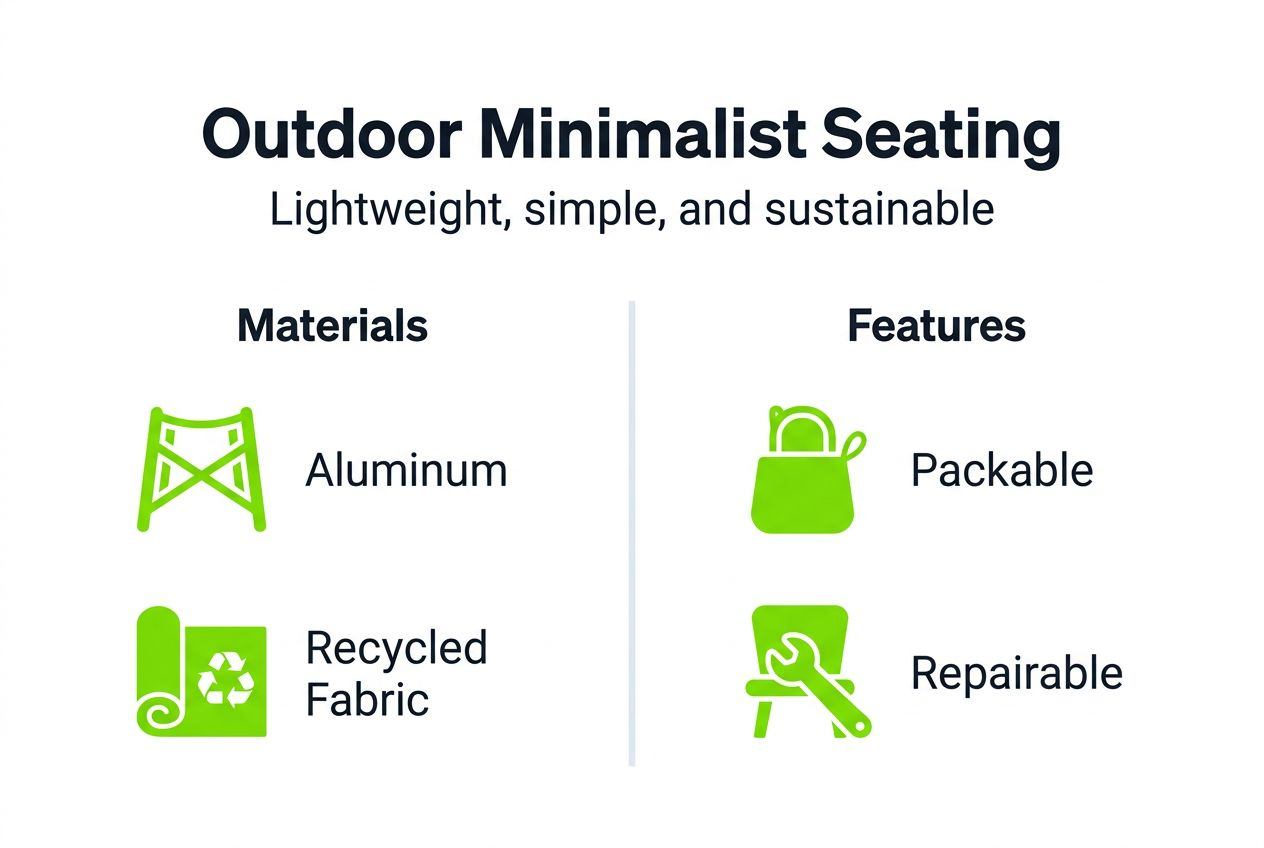
Key minimalist design features include:
Pro Tip: Test a minimalist chair’s stability by applying gradual side pressure before committing your full weight. Quality designs distribute force through frame geometry rather than material bulk, so even ultralight models should resist lateral movement.
The Helinox Chair One (re) offers lightweight, durable, and comfortable seating made with recycled materials that demonstrate how sustainability integrates with performance. This chair weighs just 2.55 pounds yet supports up to 320 pounds through a proprietary DAC aluminum frame. The seat fabric uses post-consumer recycled polyester, and the entire unit packs into a 14-inch stuff sack.
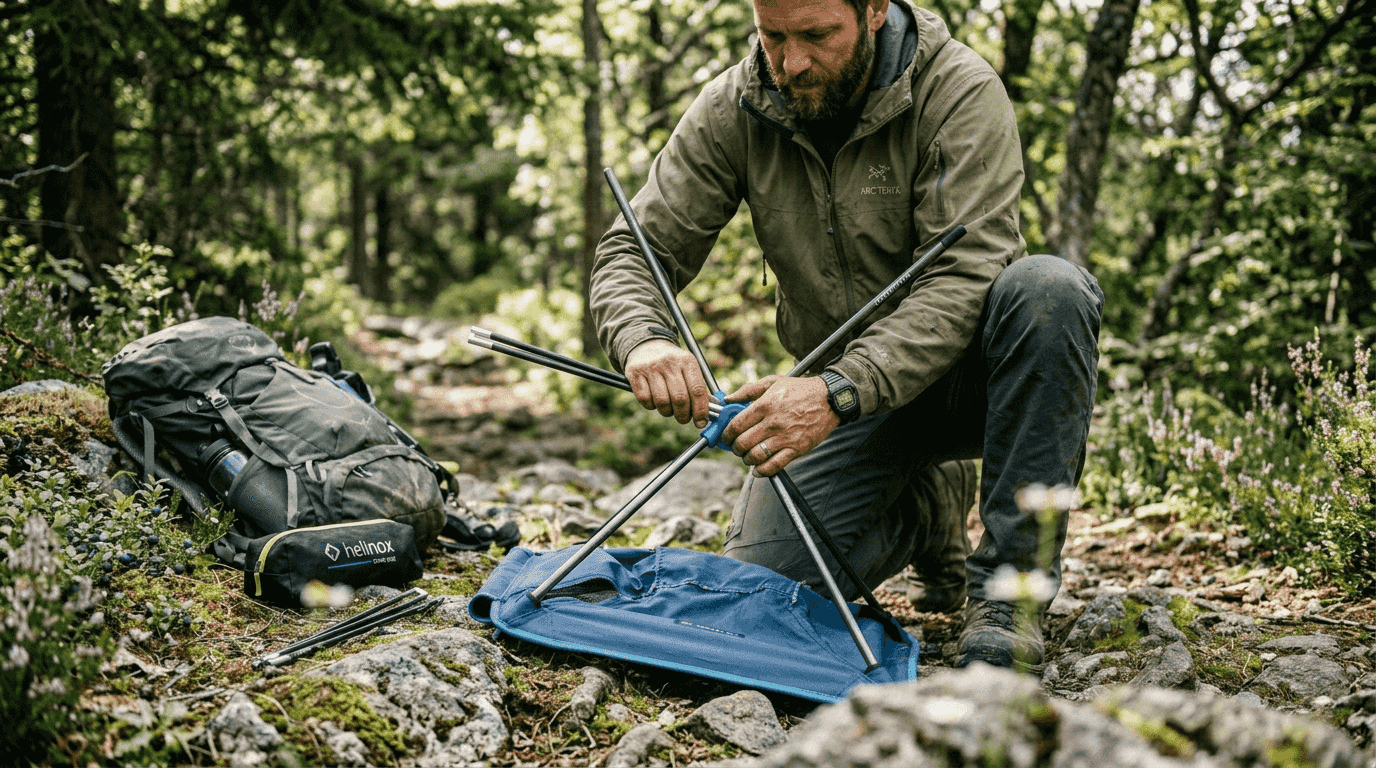
Setup takes about 20 seconds using shock-corded poles that snap together intuitively. The elevated seat height of 13.4 inches makes entry and exit easier than ground-level alternatives. Helinox designed replaceable components so users can swap worn fabric or damaged poles rather than discarding the entire chair.
The REI Flexlite Air Chair balances weight, support, and affordability and earns praise for comfort and packability among budget-conscious backpackers. At exactly 1 pound, this chair ranks among the lightest full-back seating options available. The frame uses aircraft-grade aluminum tubing, while the seat combines ripstop nylon with strategically placed mesh panels for breathability.
Despite its minimal weight, the Flexlite Air supports 250 pounds and provides genuine lumbar support through a curved back panel. The low seat height of 5 inches positions users closer to campfire conversations. REI’s design folds flat rather than rolling into a cylinder, creating a profile that slides easily into backpack side pockets.
For DIY enthusiasts, the 3-legged camp stool uses a simple tripod structure with common materials for compact and easy assembly seating. This design requires only three wooden dowels, canvas fabric, and basic hardware. The triangular seat shape distributes weight efficiently across three contact points, eliminating the need for cross-bracing found in four-legged designs.
Construction involves drilling matching holes in dowel ends, threading them with paracord or bolts, and attaching a hemmed canvas seat. Total material cost runs under $25, and the finished stool weighs around 2 pounds depending on wood choice. When disassembled, components bundle into a package smaller than a rolled sleeping bag.
| Model | Weight | Setup Time | Capacity | Seat Height | Price Range |
|---|---|---|---|---|---|
| Helinox Chair One (re) | 2.55 lb | 20 seconds | 320 lb | 13.4 in | $150-$170 |
| REI Flexlite Air | 1.0 lb | 15 seconds | 250 lb | 5.0 in | $80-$100 |
| DIY 3-Leg Stool | 2.0 lb | 30 seconds | 200 lb | 12.0 in | $20-$30 |
Comparing these options reveals how lightweight outdoor chair designs trade specific features for targeted benefits. Higher seat heights improve accessibility but add frame material. Ultra-low weights may sacrifice some cushioning or back support. Understanding these compromises helps match chairs to specific activities.
Pro Tip: Minimize pack volume by storing small items like headlamps or snacks inside your chair’s stuff sack. This dual-purpose packing maximizes space efficiency without adding carrying weight.
Seat height significantly impacts comfort and ease of use across different body types and mobility levels. The REI Flexlite Air Stool sits at 17.5 inches, providing a perch that requires minimal knee flexion for standing. Conversely, the Helinox Chair Zero at 10 inches creates a lower center of gravity that some users find more stable on uneven ground.
Taller seat heights generally favor users with limited flexibility or knee issues. They also position you at table height for outdoor dining or card games. Lower profiles excel for activities like fishing or watching performances where a raised position might obstruct others’ views. Most manufacturers offer multiple height options within the same chair family to accommodate preferences.
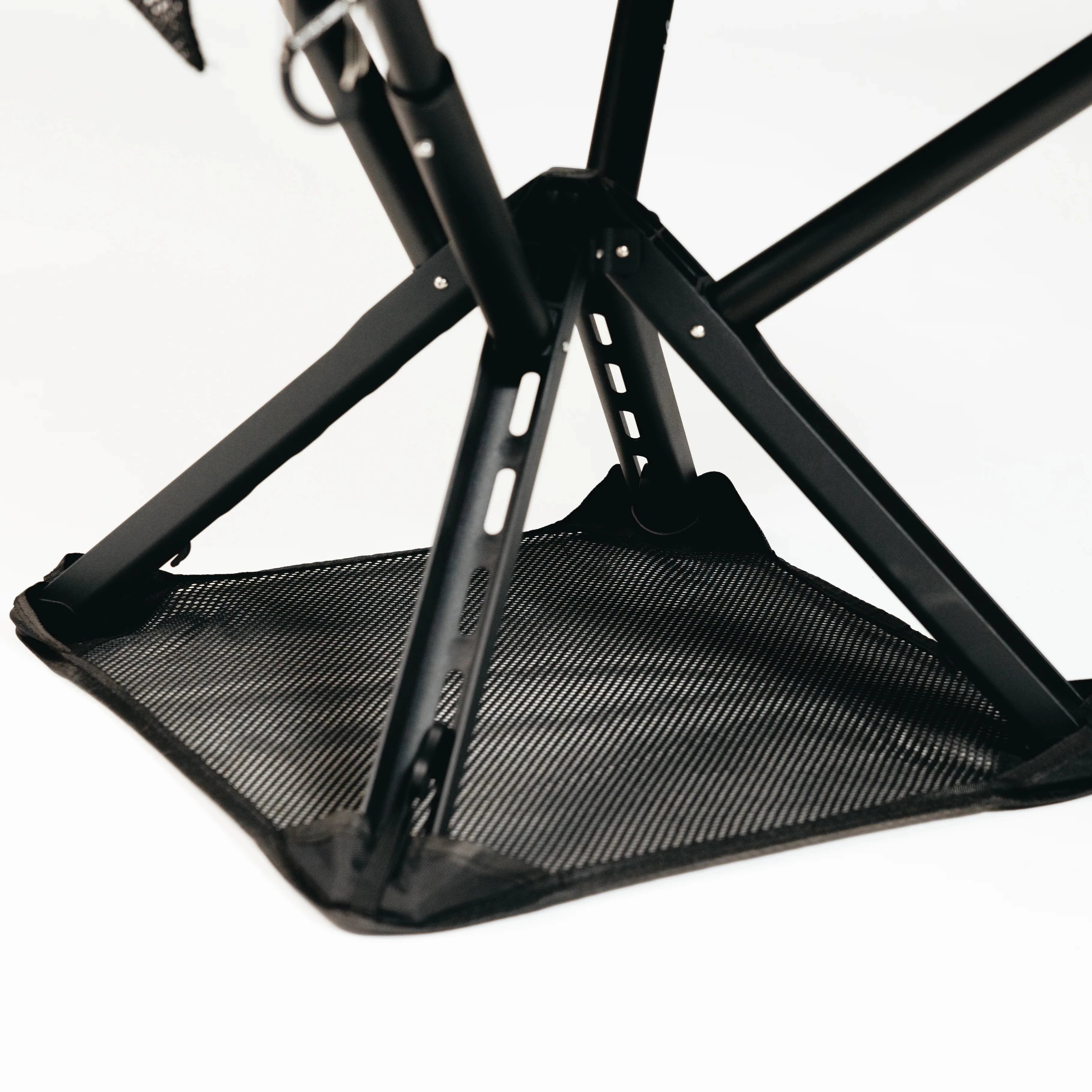
Ground contact design determines whether your chair sinks into soft terrain or remains stable. Wider feet distribute pressure across more surface area, reducing penetration into sand or mud. Some models use square aluminum plates at pole ends, while others employ rubber caps with increased diameter. The Helinox series features ball-and-socket feet that self-level on irregular surfaces.
Soft ground presents the biggest challenge for minimalist chairs. A narrow pole end concentrating your full weight creates high pressure that punches through loose soil. Adding aftermarket foot pads or choosing chairs with integrated wide bases prevents this frustrating sinking phenomenon.
Adjustable features let single chairs serve multiple scenarios. Some premium models offer reclining backs with multiple locking positions, transforming from upright task seating to lounging configurations. Removable headrests provide neck support during extended relaxation. Adjustable leg lengths compensate for sloped terrain, maintaining a level seat on hillsides.
Balancing ultralight portability with ergonomic comfort requires sophisticated engineering. Manufacturers use computer modeling to identify optimal fabric tension and frame angles that support the human body’s natural curves. High-quality materials maintain this engineered shape under load, while cheaper alternatives may sag or deform.
Key terrain and comfort factors include:
Pro Tip: Bring a small closed-cell foam pad to place under chair feet when camping on especially soft ground like beach sand. This distributes weight over a larger area and prevents the frustration of repeatedly resetting a sinking chair.
The Helinox Chair One (re) uses recycled aluminum and fabric and is designed for repairs, reflecting a sustainable minimalist approach that extends product lifecycle. The frame incorporates aluminum sourced from repurposed manufacturing scraps, reducing primary metal extraction. Post-consumer plastic bottles become the seat fabric through a mechanical recycling process that maintains fiber strength.
Repairability transforms outdoor furniture from disposable commodities into long-term investments. Helinox sells individual replacement poles, fabric seats, and connection hubs separately. When a single component fails, users order that specific part rather than replacing the entire chair. This modular philosophy reduces waste and saves money over multiple seasons of use.
Minimalism inherently supports environmental stewardship beyond material choices. Lighter products require less fuel for transportation, cutting emissions across global supply chains. Smaller packaging reduces cardboard waste and shipping volume. These cumulative effects mean your choice of a 1-pound chair over a 5-pound alternative has measurable environmental impact.
Modern outdoor brands increasingly publish sustainability metrics. Look for transparency about recycled content percentages, repairability scores, and carbon footprint calculations. Some manufacturers offset remaining emissions through verified environmental projects. Understanding minimalistic chair design principles helps you evaluate these claims critically.
“Sustainable outdoor gear isn’t about sacrifice. It’s about designing smarter products that perform better while respecting the environments we explore. Minimalist seating proves you can reduce material use and improve user experience simultaneously.”
Sustainable features in minimalist outdoor seating:
Manufacturers now offer repair guides and video tutorials for common fixes. Learning to replace shock cord or patch fabric tears extends your chair’s service life indefinitely. This hands-on maintenance builds practical skills while reducing consumption.
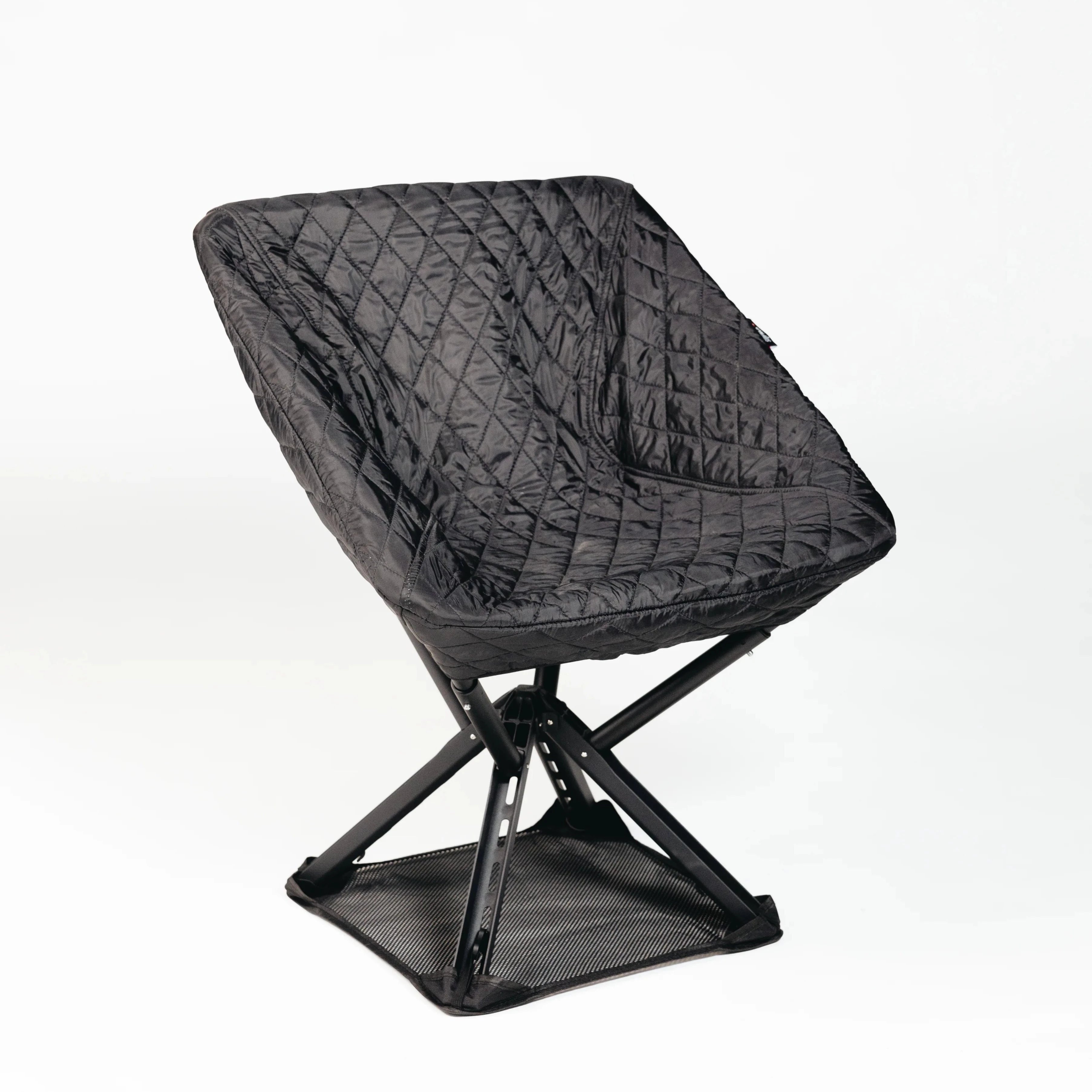
After understanding the principles and examples of outdoor minimalist design, you’re ready to explore practical solutions that embody these concepts. Sitpack specializes in innovative portable seating engineered for outdoor enthusiasts who value both style and function. Their product line demonstrates how minimalist design principles translate into real-world gear that enhances camping, travel, and urban outdoor experiences.
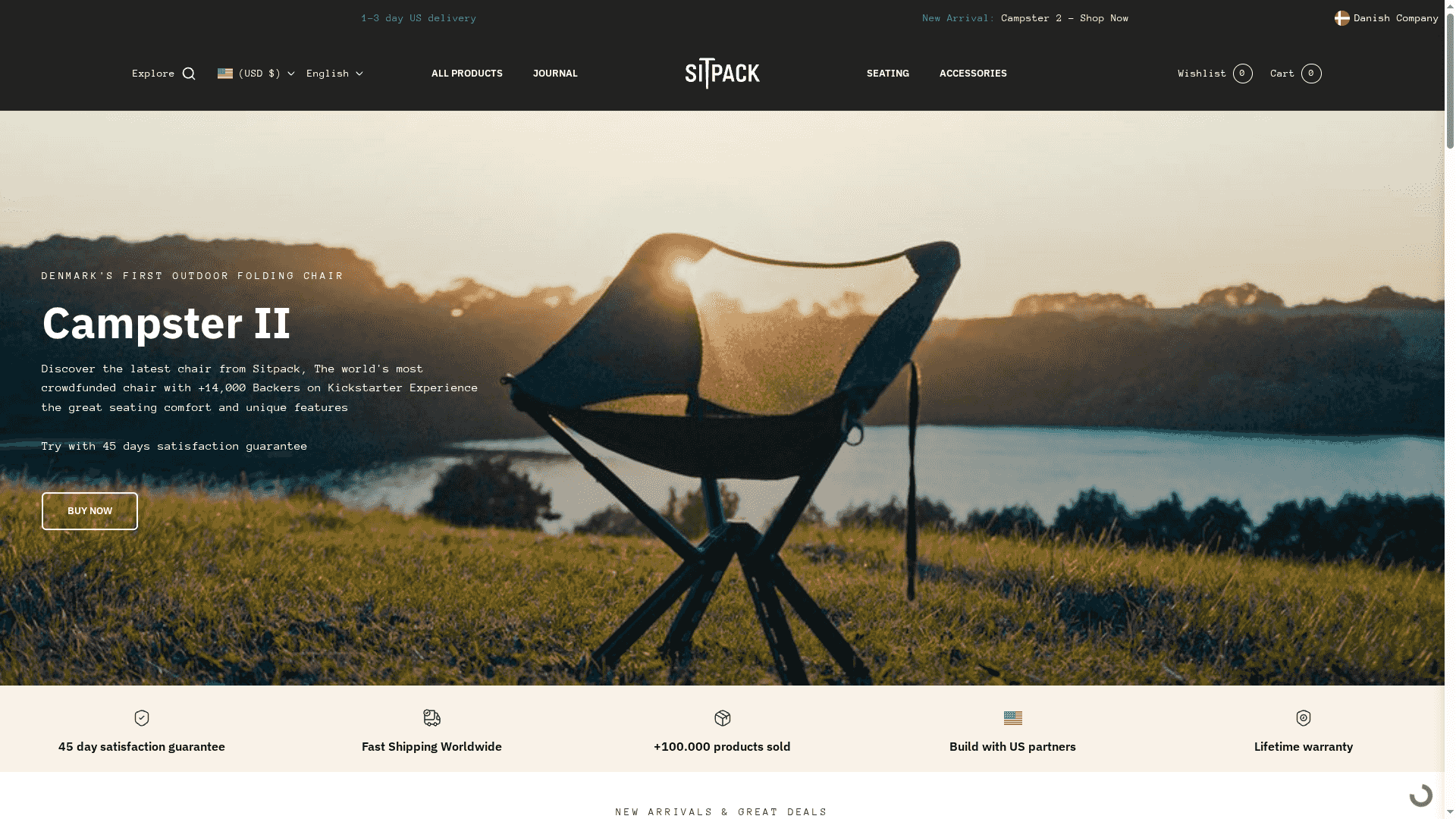
Sitpack chairs use lightweight materials and thoughtful construction that align with the sustainable, repairable design philosophy discussed throughout this guide. Whether you need ultralight backpacking seating or versatile camp furniture, Sitpack’s outdoor seating collection offers options designed for portability without compromising comfort. Discover how minimalist engineering can transform your outdoor adventures.
Outdoor minimalist design emphasizes essential function through lightweight materials, simple construction, and compact portability. It removes unnecessary components while maintaining durability and comfort for camping, hiking, and travel applications. The approach prioritizes user mobility and environmental responsibility by reducing material consumption and extending product lifespan through repairable designs.
Ergonomic frame geometry and tension fabric systems create supportive seating without adding bulk. High-quality aluminum alloys and engineered textiles provide strength at minimal weight. Some models incorporate adjustable features like reclining backs or removable headrests, letting users customize comfort for specific activities while maintaining packable dimensions.
Aluminum alloys dominate frame construction for their strength-to-weight ratio and corrosion resistance. Seats use heavy-duty polyester, ripstop nylon, or recycled fabrics with UV and moisture protection. DIY designs may incorporate hardwood dowels and canvas. Premium models increasingly feature recycled content and replaceable components supporting repair rather than replacement.
Lightweight construction reduces carrying load, making chairs practical for backpacking and long-distance hiking. Compact folding mechanisms and shock-corded poles enable small packed sizes that fit in backpack side pockets or attach externally. Quick setup and takedown, often under 30 seconds, enhance convenience at campsites or during breaks on the trail.
Quality minimalist chairs use aerospace-grade materials engineered to support 250-320 pounds despite weighing 1-3 pounds themselves. Proper care including cleaning after sandy or salty exposure extends lifespan beyond a decade. Reputable manufacturers offer warranties and sell replacement parts, enabling repairs that maintain performance through years of regular outdoor use.