Vogn
0
Tilmeld dig og få 10% i rabat på din ordre
Forventet levering
1-3 dage
Du vil måske også kunne lide


Dansk Firma

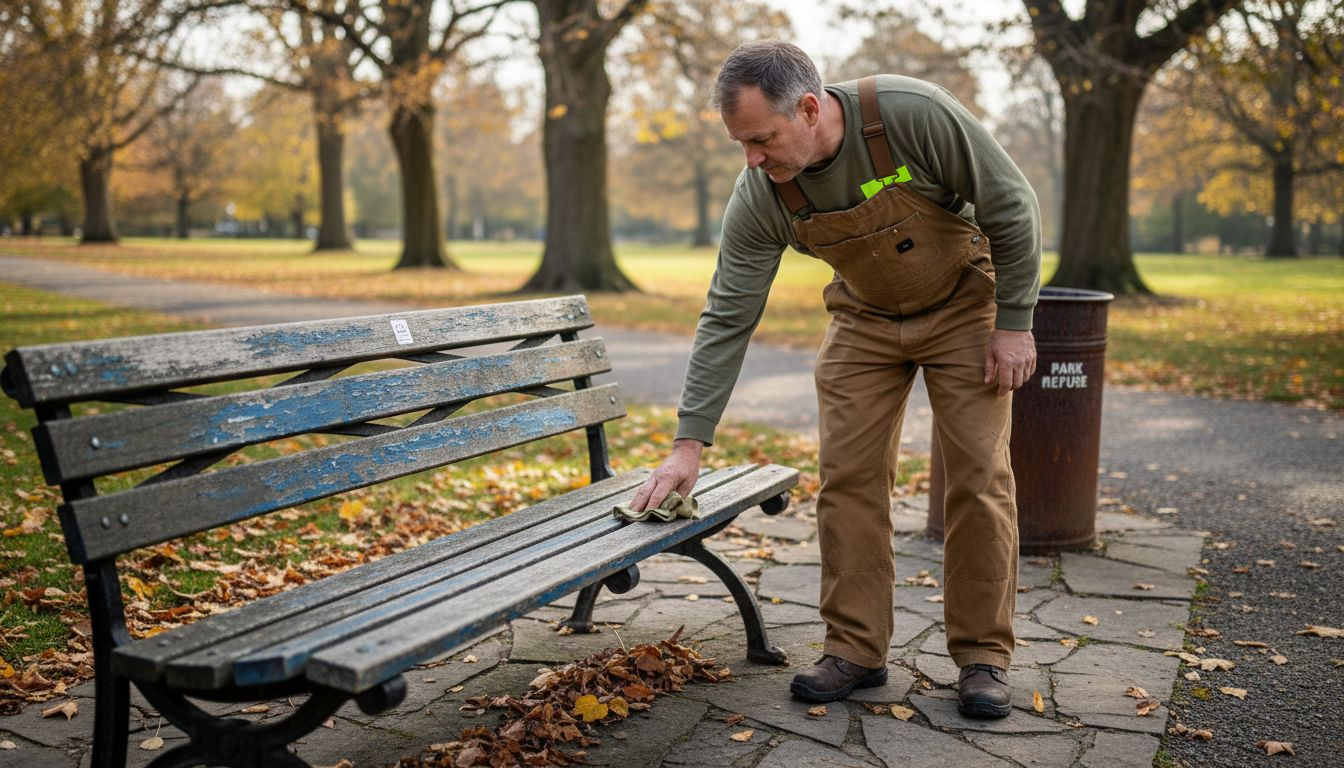
More than 60 percent of American outdoor enthusiasts prioritize eco-friendly materials when choosing gear for their adventures. Whether you are a frequent camper or a city traveler, finding seating that is both lightweight and durable can make all the difference in your comfort outdoors. This guide helps you compare popular outdoor seating materials, focusing on practical choices that match your love for both adventure and environmental responsibility.
| Point | Details |
|---|---|
| Material Selection Matters | Choose outdoor seating materials based on resilience to environmental factors and specific usage needs. |
| Sustainability is Key | Prioritize eco-friendly materials and consider their lifecycle impacts when making material choices. |
| Maintenance is Critical | Understand the maintenance requirements of each material to ensure longevity and optimal performance. |
| Evaluate Overall Costs | Analyze total ownership costs instead of initial prices to avoid long-term expense surprises. |
Outdoor seating represents a complex ecosystem of materials designed to withstand environmental challenges while providing comfortable resting spaces. Comprehensive material assessments in landscape architecture reveal that selecting appropriate outdoor seating materials involves understanding multiple critical dimensions beyond simple aesthetic considerations.
The primary material categories for outdoor seating typically include metal, wood, synthetic polymers, concrete, and composite materials. Each material brings unique characteristics to functional design:
Urban furniture sustainability research emphasizes that material selection goes far beyond immediate performance metrics. Environmental impact, carbon footprint, and long-term sustainability are now crucial considerations in outdoor seating design. Manufacturers and urban planners increasingly prioritize materials that balance functional requirements with ecological responsibility.
Modern outdoor seating materials must demonstrate resilience against ultraviolet radiation, temperature fluctuations, moisture exposure, and mechanical stress. Advanced engineering techniques now enable the development of materials that can withstand extreme conditions while maintaining aesthetic appeal and structural integrity.
Pro tip: Always examine the manufacturer’s recommended maintenance protocol for your specific outdoor seating material to maximize its longevity and performance.
Outdoor seating materials represent a nuanced landscape of performance, aesthetics, and durability. Comprehensive outdoor furniture materials analysis reveals intricate differences that dramatically impact user experience and long-term functionality.
Key material categories showcase distinct characteristics:
Synthetic options like high-density polyethylene (HDPE) and solution-dyed acrylic provide compelling advantages for outdoor seating. These materials resist mildew, maintain color integrity, and withstand significant temperature variations. Notably, HDPE demonstrates exceptional fade resistance and structural stability, making it increasingly popular among manufacturers seeking durable, low-maintenance solutions.
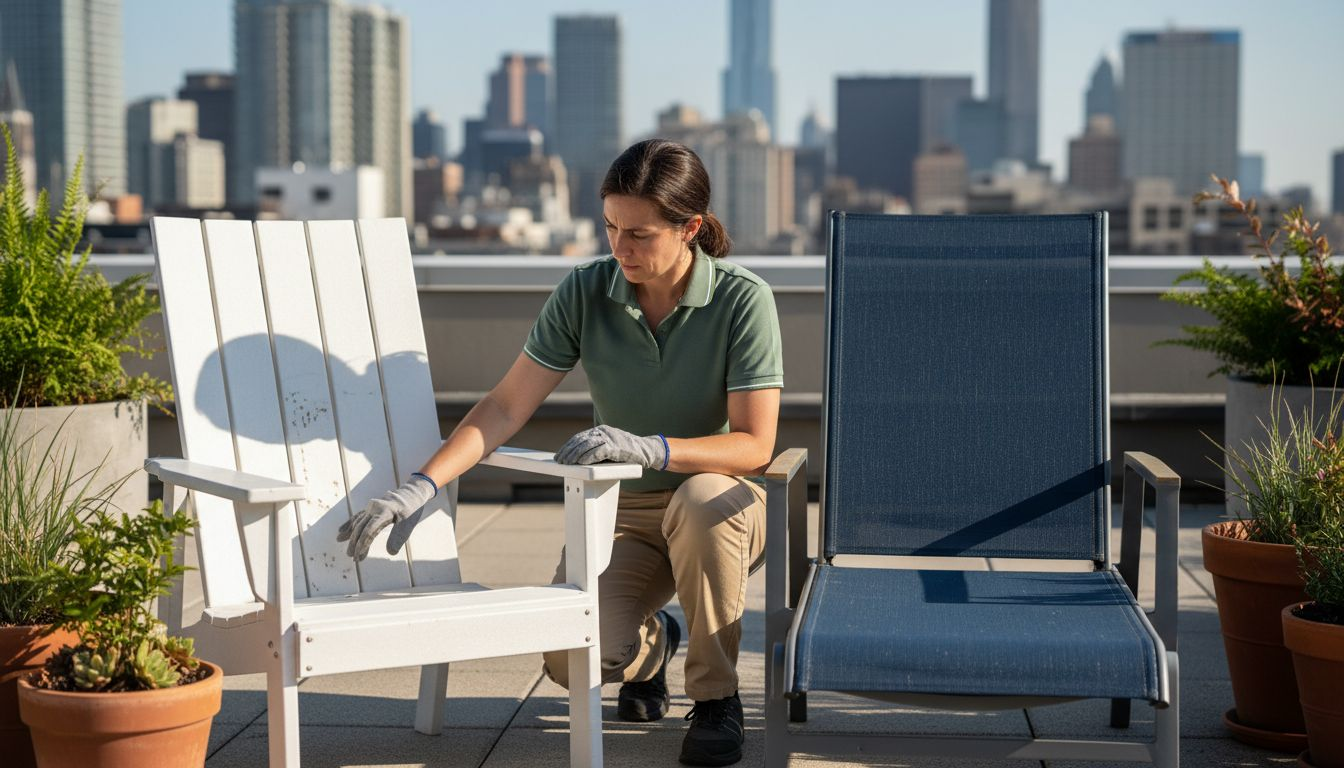
Modern engineering has transformed material selection from simple functionality to sophisticated performance optimization. Composite materials now combine multiple substrate properties to create seating solutions that balance strength, weight, aesthetic appeal, and environmental sustainability.
Here’s a quick comparison of common outdoor seating materials and their suitability for different settings:
| Material | Best For | Not Ideal For |
|---|---|---|
| Hardwood | Residential patios | High-moisture areas |
| Metal | Commercial installations | Salty coastal zones |
| Synthetic Polymer | Poolside environments | Extreme cold climates |
| Concrete | Urban public spaces | Rooftop terraces |
| Composite | High-traffic locations | Historic aesthetics |
Pro tip: Always evaluate your specific environmental conditions when selecting outdoor seating materials to ensure optimal long-term performance and minimal maintenance requirements.
Urban furniture sustainability research has dramatically transformed our understanding of outdoor seating materials, emphasizing environmental responsibility as a critical design consideration. The shift towards eco-conscious solutions represents more than a trend - it’s a fundamental reimagining of material selection and manufacturing processes.
Sustainable timber options emerge as particularly promising alternatives:
Sustainable timber selection strategies highlight critical factors beyond mere material composition. Considerations now include carbon footprint, growth rates, treatment processes, and long-term environmental implications. Species like Douglas fir and Opepe demonstrate how strategic material selection can simultaneously address performance requirements and ecological consciousness.
Advanced composite materials and recycled synthetic options are also revolutionizing sustainable outdoor seating. Manufacturers are developing innovative solutions that transform plastic waste into durable, weather-resistant seating components, effectively creating closed-loop production systems that minimize environmental degradation.
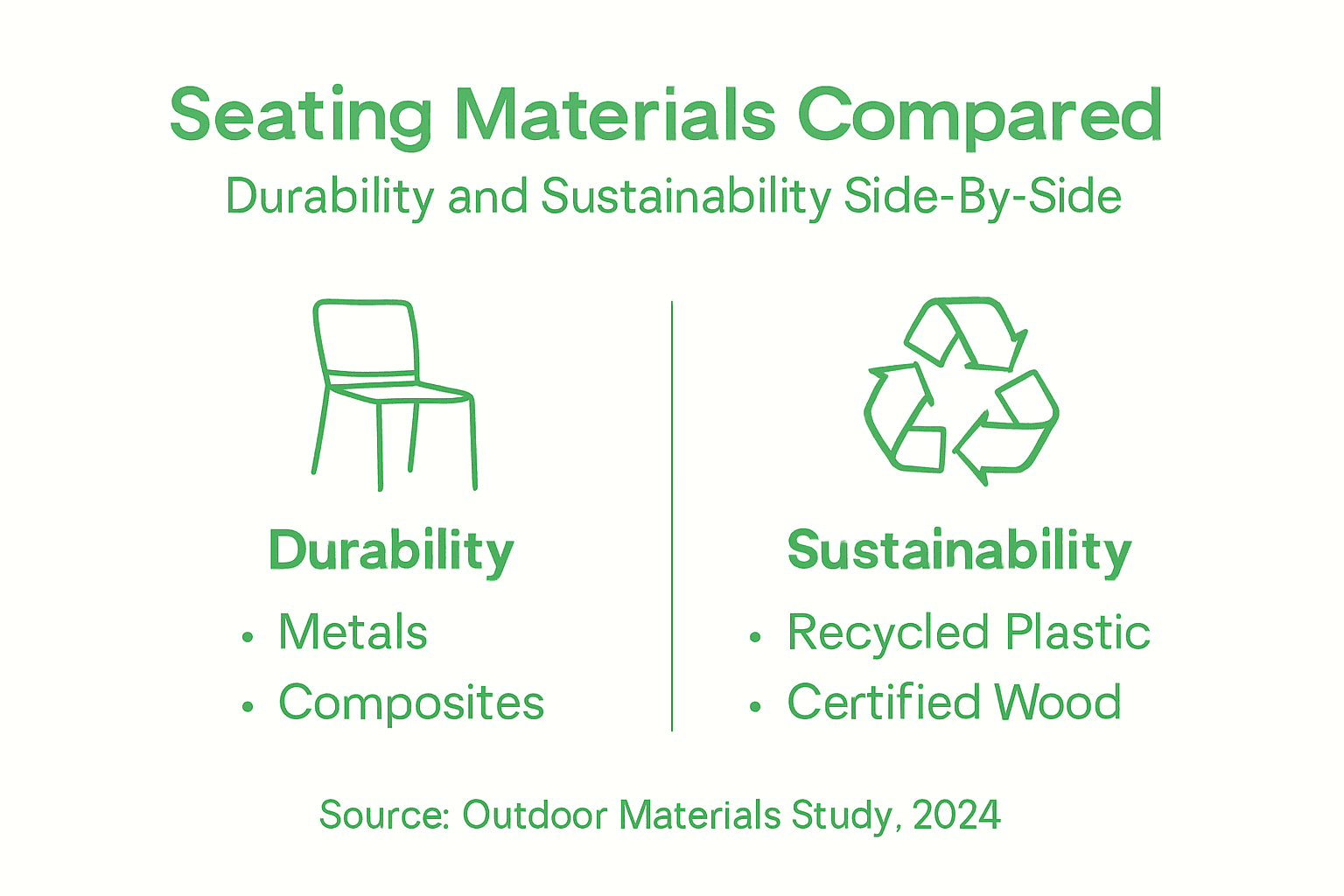
This summary outlines how sustainability factors impact material choices for outdoor seating:
| Sustainability Focus | Impact on Material Selection | Example Approach |
|---|---|---|
| Carbon Footprint | Favors local, low-emission woods | Use of regional timber sources |
| Renewable Resources | Prioritizes fast-growing species | Integration of bamboo in bench designs |
| Recycled Content | Encourages reused polymers | Seats made from repurposed HDPE plastic |
| Lifecycle Assessment | Rewards long-lasting materials | Composite blends for extended durability |
Pro tip: Prioritize materials with third-party sustainability certifications and verify their complete lifecycle environmental impact before making your final selection.
Outdoor furniture materials durability analysis reveals that long-term performance depends critically on matching material characteristics to specific environmental conditions. Understanding the nuanced maintenance requirements across different seating materials becomes essential for preserving structural integrity and aesthetic appeal.
Durability profiles vary significantly across material types:
Wood:
Metal:
Synthetic Materials:
Timber species durability assessment demonstrates that strategic material selection transcends simple aesthetic preferences. Climate exposure, humidity levels, direct sunlight intensity, and temperature fluctuations dramatically influence outdoor seating longevity. Advanced material engineering now allows manufacturers to develop specialized treatments that enhance natural material resilience.
Proactive maintenance strategies can dramatically extend outdoor seating lifespans. This involves understanding each material’s unique vulnerability points, implementing routine protective measures, and selecting materials aligned with specific environmental challenges. Technology and material science continue to evolve, offering increasingly sophisticated solutions for outdoor furniture durability.
Pro tip: Create a seasonal maintenance schedule tailored to your specific outdoor seating materials, accounting for local climate variations and manufacturer recommendations.
Outdoor furniture material risks analysis reveals a complex landscape of potential challenges that can dramatically impact long-term performance and financial investment. Understanding these risks becomes crucial for making informed decisions about outdoor seating materials.
Key risk categories for outdoor seating materials include:
Furniture material cost evaluation demonstrates that cheaper initial investments often translate to higher long-term expenses. Wood requires extensive maintenance, metals can experience rapid corrosion, and synthetic materials might degrade faster than anticipated. Smart material selection involves analyzing total cost of ownership rather than focusing solely on purchase price.
Mitigating risks requires comprehensive understanding of material-specific vulnerabilities. Factors like local climate, exposure levels, usage frequency, and maintenance capabilities significantly influence outdoor seating performance. Advanced material technologies continue to emerge, offering increasingly sophisticated solutions that balance durability, aesthetics, and cost-effectiveness.
Pro tip: Conduct a comprehensive environmental assessment of your specific location before selecting outdoor seating materials, considering temperature ranges, humidity levels, and exposure conditions.
Outdoor furniture material selection guide highlights the critical importance of matching seating materials to specific environmental and usage contexts. Selecting the optimal material involves a nuanced evaluation of performance requirements, aesthetic preferences, and practical constraints.
Material selection strategies vary across different use scenarios:
Comprehensive outdoor material evaluation demonstrates that material selection transcends simple aesthetic considerations. Different environments demand unique material properties: windier locations require heavier materials, humid climates necessitate moisture-resistant options, and high-traffic areas demand exceptional structural integrity.
Successful material selection requires holistic assessment of multiple interconnected factors. User behavior, local climate conditions, maintenance capabilities, budget constraints, and aesthetic preferences all contribute to determining the most appropriate outdoor seating solution. Advanced material technologies continue to expand possibilities, offering increasingly sophisticated options that balance performance, sustainability, and visual appeal.
Pro tip: Conduct an on-site environmental assessment before finalizing your material selection, considering temperature fluctuations, humidity levels, and specific usage patterns.
Choosing the right material for outdoor seating is a challenge many face as they look for solutions that balance durability, comfort, and low maintenance. This article highlights how environmental factors and material vulnerabilities impact longevity and user experience. If you want to avoid the common pitfalls of traditional outdoor furniture materials like wood’s high upkeep or metal’s rust issues, exploring innovative alternatives is vital.
Experience true outdoor freedom with the ergonomic, foldable designs at Sitpack. Our lightweight and durable seating solutions like the Campster II and Sitpack Zen bring portability and resilience together, perfectly suited for residential, commercial, or specialized outdoor environments. Take action now to enjoy products engineered for extreme weather resistance without compromising comfort. Browse our collection today and feel the difference of expertly crafted outdoor seating at Sitpack online. Don’t let material drawbacks hold back your outdoor adventures.
The primary materials for outdoor seating include metal (like aluminum and steel), wood, synthetic polymers (such as HDPE), concrete, and composite materials. Each offers unique attributes suited for various environments.
Consider factors including your local climate, exposure to moisture, UV radiation, and temperature fluctuations. For instance, metal may be strong but can rust, while synthetic materials often provide excellent weather resistance with minimal maintenance.
Wood requires periodic sealing and protection from moisture, metal needs rust prevention treatment, and synthetic materials are generally low maintenance with simple cleaning required. Understanding these needs is crucial for longevity.
Yes, sustainable options such as bamboo, Accoya wood, and recycled synthetic materials are available. These materials focus on reducing environmental impact and promoting renewable resources while still providing durability.