Vogn
0
Tilmeld dig og få 10% i rabat på din ordre
Forventet levering
1-3 dage
Du vil måske også kunne lide





Dansk Firma

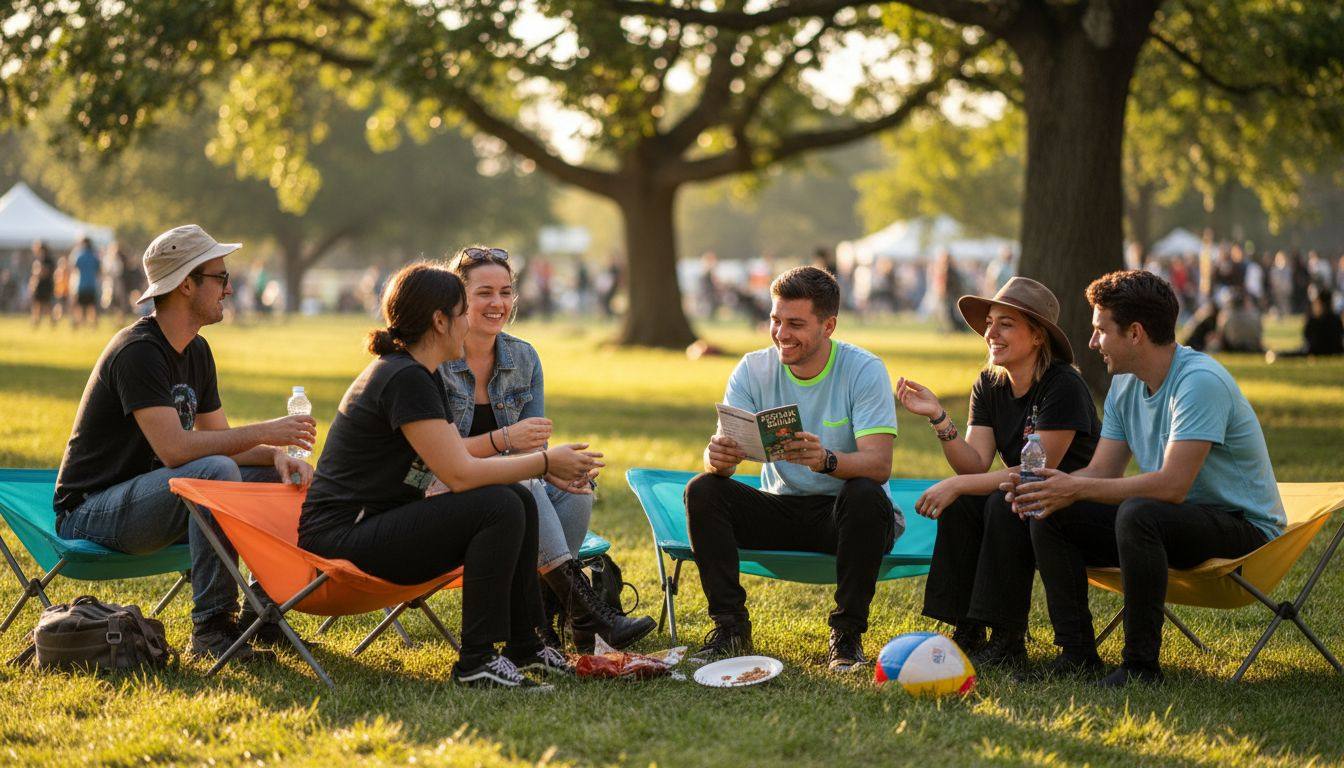
For eco-minded city dwellers, outdoor festivals can be both exhilarating and exhausting, especially when comfort and convenience become a challenge. Choosing portable seating solutions is about more than avoiding sore legs, it shapes how you interact with your community and enjoy the event itself. From creating social interaction zones to supporting psychological comfort, discover how smart seating choices can transform your festival experience with minimal environmental impact.
| Point | Details |
|---|---|
| Importance of Seating Design | Outdoor seating is crucial for fostering social interactions and enhancing participant comfort at festivals. Proper design can transform the environment and create temporary communities. |
| Seating Variations Enhance Experience | Different types of seating, such as bench, individual, and modular options, cater to various crowd sizes and social dynamics, improving overall event satisfaction. |
| Ergonomics and Safety | Ergonomic design and safety considerations are essential in seating arrangements to ensure both physical comfort and psychological well-being for attendees. |
| Sustainability Matters | Eco-friendly seating innovations are not only beneficial for the environment but also promote user well-being, creating deeper connections with the surroundings. |
Festivals represent complex social environments where audience comfort directly influences overall experience. Festival design critically depends on understanding how spatial arrangements and seating strategies impact participant engagement and satisfaction.
Outdoor festival seating involves more than simply providing places to sit. It encompasses creating social interaction zones, managing crowd flow, and ensuring participant comfort across diverse environmental conditions. Key considerations include:
Audience management research emphasizes that seating isn’t just functional—it’s a critical component of social architecture. Effective outdoor seating transforms open spaces into dynamic environments where strangers can become temporary communities, sharing experiences and creating memorable connections.
Professional event designers recognize that seating arrangements influence psychological comfort as much as physical comfort. The right seating can reduce crowd tension, encourage positive interactions, and help participants feel secure in large, potentially overwhelming festival environments.
Pro Tip: When selecting festival seating, prioritize versatility and comfort over pure aesthetics to create genuinely inviting social spaces.
Outdoor festival seating strategies encompass a diverse range of design approaches tailored to different event environments and audience needs. Understanding these variations helps event organizers create comfortable, functional spaces that enhance overall participant experience.
Festival seating can be broadly categorized into several key types:
Research on audience infrastructure reveals that seating type significantly impacts crowd interaction and overall event perception. The right seating arrangement can transform a simple gathering into an immersive social experience, influencing how attendees perceive and engage with the event environment.
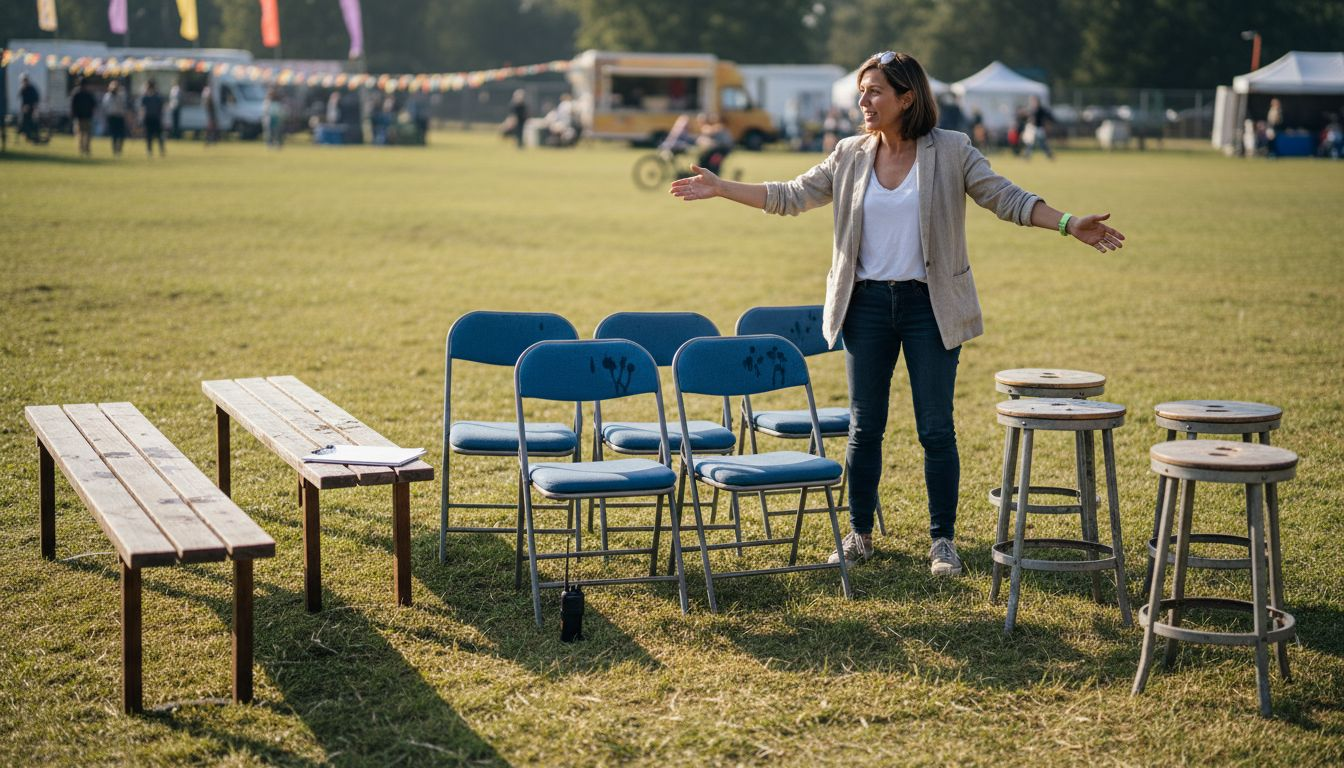
Professional event designers consider multiple factors when selecting seating variations, including expected crowd size, venue layout, environmental conditions, and audience demographics. Some festivals might prioritize compact, lightweight options, while others require more robust, permanent installations that can withstand extended use and varied weather conditions.
Here’s a summary of how different festival seating types enhance audience experience:
| Seating Type | Experience Impact | Flexibility Level | Best for Crowd Size |
|---|---|---|---|
| Bench Seating | Fosters social bonding | Moderate | Large audiences |
| Individual Chairs | Promotes personal comfort | High | Small to medium |
| Ground Seating | Encourages informal gathering | Very High | Any size |
| Elevated Platforms | Enhances visibility and atmosphere | Low | Medium to large |
| Modular Seating | Adapts to changing dynamics | Highest | Any size |
Pro Tip: Always conduct a comprehensive venue assessment before finalizing seating arrangements to ensure optimal comfort and crowd management.
Festival design principles require a holistic approach that balances participant comfort, safety, and social interaction. Creating an optimal outdoor seating environment goes far beyond simply providing places to sit.
Key design considerations for festival seating include:
Environmental design research demonstrates that thoughtful seating configurations can significantly impact psychological well-being. The right design promotes a sense of security, reduces stress, and enhances overall participant experience by creating intuitive, comfortable spaces that feel both safe and welcoming.
Professional event planners recognize that safety extends beyond physical protection. It involves creating psychological comfort zones where attendees feel secure, can easily navigate the space, and have clear emergency exit pathways. This means considering factors like seat height, spacing, proximity to amenities, and potential crowd density scenarios.
The following table outlines key design considerations and their contribution to festival safety and comfort:
| Design Essential | Comfort Benefit | Safety Contribution |
|---|---|---|
| Ergonomic Support | Reduces fatigue | Prevents strain injuries |
| Weather Resistance | Maintains comfort outdoors | Lowers exposure risks |
| Accessibility | Inclusivity for all guests | Facilitates safe access |
| Crowd Flow Management | Minimizes congestion | Improves emergency exits |
| Visual Sightlines | Enhances enjoyment | Allows better supervision |
Pro Tip: Conduct a comprehensive risk assessment and mock crowd flow simulation before finalizing your festival seating design to identify and mitigate potential safety challenges.
Sustainable festival design represents a critical evolution in outdoor event planning, integrating environmental consciousness with participant comfort and experience. Modern festivals are increasingly recognizing that eco-friendly practices aren’t just about reducing environmental impact—they’re about creating more meaningful, holistic event experiences.
Key eco-friendly innovations in festival seating include:
Festival research perspectives demonstrate that sustainability directly correlates with enhanced user well-being. By creating spaces that respect both environmental and human needs, event designers can foster deeper connections between participants, their surroundings, and the broader ecological context.
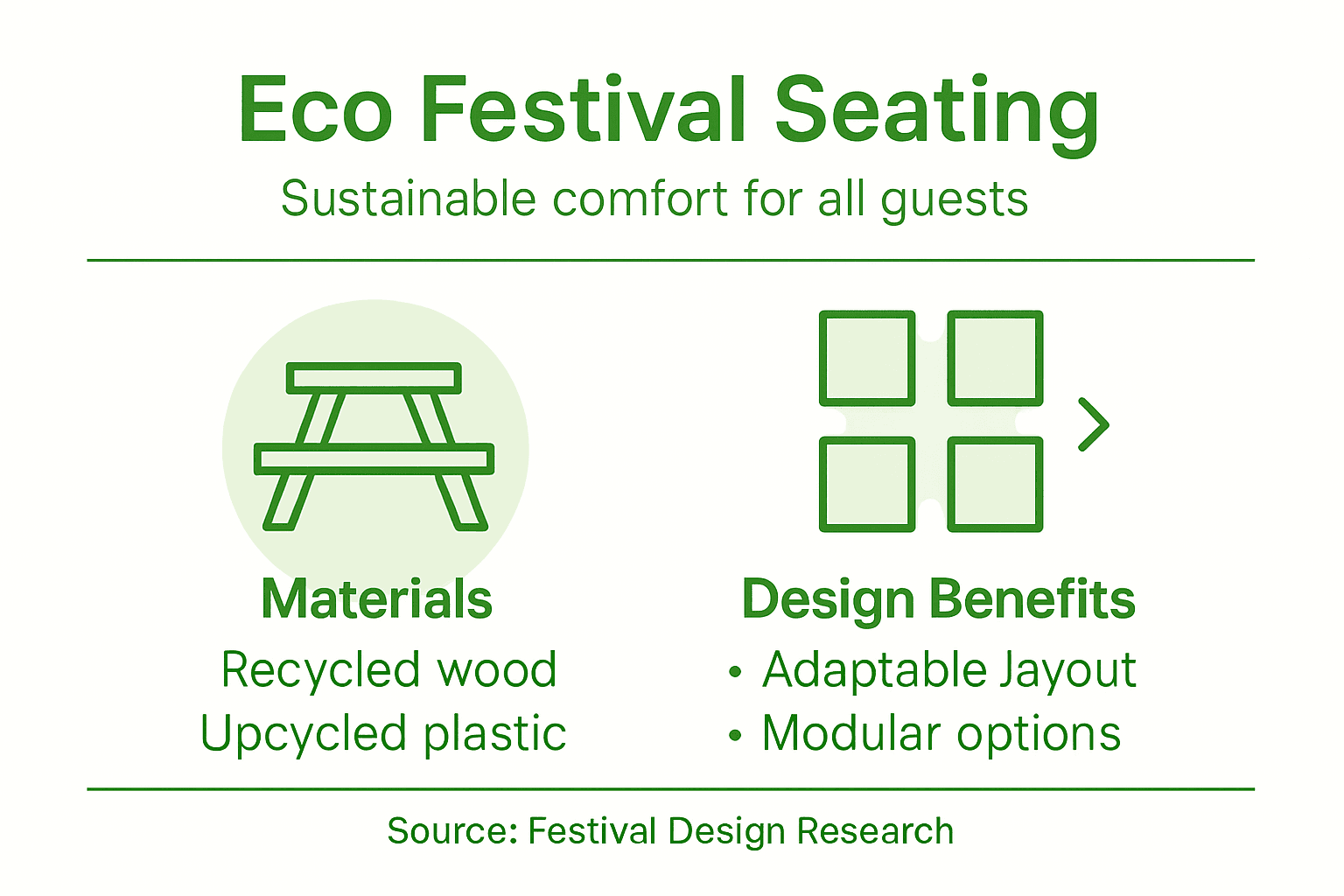
The most progressive festival designs view sustainable seating as more than a technical challenge—it’s an opportunity to create immersive experiences that educate and inspire. These innovations go beyond material choices, incorporating design elements that promote mental restoration, social interaction, and a sense of collective environmental responsibility.
Pro Tip: Prioritize multi-purpose, adaptable seating solutions that can be repurposed or recycled after the event to minimize environmental footprint.
Music festival dynamics reveal that outdoor seating is far more than a functional necessity—it’s a critical social architecture that shapes participant interactions and collective experiences. The strategic design of communal spaces can transform a simple gathering into a vibrant, interconnected community event.
Key community-building elements through seating design include:
Festival public space research demonstrates that thoughtful seating arrangements can dramatically enhance social cohesion. By creating intentional spaces that facilitate connection, festivals can break down social barriers and create temporary communities where strangers become temporary companions.
The most successful festival experiences recognize that seating is a powerful social tool. It’s not just about providing a place to sit—it’s about creating environments that invite interaction, foster mutual understanding, and generate collective memories that extend far beyond the event itself.
Pro Tip: Design seating areas with intentional flexibility, allowing participants to naturally form and reshape social groups throughout the festival experience.
Outdoor festivals demand seating that goes beyond basic functionality to create social comfort, flexibility, and lasting memories. The article highlights challenges such as balancing ergonomic support, crowd flow management, and eco-friendly designs to foster community and well-being at festivals. If you want seating that adapts effortlessly to any event, promotes inclusion, and enhances your personal comfort, the right portable seat can transform your experience.
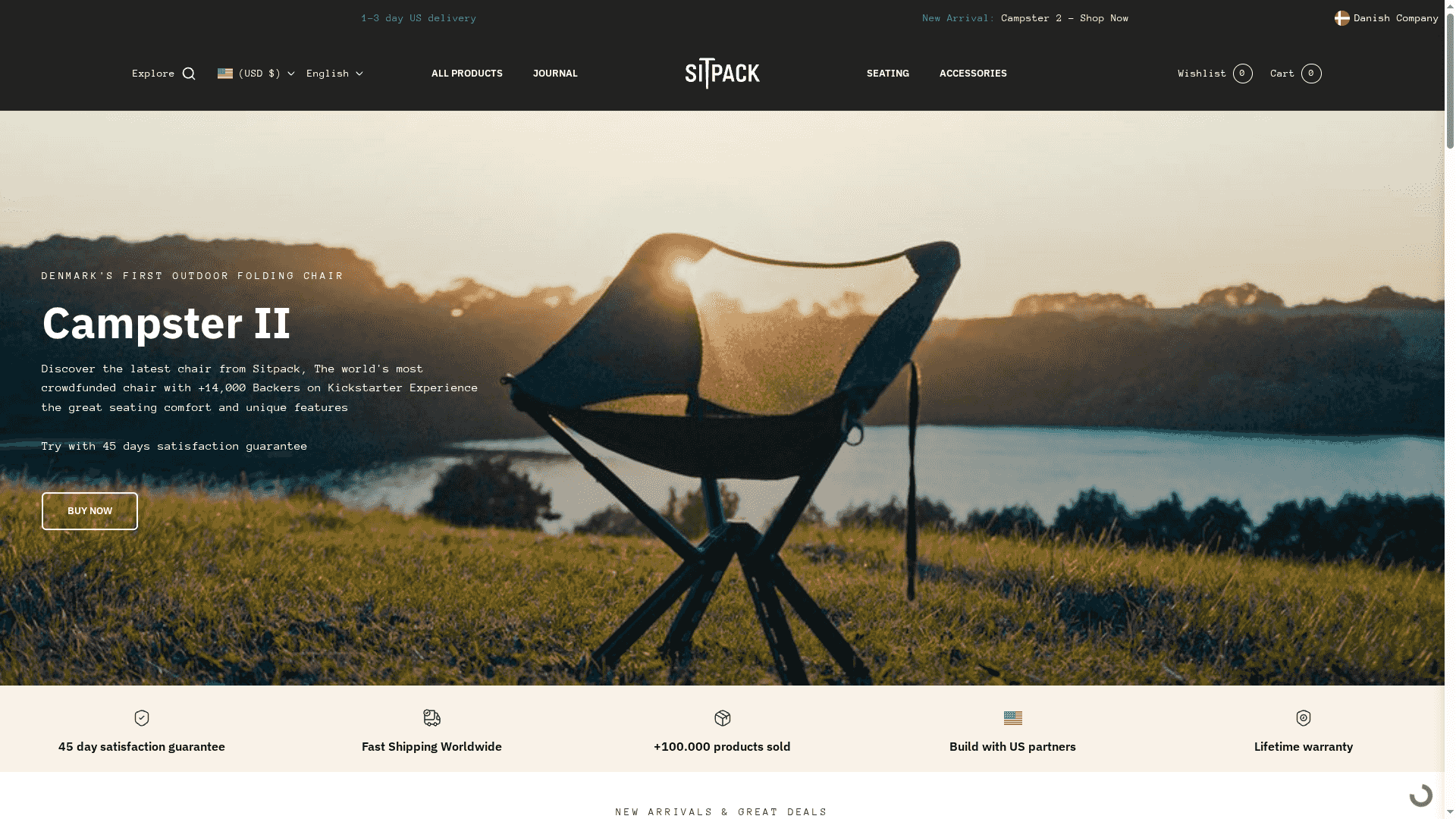
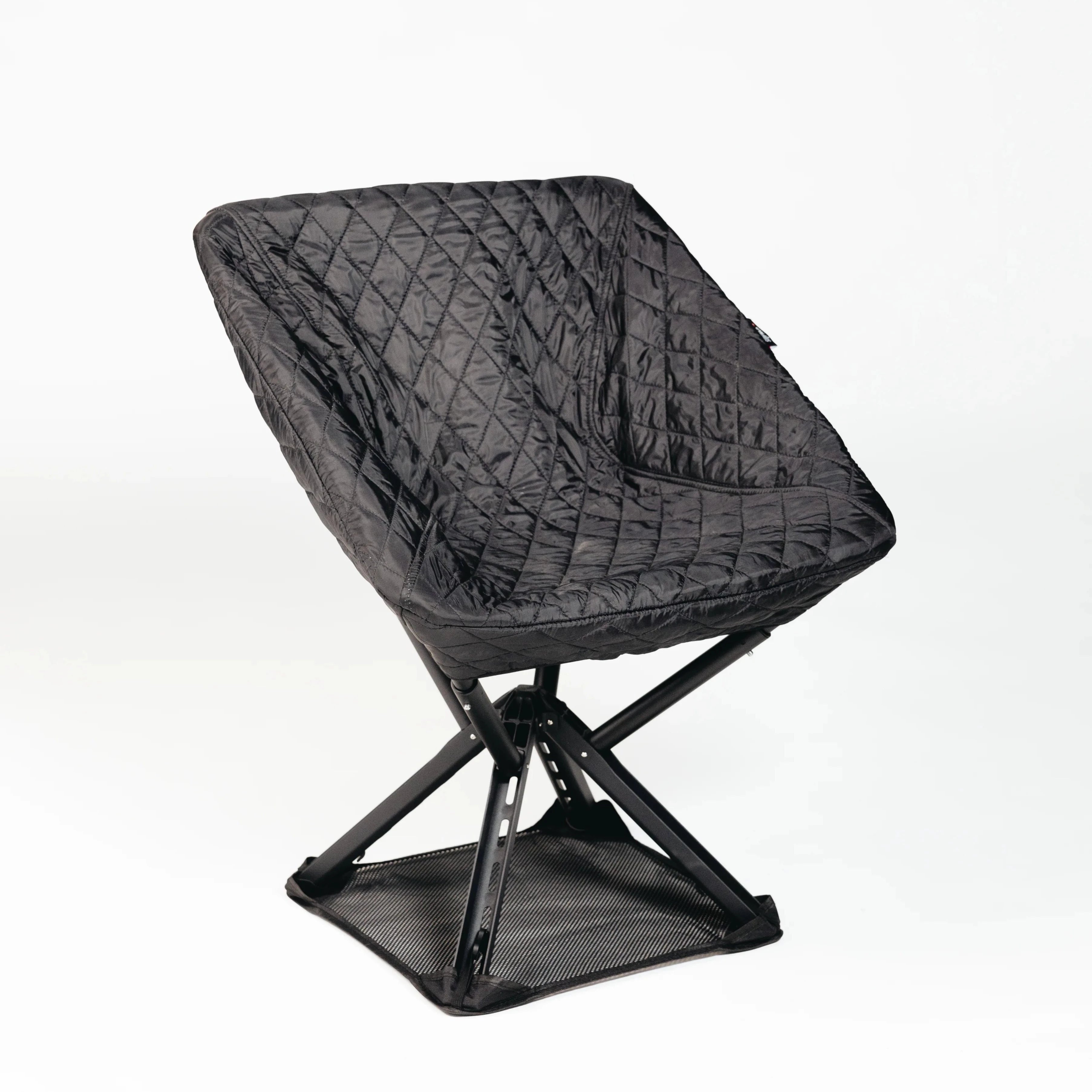
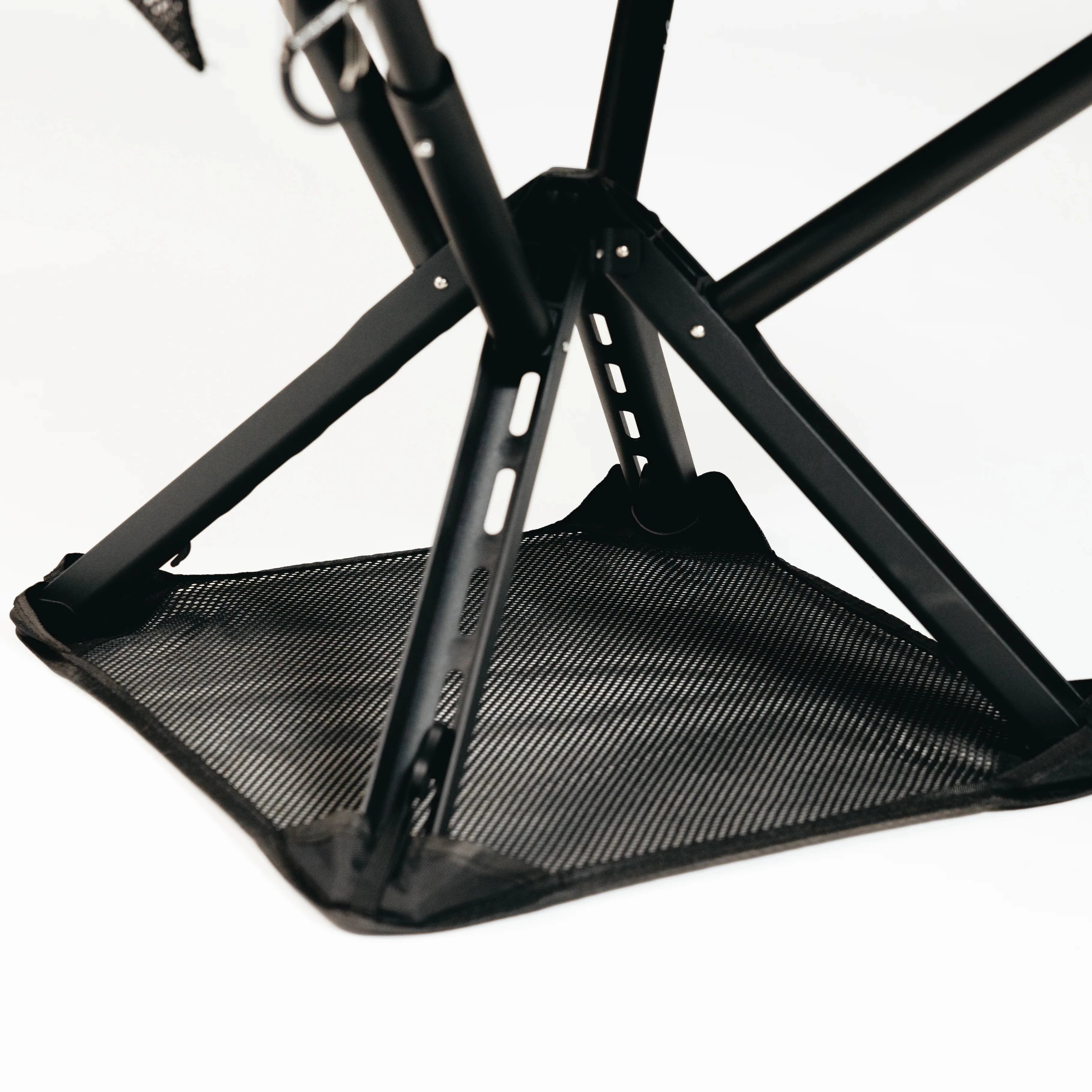
Discover how the innovative design of products like the Campster II and Sitpack Zen from Sitpack addresses these exact needs with lightweight, durable, and minimalistic solutions built for outdoor environments. Act now to upgrade your festival seating with chairs that support social interaction, ensure your comfort through long days, and reflect a commitment to sustainability. Explore the full range of options and accessories to match your unique festival lifestyle at Sitpack. Your ultimate outdoor seating experience starts here.
Key considerations include spatial flexibility for different group sizes, accessibility for diverse mobility needs, weather resistance and durability, lightweight and portable designs, and options for both individual and collective seating arrangements.
Different seating types foster unique experiences; for example, bench seating encourages social bonding, individual chairs promote personal comfort, and ground seating creates informal gathering spaces. The right seating can significantly influence crowd interactions and overall event perception.
Ergonomic support is vital as it reduces fatigue and discomfort for attendees, enhancing their overall experience. Proper body alignment in seating can help prevent strain injuries, making the festival more enjoyable and safe for participants.
Sustainable practices can be integrated by using recycled materials, biodegradable components, renewable resources, modular designs for reusability, and incorporating solar-integrated seating that provides charging stations. This not only minimizes environmental impact but also enhances user well-being.