Vogn
0
Tilmeld dig og få 10% i rabat på din ordre
Forventet levering
1-3 dage
Du vil måske også kunne lide


Dansk Firma

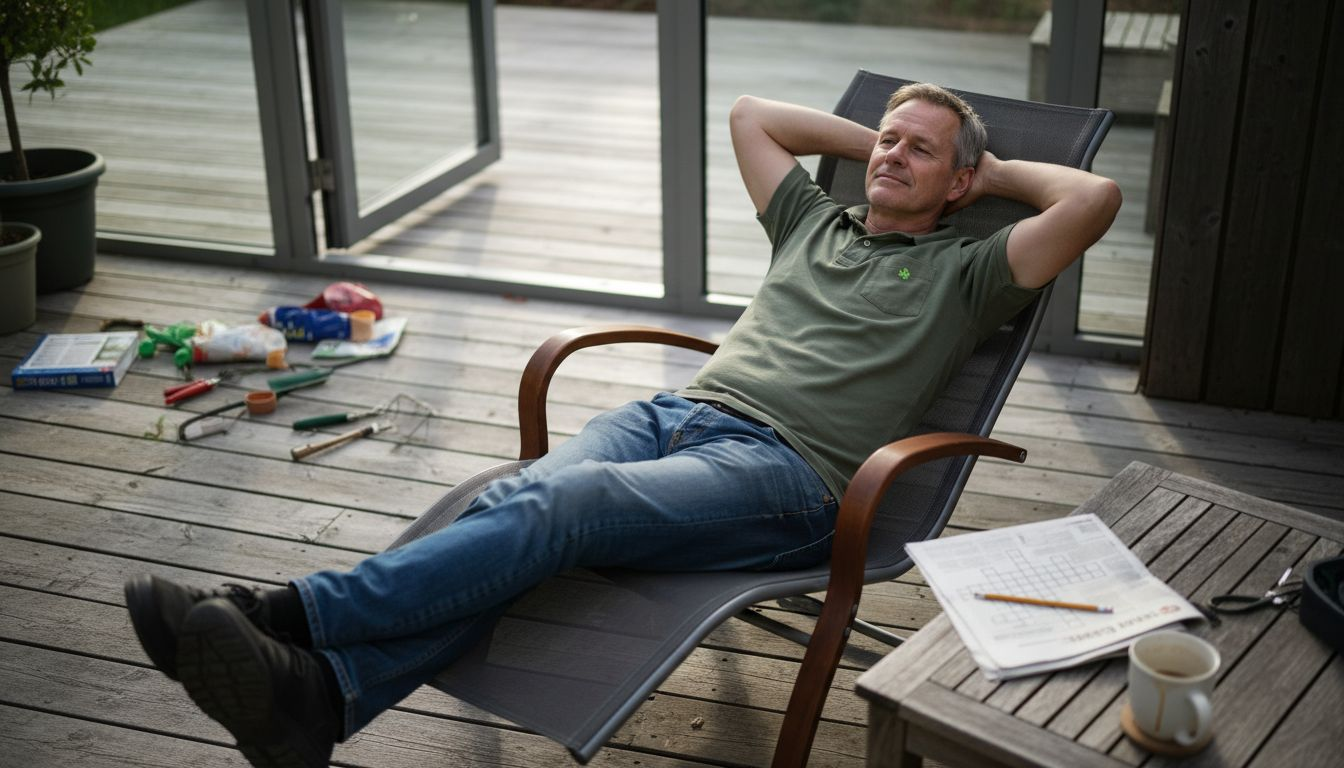
Over 60 percent of American adults report experiencing back pain after spending time in the wrong outdoor chair. Comfort outside is not just about style or looks but hinges on supportive design that can make or break your experience. Knowing what sets truly ergonomic outdoor seating apart puts you a step ahead in preventing discomfort while enjoying patios, parks, or campsites. This guide makes it easy to spot the features and mistakes that matter most for long-lasting relaxation.
| Point | Details |
|---|---|
| Supportive Design is Essential | Outdoor chairs should prioritize ergonomic features to accommodate human anatomy and enhance comfort. |
| Material Selection Matters | Choose durable materials that offer weather resistance and lightweight portability for outdoor use. |
| Adjustability is Key | Opt for chairs with adjustable features to cater to individual body needs and preferences. |
| Avoid Common Mistakes | Be vigilant about design flaws like incorrect seat height or poor lumbar support to prevent discomfort. |
Supportive design in outdoor chairs represents more than just creating a place to sit - it’s about engineering comfort that adapts to human physiology and movement. When we talk about supportive design, we’re referencing a sophisticated approach that considers ergonomics, biomechanics, and user experience in every curve and contour of a seating solution.
The fundamental principles of supportive design start with understanding human anatomy. Ergonomic research demonstrates that effective chairs must accommodate natural body alignment and promote healthy sitting positions. This means creating seats with specific features like waterfall-edged surfaces that reduce pressure on leg circulation, lumbar supports that follow the spine’s natural curvature, and contours that distribute body weight evenly.
Key characteristics of supportive outdoor chair design include:
Research from academic ergonomics studies suggests that ideal supportive chairs should offer adjustable features like variable height, tilt mechanisms, and independent lumbar support. These design elements transform a simple chair from a static object into a dynamic comfort solution that actively supports the human body.
Pro Traveler Tip: When selecting an outdoor chair, perform a 30-second comfort test by sitting and shifting positions to ensure the chair provides responsive, adaptive support across different postures.
Outdoor seating solutions have evolved far beyond simple chairs, transforming into sophisticated support systems designed for comfort and functionality across diverse environments. From compact urban spaces to rugged wilderness terrains, modern outdoor seating offers specialized designs that cater to specific user needs and physical requirements.
The classic Adirondack chair exemplifies a prime example of thoughtful outdoor seating design, with its distinctive slanted back and wide armrests that naturally shift body weight to promote relaxation. These chairs represent more than just a sitting surface - they’re engineered comfort zones that adapt to human anatomy and environmental conditions.
Different types of supportive outdoor seating solutions include:
Beyond traditional designs, modern outdoor seating incorporates advanced materials like breathable mesh, weather-resistant polymers, and flexible composites that enhance durability and comfort. The goal is creating a seating solution that not only supports the body but also withstands varied environmental challenges.

Pro Adventurer Tip: Always test an outdoor chair’s weight distribution and flexibility before purchasing, ensuring it can handle your specific body type and intended usage scenarios.
Ergonomics in outdoor seating isn’t just a buzzword - it’s a critical science of designing chairs that work harmoniously with human physiology. The ultimate goal is creating seating solutions that support natural body mechanics, reduce physical strain, and enhance overall comfort across diverse environments and activities.
Advanced ergonomic chair design focuses on several key structural elements that transform a simple seat into a sophisticated support system. These include a stable five-point base with high-quality casters for smooth movement, a swivel mechanism that allows flexibility without physical stress, and carefully engineered support zones that adapt to individual body contours.
Critical ergonomic features for outdoor chairs include:
Optimal lumbar support technologies now incorporate advanced materials like memory foam and responsive mesh backings. These innovations provide dynamic support that moves with the user’s posture, offering a slight curve that naturally aligns the lower spine and reduces muscle tension during extended sitting periods.
Pro Comfort Expert Tip: When evaluating outdoor chairs, perform a comprehensive 60-second comfort assessment by sitting, shifting positions, and testing the chair’s responsiveness to your unique body mechanics.
Outdoor seating demands a delicate balance between lightweight design and robust construction. Modern adventurers and travelers require chairs that can withstand diverse environmental challenges while remaining easy to transport and set up in multiple settings.
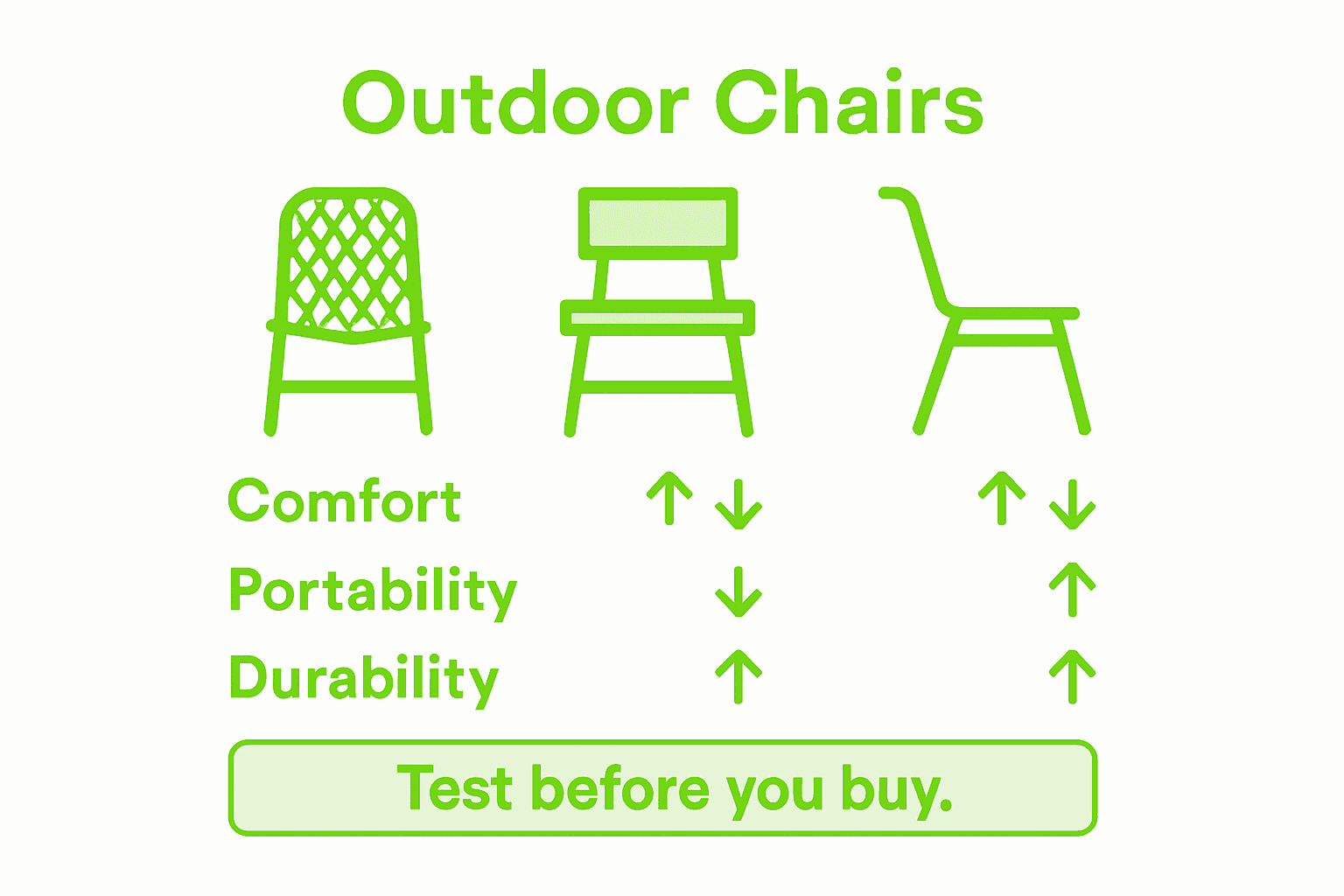
Material selection plays a critical role in determining a chair’s overall performance and longevity. Different materials offer unique advantages: aluminum provides rust resistance and exceptional lightness, powder-coated steel delivers strength with moderate weight, and recycled plastic lumber ensures durability without maintenance concerns.
Key material considerations for outdoor chairs include:
Advanced outdoor seating technologies now incorporate innovative materials like all-weather wicker and contoured resin designs. These materials offer superior UV resistance, mold prevention, and ergonomic shaping that enhances both comfort and durability. The goal is creating chairs that remain functional across temperature extremes and challenging outdoor conditions.
Here’s a comparison of advanced outdoor chair materials and their impact on performance:
| Material Type | Key Advantage | Drawback |
|---|---|---|
| Aluminum | Ultra-light and rustproof | Can dent under heavy use |
| Powder-Coated Steel | High strength and stability | Moderate weight to carry |
| Recycled Plastic | Eco-friendly and low-maintenance | May fade in intense sun |
| Synthetic Wicker | Weatherproof and stylish | Not as breathable in heat |
| Treated Wood | Classic natural look | Needs periodic maintenance |
Pro Explorer Tip: Always check a chair’s weight capacity and packability rating before purchasing, ensuring it meets your specific outdoor adventure requirements.
Navigating the world of outdoor seating requires more than just selecting a visually appealing chair. Understanding potential design pitfalls can help consumers make informed decisions that prioritize comfort, support, and long-term usability.
Ergonomic outdoor chair design reveals several critical mistakes that can compromise user comfort and physical well-being. Improper seat height and depth can create significant physical stress, leading to issues like leg dangling, knee hyperflexion, and compromised lumbar support that can cause discomfort during extended sitting periods.
Common mistakes to watch out for include:
Back angle and recline positioning represent another critical consideration in outdoor chair design. An overly reclined position can shift pressure to the upper back and neck, undermining the chair’s ergonomic benefits and potentially causing long-term physical discomfort.
To avoid discomfort, consider these common outdoor chair design pitfalls and their potential consequences:
| Design Mistake | Negative Outcome | Prevention Tip |
|---|---|---|
| Incorrect seat height | Leg strain and poor circulation | Check feet rest flat on ground |
| Weak lumbar support | Increased risk of back pain | Choose chairs with adjustable backrest |
| Overly deep seat | Sliding and lost support | Ensure knees bend at seat edge |
| Subpar materials | Rapid wear and discomfort | Inspect for weather-resistant finishes |
Pro Safety Expert Tip: Always perform a 5-minute seated test in any outdoor chair, paying close attention to how your body feels in different positions and checking for any immediate discomfort or pressure points.
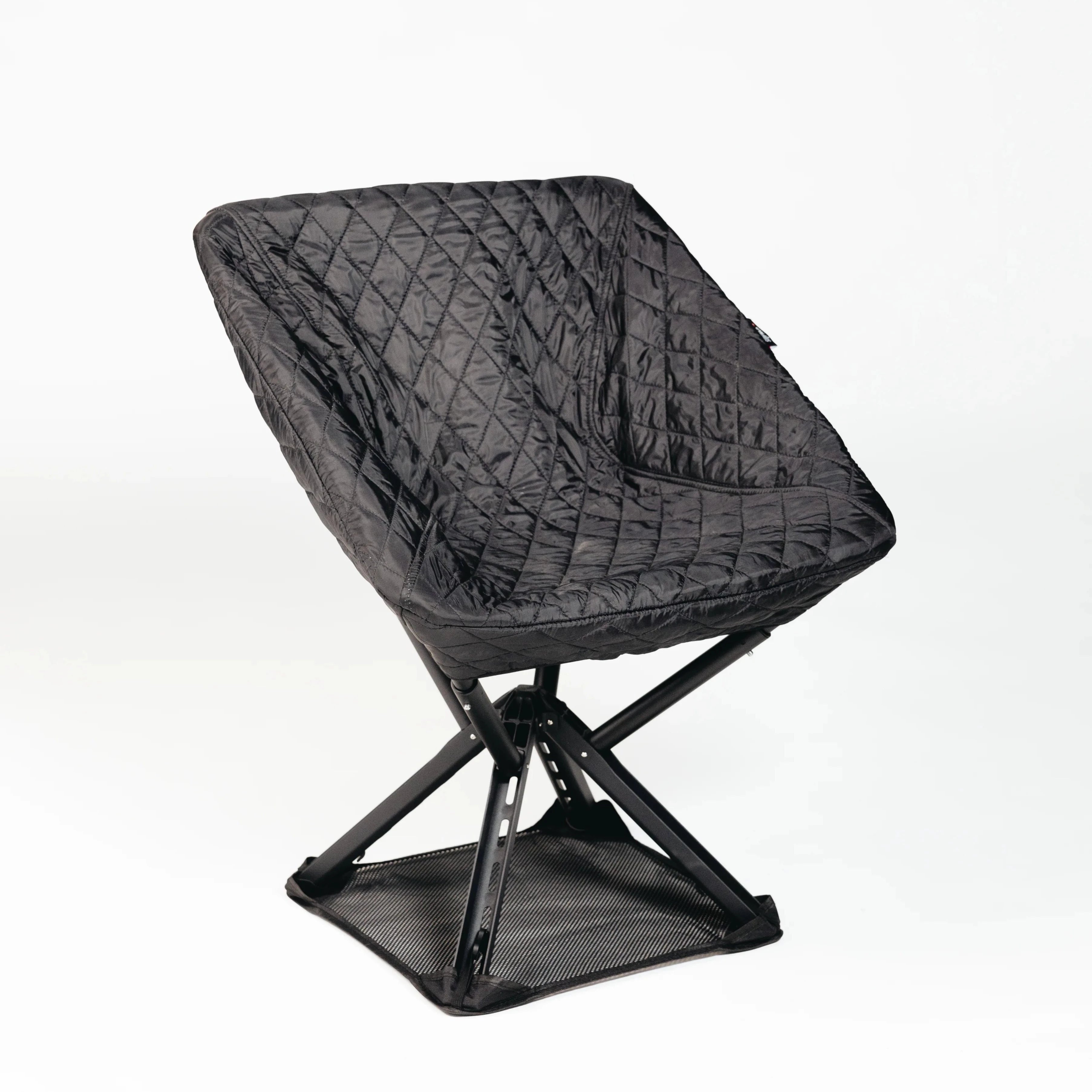
Finding outdoor chairs that combine ergonomic support with portability can be challenging. The article highlights key comfort factors like dynamic lumbar support, adaptive materials, and weight distribution that most outdoor seating lacks. If you have struggled with chairs that cause discomfort due to improper seat height, weak lumbar support, or bulky designs, it is time to experience seating solutions designed specifically to meet these needs.
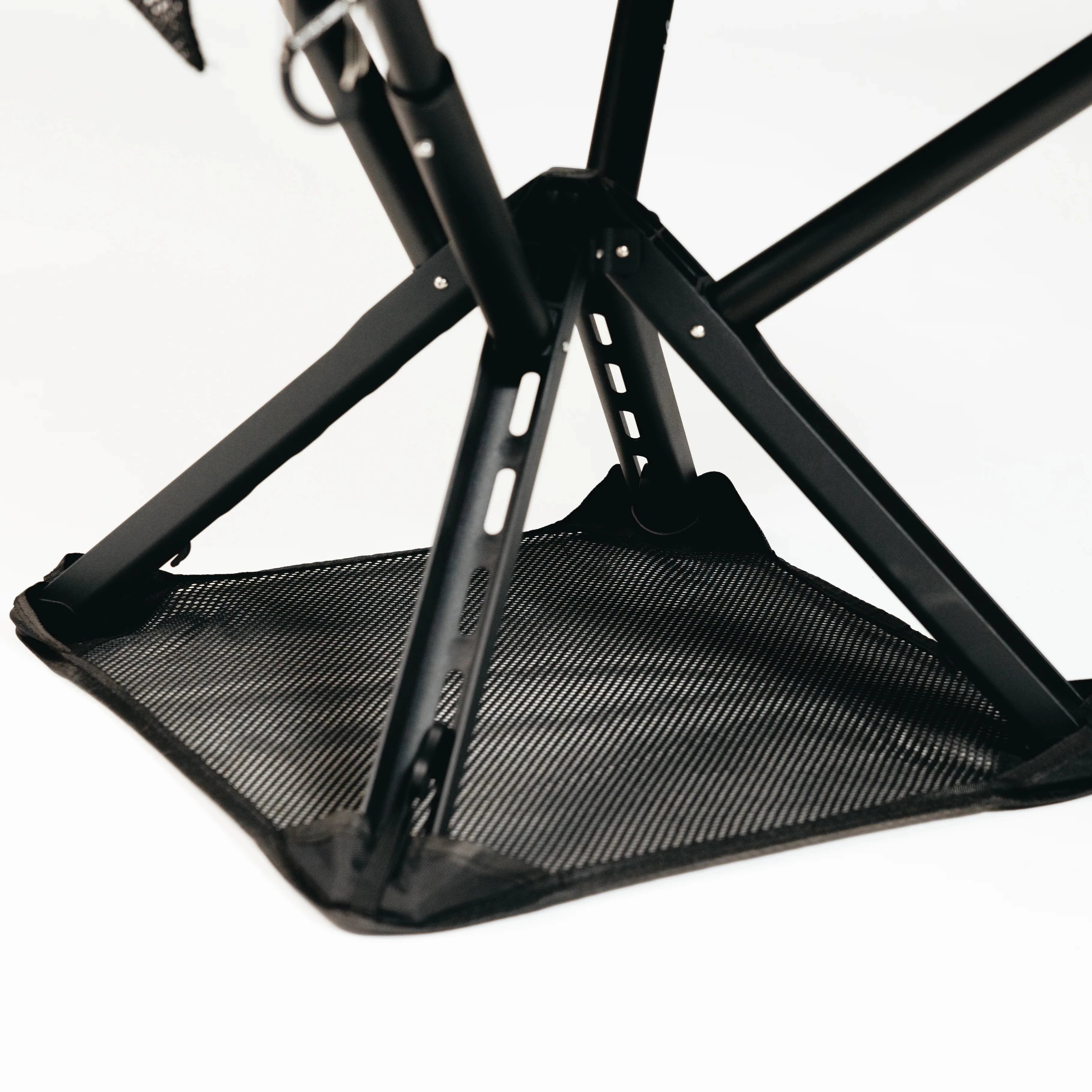
Explore innovative options like the Campster II and Sitpack Zen at Sitpack, where lightweight, foldable chairs deliver lasting comfort and durable support designed for active lifestyles. With fast worldwide delivery and a 45-day satisfaction guarantee, you can take your outdoor adventures to the next level without compromise. Don’t wait to invest in your comfort and support. Visit https://sitpack.com now to find your perfect outdoor chair and accessories that will keep you comfortable wherever you go.
Supportive design in outdoor chairs involves creating seating that adapts to human anatomy and movement, incorporating ergonomics and biomechanics to ensure comfort and promote healthy sitting positions.
Key features include ergonomic contouring, adaptive materials that respond to body heat, strategic cushioning to reduce strain, and dynamic flexibility to accommodate various body types and sitting positions.
Perform a quick comfort test by sitting in the chair and shifting your positions for about 30 seconds. Pay attention to whether the chair provides responsive support and maintains comfort across different postures.
Avoid selecting chairs with incorrect seat height, inadequate lumbar support, inappropriate seat depth, oversized or undersized designs, and inferior materials that can lead to discomfort and rapid wear.