Vogn
0
Tilmeld dig og få 10% i rabat på din ordre
Forventet levering
1-3 dage
Du vil måske også kunne lide


Dansk Firma


TL;DR:
- Sustainable outdoor seating prioritizes recycled materials, durability, and repairability for long-term use.
- Premium chairs often cost more but last longer, reducing environmental impact over time.
- Choices should be based on use-case, material certification, warranty, and repair options for eco-friendly outdoor seating.
Picture this: you’re standing in a gear shop (or scrolling at midnight), staring down a wall of camp chairs, trying to figure out which one won’t blow away in a stiff breeze, crush your lower back by hour two, or end up in a landfill before the next camping season. We’ve been there. For outdoor enthusiasts who care about both their comfort and the planet, picking the right portable seat is genuinely tricky. The good news? Sustainable seating has come a long way, and there are now options that check every box without making you feel like you’re sacrificing comfort for conscience.
| Point | Details |
|---|---|
| Balance of priorities | The best seating options combine eco-friendly materials, comfort, and portability for outdoor users. |
| Smart investments | Premium sustainable chairs may cost more but provide longevity and reduce waste over time. |
| Diverse materials | Innovative seating uses recycled polyester, upcycled plastics, and even bio-concrete enhanced by plant growth. |
| Recommendation by scenario | Your optimal chair depends on whether you backpack, car camp, travel, or use it in urban parks. |
Now that we’ve framed the challenge, let’s clarify what actually makes a seating option sustainable — because the word gets thrown around a lot, and not always honestly.
True sustainability in outdoor seating comes down to a few core factors. First, materials. Look for recycled, upcycled, or responsibly sourced fabrics and frames. Bluesign-certified textiles are a reliable signal that production met strict environmental and safety standards. Second, durability and repairability. A chair that lasts a decade and can be repaired when a pole snaps is far more sustainable than one that falls apart after two camping trips. Third, portability. You want something you’ll actually bring along, because the greenest gear is the gear you use.
Here’s what to evaluate when shopping:
Knowing how to spot sustainable materials is genuinely useful here. Vague language like “eco-conscious design” or “nature-inspired” without certifications or specific material sourcing data? That’s a red flag worth heeding.
Pro Tip: If a brand can’t tell you exactly what percentage of their materials are recycled and where they source their fabric, assume the “eco” label is mostly marketing. Real sustainability has receipts.
For ultralight eco-friendly chairs, the tradeoff between stability and portability is real, but modern engineering has narrowed that gap considerably. Budget chairs, by contrast, tend to fail faster — typically within two seasons compared to five or more years for premium models. Replacing a chair twice means double the manufacturing impact, double the waste, and often double the frustration around a campfire.
With clear selection criteria in hand, let’s review the standout sustainable seating options you can actually buy, with direct use-case benefits for each.
This is the gold standard for ultralight, eco-forward seating. The Helinox Chair One (re) uses bluesign-certified recycled 300D polyester fabric paired with an aluminum alloy frame made from factory scraps. It weighs just 2 lbs 7.5 oz packed, supports up to 320 lbs, and features the brand’s (re)Tension Design for even weight distribution that actually makes a noticeable comfort difference.
REI’s in-house camp chair options use recycled polyester fabric with a durable steel frame and a water-repellent finish, landing at around $50. It’s a solid, budget-friendly pick for car campers who want a conscience-friendly seat without the premium price tag.
If you’re a beach lover, the Low Tides Sandbar chair is worth serious attention. Made from upcycled ocean-bound plastic, this chair features five reclining positions and a backpack strap for hands-free carrying across the sand. The production process is slower — about 16 weeks — but that’s partly because the materials require dedicated collection and processing from coastal communities.
At just 1 lb with DWR water resistance, the REI Flexlite Air Chair is a backpacker’s dream. It packs down tiny, provides genuine back support, and handles most terrain well. Worth noting: it’s less stable on soft ground or sand without additional foot pads.
For those of us who geek out on design innovation, the PhytoSymbiosis Seat is genuinely wild. It uses porous bio-concrete reinforced over time by living English ivy growth, guided by Voronoi geometry patterns embedded in the seat’s structure. A built-in water sensor keeps the plant hydrated. It’s not something you’ll pack into the Rockies anytime soon, but it represents where sustainable design is heading, and it’s a fascinating reminder that “eco seating” doesn’t have to mean compromising on innovation.

Pro Tip: When deciding between premium and budget sustainable chairs, ask yourself how many times per year you’ll use it. If you’re camping or hiking more than five times a year, the math strongly favors investing in a quality chair that lasts five-plus years over replacing a cheapo option every two seasons.
Explore sustainable fabrics for outdoor gear if you want to dig deeper into what makes textile certifications meaningful versus purely decorative.
After exploring individual options, it helps to see their merits side-by-side for smarter decision making.
| Chair | Weight | Recycled content | Lifespan | Comfort level | Price |
|---|---|---|---|---|---|
| Helinox Chair One (re) | 2 lbs 7.5 oz | High (bluesign certified) | 5+ years | Excellent | $140+ |
| REI Co-op camp chair | ~6 lbs | Medium (recycled polyester) | 3-5 years | Good | ~$50 |
| Low Tides Sandbar | ~5 lbs | High (ocean-bound plastic) | 4-6 years | Excellent | Mid-range |
| REI Flexlite Air | 1 lb | Medium | 3-5 years | Good | Mid-range |
| PhytoSymbiosis Seat | Fixed | Very high (bio-concrete, living plant) | Grows over time | Conceptual | N/A |
According to Wired’s review of the Helinox Chair One (re), Helinox models consistently top the charts for ultralight backpacking at 1 to 2.5 lbs, offering superior stability and comfort compared to budget alternatives, though the $140-plus price tag is a real consideration. The REI Flexlite stands out as the best value for pure weight savings.
Here’s a simple 3-step process to narrow down your best fit:
This kind of structured thinking keeps you from buying on impulse and regretting it when the chair wobbles on its third outing.
The chart clarifies the technical differences, but which chair matches your specific adventure? Let’s break it down by real-life use.
Ultralight backpacking: The REI Flexlite Air Chair is your go-to here. At just 1 lb with a DWR finish, it adds almost nothing to your pack weight but delivers real lumbar support at camp. Just pack extra foot pads if you’re heading somewhere sandy or boggy.
Car camping and group trips: The REI Co-op camp chair delivers solid comfort and durability at a wallet-friendly $50. You’re not carrying it far, so the extra weight is a non-issue, and the recycled polyester fabric keeps the eco score respectable.
Long beach days: Low Tides Sandbar is practically purpose-built for this. Five reclining positions mean you can go from reading upright to full nap mode without switching chairs. The backpack strap makes the walk from parking lot to shoreline genuinely painless.
Urban picnics and city use: This is where compact, stylish, and lightweight matters most. The Helinox Chair One (re) or a well-designed foldable option shines here. You want something that fits in a bag, looks good in the park, and doesn’t scream “I’m heading into the wilderness.”
Eco-forward design enthusiasts: If you’re someone who follows design and sustainability trends closely, keep an eye on bio-material innovations like the PhytoSymbiosis Seat. It’s ahead of its time, but concepts like this shape what mainstream outdoor gear looks like five years from now.
For each of these scenarios, the core tradeoff remains the same: lighter and more packable generally means less stability, and more eco-certified materials often means a higher upfront price. Considering your durable outdoor options carefully before buying saves you from a cycle of disappointing replacements.
Having reviewed all the facts and comparisons, here’s the hard-earned perspective most guides don’t touch.
The uncomfortable truth is that a lot of “eco” camp chairs on the market are wearing green clothing over the same fast-furniture skeleton underneath. A label that says “made with some recycled materials” without certification, repairability options, or a real warranty is often just regular gear with better PR. And the frustrating part? These chairs end up in the landfill faster than the premium versions, meaning you’ve paid twice — once in dollars and once in environmental cost.
Budget chairs typically last just two seasons, while premium brands like Helinox and Snow Peak consistently hit the five-year-plus mark backed by actual warranties. Over a ten-year camping habit, that’s the difference between buying one chair and buying five. Think about the packaging, the shipping emissions, and the manufacturing energy for five cheapo chairs versus one well-made one. The math isn’t close.
Here’s the mindset shift that changed how I think about gear: longevity is the most underrated sustainability metric. Recycled content is great, but a chair made from 100% recycled materials that falls apart in 18 months is not a sustainable product. It’s a slightly guilty-conscience product. Real sustainability means you buy it once, maybe repair a pole or re-sew a strap, and it’s still reliable a decade later.
The other thing most guides gloss over is repairability. Can you order replacement parts? Is the fabric modular? Premium brands often have parts programs; budget brands rarely do. That’s the detail that separates a genuinely sustainable purchase from a well-marketed one.
My honest advice: use the insider ultralight guide to understand weight categories, then invest at the top of your budget in a chair with real certifications, a legitimate warranty, and documented repairability. Your future self, your back, and honestly the planet will all thank you.
Armed with all these insights, you’re in the perfect position to make smarter, more sustainable gear choices. Choosing the right sustainable seat isn’t just about feeling good about your purchase, it’s about actual comfort on every adventure, fewer replacements, and less waste piling up over time.
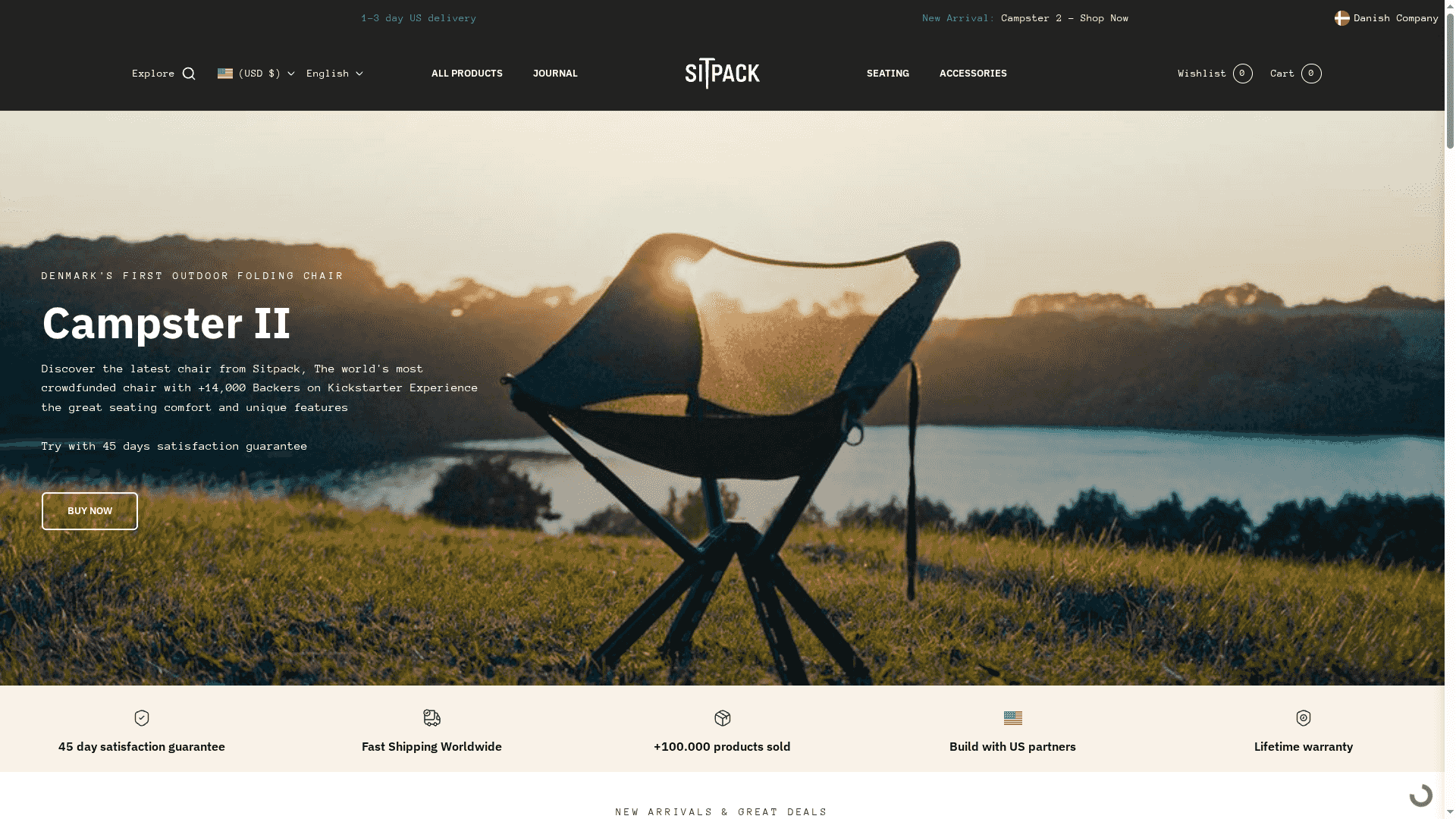
At Sitpack, we’ve built our line of portable, foldable chairs around exactly these principles: lightweight materials, thoughtful design, durability that lasts, and a lifetime warranty that means something. Whether you’re a weekend warrior, a daily commuter who needs a seat on the go, or a serious backcountry traveler, there’s a Sitpack solution that fits your setup. Browse our best-sellers and new arrivals to find your perfect match — and make your next outdoor sit the best one yet.
Recycled polyester, upcycled ocean plastics, and bio-concrete are among the leading eco-friendly materials for outdoor chairs, with bluesign-certified recycled fabric and upcycled ocean-bound plastic being the most field-tested options available right now. The PhytoSymbiosis bio-concrete concept points toward exciting future materials.
Yes, typically, but the gap shrinks when you factor in lifespan. Premium models at $140-plus outlast budget $50 chairs by three or more years, making the total cost of ownership surprisingly competitive.
The REI Flexlite Air Chair is the top pick for backpackers, given its 1 lb weight and water-resistant finish, making it easy to carry without sacrificing the back support you need after a long day on the trail.
Many premium brands do, and it matters a lot. Brands like Helinox offer 5-year warranties, which signal genuine confidence in their product’s durability and reduce the overall environmental footprint through fewer replacements.