Vogn
0
Tilmeld dig og få 10% i rabat på din ordre
Forventet levering
1-3 dage
Du vil måske også kunne lide


Dansk Firma

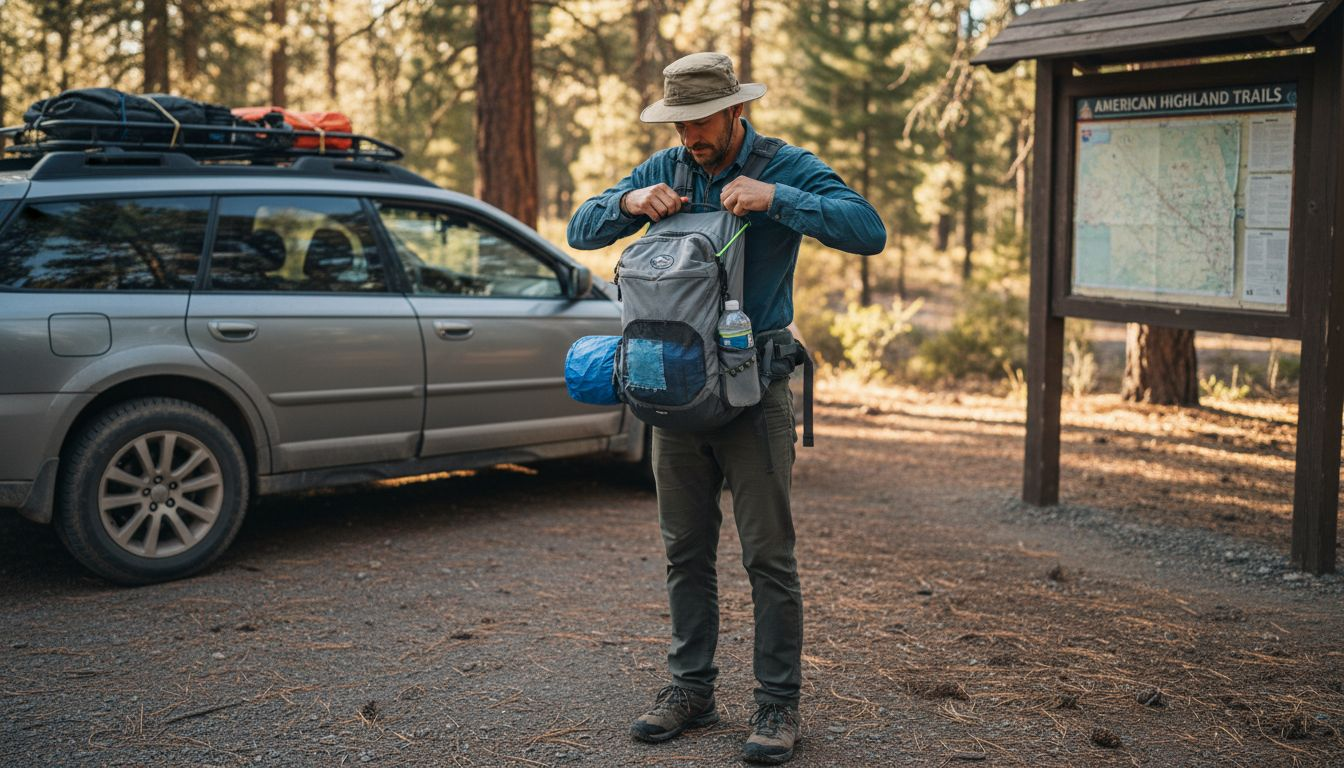
Finding the perfect balance between lightness and durability is a constant challenge for eco-conscious campers who want to explore the outdoors without excess baggage. Ultralight camping gear focuses on carrying only what truly matters, using advanced materials like titanium and Dyneema Composite Fabrics to cut weight without losing performance. This philosophy not only transforms the camping experience but also helps reduce your environmental impact. Discover how smart gear choices lead to lighter footprints and more sustainable adventures.
| Point | Details |
|---|---|
| Emphasize Quality Over Weight | Opt for high-performance, durable materials that ensure safety and longevity instead of merely focusing on weight reduction. |
| Understand Your Gear | Familiarize yourself with each item to make informed decisions and enhance your camping experience through intentional gear selection. |
| Prioritize Eco-Friendly Choices | Select gear that aligns with sustainable practices to reduce your environmental footprint and support responsible consumption. |
| Balance Safety and Minimalism | Avoid cutting essential safety items; prioritize appropriate gear for expected weather conditions, regardless of weight concerns. |
Ultralight camping isn’t about suffering in the wilderness with inadequate equipment. It’s a philosophy centered on carrying only what you genuinely need, optimized for weight efficiency without cutting corners on safety or functionality. The definition is straightforward: ultralight backpacking typically means a base weight under 4.5 kilograms (9.9 pounds), excluding items you’re wearing and consumables like food and water. This approach became mainstream through thru-hikers and was popularized by Ray Jardine’s foundational techniques in the early 1990s. But here’s what matters to you as an eco-conscious camper: ultralight gear selection directly aligns with sustainable outdoor practices. Carrying less weight means less impact on trails, reduced fuel consumption if you’re traveling to remote locations, and often higher-quality, longer-lasting equipment that won’t end up in landfills.
The biggest misconception people hold is that ultralight gear means cheap, flimsy equipment that’ll fail when you need it most. That’s flat-out wrong. Real ultralight gear uses advanced materials like titanium, Dyneema Composite Fabrics, and specialized synthetics that cost more upfront but deliver superior performance and durability. A ultralight tent might weigh 800 grams instead of 2 kilograms, but it’s engineered for reliability across diverse weather conditions. Another common myth is that ultralight camping only works for experienced backcountry experts. Not true. Beginners benefit from the careful, intentional gear selection that ultralight philosophy requires. You’re forced to understand your equipment, test it thoroughly, and make conscious decisions rather than just grabbing whatever seems popular. The minimalist approach actually builds competence faster because you’re engaged with your gear rather than buried under it.
What throws people off is the distinction between base weight and total weight. Base weight excludes worn clothing and consumables, so a hiker’s actual pack might weigh 8 kilograms when everything’s loaded for a multi-day trip. Understanding this difference prevents frustration when you calculate your own setup. The real value for eco-conscious adventurers comes from the quality focus. Ultralight gear selection forces you to research products deeply, choose items with lifetime warranties, and invest in equipment that performs across multiple seasons and conditions. This directly contradicts throwaway consumer culture. When you’re packing intentionally and carrying lightweight, durable gear, you’re making environmental choices that extend far beyond the trailhead. Your footprint becomes lighter in every sense.
Pro tip: Start by calculating your base weight using a simple scale and spreadsheet rather than buying new gear immediately. Most ultralight conversions happen through intentional swaps of existing equipment, and you’ll discover what truly matters to you before making expensive upgrades.
When you strip away the nonessentials, ultralight camping gear breaks down into several core categories that address your fundamental needs: shelter, sleep systems, cooking, hydration, and clothing. Essential ultralight equipment includes tarps, lightweight tents, and bivy sacks for shelter options, each chosen based on trip duration and expected weather. Your shelter choice dramatically impacts total pack weight. A silnylon tarp weighs 300 to 500 grams and offers versatility across seasons, while a lightweight two-person tent might hit 800 grams but provides more structure and bug protection. A bivy sack (a minimalist sleeping bag cocoon) can weigh under 400 grams for solo trips. For eco-conscious campers, choosing a tarp or tent with a warranty and durable coatings means decades of use rather than replacing gear every few years.
Here’s a quick comparison of popular ultralight shelter options by their key characteristics:
| Shelter Type | Average Weight | Best Use Case | Durability (Years) |
|---|---|---|---|
| Silnylon Tarp | 300–500 grams | Versatile, multi-season | 10–15 years |
| Lightweight Tent | 800 grams | Bug and weather protection | 15–20 years |
| Bivy Sack | Under 400 grams | Solo, minimal shelter | 8–12 years |
Your sleep system is where ultralight design really shines. Quilts instead of traditional sleeping bags let you layer efficiently, with down or synthetic options weighing 600 to 1,000 grams depending on temperature rating. Pair this with an ultralight sleeping pad (around 300 to 500 grams) for insulation and comfort. A compact titanium stove and pot combination might weigh just 300 grams total, replacing heavier camp cookware. Hydration systems stay minimal: a lightweight water bottle or collapsible bladder weighs almost nothing. Clothing layers made from lightweight synthetic materials or merino wool provide warmth without bulk. The key is choosing pieces that work across multiple conditions rather than packing single-purpose items. A hooded ultralight rain jacket, thermal layer, and cap replace several heavier alternatives.
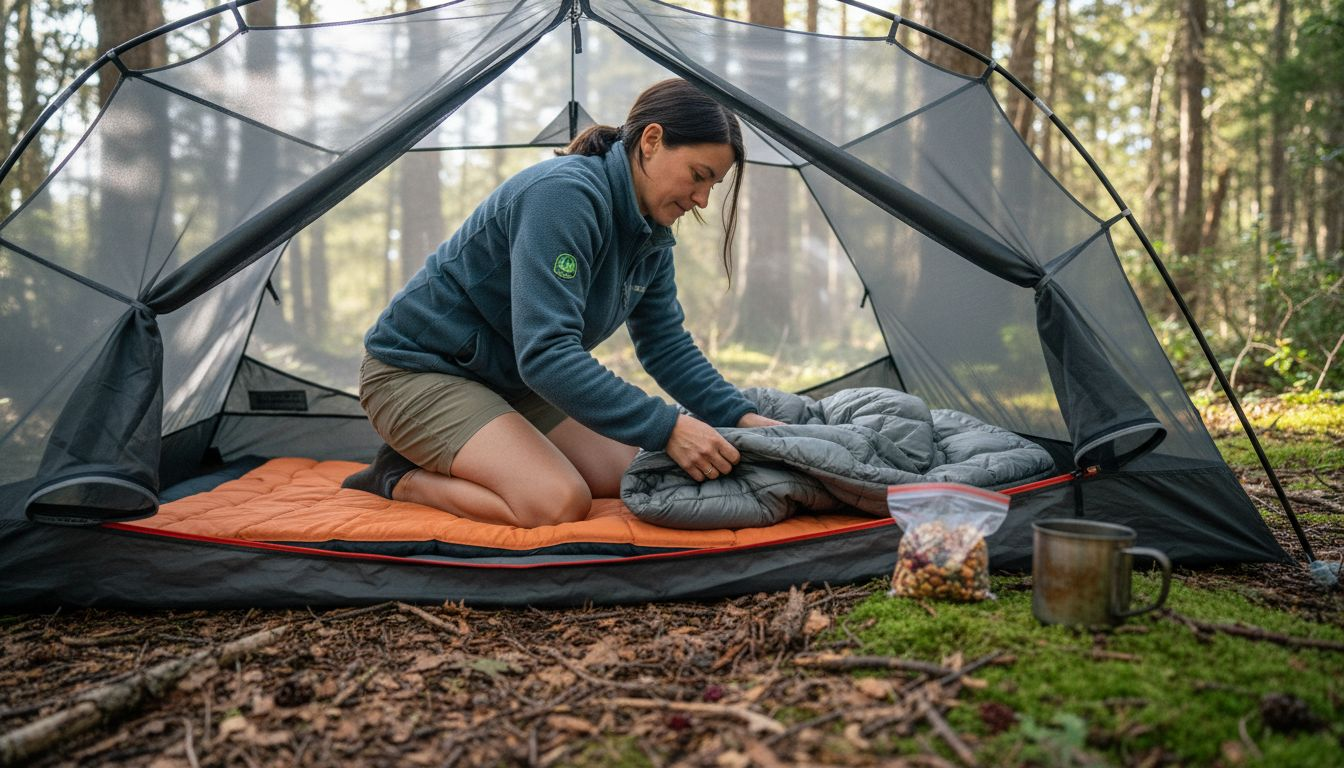
Your backpack itself needs attention. Ultralight packs designed specifically for minimalist loads run 600 to 1,000 grams and eliminate unnecessary padding and compartments. Navigation and emergency supplies round out your kit: a lightweight compass, map case, and compact first aid pouch add minimal weight while maintaining safety. The beauty of this approach is that each category supports your overall weight goal without sacrificing function. For example, a detailed ultralight gear list shows how smart selection across all categories creates a cohesive system where nothing feels like a compromise. This intentional approach appeals deeply to environmentally-minded adventurers who appreciate durability and efficiency over accumulation.
Pro tip: Start with your sleep system and shelter because these two categories typically account for 40 to 50 percent of your base weight. Optimizing here first gives you the biggest impact on your total load before worrying about smaller gear swaps.
Ultralight camping gear stands out because of three interconnected characteristics that work together to reduce your load without compromising performance. Weight is the obvious starting point, but it’s not about arbitrarily shaving off grams. Instead, it’s a strategic approach where every ounce saved comes from thoughtful material selection and design simplification. Advanced materials like titanium, Dyneema Composite Fabrics, and silnylon are the backbone of modern ultralight gear. Titanium cookware weighs a fraction of aluminum or stainless steel while offering superior durability and heat distribution. Dyneema Composite Fabrics (also called DCF) creates ultralight tarps and pack materials that are incredibly strong despite weighing almost nothing. Silnylon combines waterproofing with lightweight properties, making it ideal for tent floors and rain covers. These materials cost significantly more per unit than conventional alternatives, which is why ultralight gear typically carries a higher price tag upfront. But eco-conscious campers recognize this investment pays dividends through longevity and reduced environmental waste over time.
To help you distinguish advanced ultralight materials, below is a summary of their key properties:
| Material | Weight Advantage | Durability Characteristics | Typical Use |
|---|---|---|---|
| Titanium | Extremely lightweight | Highly corrosion-resistant | Cookware, tent stakes |
| Dyneema Composite | Ultralight, strong | High tear strength | Tarps, backpacks |
| Silnylon | Lightweight, waterproof | Moderate abrasion resistance | Tent floors, rain covers |
Design philosophy in ultralight gear emphasizes simplicity and multi-functionality. Rather than a tent with multiple compartments, storage pockets, and ventilation channels, an ultralight shelter strips down to essentials: a waterproof floor, a roof that sheds rain, and enough structural integrity to handle wind and snow loads relevant to your trips. This minimalist approach removes unnecessary stitching, zippers, and reinforcement that add weight without improving core performance. Many ultralight designs embrace modularity, meaning you can adapt gear for different seasons and conditions without carrying extras. A summer ultralight shelter might be a tarp setup with minimal insulation, while winter trips add a protective bivy sack underneath. This modularity aligns perfectly with minimalist values because you’re truly using what you carry rather than hauling backup items.
The balance between weight reduction and durability is where ultralight design gets sophisticated. You might assume lighter gear means more fragile gear, but that’s backwards. High-performance materials often outperform heavier conventional options in adverse conditions. A silnylon tarp handles UV exposure better than cheaper fabrics, and titanium resists corrosion better than steel. Ultralight touring gear requires users to adopt strategies that balance minimized weight with maintained functionality across varying weather and terrain. The catch is that ultralight gear demands more intentional use and care. You’re not forcing a tent to endure careless setup or rough handling. You’re respecting the equipment because you understand how much engineering went into reducing its weight. This conscious engagement with your gear is actually part of what makes ultralight camping rewarding for minimalist-minded adventurers.
Pro tip: When evaluating ultralight materials, prioritize durability metrics like tear strength and abrasion resistance over raw weight alone. A gram heavier but twice as durable translates to longer-lasting gear and better value for your environmental investment.
Ultralight camping gear directly aligns with the values of eco-conscious adventurers by reducing your environmental footprint in multiple ways. The most obvious benefit is material consumption. When you carry 5 kilograms instead of 15 kilograms, you’re using roughly one-third the raw materials. That translates to less mining for metals, less petroleum extraction for synthetic fabrics, and less manufacturing waste generated during production. Beyond the initial gear purchase, lighter packs mean lower transportation emissions when traveling to trailheads. Whether you’re driving to a remote location or flying internationally, reducing your pack weight reduces fuel consumption and associated carbon output. But the benefits extend far beyond those initial calculations. Sustainable camping emphasizes mindful planning, reducing waste, and choosing durable reusable gear that supports these environmental principles. Ultralight gear philosophy naturally encourages this mindset because you’re forced to be intentional about every item. You don’t buy redundant equipment or single-use gear. You select pieces that serve multiple purposes and last for years.
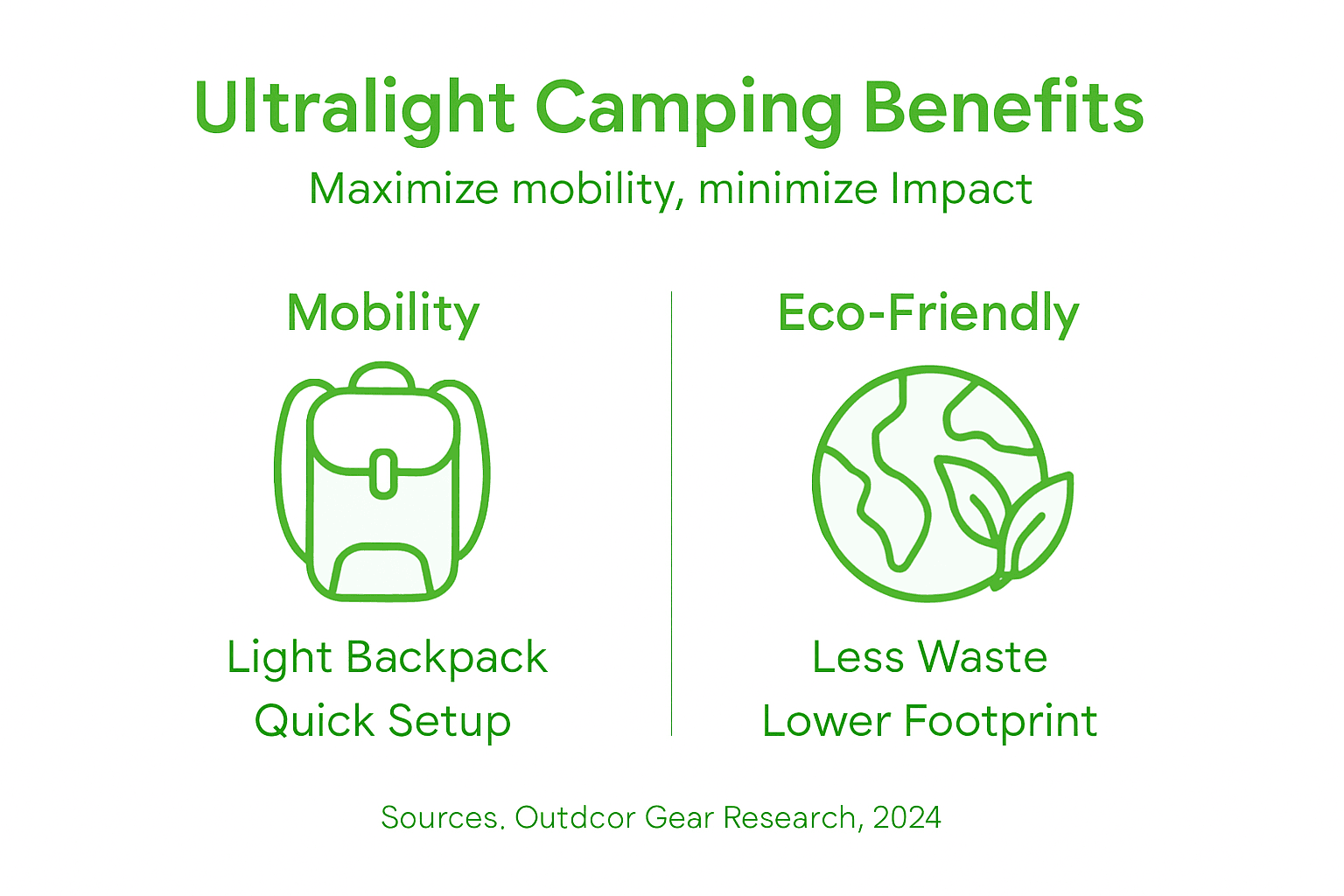
For avid campers who spend significant time outdoors, ultralight gear unlocks experiences that heavier setups make impractical. Extended trips become feasible when your pack weighs less, reducing physical strain and fatigue. You can explore more remote areas, stay out longer, and cover greater distances without depleting your energy reserves. This expanded mobility means you can distribute your impact across larger areas rather than concentrating use on popular, heavily-traveled sites. Your lighter footprint on trails literally means less erosion and less visible human impact. Camp sites recover faster when campers carry minimal gear and leave minimal trace. Ultralight gear aligns with Leave No Trace ethics by promoting less disturbance on travel routes and camping sites. You can pitch camp on fragile ground without worrying as much about compacting soil or crushing vegetation. Your reduced load means stepping lighter on the ecosystem you’re visiting.
The connection between ultralight camping and sustainable practices runs deeper than just weight reduction. Because ultralight gear often features durable, high-performance materials and thoughtful design, you keep equipment longer. Instead of replacing a tent every five years, a quality ultralight option lasts two decades. This longevity dramatically reduces the environmental cost per year of use. You’re also more likely to repair ultralight gear rather than discard it because you’ve invested more thoughtfully in quality. This repair mindset is fundamentally at odds with throwaway consumer culture. Avid campers who embrace ultralight philosophy often find themselves making broader environmental choices: using less firewood, conserving water, minimizing waste. The efficiency mindset bleeds into all aspects of outdoor recreation. You’re not just reducing pack weight; you’re fundamentally rethinking your relationship with consumption and outdoor impact.
Pro tip: Calculate your gear’s cost per day of use by dividing the purchase price by estimated years of ownership multiplied by trips per year. Ultralight gear typically offers better value this way, justifying the higher upfront cost through years of reliable performance.
Ultralight camping isn’t risk-free, and pretending otherwise would be irresponsible. The biggest danger comes from pushing weight reduction too aggressively without understanding the consequences. When you’re obsessed with shaving grams, it’s easy to rationalize skipping critical safety items or choosing gear rated for conditions warmer than what you’ll actually encounter. A sleeping bag rated for 10 degrees Celsius might be fine for summer trips, but it becomes a life-threatening liability on a shoulder-season adventure when temperatures drop unexpectedly. Inadequate gear can expose ultralight campers to weather risks and injury that might be entirely preventable with slightly heavier, more appropriate equipment. The cold is particularly dangerous because hypothermia develops quietly. You don’t realize you’re in trouble until your judgment becomes impaired. A lighter quilt is wonderful until it’s not warming you enough, and then you’re in a genuine emergency in the backcountry.
Another critical limitation is durability trade-offs. Some ultralight gear uses materials so thin that they’re genuinely fragile. A tarp made from ultralight Dyneema Composite Fabric might weigh 250 grams, but puncture it once and you’ve got a serious problem. You need the skills and repair supplies to fix ultralight gear in the field. You also need to accept that some ultralight items require meticulous care during use and storage. A 400-gram ultralight tent demands careful setup on smooth ground; you can’t just plunk it down on sharp rocks and expect it to survive. This isn’t a deal-breaker, but it’s a real limitation that means ultralight camping demands more technical competence than conventional gear. If you’re not willing to be intentional about gear use and maintenance, ultralight isn’t for you.
Comfort and convenience trade-offs are significant too. Ultralight cookware requires more attention while cooking. Ultralight shelters offer less internal space and storage. Ultralight sleeping systems demand more knowledge about insulation layers and how to stay warm. These aren’t safety issues necessarily, but they’re real limitations on convenience and user experience. The financial barrier is another legitimate concern. Building a quality ultralight setup costs 2,000 to 4,000 dollars, making it inaccessible for many people. Don’t let the ultralight philosophy pressure you into expensive purchases you can’t afford. Conventional gear is absolutely fine while you’re learning and saving. What you must avoid is skipping essential safety equipment to save money or weight. Navigation tools, first aid supplies, emergency shelter, and weather-appropriate insulation are non-negotiable. Safety considerations require planning for weather extremes and carrying emergency equipment regardless of how light your base weight becomes. Your pack weight means nothing if you’re hypothermic, injured, or lost.
Pro tip: Before committing to ultralight gear, test your setup on short, nearby trips in mild conditions to understand how it performs in real-world scenarios. A failed shakedown hike near home is infinitely better than learning your gear’s limitations on a remote, multi-day expedition.
The ultralight camping gear market is shifting toward genuinely sustainable options that go beyond just reducing weight. Manufacturers are increasingly adopting eco-friendly materials like recycled polyester, bio-based fabrics derived from plants, and regenerated fibers that maintain performance while reducing environmental impact. Instead of virgin petroleum-based synthetics, companies now produce ultralight tarps and pack materials from recycled fishing nets and plastic bottles. Merino wool, which is renewable and biodegradable, replaces synthetic insulation in some ultralight sleeping systems. These material innovations matter because they address the full lifecycle of gear, not just its final weight. A titanium stove is lightweight and durable, but if that titanium was mined using destructive practices, the environmental benefit becomes questionable. Environmental certification programs and ecolabels help identify products with improved environmental performance across their entire lifecycle. Look for certifications like Bluesign, which verifies responsible chemical use in fabric production, or Global Organic Textile Standard (GOTS) for organic fibers. These labels prevent greenwashing and ensure brands are actually making meaningful environmental improvements.
Durability and repairability are becoming central to sustainability trends in ultralight gear. The most eco-friendly gear is gear you keep using for decades rather than replacing every few years. Manufacturers now design seams that are easier to repair, produce modular systems where individual components can be replaced without discarding the entire item, and publish repair guides to encourage users to fix damage rather than buying replacements. This extends the practical lifespan significantly. A tent designed for repairability that lasts 20 years is vastly more sustainable than a lighter tent you replace every five years. Some brands now offer take-back programs where you can return worn gear for recycling or refurbishment. This circular approach transforms ultralight camping from a consumption activity into something closer to stewardship.
Carbon footprint reduction is driving innovation in manufacturing methods and transportation. Sustainability trends focus on reducing energy use, conserving materials, and lessening pollution through lower-impact manufacturing and shipping optimization. Companies are installing renewable energy sources at production facilities, reducing waste during manufacturing, and consolidating shipments to minimize transportation emissions. Some ultralight gear manufacturers now offer carbon-neutral shipping options or offset programs. As a consumer, you can amplify this trend by purchasing locally when possible, consolidating orders to reduce shipments, and choosing brands with transparent sustainability reports. The eco-conscious camper has real power here. Brands that embrace sustainability do so partly because consumers demand it. Your purchasing decisions signal what matters to you and guide market development toward genuinely sustainable ultralight gear.
Pro tip: Before buying ultralight gear, research the manufacturer’s sustainability practices by reviewing their environmental reports, certifications, and material sourcing claims. Brands committed to genuine sustainability publish detailed information; those being vague are likely greenwashing.
Carrying ultralight gear is crucial for maximizing mobility, minimizing environmental impact, and enjoying your outdoor adventures. The challenge often lies in balancing weight, durability, and comfort without adding unnecessary bulk to your pack. The article highlights how every ounce counts and that intentional gear choices create an efficient, reliable system needed for safer and more enjoyable camping. One common pain point for ultralight campers is finding seating solutions that do not compromise on comfort yet pack down small and weigh next to nothing.
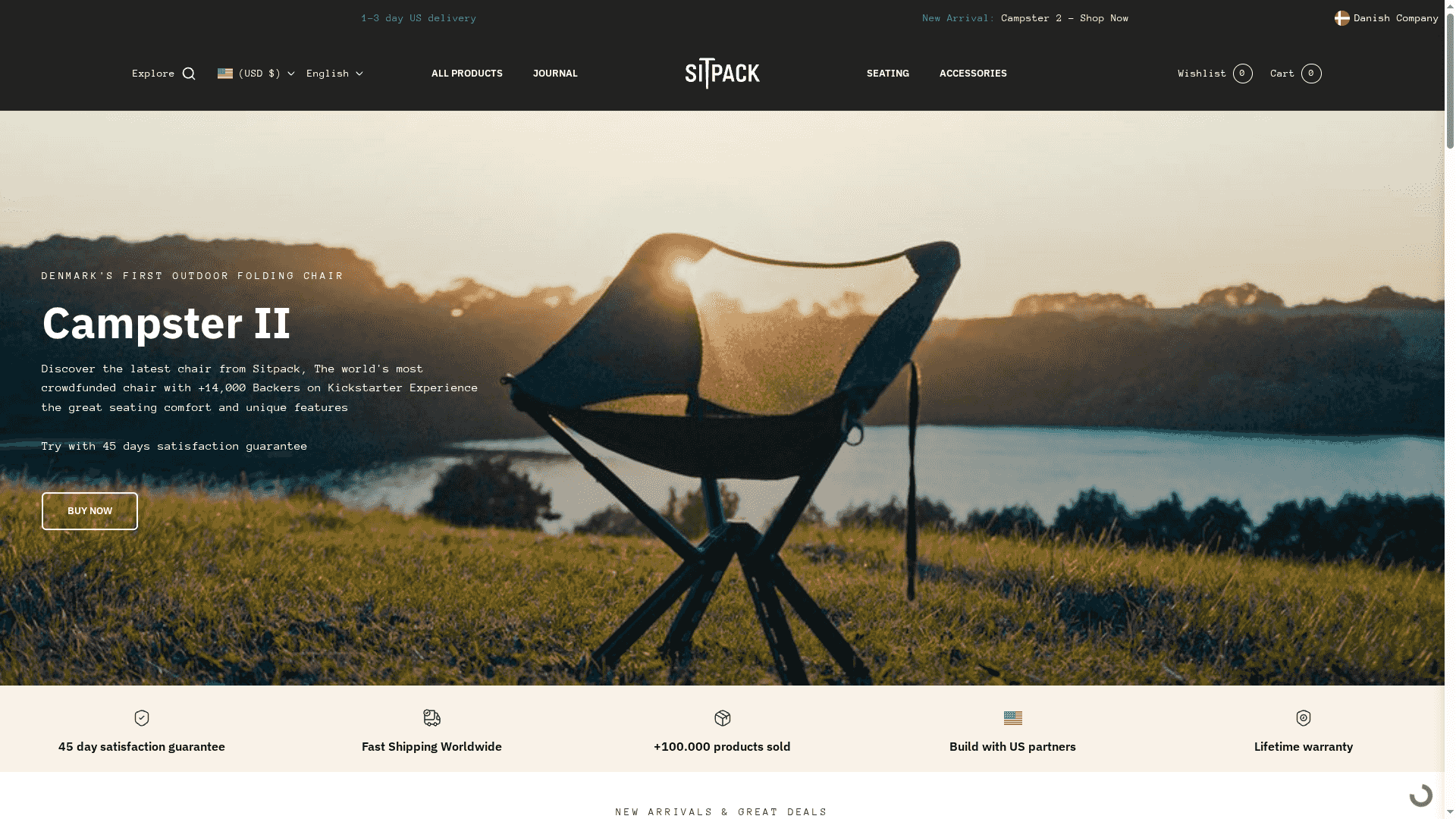
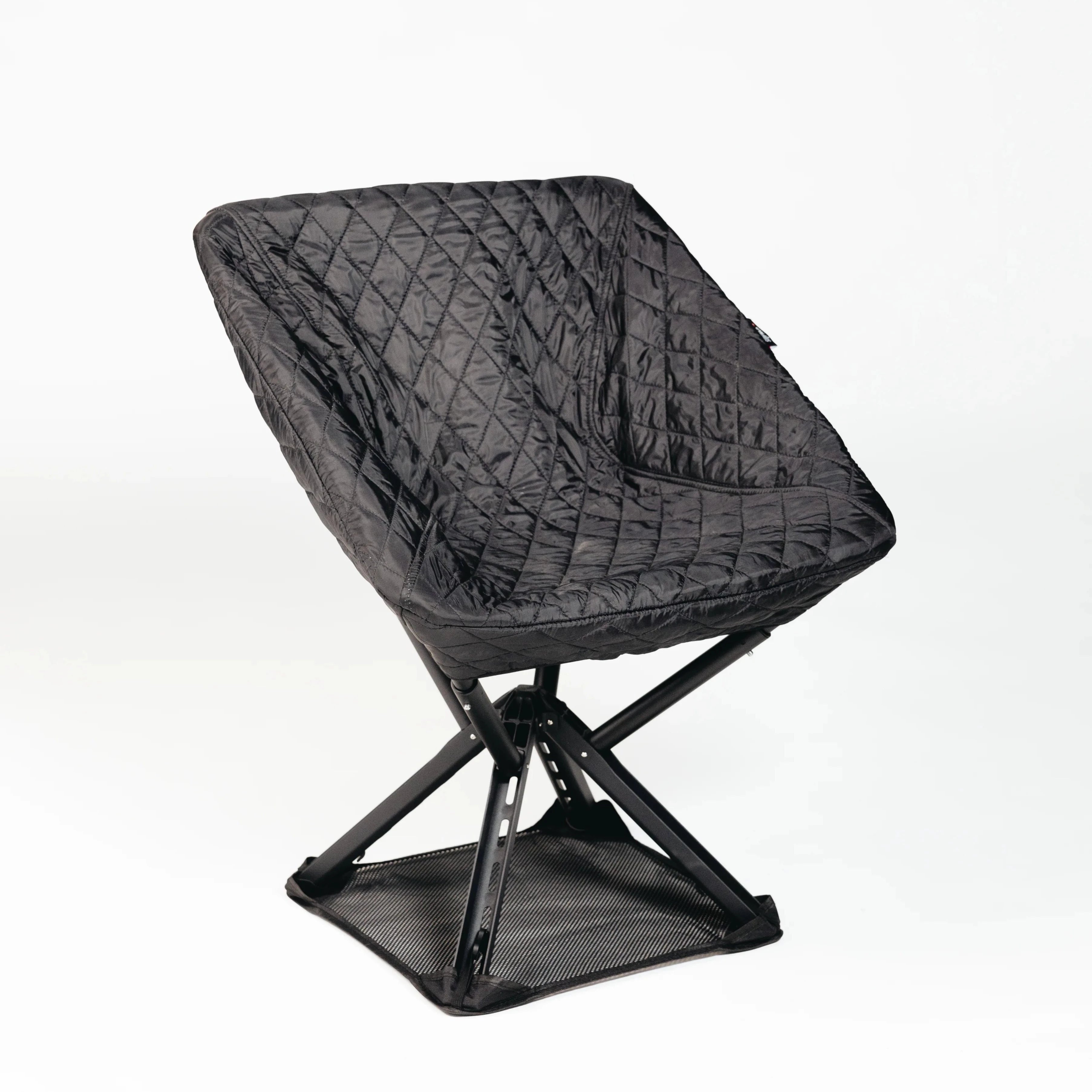
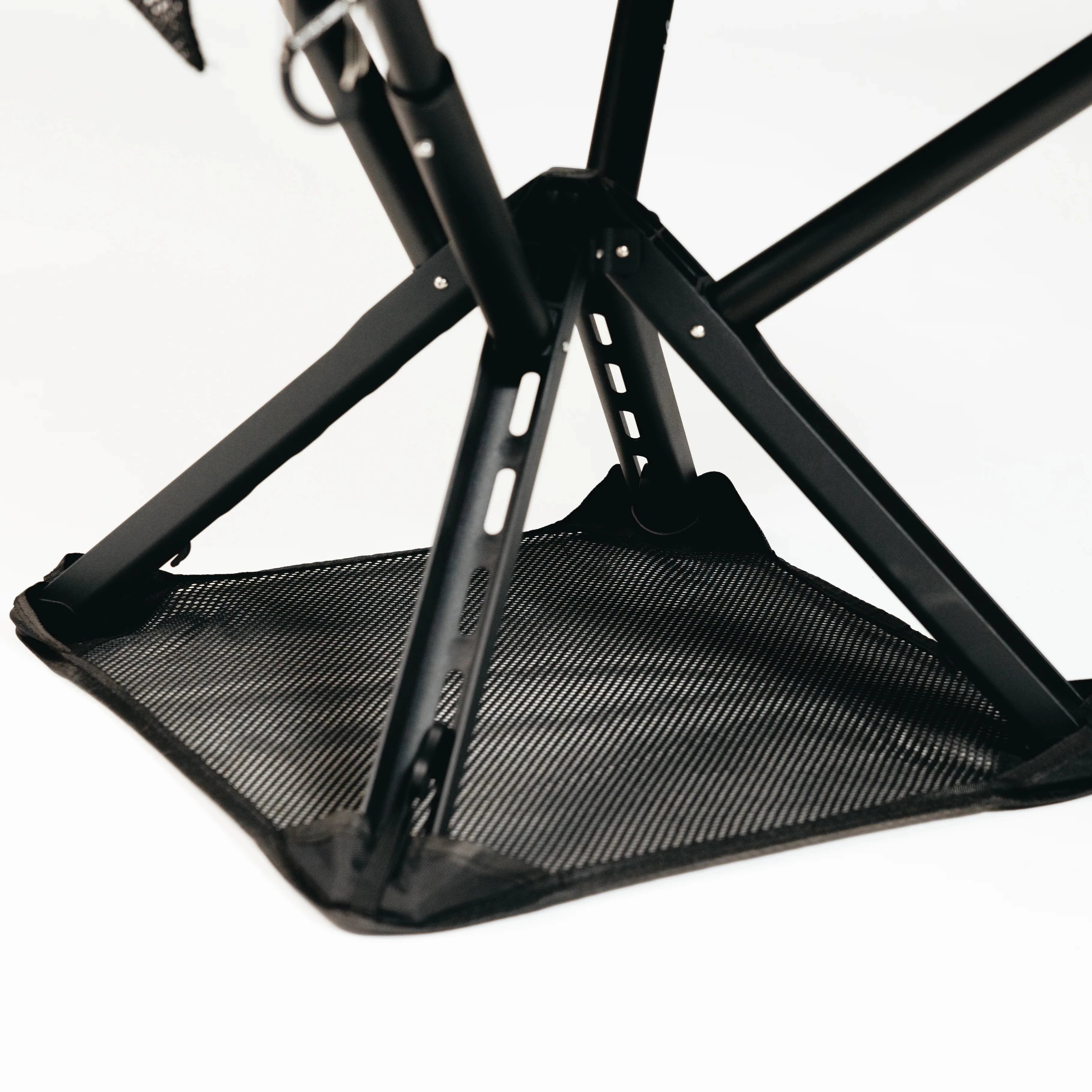
Discover how Sitpack solves this with groundbreaking foldable chairs designed specifically for travelers and campers seeking minimalistic, lightweight, and durable options. Whether you choose the Campster II or Sitpack Zen models, you gain the benefit of portable seating that complements your ultralight philosophy. These chairs fold into compact sizes, fit easily into your pack, and incorporate eco-friendly materials—all while offering exceptional comfort for your rest stops. Shop innovative outdoor seating and explore accessories that keep your pack light but your comfort high. Take the next step in your ultralight journey by visiting the Sitpack homepage now for fast worldwide delivery and satisfaction guaranteed.
Ultralight camping gear refers to equipment designed to minimize weight while still providing essential safety and functionality. Typically, it involves a base weight of under 4.5 kilograms (9.9 pounds) without consumables.
Ultralight camping reduces material consumption, leading to less environmental impact in terms of resource extraction, manufacturing waste, and transportation emissions. Carrying lighter gear also minimizes your footprint on trails, promoting less erosion and faster recovery of campsites.
The core categories of ultralight camping gear include shelter options (like tarps and lightweight tents), sleep systems (quilt and pad combinations), cooking gear (compact stoves and pots), hydration systems (lightweight bottles or bladders), and multi-functional clothing layers.
Common materials in ultralight camping gear include titanium for cookware, Dyneema Composite Fabrics for tarps and backpacks, and silnylon for tent floors. These materials are lightweight, durable, and often designed to withstand various weather conditions.