Vogn
0
Tilmeld dig og få 10% i rabat på din ordre
Forventet levering
1-3 dage
Du vil måske også kunne lide


Dansk Firma


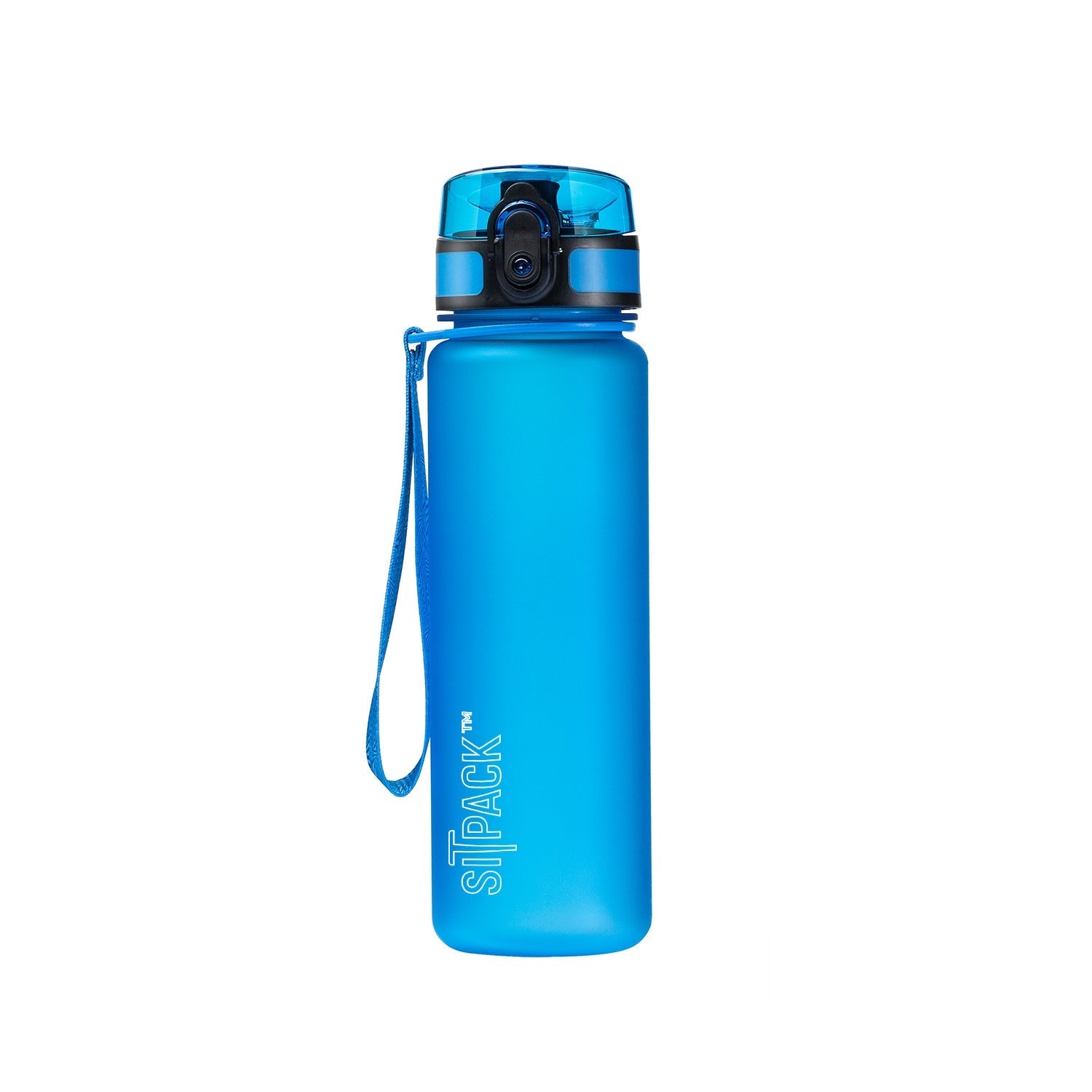
Finding a reliable traveler water bottle can feel unnecessarily complicated for those who care about the planet and want simple, efficient hydration. Many people believe that bottled water is the safest or most convenient option, but research confirms that municipal tap water in many regions is actually monitored more carefully than bottled water itself. This article sheds light on common myths and key differences to help you make a sustainable, healthy, and practical choice for every journey, whether on rugged trails or city streets.
| Point | Details |
|---|---|
| Traveler water bottles offer multiple benefits | They promote sustainability, cost-effectiveness, customization, durability, and health control compared to disposable options. |
| Choosing the right material is crucial | Stainless steel, plastic, glass, and sustainable materials cater to different needs and environmental concerns. |
| Essential features enhance functionality | Focus on durability, portability, hygiene, and temperature management when selecting a travel bottle. |
| Proper maintenance is necessary for safety | Regular cleaning and inspections prevent health risks and extend the life of the water bottle. |
Traveler water bottles represent more than just portable hydration containers - they are strategic tools for health, environmental sustainability, and personal convenience. These versatile accessories have evolved far beyond simple plastic receptacles, becoming sophisticated companions for adventurers, commuters, and eco-conscious individuals worldwide.
Contrary to popular belief, not all water bottles are created equal. Global bottled water consumption patterns reveal significant misconceptions about water safety, convenience, and environmental impact. Many travelers mistakenly assume that disposable or commercially bottled water represents the most hygienic option, when in reality, reusable traveler water bottles offer numerous advantages:
Reusable water bottle research consistently demonstrates that municipal tap water in many regions is rigorously monitored and often safer than bottled alternatives. The perception that disposable bottles are more convenient is increasingly challenged by innovative, lightweight traveler water bottle designs that prioritize portability and user experience.
The modern traveler water bottle isn’t just about hydration - it’s a statement of personal values, environmental responsibility, and practical design. By understanding the nuanced landscape of hydration solutions, travelers can make informed choices that benefit both personal health and global sustainability.
Pro tip: Before purchasing a traveler water bottle, consider your specific travel needs, preferred materials, and intended usage environments to select the most appropriate option.
Water bottles are not one-size-fits-all accessories, especially for adventure seekers who demand reliability and performance from their hydration companions. Travel water bottle materials vary dramatically, offering unique advantages for different outdoor scenarios and personal preferences.
Adventure travelers can choose from several primary water bottle categories, each designed to meet specific environmental and practical challenges:
Stainless Steel Bottles: - Extremely durable - Excellent temperature retention - Resistant to bacterial growth
Plastic Bottles:
Glass Bottles:
Sustainable Material Bottles:
Reusable bottle usage patterns indicate that portability and convenience remain critical factors for most travelers. Modern adventure-oriented water bottles now integrate advanced features like built-in filters, collapsible designs, and ergonomic grips to enhance user experience.

Choosing the right water bottle involves carefully evaluating your specific adventure requirements, considering factors like weight, durability, insulation capabilities, and environmental impact. The ideal bottle seamlessly combines practical functionality with personal style, becoming an indispensable travel companion.
Here is a comparison of water bottle materials designed for travel:
| Material Type | Main Advantage | Typical Use Case |
|---|---|---|
| Stainless Steel | Excellent temperature control | Outdoor adventures |
| BPA-Free Plastic | Ultra-light for easy carry | Air travel or day trips |
| Glass | Pure taste experience | Urban commuting and fitness |
| Biodegradable Polymer | Reduced long-term waste | Eco-conscious day excursions |
| Recycled Plastic | Supports circular economy | Everyday reusable solutions |
Pro tip: Select a water bottle that matches your specific adventure intensity, considering weight, durability, and hydration volume requirements.
Travel hydration demands more than just carrying water - it requires a strategic approach to selecting the right equipment. Water bottle design considerations go far beyond simple container selection, encompassing multiple critical factors that ensure reliable hydration during adventures.
The most essential features for travel water bottles include several key performance attributes:
Durability:
Portability:
Hygiene:
Temperature Management:
Water bottle safety considerations highlight the importance of selecting bottles that do not leach harmful chemicals and support sustainable travel practices. Modern travelers increasingly prioritize bottles that combine performance with environmental responsibility, seeking options that minimize ecological impact while delivering exceptional functionality.
The ideal travel water bottle transforms from a simple hydration tool into a comprehensive solution that addresses multiple traveler needs. It must seamlessly integrate convenience, safety, and sustainability, becoming an indispensable companion for every journey.
Pro tip: Invest in a multipurpose water bottle with modular features like built-in filters or interchangeable lids to maximize versatility during your travels.
Sustainable water bottles represent more than a trendy accessory - they are a critical environmental solution for conscientious travelers. Eco-friendly bottle materials have evolved dramatically, offering innovative alternatives that significantly reduce ecological impact while meeting sophisticated hydration needs.
The most promising sustainable materials for travel water bottles include:
Stainless Steel:
Recycled Plastics:
Biodegradable Polymers:
Plant-Based Materials:
Reusable bottle environmental impacts demonstrate that choosing sustainable materials can dramatically reduce microplastic pollution and minimize waste generation. Each eco-friendly water bottle represents a small but meaningful step towards global environmental conservation, transforming individual consumer choices into collective ecological progress.
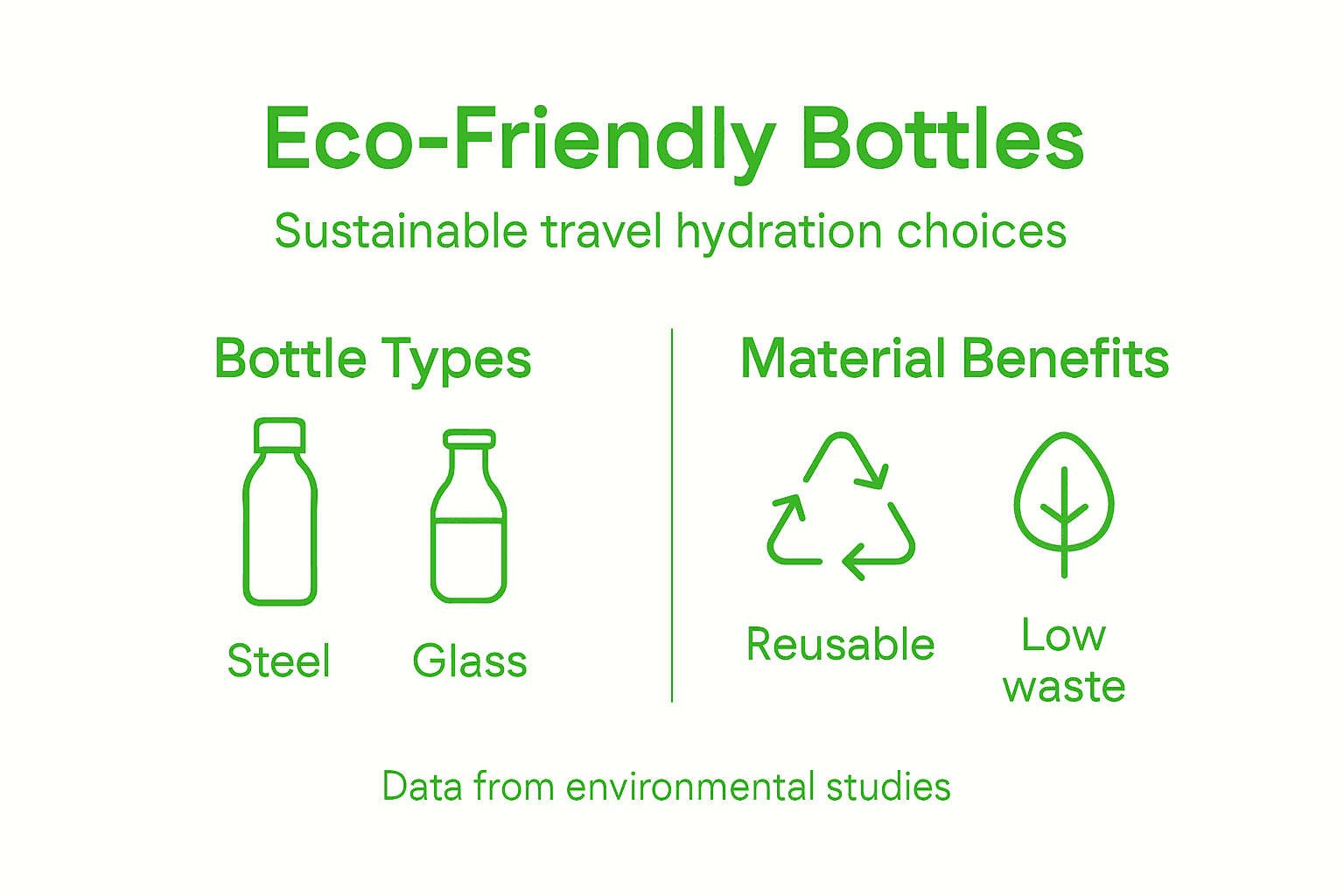
By prioritizing sustainable materials, travelers become active participants in environmental stewardship. These conscientious choices extend beyond personal convenience, contributing to a broader movement of responsible consumption and ecological preservation.
Pro tip: Research the complete lifecycle of your water bottle material to make the most environmentally responsible hydration choice.
Water bottle safety requires more than casual attention - it demands strategic maintenance and informed usage. Water bottle hygiene practices reveal critical mistakes that can compromise both personal health and equipment longevity.
Common water bottle maintenance mistakes travelers frequently make include:
Cleaning Errors:
Material Misuse:
Storage Missteps:
Hydration Misconceptions:
Water bottle usage behaviors demonstrate that most contamination risks stem from user negligence rather than product defects. Understanding these potential pitfalls helps travelers maintain safer, more reliable hydration systems.
The key to water bottle safety lies in consistent, mindful maintenance. Each cleaning, inspection, and careful handling represents an investment in personal health and equipment performance.
The following table summarizes common water bottle care mistakes and their potential consequences:
| Mistake Type | Example Scenario | Possible Outcome |
|---|---|---|
| Inadequate Cleaning | Rarely washing bottle | Increased bacterial contamination |
| Extreme Heat Exposure | Leaving bottle in hot car | Material warping or chemical leaching |
| Improper Storage | Not drying thoroughly | Mold or foul odors development |
| Ignored Inspections | Overlooking wear or cracks | Leaking or diminished durability |
Pro tip: Develop a weekly deep-cleaning routine for your water bottle, using a bottle brush and mild, unscented detergent to eliminate bacterial buildup.
Staying properly hydrated during your adventures is essential but often challenging without the right gear. The article highlights critical needs like durability, portability, hygiene, and eco-friendly choices in traveler water bottles. Pair your trusted hydration companion with equally innovative solutions for seating and outdoor comfort to enhance every moment on the move.
Discover how combining smart travel hydration with Sitpack’s foldable, lightweight chairs and travel accessories can transform your experience. Embrace designs that prioritize sustainability and user comfort, just like the traveler water bottles discussed. Explore the full range of portable seating options and accessories on the Sitpack landing page for reliable gear that meets your outdoor and travel needs.
Don’t wait to upgrade your travel essentials. Visit Sitpack now and find durable, minimalistic solutions that complement your hydration strategy. Take charge of your comfort and sustainability with just a few clicks.
Using a reusable traveler water bottle reduces single-use plastic waste, is cost-effective by eliminating the need for repeated purchases of disposable bottles, allows for customization in design and size, offers durability for travel conditions, and provides greater control over water quality.
Consider the specific needs of your travels. Stainless steel bottles are excellent for durability and temperature retention, plastic bottles are lightweight and budget-friendly, glass bottles offer pure taste, while sustainable options reduce environmental impact.
Essential features for a travel water bottle include durability to resist impact, portability for easy carrying, hygiene for safe drinking, and temperature management to keep beverages at the desired temperature.
Avoid infrequent cleaning, using inappropriate cleaning agents, neglecting hard-to-reach areas, and exposing bottles to extreme temperatures. Proper storage and regular inspections for wear can help maintain hygiene and prolong the bottle’s lifespan.