Vogn
0
Tilmeld dig og få 10% i rabat på din ordre
Forventet levering
1-3 dage
Du vil måske også kunne lide


Dansk Firma


Comfort meets practicality every time you step outside, but finding seating that supports your body without adding bulk is often overlooked. Eco-conscious urban dwellers and outdoor enthusiasts across the United States, Canada, and Europe are now demanding solutions that blend sustainability with real ergonomic benefits. This guide brings clarity to the complex relationship between human biomechanics and outdoor seating design, highlighting what truly matters for portable comfort, injury prevention, and environmental responsibility.
| Point | Details |
|---|---|
| Understanding Outdoor Ergonomics | Outdoor ergonomics is essential for various professions, not just industrial work, to minimize injury risks. |
| Importance of Tool and Environment Interaction | Effective ergonomics considers the interaction between the body, tools, and outdoor environments to reduce strain. |
| Comprehensive Assessments Needed | Simple modifications aren’t sufficient; thorough evaluations are necessary to address ergonomic issues fully. |
| Eco-Friendly Solutions are Key | Sustainable materials and design practices are vital for creating ergonomic outdoor tools that also support environmental responsibility. |
Outdoor ergonomics represents a specialized approach to designing work environments and activities that minimize physical strain and injury risks in external settings. Ergonomic principles applied to outdoor contexts focus on understanding how humans interact with tools, terrain, and tasks in challenging environmental conditions.
At its core, outdoor ergonomics encompasses several critical elements that protect workers and enthusiasts from potential physical stress:
Many professionals misunderstand outdoor ergonomics, believing it applies only to industrial settings. However, safety challenges extend across multiple professional domains, from construction and landscaping to agriculture and recreational activities. These misconceptions can lead to preventable injuries and inefficient work practices.
Common myths about outdoor ergonomics often stem from oversimplified assumptions about human physical capabilities. Workers frequently underestimate the complex interactions between bodily mechanics, environmental factors, and task requirements. Understanding these nuanced relationships helps develop more effective injury prevention strategies.
Here’s a comparison of common myths versus ergonomic realities in outdoor work environments:
| Myth | Reality | Impact of Misunderstanding |
|---|---|---|
| Only industrial work needs ergonomics | Multiple professions benefit from ergonomic design | Increased risk of preventable injuries |
| Human body adapts easily to outdoor strain | Complex interaction of body, tools, and terrain | Inefficient work practices and chronic discomfort |
| Tools are the only factor in ergonomic safety | Environment and body mechanics play equal roles | Missed opportunities for injury prevention |
| Simple modifications solve all ergonomic issues | Comprehensive assessment is needed | Persistent strain and overlooked hazards |
Pro tip: Always assess your physical environment and adjust your body mechanics before starting any outdoor task to reduce potential strain and injury risks.
Outdoor seating and ergonomic tools represent a sophisticated intersection of design, comfort, and human biomechanics. Ergonomic furniture design considerations have evolved significantly, focusing on creating solutions that support human body mechanics in diverse environmental conditions.
The primary categories of outdoor seating and ergonomic tools include:
Systematic reviews of outdoor seating reveal critical factors that distinguish high-quality ergonomic tools. These include adjustability, material resilience, weight distribution capabilities, and adaptability to different user body types and environmental conditions.
Modern outdoor seating goes beyond simple functionality, integrating advanced ergonomic principles that consider biomechanical stress, user comfort, and long-term physical health. Designers now focus on creating tools that not only provide temporary rest but also support proper posture and reduce potential strain during extended outdoor activities.

This summary highlights how ergonomic outdoor seating features improve user experience:
| Feature | Why It Matters | Business or Health Impact |
|---|---|---|
| Adjustability | Supports various postures | Reduces strain, increases productivity |
| Material resilience | Withstands weather and usage | Enhances durability, lowers replacement costs |
| Weight distribution | Promotes better comfort | Minimizes fatigue during long tasks |
| Inclusive sizing | Adapts to diverse body types | Decreases exclusion, improves user satisfaction |
Pro tip: When selecting outdoor seating, prioritize adjustable designs that accommodate your specific body mechanics and anticipated activity level.
Ergonomic outdoor design transcends simple functionality, representing a sophisticated approach to creating environments and tools that harmonize with human physical needs. Anthropometric design considerations play a critical role in developing solutions that accommodate diverse body types and movement patterns in challenging outdoor settings.
Key essential features of ergonomic outdoor design include:
Human factors research in design emphasizes the importance of creating outdoor solutions that promote long-term health and user comfort. This approach goes beyond immediate utility, focusing on preventing potential musculoskeletal strain and supporting natural body mechanics during various activities.
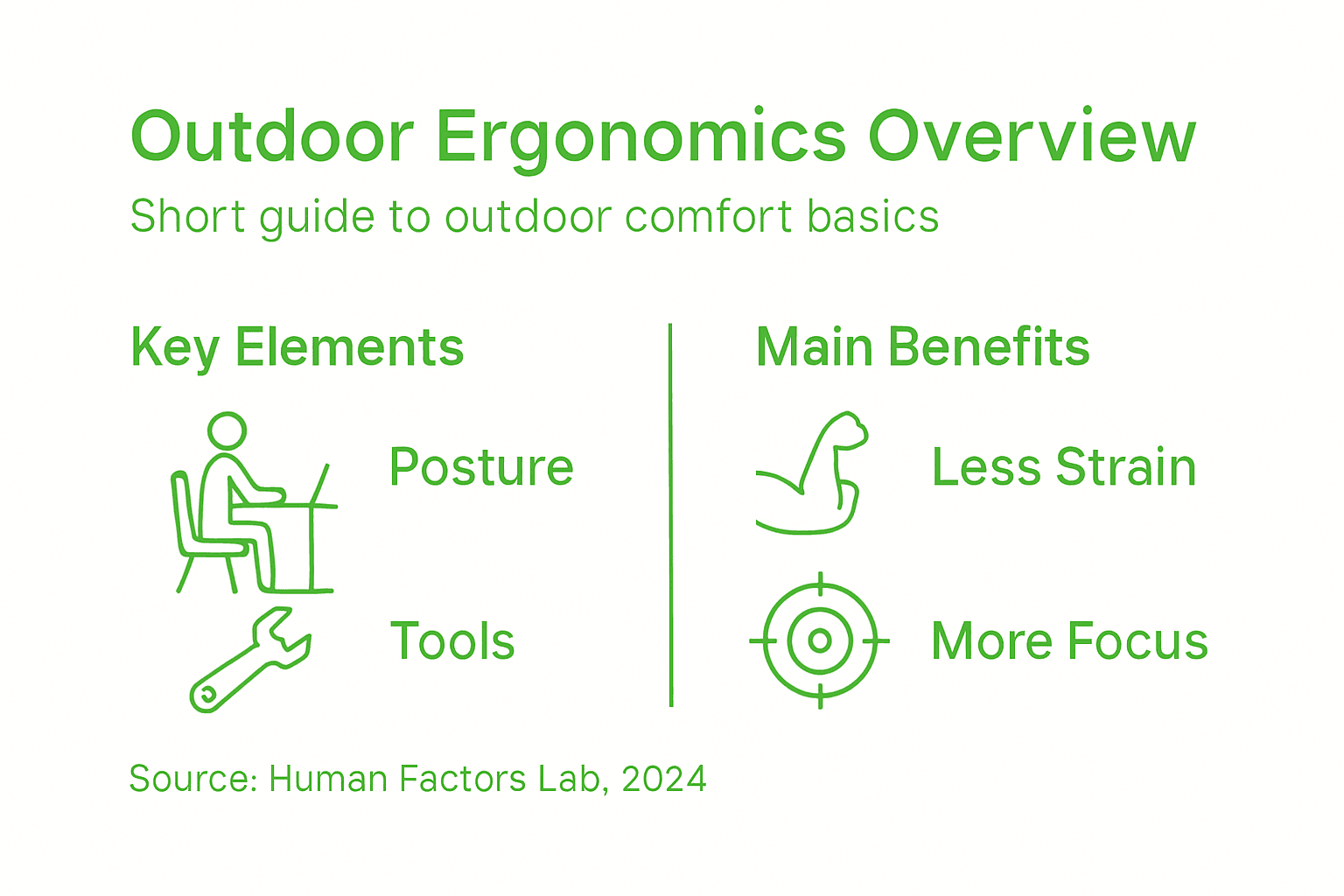
Modern ergonomic outdoor design integrates advanced technologies and materials to create intelligent solutions. Designers now consider complex interactions between human physiology, environmental conditions, and task requirements, developing tools that dynamically respond to user needs and minimize potential injury risks.
Pro tip: Always test outdoor equipment for personal comfort and adjustability before extended use to ensure optimal ergonomic support.
Outdoor activities frequently expose individuals to significant physical challenges that can lead to long-term health issues. Ergonomic risk factors in outdoor environments encompass a wide range of potential physical stressors that can cause serious musculoskeletal disorders if left unaddressed.
The primary risks associated with outdoor work and activities include:
Practical ergonomic intervention strategies provide critical solutions to mitigate these risks. By redesigning tasks, tools, and work environments, individuals can significantly reduce the potential for injury and long-term physical damage.
Ergonomics offers a comprehensive approach to understanding and preventing outdoor-related physical discomfort. It goes beyond simple pain management, focusing on proactive design that anticipates and eliminates potential stress points before they become serious health concerns. This approach considers individual variations in body mechanics, environmental conditions, and specific task requirements to create more supportive and safer outdoor experiences.
Pro tip: Conduct a personal ergonomic assessment of your outdoor activities, identifying potential strain points and implementing preventive strategies before discomfort becomes chronic.
Sustainable outdoor design represents a critical intersection of environmental responsibility and practical ergonomic solutions. Sustainability in ergonomic design has evolved from a niche consideration to a fundamental requirement for modern outdoor equipment development.
Key considerations for eco-friendly and cost-effective outdoor solutions include:
Cost-effective ecological innovations demonstrate that environmental responsibility need not come at a premium price. By integrating smart design principles, manufacturers can create solutions that are both economically accessible and environmentally conscious.
The future of outdoor ergonomic design lies in holistic approaches that balance human needs with ecological considerations. This means developing products that not only support physical well-being but also minimize environmental impact through intelligent material selection, production methods, and end-of-life recycling strategies.
Pro tip: Prioritize products with transparent sustainability credentials and modular designs that allow for component replacement rather than complete product replacement.
The article highlights the crucial need to address physical strain and awkward postures often experienced during outdoor activities. If you are tired of discomfort and inefficiency caused by improper outdoor seating or tools that do not support your body mechanics, it is time to explore solutions designed for your unique needs. Prioritizing adjustability, material resilience, and weight distribution can transform your outdoor experience, reducing fatigue and preventing injury.
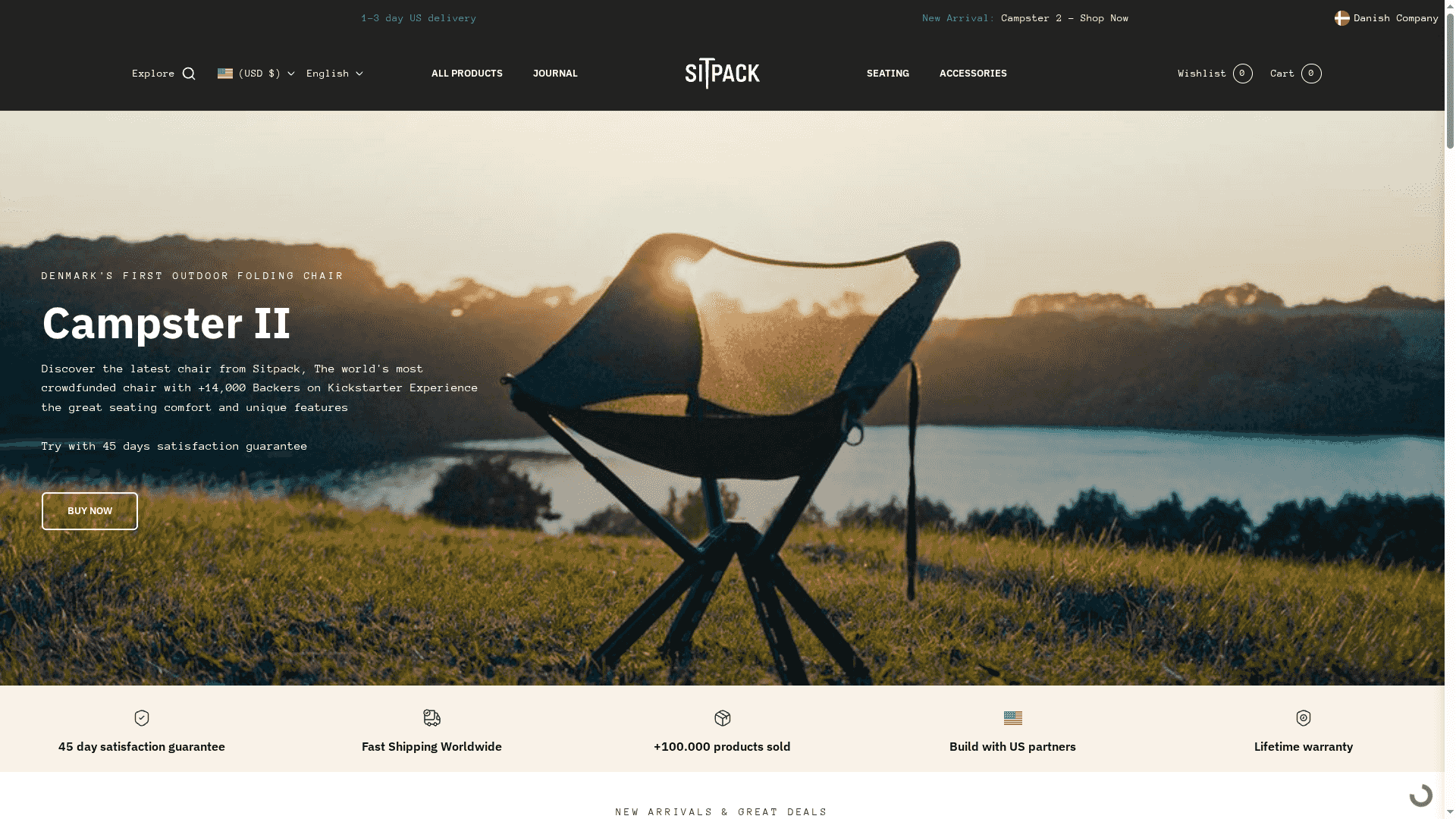
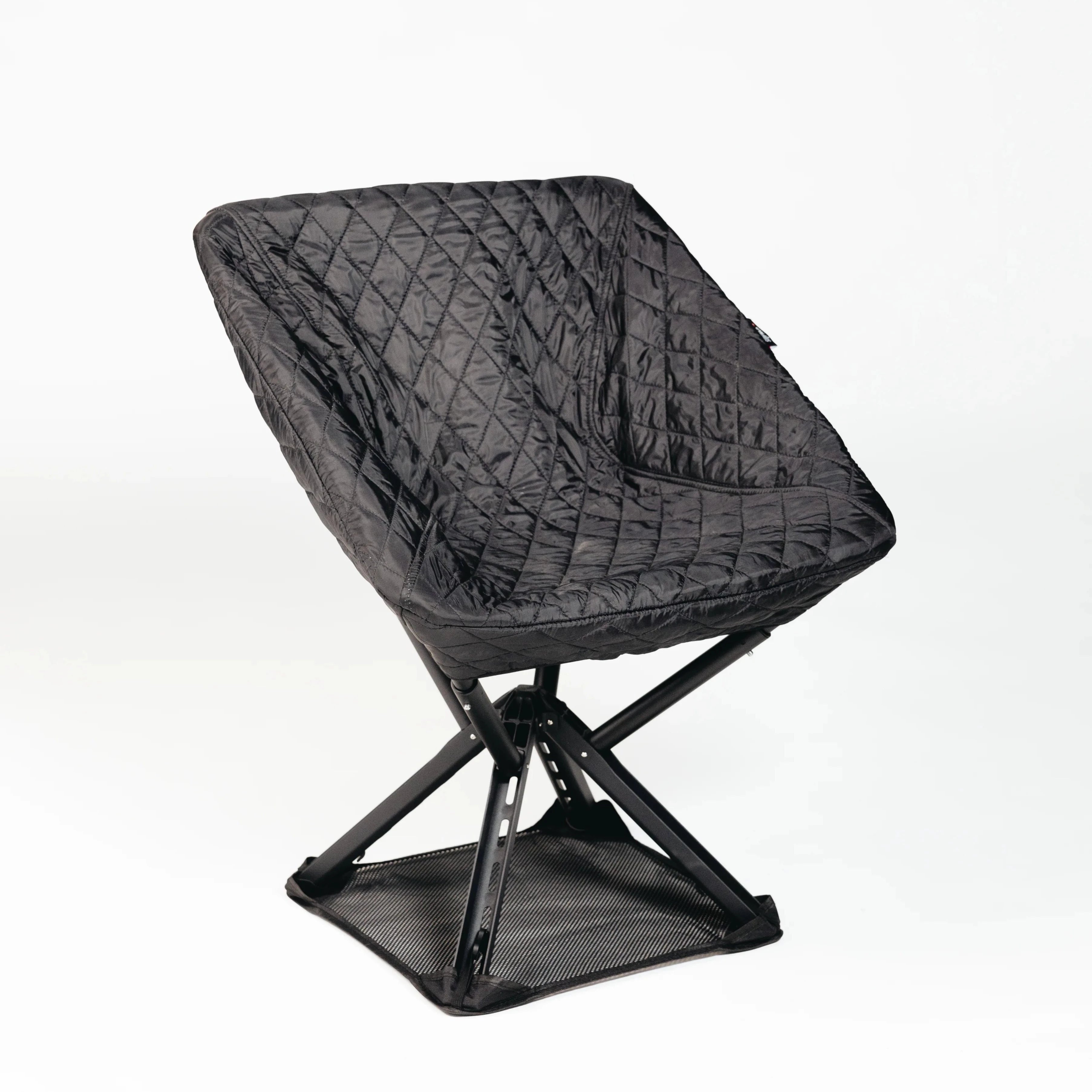
Discover how Sitpack brings innovative portable seating options such as the Campster II and Sitpack Zen to the forefront of outdoor ergonomics. Our lightweight, foldable chairs are designed with durability and user comfort in mind to support your body through any environment or activity. Act now to upgrade to ergonomic seating that adapts to your lifestyle and enjoy fast worldwide delivery backed by a 45-day satisfaction guarantee. Visit Sitpack’s landing page to find the perfect ergonomic solution for your next adventure.
Outdoor ergonomics is the study and application of ergonomic principles to outdoor environments, ensuring that work tasks, tools, and body mechanics are designed to minimize physical strain and injury risks under various environmental conditions.
Outdoor ergonomics matters because it helps prevent musculoskeletal disorders and improves efficiency by accommodating human physical needs while interacting with tools and outdoor settings, ultimately enhancing worker safety and productivity across many professions.
Common misconceptions include the belief that ergonomics only applies to industrial settings, that the human body can easily adapt to outdoor strain, and that simple tool modifications can solve all ergonomic challenges. Such misunderstandings can lead to increased injury risks and inefficient work practices.
Key features of ergonomic outdoor design include adjustability for individual user requirements, durable materials that can withstand environmental conditions, biomechanical support to reduce physical stress, and inclusivity to accommodate different body types.