Vogn
0
Tilmeld dig og få 10% i rabat på din ordre
Forventet levering
1-3 dage
Du vil måske også kunne lide



Dansk Firma

TL;DR:
- A sustainable camping workflow minimizes environmental impact through planning, gear choices, and habits that work together. Travel decisions, especially choosing nearby destinations and carpooling, have the largest effect on reducing carbon footprints. Onsite practices like keeping at least 20 feet from water sources and packing out all waste protect ecosystems and promote low-impact camping.
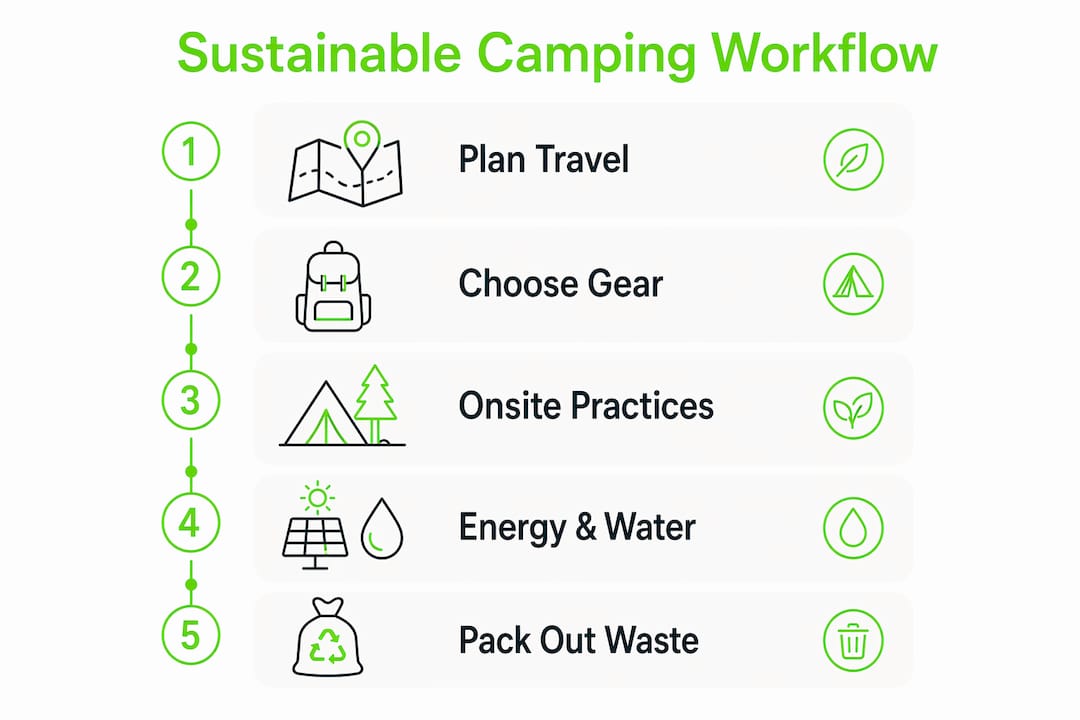
A sustainable camping workflow is a systematic approach to minimizing your environmental impact before, during, and after every camping trip through deliberate planning, gear choices, and consistent habits. The industry term for this practice is “low-impact camping,” and the two concepts work together: the workflow is your process, and low-impact camping is your goal. Most campers focus only on onsite behavior, but pre-trip planning has a greater sustainability impact than onsite waste management alone. Getting your workflow right from the start means Leave No Trace principles, the 20-foot water source rule, and smart travel choices all work together rather than as isolated habits.
Travel is the single biggest variable in your camping trip’s carbon footprint. Most campers obsess over reusable utensils and biodegradable soap, which matter, but they overlook the fact that how you get to the campsite often dwarfs everything else. Choosing closer destinations or using public transportation and carpooling can reduce trip emissions by over 80% compared to flying the same distance. That number puts gear choices in perspective fast.
Route planning is where the real work happens. Before you book anything, ask yourself whether a campsite within driving distance delivers what you need. A four-hour road trip shared between four people produces a fraction of the carbon of a solo flight to a distant national park.
Here are the travel choices that move the needle most:
Pro Tip: Map your route using a fuel-consumption calculator before you leave. Knowing your estimated emissions makes it easier to choose the lower-impact option when two destinations are equally appealing.
Gear selection is where campers get tripped up by marketing. A product labeled “eco-friendly” is not automatically the right choice, especially if you already own something that works. The most sustainable gear is what you already own. Repairing and reusing reduces manufacturing waste more effectively than buying new “green” products.
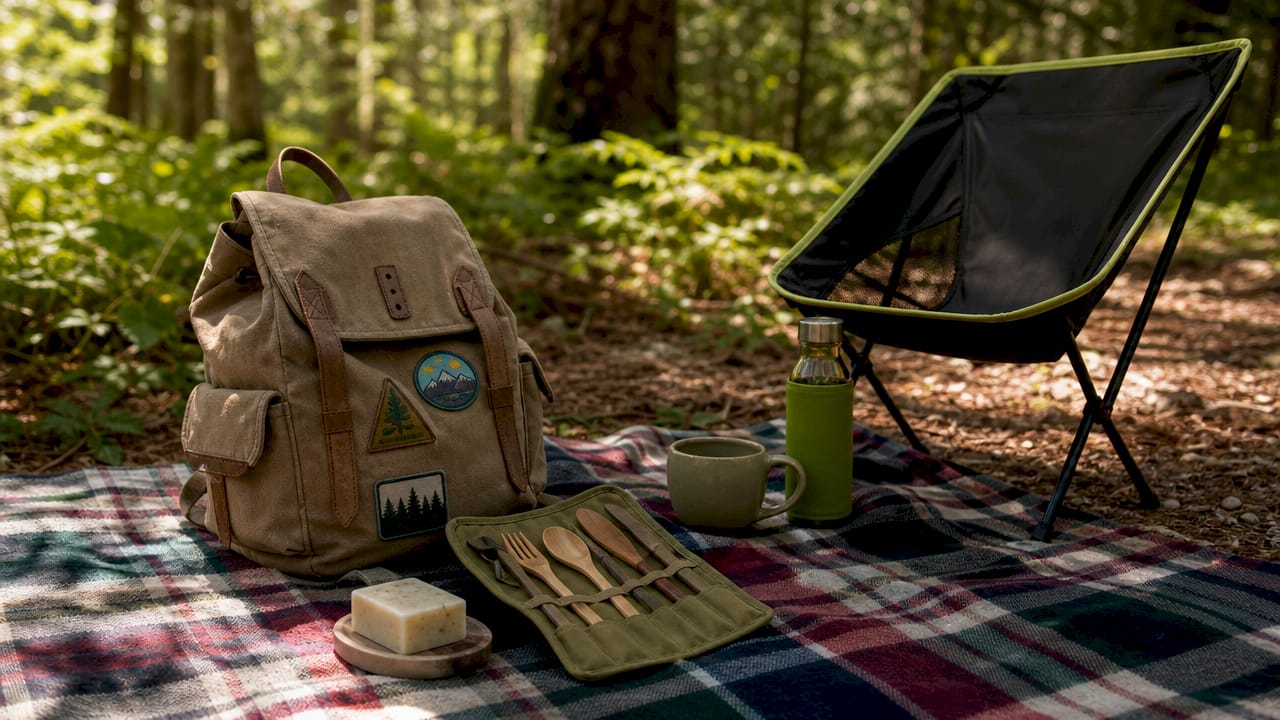
That said, when you do need new gear, recycled materials make a measurable difference. Patio mats made from recycled plastic bottles can divert approximately 80 bottles from landfills per standard mat. That is a concrete, quantifiable benefit, not just a marketing claim.
Follow this sequence before making any gear purchase:
| Gear category | Sustainable choice | Why it matters |
|---|---|---|
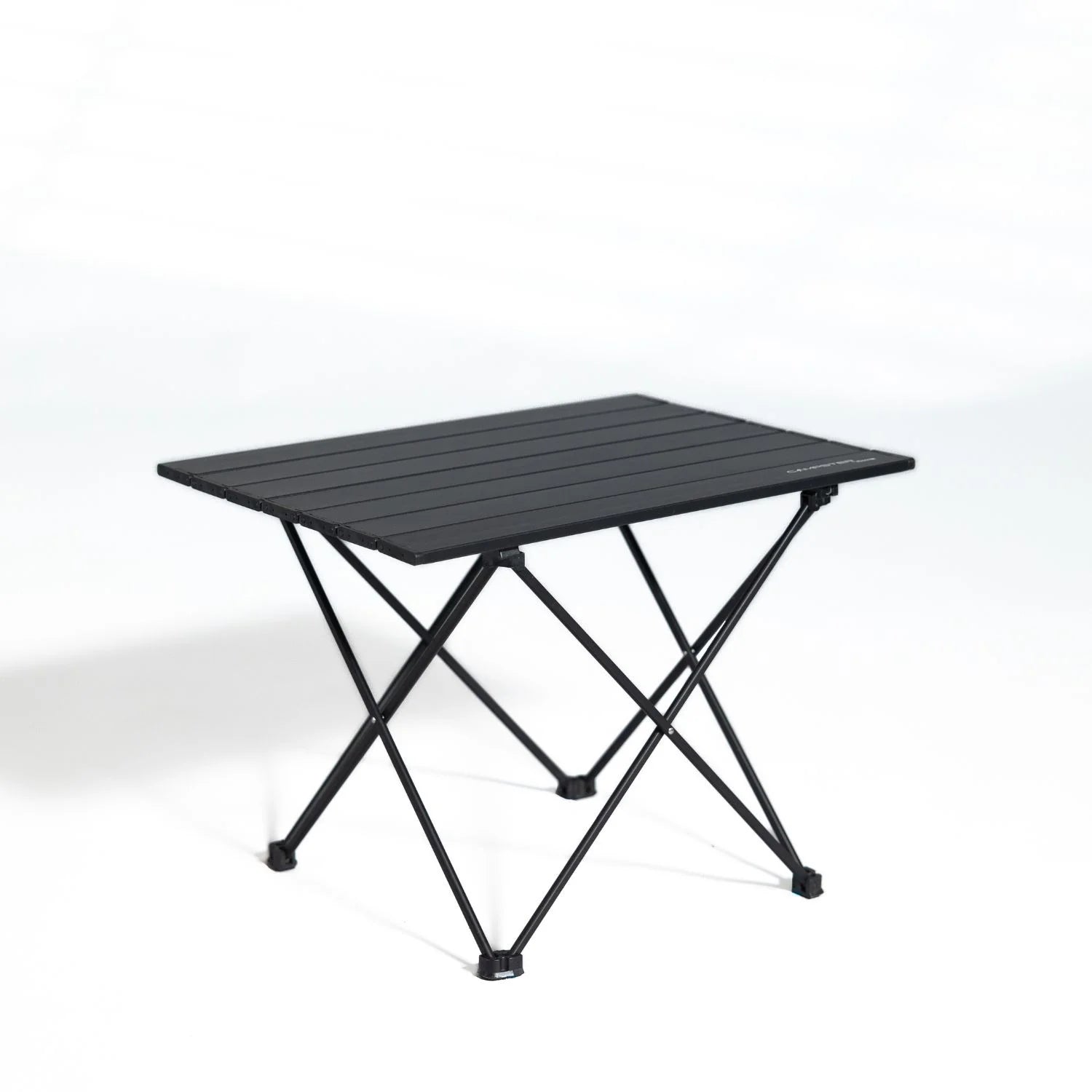
| Seating | Compact, repairable, long-warranty designs | Less replacement waste over time |
| Cookware | Stainless steel or titanium | Durable, recyclable, no coatings to degrade |
| Lighting | Solar-charged lanterns | Eliminates disposable battery waste |
| Ground cover | Recycled-material mats | Diverts plastic from landfills |
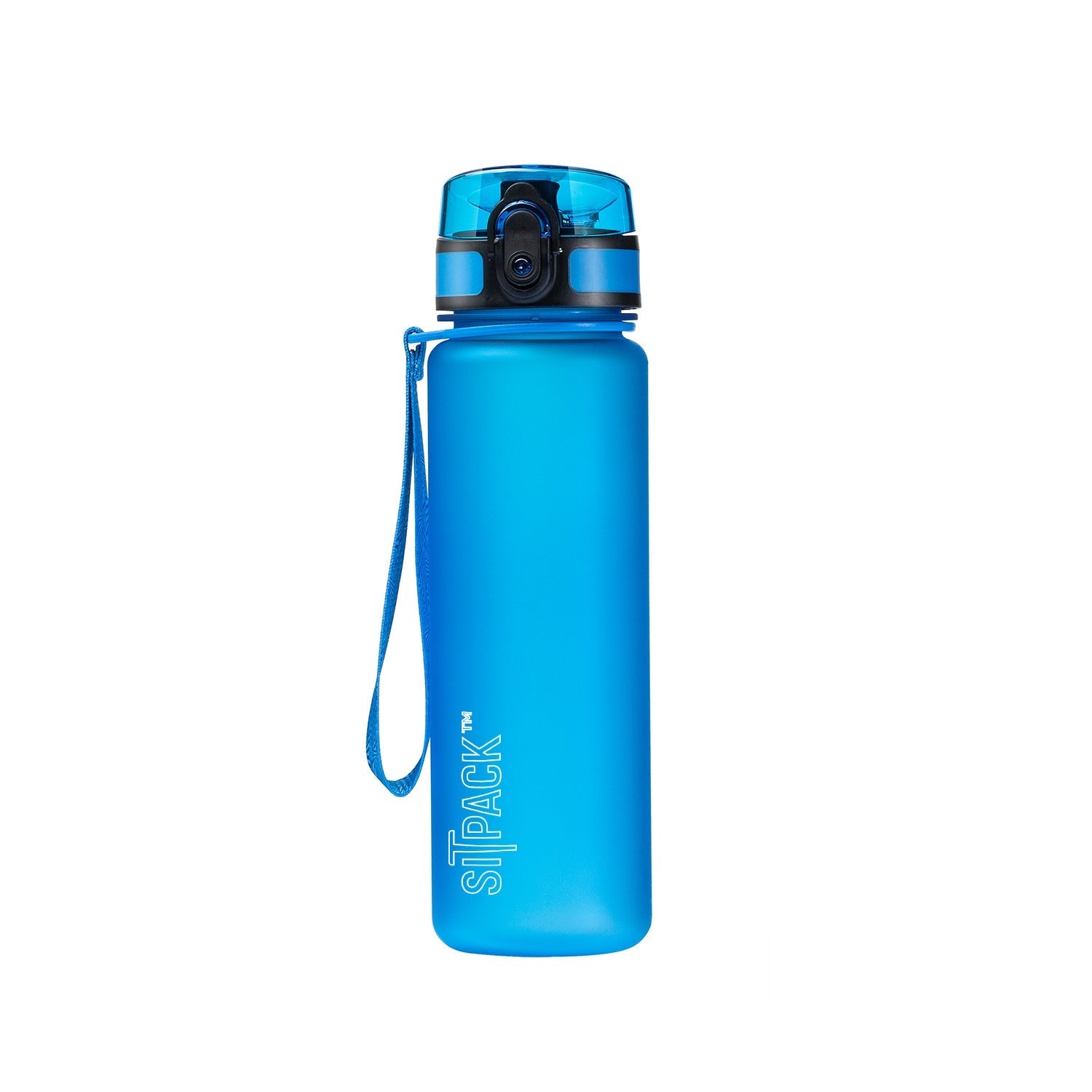
| Water | Reusable filtered bottles | Replaces hundreds of single-use plastics |
Pro Tip: Before any camping season, run a “gear audit night” at home. Lay everything out, test zippers and seams, and make a repair list. You will almost always find you need less new gear than you thought.
Sitpack’s eco-friendly camping picks include compact seating solutions built for longevity, which fits squarely into a repair-and-reuse approach.
Onsite behavior is where your workflow becomes visible to the ecosystem around you. The Leave No Trace framework covers the core principles: pack out all waste, respect wildlife, stick to established campsites, and leave what you find. These are not suggestions. They are the baseline for low-impact camping.
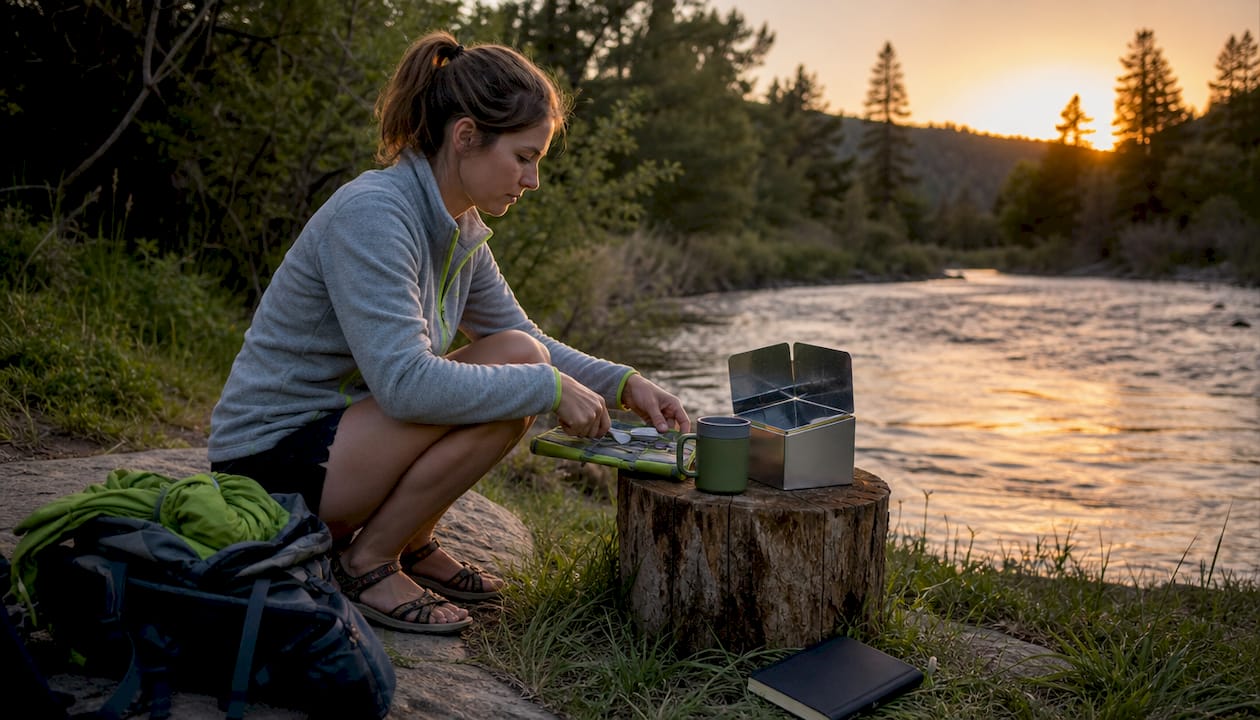
Water source protection deserves special attention. Campers must keep at least 20 feet from water sources for all camping, cooking, and washing activities. In sensitive ecosystems, that buffer extends to 60 meters. This rule protects aquatic life from soap runoff, food waste, and soil disturbance.
“Biodegradable soaps must be used sparingly and disposed at least 20 feet from water to prevent aquatic ecosystem damage. Even products labeled ‘biodegradable’ break down slowly in cold water and can harm aquatic organisms before they fully decompose.”
Food waste management surprises most campers. Banana peels and orange rinds are non-native organic matter and can take up to 2 years to decompose in many environments. They disrupt wildlife feeding behavior and attract animals to campsites. Pack them out like any other trash.
Here is a practical onsite checklist:
Off-grid energy management is the part of a sustainable camping routine most campers improvise. That improvisation leads to wasted resources and unnecessary reliance on disposable batteries or fossil fuel generators. A better approach is to sync energy-intensive tasks with peak sunlight hours to get the most from solar-powered gear. Cooking, water filtration, and device charging all work better when you schedule them around natural light.
Follow this daily off-grid energy routine:
Aligning off-grid chores with sunlight cycles reduces fossil fuel reliance and keeps your camp quieter and cleaner. A solar-charged setup also eliminates the noise and fumes of a gas generator, which is a genuine quality-of-life upgrade, not just an environmental one.
Pro Tip: Bring a small, lightweight power bank as a backup. If cloud cover cuts your solar charging short, a pre-charged bank keeps critical devices running without reaching for disposable batteries.
For gear that fits neatly into this kind of energy-efficient camp routine, Sitpack’s accessories are worth checking out.
A sustainable camping workflow delivers the most impact when travel choices, gear decisions, onsite behavior, and energy routines all work together as a single system rather than isolated actions.
| Point | Details |
|---|---|
| Travel choice is the biggest lever | Carpooling or choosing nearby destinations can cut trip emissions by over 80%. |
| Repair before you buy | The most sustainable gear is what you already own; audit and fix before purchasing new. |
| The 20-foot rule protects water | Keep all activities at least 20 feet from water sources to protect aquatic ecosystems. |
| Pack out all organic waste | Fruit peels and rinds take up to 2 years to decompose and must leave the site with you. |
| Sync tasks with sunlight | Scheduling energy-heavy chores during peak sun hours maximizes solar efficiency. |
Here is the uncomfortable truth I had to learn the hard way: most campers, myself included at first, spend 90% of their sustainability energy on gear and almost none on planning. I used to show up with a bag full of recycled-material products and biodegradable everything, feeling pretty good about myself, while having driven four hours solo in a gas-powered SUV to get there. The math on that trip was not flattering.
The mindset shift that actually changed my camping practice was moving from thinking of myself as a visitor to thinking of myself as a temporary steward of the land. A visitor consumes and leaves. A steward notices what needs protecting and acts on it. That means picking up litter that is not yours, staying on established trails even when a shortcut looks harmless, and genuinely thinking about whether your trip needs to happen at all or whether a closer destination serves the same purpose.
My honest advice for anyone new to this: do not try to overhaul everything at once. Pick one element of your workflow per trip and do it well. Start with travel planning, since that is where the biggest gains are. Then tackle gear on the next trip. Build the habit layer by layer, and it sticks. Trying to be perfect from day one usually leads to burnout and a return to old habits.
The other thing worth saying: sustainable camping is genuinely more enjoyable. Quieter camps, lighter packs, and less waste to manage means more time sitting by the fire and less time stressing over logistics.
— Jonas
Campers who have built a real low-impact routine know that every piece of gear needs to earn its place in the pack.
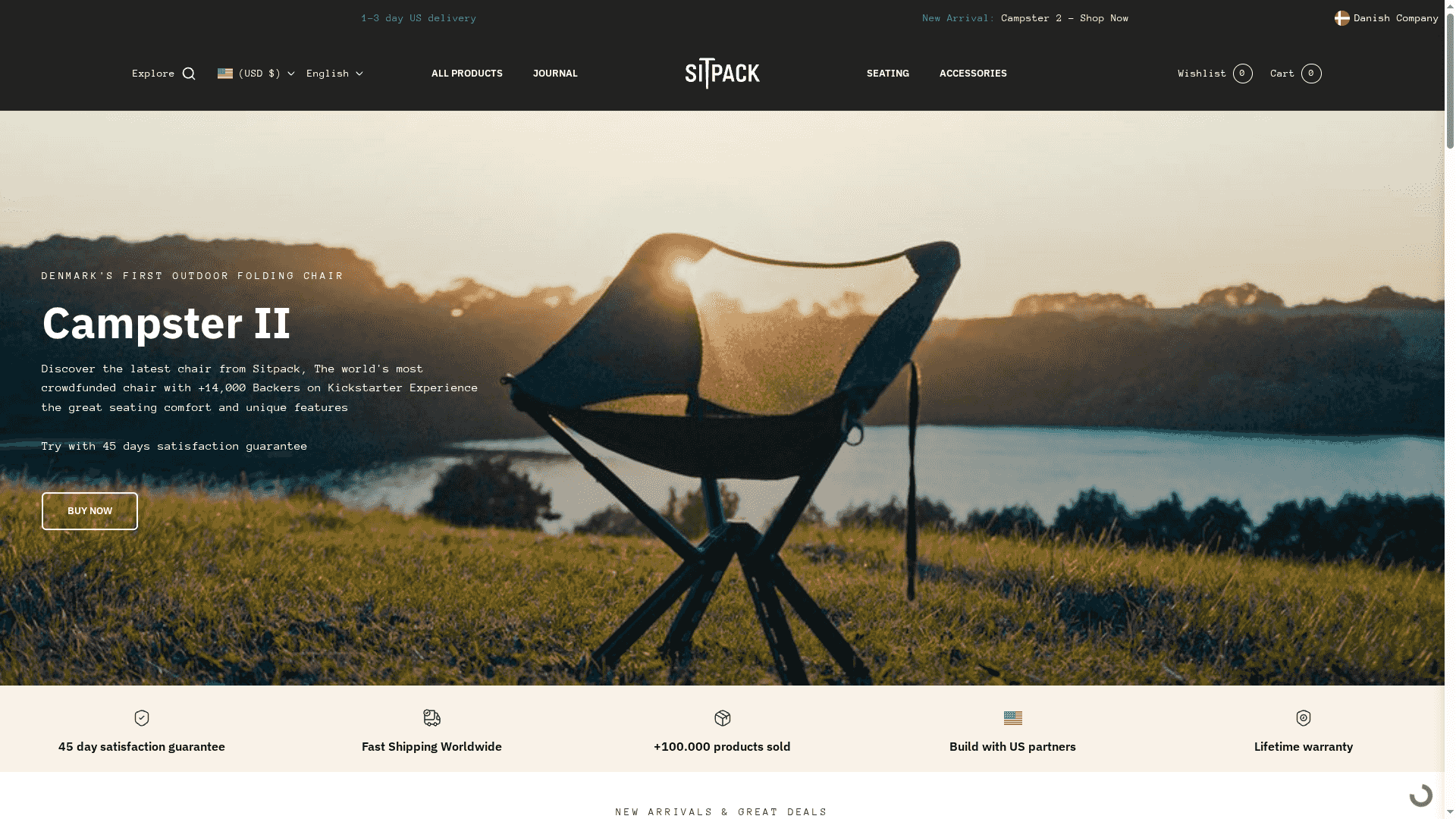
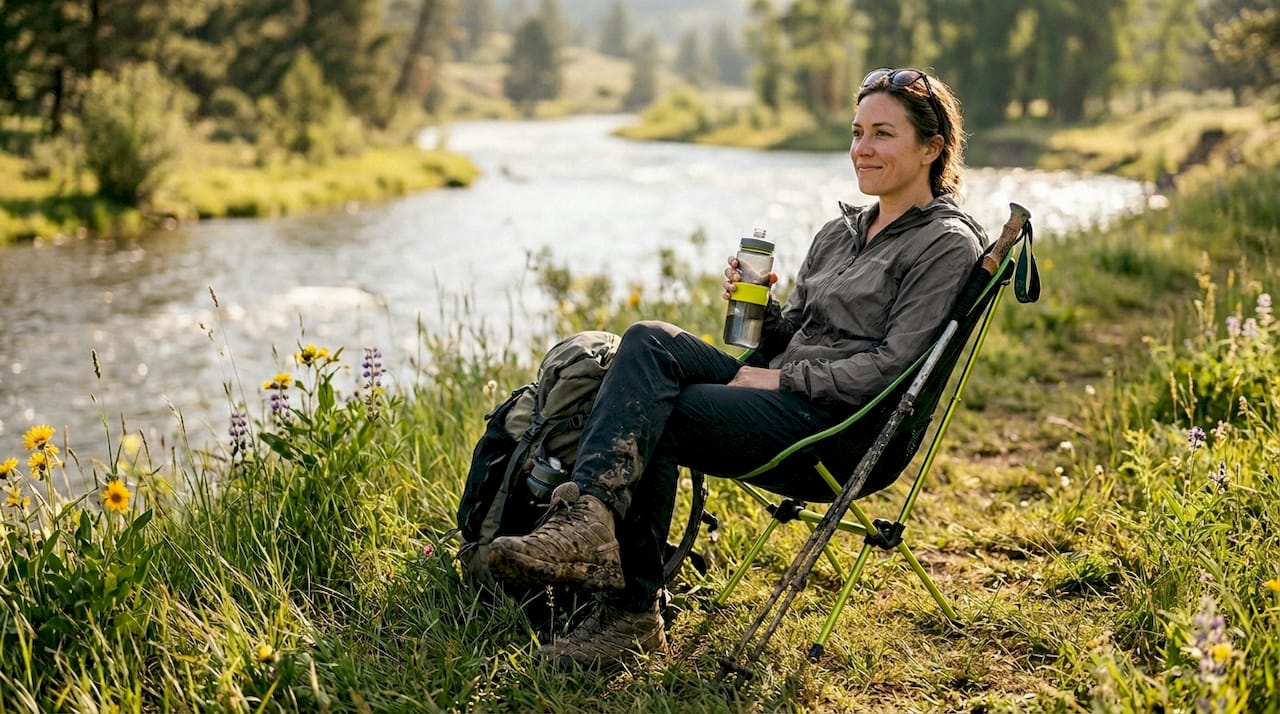
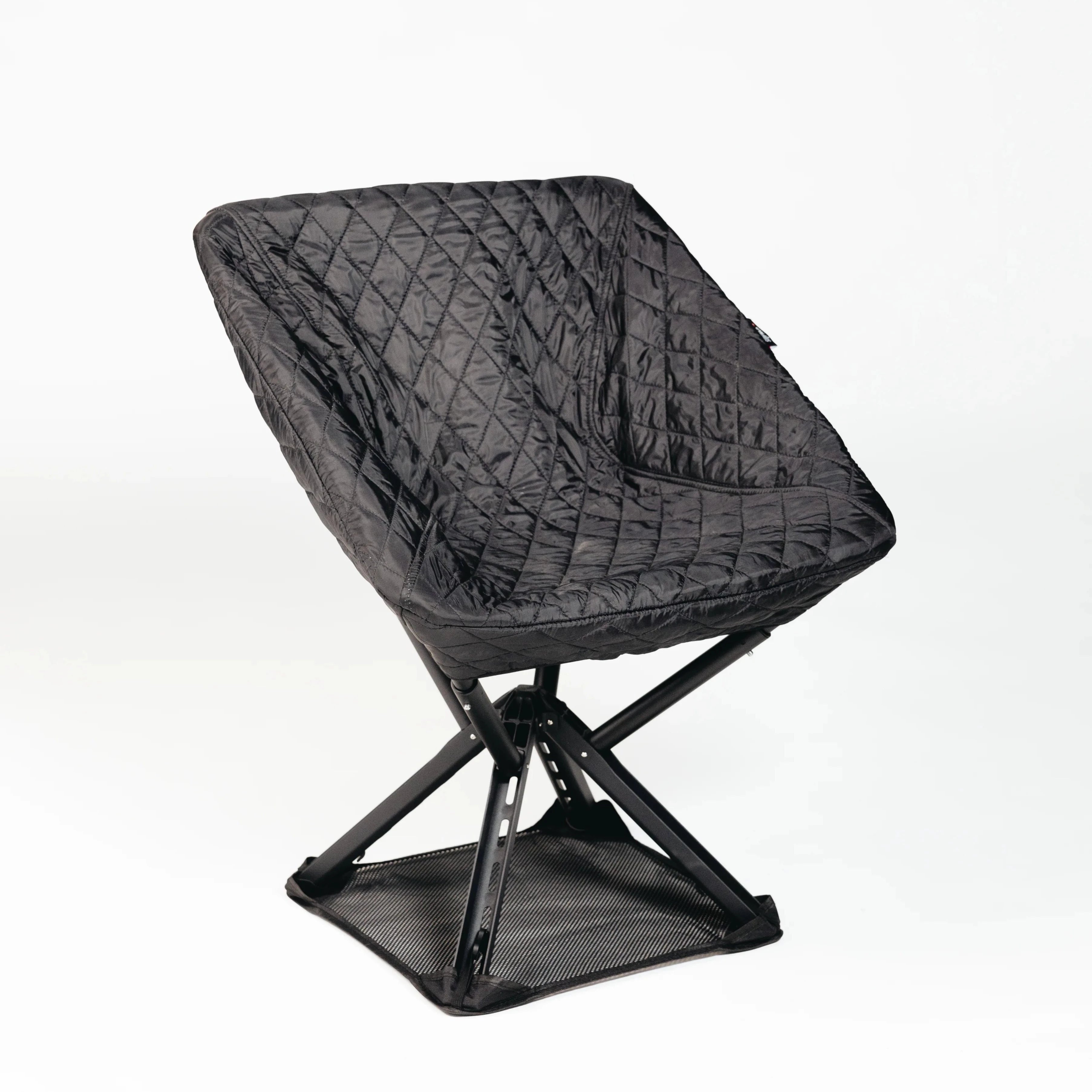
Sitpack designs compact, durable camping accessories built to last rather than be replaced. The Campster II and Sitpack Zen are lightweight seating solutions that pack down small, hold up over years of use, and skip the disposable-chair cycle entirely. Sitpack also carries accessories like reusable water bottles and travel towels that fit a green camping checklist without adding bulk. Every product comes with a 45-day satisfaction guarantee and a lifetime warranty on select items. Browse the full range at sitpack.com and find gear that works as hard as your sustainable camping routine does.
A sustainable camping workflow is a structured approach covering pre-trip planning, gear selection, onsite behavior, and energy management to minimize your environmental impact across the entire camping experience.
Travel choice has the greatest impact. Choosing nearby destinations or carpooling instead of flying can reduce trip emissions by over 80%.
The 20-foot rule requires campers to keep all activities, including cooking, washing, and camping setup, at least 20 feet from any water source to protect aquatic ecosystems.
Yes. Banana peels and orange rinds are non-native in most camping environments and can take up to 2 years to decompose. They attract wildlife and disrupt local ecosystems, so pack them out with all other waste.
Not always. Repairing and reusing gear you already own reduces manufacturing waste more effectively than buying new products labeled “eco-friendly.” Audit your existing gear before making any new purchase.