Vogn
0
Tilmeld dig og få 10% i rabat på din ordre
Forventet levering
1-3 dage
Du vil måske også kunne lide


Dansk Firma

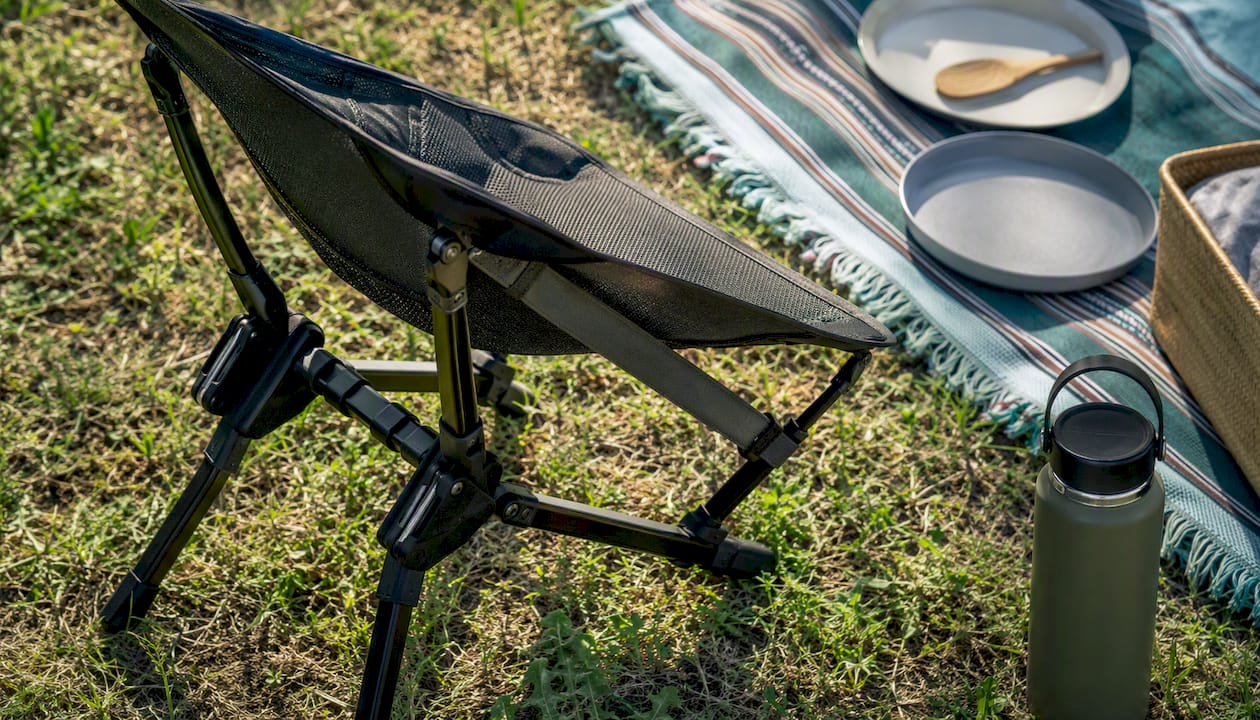
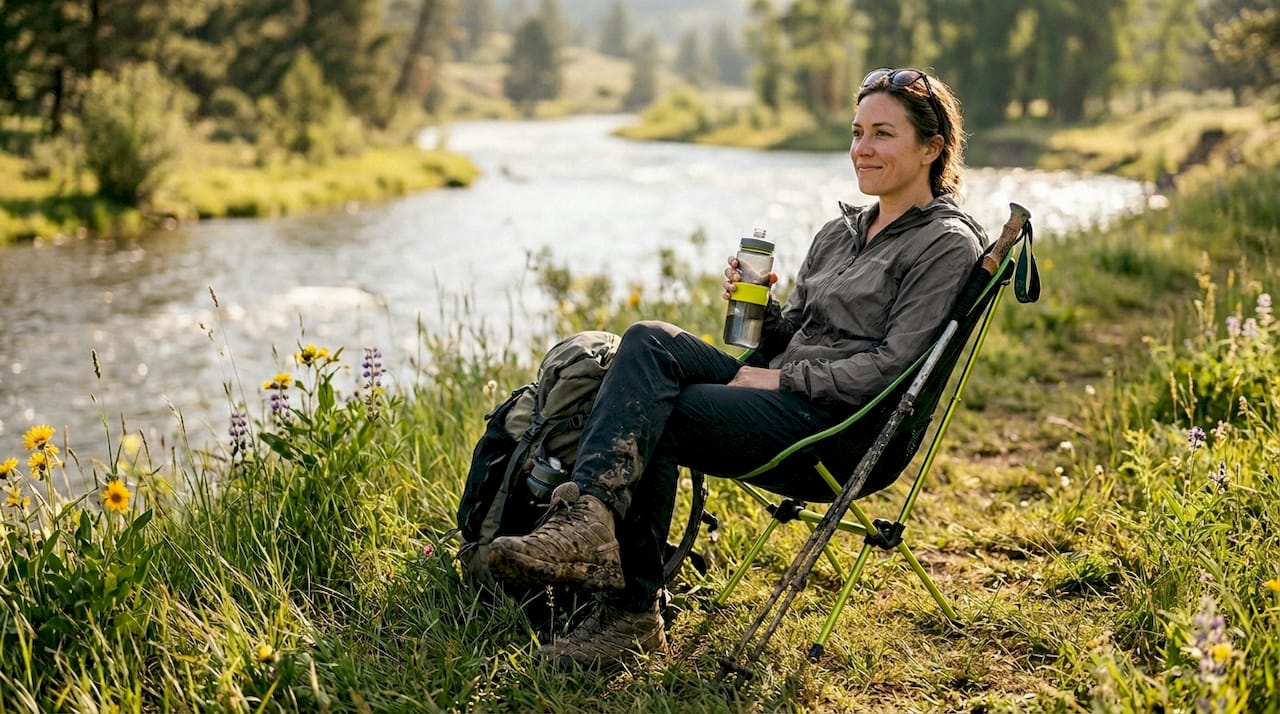
For most outdoor dining scenarios, a mid-weight folding camp chair or a compact Sitpack model beats a bulky patio set every time. It balances the two things that actually matter at mealtime: a seat height that lets you eat comfortably and a packed size you’ll actually carry. Ultralight chairs run about 1.7 pounds, while car-camping chairs land closer to 7 pounds, and most quality frames now carry weight capacities up to 350 pounds.
Matching chair weight, seat height, and frame material to your specific outdoor dining use case matters more than any single spec on its own.
| Point | Details |
|---|---|
| Match weight to use case | Ultralight chairs run about 1.7 pounds for backpacking; car-camping models run closer to 7 pounds. |
| Prioritize dining seat height | Look for 15 to 18 inches if you’ll be eating at a table rather than sitting low to the ground. |
| Buffer your weight capacity | Choose a rating above your body weight to handle shifting and reaching during meals. |
| Pair chairs with stable tables | Center-fold tables hold up better under plates and glasses than drop-leaf designs. |
| Choose Sitpack by scenario | The Campster II suits car camping and dinners; the Zen suits urban and rooftop outdoor dining, both backed by a lifetime warranty and 45-day guarantee. |
Search “best outdoor dining restaurants” and you’ll get a thousand lists of patios with string lights. That’s not what we’re solving here. We’re talking about the seat itself, the thing between you and the ground (or the picnic table, or the tailgate) when you’re eating outside your own front door, at a campsite, or on a rooftop you brought your own chair to. Get the seat right and everything else, the table, the food, the second glass of wine, falls into place.
The mistake most people make is buying one chair to do everything. A chair built for a five-day backpacking trip will feel flimsy and low to the ground at a backyard dinner party. A chair built for backyard dinners will crush your pack weight on a two-mile hike to a lakeside picnic spot. The fix isn’t finding a mythical perfect chair. It’s matching gear to how you actually eat outside.
Start with how far you’re carrying it and how often you’ll use it. That single question eliminates half the options on the shelf.
Quick spec targets: backpacking wants under 2 pounds and a packed size that fits in a side pocket. Car camping tolerates 5 to 9 pounds for a wider seat and taller backrest. Patio and dining setups can go heavier, favoring steel frames and higher seat heights over ultralight materials.
Pro Tip: Don’t buy the modular, stackable, do-everything chair system unless you genuinely need all its parts. Industry expert Julian Costa points out that the most common buying mistake is ignoring your actual usage pattern; people routinely overspend on complex modular setups when a simple mid-weight, metal-framed chair would serve them better on every axis that matters: portability, longevity, and setup speed.
Sitpack builds around one idea: you shouldn’t have to choose between a chair that packs small and a chair that’s comfortable enough to eat a full meal in. Here’s how the lineup breaks down by scenario.
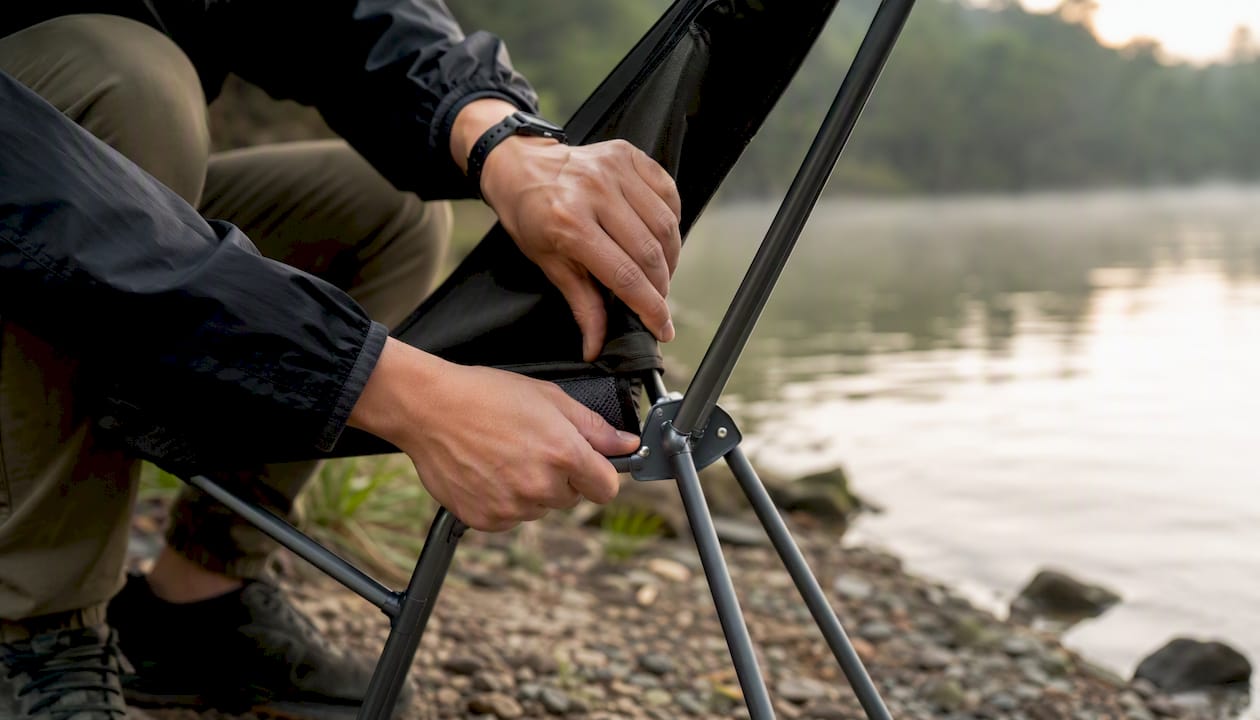
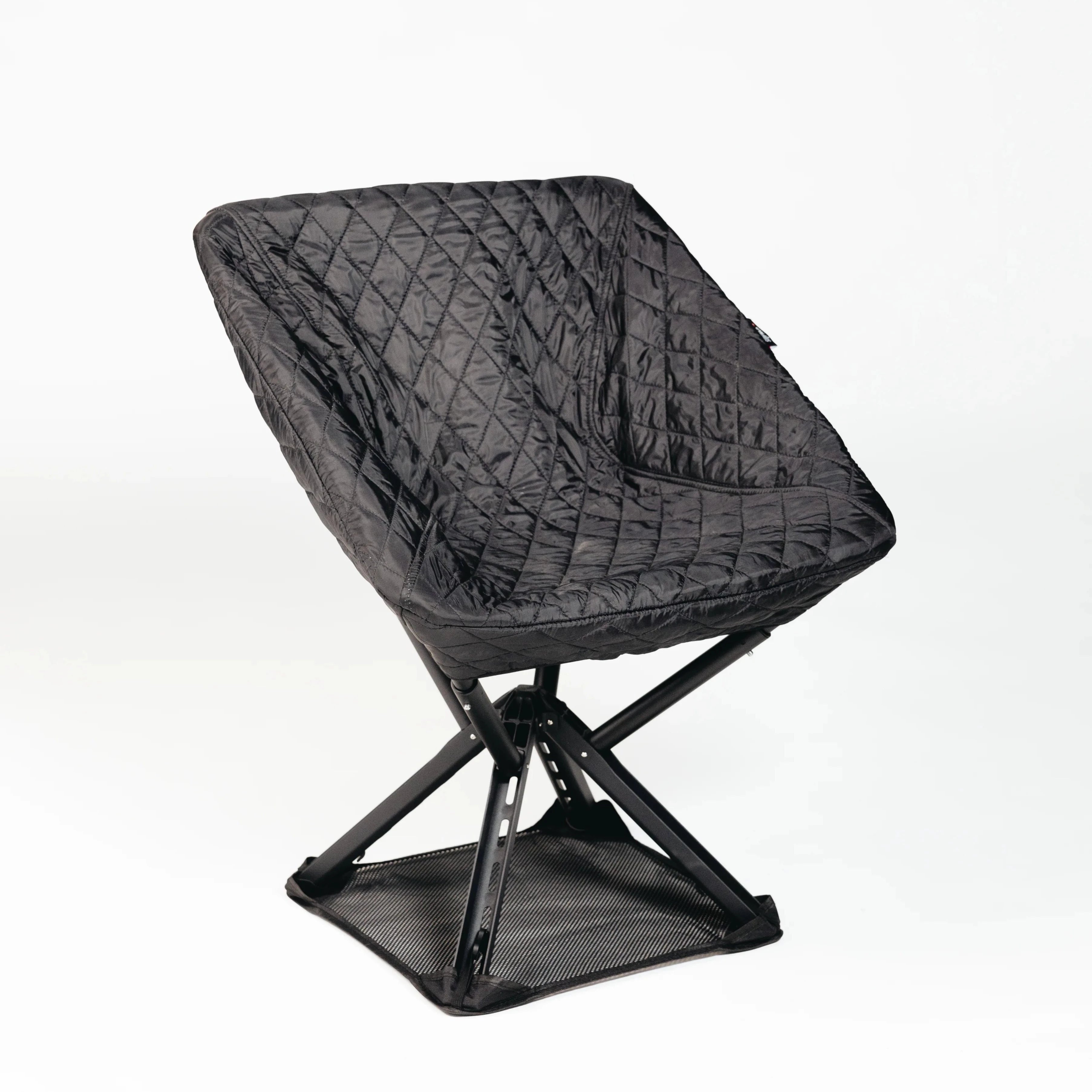
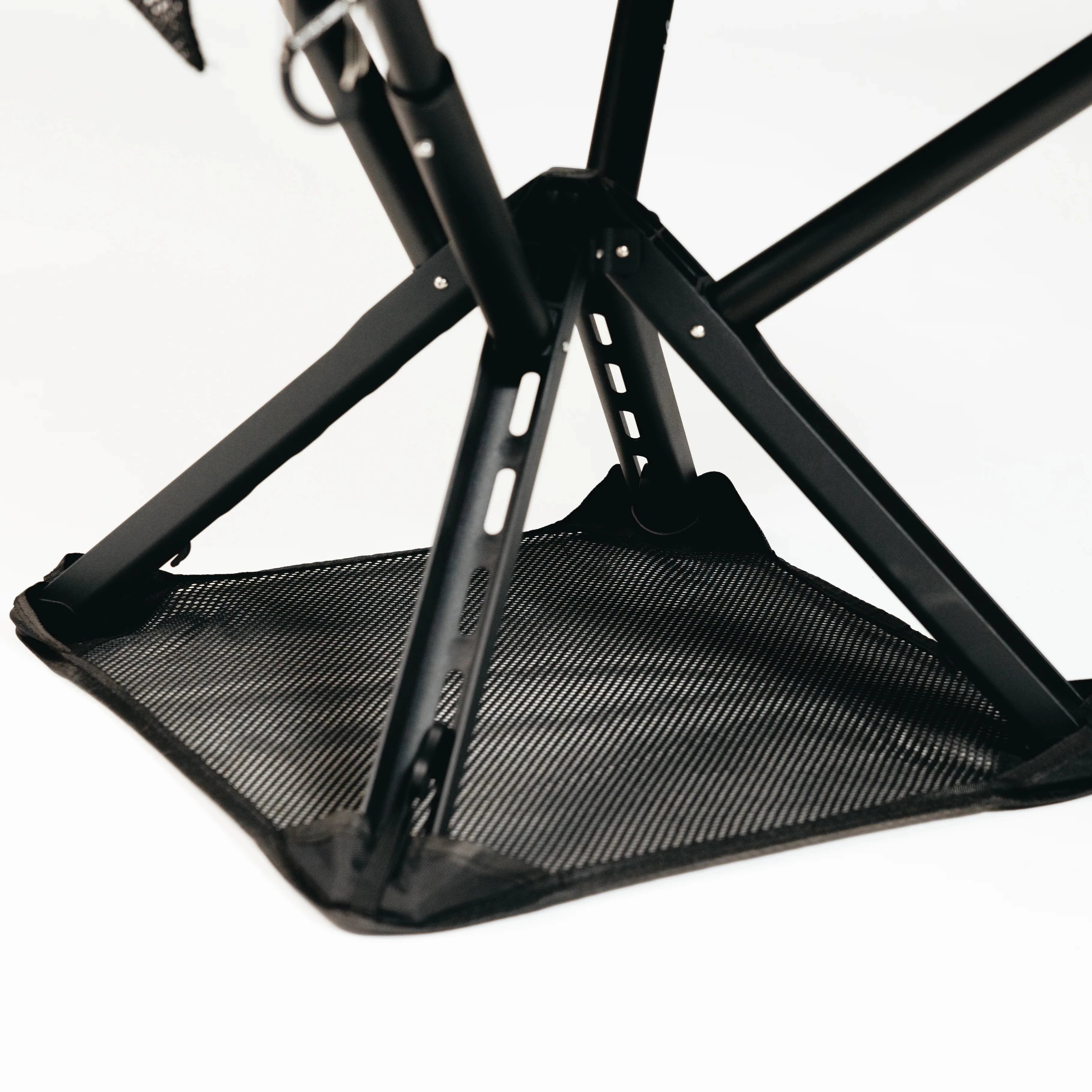
The Sitpack Campster II is the pick for car camping and backyard dinners. It opens into a full-height chair with armrests and a stable four-leg base, built for the person who wants to sit at a table, not hover near the ground on a beach-style sling seat. The Sitpack Zen goes the opposite direction: a compact, tripod-style perch designed for urban dining, rooftop picnics, and anywhere you need a seat that disappears into a bag afterward. Pair either with the Sitpack compact table for two to four people, and add the Sitpack seat warmer or thermal blanket when temperatures drop and you still want to linger over dinner outside.
Sitpack Campster II
Sitpack Zen
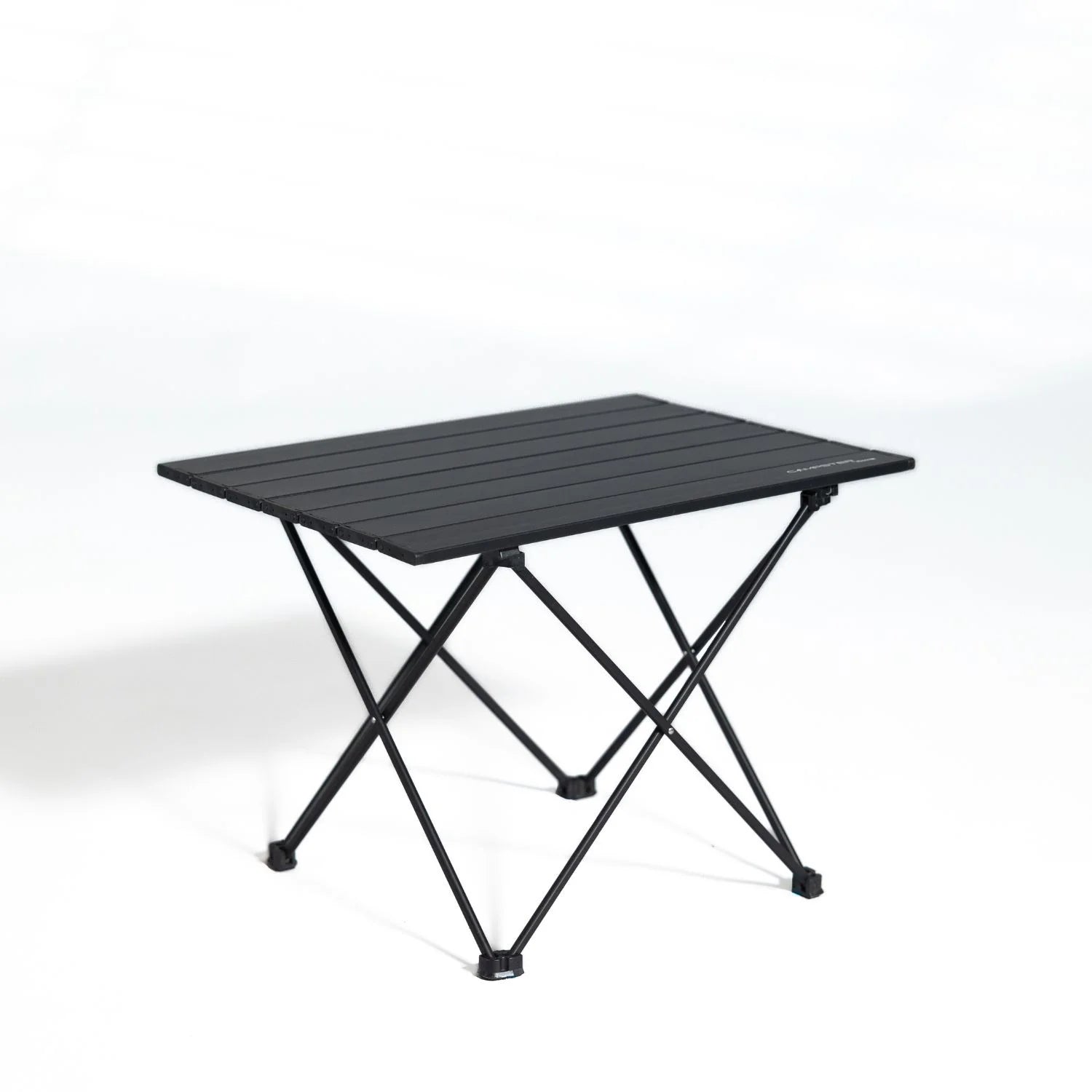
Sitpack compact table
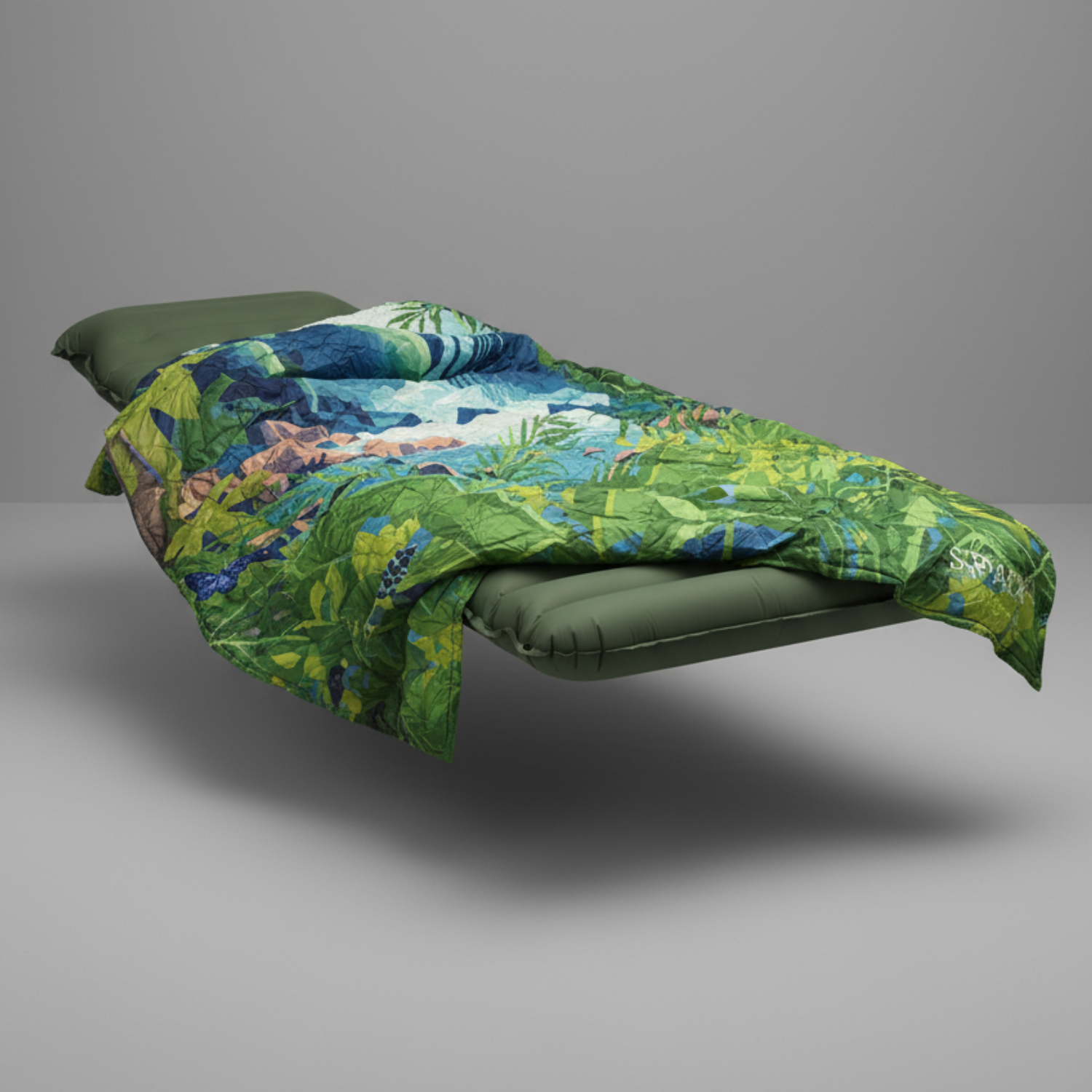
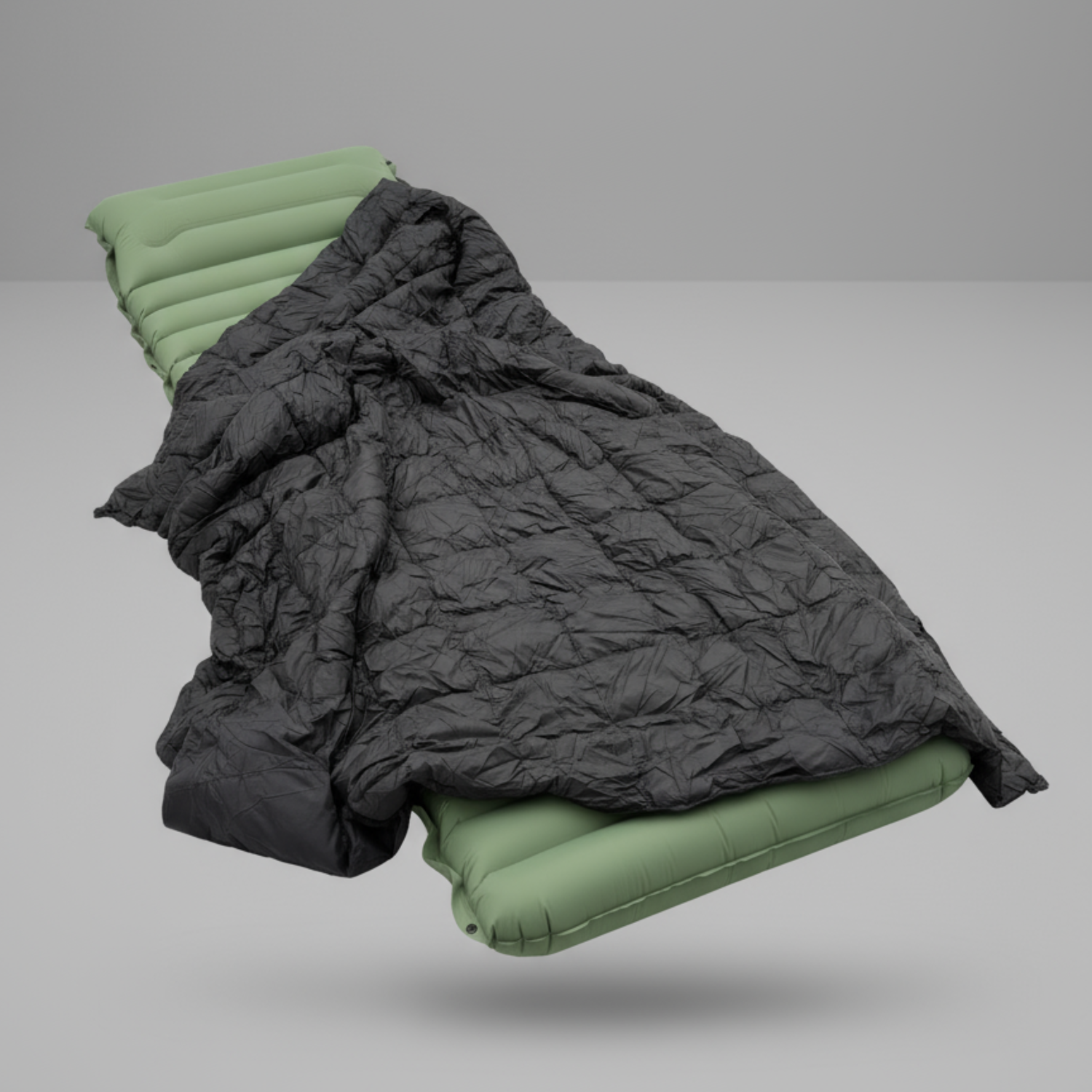
Seat warmer / thermal blanket
Field use turns up a pattern worth knowing: the Zen wins on transportability whenever storage space is the real constraint, a studio apartment, a carry-on bag, a bike pannier, even when the Campster II would be more comfortable for a longer sit.
Pro Tip: If your outdoor meals mostly happen within walking distance of home or transit, choose based on storage space first and comfort second. A chair you leave behind because it’s inconvenient to carry is a chair that never gets used.
The right chair is half the setup. The other half is what you put your food and drinks on.
Match the pairing to your surface. Sand calls for wide chair feet and a table with a stable base, so nothing sinks mid-meal. Hard patios can handle heavier steel-framed sets since you’re not carrying them far. Backpacking combos should prioritize packability above everything else. Our lightweight outdoor chair comparison covers pairing logic for a dozen more scenarios.
Salt, sand, and rough packing wear down chairs faster than actual use does.
Pro Tip: Lubricate hinges and locking joints once a season, and check locking brackets before the first trip out. A stiff hinge today is a collapsed chair mid-dinner next month.
Budget chairs, roughly $50 to $100, get you basic folding frames that work fine for occasional picnics. Mid-range gear, $100 to $250, is where most durable, dining-ready chairs actually live, with better hardware and higher weight ratings. Premium pieces above $250 buy longer warranties and materials built for daily use.
Splurge if you host often, use a patio setup year round, or need a higher weight capacity than standard frames offer. Occasional picnickers do fine with a solid mid-range chair.
This guide comes from Jonas, a Sitpack blog contributor who covers portable seating in depth, including posts like Top Outdoor Seating Examples for 2026 Adventures. Sitpack builds its recommendations around real field use, not spec sheets alone.
Every Sitpack chair carries a lifetime warranty and a 45-day satisfaction guarantee, backed by field testing under actual dining and travel conditions rather than lab-only benchmarks.
Once your seating is sorted, the setting matters just as much. A handful of criteria separate a forgettable meal outside from one you plan around.
Ambiance comes first. String lights and a garden view do more for a meal than most menus give credit for; restaurants with garden views or a shaded patio consistently rate higher in return visits than exposed lots with folding tables and nothing else.
Menu variety matters more outdoors than indoors, oddly enough. Outdoor kitchens often run limited equipment, so a venue that still offers full variety, grilled, cold, vegetarian, and dessert options, signals a kitchen that planned for al fresco service rather than treating the patio as an afterthought.
Dietary accommodation is a dealbreaker for groups. Look for venues that list allergen information on the printed or posted menu rather than requiring you to ask a server who may not know the answer.
Reservation policy shapes the whole experience. Walk-up-only patios sound charming until you’re standing in a line for 40 minutes with hungry kids. Venues offering timed reservations for outdoor tables tend to run smoother service and shorter waits.
Weigh these four factors together rather than picking a spot on ambiance alone. A gorgeous patio with a limited menu and no allergen labeling isn’t the win it looks like in photos.
Outdoor dining culture varies sharply by climate and geography, and that shapes what “top al fresco restaurants” actually means depending on where you live.
Coastal regions lean into waterfront patios and rooftop restaurants with ocean or harbor views, often extending service late into warm evenings. Desert and mountain climates favor shaded courtyards and heated patios that stretch the outdoor season into cooler months. Urban centers increasingly convert sidewalks and rooftops into dining spots, a trend that expanded rapidly and never fully receded even as indoor dining returned to normal.
Rural and small-town venues often build around garden settings, vineyards, or farm-to-table patios with views of open land rather than skyline. These spots tend to book up fastest during harvest season and local festivals, so reservations matter more there than in cities with dozens of competing options.
If you’re building a dining kit around a compact chair like the Sitpack Zen, urban and coastal settings tend to reward portability most since parking is scarce and outdoor seating fills fast. Rural garden venues, by contrast, often have more room to bring your own setup if a venue allows it, which is where a chair and compact table pairing genuinely earns its keep.
Season dictates almost everything about how an outdoor meal actually goes. Spring and fall offer the widest comfort window, moderate temperatures without the summer heat or winter chill, and most restaurants with outdoor seating see peak demand during these shoulder seasons.
Summer heat pushes the best outdoor dining spots toward shade structures, misting systems, or evening-only patio service. Venues without shade often see afternoon patio seating go empty even on a beautiful day, simply because direct sun makes eating uncomfortable.
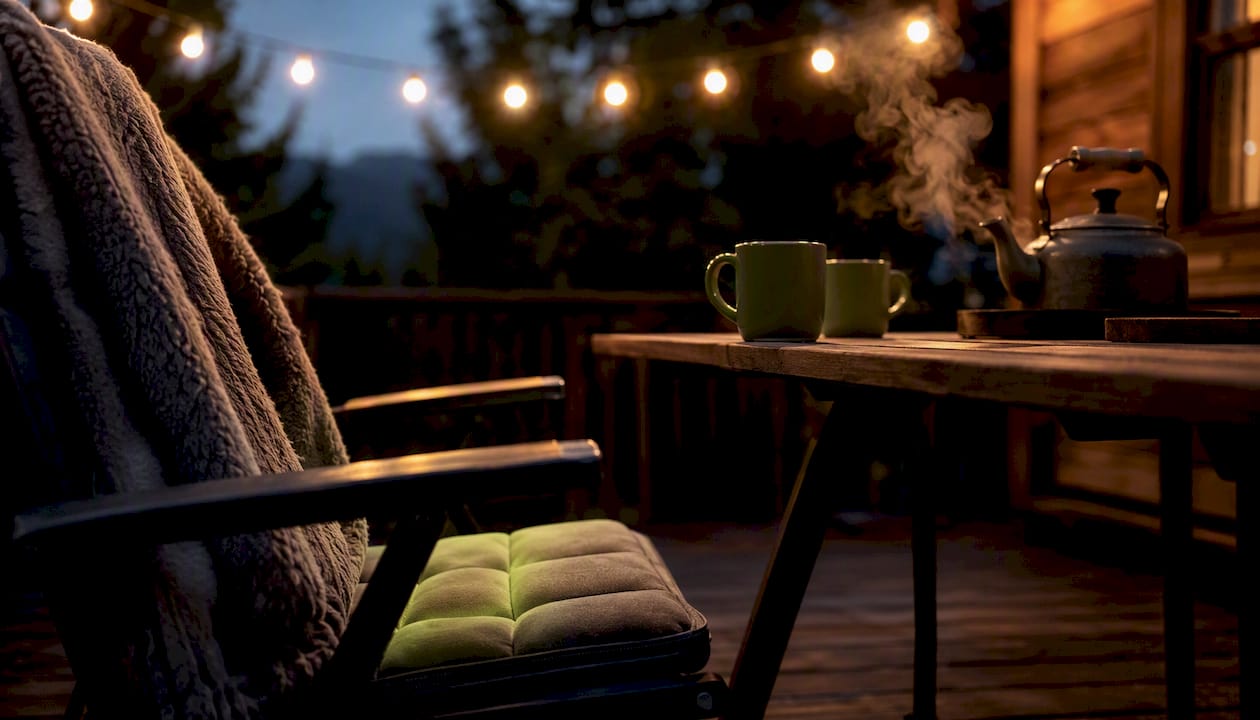
Winter changes the equation entirely. Cozy outdoor eateries that stay busy year round typically invest in heat lamps, wind breaks, and blankets, treating the patio as a four-season asset rather than a fair-weather bonus. This is where a personal seat warmer or thermal blanket makes a real difference if you’re the one bringing your own chair to a cooler outdoor setting rather than relying on the restaurant’s heat lamps.
Rain remains the hardest variable to plan around. The best-run venues have a covered contingency, an awning, a tent, or a fast move to indoor seating, built into their reservation system rather than leaving guests to guess.
Outdoor dining earned a reputation for being the safer option during the pandemic, and that shift in expectations never fully reversed. Diners now routinely check for a few baseline standards before booking a table outside.
Proper spacing between tables remains a common expectation even where formal mandates have lapsed, particularly at busy family-friendly outdoor restaurants where strollers and high chairs need extra room to maneuver. Ventilation matters even outdoors: fully enclosed patio structures with plastic siding function more like indoor spaces and should follow similar air-circulation standards.
Food safety in outdoor settings carries its own risks. Heat exposure can spoil food faster on a hot patio than in a climate-controlled dining room, so venues with visible food safety practices, covered dishes, prompt service, refrigerated staging, tend to earn more repeat visits. Surface cleaning between seatings matters just as much outdoors as in, especially at shared communal tables common in garden and rooftop settings.
For diners bringing their own gear to public parks or beaches rather than a restaurant patio, the same logic applies on a smaller scale: clean surfaces, covered food, and reasonable spacing from other groups make for a more pleasant and safer meal outside.
Star ratings alone tell you less than the actual text of the reviews. Look for repeated mentions of specific outdoor-dining details rather than generic praise.
Reviews that mention shade coverage, heater availability, or table spacing tell you far more about the actual outdoor experience than a blanket five-star rating with no detail. A venue with a 4.2 average but consistent comments about “perfect patio in the evening” often beats a 4.6 average with vague, generic praise.
Filter for recent reviews specifically. Outdoor dining setups change seasonally, so a rave review from last August about a shaded patio tells you nothing about how that same space handles a rainy October evening. Recommended outdoor dining venues tend to have reviews spread consistently across seasons rather than clustered in one warm-weather spike.
Cross-reference reviews mentioning reservation ease, dietary accommodation, and staff responsiveness to weather changes (moving tables under cover, offering blankets) since these details predict your actual experience better than overall star counts alone.
For a quick lunch downtown, I reach for the Zen every time. It disappears into a bag and sets up before the food arrives. For a slower car-camping dinner, a mid-weight folding chair with armrests wins because comfort matters more than an extra pound of pack weight. Match your gear to how you actually eat outside, not how you imagine you will.
Restaurants can’t always guarantee a great outdoor table, but your own seat goes wherever you do. That’s the real advantage Sitpack offers over hoping a patio has room: you control the comfort, the seat height, and the setup time, whether you’re at a rooftop bar, a beach picnic, or your own backyard.
Every chair in the lineup, from the Campster II to the Zen, ships with a lifetime warranty and backs every order with a 45-day satisfaction guarantee, so you can test it at your own dinner table before committing. Pair your chair with the Sitpack compact table and a seat warmer for cooler evenings, and you’ve got a complete outdoor dining setup that fits in a bag. Check the full Sitpack lineup and find the model that matches how you actually dine outside.
What’s the best portable chair for outdoor dining? It depends on your use case. A mid-weight folding chair suits car camping and backyard dinners, while a compact model like the Sitpack Zen suits urban picnics and rooftop meals where packed size matters most.
How much weight capacity do I need for a dining chair? Choose a capacity rating comfortably above your actual body weight. Buyer guides recommend this buffer to handle the extra force of sitting down or shifting during a meal.
What seat height works best for eating at a table? Aim for 15 to 18 inches. Anything lower makes it awkward to reach a standard dining table height comfortably.
Do I need a separate table for outdoor dining, or can I use the ground? A small center-fold table like the Sitpack compact table adds real comfort for two to four people and holds up better under plates and glasses than balancing food on your lap.
How do I keep my outdoor dining gear from wearing out? Rinse off salt and sand after beach trips, dry fabric before folding, and lubricate hinges once a season to keep locking joints working smoothly.