Vogn
0
Tilmeld dig og få 10% i rabat på din ordre
Forventet levering
1-3 dage
Du vil måske også kunne lide
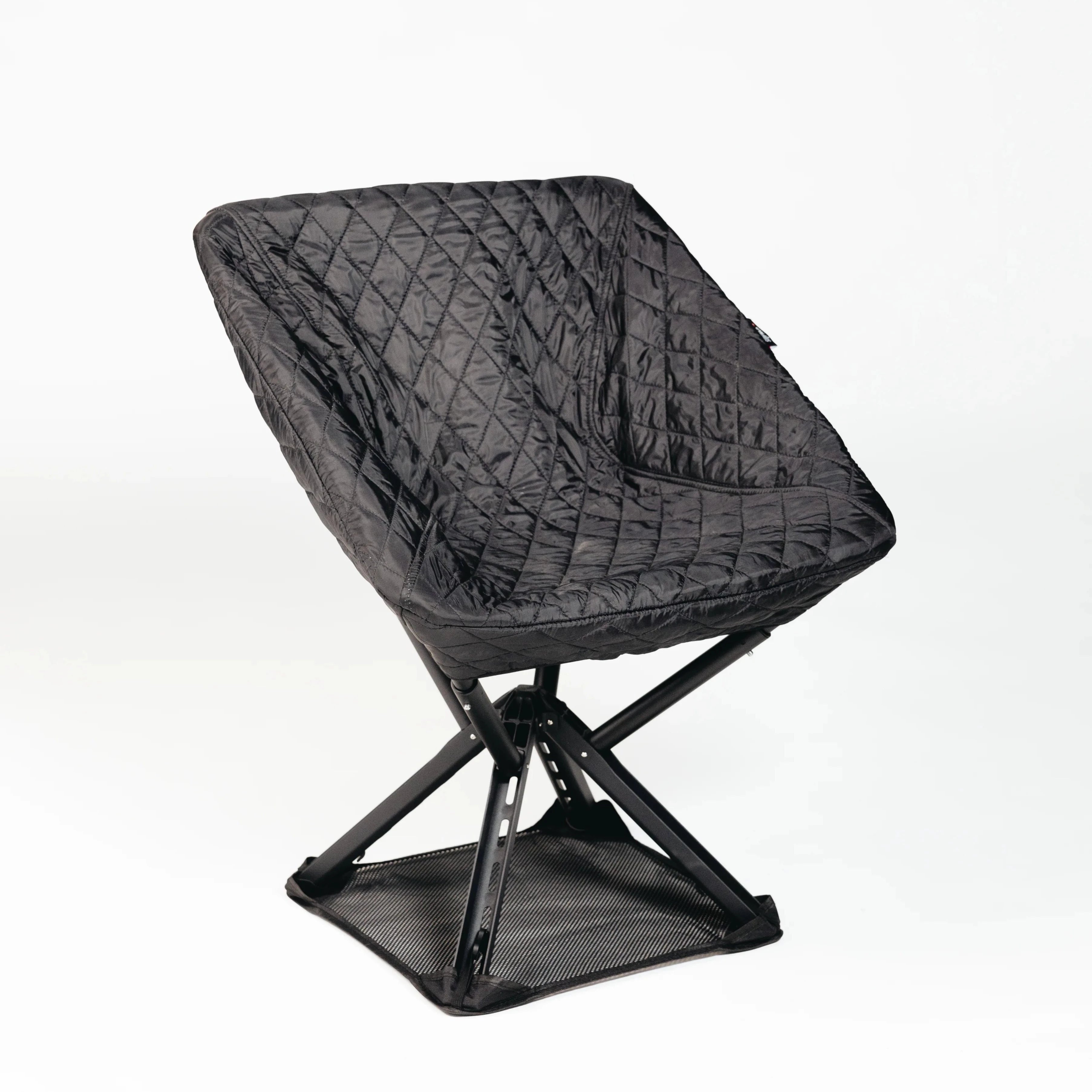
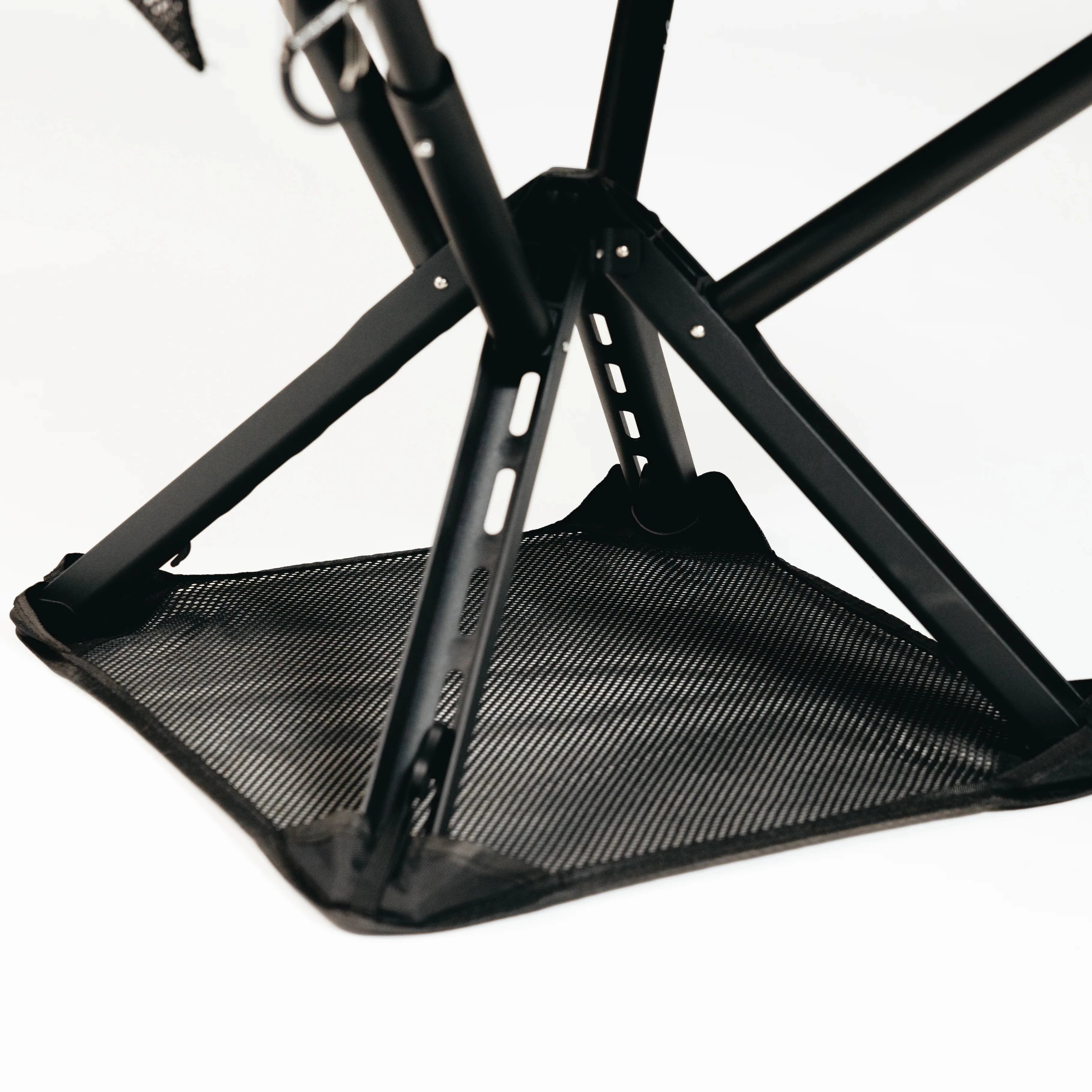

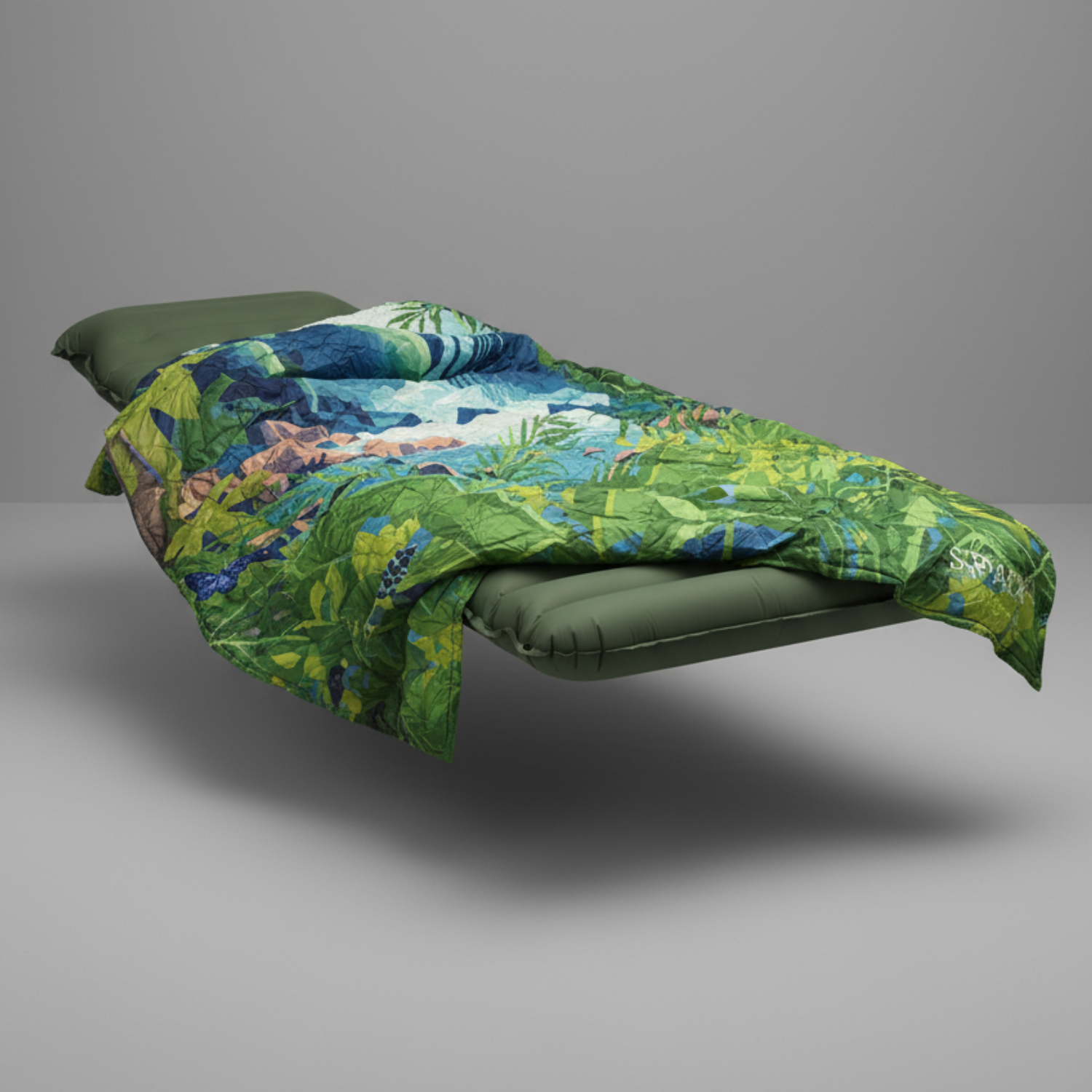
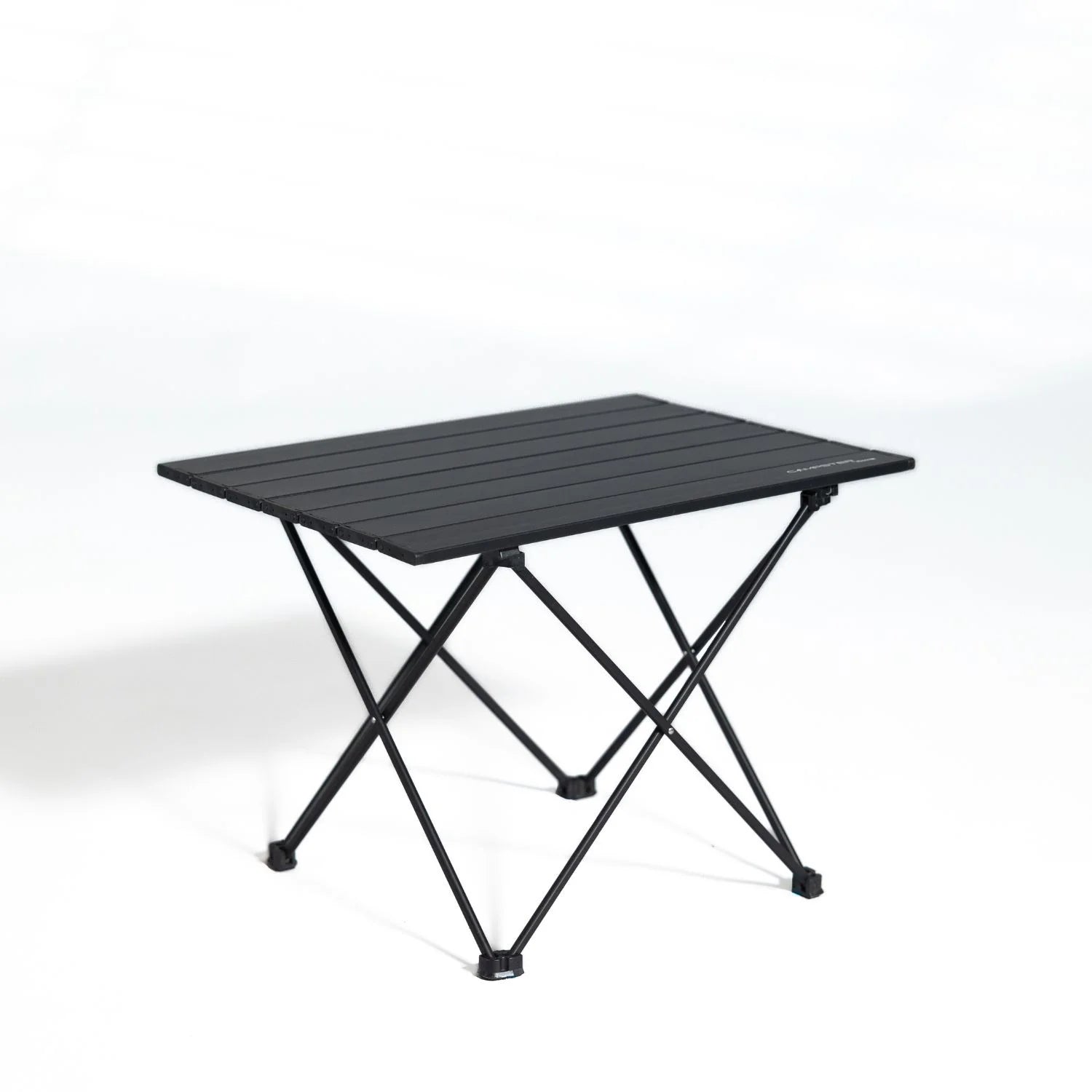


Dansk Firma

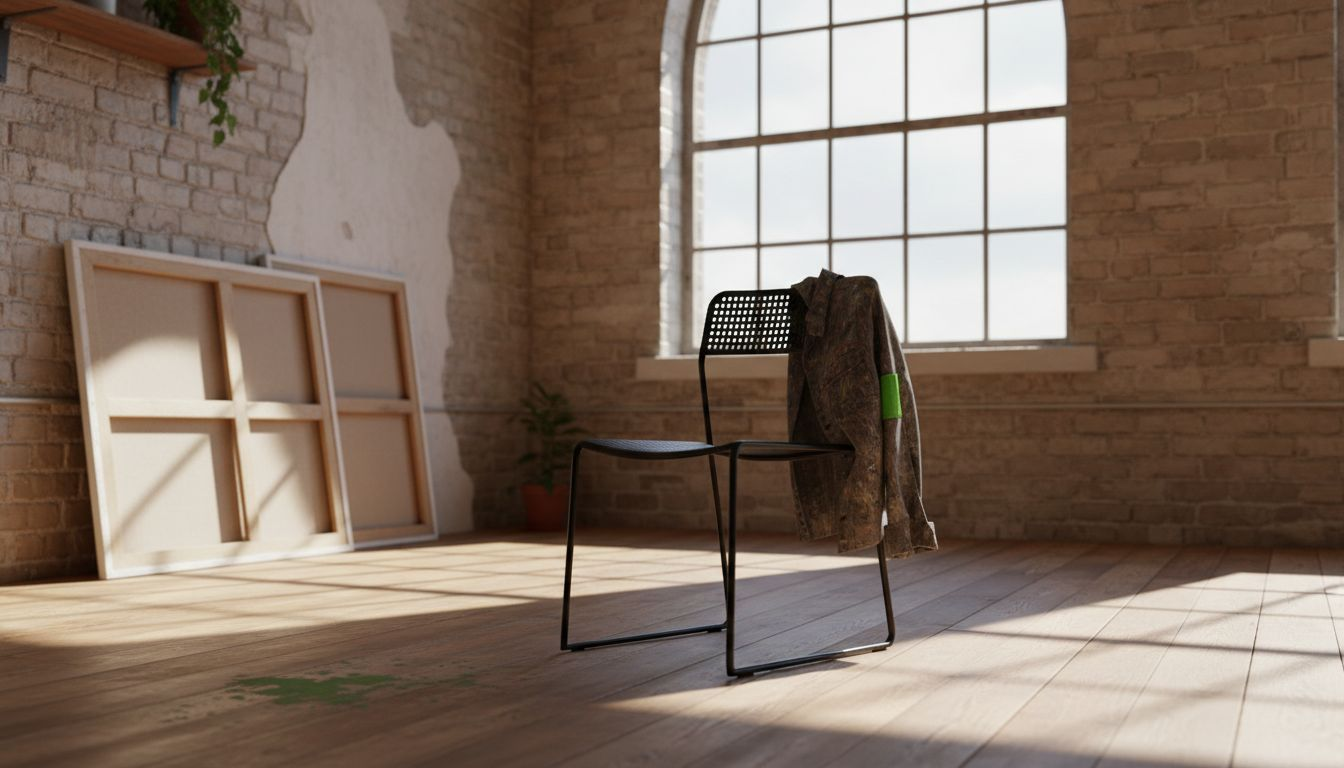
Packing for a day in the city or a weekend camping trip often means weighing every ounce in your bag and every extra item you carry. For urban outdoor enthusiasts and eco-conscious travelers, finding a seating solution that delivers both comfort and sustainability can feel like a challenge. Minimalistic chairs offer a clever answer by combining essential functionality with lightweight, durable materials that leave behind bulk and visual clutter. Discover how innovative design makes these chairs not only easy to carry but also better for the environment and your adventures.
| Point | Details |
|---|---|
| Emphasis on Functionality | Minimalistic chair design prioritizes essential functionality, merging form and utility for enhanced user experience. |
| Core Design Features | Key characteristics include geometric simplicity, material honesty, and purposeful reduction, ensuring structural integrity. |
| Portability and Durability | Lightweight and compact designs facilitate mobility while maintaining durability, crucial for outdoor and urban use. |
| Philosophical Approach | Minimalist chairs reflect a broader ethos of efficiency and intentional design, transforming furniture into functional mobility tools. |
Minimalistic chair design represents a radical philosophical approach to furniture creation that prioritizes essential functionality over decorative complexity. By stripping away unnecessary ornamentation, designers create chairs that embody pure structural integrity and spatial efficiency. Minimalist design principles fundamentally challenge traditional furniture aesthetics, reimagining seating as a precise intersection of form and utility.
At its core, minimalistic chair design focuses on three critical elements: geometric simplicity, material honesty, and purposeful reduction. Designers carefully eliminate superfluous details, creating chairs that communicate their structural purpose through clean lines and uncluttered profiles. Single-piece chair construction exemplifies this approach, where each component serves a direct mechanical or ergonomic function without additional embellishment.
The philosophical underpinnings of minimalist chair design extend beyond visual aesthetics. These chairs represent a broader design ethos that values efficiency, sustainability, and rational problem solving. By reducing material usage and streamlining manufacturing processes, minimalist chairs can be produced more economically while maintaining superior structural integrity. Key characteristics include:
To highlight practical application, here is a summary of how minimalistic chair design principles manifest in real-world furniture:
| Principle | Real-World Application | Impact on User Experience |
|---|---|---|
| Geometric simplicity | Straight, uncluttered lines | Visual calm and easy integration |
| Material honesty | Exposed metal or natural wood | Trust in durability and longevity |
| Purposeful reduction | Only essential supports included | Lightweight and easy to handle |
Pro tip: When selecting a minimalist chair, prioritize designs that demonstrate structural clarity and intentional material choices rather than purely visual trends.
Outdoor minimalist chairs have evolved dramatically, offering urban adventurers and nature enthusiasts a range of innovative seating solutions that blend lightweight design with practical functionality. Minimalist outdoor chairs represent more than just furniture—they are portable performance tools designed to enhance mobility and comfort across diverse environments.
The contemporary landscape of minimalist outdoor chairs encompasses several distinctive categories, each engineered to meet specific environmental and user requirements. Portable outdoor seating options typically fall into strategic design classifications that prioritize weight reduction, material efficiency, and adaptable functionality. Key types include:
Camping Minimalist Chairs
Modern Recycled Material Chairs
Ergonomic Aluminum Lounge Chairs
These design categories demonstrate how minimalist chair engineering transcends traditional aesthetic boundaries, transforming outdoor seating into intelligent, context-responsive solutions. By integrating advanced materials and precise structural thinking, manufacturers create chairs that are simultaneously functional art pieces and practical mobility tools.

Pro tip: When selecting an outdoor minimalist chair, prioritize models that offer a balanced combination of weight, durability, and packability for your specific adventure requirements.
Minimalistic chair design distills furniture engineering to its most essential elements, creating seating solutions that are both visually elegant and functionally superior. Minimalist furniture principles transform chairs from complex objects into pure, purposeful experiences that prioritize user interaction and spatial efficiency.
At the heart of minimalist chair design lie three core features that define its revolutionary approach: simplicity, portability, and durability. Simplicity manifests through clean geometric lines, eliminating unnecessary ornamentation and focusing on fundamental structural integrity. Designers carefully strip away decorative elements, allowing the chair’s pure form to communicate its intrinsic purpose and mechanical potential.
Portability emerges as a critical design consideration, particularly for urban adventurers and outdoor enthusiasts. Minimalist chairs are engineered to be lightweight and compact, enabling seamless transportation across diverse environments. Key portability characteristics include:
Durability represents the final pillar of minimalist chair design, ensuring that lightweight construction does not compromise structural integrity. Advanced materials like high-grade aluminum, carbon fiber composites, and reinforced synthetic polymers enable chairs to withstand significant stress while maintaining an incredibly slim profile. This approach transforms chairs from simple sitting devices into sophisticated, resilient mobility tools that adapt to challenging outdoor conditions.
Pro tip: When evaluating a minimalist chair, assess its design by examining the seamless integration of its three core features: how elegantly it balances simplicity, how effortlessly it moves, and how confidently it endures.
Minimalistic chairs have emerged as game-changing solutions for modern adventurers, transforming the way urban explorers and travelers approach portable seating. These ingeniously designed chairs represent more than just furniture—they are compact mobility companions that solve critical challenges faced by people constantly on the move.
For travelers, minimalist chairs unlock unprecedented freedom and flexibility. They eliminate the traditional constraints of bulky seating by offering lightweight, compact designs that seamlessly integrate into various travel scenarios. Whether navigating crowded public transportation, exploring remote hiking trails, or working in dynamic urban spaces, these chairs provide instant comfort without sacrificing mobility.
The strategic benefits for urban adventurers can be categorized into several key dimensions:
Spatial Efficiency
Adaptability
Lifestyle Enhancement
Beyond physical utility, minimalist chairs represent a philosophical approach to modern mobility. They embody the principles of intentional design—creating tools that maximize functionality while minimizing unnecessary complexity. For the urban adventurer, these chairs are not just seating solutions but statements of personal efficiency and adaptable living.
Pro tip: When selecting a minimalist travel chair, prioritize models that offer a balance between weight, durability, and comfort to ensure seamless integration into your dynamic lifestyle.
Dynamic chair design represents a paradigm shift in seating technology, challenging traditional notions of static furniture. Unlike conventional chairs that promote passive sitting, minimalistic designs introduce radical approaches to personal mobility and ergonomic support.
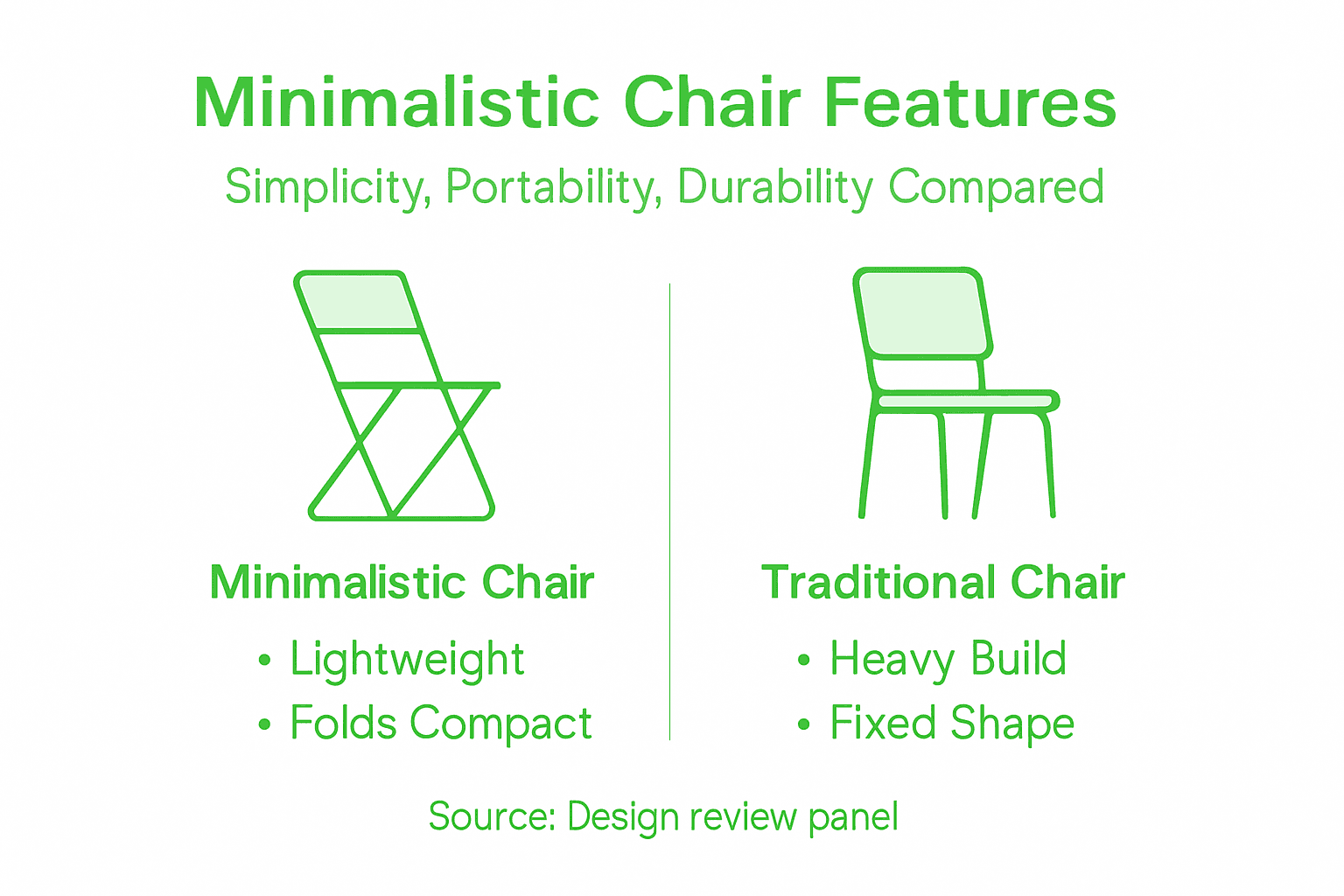
Traditional chairs typically fall into predictable categories—office chairs, dining chairs, lounge chairs—each with rigid structural limitations. Minimalist chairs, by contrast, transcend these conventional boundaries, offering adaptive solutions that respond dynamically to user movement and environmental context. Alternative ergonomic designs demonstrate the potential for reimagining seating beyond standard paradigms.
Key comparative dimensions reveal distinctive advantages of minimalist chairs:
Traditional Chairs
Minimalistic Chairs
The philosophical underpinning of minimalist chair design challenges fundamental assumptions about furniture. Rather than viewing chairs as static objects, these innovative designs transform seating into dynamic, responsive extensions of human mobility. They represent a radical reimagining of personal space, emphasizing user agency and adaptability over traditional constraints.
The following table compares the suitability of minimalistic and traditional chairs for different user scenarios:
| Scenario | Minimalistic Chair Advantage | Traditional Chair Limitation |
|---|---|---|
| Commuting/Public Transport | Folds for easy carrying | Bulky, hard to transport |
| Outdoor Adventures | Weather-resistant, portable | Heavy, poor mobility |
| Home Office | Lightweight, fits small spaces | Can crowd limited space |
| Small Apartments | Maximizes usable area | Not optimized for tight layouts |
Pro tip: When comparing chair designs, evaluate not just immediate comfort but long-term ergonomic potential and lifestyle compatibility.
Minimalistic chair design focuses on simplicity, portability, and durability to create seating solutions that enhance mobility and comfort without excess bulk. If you value lightweight construction, purposeful reduction, and ergonomic support for your outdoor adventures or urban lifestyle, the chairs at Sitpack offer exactly what you need. From innovative folding mechanisms to eco-friendly materials, these designs echo the core principles of minimalism discussed in the article.

Discover how the Sitpack Campster II and Sitpack Zen chairs transform the way you rest on the go. Shop now to enjoy fast worldwide delivery, a 45-day satisfaction guarantee, and lifetime warranties. Don’t compromise on your comfort or portability—explore the collection at Sitpack and elevate your outdoor and travel seating experience today.
Minimalistic chair design focuses on geometric simplicity, material honesty, and purposeful reduction, eliminating unnecessary ornamentation to enhance functionality and efficiency.
Minimalistic chairs are designed to be lightweight and compact, often featuring folding mechanisms that make them easy to transport, while traditional chairs tend to be bulkier and less mobile.
Minimalistic outdoor chairs offer spatial efficiency, adaptability for multiple environments, and help reduce physical fatigue, making them ideal for travelers and outdoor enthusiasts.
Common materials include high-grade aluminum, durable synthetic polymers, and natural wood, which are chosen for their lightweight and weather-resistant properties, ensuring durability without compromising portability.