Vogn
0
Tilmeld dig og få 10% i rabat på din ordre
Forventet levering
1-3 dage
Du vil måske også kunne lide


Dansk Firma

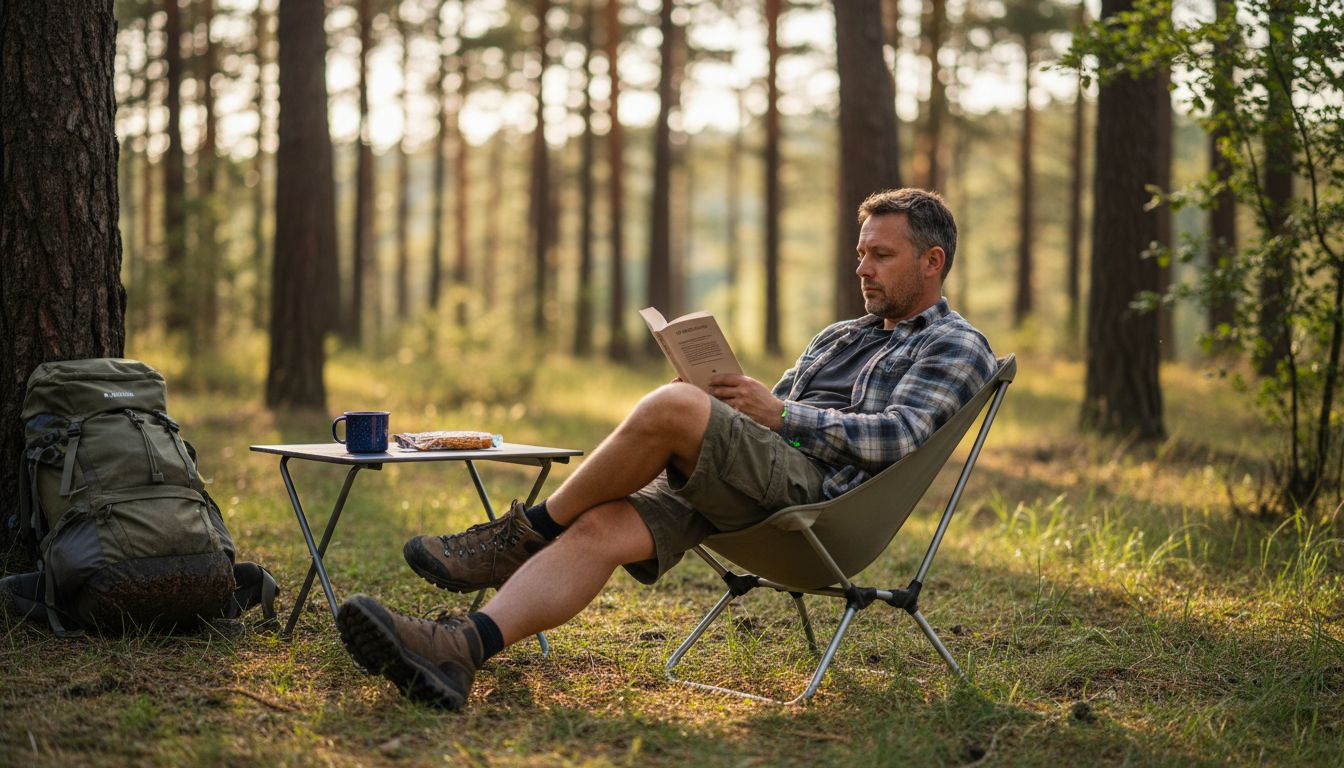
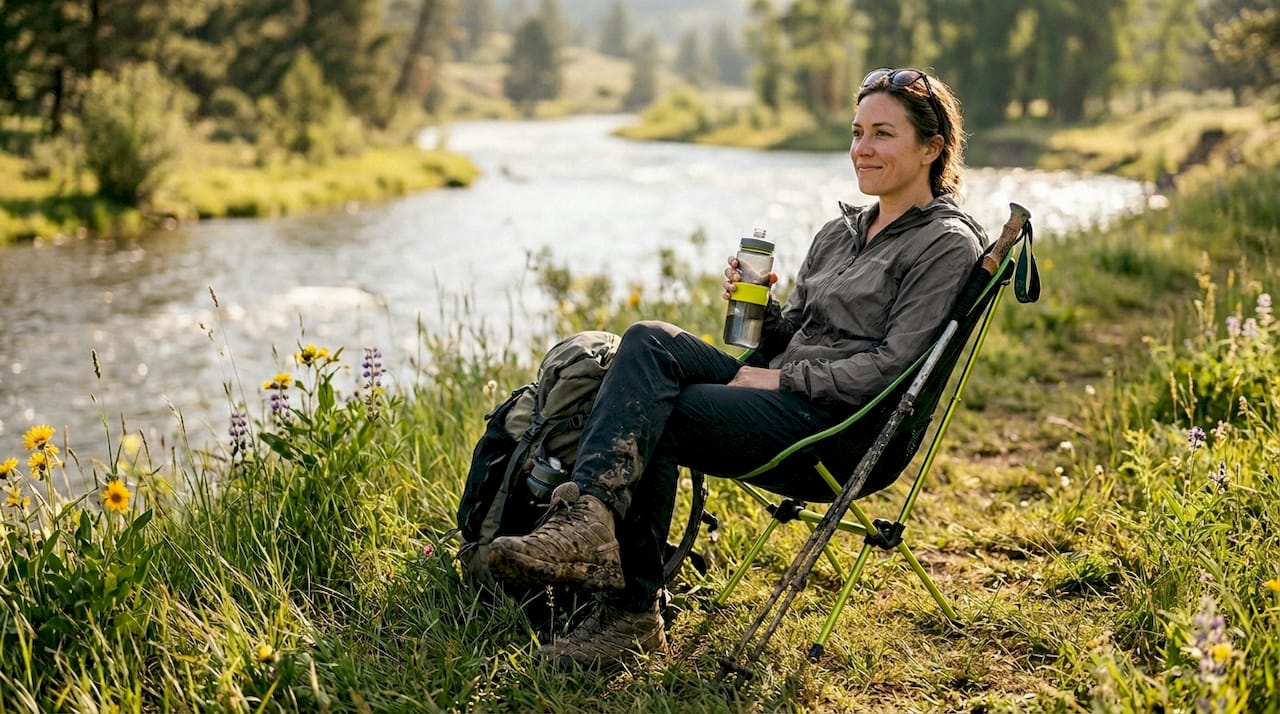
Poor outdoor seating can increase fatigue by up to 35%, dramatically shortening the time you spend enjoying your favorite activities. Whether you’re camping, hiking, or simply relaxing at the beach, the right seating transforms your experience. This article explores how ergonomic design, breathable materials, and smart portability features work together to create comfortable outdoor seating that supports your body, reduces strain, and aligns with eco-conscious values.
| Point | Details |
|---|---|
| Comfort reduces fatigue | Proper seating design decreases fatigue and extends outdoor activity duration by supporting natural posture. |
| Ergonomic support matters | Features like lumbar support and adjustability reduce musculoskeletal stress during prolonged sitting. |
| Materials impact experience | Breathable, cushioning fabrics enhance moisture management and thermal comfort in varying conditions. |
| Portability needs balance | Lightweight designs under 1 kg can deliver ergonomic support without sacrificing comfort. |
| Sustainability aligns values | Eco-friendly materials reduce environmental impact while maintaining durability and performance. |
Comfort in outdoor seating extends far beyond soft cushioning. It encompasses a sophisticated blend of ergonomic support, material properties, and design features that work together to support your body during extended use. True comfort means you can sit for hours without developing back pain, pressure points, or the restless urge to constantly shift positions.
For outdoor enthusiasts, comfort directly impacts how long you can enjoy activities. A well-designed seat distributes your body weight evenly, maintains proper spinal alignment, and adapts to different terrains and weather conditions. This becomes critical during camping trips, outdoor concerts, or beach days when you’re sitting for extended periods.
Several foundational factors contribute to outdoor seating comfort:
Understanding these elements helps you identify truly comfortable options rather than relying on marketing claims. The best outdoor seating feels like a natural extension of your body, allowing you to focus on your activity rather than your discomfort.
Ergonomic design transforms portable seating from a simple perch into a supportive tool that protects your musculoskeletal health. When you sit in an ergonomically designed chair, your spine maintains its natural S-curve, your shoulders relax, and pressure distributes evenly across your sitting surface. Research shows ergonomic adjustments can reduce discomfort by up to 30% in outdoor seating contexts.
The magic happens through specific design features. Lumbar support cradles your lower back, preventing the slouching that leads to pain after just 20 minutes. Adjustable components let you customize the seat to your body dimensions and activity. A slight recline angle reduces pressure on your spine compared to upright sitting, while proper seat depth ensures your thighs receive support without cutting off circulation behind your knees.
Key ergonomic elements to prioritize include:
Pro Tip: Test a chair’s ergonomic quality by sitting for at least 10 minutes. Your lower back should feel supported, your feet should rest flat, and you shouldn’t feel pressure points under your thighs.
When shopping for portable options, an outdoor seating buying guide can help you identify which ergonomic features matter most for your specific activities. The best designs prove that portability and proper support aren’t mutually exclusive.
The materials touching your body directly influence comfort during outdoor adventures. Breathable fabrics allow air circulation, preventing the clammy feeling that develops when synthetic materials trap heat and moisture against your skin. This becomes especially important during summer camping or active pursuits where you’re already generating body heat.
Cushioning materials determine how well a seat absorbs and distributes pressure. High-density foam provides firm support that doesn’t bottom out after extended use, while memory foam contours to your body shape. Some innovative designs use air-based cushioning systems that adjust to your weight and offer customizable firmness. The key is finding materials that balance initial comfort with long-term support.
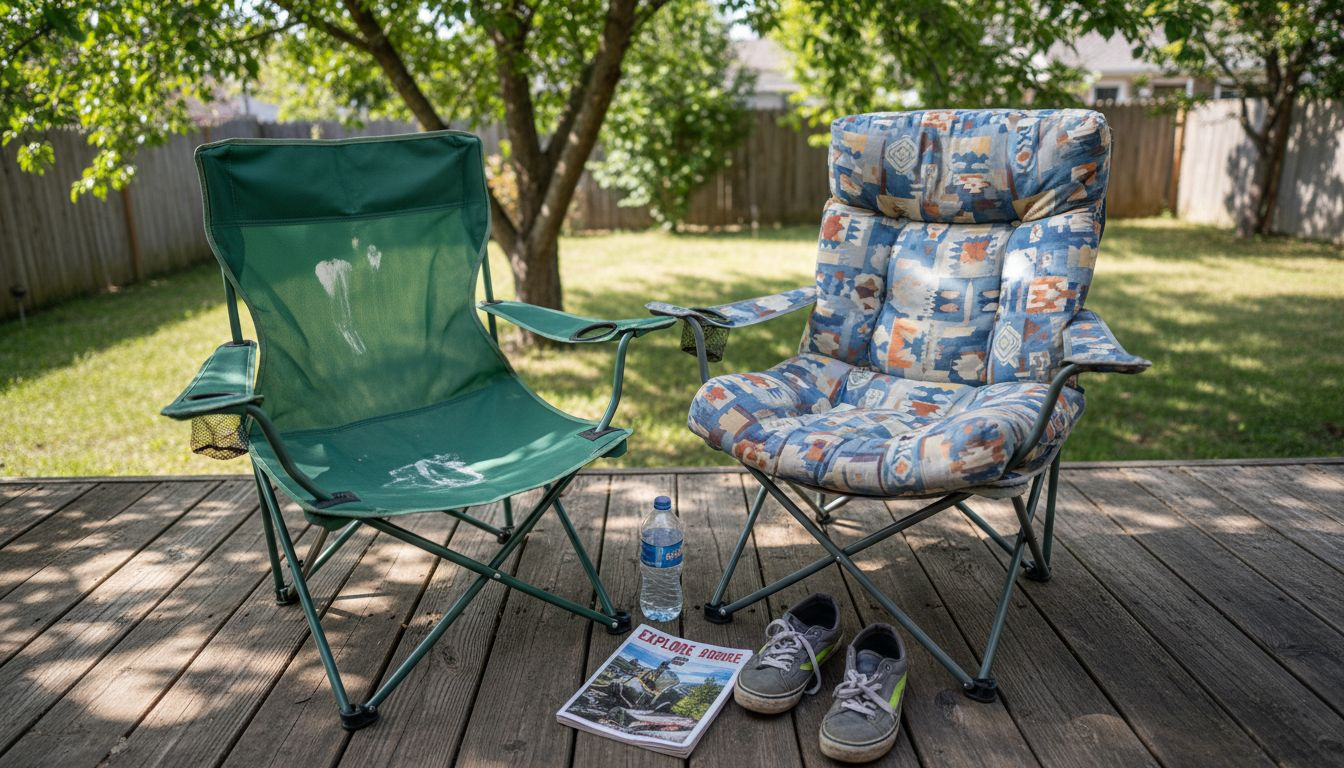
Sustainability matters to eco-conscious travelers who want their gear choices to reflect their values. Recycled polyester, organic cotton, and responsibly sourced materials reduce environmental impact without compromising performance. Many modern outdoor seats now incorporate recycled ocean plastics or plant-based fabrics that match or exceed traditional materials in durability and comfort.
Material considerations for optimal comfort include:
The sustainable seating importance extends beyond environmental benefits. Eco-friendly materials often demonstrate superior durability because manufacturers design them for longevity rather than disposability. This means your comfortable seat continues performing season after season.
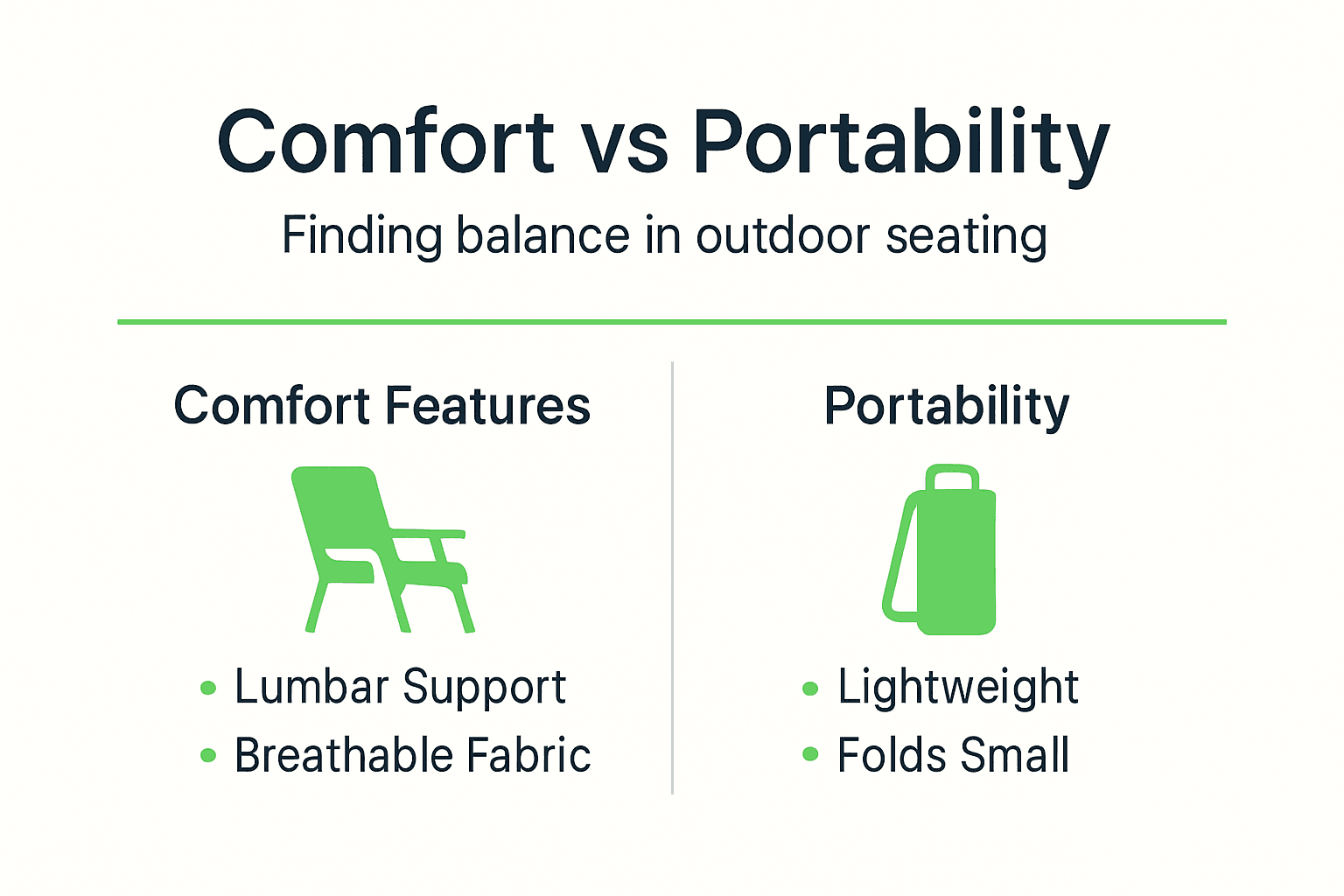
The portability-comfort equation has long challenged outdoor gear designers. Traditional thinking suggested you must sacrifice one for the other, accepting heavy weight for comfort or minimal support for easy transport. Modern innovations shatter this false choice through smart engineering and advanced materials.
Weight benchmarks reveal what’s possible. Ultralight portable chairs weighing under 1 kg can deliver surprising ergonomic support through clever design. These use high-strength aluminum alloys and aerospace-grade fabrics that provide structural integrity without bulk. Mid-weight options between 1-2 kg often add features like padded armrests or enhanced back support while remaining easily portable.
| Feature | Ultralight (Under 1 kg) | Mid-weight (1-2 kg) | Standard (Over 2 kg) |
|---|---|---|---|
| Typical support | Basic to moderate | Good ergonomic features | Full cushioning |
| Pack size | Palm-sized to small bottle | Water bottle sized | Bulky, requires space |
| Setup time | Seconds | Under 1 minute | 1-3 minutes |
| Best use case | Hiking, minimalist camping | General camping, events | Car camping, tailgating |
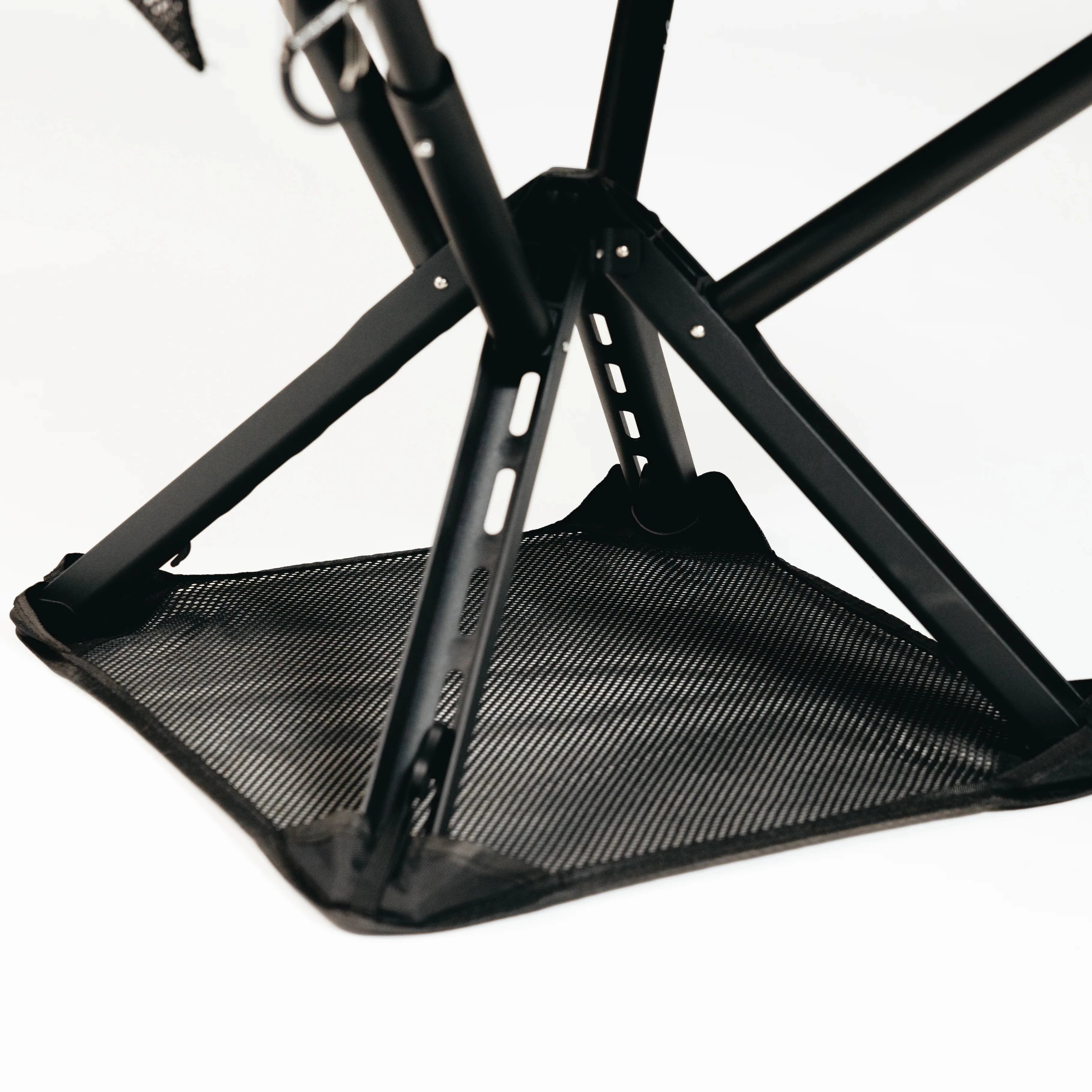
Foldability mechanisms matter as much as weight. The best portable designs collapse to compact dimensions that slip into backpack side pockets or attach externally without throwing off your balance. Quick-release systems let you set up and pack away in seconds, encouraging you to actually use the chair rather than leaving it behind.
Portability features to evaluate:
Pro Tip: Calculate the comfort-to-weight ratio by dividing features you need by total grams. A 900g chair with lumbar support and breathable mesh outperforms a 1200g basic seat with just padding.
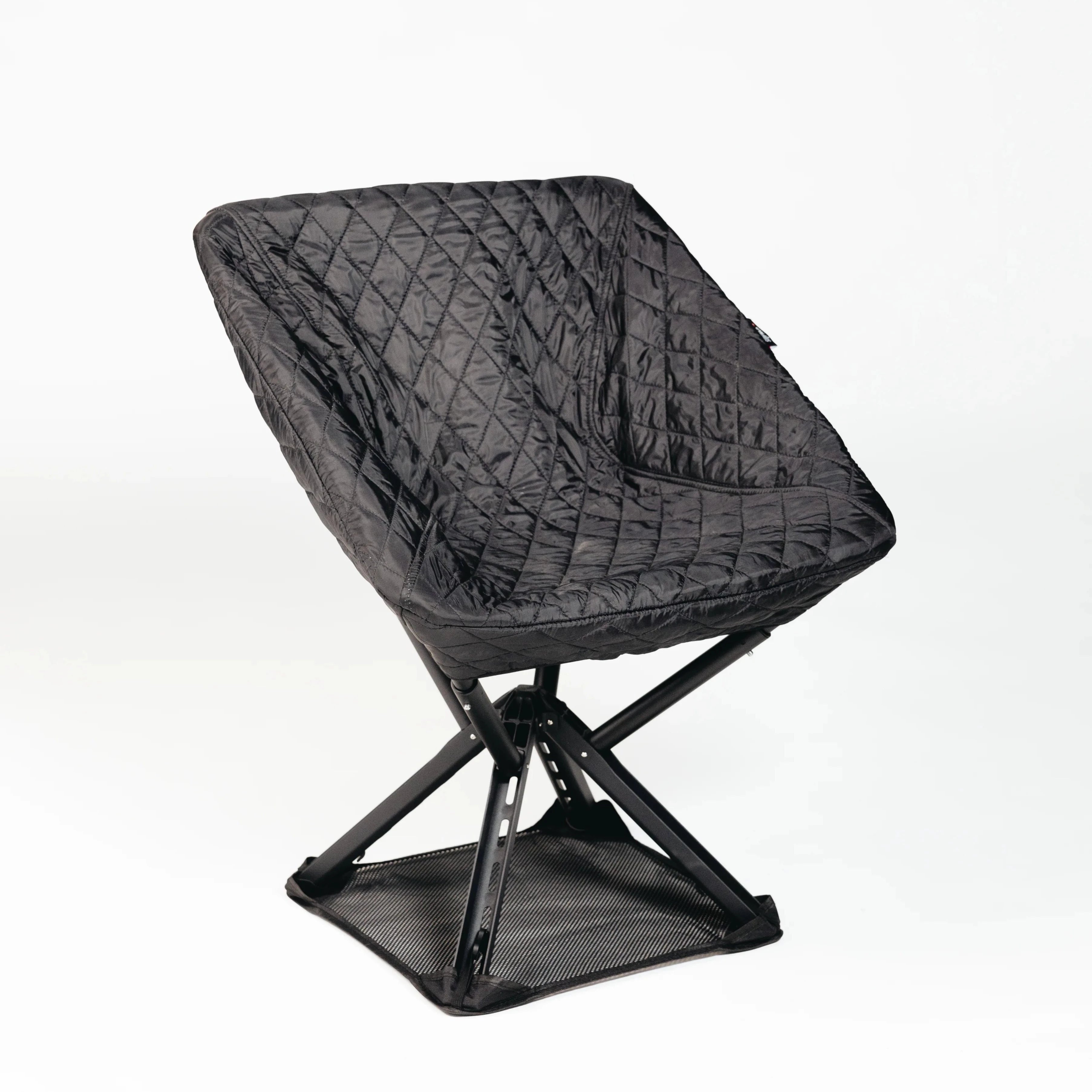
Products like Sitpack Zen demonstrate how innovation bridges the gap, combining sub-kilogram weight with ergonomic design and eco-friendly materials. Exploring best durable seating options reveals the spectrum of solutions available for different activities and preferences.
Seating comfort directly determines how long you can enjoy outdoor activities before fatigue forces you to quit. Studies tracking outdoor enthusiasts show that poor seating comfort can increase fatigue by up to 35%, cutting activity time significantly. The mechanism is straightforward: uncomfortable seating creates pressure points, restricts circulation, and forces your muscles to work overtime compensating for poor support.
Proper seating reverses this pattern. When your chair supports natural posture, your muscles relax into their resting state rather than constantly contracting to maintain position. Blood flows freely without compression points, delivering oxygen to tissues and removing metabolic waste products. Your back experiences minimal pressure, allowing you to sit through entire concerts, campfire sessions, or fishing trips without the nagging pain that builds from poor support.
Real-world impacts extend beyond physical comfort:
User experiences validate these benefits. Hikers report carrying lightweight ergonomic seats on longer trails after discovering how 10-minute rest stops with proper support revitalize energy levels. Beach-goers describe reading for hours in comfort rather than constantly shifting positions. Festival attendees note arriving home without the typical back pain that used to follow full-day events.
The outdoor seating comfort guide connects design features with these real-world outcomes, helping you understand which elements deliver the most meaningful improvements for your activities.
Several persistent myths mislead buyers seeking comfortable outdoor seating. The belief that heavier chairs automatically provide better comfort ignores how modern materials and ergonomic design can deliver superior support at fraction of traditional weight. Some ultralight chairs actually outperform bulkier options by focusing engineering resources on critical support points rather than adding unnecessary bulk.
The portable-equals-uncomfortable assumption similarly lacks foundation. While early portable chairs often sacrificed ergonomics for packability, current designs integrate lumbar support, contoured shapes, and adjustable features into compact forms. The key difference lies in intentional ergonomic engineering rather than simply shrinking traditional chair designs.
Another common error equates maximum cushioning with maximum comfort. Overly soft seats feel plush initially but lack the firm support needed for extended sitting. Your body sinks into excess padding, creating pressure points and poor alignment. Proper comfort balances surface cushioning with underlying structural support that maintains posture.
Misconceptions to avoid:
Understanding outdoor seating comfort misconceptions helps you evaluate products based on actual performance rather than outdated assumptions. This knowledge prevents costly mistakes and guides you toward seating that truly serves your needs.
Selecting the right outdoor seating requires evaluating multiple factors against your specific needs. Start by identifying your primary use cases. Backpackers prioritize minimal weight and pack size, while car campers can accommodate slightly heavier options with more features. Beach-goers need sand-resistant designs, and festival attendees value quick setup with good back support for all-day use.
Follow this selection process:
Ergonomic features checklist:
Material and breathability considerations focus on your climate and activity intensity. Hot, humid conditions demand maximum airflow through mesh panels and moisture-wicking fabrics. Cooler environments allow denser materials that provide warmth. Activities generating body heat benefit from ventilated designs regardless of air temperature.
Verify eco-friendly credentials by checking for specific certifications, recycled content percentages, and manufacturer transparency about sourcing. Legitimate sustainable products clearly state their environmental benefits with verifiable details rather than vague green marketing claims. The eco-friendly seating materials guide offers frameworks for evaluating sustainability claims.
Activity-specific recommendations include:
The choosing comfortable portable seating resource provides detailed comparisons across these categories. Reviewing durable outdoor seating options and sustainable outdoor seating approaches ensures your choice balances immediate comfort with long-term value and environmental responsibility.
Now that you understand what makes outdoor seating truly comfortable, you’re ready to find the perfect option for your adventures. Sitpack specializes in innovative portable chairs that refuse to compromise between comfort, portability, and sustainability. Our ergonomic designs incorporate the lumbar support and breathable materials discussed throughout this article, while weighing less than you’d expect possible.
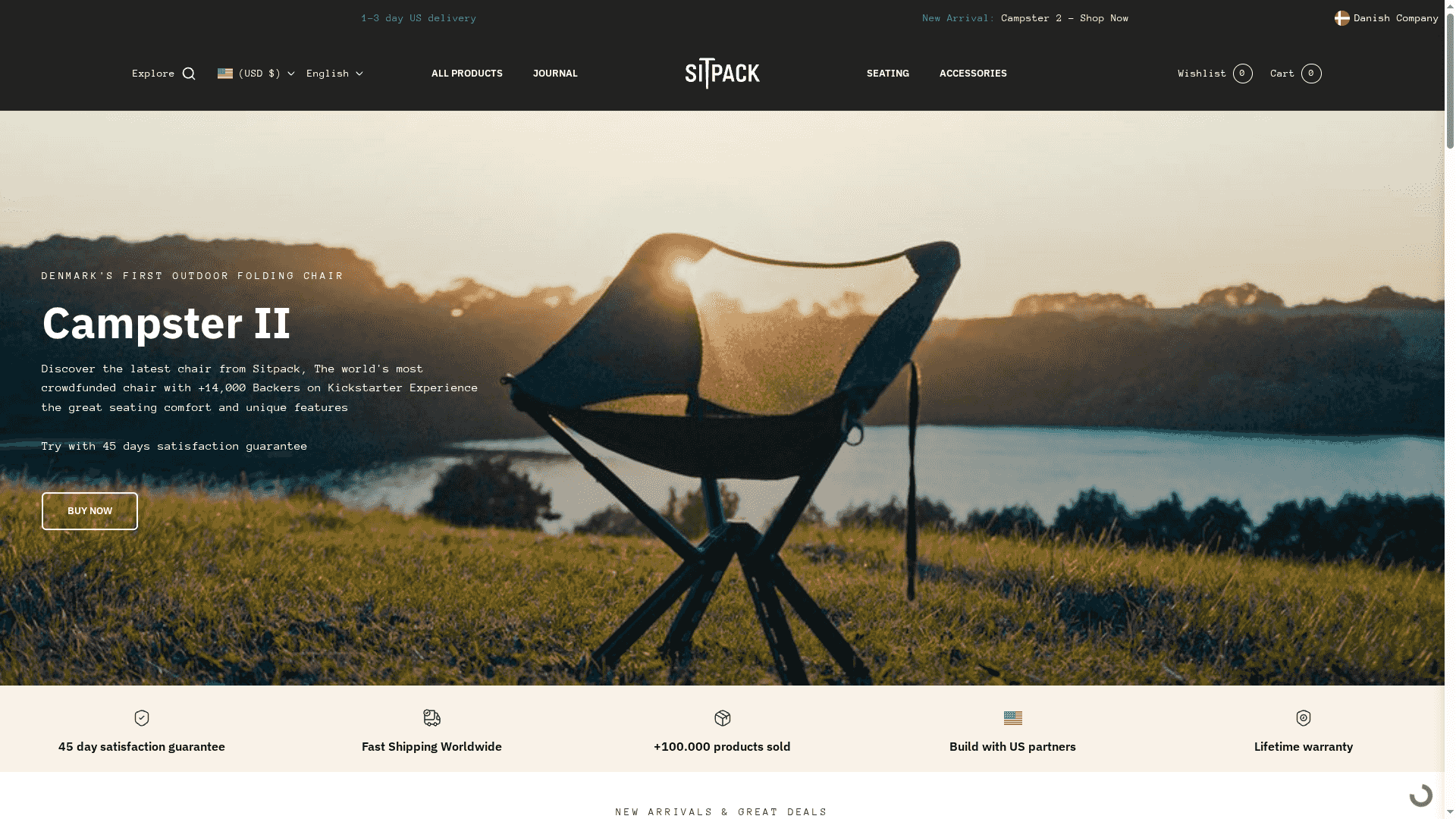
Our product line serves diverse outdoor needs, from ultralight hiking seats to feature-rich camping chairs, all built with eco-conscious materials and backed by lifetime warranties. Whether you’re planning weekend camping trips or daily park visits, you’ll find options engineered for real-world comfort. Explore our detailed outdoor seating buying guide to compare features, or follow our step by step portable seating guide to match products with your specific activities.
Lumbar support ranks as the most critical feature, maintaining your spine’s natural curve during extended sitting. Adjustability comes second, letting you customize fit to your body dimensions and activity. Proper seat depth and width ensure weight distributes evenly without pressure points.
Breathable fabrics allow air circulation that prevents heat and moisture buildup against your skin. This keeps you cooler in warm weather and reduces the clammy discomfort from trapped perspiration. Mesh panels in high-contact areas provide maximum ventilation while maintaining structural support.
Modern portable chairs absolutely deliver genuine ergonomic support through advanced materials and engineering. Lightweight aluminum alloys and high-strength fabrics enable contoured designs that weigh under 1 kg while providing lumbar support and proper posture alignment. The key is choosing designs specifically engineered for ergonomics rather than basic folding chairs.
Look for specific details like recycled content percentages, material certifications, and transparent sourcing information. Legitimate eco-friendly products clearly state what makes them sustainable with verifiable facts. Avoid vague claims without supporting details, and research manufacturer sustainability practices beyond individual product descriptions.
For backpacking and minimalist camping, target chairs under 1 kg that still include basic ergonomic features. General camping and events accommodate 1 to 2 kg options with enhanced comfort features like padded armrests and adjustable backs. Your ideal weight depends on transport method and how far you’ll carry the chair.