Vogn
0
Tilmeld dig og få 10% i rabat på din ordre
Forventet levering
1-3 dage
Du vil måske også kunne lide


Dansk Firma

TL;DR:
- Proper assessment of outdoor needs ensures selecting the right portable seat for comfort and activity.
- Key features to consider include weight, packability, terrain compatibility, and ease of setup.
- Regular testing and adjusting your seating setup improve comfort and usability across various outdoor scenarios.
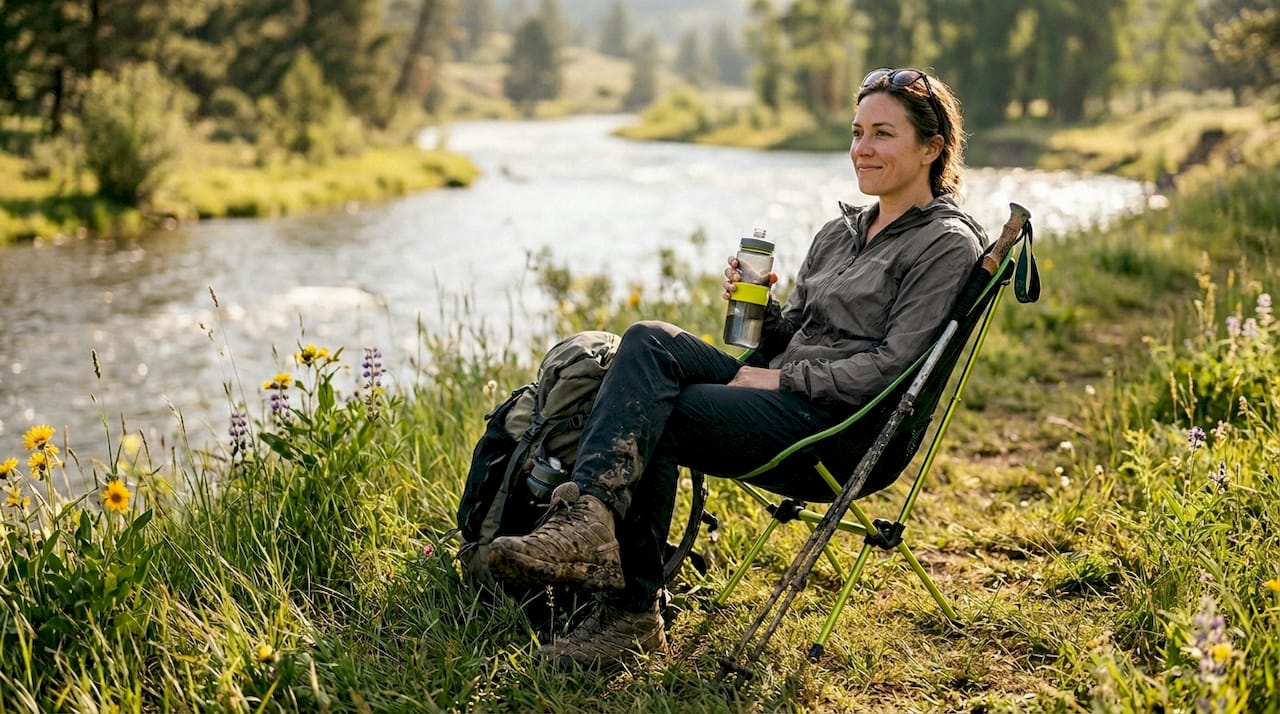
Picture this: you’ve hiked to a gorgeous overlook, found the perfect festival spot, or claimed a sunny patch in the park, and then reality hits. You’re either standing awkwardly, perching on a rock, or wrestling with a bulky folding chair that weighs as much as your backpack. Uncomfortable outdoor seating is one of those annoyances that quietly ruins otherwise great moments, whether you’re a weekend camper, a city park regular, or a traveler who refuses to stand in line for two hours. The good news? The right portable seat changes everything. This guide walks you through how to assess your needs, compare top options, set things up properly, and troubleshoot the hiccups that come with parking your posterior outdoors.
| Point | Details |
|---|---|
| Know your needs | Matching your chair to your most frequent outdoor situations ensures lasting comfort. |
| Research top options | Evidence-based comparisons help you pick the most comfortable and reliable portable seat. |
| Setup matters | Properly testing and adjusting your seat on real terrain can solve most comfort issues. |
| Troubleshoot with tips | Simple fixes like groundsheets and seat height adjustments make your outdoor time more enjoyable. |
To achieve better comfort, start by understanding your unique needs and frequent outdoor scenarios. Not all outdoor sitting is created equal. A trail runner stopping for a quick snack needs something wildly different from a grandparent settling in for a three-hour concert in the park. Getting this right from the start saves you money, back pain, and a lot of frustrated sighing.
Common discomforts in outdoor settings include:
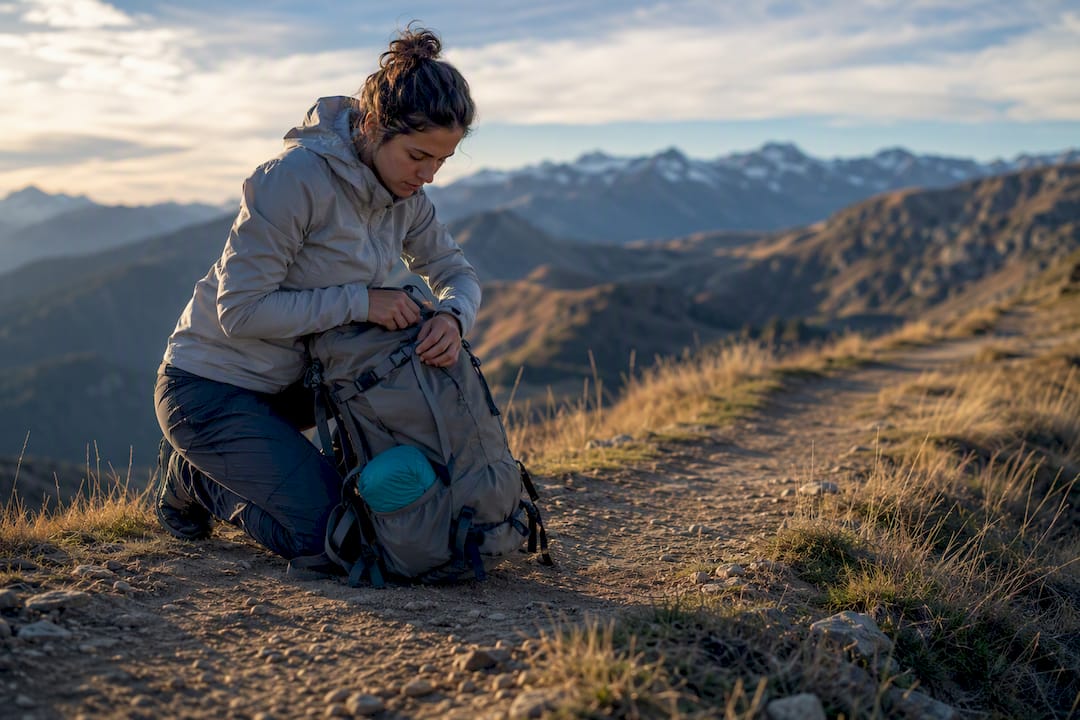
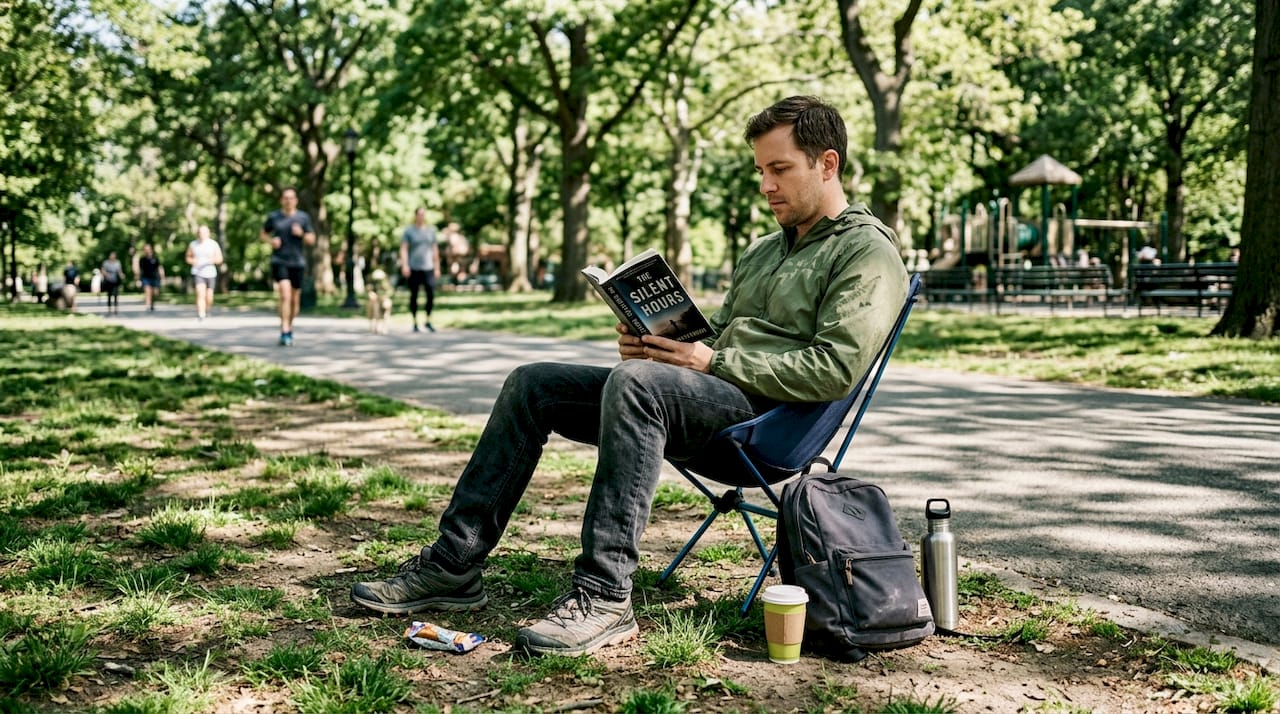
Your activity shapes everything. Campers need something that packs small and handles rough terrain. Festival-goers want quick setup and easy carry. Urban dwellers popping into a park during lunch need something that fits in a bag without drama. Travelers want featherlight gear that clears airline weight limits without a second thought.
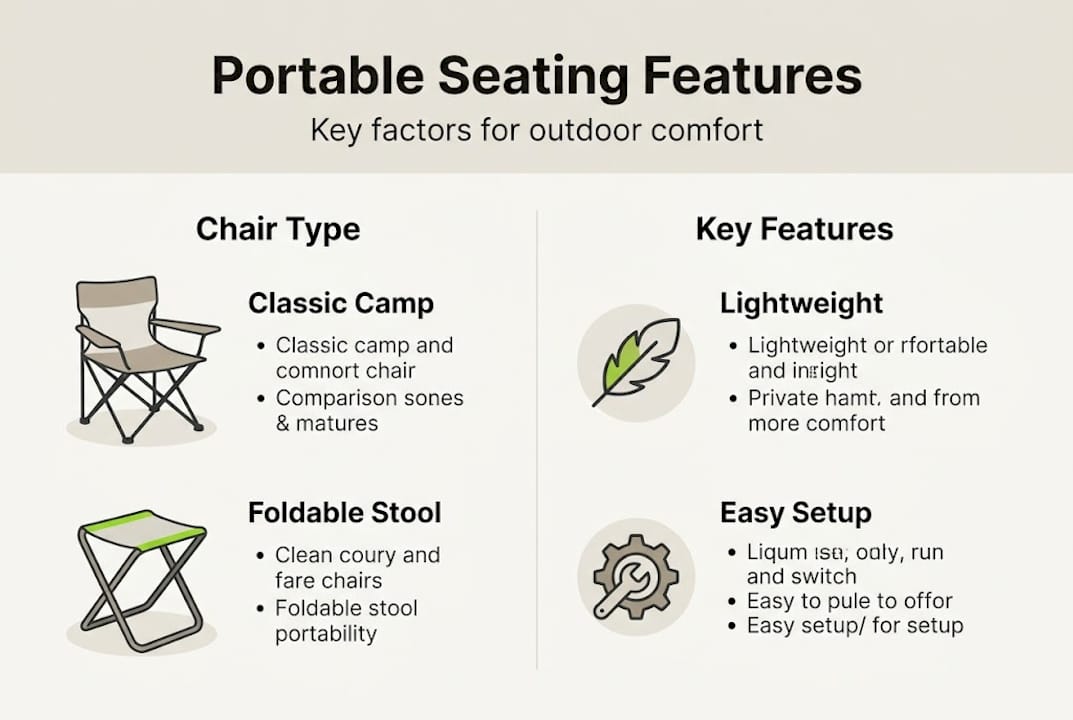
Four factors matter most when narrowing your options: packability (does it fit in your bag?), weight (will you actually carry it?), terrain compatibility (does it work on sand, grass, and gravel?), and ease of use (can you set it up in under 60 seconds?). For seating tips for comfort at outdoor events, these factors stack up differently depending on your scenario.
Age and mobility matter more than most gear reviews admit. A 25-year-old can fold themselves into a low slung camp chair and bounce back up no problem. A 55-year-old with stiff knees? That same chair becomes a mild ordeal. Portable seating for urban users has evolved to address exactly this gap, with taller seat heights and more supportive designs entering the mainstream.
As a general rule, prioritize lightweight chairs with high capacity for backpacking, while urban dwellers benefit most from versatile designs that handle multiple settings.
Pro Tip: Before buying, write down your three most common outdoor sitting scenarios from the past month. If two out of three involve urban or travel settings, lean toward ultralight and compact over heavy-duty and feature-rich.
Once you’ve mapped your needs, it’s time to see how top portable seating options stack up. Three chairs dominate the conversation in 2026: the Helinox Chair One (re), the REI Flexlite Camp Dreamer, and the NEMO Moonlite Elite. Each has a distinct personality.
| Chair | Weight | Packed size | Seat height | Load rating | Best for |
|---|---|---|---|---|---|
| Helinox Chair One (re) | 2 lbs 6 oz | 14 x 5 in | 13.8 in | 320 lbs | Backpacking, general camping |
| REI Flexlite Camp Dreamer | 2 lbs 14 oz | 17 x 5 in | 15 in | 250 lbs | Car camping, festivals |
| NEMO Moonlite Elite | 2 lbs 10 oz | 18 x 4 in | 14 in | 300 lbs | Long sits, comfort-focused camping |
The Helinox Chair One and REI Flexlite both use lightweight DAC aluminum poles and ripstop fabrics, making them genuinely packable without sacrificing durability. DAC aluminum is the good stuff: strong, corrosion-resistant, and used in high-end tent poles worldwide.
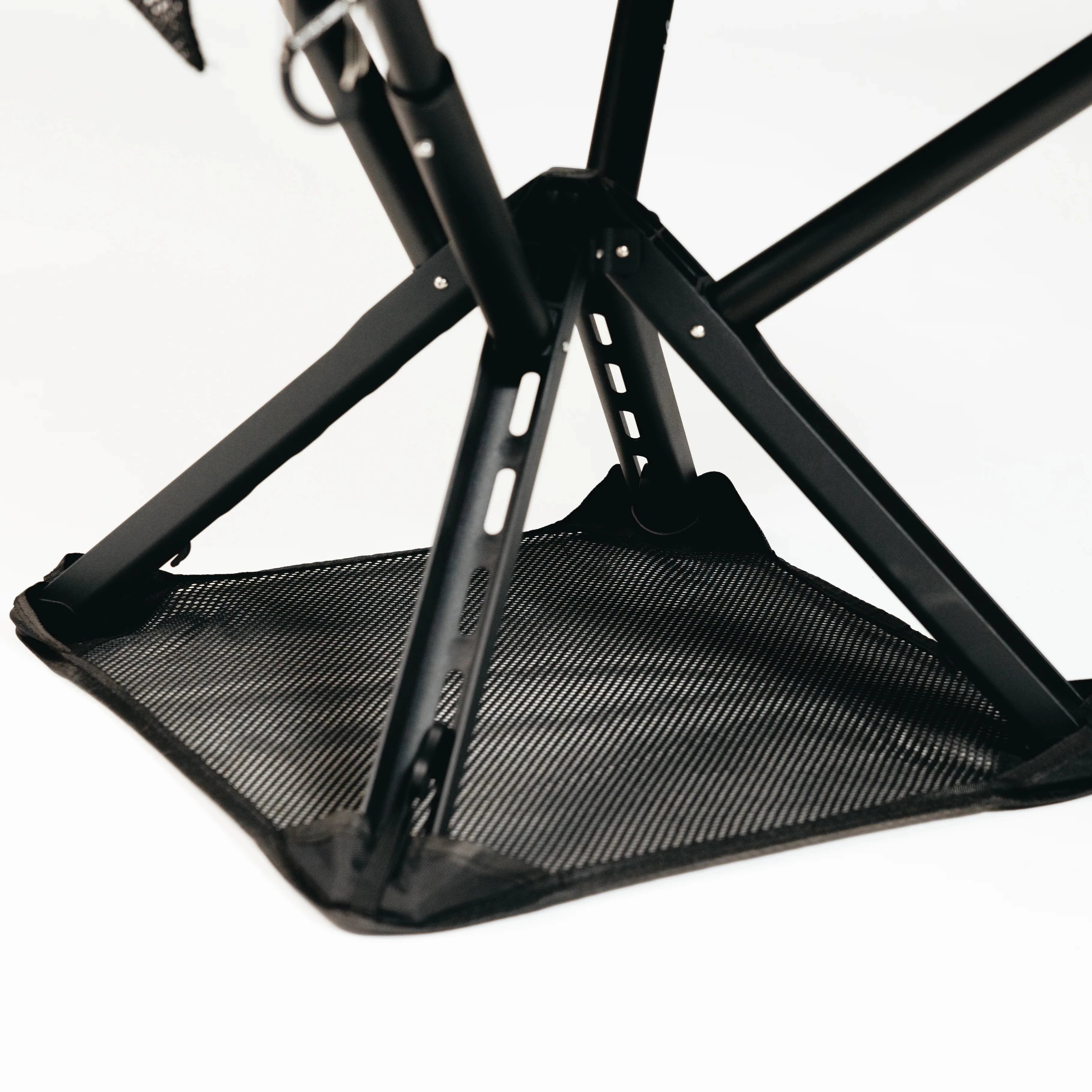
The NEMO Moonlite Elite stands out with its reclining suspension system and anti-sink platform, which keeps the legs from disappearing into soft ground. If you’re the type who wants to actually relax rather than just sit upright and endure, the Moonlite Elite is your chair.
A few standout features worth noting:
For a deeper breakdown of what to look for before buying, the outdoor seating buying guide covers key specs in plain language. And if you want to round out your camp kit beyond just the chair, pairing your setup with essentials for camping comfort like a good insulated mug makes a real difference on cold mornings.
With options in mind, here’s how to put comfort upgrades into action, step by step.
Step 1: Define your use case and buy accordingly. Revisit your three scenarios from earlier. Match chair weight and packed size to your most demanding scenario, not your easiest one.
Step 2: Gather your full setup before heading out. A chair alone isn’t always enough. Consider:
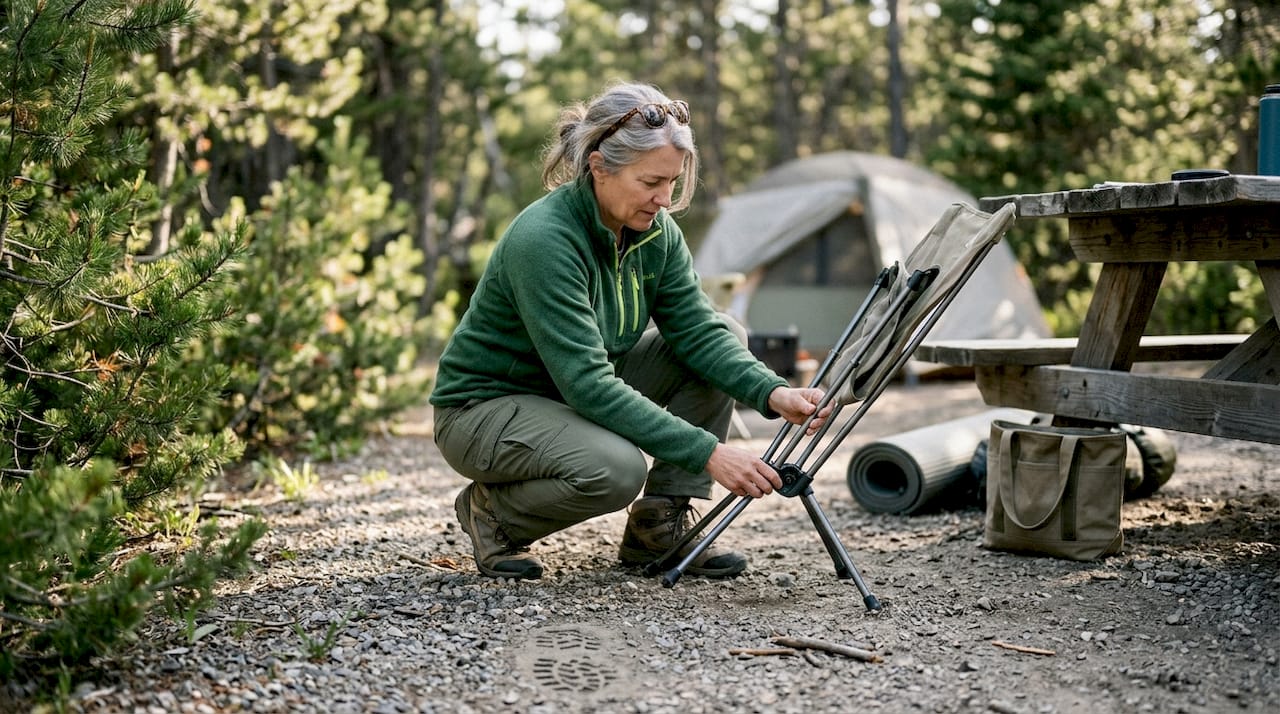
Step 3: Set up on varied terrain before relying on it. Test on grass, gravel, and if possible, sand. Adjust leg angles where the chair allows. Check that all pole connections are fully seated, loose connections are the number one cause of sudden collapses.
Step 4: Adjust for your body. Seat height matters enormously. The Helinox (re) offers a seat that’s 30% taller than the original Chair One, which makes getting in and out dramatically easier, especially for regular or older users.
Step 5: Test stability under load. Sit down fully, shift your weight side to side, and lean back slightly. If it wobbles, recheck the terrain and leg placement before trusting it for a long sit.
“The best chair is the one you actually bring. A slightly heavier chair that lives in your car beats an ultralight one that stays home because setup feels like a chore.”
Pro Tip: Higher seat heights aren’t just for older users. Travelers who need to stand quickly, photographers who need to move fast, and anyone with knee issues will all benefit from a taller seat. Check the event seating tips for more scenario-specific setup advice.
| Terrain type | Recommended setup |
|---|---|
| Grass or packed dirt | Standard leg placement, no extras needed |
| Sand or loose soil | Anti-sink platform or groundsheet required |
| Gravel or rocky ground | Wider leg stance, check stability carefully |
| Wet or muddy ground | Groundsheet plus waterproof seat fabric |
As you begin using portable seating, some challenges can pop up, and here’s how to solve them.
The most common complaints from real-world users break down into a handful of recurring issues. Knowing the fix in advance saves you from a frustrating afternoon.
The expert recommendation is consistent across reviewers: always test your seat on the actual terrain before committing to a long sit, and pair with a groundsheet for sand or mud without exception.
“Skipping the groundsheet on soft ground is the outdoor equivalent of skipping sunscreen. You’ll regret it within the hour.”
Pro Tip: If you’re a broader or heavier user, don’t just check the weight rating. Check the seat width too. A chair rated for 300 lbs but only 17 inches wide is uncomfortable regardless of the number on the spec sheet.
For city-specific scenarios like waiting for transit or setting up at a farmers market, urban portable seating advice covers the quirks that standard camping reviews tend to skip entirely.
Solving day-to-day discomfort invites a bigger mindset shift, and here’s our real-world perspective.
Most people treat a portable chair as a single purchase decision. Buy it, use it at the campsite, forget about it the rest of the year. We think that’s leaving a lot of comfort on the table. The real value of a great portable seat shows up in the small, unexpected moments: the 40-minute wait at an outdoor market, the impromptu picnic when the weather suddenly cooperates, the transit stop where you’d kill for somewhere to sit.
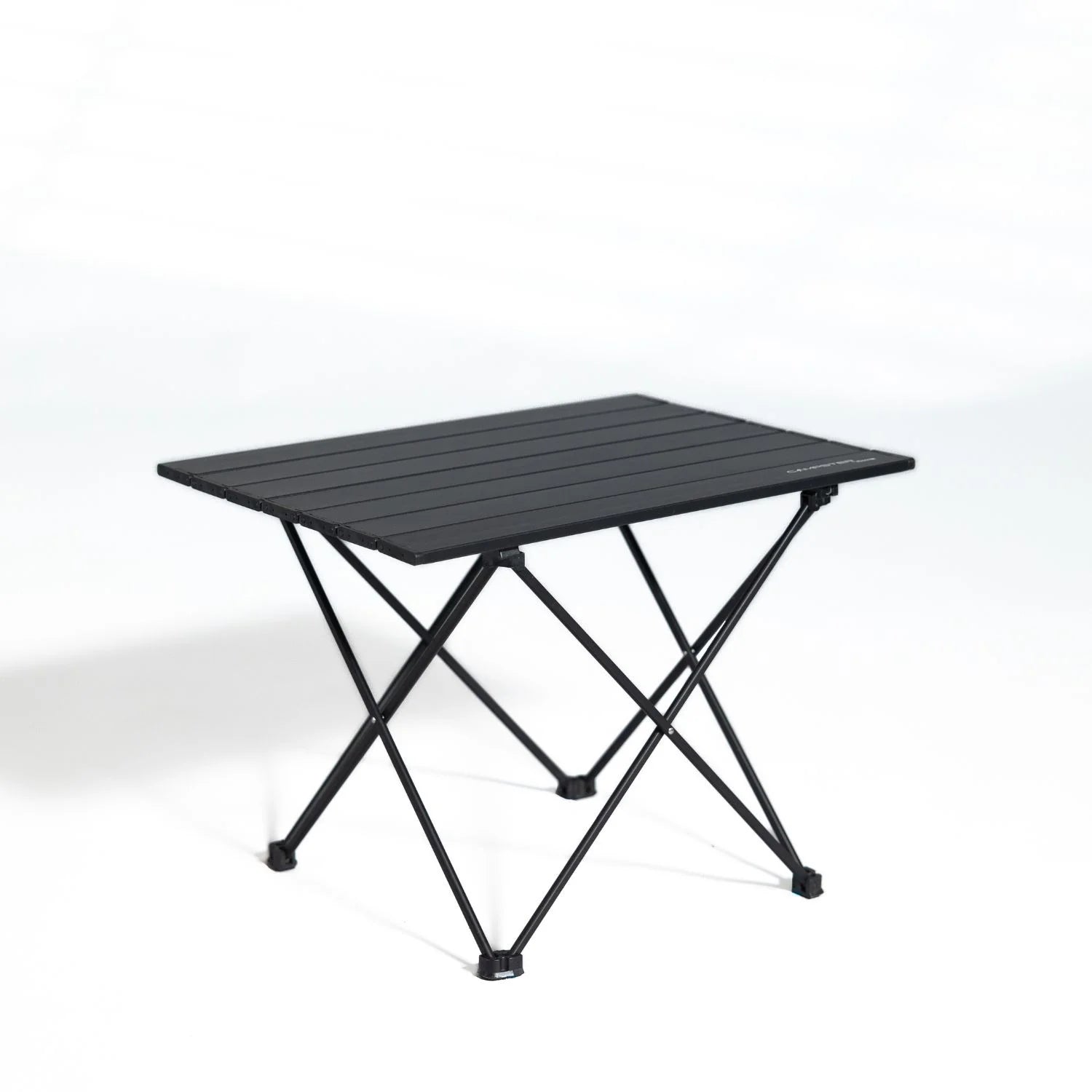
Product ratings are useful, but they rarely reflect your specific body, your usual terrain, or your actual usage patterns. The people who get the most out of portable seating are the ones who test their setup regularly, tweak it based on real experience, and treat comfort as a habit rather than a one-time fix. Add a seat warmer for cold mornings, toss in a compact table for your coffee, and suddenly you’re not just sitting outside. You’re actually enjoying it.
Think about portable seating in cities the same way you think about your camping kit. The mindset shift from “gear for adventures” to “gear for daily life” is where the real upgrade happens.
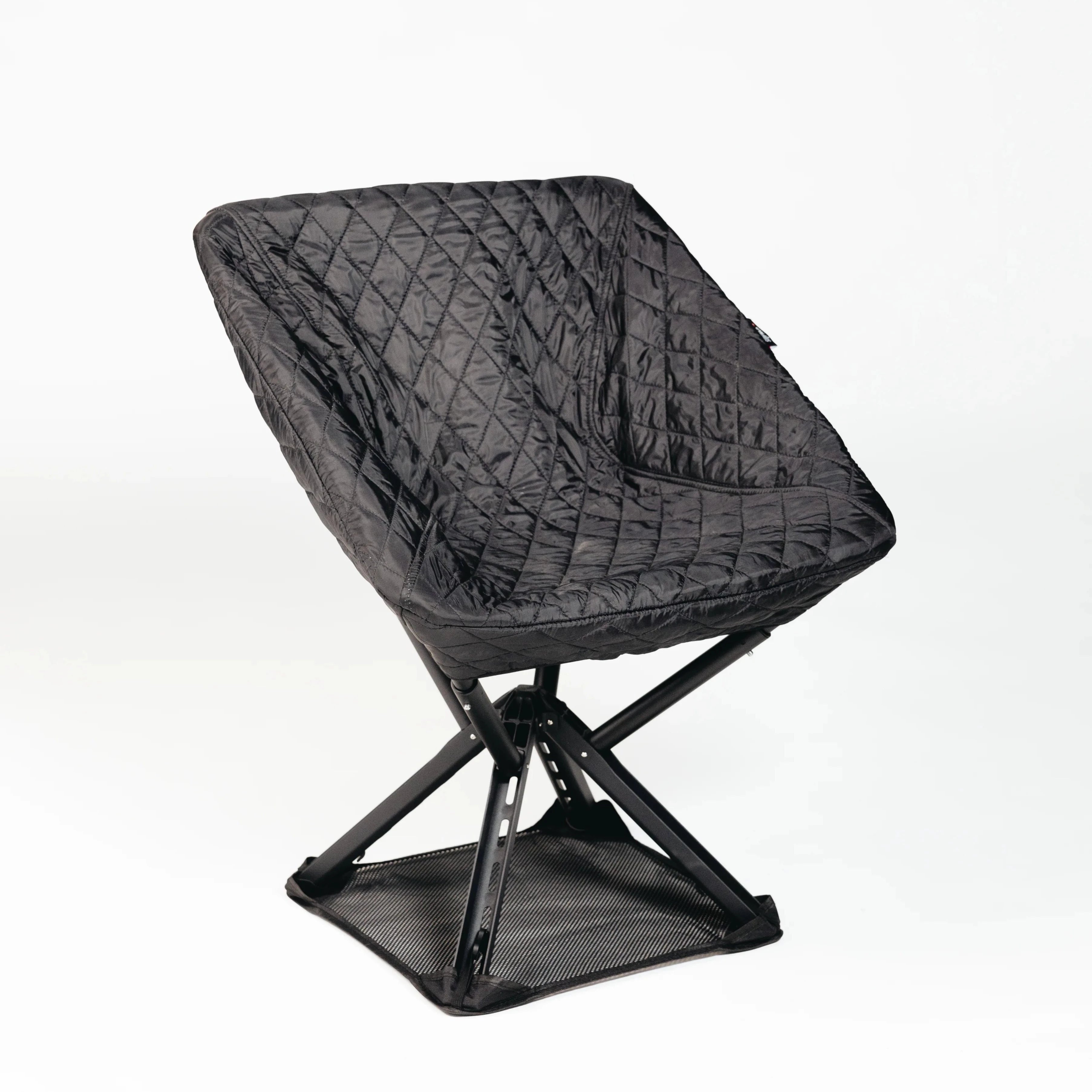
If this guide has you rethinking your outdoor setup, you’re in the right place. At Sitpack, we’ve built our entire lineup around the idea that great seating shouldn’t weigh you down or take up half your bag. From the compact Campster II to the minimalist Sitpack Zen, every product is designed to go wherever you go, set up in seconds, and actually hold up over time.
Browse our newest arrivals and bestsellers to find the seat that fits your life, whether that’s a weekend in the mountains or a Tuesday afternoon in the park. We offer fast worldwide delivery, a 45-day satisfaction guarantee, and products built with eco-friendly materials. Your next great outdoor moment deserves a proper seat.
The Helinox Zero at 1 lb 2 oz and the NEMO Moonlite Elite are both reviewed for strong comfort-to-weight ratios, though the Moonlite Elite adds reclining capability at a slightly higher weight.
Use a groundsheet under the legs and look for chairs with built-in anti-sink platforms. The NEMO Moonlite Elite’s anti-sink platform is one of the best solutions currently available.
Yes, significantly. The Helinox (re) seat height is 30% taller than the original, making entry and exit much easier for aging users or anyone with knee or hip limitations.
Versatile rockers and legless pads tend to work best in city settings like parks and festivals, where terrain is relatively flat and quick setup and takedown matter most.