Vogn
0
Tilmeld dig og få 10% i rabat på din ordre
Forventet levering
1-3 dage
Du vil måske også kunne lide
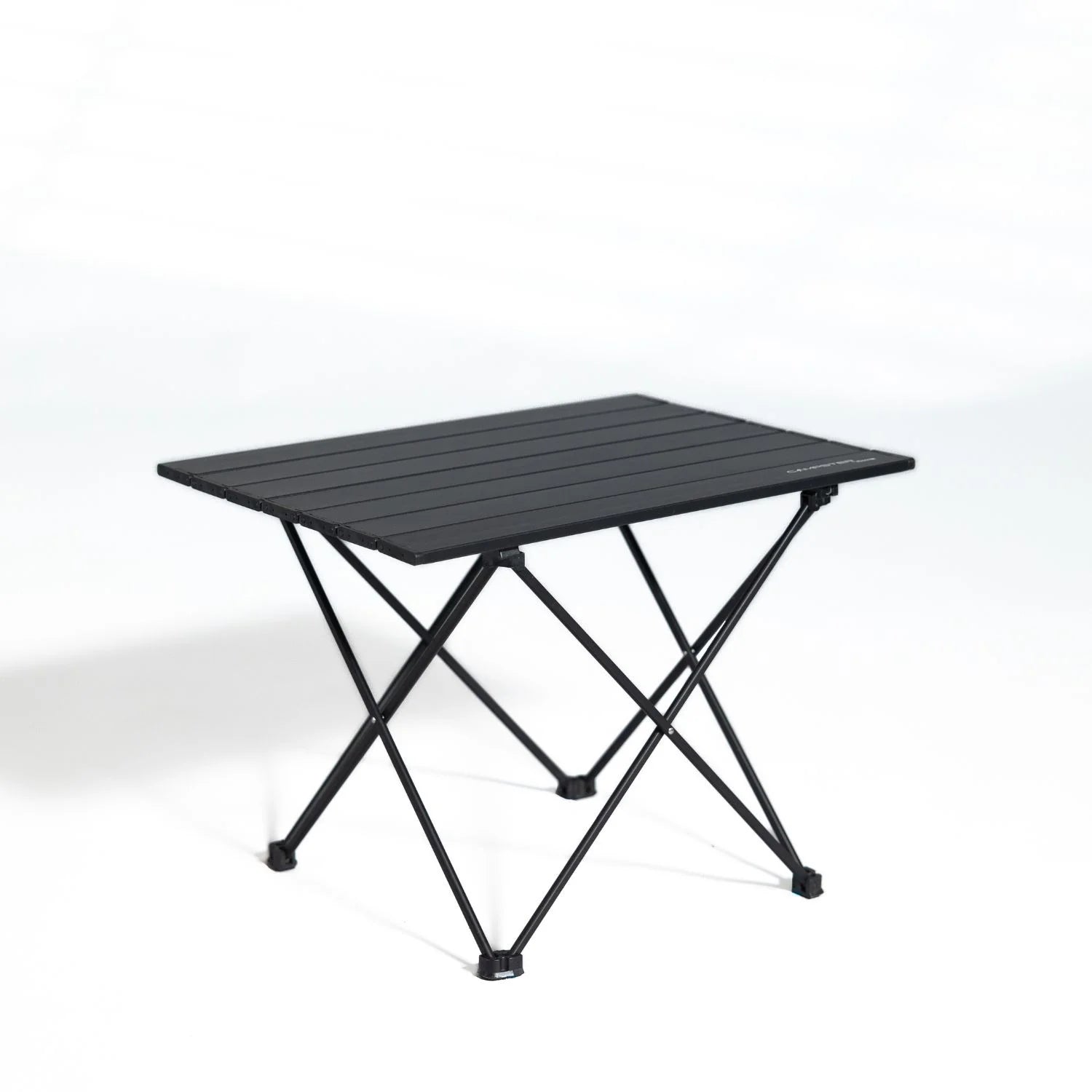


Dansk Firma


TL;DR:
- Hybrid outdoor seating combines lounge and dining functions in a single, multifunctional setup to maximize space and flexibility. Using durable materials like solution-dyed acrylic fabrics and weather-resistant frames ensures longevity, whether furnishings are permanent or movable. Proper zoning with rugs and thoughtful configuration enhances outdoor spaces, making them versatile, comfortable, and suitable for various scales and occasions.
Outdoor furniture shopping feels simple until you realize your patio needs to host a Saturday morning coffee, a kids’ lunch, and a proper dinner party all in the same day. That’s exactly where what is hybrid outdoor seating becomes a question worth asking. Hybrid outdoor seating is the practice of combining multiple seating functions — typically lounging and dining — into one cohesive outdoor setup. Instead of choosing between a dining table and a lounge zone, you get both, working together. This guide covers how it works, what materials hold up, which configurations make sense, and how to choose the right setup for your space.
| Point | Details |
|---|---|
| Hybrid means multifunctional | Hybrid seating blends dining and lounge functions in one outdoor setup, saving space and adding flexibility. |
| Material grade matters | Solution-dyed acrylic at grade 7–8 is the minimum for fully exposed outdoor upholstery to survive weather and UV. |
| Mix built-in and movable pieces | Permanent structures give stability while movable chairs and stools let you adapt the layout on the fly. |
| Think in zones, not sets | Planning distinct lounge and dining zones within one space creates a cohesive outdoor living room feel. |
| Portability extends the concept | Lightweight, foldable seating can supplement any hybrid setup without permanent installation or major cost. |
The industry doesn’t have a single locked-in term for this concept. You’ll hear “multifunctional outdoor furniture,” “outdoor living systems,” or just “flexible patio setups.” Hybrid outdoor seating is the descriptive phrase that captures the core idea: combining lounge and dining functions in one thoughtfully designed outdoor space.
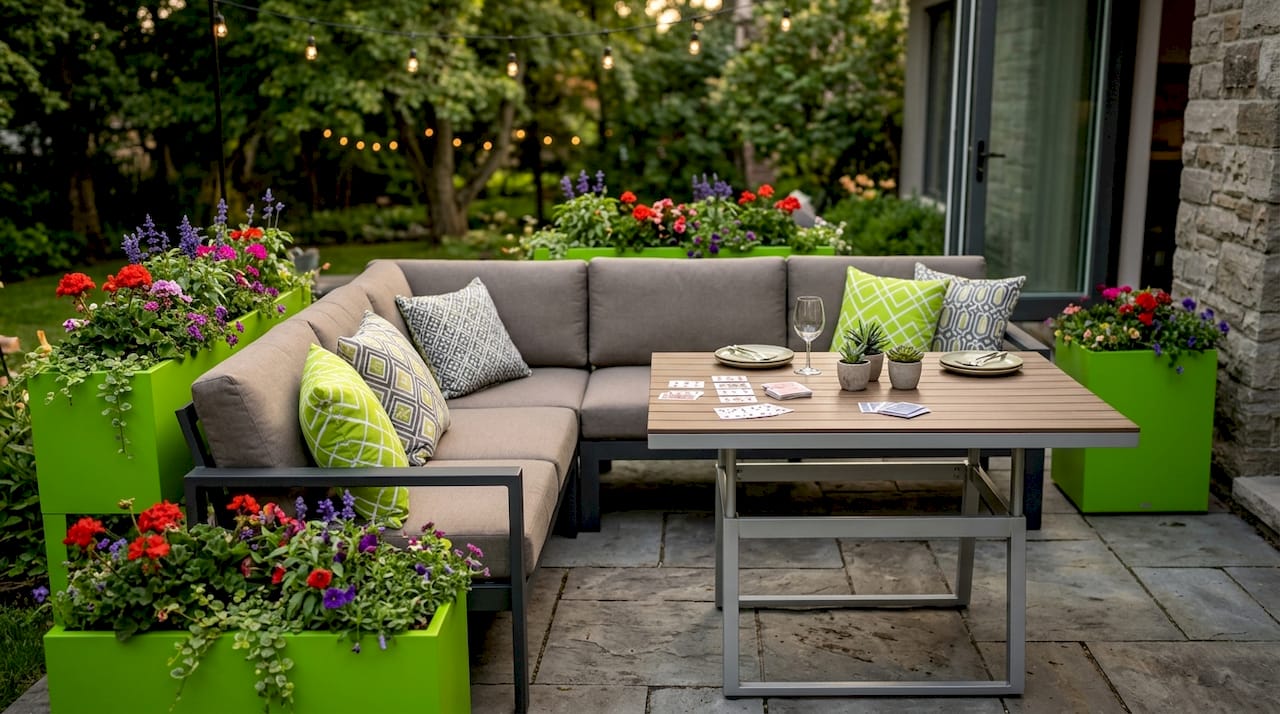
Traditional outdoor furniture forces a choice. You buy a dining set or a lounge set, and the other function gets squeezed into whatever corner is left over. Hybrid seating rejects that trade-off. The goal is a setup where the same area flows easily from casual coffee to al fresco dining to post-dinner lounging without rearranging everything.
The most common configurations involve:
Pro Tip: Look for a height-adjustable table as the centerpiece of your hybrid setup. It’s the single piece that unlocks the most flexibility without requiring two separate table purchases.
The rise-and-fall table paired with a modular sofa is genuinely clever design. You lower the table for afternoon drinks, raise it for dinner, and the same seating works for both. That’s the kind of furniture that earns its square footage.
Picking the wrong materials for a hybrid outdoor setup is the fastest way to waste money. Outdoor furniture takes a beating from UV radiation, moisture, temperature swings, and the occasional spilled drink. Material choice determines whether your setup looks great at year two or looks rough after one summer.
For upholstered pieces, solution-dyed acrylic fabric at grade 7 or 8 is the standard recommendation for fully exposed outdoor seating. Grade 6 is the minimum for covered terraces and semi-outdoor areas. Indoor fabrics will fade, mildew, and fall apart outdoors faster than you’d expect, regardless of how they look on the showroom floor.
For frame materials, the picture looks like this:
Statistic callout: According to fabric specification guidelines, grade 6 minimum is required even for covered outdoor spaces, with grade 7–8 needed for full exposure. Indoor fabrics degrade quickly in outdoor conditions regardless of their quality rating.
For hybrid setups specifically, selecting outdoor-rated fabrics with adequate UV and moisture resistance matters more than aesthetics alone. You want cushion covers that you can remove, wash, and put back on without drama. Look for zippers, not glued seams.
The way you arrange hybrid outdoor furniture matters as much as what you buy. A poorly planned layout just creates a cluttered patio with an identity crisis. A well-planned one feels like an outdoor room you actually want to spend time in.
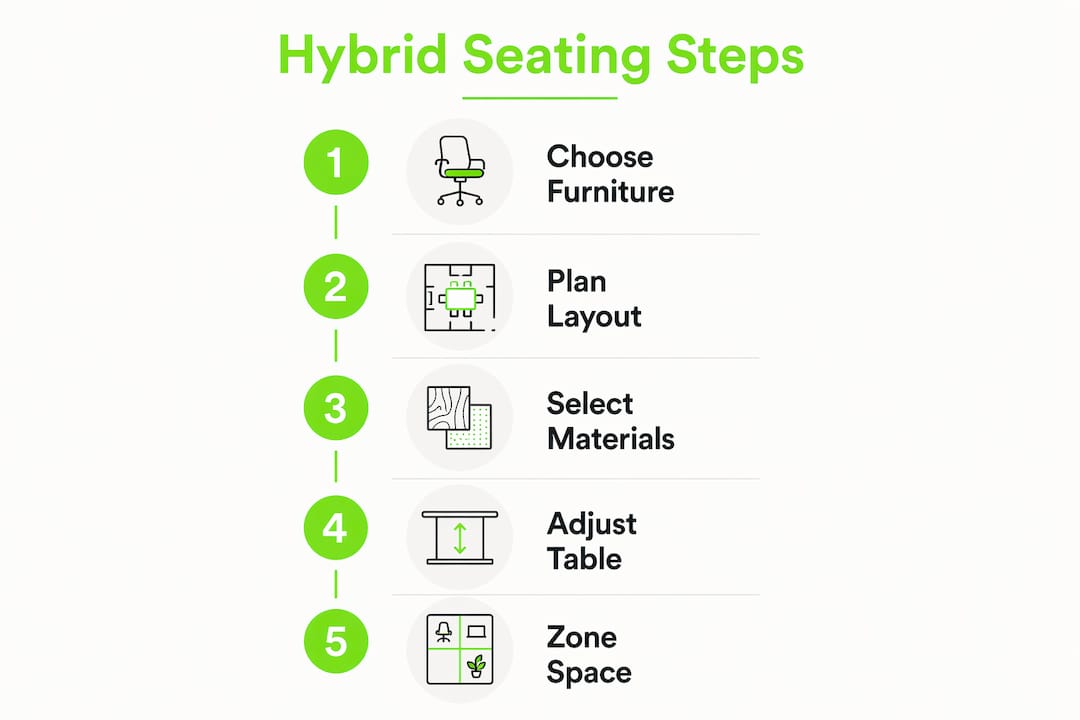
Here’s a breakdown of the most effective configurations:
| Configuration | Best for | Key pieces |
|---|---|---|
| Built-in plus movable | Larger patios with fixed structures | Raised garden wall seating, movable dining chairs, portable stools |
| Corner sofa plus adjustable table | Small to medium patios | Modular L-sofa, rise-and-fall center table, stackable chairs |
| Lounge zone plus dining zone | Larger outdoor areas | Sectional lounge, separate dining set, connecting pathway |
| Stackable and foldable hybrid | Urban balconies or tight spaces | Compact folding chairs, portable table, wall-mounted shelving |
The built-in seating approach works well as a foundation. A raised planter wall with a cushioned ledge gives you permanent seating structure. Then movable dining chairs handle mealtimes, and a few portable stools or benches fill in the gaps when guests arrive. Built-in permanence combined with movable flexibility genuinely yields the best hybrid results.
For smaller spaces, the corner sofa plus adjustable table setup is the workhorse. The sofa stays put. The table goes from coffee height to dining height in seconds. You haven’t sacrificed comfort for function. You’ve stacked both on top of each other.
Pro Tip: Zone your space with outdoor rugs rather than physical dividers. A rug under the lounge area and a different surface treatment under the dining area creates visual separation without reducing usable square footage.
Modular systems from brands that specialize in flexible outdoor furniture are worth looking at if you’re starting fresh. They’re designed to be reconfigured, which means your layout can evolve as your needs change season to season.
One of the genuinely underrated benefits of hybrid outdoor seating is how well it scales across different contexts. The concept works in a 60-square-foot urban balcony and in a sprawling commercial terrace. What changes is the scale, not the principle.
Here’s how to think through it for your situation:
Small urban patios and balconies. Go for pieces that serve two or three functions. A storage bench that doubles as seating. A folding table that collapses flat when not needed. Lightweight foldable chairs that stack behind the door. Urban outdoor spaces demand furniture that earns every inch it occupies.
Medium home patios and gardens. This is where the corner sofa plus rise-and-fall table combo shines. You have room to define a lounge zone and a dining zone without cramping either. Add a few portable pieces for overflow seating when guests arrive.
Large private gardens. Think in rooms. A dining area near the kitchen door, a lounge area around a fire pit, and a third flexible zone that becomes whatever you need it to be that day. Deliberate zoning and layout coherence are what make large outdoor spaces feel intentional rather than accidental.
Commercial and hospitality terraces. Hybrid hospitality spaces that fuse dining, drinks service, and casual socializing are increasingly common in restaurants and hotels. Stackable chairs, modular tables, and easy-clean finishes handle the shift from lunch service to evening cocktails without a full furniture swap.
Event and temporary setups. Portable seating that supplements a permanent hybrid layout is underestimated. A few good-quality foldable chairs or compact stools mean you’re never caught short when the guest list expands unexpectedly.
The common thread across all of these is that lounge seating encourages guests to linger after meals. That’s not just a nice feature. It fundamentally changes how people experience your outdoor space. Conversations go longer. People relax more deeply. The evening stretches in a good way.
I’ve watched this shift happen gradually, and I’ll be direct: most people still underestimate how much their outdoor space can do. They buy a dining table, shove a couple of chairs around it, and call it done. Then they wonder why nobody wants to sit outside after the food is cleared.
What I’ve found is that the mental model matters more than the furniture itself. When you start thinking of your patio or garden as an outdoor living room rather than just a dining room with better ventilation, everything changes. You start making intentional choices about comfort, texture, and flow. The furniture follows the vision, not the other way around.
The most common mistake I see is skipping the lounge component entirely because it feels like a luxury. It’s not. Lounge seating that encourages lingering is what separates a functional outdoor area from one people genuinely enjoy. The second most common mistake is buying cheap upholstery and discovering mid-summer that it’s already fading and molding.
Future-proofing your outdoor furniture investment means paying attention to the mechanical reliability of any adjustable components, and watching where the industry is heading with modular tech integrations like built-in heating and lighting. These are no longer niche features. They’re becoming the baseline expectation for quality hybrid setups.
— Jonas
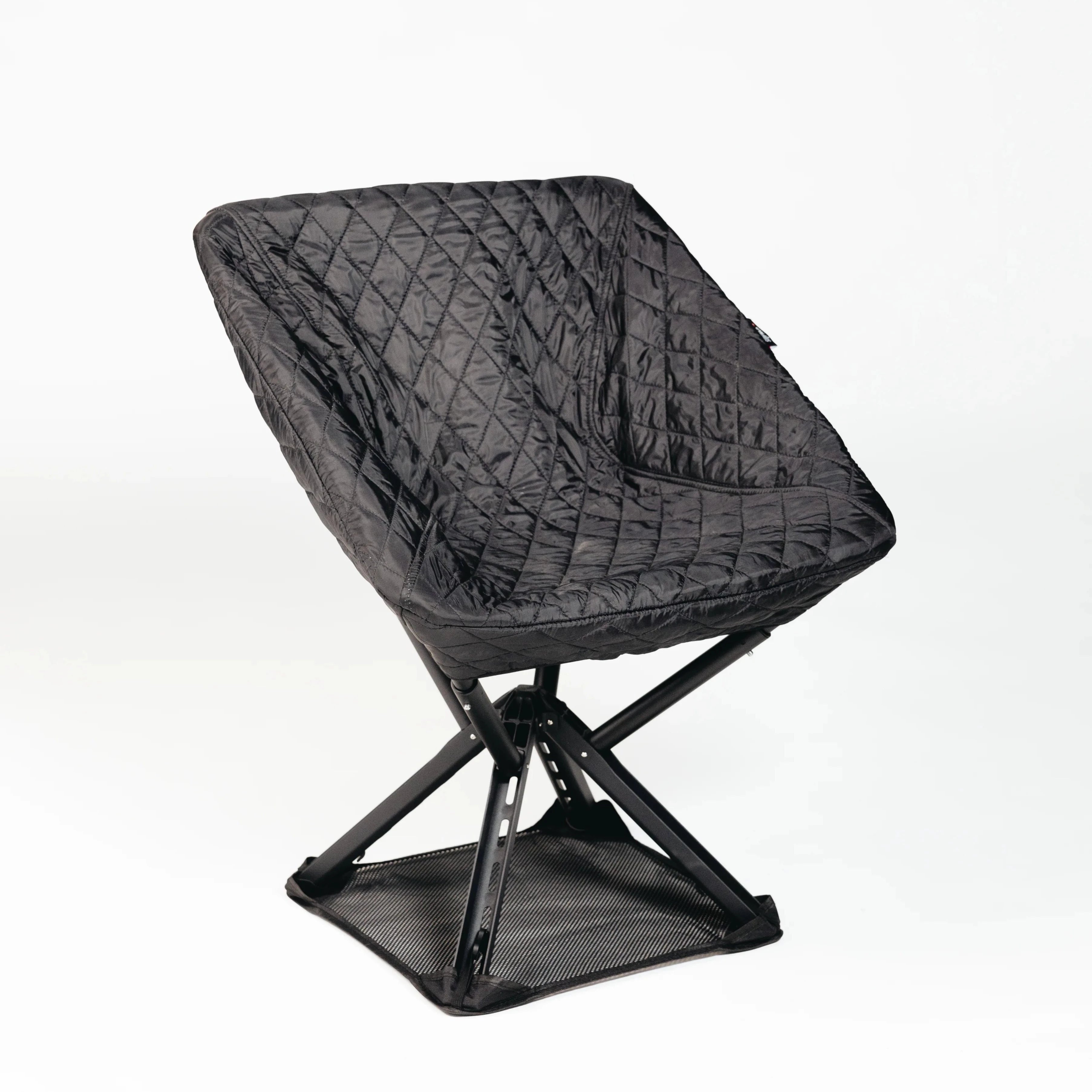
Ready to put hybrid seating into practice? Sitpack offers a range of portable outdoor seating solutions that slot perfectly into any hybrid setup. Whether you need lightweight foldable chairs to supplement a built-in structure or a compact option for an urban balcony layout, Sitpack’s products are built for real-world adaptability.
The modular outdoor furniture approach Sitpack champions aligns directly with the hybrid seating principle: buy pieces that do more, take up less space, and work across multiple occasions. Products like the Campster II and Sitpack Zen are especially useful as the flexible, packable components of a larger hybrid layout. They’re the pieces you grab when the permanent seating runs out and the evening is just getting good.
Hybrid outdoor seating combines lounge and dining functions in one setup, using multifunctional or adjustable furniture so a single outdoor space can serve multiple purposes without a full furniture swap.
Solution-dyed acrylic fabric at grade 7–8 is recommended for fully exposed pieces, while powder-coated aluminum and HDPE frames offer the best balance of durability and low maintenance for frames.
Yes. Foldable chairs, storage benches, and height-adjustable compact tables are all designed for tight spaces, making hybrid setups practical even on small urban balconies or terraces.
Use outdoor rugs, planters, or lighting to visually separate a lounge area from a dining area within the same space. You don’t need walls or physical dividers to create distinct zones.
Both work best together. Built-in seating provides structure and permanence, while movable pieces add seasonal flexibility and the ability to reconfigure your layout when needs change.