Cart
0
Sign up and get 10$ off your order
Expected delivery
1-3 days
You may also like


Danish Company

TL;DR:
- Outdoor accessories improve outdoor experiences through versatile gear, comfort items, and organization solutions. Tech, seating, and shade are popular choices that extend outdoor time, while multi-tools and storage systems streamline trips. Beginners should prioritize reliable headlamps, chairs, and hydration gear before investing in high-tech or ultralight equipment.
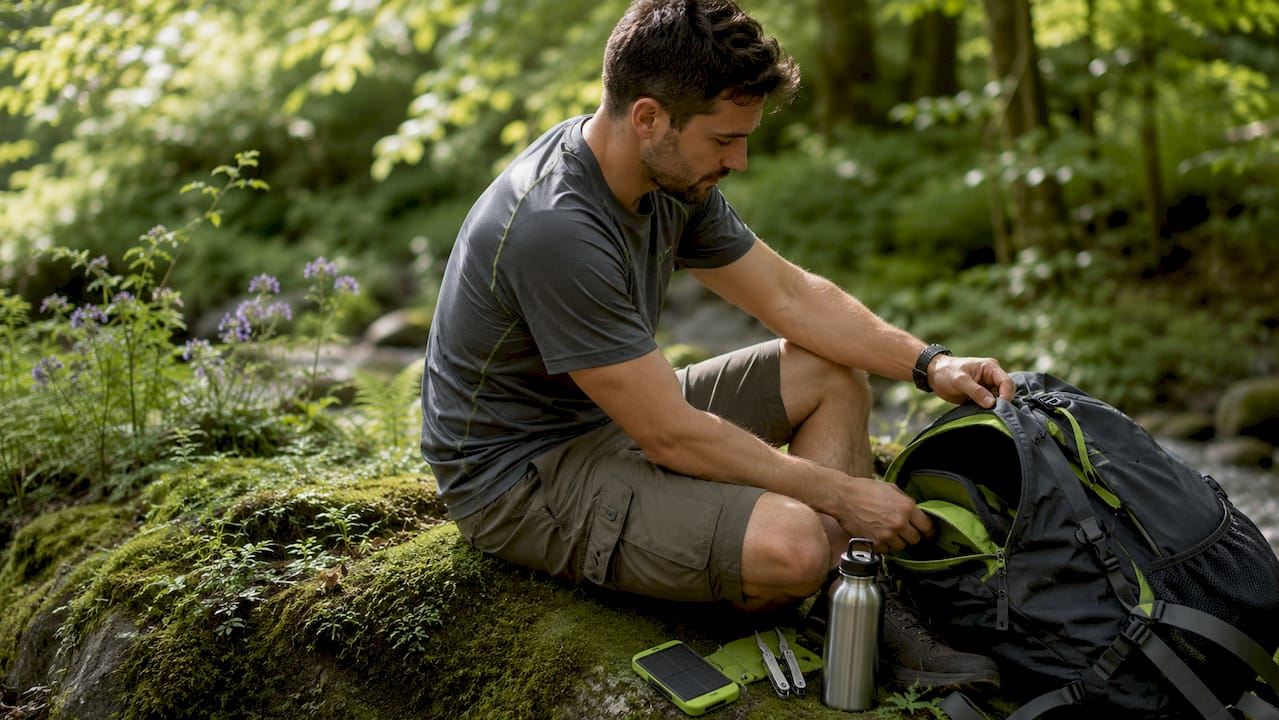
Outdoor accessories are the gear, tools, and comfort items that make time outside more enjoyable, safer, and more functional. The category spans everything from tech-integrated camping power stations and Black Diamond headlamps to backyard cushions and portable chairs. Whether you’re setting up a basecamp in the Cascades or refreshing your patio for summer, the right accessories change the entire experience. This article covers the best outdoor gear examples across camping, hiking, and backyard living so you can pick what actually fits your adventures.
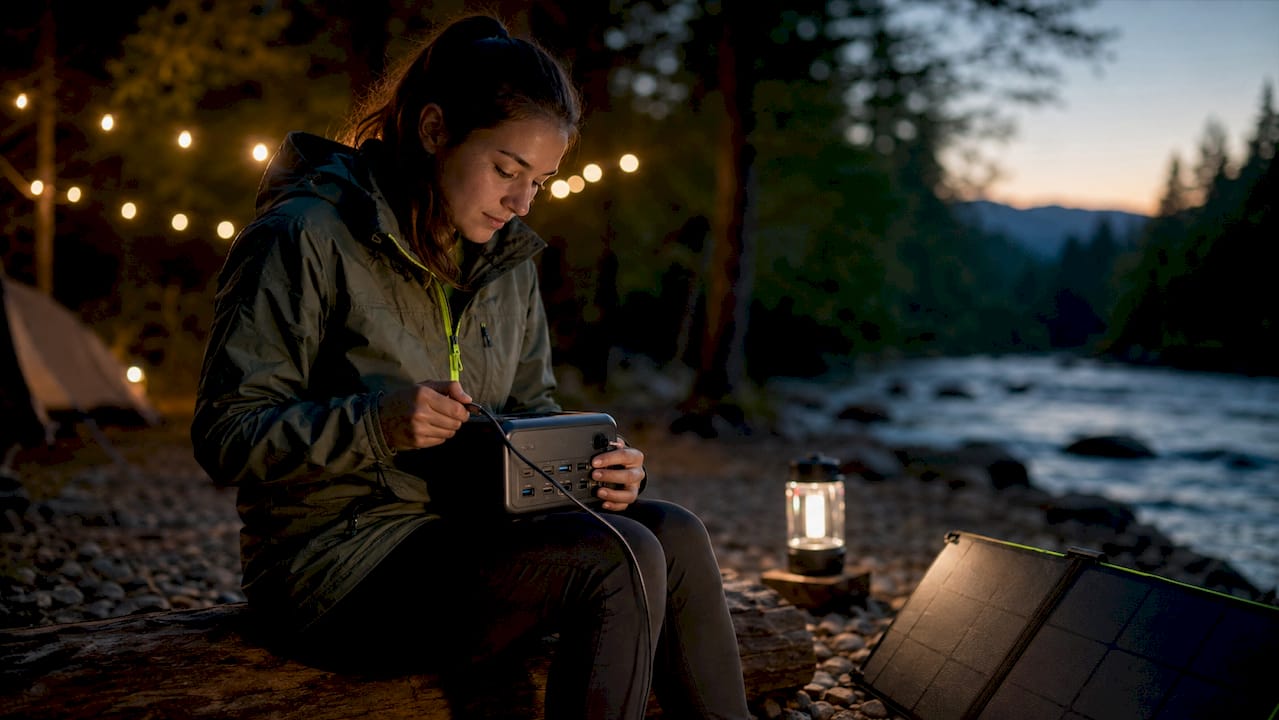
Tech has quietly taken over the campsite, and honestly, it’s hard to complain. Camping luxury accessories now include portable power stations, projectors, and Bluetooth speakers that cost anywhere from $180 to $1,000. That price range reflects a genuine shift: campers want comfort and connectivity, not just survival basics.
Pro Tip: Bring a power station even on short trips. One cold night with a dead phone and no flashlight is enough to convert anyone.
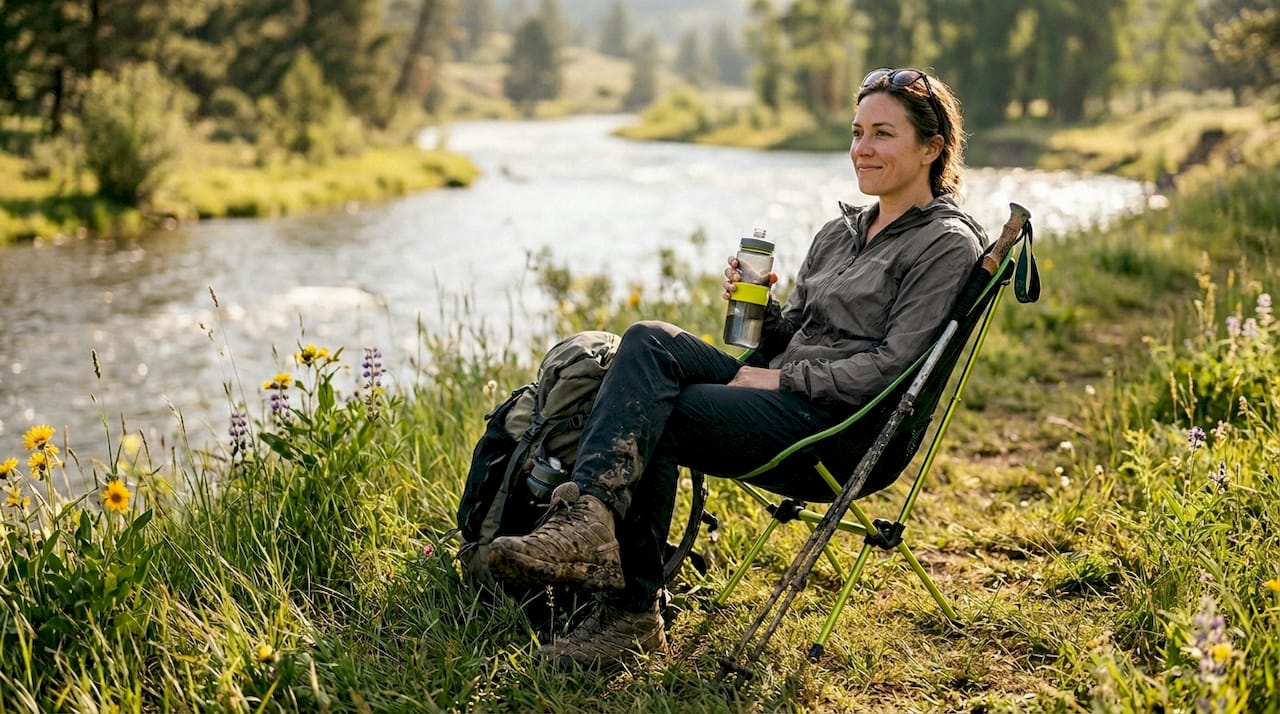
A good chair is the most underrated piece of outdoor gear. Most people grab whatever foldable chair is cheapest at the hardware store, then spend the whole trip shifting around trying to get comfortable. The Helinox Beach Chair solves this with a low-slung, breathable mesh design that actually supports your back on uneven ground.
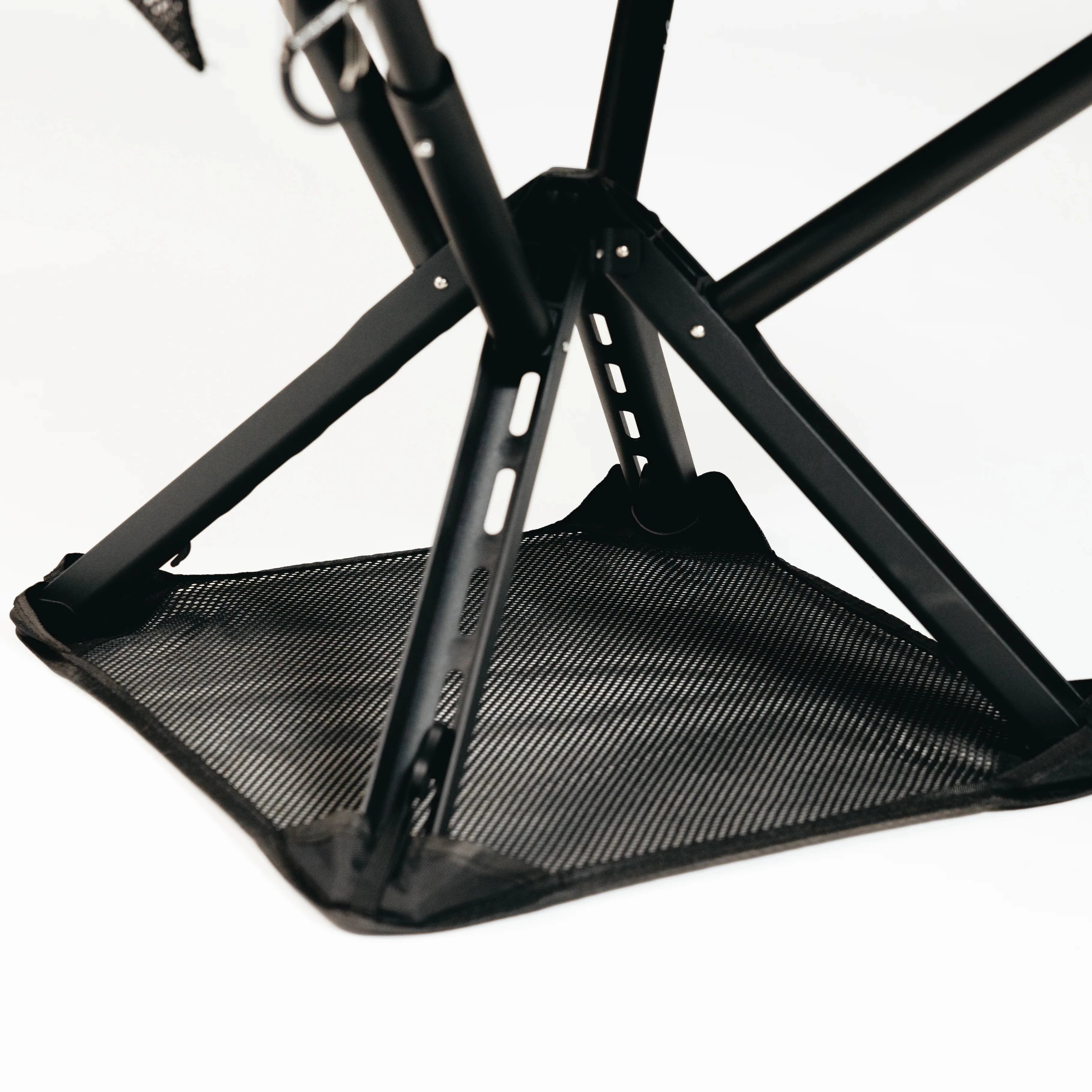
Sitpack’s Campster II takes a different approach entirely. It’s a compact, foldable chair built for people who want to sit anywhere without hauling a bulky frame. The minimalist design means it fits in a daypack, which makes it genuinely useful for hiking, festivals, and travel, not just car camping. Portable seating is one of those outdoor activity essentials that most people only appreciate after they’ve gone without it once.
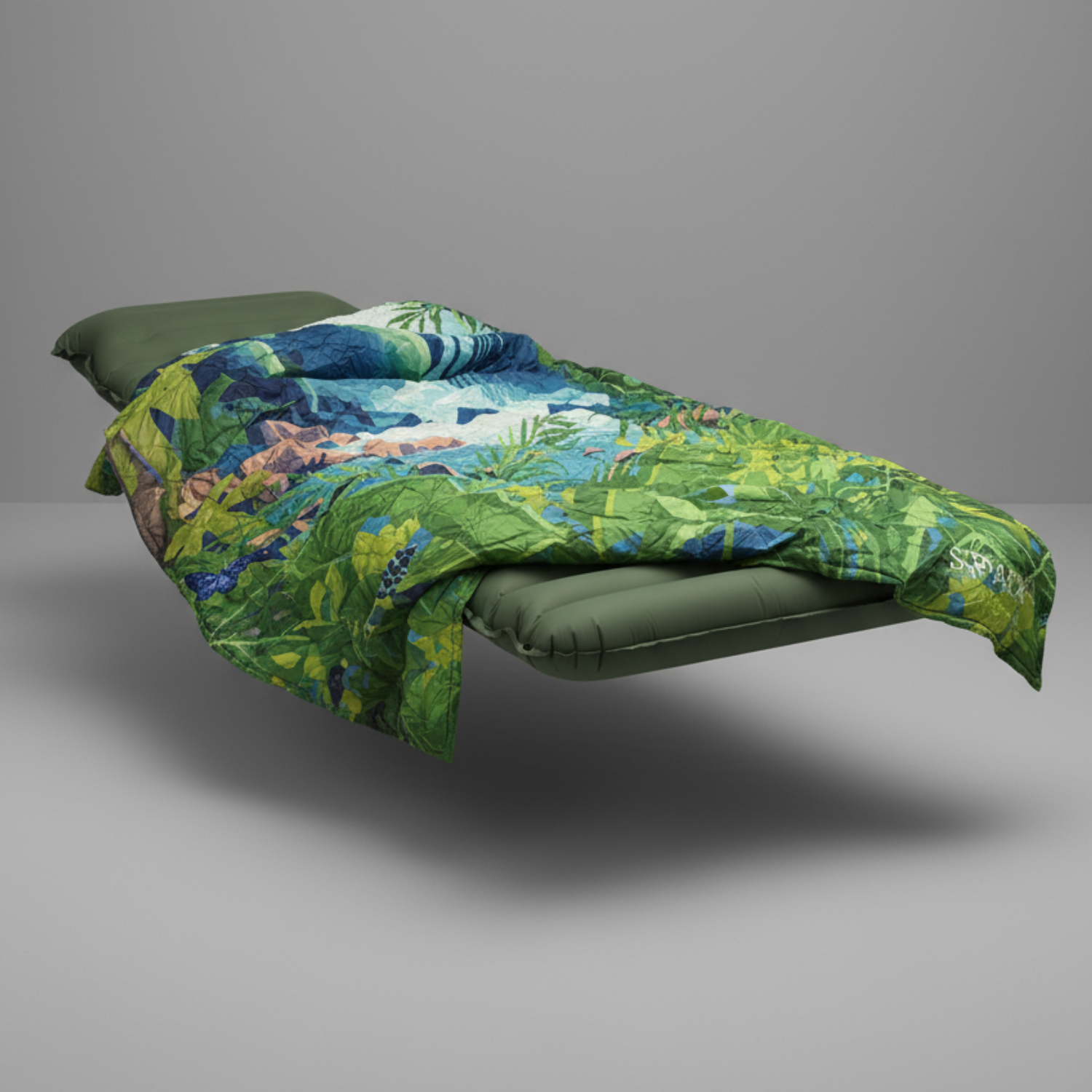
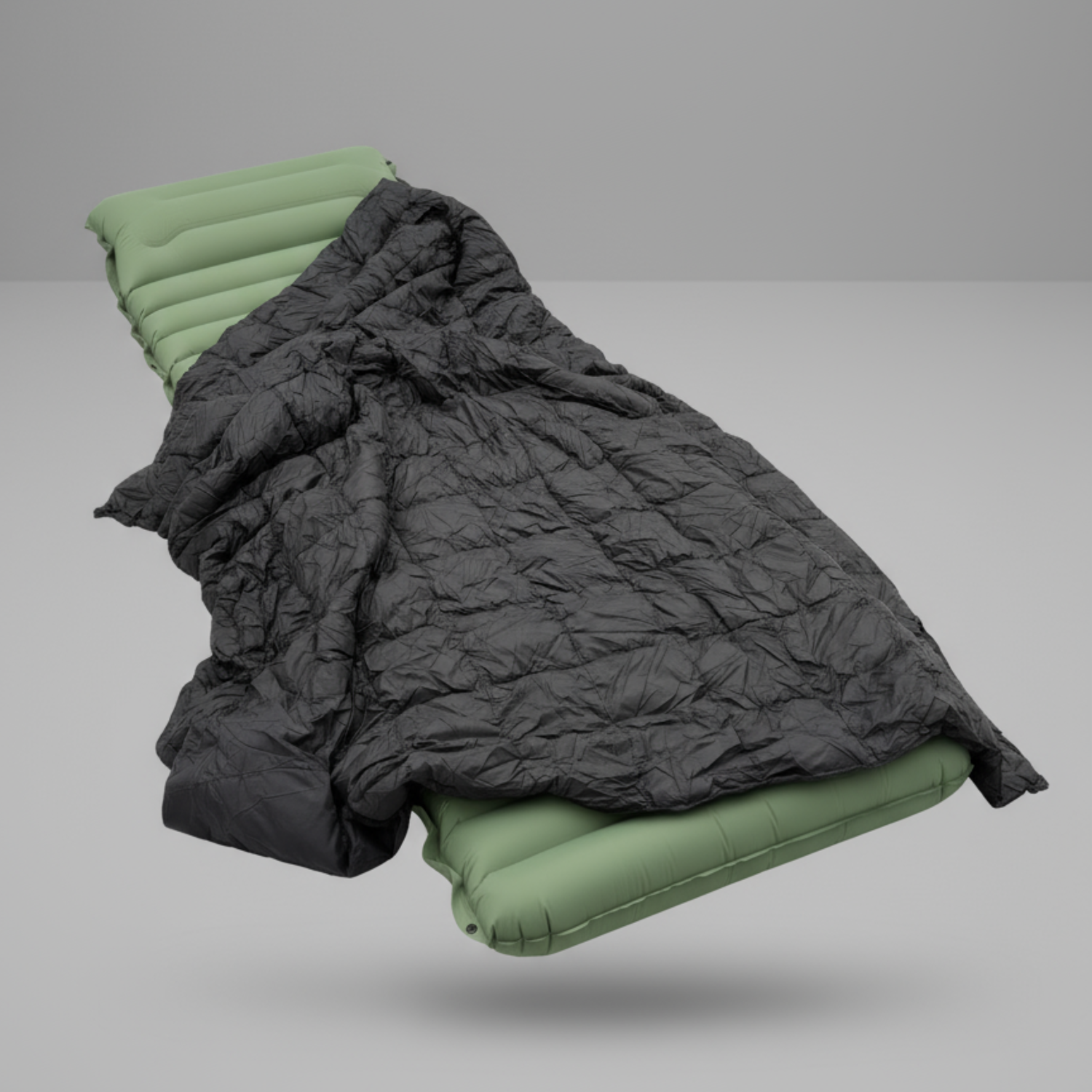
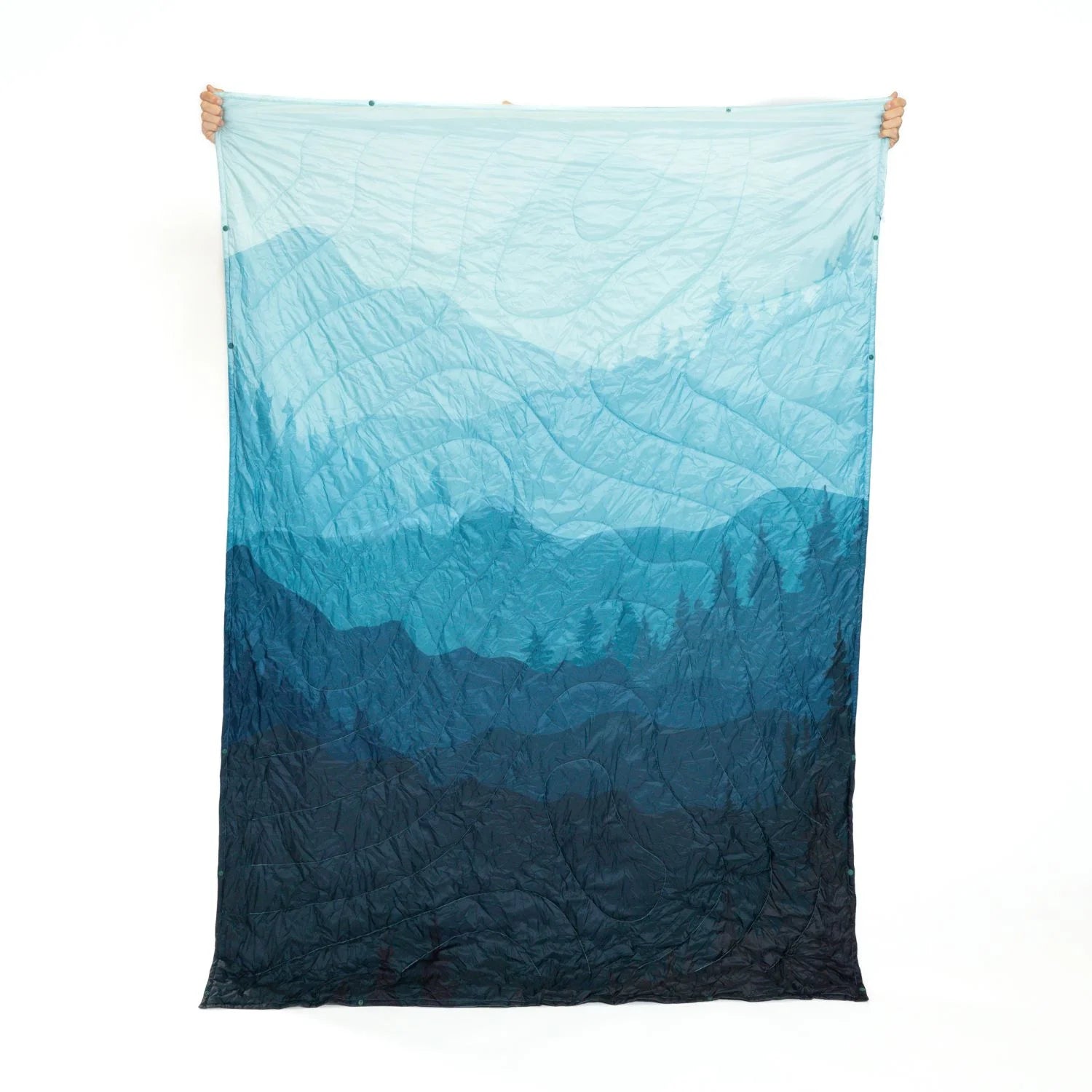
Cold nights are the fastest way to ruin an otherwise great trip. The Yeti Lowlands Blanket is a standout here: it’s water-resistant, machine washable, and thick enough to double as a ground cover. At around $200, it’s not cheap, but it replaces three cheaper items you’d otherwise pack separately.
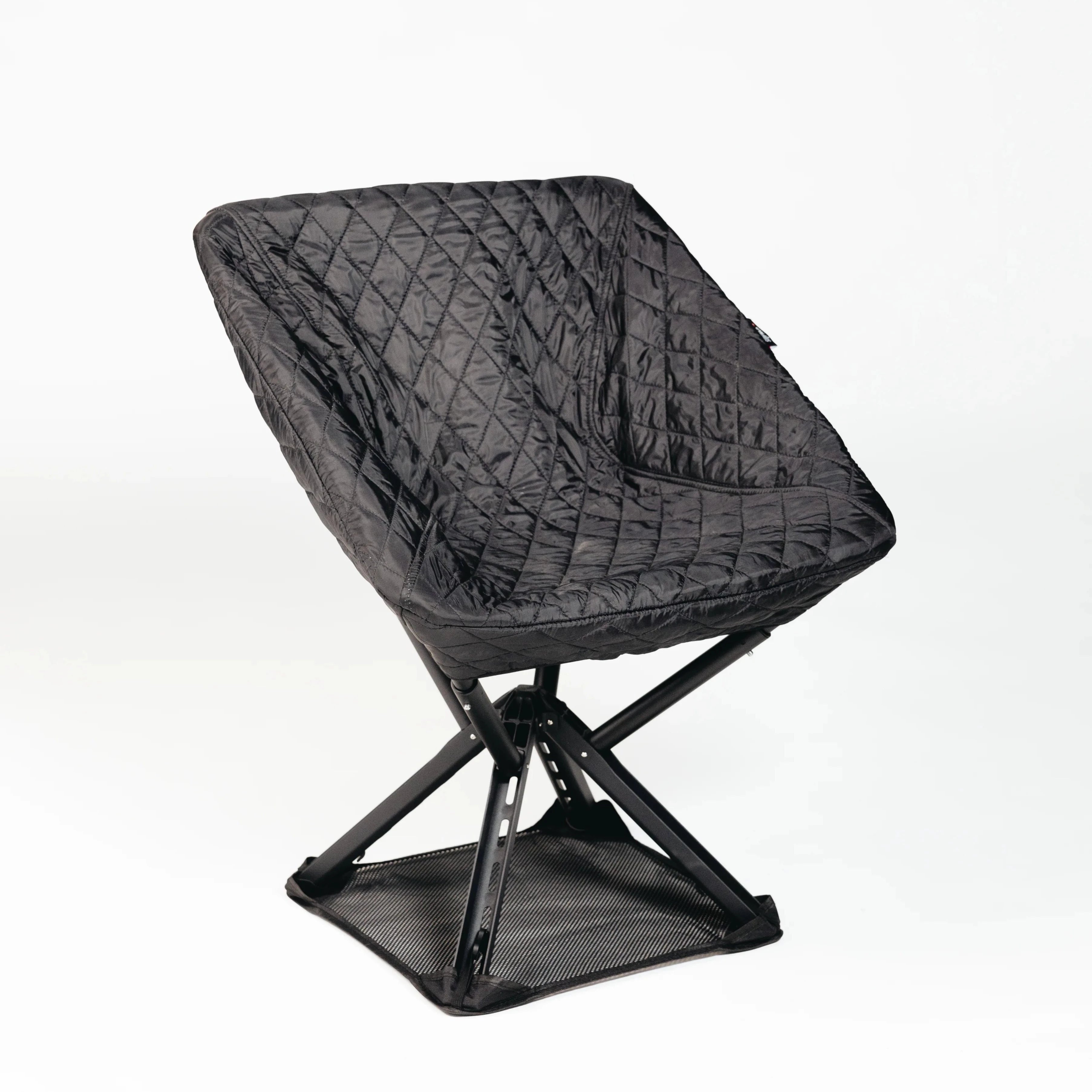
Thermal blankets and seat warmers also belong in the backyard category. Sitting outside in october or march is genuinely pleasant when you have the right layer between you and the cold. Sitpack offers seat warmers and thermal blankets designed to pair with their portable chairs, which is a smart combination for anyone who wants to extend their outdoor season without buying a space heater.
Camping gear trends favor multifunctionality to lighten packs and improve trip efficiency. Combined knife, fork, and spoon tools are the classic example. They reduce carried items without sacrificing function, which matters whether you’re on a two-night car camping trip or a week-long backpacking route.
Multi-tools like the Leatherman Wave+ go further, combining pliers, a knife, a saw, and a screwdriver in one pocket-sized package. The North Face Base Camp Gear Box handles campsite organization at a larger scale, giving you a structured place to store cooking gear, tools, and supplies. Efficient campsite organization reduces clutter and keeps your setup running smoothly, especially on longer trips.
Pro Tip: Pack your multi-tool in an accessible outer pocket. Digging through a full pack to find a bottle opener at dinner is a special kind of frustration.
| Feature | Car camping | Backpacking |
|---|---|---|
| Tent weight | Up to 10 pounds acceptable | 3–4 pounds for two-person shelters |
| Chair type | Full-size folding chair | Ultralight or packable only |
| Cooking gear | Full camp kitchen setup | Single-burner stove, minimal utensils |
| Power source | Portable power station | Solar charger or battery pack |
| Priority | Comfort and convenience | Weight and portability |
Car camping gear favors comfort over ultralight performance. Backpacking flips that equation entirely. Knowing which style you’re doing before you pack saves a lot of grief.
The Black Diamond Stella-R Headlamp at $55 is one of the most recommended pieces of camping gear on the market for good reason. It’s lightweight, has multiple brightness modes, and the rechargeable battery lasts long enough for multi-night trips. Headlamps beat handheld flashlights every time because they keep your hands free for cooking, setting up camp, or navigating a trail after dark.
String lights are the backyard equivalent. A set of warm-toned outdoor string lights transforms a plain patio into somewhere you actually want to spend an evening. They’re inexpensive, easy to hang, and do more for the atmosphere than almost any other single accessory.
Clean water access is non-negotiable on any outdoor trip. The Sawyer Squeeze filter weighs just 3 ounces and removes bacteria and protozoa from any freshwater source. It attaches directly to a standard water bottle, which makes it one of the most practical hiking accessory ideas for anyone moving through backcountry terrain.
Insulated water bottles like the Hydro Flask 32 oz keep drinks cold for 24 hours and hot for 12. That’s not marketing copy. It’s the kind of performance that makes a real difference on a hot trail or a cold morning at camp. Hydration is the outdoor activity essential that gets skipped most often in gear lists, which is exactly why it deserves its own spot here.
An outdoor rug does two things: it defines a space and keeps dirt from tracking everywhere. For backyard patios, a weather-resistant rug anchors furniture and adds color without a major investment. For camping, a ground tarp or mat outside the tent door keeps the interior clean and gives you a designated spot to remove muddy boots.
Neutral-colored furniture and rugs form the base layer of any well-designed outdoor space. Color comes in through cushions, throws, and accessories that can be swapped seasonally. This approach costs far less than replacing furniture and lets you update the look of your backyard without a full overhaul.
Cushions are the fastest and cheapest way to refresh an outdoor space. Design experts recommend layering vibrant colors through cushions, throws, and planters over a neutral furniture base. This creates a flexible system where you can change the entire feel of your patio just by swapping out a few fabric pieces.
Weather-resistant cushions from brands like IKEA offer accessible options at multiple price points. The key is choosing fabrics rated for outdoor use. Indoor cushions left outside fade and mildew within a season. Outdoor-rated fabrics hold their color and resist moisture, which makes them worth the slightly higher price.
Shade is the single most important factor in extending how long you actually use an outdoor space during hot months. Umbrellas work well for small seating areas and can be repositioned as the sun moves. Awnings cover larger areas and provide consistent shade without requiring adjustment throughout the day.
For camping, a tarp rigged between trees or poles serves the same function. It keeps the cooking area dry during rain and creates a shaded communal space during hot afternoons. A good tarp is one of the most versatile pieces of outdoor gear you can own, and it weighs almost nothing.
Suspended flowerpots and garden sculptures add personality to a backyard without taking up floor space. Hanging planters work especially well on small patios where ground space is limited. A few well-placed plants soften hard surfaces and make an outdoor area feel lived-in rather than staged.
Whimsical garden sculptures, whether a metal bird, a ceramic mushroom, or a driftwood piece, give a space a point of view. They’re the outdoor equivalent of art on a wall. The best ones are weather-resistant and hold up through multiple seasons without fading or rusting.
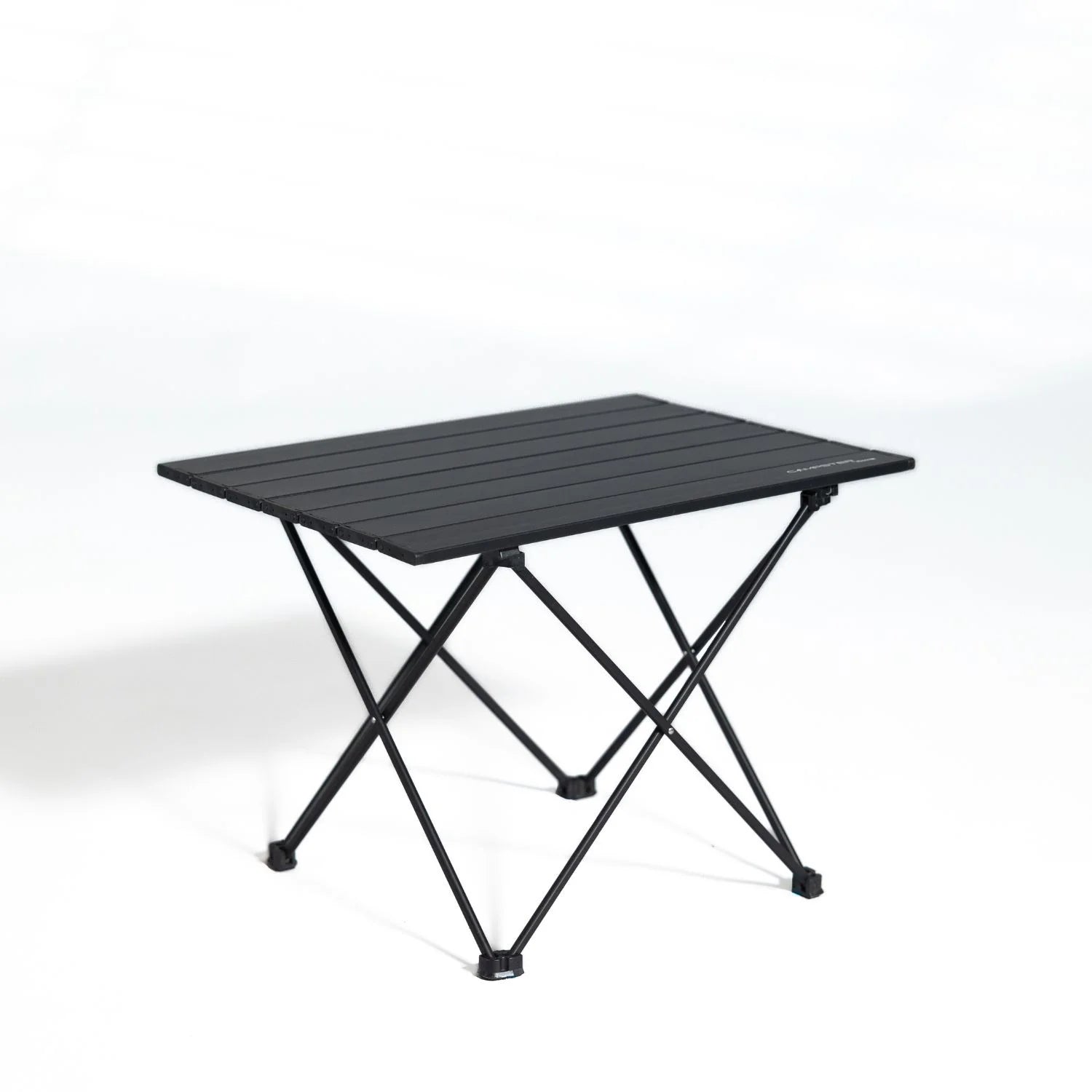
A portable table is one of those accessories you don’t think you need until you’re eating dinner off your lap for the third night in a row. Folding camp tables from brands like Lifetime and Coleman pack flat and set up in under a minute. They give you a dedicated surface for cooking, eating, and organizing gear.
Sitpack also offers compact tables designed to pair with their portable seating. The combination of a packable chair and a small table creates a functional outdoor workspace or dining setup that fits in a bag. For camping comfort, that kind of paired system beats mismatched gear every time.
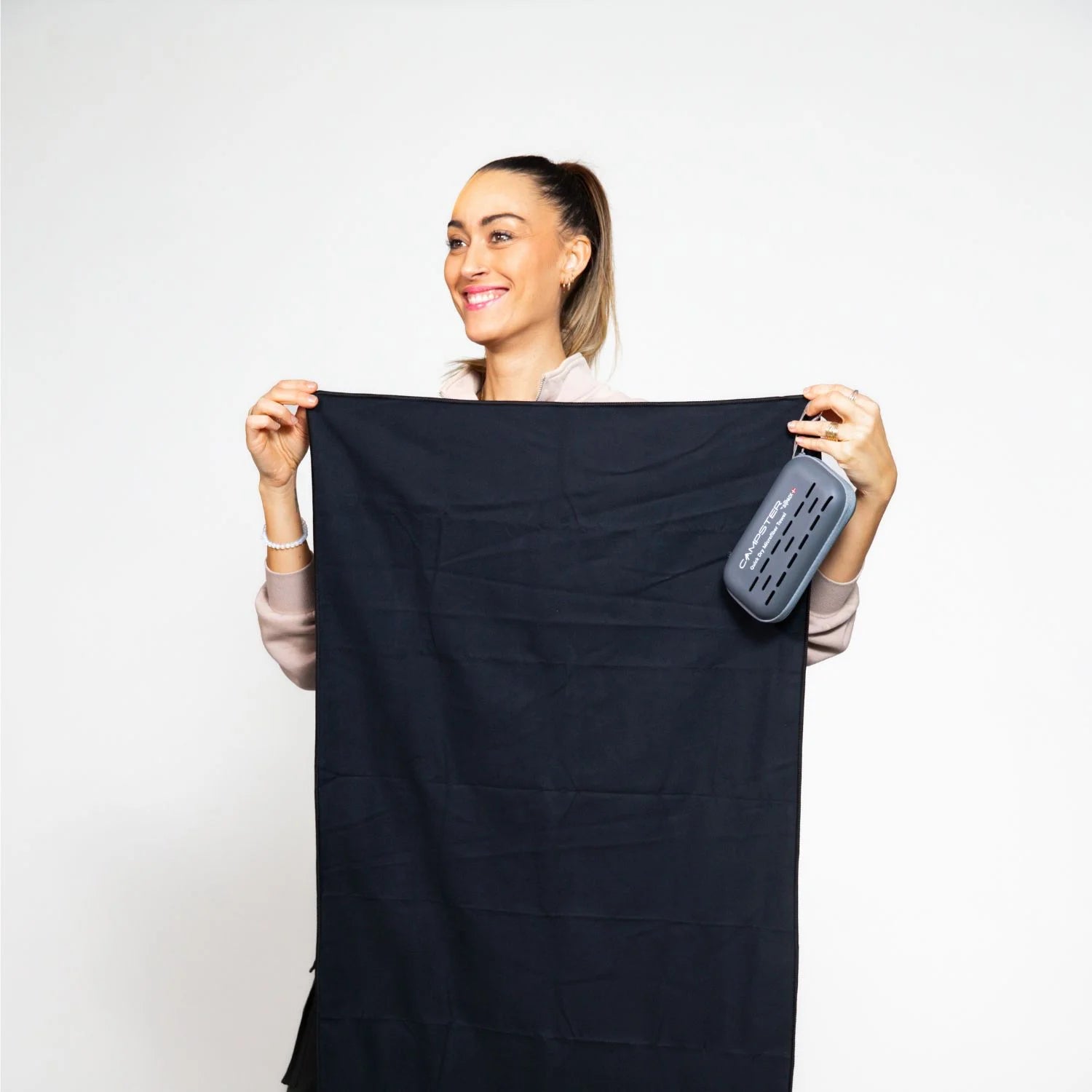
A microfiber travel towel takes up about as much space as a thick sock and dries in under an hour. For camping, swimming, or any trip where space is limited, it replaces a full-size towel without any real sacrifice in function. Sitpack includes travel towels in their accessories lineup, which makes sense given their focus on compact, practical outdoor gear.
Quick-dry fabrics extend beyond towels. Clothing, sleeping bag liners, and even some blankets now use similar materials. The practical benefit is that wet gear dries overnight instead of staying damp for days, which matters a lot on multi-day trips in unpredictable weather.
A GPS device or a downloaded offline map on your phone is the difference between a confident hike and a stressful one. Garmin’s inReach Mini 2 combines GPS navigation with satellite messaging, which means you can call for help even without cell service. That’s not a luxury item for serious backcountry users. It’s a necessity.
A basic first aid kit rounds out the safety category. Pre-assembled kits from Adventure Medical Kits cover most trail injuries without requiring you to build one from scratch. Knowing what’s in your kit and how to use it matters more than the brand on the bag.
A good picnic set makes outdoor eating feel intentional rather than improvised. Insulated tote bags, reusable plates, and compact cutlery sets turn a patch of grass into a proper meal. IKEA offers accessible picnic accessories including lanterns, rugs, and serving items that work equally well for backyard dining and park outings.
Collapsible wine glasses and silicone food containers are the kind of small details that separate a comfortable outdoor meal from a chaotic one. They pack flat, weigh almost nothing, and make the whole experience feel more considered.
Organization is what separates a functional campsite from a chaotic one. The North Face Base Camp Gear Box gives you a structured, water-resistant container for storing and transporting camp supplies. It’s the kind of item that seems unnecessary until you’ve spent 20 minutes searching for a lighter in a pile of loose gear.
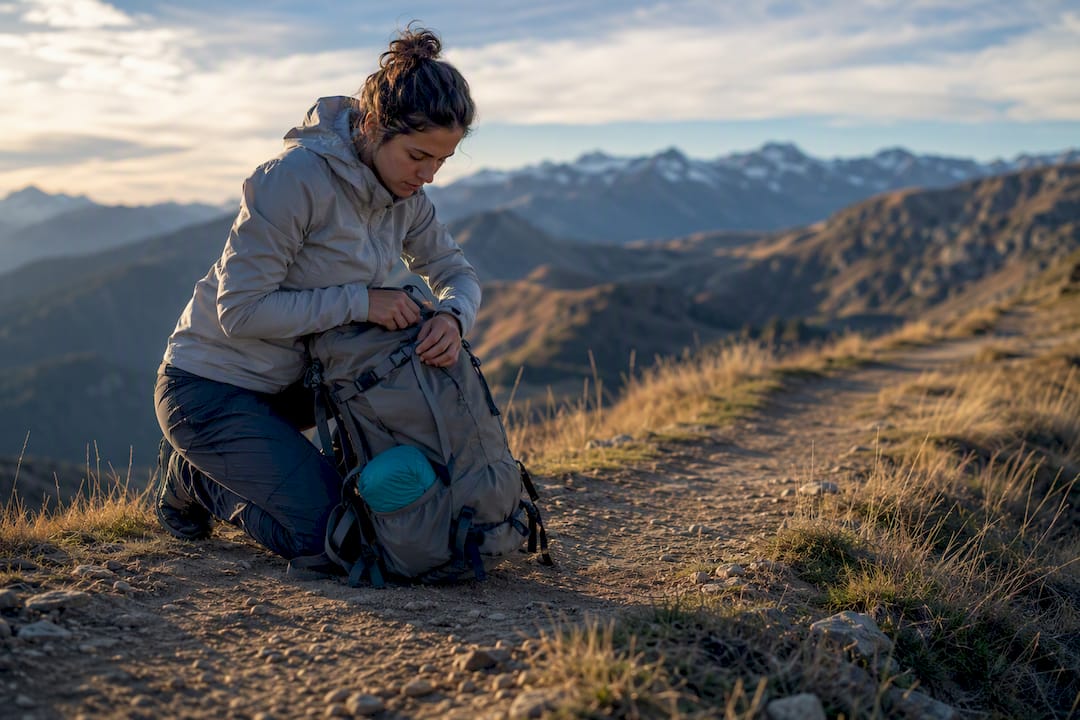
For backpacking, packing smart with multi-functional tools reduces clutter and keeps weight manageable. Compression sacks, gear lofts that hang inside tents, and modular pouches all contribute to a system where everything has a place. A well-organized pack is faster to set up, easier to live out of, and less likely to leave you missing something critical.
The most useful outdoor accessories combine portability, durability, and genuine function rather than solving problems you don’t actually have.
| Point | Details |
|---|---|
| Tech gear is now mainstream | Power stations, projectors, and Bluetooth speakers are standard camping accessories, not luxury outliers. |
| Comfort items extend outdoor time | Insulated blankets, ergonomic chairs, and shade solutions keep you outside longer in more conditions. |
| Multifunctional tools reduce pack weight | Combined utensils and multi-tools replace several single-use items without sacrificing function. |
| Backyard accessories are flexible and affordable | Cushions, rugs, and string lights refresh outdoor spaces seasonally without replacing furniture. |
| Organization is an accessory too | Storage systems and gear boxes prevent the chaos that makes camping feel harder than it needs to be. |
Here’s the thing most gear guides won’t tell you: the accessories that get used on every single trip are rarely the exciting ones. My Leatherman has been on more adventures than any Bluetooth speaker I’ve owned. The headlamp lives in my pack permanently. The insulated blanket has pulled double duty as a picnic mat, a car blanket, and emergency warmth on a hike that went longer than planned.
I’ve also learned that beginners benefit enormously from starting with car camping before investing in ultralight backpacking gear. Car camping lets you bring more, figure out what you actually use, and identify what you genuinely need before spending serious money on lightweight alternatives. Most people who buy expensive ultralight gear too early end up with accessories that don’t match how they actually camp.
The tech accessories are genuinely fun, and I’m not going to pretend the Xgimi Halo+ projector isn’t a great time around a campfire. But I’d always prioritize a reliable headlamp, a good chair, and a solid blanket over any screen. Comfort and safety first. Entertainment is a bonus.
The backyard category surprises people. A $30 set of outdoor cushions and a string of lights does more for how much time you spend outside than a $500 fire pit. Start small, see what you actually use, and build from there.
— Jonas
If you’ve made it this far, you already know that seating is one of the most overlooked outdoor accessories. Sitpack builds portable, foldable chairs and accessories designed for people who want real comfort without hauling a trunk full of gear.
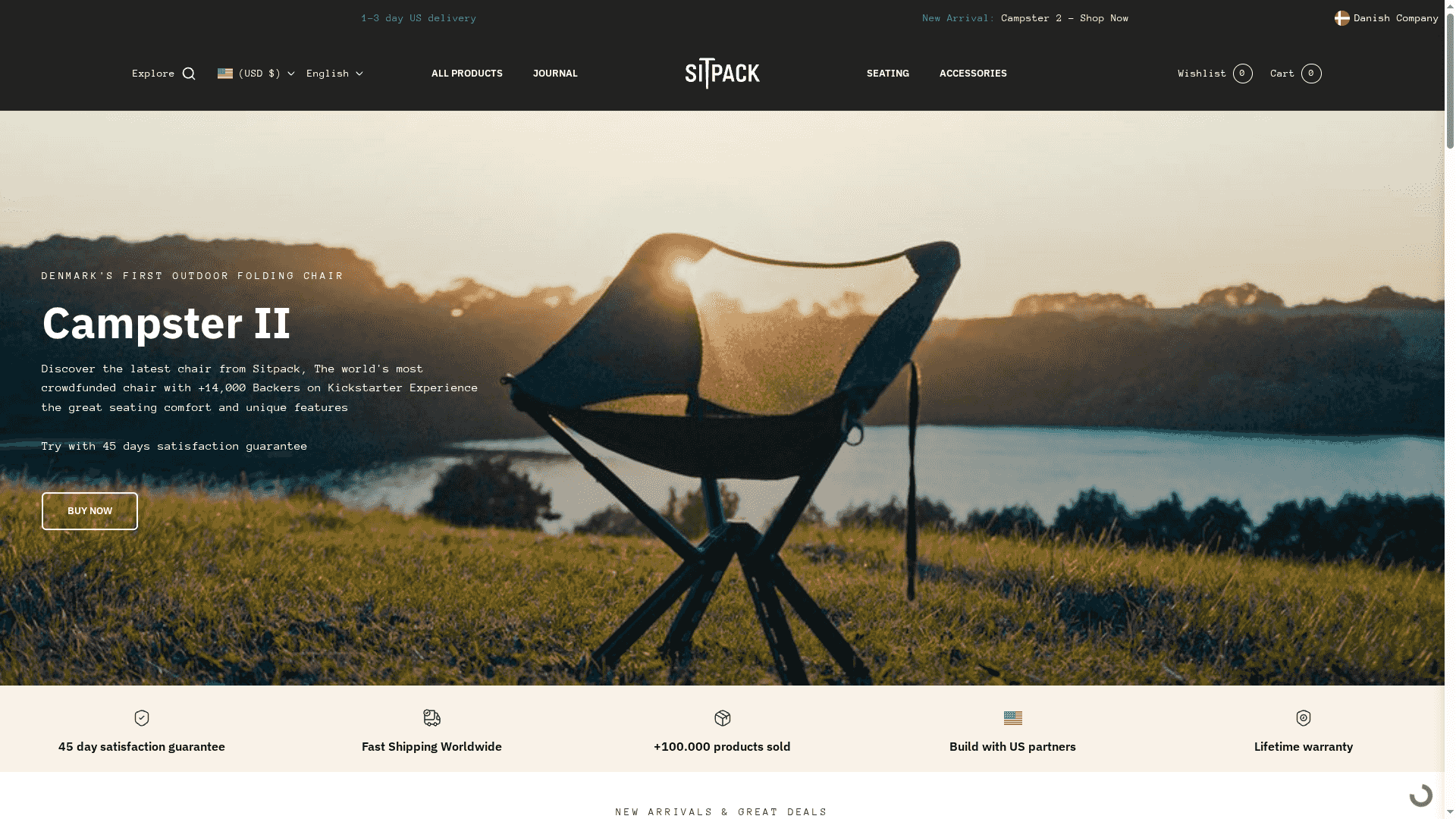
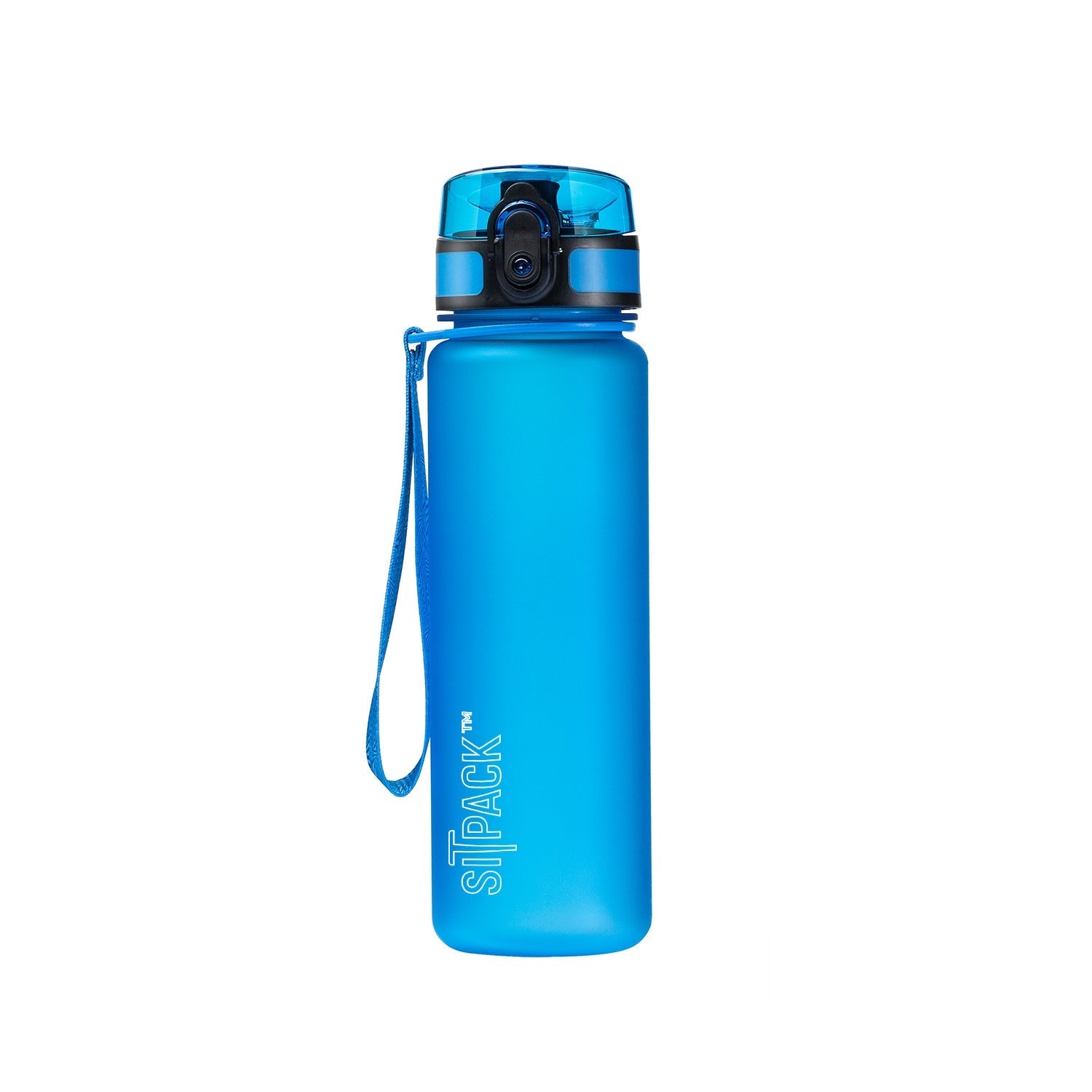
The Campster II and Sitpack Zen fold down small enough to carry in a daypack and hold up through serious outdoor use. Sitpack also offers thermal blankets, seat warmers, water bottles, and travel towels, all designed to work together as a compact outdoor comfort system. If you want to see the full range, the Sitpack outdoor accessories collection is worth a look. Every product ships worldwide with a 45-day satisfaction guarantee, so there’s no real risk in trying something new.
Outdoor accessories are gear, tools, and comfort items that enhance outdoor activities like camping, hiking, and backyard leisure. They include everything from headlamps and multi-tools to cushions, planters, and portable chairs.
A headlamp, a multi-tool, a water filter, and a reliable chair cover the most critical bases. Beginners benefit from car camping first to identify what they actually need before investing in specialized gear.
Start with neutral furniture and rugs as a base, then layer color through cushions, throws, and string lights. Small accessories cost far less than furniture and can be swapped seasonally for a fresh look.
Car camping allows heavier, more comfortable gear like full-size chairs and power stations. Backpacking requires ultralight options, with two-person tents ideally weighing 3–4 pounds and utensils that serve multiple functions.
Yes, when chosen carefully. A portable power station keeps critical devices charged and doubles as a safety tool. Bluetooth speakers and projectors add comfort but should come after safety and navigation gear in your packing priority.