Cart
0
Sign up and get 10$ off your order
Expected delivery
1-3 days
You may also like


Danish Company

TL;DR:
- The best outdoor accessories in 2025 solve real problems, are lightweight, and withstand tough conditions. Organized gear systems, headlamps, multi-tools, and insulated coolers improve camping efficiency, safety, and comfort. Eco-friendly and modular gear options continue to grow, emphasizing durability, sustainability, and tailored functionality.
The best outdoor accessories 2025 has to offer share three traits: they solve a real problem, they pack light, and they hold up when conditions get rough. Whether you’re hauling gear to a car campsite, grinding out miles on a backcountry trail, or spreading a blanket at the park, the right accessories make the difference between a good trip and a great one. The U.S. National Park Service’s Ten Essentials remain the gold standard for outdoor preparation, covering everything from navigation to emergency shelter. This guide cuts through the noise and tells you exactly what’s worth your money in 2025.
The foundation of any great camping kit is organization and safety. Without a system for managing your gear, even the best individual products become a frustrating pile of stuff. Integrated packing systems that group shelter, sleep, and cooking gear together reduce campsite clutter and speed up setup. That kind of workflow improvement is the difference between relaxing by the fire and spending 20 minutes hunting for your headlamp.
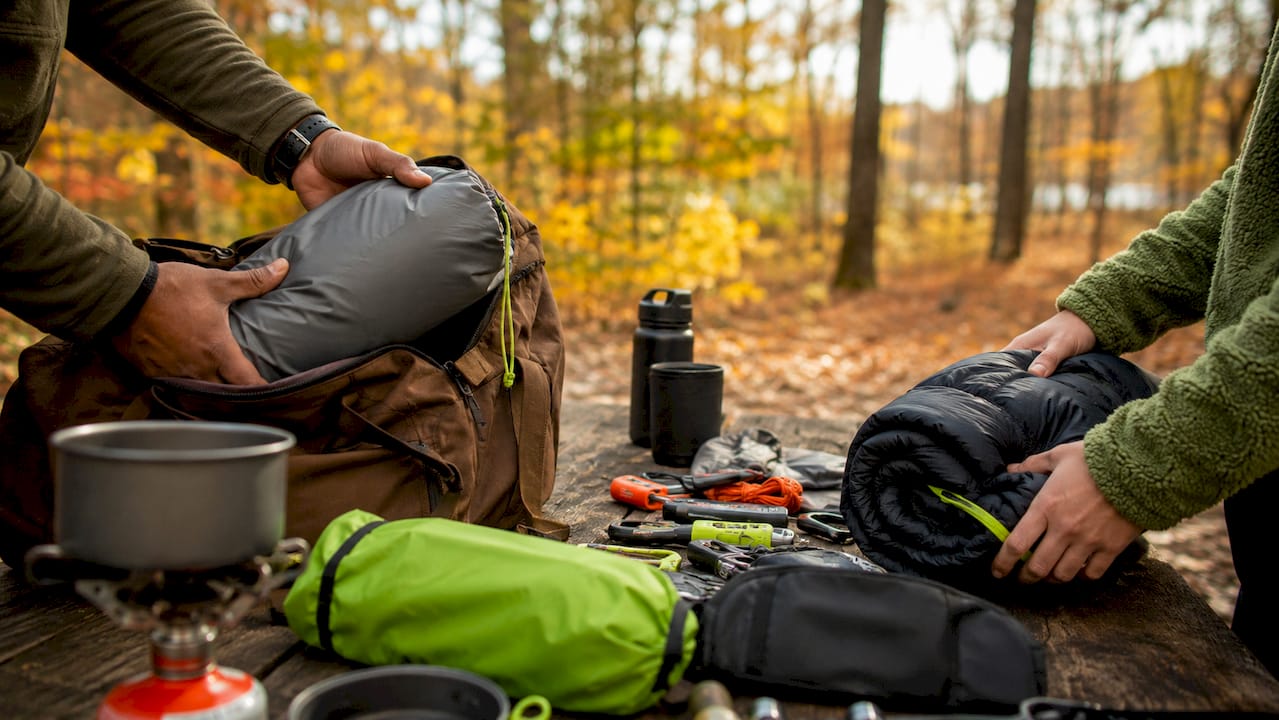
Car camping organizers lead the charge here. The Yeti Camino 35 Carryall Tote is one of the top-rated gear haulers for 2025, built with a wide-mouth opening and a waterproof liner that handles everything from firewood to wet towels. Pair it with a quality hard-sided cooler and you’ve got a base camp that actually functions.
Pro Tip: Group your gear into three bags before you leave home: sleep, cook, and safety. You’ll set up faster and never dig through a single giant duffel again.
Headlamps outperform flashlights for camp chores, nighttime navigation, and emergency use. The reason is simple: your hands stay free. Holding a flashlight while cooking, setting up a tent, or reading a map is awkward at best and dangerous at worst.
The Black Diamond Stella-R Headlamp at $55 is a standout pick for 2025. It’s lightweight, rechargeable, and bright enough for trail use without frying your night vision on the lowest setting. For serious backpackers, a headlamp under 3 ounces is the target weight. Anything heavier starts to feel like a helmet by mile ten.
A quality multi-tool is one of the most versatile pieces of essential camping gear you can own. The Leatherman Wave Alpha, updated with MagnaCut steel, delivers 16 tools in one compact package. MagnaCut steel holds an edge longer than standard stainless, which matters when you’re using the blade repeatedly over a long weekend.
The practical case for a multi-tool is hard to argue with. You get pliers, a knife, a saw, a file, and screwdrivers without adding multiple items to your kit. For car campers, a full-size multi-tool is fine. Backpackers should look at lighter keychain versions that still cover the basics.
Food safety and cold retention are non-negotiable on any trip longer than a day. Hard-sided coolers like the Dometic Recon range from $225 to $425 and hold ice for multiple days, even in summer heat. That price range reflects a real performance gap over budget coolers, which typically lose ice within 24 hours.
Soft-sided coolers work well for day hikes and picnics where weight matters more than multi-day retention. For the best picnic accessories 2025 has available, a well-insulated soft cooler paired with reusable ice packs covers most needs without the bulk. The key metric to check is ice retention time, not just volume.
Technology has moved into the campsite in a big way, and the best hiking gear 2025 offers reflects that shift. Portable power stations now run camp lights, charge phones, and power small appliances without a generator. The car camping luxury trend is real: portable projectors like the Xgimi Halo+ retail at around $499 and deliver a full movie-night experience under the stars.
That kind of comfort used to require a cabin. Now it fits in the back of an SUV. The practical upside goes beyond entertainment. Power stations also charge medical devices, run CPAP machines, and keep communication gear live in remote areas. That’s not a luxury. That’s a safety net.
Pro Tip: Before any trip, fully charge your power station and run a test cycle at home. You don’t want to discover a faulty cell when you’re three hours from the nearest outlet.
Ultralight gear is defined by its weight-to-performance ratio. The goal is to carry less without giving up function. Products like the Zenbivy Ultralight Bed and REI Half Dome 2 Plus tent represent this trend well, combining packability with real-world durability. The shift to ultralight systems changes how you think about every item in your pack.
Modular kits take this further by letting you mix and match components based on the trip. A shelter system that works as a solo bivy on a weekend trip and expands to a two-person setup for a longer expedition saves you from buying multiple products. That flexibility is worth paying for.
The trade-off is real, though. Ultralight gear often costs more and requires more careful handling than heavier alternatives. Car campers who drive to their site don’t need to obsess over ounces. Backpackers covering 15 miles a day absolutely do. Know your use case before you spend.
Pro Tip: Weigh every item in your pack before a backpacking trip. Most people are shocked by how much “just in case” gear adds up. Cut anything you haven’t used on the last three trips.
A sleeping pad with an R-value of 3 or higher is the minimum for cold-weather camping. R-value measures thermal resistance, and most beginners underestimate how much heat escapes through the ground rather than through the air. A premium sleeping bag paired with an inadequate pad will still leave you cold.
For three-season camping, an R-3 pad handles most conditions. Winter camping demands R-5 or above. Inflatable pads offer the best warmth-to-weight ratio for backpackers. Foam pads are nearly indestructible and work well as a backup or base layer under an inflatable. Pair your pad with a sleeping bag rated at least 10 degrees below the coldest temperature you expect.
Sustainability is no longer a niche concern in outdoor gear. The most popular trending outdoor items of 2025 use recycled fabrics, non-toxic insulation, and solar-powered charging to reduce their environmental footprint. Brands across the industry have moved toward materials like recycled polyester and bluesign-certified fabrics, which cut water and chemical use in manufacturing.
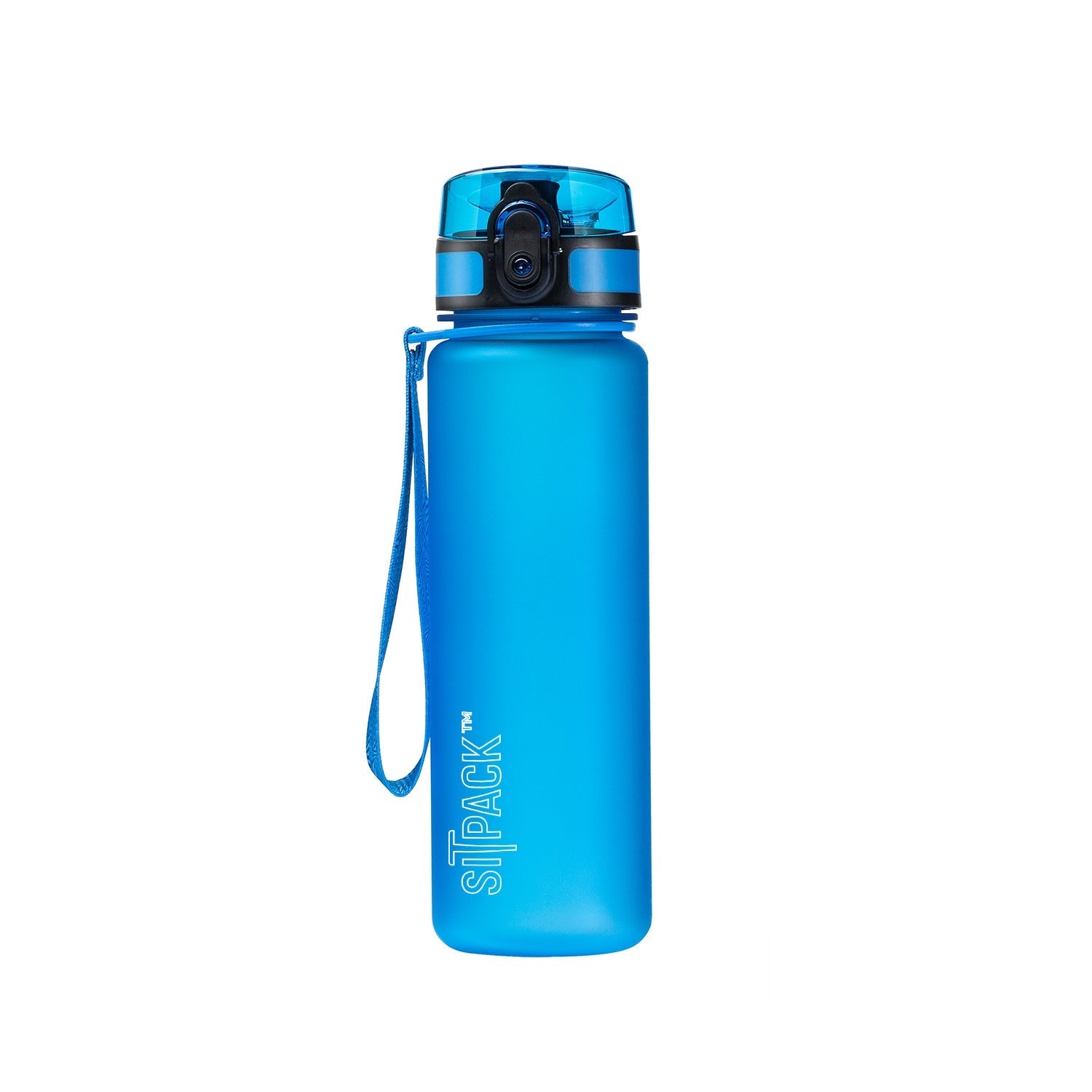
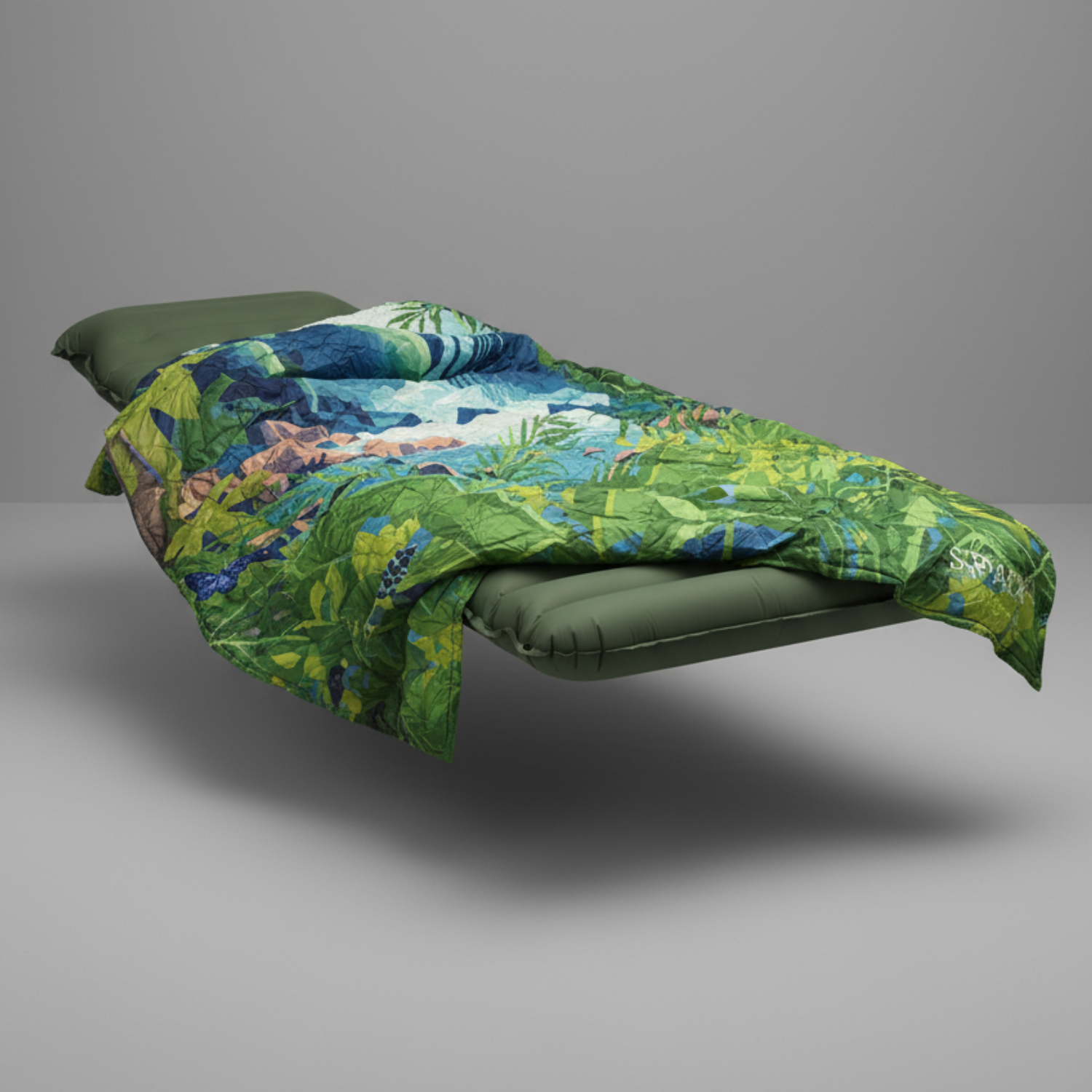
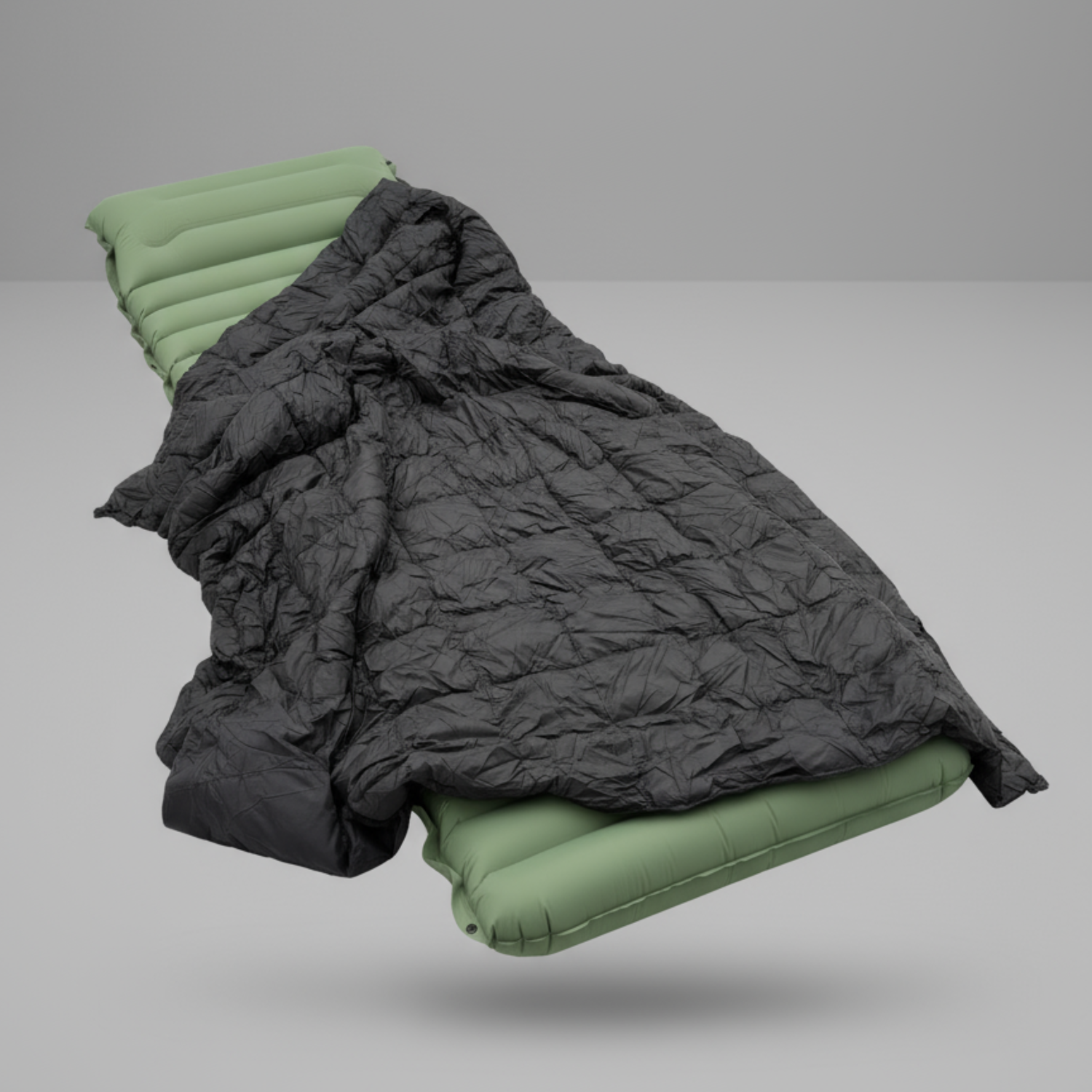
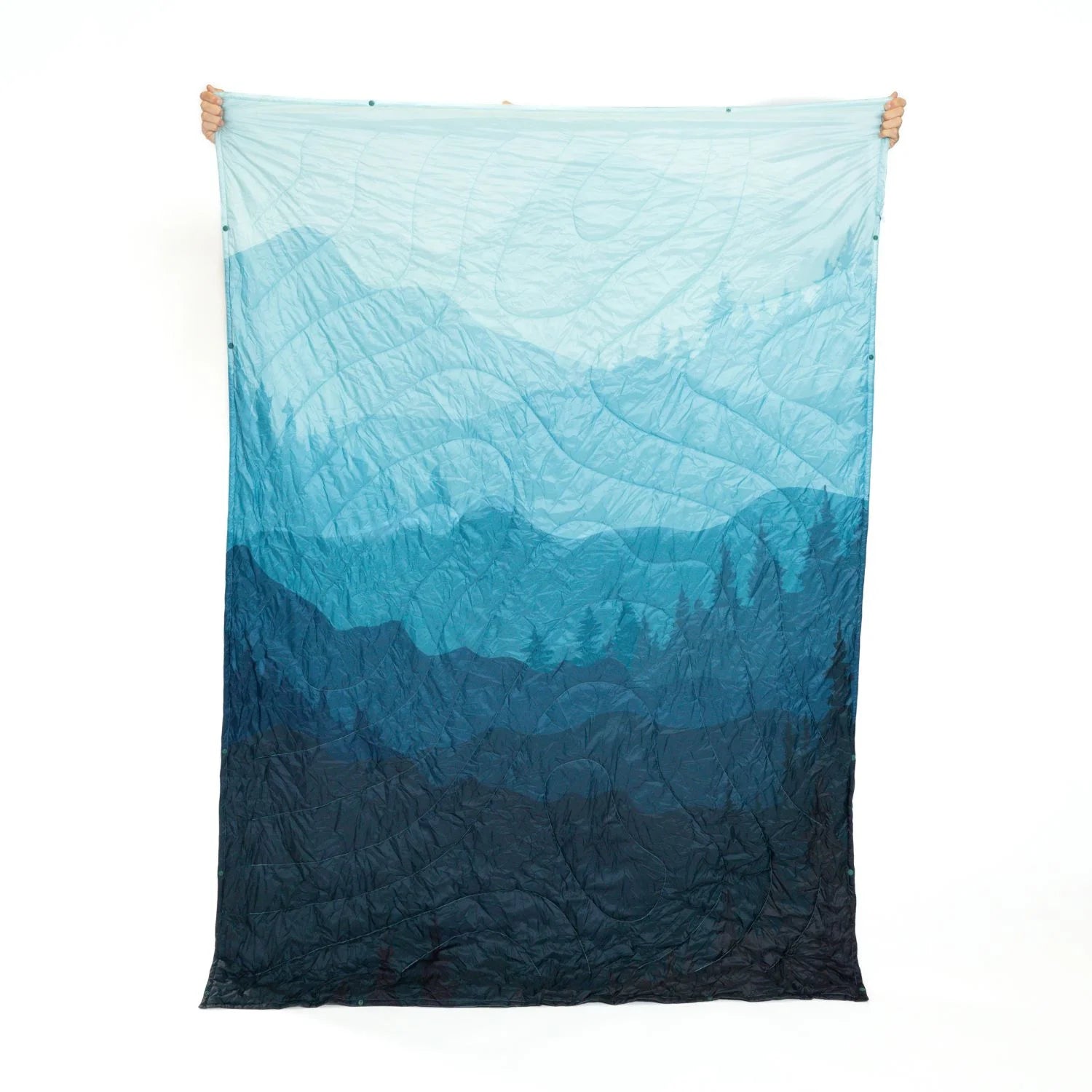
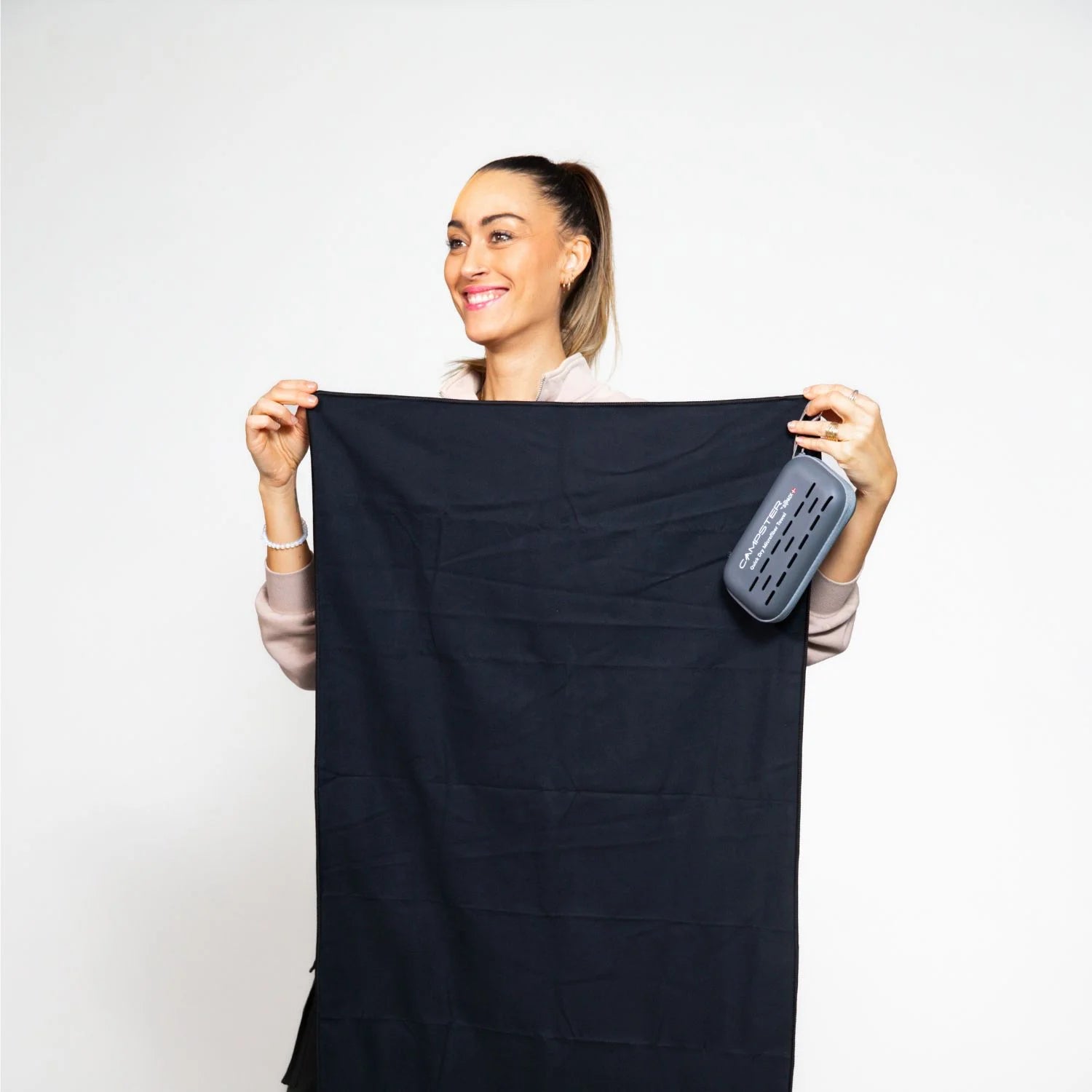
The practical argument for sustainable gear is durability. Products built to last reduce the cycle of buying and replacing cheap alternatives. A well-made water bottle, travel towel, or thermal blanket used for ten years generates far less waste than three rounds of budget replacements. Sitpack’s lineup of accessories, including thermal blankets and travel towels, reflects this philosophy with materials built for long-term use.
Choosing eco-friendly outdoor products also signals something to the places you visit. Leave No Trace principles extend beyond behavior to the gear you bring. Sustainable choices reduce packaging waste, chemical runoff, and landfill load from worn-out gear.
Campsite organization is the most underrated skill in outdoor recreation. Gear experts consistently point to integrated modular systems as the key to a clutter-free and efficient camp. When every item has a designated spot, setup and breakdown take half the time.
Color-coded stuff sacks, compression bags, and hanging organizers all serve this purpose. The goal is to avoid the “dump everything out and dig” approach that wastes time and damages gear. A good camping organization system also makes it easier to do a gear check before you leave, so you don’t arrive at the trailhead missing your rain jacket.
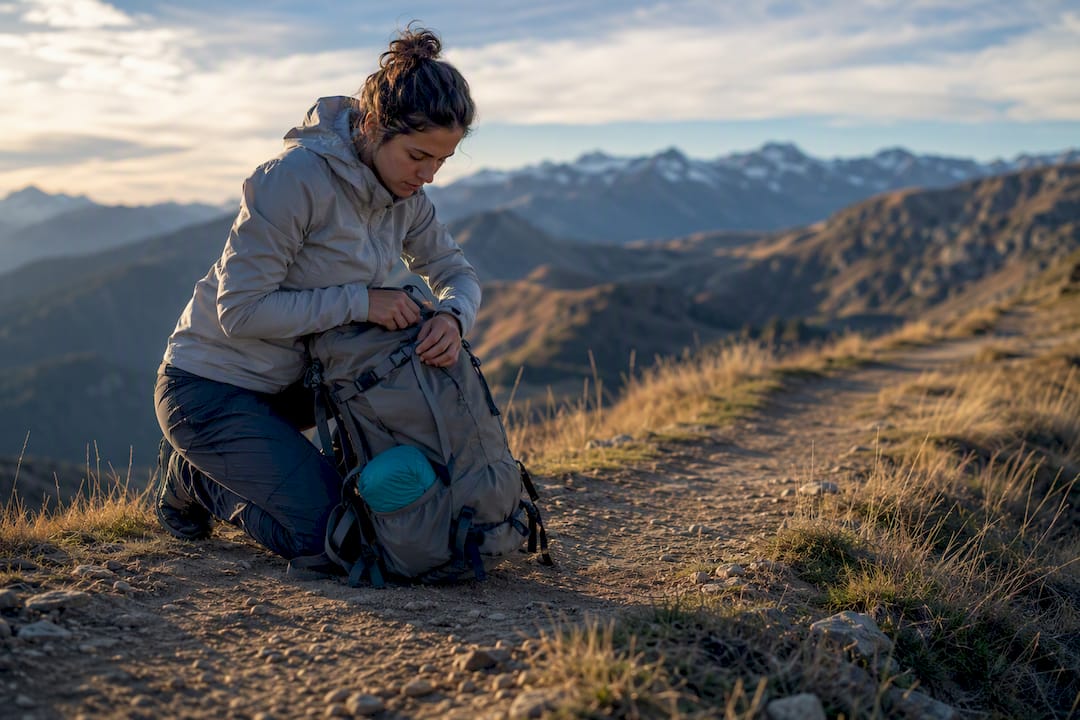
For car campers, a dedicated gear bin for each category (kitchen, sleep, safety) works well. Backpackers benefit from a top-loading pack with designated compartments for frequently accessed items like snacks, a rain layer, and a first aid kit.
The best outdoor accessories combine practical function, low weight, and durable materials. Gear that organizes well, lights your way, insulates effectively, and leaves a lighter footprint on the environment earns its place in your kit every time.
| Point | Details |
|---|---|
| Organization drives efficiency | Use integrated packing systems to group gear by category and cut setup time. |
| Headlamps beat flashlights | Hands-free lighting improves safety and convenience for every nighttime task. |
| R-value matters for sleep | Choose a sleeping pad rated R-3 or higher to prevent heat loss through the ground. |
| Ultralight suits backpackers | Prioritize weight-to-performance ratio for hiking; car campers can afford more bulk. |
| Sustainable gear lasts longer | Recycled materials and multiuse products reduce waste and replacement costs over time. |
Gear lists are easy to write. Knowing what actually matters in the field takes longer to figure out. My honest take after years of camping and hiking is that most people overbuy and underorganize. They spend money on the latest tech accessory and then lose it in a disorganized pack.
The single biggest upgrade I’ve made to my kit isn’t a product. It’s a system. Everything has a place. I know where my headlamp is at 2 a.m. without turning on a light. I know which bag has my first aid kit without unpacking everything. That kind of organization comes from intentional packing, not from buying more stuff.
On the sustainability side, I’ve stopped replacing cheap gear every season. A quality water bottle, a durable travel towel, a thermal blanket that actually insulates. These items cost more upfront and pay back over years of use. The math is obvious once you do it.
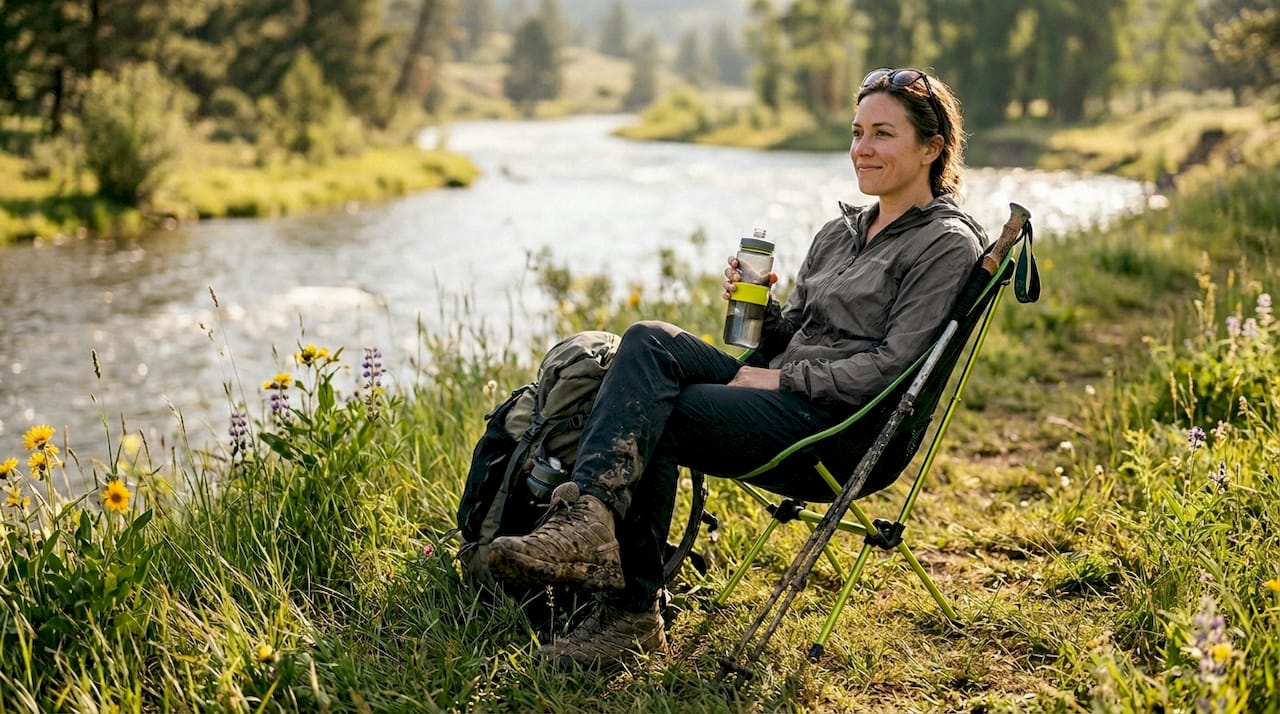
For seating, I spent too long tolerating uncomfortable camp chairs before I tried a properly designed portable seat. Parking your posterior on a well-engineered folding chair after a long day on the trail is genuinely one of the better feelings in outdoor life. Don’t skip it.
The best outdoor kit isn’t the heaviest or the most expensive. It’s the one you’ve thought through carefully, organized well, and maintained properly. That’s the gear that shows up for you when conditions get hard.
— Jonas
Gear that performs in the field starts with products designed for real conditions, not just product photos.
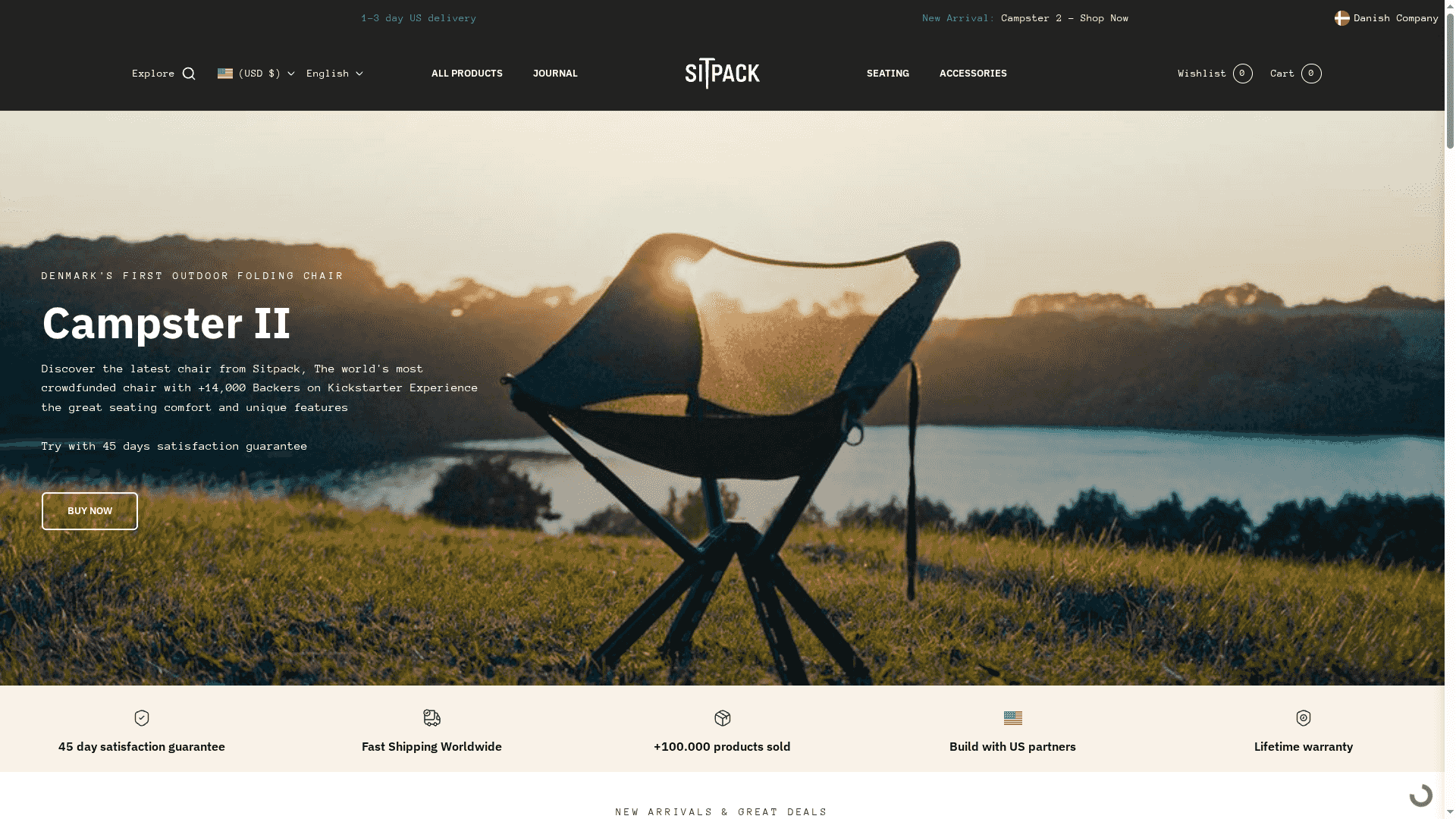
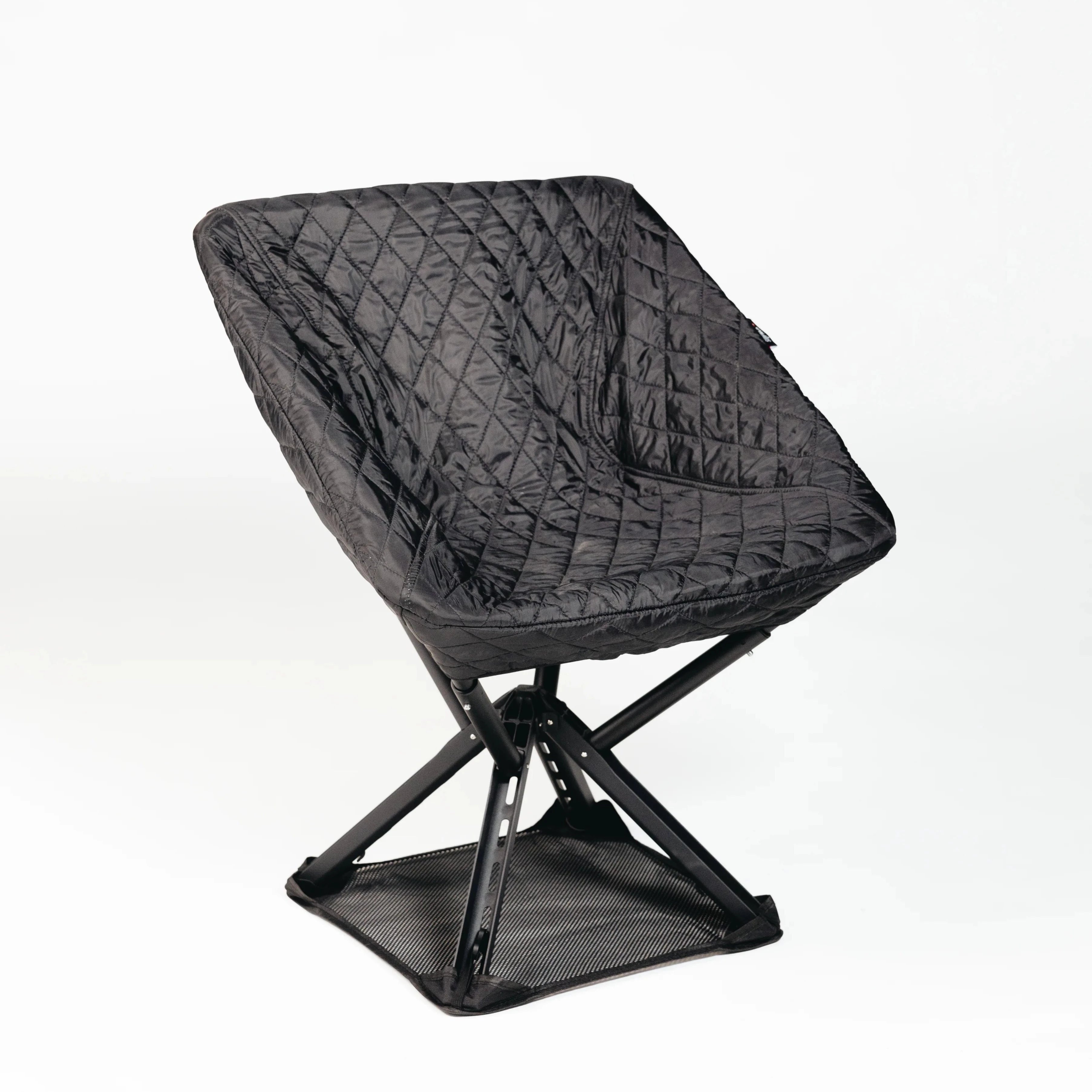
Sitpack builds portable seating solutions for outdoor enthusiasts who refuse to choose between comfort and mobility. The Campster II and Sitpack Zen are engineered for lightweight carry and genuine ergonomic support, whether you’re at a trailhead, a music festival, or a backcountry campsite. Sitpack’s accessory lineup, including thermal blankets, travel towels, and seat warmers, rounds out a complete outdoor comfort kit built on eco-friendly materials and backed by a lifetime warranty. With fast worldwide delivery and a 45-day satisfaction guarantee, getting the right portable outdoor seating has never been more straightforward.
The U.S. National Park Service’s Ten Essentials cover the core categories: navigation, illumination, insulation, first aid, fire, and emergency shelter. A quality headlamp, multi-tool, sleeping pad with an R-value of 3 or higher, and an organized gear system cover the practical basics for most trips.
Backpackers covering significant daily mileage benefit most from ultralight gear, where every ounce matters. Car campers driving to their site can prioritize comfort and durability over weight savings.
Eco-friendly outdoor gear uses recycled or sustainably sourced materials, avoids toxic chemicals in insulation and coatings, and is built for long-term durability to reduce replacement frequency.
A portable power station is worth it for car campers who want to run lights, charge devices, or power small appliances off-grid. Backpackers typically find solar charging panels a lighter and more practical alternative.
Integrated packing systems that group gear by category reduce setup time, prevent lost items, and lower stress at camp. Efficient campsite organization is consistently cited by gear experts as one of the highest-impact improvements any camper can make.