Cart
0
Sign up and get 10$ off your order
Expected delivery
1-3 days
You may also like
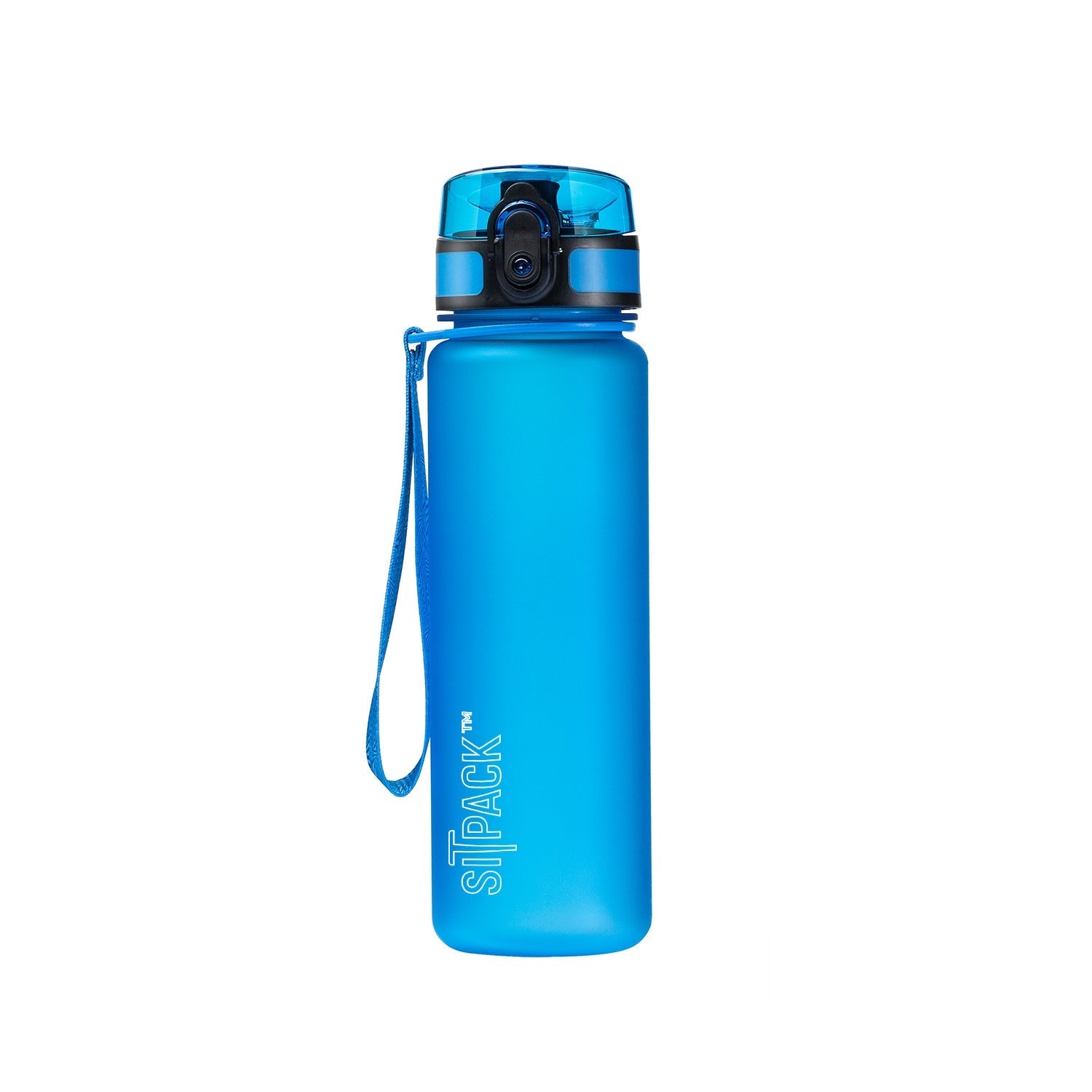
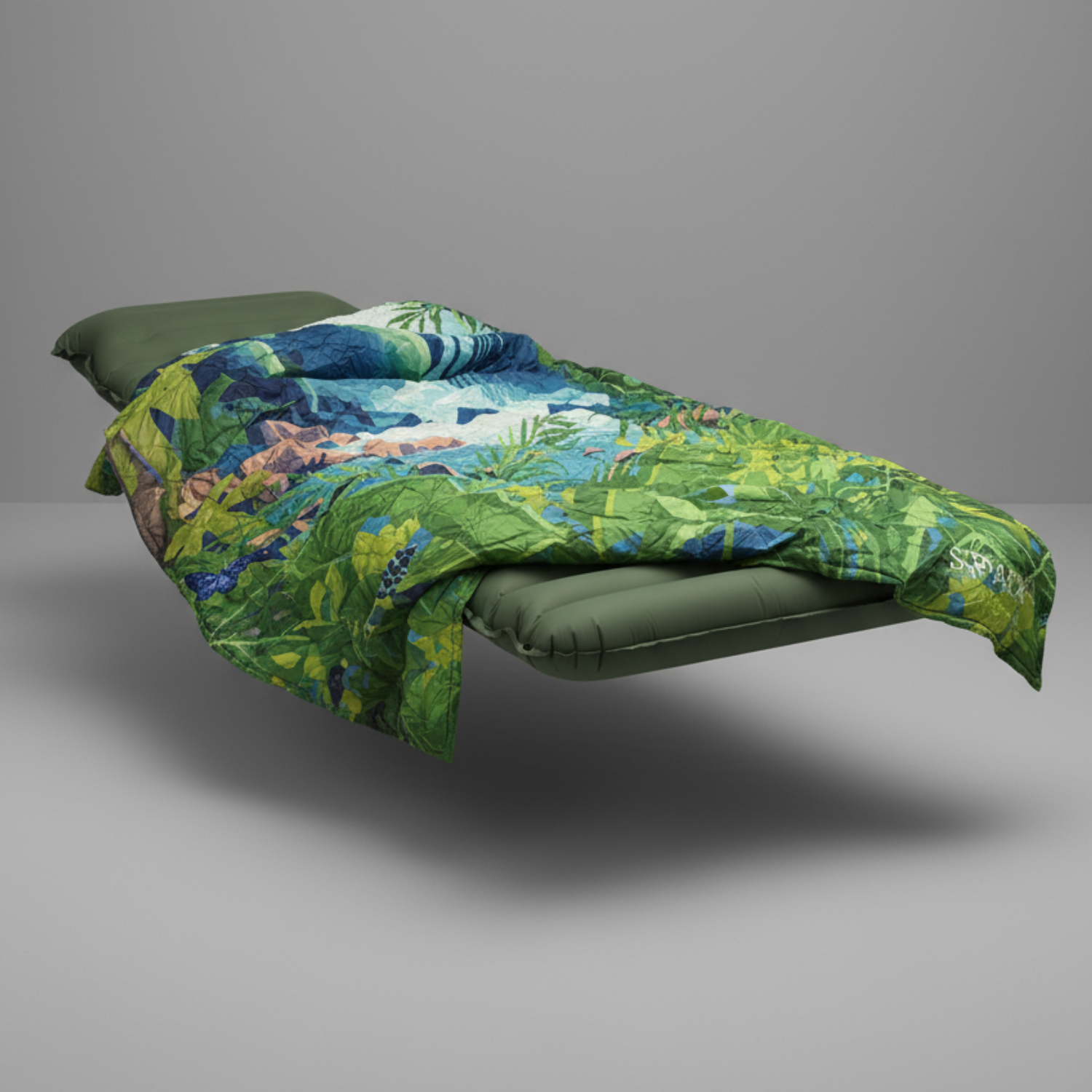
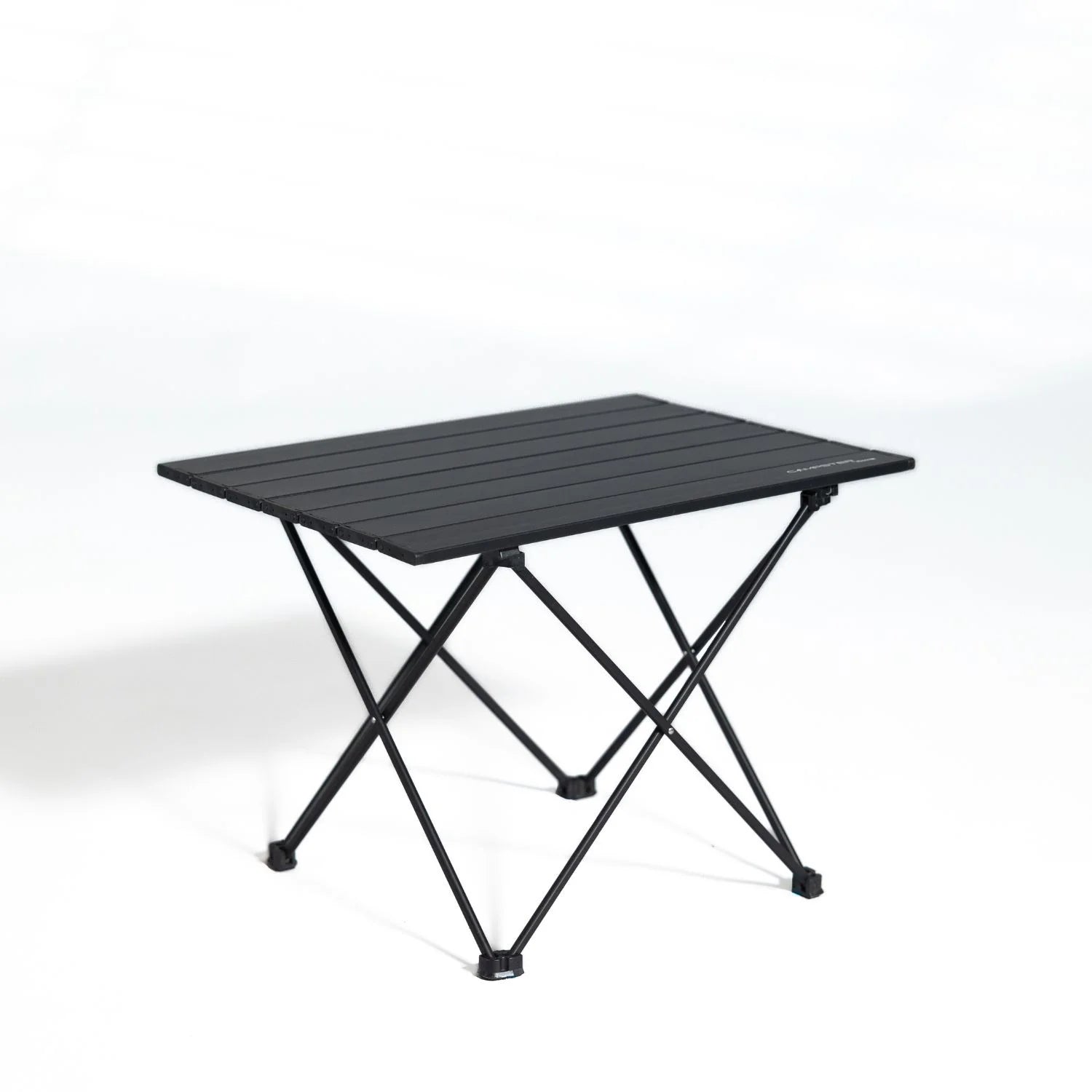
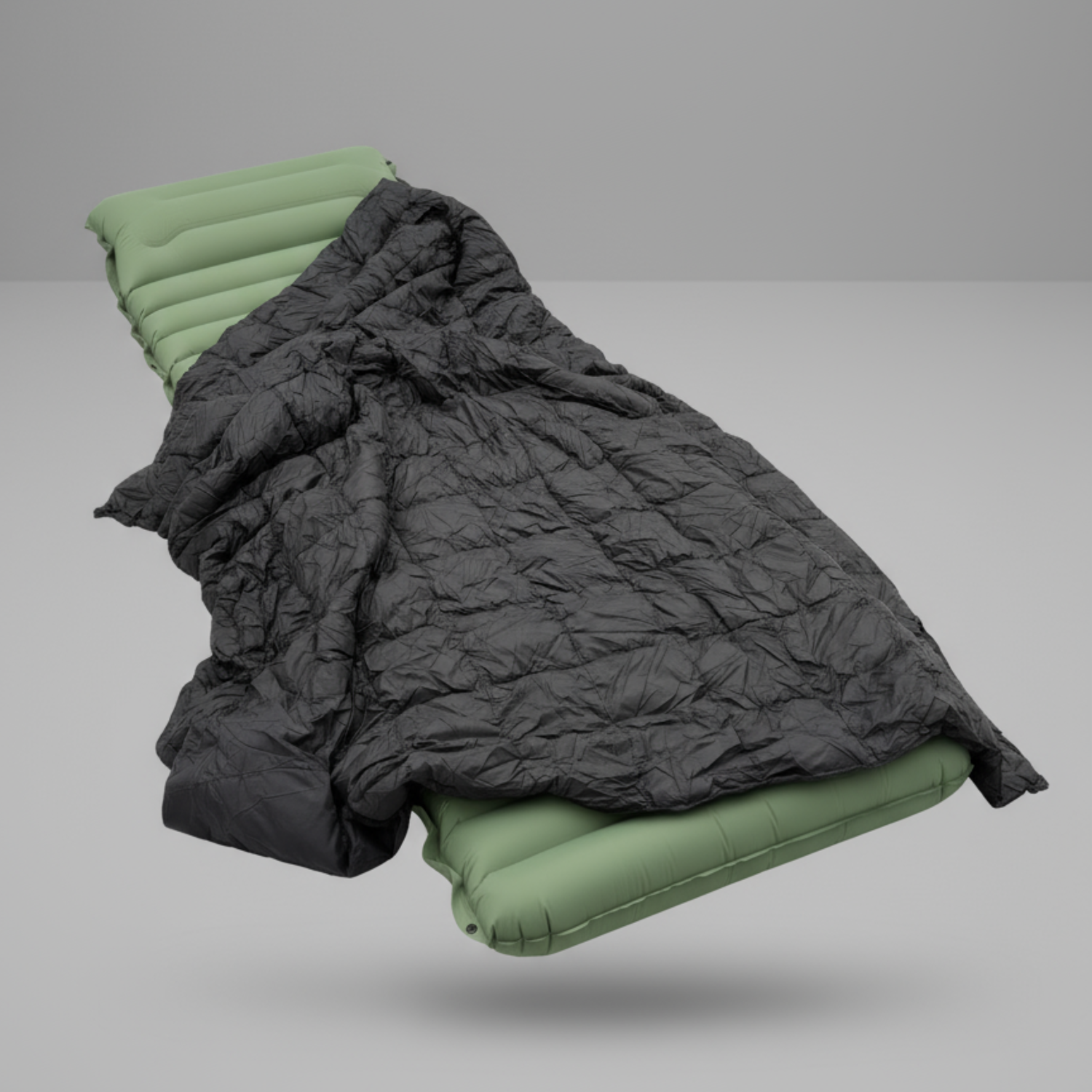


Danish Company

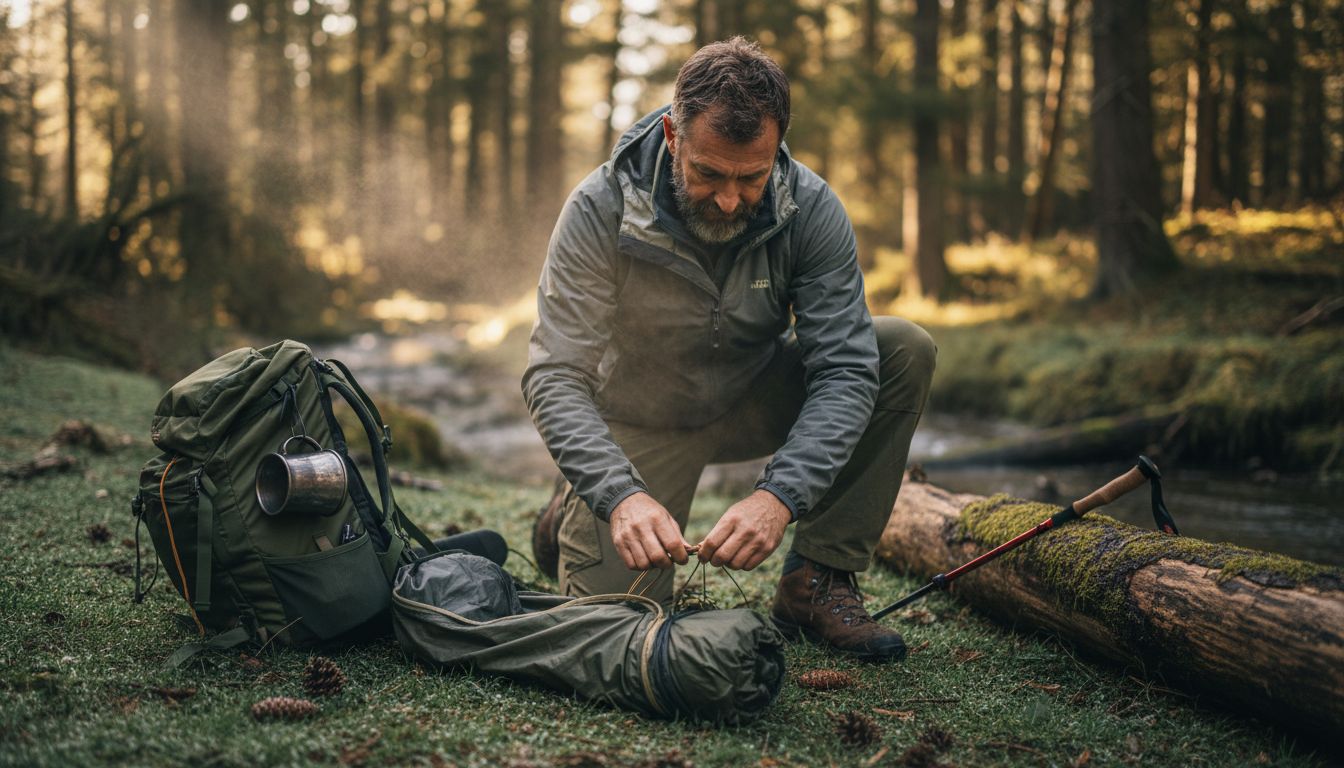
Most American campers agree that packing light can make or break an adventure. When every ounce matters, the right compact camping gear opens up new possibilities for exploration without added burden. Over 80 percent of outdoor enthusiasts cite portability as their top priority when choosing equipment. Whether you are heading into remote backcountry or planning weekends at a nearby state park, this guide reveals how smart, lightweight tools help you travel farther and enjoy the natural world with greater comfort.
| Point | Details |
|---|---|
| Prioritize Portability | Select lightweight and compact gear to enhance mobility and reduce physical strain during outdoor activities. |
| Understand Trade-Offs | Recognize the balance between weight, durability, and functionality when choosing equipment for camping. |
| Safety is Essential | Always evaluate gear condition and practice setup to ensure safety and reliability before embarking on trips. |
| Embrace Versatility | Choose multi-functional gear to maximize utility while minimizing overall weight and storage needs. |
Compact camping gear represents a revolutionary approach to outdoor equipment design, prioritizing portability and minimal weight without sacrificing functionality. At its core, these lightweight tools and accessories transform how adventurers experience nature by enabling easier transportation and reducing physical strain during outdoor excursions.
The fundamental philosophy behind compact gear centers on maximizing efficiency in limited spaces. Portable stoves exemplify this principle perfectly, offering travelers cooking capabilities that are lightweight and easily transportable for environments where traditional cooking infrastructure doesn’t exist. Similarly, hammock camping demonstrates how innovative design can replace bulky traditional equipment with streamlined alternatives that maintain comfort and practicality.
Key characteristics of compact camping gear typically include:
Pro Camping Gear Tip: Always weigh your total gear load before a trip and challenge yourself to eliminate at least 20% of non-essential items to experience the true freedom of minimalist outdoor adventuring.
Understanding compact camping gear means recognizing that modern outdoor experiences prioritize mobility and simplicity. By selecting equipment engineered for maximum functionality with minimal bulk, adventurers can explore more terrain, travel with greater ease, and focus on the pure joy of experiencing nature unencumbered by heavy, unwieldy equipment.
Compact camping equipment represents a diverse ecosystem of innovative solutions designed to enhance outdoor mobility and convenience. From ultralight sleeping systems to modular cooking gear, these tools transform how adventurers experience wilderness environments by reducing weight and increasing transportation efficiency.
Vehicle-based camping solutions have revolutionized portable outdoor accommodations. Popup campers exemplify this trend, offering towable recreational vehicles that collapse for easy storage while providing essential amenities. Similarly, roof tents represent another ingenious approach, mounting directly onto vehicles to create elevated sleeping spaces that maximize mobility and minimize ground setup time.
Primary categories of compact camping equipment include:
Pro Equipment Selection Tip: Always prioritize multi-functional gear that serves multiple purposes, reducing overall weight and maximizing your equipment’s versatility during outdoor adventures.
The evolution of compact camping equipment continues to push boundaries, integrating advanced materials and intelligent design principles that make outdoor experiences more accessible and enjoyable. By selecting thoughtfully engineered tools, adventurers can dramatically reduce their physical burden while maintaining comfort and functionality in challenging environments.
Here is a comparison of typical compact camping gear categories and their main benefits:
| Equipment Type | Notable Advantage | Example Scenario |
|---|---|---|
| Ultralight Shelter | Minimal pack weight | Multi-day backpacking trips |
| Modular Cooking Gear | Easy campsite setup | Quick meal preparation |
| Packable Sleeping Bag | Improved temperature control | Cold weather camping |
| Foldable Camp Table | Space-saving convenience | Small car or RV travel |
Compact camping gear represents a delicate balance between three critical design elements: portability, durability, and comfort. These interconnected features define the quality and effectiveness of outdoor equipment, transforming simple tools into essential companions for adventurers seeking memorable wilderness experiences.
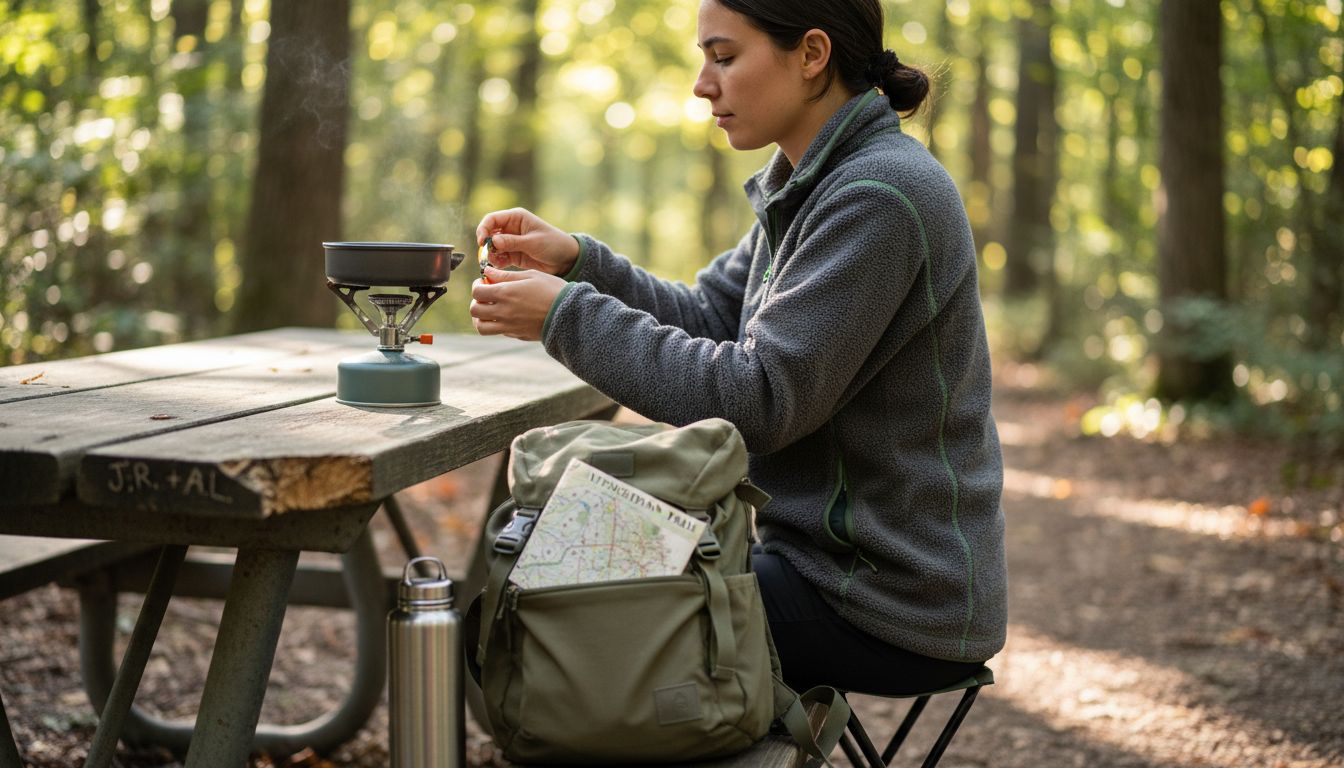
Portable equipment design has revolutionized outdoor exploration. Inflatable boats perfectly illustrate this principle, offering lightweight solutions that can be easily transported and quickly deployed in various environments. Similarly, Campingaz products demonstrate how innovative design can create gear that maintains high performance while minimizing physical burden.
Key considerations for evaluating compact camping gear include:
Pro Performance Tip: Always test your compact gear in controlled environments before embarking on extended trips to understand its real-world performance and identify potential limitations.
Ultimately, exceptional compact camping gear transcends mere functionality. It represents a sophisticated intersection of engineering, materials science, and human-centered design, enabling outdoor enthusiasts to explore challenging terrains with confidence, comfort, and minimal physical strain.
The following table summarizes how core features of compact gear contribute to safer and more enjoyable adventures:
| Feature | Safety/Comfort Contribution | User Benefit |
|---|---|---|
| Portability | Reduces physical fatigue | Longer hikes possible |
| Durability | Withstands harsh conditions | Fewer equipment failures |
| Ergonomics | Enhances setup and usability | Quicker, comfortable setup |
| Versatility | Adapts to varied conditions | Fewer items to carry |
Compact camping gear represents a nuanced ecosystem of strategic advantages and calculated compromises that challenge outdoor enthusiasts to make thoughtful equipment selections. Understanding these intricate trade-offs becomes crucial for creating memorable and comfortable wilderness experiences that balance performance, weight, and practical functionality.
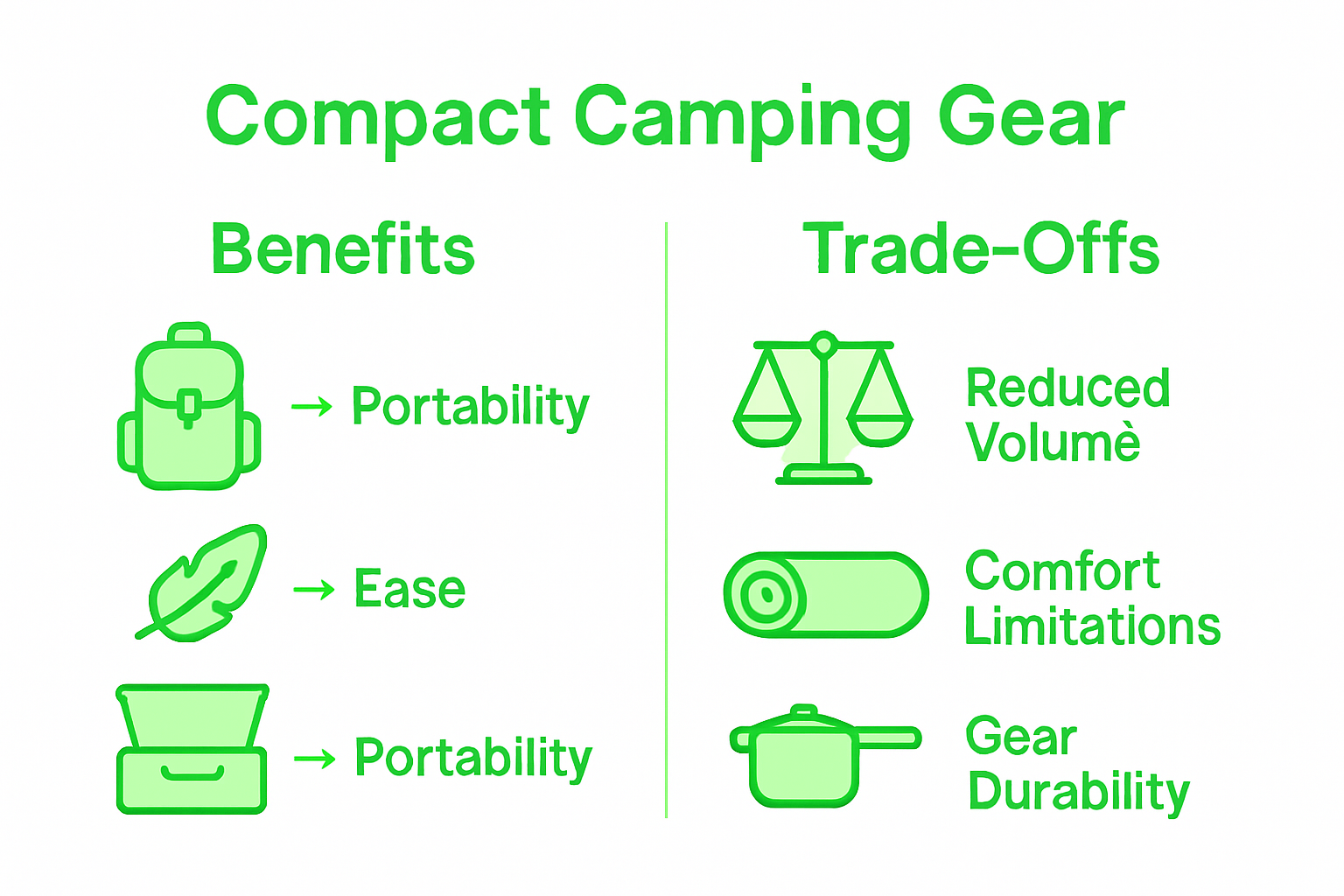
Portable stoves perfectly illustrate the delicate balance between convenience and complexity, offering remarkable cooking capabilities in remote environments while simultaneously demanding careful consideration of fuel availability and equipment stability. Similarly, hammock camping demonstrates how innovative design can provide unique benefits like elevated sleeping arrangements and terrain adaptability, while also introducing specific limitations related to environmental conditions and anchor point requirements.
Key benefits and corresponding trade-offs include:
Pro Gear Selection Tip: Always prioritize equipment that offers the most flexible performance across multiple scenarios, understanding that perfect solutions rarely exist in outdoor environments.
Ultimately, successful outdoor adventures demand a realistic approach to gear selection. Experienced adventurers recognize that compact camping equipment represents a strategic compromise between comfort, performance, and practicality. By carefully evaluating individual needs and understanding inherent trade-offs, outdoor enthusiasts can craft personalized equipment solutions that maximize enjoyment while minimizing physical and logistical burdens.
Safety and effectiveness represent the cornerstone of successful outdoor equipment selection, transforming compact camping gear from simple tools into reliable wilderness companions. Understanding the nuanced requirements of portable equipment empowers adventurers to make informed decisions that protect both personal well-being and overall expedition success.
Portable stoves exemplify the critical importance of safety considerations, demanding meticulous attention to placement, ventilation, and operational protocols. Comprehensive equipment planning, such as those outlined in comprehensive equipment lists, emphasizes the delicate balance between lightweight design and functional reliability.
Key safety and effectiveness strategies include:
Pro Gear Safety Tip: Always conduct a comprehensive gear check and mock setup at home before departure, ensuring you understand every component’s function and potential failure points.
Ultimately, successful outdoor adventures emerge from a harmonious blend of thoughtful preparation, technical understanding, and adaptive problem-solving. By approaching compact camping gear with a strategic mindset that prioritizes safety, functionality, and personal skill development, adventurers can transform potential challenges into opportunities for memorable wilderness experiences.
The article highlights how compact camping gear solves the challenge of balancing portability, durability, and comfort for outdoor adventures. If carrying bulky or heavy equipment has ever worn you down, you understand the real value of lightweight, foldable solutions that minimize physical strain without sacrificing functionality. Concepts like ergonomic design and quick setup resonate deeply with anyone seeking freedom to explore more while carrying less.
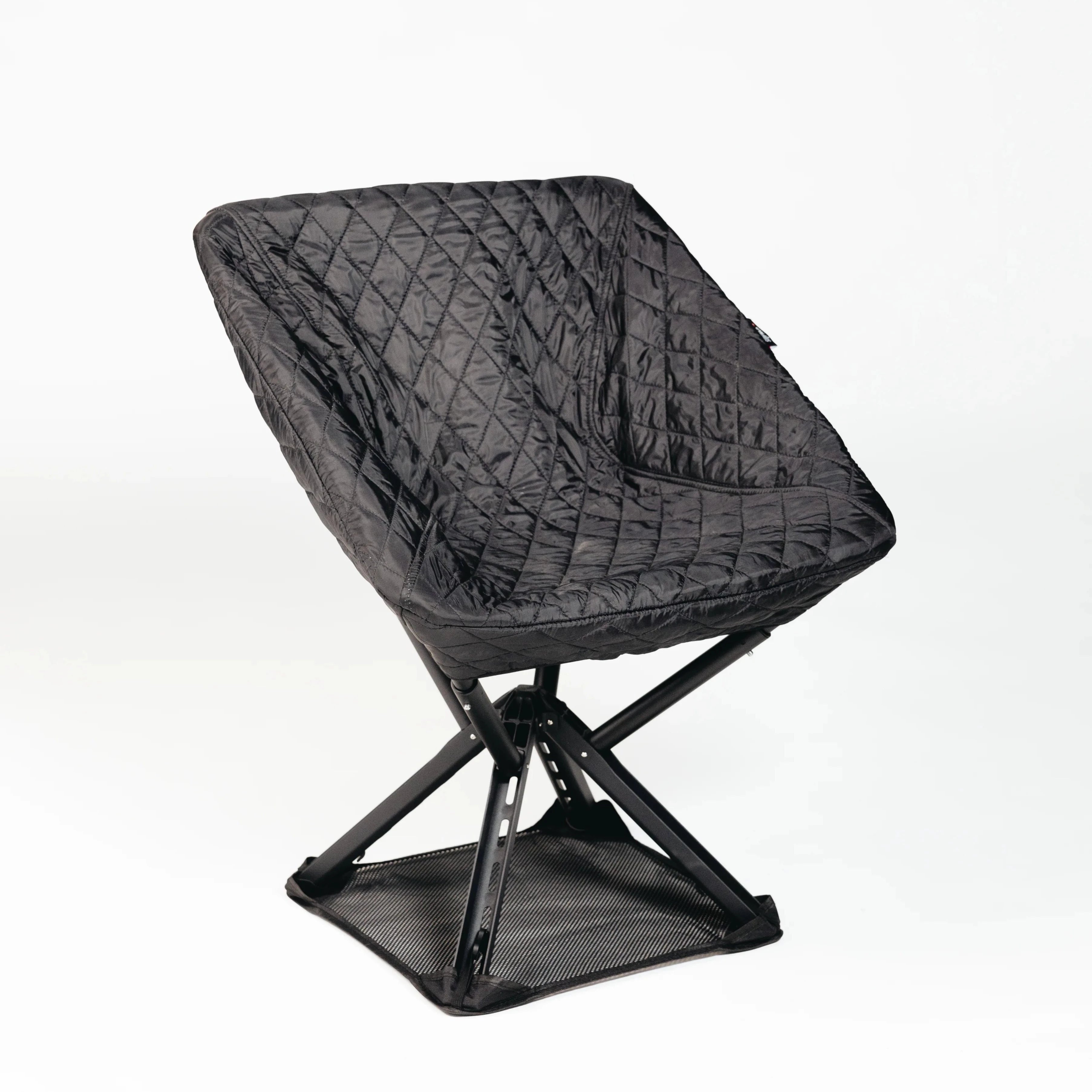
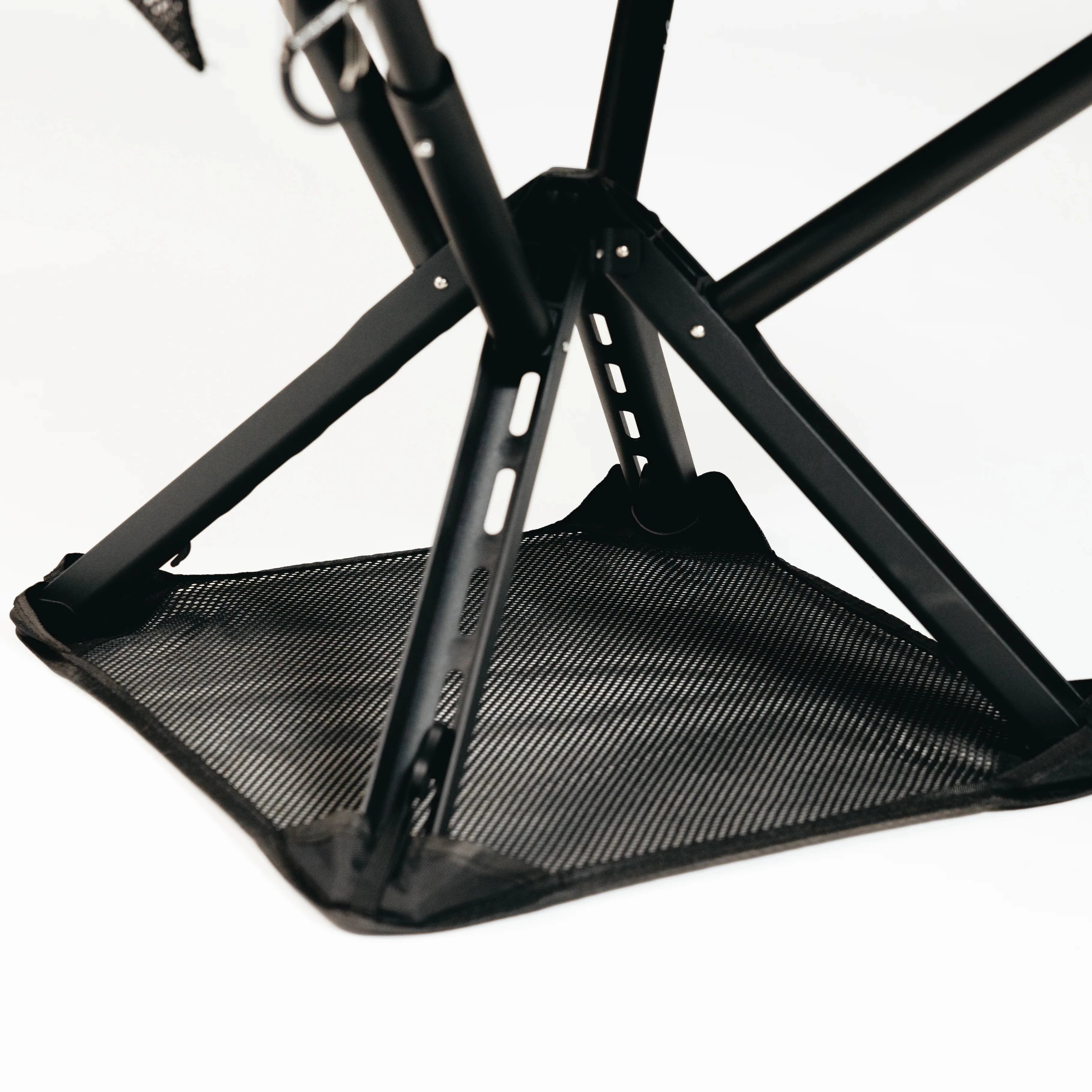
At Sitpack, we share this commitment to ultimate portability combined with lasting comfort. Our innovative portable seating options such as the Campster II and Sitpack Zen offer ultralight weight, minimalistic profiles, and exceptional durability designed for campers, travelers, and outdoor enthusiasts who refuse to compromise. These foldable chairs are perfect companions to your compact camping gear with easy transport, fast setup, and reliable support whenever you need a rest.
Experience the difference with lightweight seating that complements your compact gear and enhances every outdoor moment.
Discover how to minimize your load while maximizing comfort by exploring the latest arrivals and best sellers at Sitpack. Don’t wait to upgrade your camping essentials—visit now and embrace portability without sacrificing relaxation on your next adventure.
Compact camping gear refers to lightweight and portable outdoor equipment designed for easy transportation and minimal bulk, allowing adventurers to explore nature more efficiently.
The primary benefits of compact camping gear include reduced weight for easier transportation, space-saving designs for efficient storage, multi-functional capabilities for versatility, and enhanced comfort and durability for outdoor conditions.
Consider prioritizing multi-functional equipment, evaluating portability, durability, and comfort features, and testing your gear in controlled environments to ensure it meets your specific needs and performs effectively in real conditions.
Common types of compact camping equipment include ultralight tents, portable stoves, packable sleeping bags, and foldable camp tables, all designed to enhance mobility and convenience for outdoor enthusiasts.