Cart
0
Sign up and get 10$ off your order
Expected delivery
1-3 days
You may also like
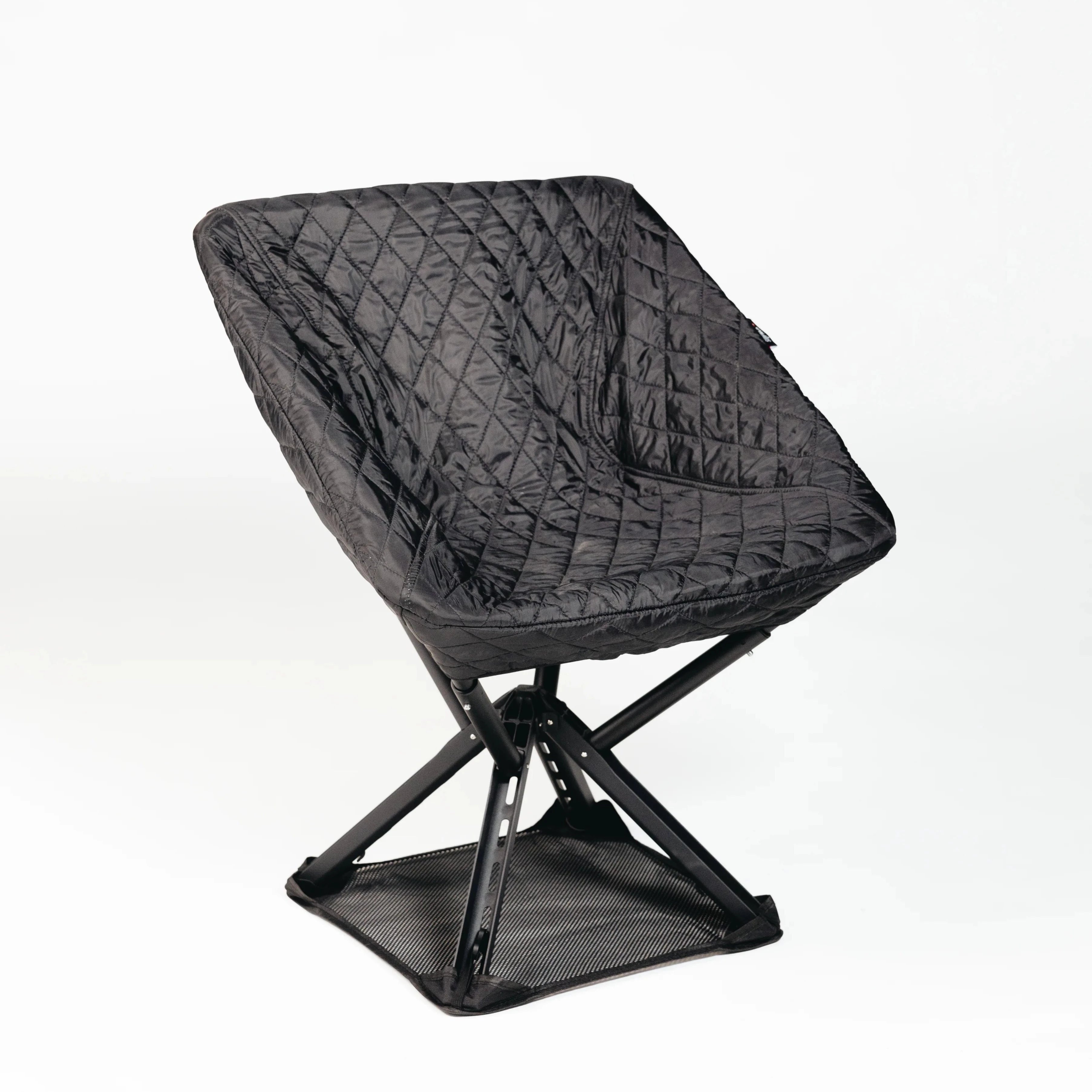
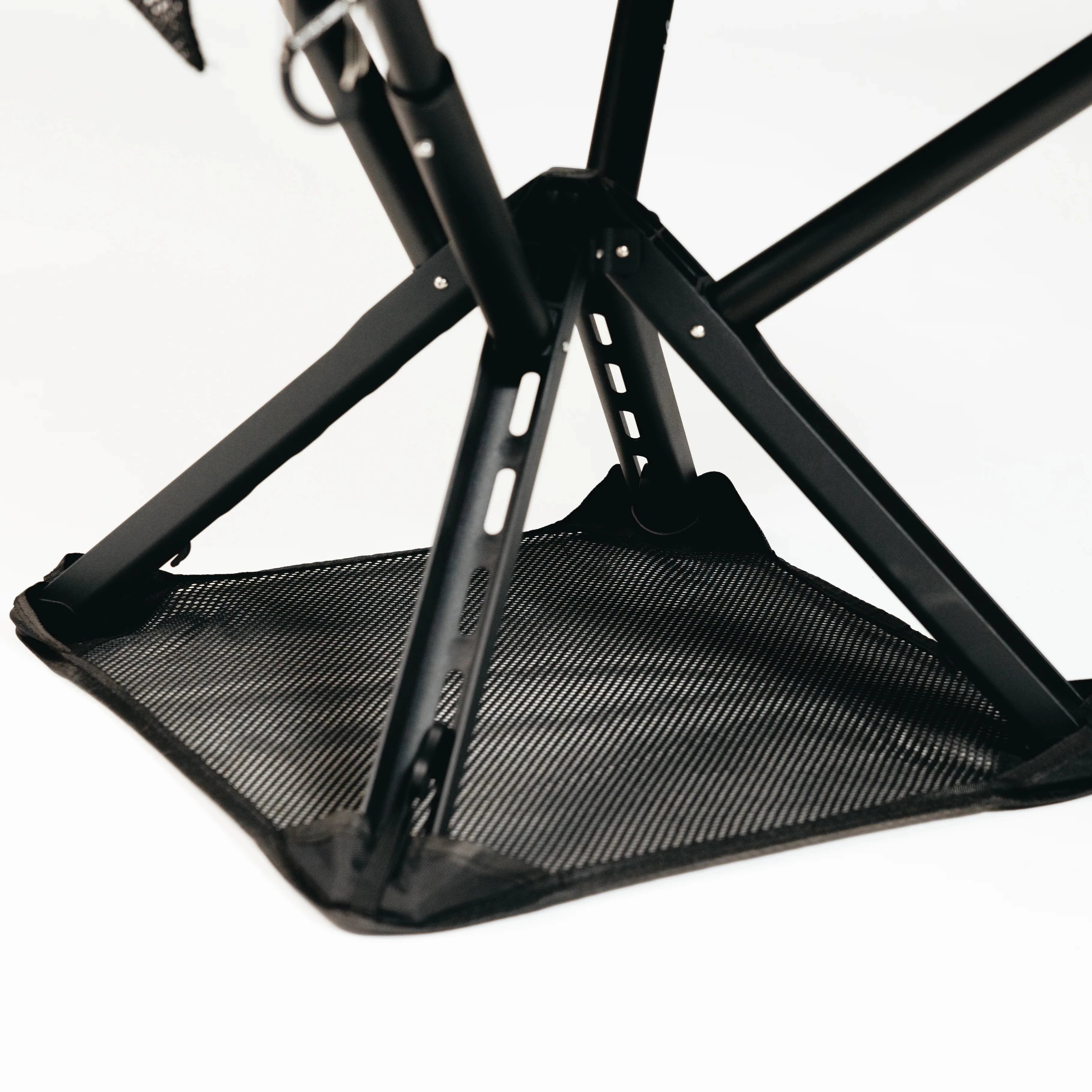


Danish Company


Finding a chair that truly supports your lifestyle can feel impossible in a European city, especially when you crave flexibility for outdoor festivals or daily journeys. Many eco-conscious travelers are surprised to learn that American compact chair designs have set the standard, with models weighing under 3 pounds yet providing comfort comparable to full-sized options. This guide unpacks how the right seating solution can transform your urban experience, blending portability with sustainability for every adventure.
| Point | Details |
|---|---|
| Compact Chairs Combine Portability and Comfort | Designed for urban dwellers and outdoor enthusiasts, compact chairs offer lightweight construction without sacrificing ergonomic support. |
| Diverse Types for Various Needs | Different compact chair types cater to specific environments, ensuring versatility in use for tasks, outdoor adventures, and compact living. |
| Sustainability in Design | Modern compact chairs utilize eco-friendly materials and manufacturing processes, promoting responsible consumption and minimizing environmental impact. |
| Consider Limitations Before Purchase | Users should evaluate weight capacity, cushioning, and adjustability, as compact chairs may not suit everyone’s ergonomic needs or extended use. |
A compact chair is a revolutionary seating solution designed for modern urban dwellers and outdoor enthusiasts who refuse to compromise comfort for portability. Unlike traditional bulky chairs, these intelligent designs transform how we think about mobility and personal seating. They represent a strategic approach to addressing limited space challenges while ensuring maximum ergonomic support.
Compact chairs solve multiple practical problems by combining lightweight engineering with smart design principles. Ergonomic research demonstrates that these chairs can significantly reduce musculoskeletal strain, offering adjustable features that match or exceed larger furniture models. Typical dimensions range under 24 inches wide, making them perfect for travelers, urban commuters, and anyone navigating tight spaces.
Key characteristics that define a high-quality compact chair include:
Comprehensive studies on compact ergonomic chairs reveal they can reduce musculoskeletal disorders by up to 40% compared to standard static seating. This statistic underscores their significance beyond mere convenience - they represent a meaningful investment in personal comfort and health.
Pro tip: When selecting a compact chair, prioritize weight, durability, and adjustability over purely aesthetic considerations.
Compact chairs represent a diverse category of seating solutions, each designed to meet specific user needs and spatial constraints. Office chair variations span multiple functional categories, ranging from task-oriented designs to more specialized models that cater to unique environmental requirements.
The primary compact chair types can be categorized into several distinct groups:
Compact ergonomic solutions today emphasize versatility and adaptability, with manufacturers focusing on features like adjustable lumbar support, flexible height ranges, and lightweight materials. These innovations ensure that users no longer have to compromise between comfort and portability.

Each chair type comes with unique advantages. Task chairs prioritize adjustability and desk compatibility, operator chairs provide premium ergonomic features for prolonged sitting, and outdoor foldable models focus on lightweight construction and quick deployment. The key is matching the chair’s specific design characteristics to your individual needs and environment.
Here’s a side-by-side summary of key compact chair types and their primary best-use scenarios:
| Type | Best Environment | Notable Advantage |
|---|---|---|
| Task Chair | Home offices | Enhanced desk compatibility |
| Operator Chair | Professional settings | Advanced ergonomic features |
| Foldable Outdoor Chair | Outdoor travel/adventure | Lightweight, quick deployment |
| Mesh Low-Back Chair | Warm urban spaces | Breathability and cooling |
| Minimalist Armless Design | Small apartments | Maximum space efficiency |
Pro tip: Always test a compact chair’s weight capacity and adjustment mechanisms before committing to purchase, as these factors significantly impact long-term comfort and usability.
Portable chairs represent a sophisticated intersection of engineering and user-centric design, demanding careful consideration of multiple critical features. Compact ergonomic solutions prioritize intelligent design elements that maximize comfort while minimizing physical footprint, transforming how we approach personal seating in dynamic environments.
Critical features that define an exceptional compact chair include:
Modern compact chairs go beyond basic functionality. They incorporate advanced engineering principles that enable users to maintain proper posture and reduce physical strain, even in limited spaces. Breathable mesh materials prevent heat buildup, while flexible frame designs allow multiple sitting positions without compromising structural integrity.
The most sophisticated portable chairs blend technological innovation with human-centered design. They recognize that comfort isn’t just about cushioning, but about supporting natural body mechanics, promoting blood circulation, and adapting to individual user needs across diverse environments.
Pro tip: Prioritize chairs with multiple adjustment points and lightweight materials to ensure maximum versatility and personal comfort.
The evolution of compact chair design now places sustainable manufacturing at the forefront of innovation, recognizing the critical importance of environmental responsibility. Sustainable furniture design increasingly focuses on comprehensive life cycle assessment, transforming how manufacturers approach material selection, production processes, and long-term environmental impact.
Key sustainable materials revolutionizing compact chair production include:
Research comparing structural materials demonstrates that engineered wood and advanced composite materials can significantly reduce environmental impact without compromising structural integrity. Modern compact chairs now integrate circular economy principles, emphasizing design strategies that extend product lifecycles, minimize waste, and create more sustainable consumption patterns.
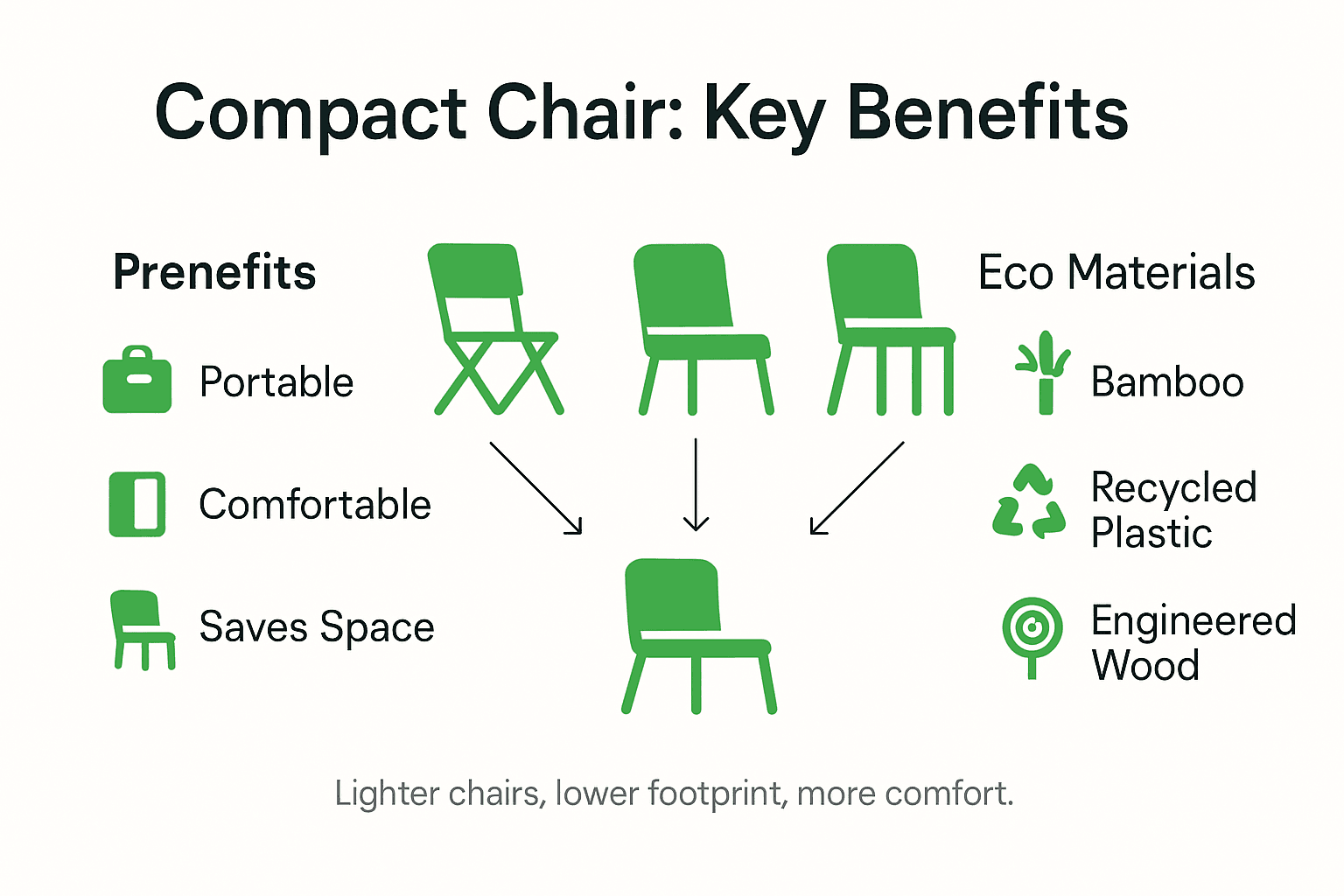
The sustainability impact extends beyond material selection. Manufacturers are developing chairs with modular designs that allow component replacement, reducing overall waste and enabling longer product lifespans. This approach represents a fundamental shift from traditional linear manufacturing towards a more regenerative, environmentally conscious model of production.
Pro tip: When selecting an eco-friendly compact chair, look for transparent sustainability certifications and verify the manufacturer’s complete environmental impact reporting.
Compact chairs represent a transformative solution for modern mobility, bridging the gap between personal comfort and spatial constraints across diverse environments. These innovative seating solutions have revolutionized how people approach transportation, outdoor adventures, and urban living by providing flexible, portable support wherever life takes them.
Specific application scenarios demonstrate the versatility of compact chairs:
The true power of these chairs lies in their ability to transform mundane moments into comfortable experiences. Whether you’re waiting for a delayed flight, enjoying a mountain vista, or seeking a momentary break during a busy urban day, a compact chair provides an instant sanctuary of personal comfort. Modern designs have engineered solutions that weigh less than most laptops while offering ergonomic support that rivals traditional furniture.
Beyond individual convenience, compact chairs represent a broader shift in how we conceptualize mobility and personal space. They embody a minimalist philosophy that prioritizes adaptability, emphasizing that comfort should not be confined to static environments but should accompany us through life’s dynamic landscapes.
Pro tip: Invest in a compact chair with multiple adjustment points and water-resistant materials to maximize versatility across different environments.
Compact chairs, while revolutionary, are not without potential limitations and challenges that users should carefully consider before making a purchase. Alternative seating solutions offer nuanced approaches to addressing personal comfort and ergonomic needs, recognizing that no single seating option works universally for every individual or environment.
Potential risks and drawbacks of compact chairs include:
Flexible seating options demonstrate both significant advantages and notable challenges, requiring thoughtful consideration of individual needs. Alternative seating options like kneeling chairs, saddle seats, and balance stools provide intriguing alternatives that promote active sitting and encourage more dynamic posture changes.
The most sophisticated approach involves understanding personal ergonomic requirements and matching them with appropriate seating solutions. Some users might find traditional chairs more suitable, while others will appreciate the mobility and adaptability of compact designs. Ultimately, the ideal choice depends on specific use cases, physical requirements, and individual comfort preferences.
This table outlines common risks of compact chairs with suggested alternative solutions:
| Drawback | Impact on User | Alternative Solution |
|---|---|---|
| Limited weight capacity | Excludes heavier users | Heavy-duty folding chair |
| Minimal cushioning | Reduced long-term comfort | Cushion add-on or padding |
| Durability concerns | Shorter product lifespan | Modular or reinforced frames |
| Less adjustability | Poor fit for some users | Ergonomic kneeling/balance stools |
| Not for long sitting | Discomfort over hours | Use traditional ergonomic chair |
Pro tip: Test multiple seating options and pay attention to your body’s comfort signals, recognizing that no single chair design suits everyone perfectly.
The article highlights the challenge of finding portable seating that does not sacrifice ergonomic support and durability. If you struggle with bulky chairs that are hard to carry or uncomfortable in tight spaces, Sitpack offers a solution designed exactly for those needs. Their lightweight, foldable chairs like the Campster II and Sitpack Zen bring together minimalistic design and advanced ergonomics. These products are crafted to address pain points such as limited weight capacity, lack of adjustability, and durability concerns raised in compact chair discussions.

Discover how Sitpack transforms outdoor and urban seating with portable chairs that fold rapidly and fit easily into backpacks. Browse our innovative outdoor seating solutions for durable, eco-friendly chairs backed by lifetime warranties. Don’t miss out on fast worldwide delivery. Experience comfort anywhere today by exploring our best-selling compact chairs and accessories designed to keep you comfortable on every adventure.
Take the next step now and visit Sitpack to find your perfect compact chair that combines portability with lasting comfort.
Compact chairs offer portability, ergonomic support, and space efficiency. They are lightweight, often under 5 pounds, and designed to reduce musculoskeletal strain while providing cushioning comparable to traditional chairs.
When selecting a compact chair, prioritize key features such as weight, adjustability, and material durability. Consider your specific use case, whether it’s for travel, outdoor activities, or home office needs to ensure the chair meets your comfort requirements.
Compact chairs are generally not designed for prolonged sedentary periods due to their reduced cushioning and limited adjustability. They work best for short-term seating needs, such as travel or quick breaks.
Common materials for compact chairs include recycled aluminum for the frame, breathable mesh for seating, and engineered plywood or bamboo composites for added durability. These materials help ensure the chairs are lightweight and environmentally friendly.