Cart
0
Sign up and get 10$ off your order
Expected delivery
1-3 days
You may also like


Danish Company

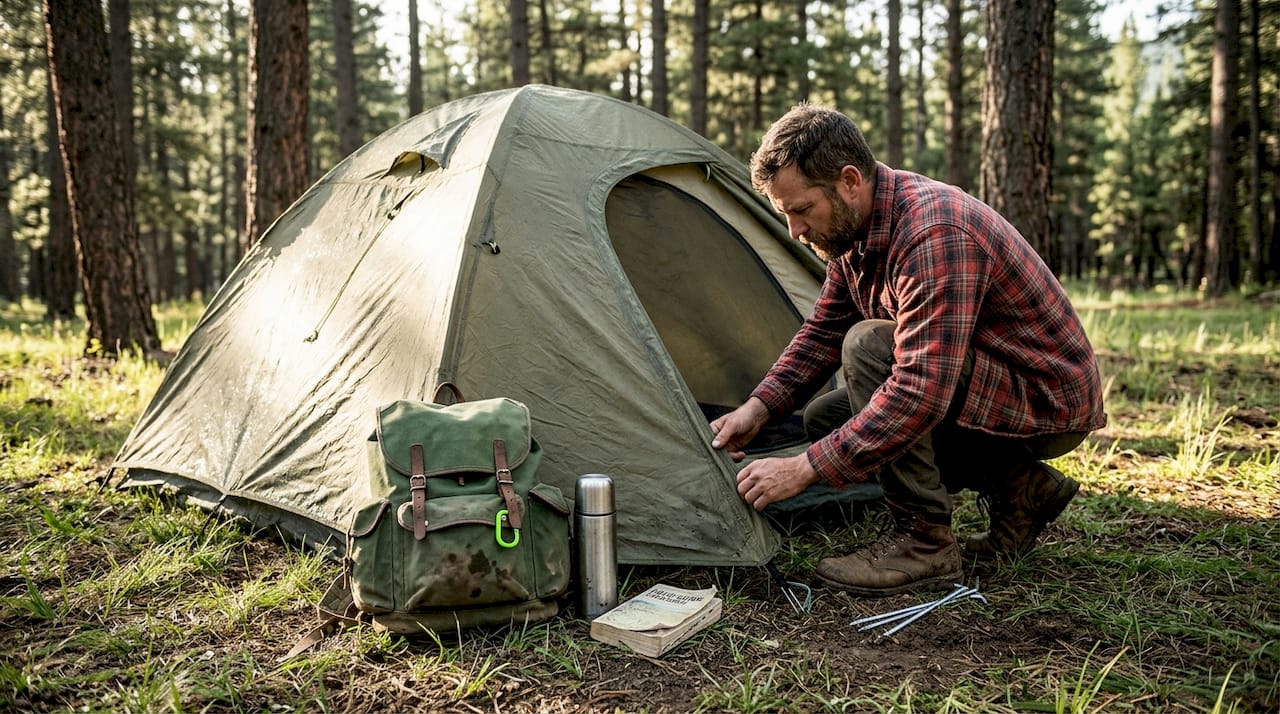
You’ve probably seen tents boasting 10,000mm waterproof ratings or sleeping bags promising years of backcountry use, but here’s the reality: lab tests often tell only part of the story. Many campers discover that gear meeting industry standards still fails during actual trips due to seam weaknesses, abrasion from rocks, or UV degradation. Understanding the gap between laboratory metrics and field performance helps you choose camping equipment that truly lasts. This guide explains key durability standards, compares fabric performance benchmarks, and provides practical advice for selecting gear that performs reliably when you need it most.
| Point | Details |
|---|---|
| Standards provide baseline | ISO and ASTM tests set baseline performance for tents and sleeping bags but do not guarantee field reliability. |
| Lab tests exceed field needs | Hydrostatic head ratings and other lab figures often exceed real world rain and wind demands, so high numbers may not predict durability in practice. |
| Ultralight durability tradeoffs | Lightweight fabrics like Dyneema Composite Fabric can show strong lab tensile strength yet suffer poor abrasion resistance, making seam quality and ground contact critical. |
| No universal standard | No single standard covers all camping gear, so consider lifespan and repairability in addition to test ratings. |
| Look for real world proof | Prioritize gear with taped seams, strong fabric ratings, and evidence from field tests to ensure reliable performance. |
When you shop for camping equipment, manufacturers reference various testing standards to demonstrate quality. ISO 5912:2020 specifies test methods for camping tents including fabric strength, water resistance, and component durability. This standard evaluates how tent materials perform under controlled conditions, measuring everything from pole strength to zipper cycles. The ISO 23537 series covers sleeping bags including thermal performance and fabric durability requirements, ensuring bags maintain insulation properties over time.
These international standards create consistency across the industry. However, they represent minimum thresholds rather than guarantees of exceptional performance. ASTM standards like D5587 and D4157 measure fabric tear and abrasion resistance, providing manufacturers with specific protocols for testing individual material properties. These methods assess how fabrics respond to stress, helping predict lifespan under various conditions.
The testing process typically involves:
While these outdoor durability standards provide valuable benchmarks, they can’t replicate every camping scenario. A tent passing ISO tests might still struggle with sustained wind exposure or the specific abrasion pattern created by rocky desert terrain. Understanding what standards measure and what they miss helps you interpret manufacturer claims more critically.
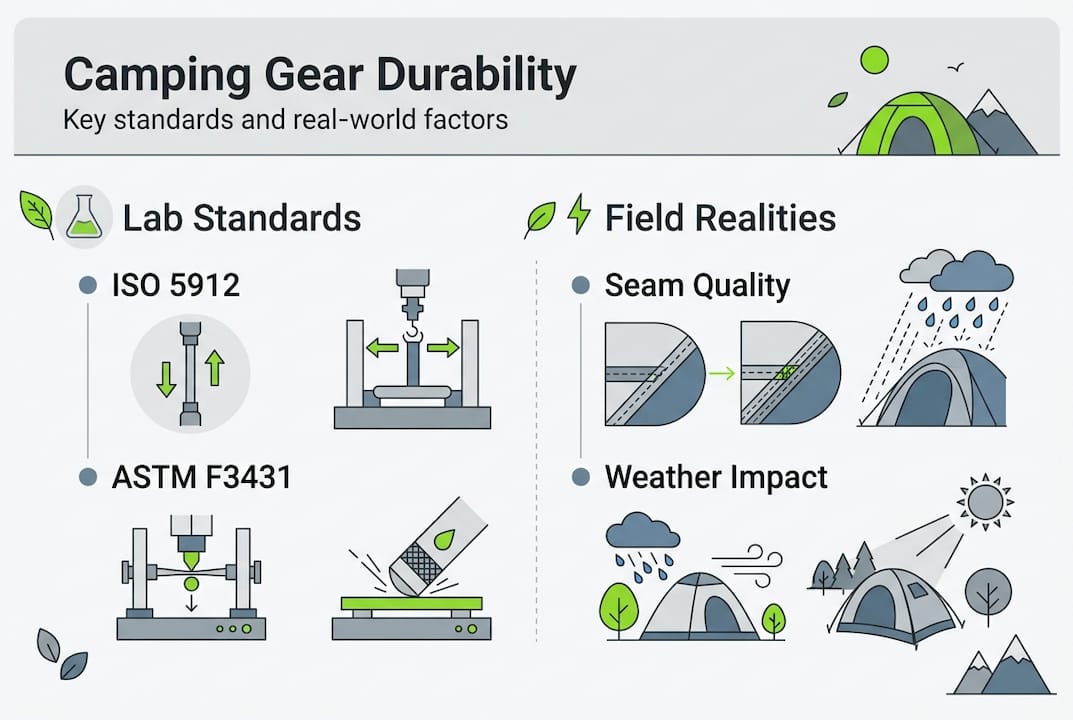
Laboratory testing creates controlled environments that don’t always mirror actual camping experiences. Hydrostatic head pressure tests often exceed real-world waterproof demands, with ratings between 5,000mm and 15,000mm common for premium tents. Yet most rain scenarios require only 2,000mm to 3,000mm of pressure resistance. This disconnect means high ratings don’t necessarily translate to better field performance.
Ultralight fabrics demonstrate this gap clearly. Dyneema Composite Fabric (DCF) shows excellent tensile strength in lab pulls but suffers from lower abrasion resistance than heavier alternatives. When your tent floor contacts sharp gravel or tree roots repeatedly, the abrasion resistance matters more than pure tensile numbers. Field conditions introduce variables labs struggle to replicate:
“The most durable tent on paper can fail quickly if seams aren’t properly constructed or if the fabric choice doesn’t match your camping style. Real-world testing reveals weaknesses that controlled environments miss.”
Seam construction quality frequently determines actual durability more than fabric specifications alone. A tent with 40D ripstop nylon but poorly taped seams will leak faster than a 20D tent with factory-sealed construction. This reality highlights why examining construction details matters as much as reviewing material specs. When you’re evaluating gear, consider how manufacturers validate their products beyond laboratory certification. Brands conducting extended field trials or partnering with expedition teams often produce more reliable equipment than those relying solely on standards compliance.
The ultralight camping gear explained resource provides additional context on material tradeoffs that affect real-world performance versus lab metrics.
Different tent and sleeping bag fabrics offer distinct performance characteristics that affect longevity. Polyester has higher UV retention at 85% after 500 hours and better tension resistance than nylon, which absorbs moisture and sags. This makes polyester preferable for tents facing prolonged sun exposure or humid conditions where maintaining tautness matters.
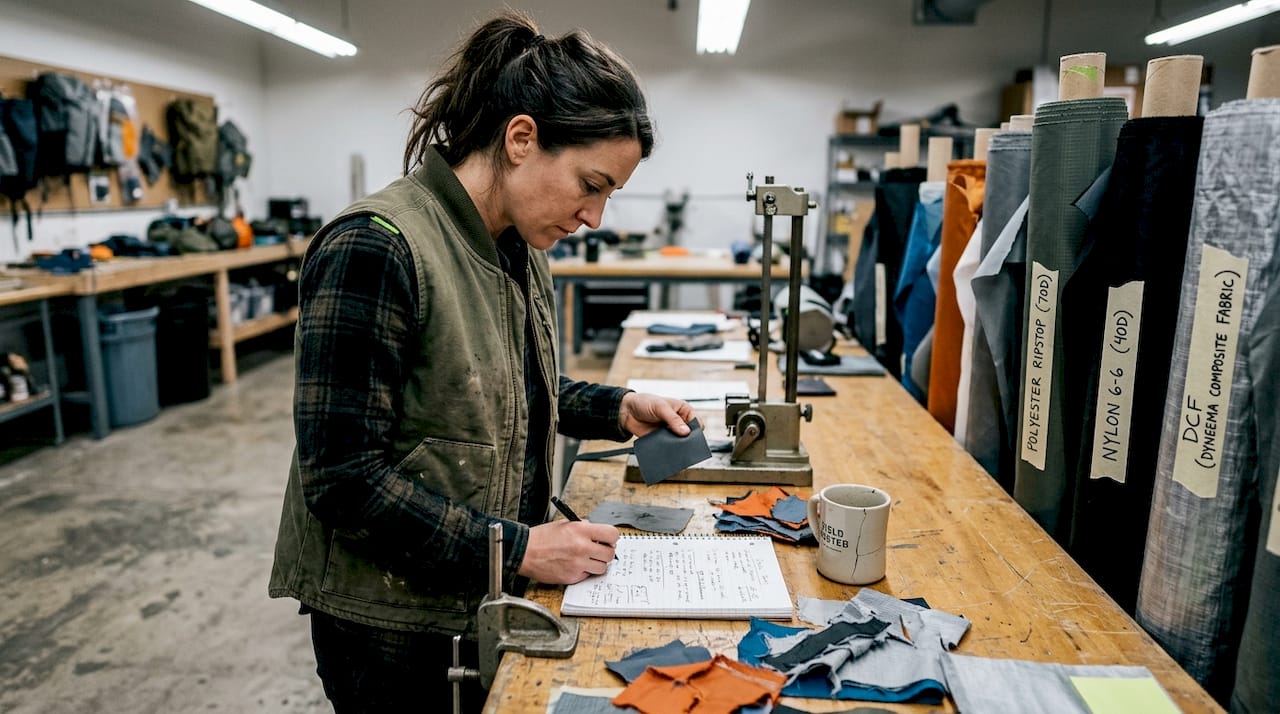
Nylon remains popular despite moisture absorption because it offers excellent tear resistance at lower weights. However, the stretching behavior when wet can frustrate campers who wake to sagging tent walls after overnight rain. Silnylon, a silicone-coated nylon variant, reduces this issue while maintaining abrasion resistance superior to newer ultralight options.
Ultralight fabrics like DCF offer high tensile strength but shorter lifespan, typically 150 to 250 nights compared to silnylon’s greater longevity. DCF’s appeal lies in weight savings, often half that of comparable silnylon shelters. Yet this advantage comes with tradeoffs in puncture resistance and repairability. A small tear in DCF can propagate quickly, while silnylon tears tend to stop at reinforced areas.
| Fabric Type | Weight (oz/yd²) | Tear Strength | Abrasion Resistance | UV Retention | Typical Lifespan (nights) |
|---|---|---|---|---|---|
| Silnylon 30D | 1.3 | High | Excellent | Good (75% @ 500hr) | 300-400 |
| Polyester 40D | 1.5 | Very High | Excellent | Excellent (85% @ 500hr) | 350-450 |
| DCF 0.51 oz | 0.51 | Very High | Moderate | Poor (50% @ 500hr) | 150-250 |
| Nylon 20D | 0.9 | Moderate | Good | Fair (65% @ 500hr) | 200-300 |
Pro Tip: Match fabric choice to your camping frequency and environment. Weekend warriors in established campgrounds can benefit from ultralight options, while frequent backcountry users should prioritize abrasion-resistant materials even if they weigh more.
Seam construction amplifies or diminishes fabric durability significantly. Factory-taped seams using polyurethane tape create waterproof barriers that self-applied seam sealer can’t match. Look for double-stitched and taped seams in high-stress areas like tent corners and pole sleeves. These construction details often predict field longevity better than fabric specifications alone.
The ultralight camping fabrics guide explores additional material considerations for weight-conscious campers balancing durability against pack weight.
Applying durability knowledge to actual purchasing decisions requires focusing on specific features and specifications. Experts recommend prioritizing 20D+ silpoly floors, taped seams, and minimum 2,000mm hydrostatic head ratings for reliable rain protection and durability. These thresholds provide adequate performance for most camping scenarios without paying premiums for excessive specifications.
When evaluating tents and sleeping bags, follow this selection framework:
Tradeoffs between ultralight and durable options depend heavily on usage patterns. Fair-weather campers visiting established sites a few times yearly can maximize enjoyment with ultralight gear that reduces pack fatigue. Frequent backcountry users or those camping in challenging environments should accept weight penalties for materials offering superior abrasion resistance and longer service life.
Maintenance practices extend gear lifespan substantially regardless of initial quality. Clean equipment promptly after trips to prevent dirt and oils from degrading waterproof coatings. Repair small tears and snags immediately before they propagate into larger failures. Store gear loosely in cool, dry locations rather than compressed in stuff sacks, which stresses fabrics and insulation.
Pro Tip: Create a simple gear maintenance schedule. After each trip, inspect seams and high-wear areas. Every season, reapply DWR coating to tent flies and check stake-out points for fraying. This routine catches problems early when repairs are simple.
Industry leaders and academic collaborations push durability benchmarks focusing on failure analysis and lifespan testing, moving beyond basic standards compliance. Brands partnering with research institutions often produce more reliable products because they understand real failure modes rather than just meeting minimum requirements. When possible, choose manufacturers investing in this level of validation.
The outdoor product durability collaborations and durable outdoor seating resources provide additional perspectives on how innovation improves gear longevity across outdoor equipment categories.
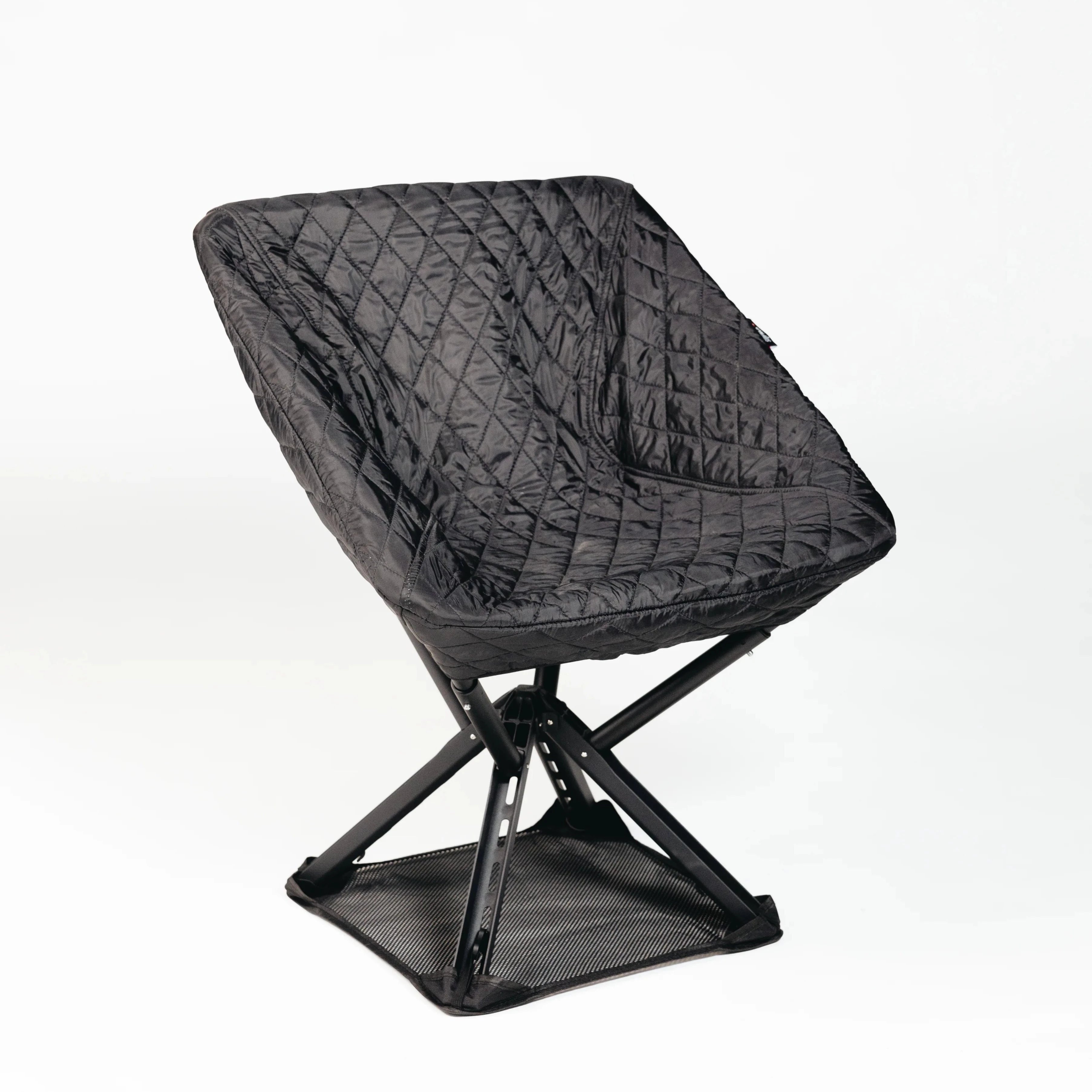
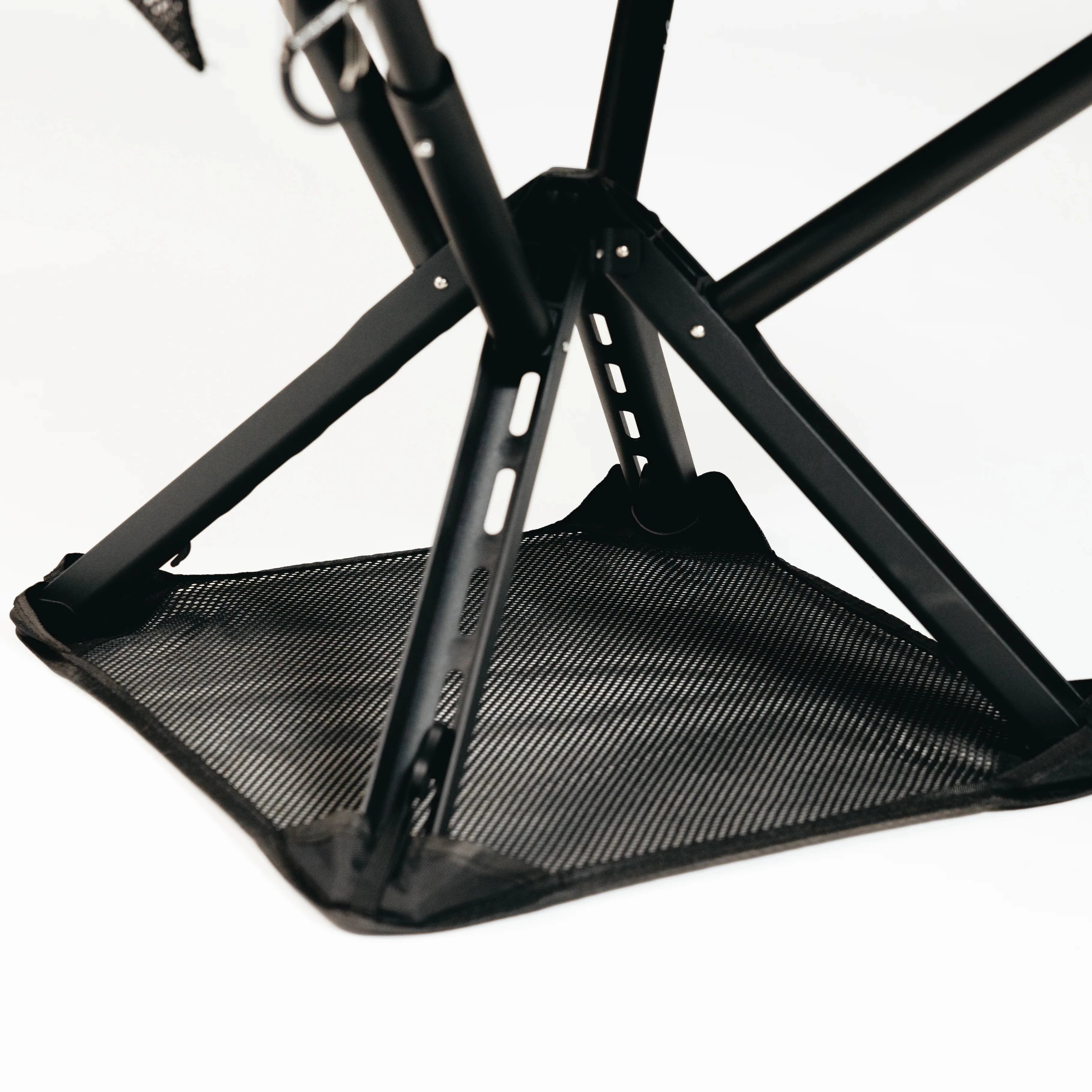
Understanding durability standards helps you make informed decisions about all your outdoor equipment, not just tents and sleeping bags. Sitpack applies similar durability principles to innovative portable seating designed for camping and outdoor adventures. Their products incorporate insights from real-world testing and prioritize construction quality that extends service life.
Whether you need reliable seating for basecamp comfort or portable solutions for backpacking trips, exploring options built with durability in mind ensures your investment delivers value over many seasons. The Sitpack gear and solutions collection showcases products designed for outdoor enthusiasts who prioritize reliability alongside portability. Their outdoor durability insights explain how thoughtful design and quality materials create equipment that performs consistently across varied conditions.
Durability standards are testing protocols that measure how camping equipment performs under controlled conditions. ISO 5912 evaluates tent components including fabric strength and water resistance, while ISO 23537 covers sleeping bag requirements. ASTM methods test specific fabric properties like tear and abrasion resistance. These standards help manufacturers design reliable products and give consumers measurable criteria for comparison, though they don’t capture every real-world scenario.
These standards create consistent testing methods that manufacturers use to validate product performance. ISO protocols ensure tents and sleeping bags meet minimum thresholds for strength, waterproofing, and component durability. ASTM fabric tests measure specific properties like tear propagation and abrasion cycles. By following these frameworks, brands can identify weaknesses during development and consumers gain objective benchmarks for evaluating competing products.
Focus on construction quality over impressive-sounding specifications. Look for factory-taped seams, fabrics rated 20D or higher for floors, and hydrostatic head ratings exceeding 2,000mm for three-season use. Balance weight against ruggedness based on your camping frequency and terrain. Weekend campers in mild conditions can choose lighter materials, while frequent backcountry users should prioritize abrasion-resistant fabrics even if heavier. Check warranty terms and research real-world user experiences beyond marketing claims.
Clean equipment promptly after each trip using manufacturer-recommended methods to prevent dirt degradation. Inspect seams and high-wear areas regularly, repairing small tears immediately before they expand. Store gear loosely in cool, dry locations rather than compressed, which stresses materials over time. Reapply DWR coatings seasonally to maintain water repellency on tent flies and sleeping bag shells. Avoid prolonged UV exposure when possible, as sunlight degrades most outdoor fabrics faster than use alone.