Cart
0
Sign up and get 10$ off your order
Expected delivery
1-3 days
You may also like


Danish Company

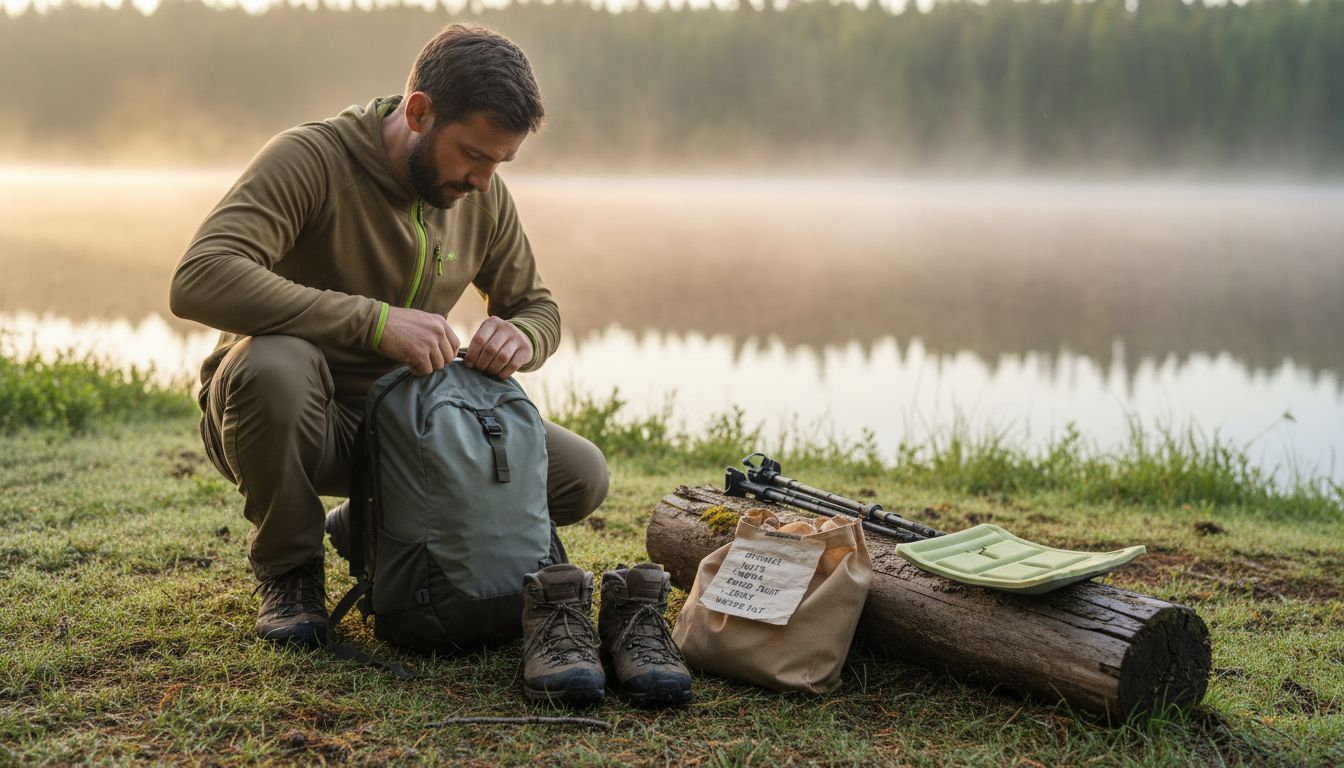
Every hiker knows the struggle: an overloaded backpack that slows your pace, strains your shoulders, and drains your energy miles before camp. Research shows that reducing pack weight can increase your daily hiking distance by nearly 0.9 miles per pound lost. This guide reveals expert strategies to pack lighter through smart gear choices, systematic methods, and proven techniques that maximize comfort while keeping you safe on the trail.
| Point | Details |
|---|---|
| Pre-Trip Preparation | Weighing gear and using checklists prevents 25% of typical overpacking mistakes. |
| Smart Gear Selection | Multi-use items and proper layering systems reduce total pack weight by up to 40%. |
| Strategic Packing Order | Placing heavy items correctly near your spine cuts fatigue by 15% and prevents moisture weight gain. |
| Avoid Common Errors | Proper waterproofing and hydration planning eliminates 10-15% unnecessary weight from wet gear and excess water. |
| Measurable Results | Efficient packing brings multi-day pack weight down to 6-10 pounds, dramatically improving hiking distance and comfort. |
Successful lightweight packing starts before you touch your backpack. The foundation of efficient hiking requires deliberate preparation and the right tools to make informed decisions about every item.
Start by investing in a reliable backpacking scale to weigh each piece of gear individually. This simple step helps you identify the heaviest items and make strategic swaps. Pre-trip gear weight tests help avoid overpacking by 25%, giving you concrete data to guide your choices.
Create a detailed checklist organized by category: shelter, sleep system, clothing, cooking, food, water, and safety. This prevents both forgotten essentials and duplicate items. Review your list against your specific trail conditions and duration.
Check accurate weather forecasts for your entire hiking window, not just the departure day. Temperature swings, precipitation chances, and wind conditions directly determine your clothing and shelter needs. Planning for actual conditions prevents carrying 30% extra inappropriate gear.
Understand basic clothing layering principles before packing. You need three functional layers: a moisture-wicking base layer, an insulating mid-layer, and a weather-protective outer shell. This system adapts to changing conditions without requiring multiple outfit changes.
Essential Pre-Packing Steps:
Pro Tip: Photograph your laid-out gear before packing. This visual reference helps you remember what worked (and what you never used) for future trips, continuously refining your lightweight system.
When you pack light for camping, preparation becomes your most valuable tool. The minutes spent weighing and planning save pounds on the trail.
Choosing the right gear determines your pack weight more than any other factor. Smart selection balances function, durability, and weight to keep you safe without unnecessary bulk.
Prioritize multi-use gear that serves multiple purposes. A trekking pole that converts to a tent pole, a bandana that works as a water filter, towel, and sun protection, or a pot that doubles as a bowl reduces item count by 20-30%. Every piece should justify its weight with multiple functions.
Adopt a proper clothing layering system to cut clothing weight by up to 40%. Instead of packing a heavy jacket for every temperature, three thin layers provide more versatility. Choose synthetic or merino wool base layers that dry quickly and resist odor, allowing you to wear the same items multiple days.
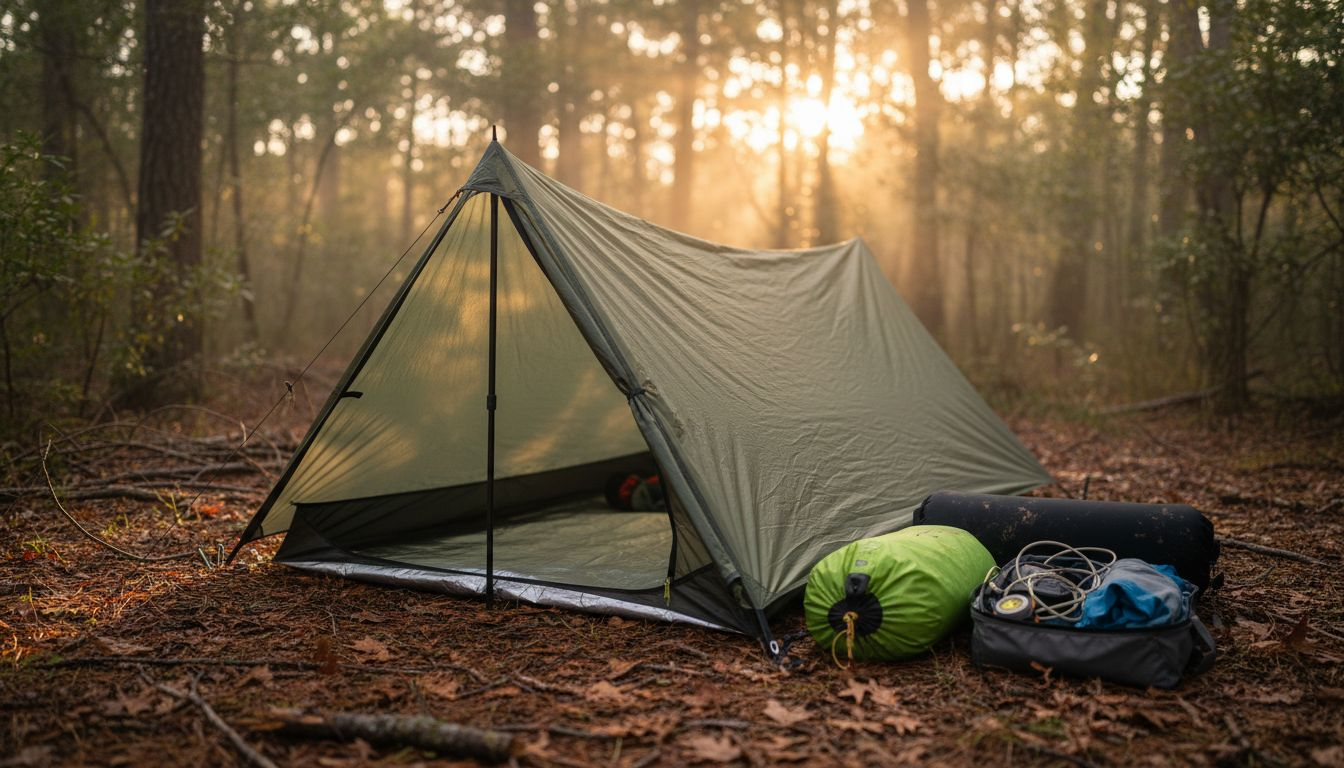
Your shelter and sleep system represent the biggest weight-saving opportunities. Choosing lightweight alternatives for cooking and shelter gear decreases pack weight by 2-4 pounds without sacrificing functionality. A tarp with bug netting weighs half what a traditional tent does. A 20-degree quilt weighs less than a mummy bag with the same warmth rating.
Cooking gear offers substantial savings. An alcohol stove weighs under an ounce versus a canister stove at 3-4 ounces. A titanium pot saves 4-6 ounces over aluminum. Consider cold-soaking meals to eliminate cooking gear entirely on shorter trips.
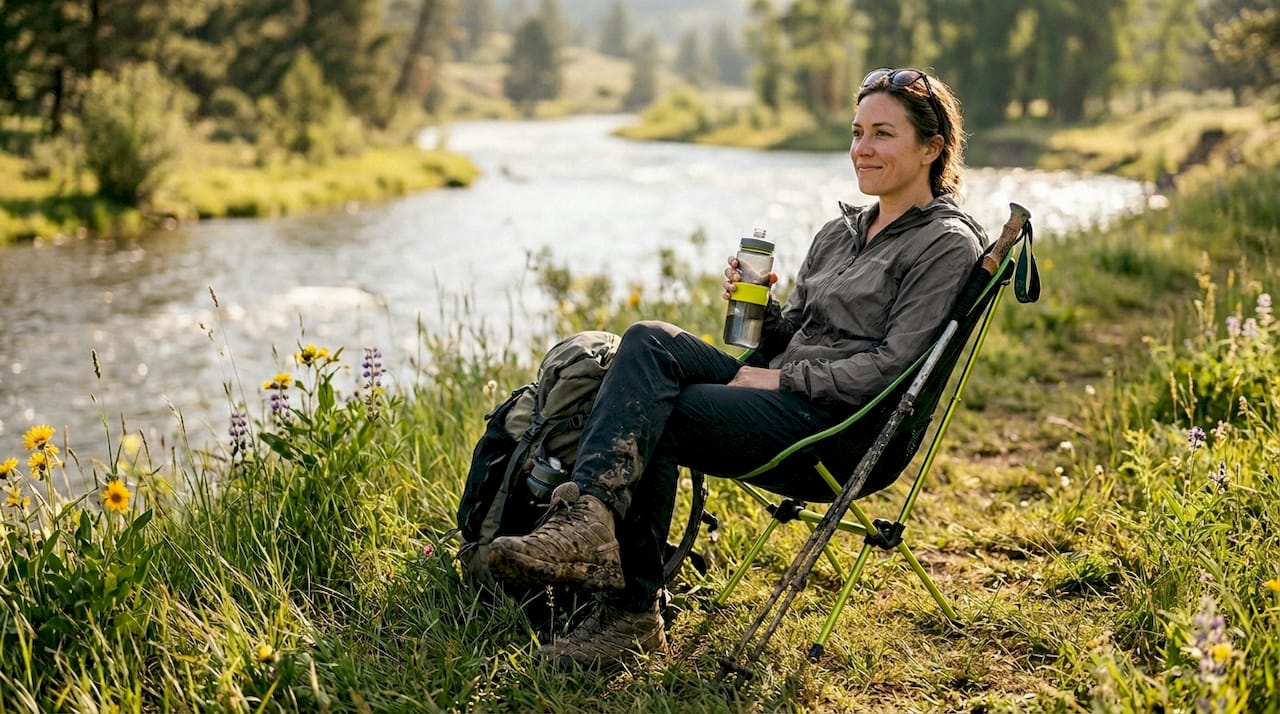
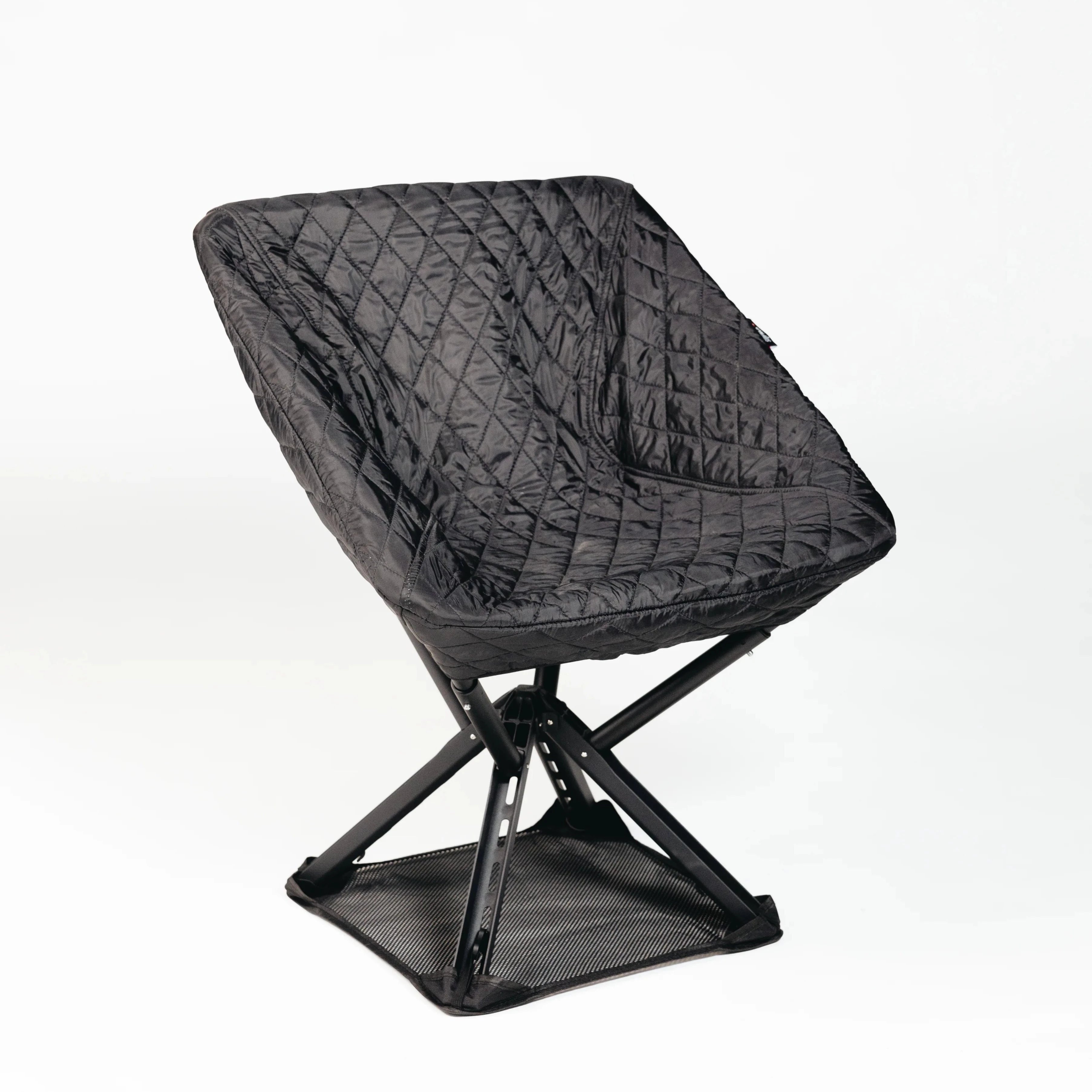
For comfort during breaks, ultralight portable seating under 1 pound provides rest without significant weight penalty. When you prioritize lightweight travel for comfort, even small comforts become practical additions.
Essential Gear Weight Targets:
| Gear Category | Traditional Weight | Ultralight Target | Savings |
|---|---|---|---|
| Backpack | 4-6 lbs | 1-2 lbs | 3-4 lbs |
| Shelter | 4-5 lbs | 1-2 lbs | 3 lbs |
| Sleep System | 3-4 lbs | 1.5-2 lbs | 1.5-2 lbs |
| Cooking Setup | 2-3 lbs | 0.5-1 lb | 1.5-2 lbs |
Pro Tip: Create a gear spreadsheet tracking item weights, costs, and multi-use functions. This data-driven approach reveals exactly where upgrades provide the best weight-to-cost ratio for your budget.
Balance durability with weight carefully. The lightest option isn’t always best if it fails mid-trip. Read reviews focusing on long-term durability, not just initial impressions. Quality ultralight camping gear lasts for years when chosen wisely.
How you pack matters as much as what you pack. Strategic organization optimizes weight distribution, protects gear, and prevents moisture weight gain that sabotages lightweight efforts.
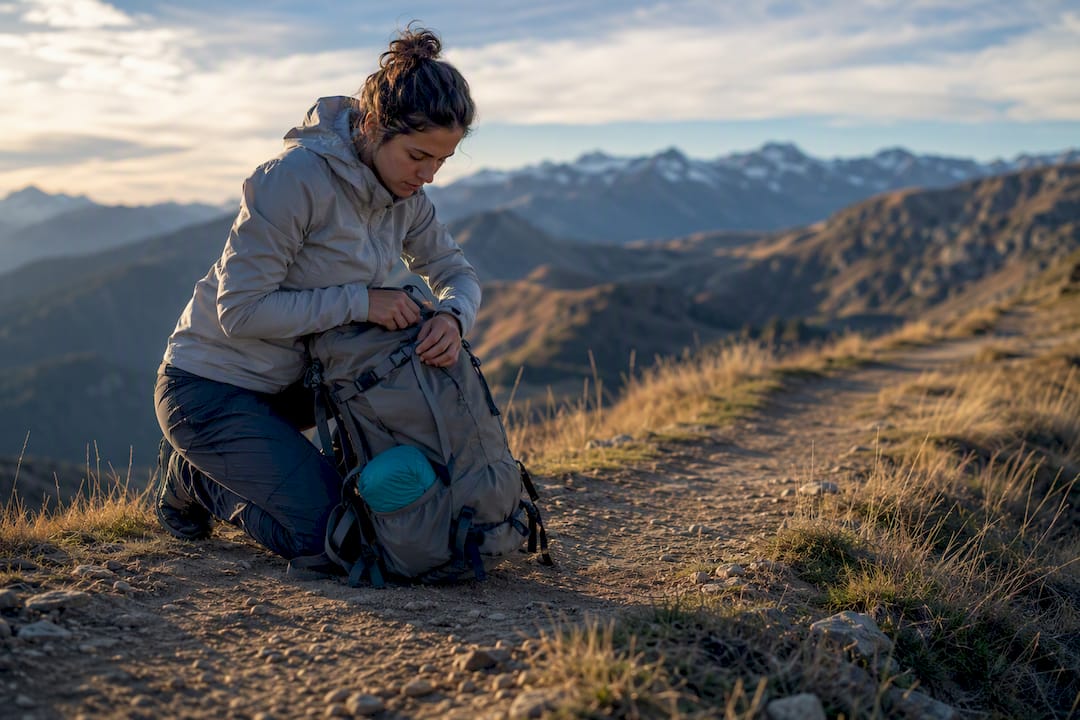
Pack heavy items close to your back and high in your pack to reduce fatigue by 15%. This positioning keeps the center of gravity near your spine, reducing strain on your shoulders and lower back. Your food bag, water reservoir, and cooking kit belong in this zone.
Follow this systematic packing order from bottom to top:
Waterproofing prevents devastating moisture weight gain. Use a pack liner (a large garbage compactor bag works perfectly) to protect everything inside. Then use smaller dry bags for critical items like your sleep system and spare clothes. This redundant system prevents moisture weight gain of 10-15% from unexpected rain or stream crossings.
Your checklist becomes a packing verification tool. As you load each item, check it off your list. This systematic approach reduces packing errors by over 60%, ensuring you neither forget essentials nor duplicate items.
Weight Distribution Impact:
| Packing Method | Perceived Load | Fatigue Level | Comfort Rating |
|---|---|---|---|
| Random Packing | Heavy | High | Low |
| Bottom-Heavy | Very Heavy | Very High | Very Low |
| Optimized (High & Close) | Light | Low | High |
Pro Tip: Pack your backpack the night before, then wear it around your home for 15 minutes. This reveals pressure points and balance issues you can fix before hitting the trail.
When you apply proper packing techniques for camping, your carefully selected lightweight gear delivers its full potential. Poor packing negates even the best equipment choices.
Compress sleeping bags and clothing in stuff sacks, but don’t over-compress to the point of damaging insulation. Leave a small amount of loft to maintain warmth. Your goal is organized density, not concrete blocks.
Distribute small items in outer pockets based on access frequency. Snacks and navigation tools go in hip belt pockets for instant access without stopping. Your rain shell lives in the top lid where you can grab it in seconds when weather changes.
Even experienced hikers make avoidable errors that add unnecessary pounds. Recognizing these mistakes helps you maintain true lightweight efficiency.
The biggest error is neglecting waterproofing. Failing to waterproof gear adds 10-15% extra weight due to wet gear. A soaked sleeping bag gains 2-3 pounds. Wet clothes add a pound or more. Use pack liners and dry bags religiously, even when the forecast looks perfect.
Carrying excess water beyond actual hydration needs wastes 2-4 pounds. Water weighs 2.2 pounds per liter. Study your trail map to identify reliable water sources every 5-7 miles. Carry only what you need between sources plus a small safety margin. A good rule: carry 0.5 liters per hour of hiking in moderate conditions, adjusting for heat and elevation gain.
Ignoring weather forecasts leads to bringing 30% extra inappropriate gear. Either you overpack for conditions that never materialize, or you carry the wrong items entirely. Check forecasts from multiple sources and plan for the likely scenario, not every possible scenario.
“The ultralight philosophy isn’t about suffering or taking risks. It’s about precisely matching your gear to actual conditions and eliminating everything else.”
Skipping pre-trip gear weighing results in frequent overpacking by 25%. Without data, you can’t make informed decisions about what to leave behind. You might carry a 2-pound item you never use while agonizing over a 2-ounce luxury that would significantly improve your experience.
Common Packing Mistakes:
Regularly reviewing your gear list after each trip eliminates accumulated weight. Most hikers discover they never used 20-30% of what they carried. Remove those items from your base list or move them to a “conditional” category for specific situations.
Another mistake is bringing comfort items without considering weight-to-value ratio. A paperback book weighs a pound. Your phone provides reading material at zero extra weight. However, a 1-pound lightweight portable chair might be worth it if rest breaks significantly improve your hiking enjoyment and recovery.
Pro Tip: Take photos of your packed gear before and after each trip. Review what you actually used versus what stayed buried in your pack. This visual audit reveals patterns in your overpacking habits.
The impact of excess weight compounds with every step. Carrying an extra 5 pounds might seem manageable for the first mile, but research shows this additional load dramatically increases fatigue over a full day of hiking. Every unnecessary ounce matters when multiplied by thousands of steps.
Applying these strategies delivers measurable improvements in both pack weight and hiking performance. Understanding realistic targets helps you set achievable goals.
Efficient ultralight packing reduces pack weight to 6-10 pounds on multi-day trips, compared to conventional 20+ pound loads. This dramatic difference transforms your hiking experience from an endurance challenge to an enjoyable journey.
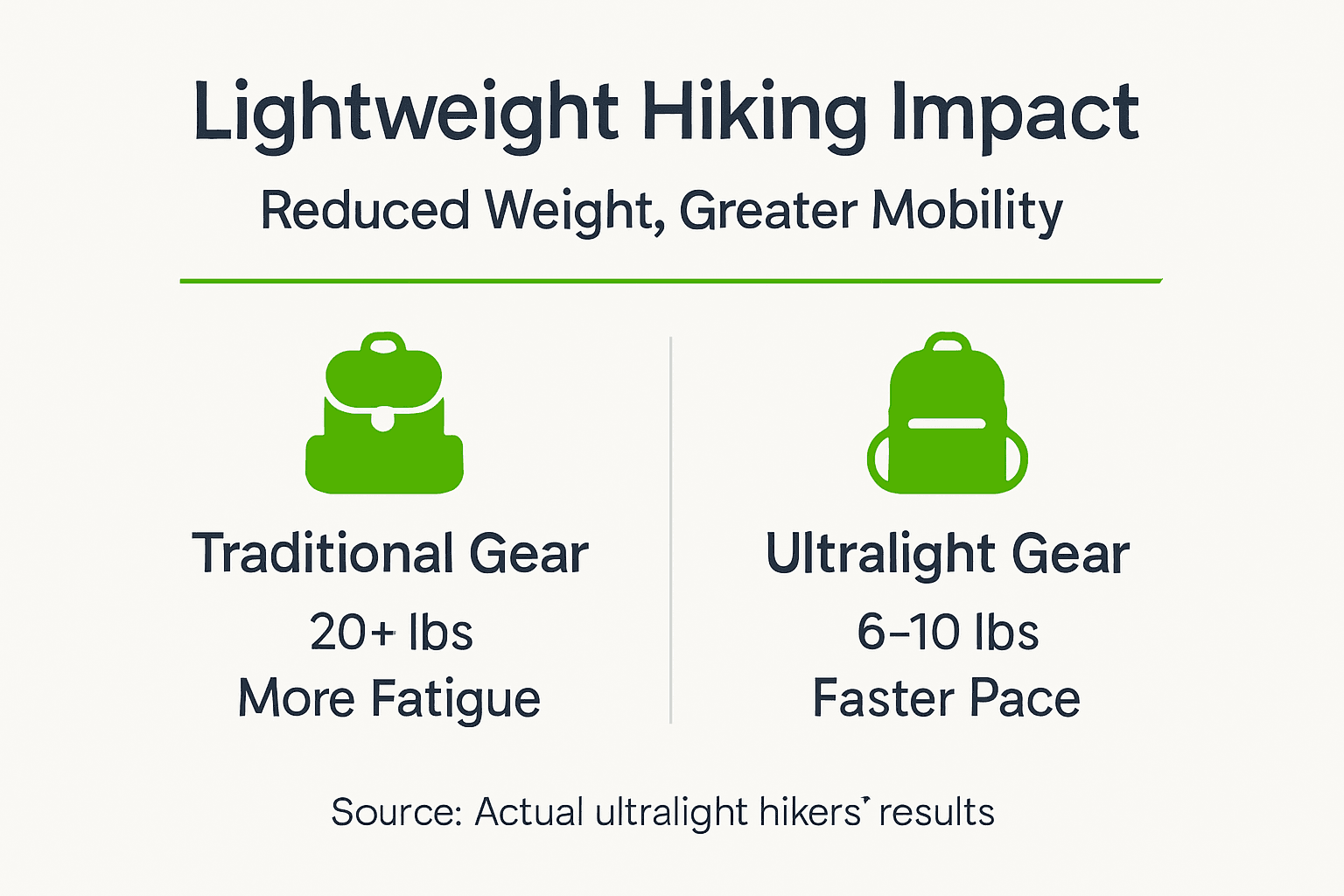
Every pound saved increases your daily hiking distance by nearly 0.9 miles. On a typical 10-mile day, reducing your pack from 20 to 10 pounds means you could comfortably cover 12-13 miles instead. This extends your range, opens new destinations, and reduces the physical toll of long days.
Proper moisture management keeps your pack from gaining weight during the trip. Without waterproofing, gear can absorb 10-15% additional weight in humid or wet conditions. A 10-pound pack becomes 11-11.5 pounds, negating your careful preparation.
Systematic packing using checklists cuts errors by over 60%, ensuring you carry optimal loads trip after trip. You stop second-guessing yourself at the trailhead and build confidence in your system.
Weight Category Benchmarks:
Comparative Pack Weight Impact:
| Pack Weight | Daily Distance Potential | Fatigue Level | Enjoyment Rating |
|---|---|---|---|
| 25+ lbs | 8-10 miles | High | Moderate |
| 15-20 lbs | 12-15 miles | Moderate | High |
| 10-15 lbs | 15-20+ miles | Low | Very High |
The comfort improvements extend beyond mere numbers. Reduced pack weight means less joint stress, particularly on your knees during descents. You maintain better balance on technical terrain. You arrive at camp with energy to explore, set up properly, and enjoy your surroundings rather than collapsing in exhaustion.
Pro Tip: Track your pack weight and daily mileage over multiple trips. You’ll notice a clear correlation: as weight drops, your comfortable daily distance increases predictably. This data motivates continued refinement of your lightweight system.
Your hiking speed improves by 10-20% with a properly lightened pack. What once took 3 hours now takes 2.5, giving you more time at your destination or extra margin for weather delays and rest breaks.
When you combine smart gear selection with proven ultralight packing results, you unlock a different style of hiking. You move faster, go farther, and stress your body less while carrying everything needed for safety and comfort.
Lightweight packing doesn’t mean sacrificing comfort during rest breaks. Strategic additions enhance your outdoor experience without compromising your mobility goals.
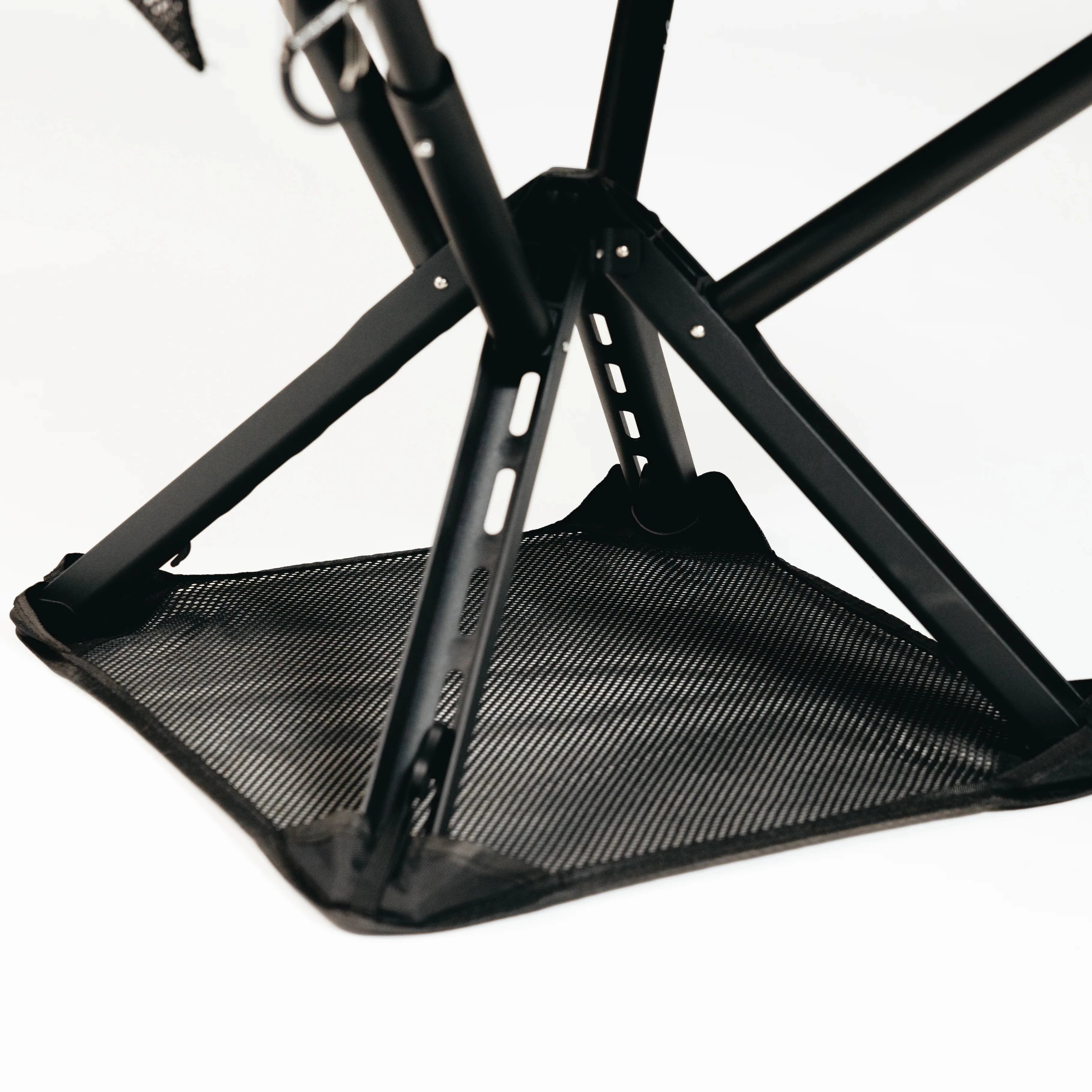
Portable seating solutions designed for minimalist hikers offer comfortable rest stops that aid recovery and enjoyment. Modern ultralight chairs weigh under 1 pound while providing proper back support during meals and breaks. This small weight investment pays dividends in reduced fatigue and improved hiking performance.
When you’ve mastered lightweight packing principles, consider how portable seating fits your personal comfort equation. Explore detailed comparisons in our outdoor seating buying guide to find options matching your weight budget. Our portable seating guide walks through selection criteria, while our accessories for outdoor seating help you maximize functionality without extra bulk.
Use a digital luggage scale or kitchen scale accurate to 0.1 ounces. Weigh each item individually and record weights in a spreadsheet. This granular data reveals exactly where your weight comes from and guides upgrade decisions.
Focus on versatile synthetic or merino layers that work across temperature ranges rather than specialized pieces for narrow conditions. Always pack your rain shell and insulating layer regardless of forecast, as these prevent emergencies. Cut weight from redundant mid-layers and extra outfits, not core safety items.
Line your entire pack with a large garbage compactor bag (more durable than regular trash bags). Use separate dry bags for your sleeping bag, spare clothes, and electronics. This redundant system costs under $10 and prevents pounds of water weight absorption.
Plan for 0.5 liters per hour in moderate conditions, more in heat or at altitude. Study your trail map to identify water sources. Carry only what you need between reliable sources plus 0.5-1 liter safety margin. A water filter lets you refill from streams, dramatically reducing carried water weight.
If you finish a trip without using 20% or more of what you carried, you’re overpacking. Shoulder pain in the first mile indicates poor weight distribution or excessive load. If you can’t maintain your normal pace, your pack is too heavy. Review these patterns after each trip to refine your system.
Research long-term reviews focusing on gear performance after 50+ days of use, not initial impressions. Quality ultralight equipment uses advanced materials that are both light and durable. Start by replacing your heaviest items with proven ultralight alternatives, testing durability on shorter trips before committing to longer expeditions. For more guidance on finding the right balance, check our tips on how to pack light for camping.