Cart
0
Sign up and get 10$ off your order
Expected delivery
1-3 days
You may also like


Danish Company

TL;DR:
- Urban street seating includes fixed and portable options designed for safety, comfort, and social interaction. Durable materials like powder-coated aluminium and recycled plastics provide long-lasting performance, especially in harsh environments. Modular and integrated systems enhance flexibility and safety, making public spaces more functional and inviting.
Street seating solutions are defined as fixed or portable public seating installations designed to support comfort, safety, and social interaction in urban environments. The right street seating solutions list covers everything from crash-rated security benches to tree-integrated circular seats, and choosing the wrong type costs cities serious money fast. Materials like powder-coated aluminium, recycled plastics such as ECOPLASWOOD, and stainless steel now set the standard for durability in demanding public spaces. Whether you’re an urban planner, a city dweller who spends weekends in the park, or an outdoor enthusiast who knows a good seat when you find one, this guide breaks down what works, what lasts, and what actually makes public spaces worth sitting in.
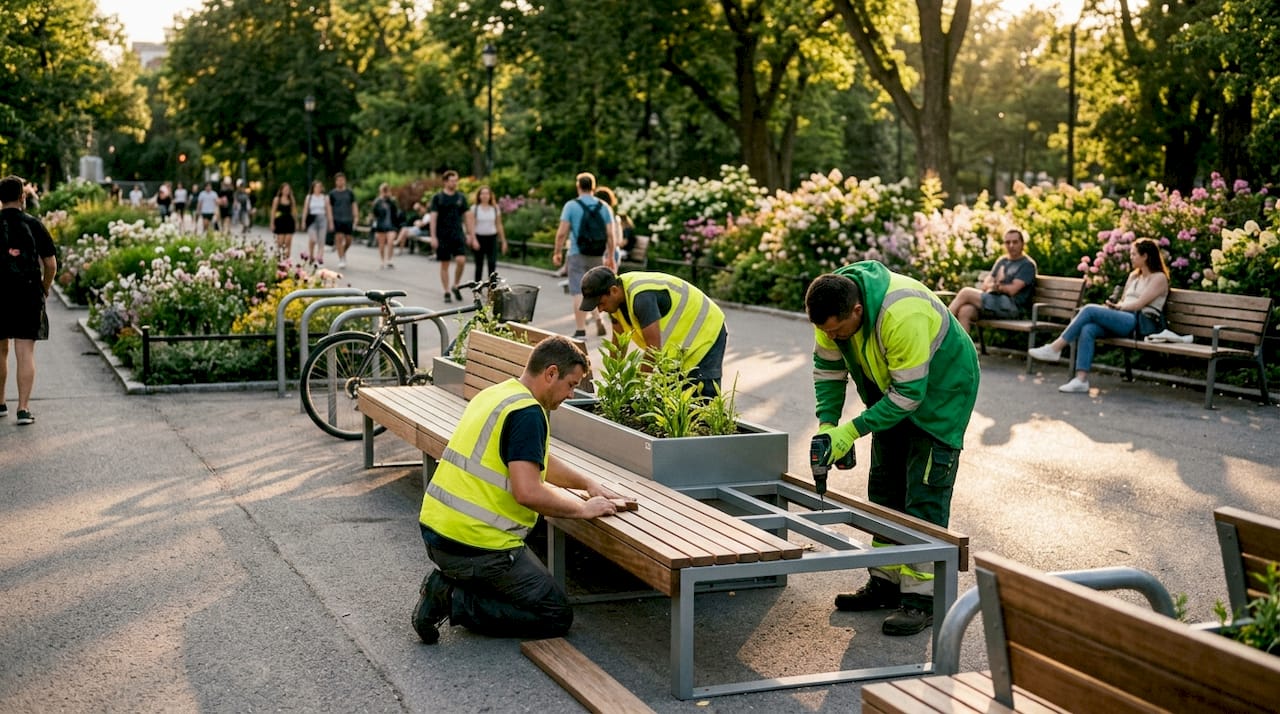
The most widely used public seating designs fall into five core categories, each suited to different urban contexts and user needs.
Pro Tip: When selecting seating for a mixed-use urban precinct, combine at least two types, such as a modular bench system near high-traffic paths and tree seating near green areas, to serve different user behaviors in the same space.
Material choice is the single biggest factor in long-term street seating performance. Get it wrong, and you’re looking at replacement costs within 12–24 months of installation in harsh environments.
The key mistake urban designers make is underestimating environmental wear. Using low-grade materials in demanding conditions drives up maintenance costs fast and forces early replacement. Matching material to environment from the start saves significant budget over a 10-year horizon.
Modular seating is the most practical long-term investment in urban seating ideas, and the reason is straightforward: cities change, and fixed, single-piece furniture cannot keep up.
Modular seating systems allow partial replacements when one section wears out, rather than replacing an entire installation. They also let planners reconfigure layouts for events, seasonal changes, or new pedestrian flow patterns. That flexibility significantly extends the lifecycle of the investment.
Integrated systems take this further by combining benches, planters, and bollards into a single cohesive design. Layered street furniture systems define pedestrian zones, improve safety, and create visual coherence without looking like a security installation. The result is a public space that feels welcoming while quietly managing vehicle access and crowd flow.
Pro Tip: For high-traffic downtown precincts, specify modular curved bench sections. They accommodate more people per linear meter than straight benches and naturally discourage lying down, which reduces maintenance issues without hostile design.
The table below compares key evaluation criteria across seating system types to help you match the right format to your context.
| Criteria | Fixed single-piece benches | Modular seating systems | Integrated furniture systems |
|---|---|---|---|
| Reconfiguration flexibility | None | High | Medium |
| Partial repair/replacement | Not possible | Yes | Partial |
| Security function | None | None | High |
| Best for | Small parks, quiet streets | Plazas, event spaces | City centers, precincts |
| Maintenance complexity | Low | Low to medium | Medium |
Tree seating is not just functional. It is a placemaking device that formally values and protects urban trees while improving the pedestrian experience around them.
The core benefit is passive climate control. Tree-integrated seating uses natural shade to cool the immediate seating area without any ongoing shelter maintenance costs. In hot urban climates, that shade can make the difference between a seat that gets used all day and one that sits empty from 10 AM onward.
Beyond comfort, tree seating protects the tree itself. The circular structure guards the trunk from foot traffic and compaction of the root zone. That protection extends the life of the tree, which in turn extends the shade and the seating’s value.
“Tree seating transforms a single tree into a complete urban amenity. It provides shade, protects the root system, creates a social focal point, and signals to pedestrians that this is a place worth stopping. All of that from one well-designed piece of street furniture.”
The social dimension matters too. Circular seating around a tree creates a natural gathering point where people face inward toward each other, which encourages interaction in a way that a row of benches along a path does not. For parks and plazas aiming to build community feel, that design detail is worth specifying.
Selecting from the full range of urban seating ideas requires matching the solution to the specific demands of the location. Here is a practical framework.
For outdoor enthusiasts and urban dwellers who need seating beyond what fixed street furniture provides, check out outdoor seating for park outings for portable options that complement fixed installations.
The most effective street seating solutions combine the right material for the environment, a flexible format for the space, and a design that serves both comfort and safety simultaneously.
| Point | Details |
|---|---|
| Material determines lifespan | Match aluminium, recycled plastic, or stainless steel to the environment to avoid early replacement. |
| Modular systems offer the best flexibility | They allow reconfiguration and partial repair, extending usability and reducing long-term costs. |
| Tree seating delivers multiple benefits | It provides shade, protects tree roots, and creates social gathering points with zero shelter maintenance. |
| Integrated furniture improves safety | Combining benches, bollards, and planters creates layered vehicle and pedestrian zone management. |
| Context drives selection | Traffic volume, safety needs, maintenance capacity, and aesthetic goals all determine the right seating type. |
Most cities treat street seating as an afterthought. They buy the cheapest bench that fits the budget, install it in the wrong material for the climate, and then spend the next five years patching, repainting, and eventually replacing it. I’ve seen this cycle play out in coastal precincts where untreated timber benches rot within two seasons, and in downtown plazas where single-piece fixed benches get replaced entirely because one section failed.
The shift I find genuinely exciting in 2026 is the move toward integrated street furniture systems that treat seating as part of a larger urban design language. When a bench, a planter, and a bollard are designed as a family, the space feels intentional. Pedestrians respond to that. They linger longer, use the space more, and the area feels safer without a single “no entry” sign in sight.
Tree seating is the underrated hero of this shift. I’ve watched a single well-placed circular tree seat transform a forgotten corner of a park into the most popular spot in the whole green space. The shade does the heavy lifting, but the design signals that someone cared enough to make this place worth visiting.
My honest advice: stop treating material selection as a cost-cutting opportunity. The difference in price between powder-coated aluminium and a low-grade steel bench is real, but the difference in total cost over a decade is enormous. Spend the money upfront, specify the right material for your climate, and your seating will still look good when the cheap stuff is already in a skip.
— Jonas
Fixed street furniture covers a lot of ground, but it can’t be everywhere. Parks fill up, events get crowded, and sometimes the perfect spot to sit has no bench within 50 meters. That’s where portable seating earns its place alongside the fixed stuff.
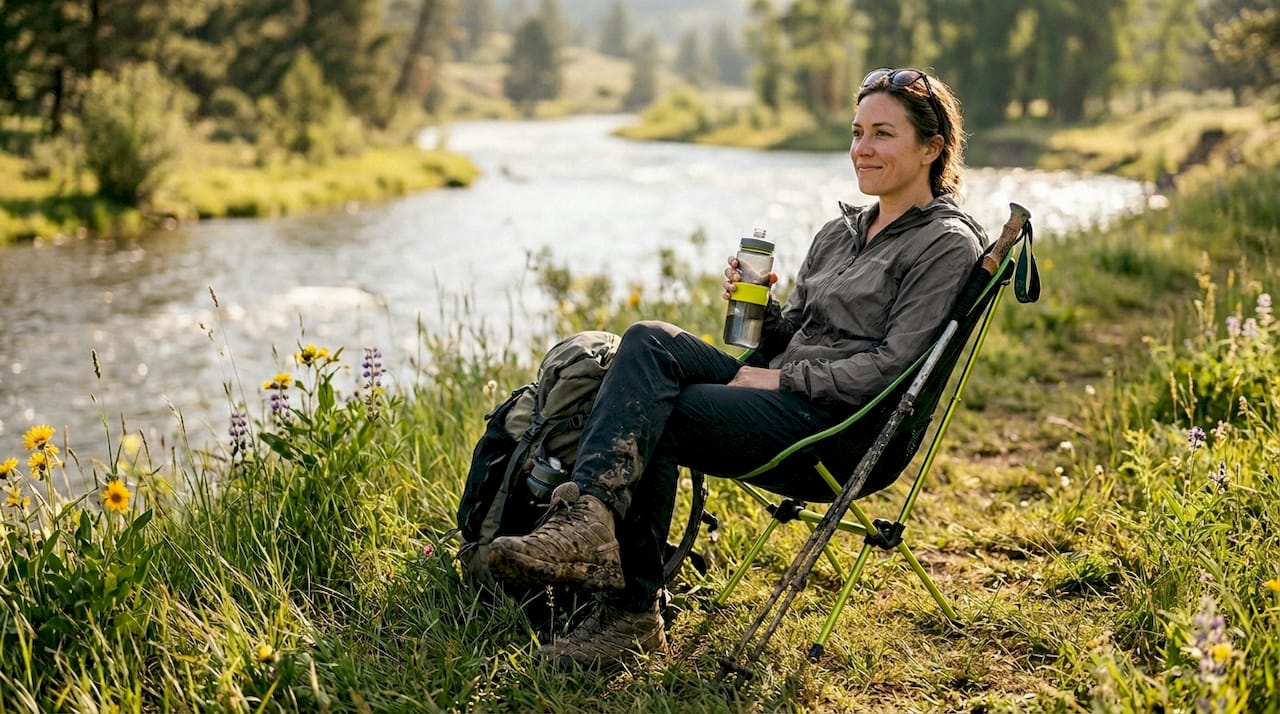
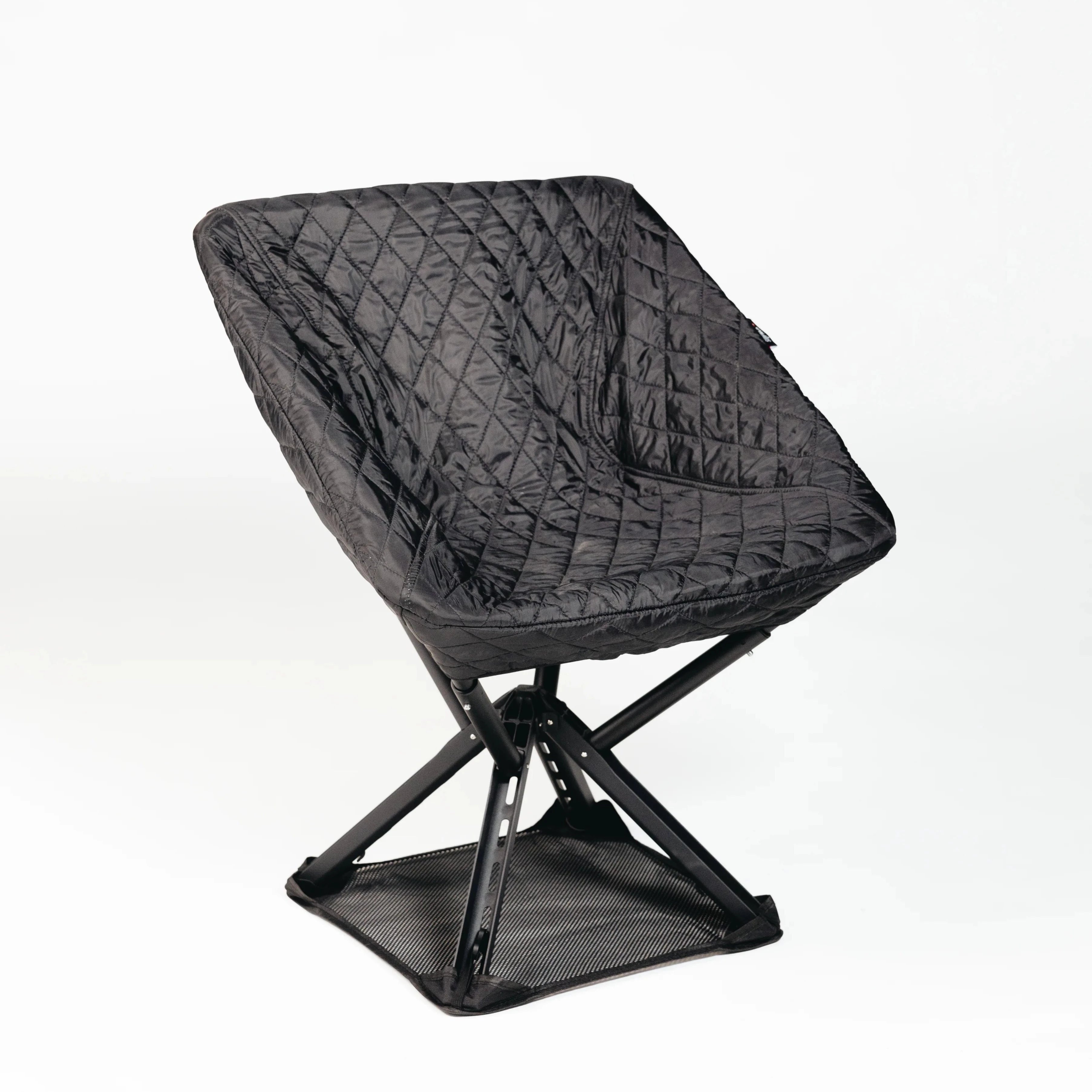
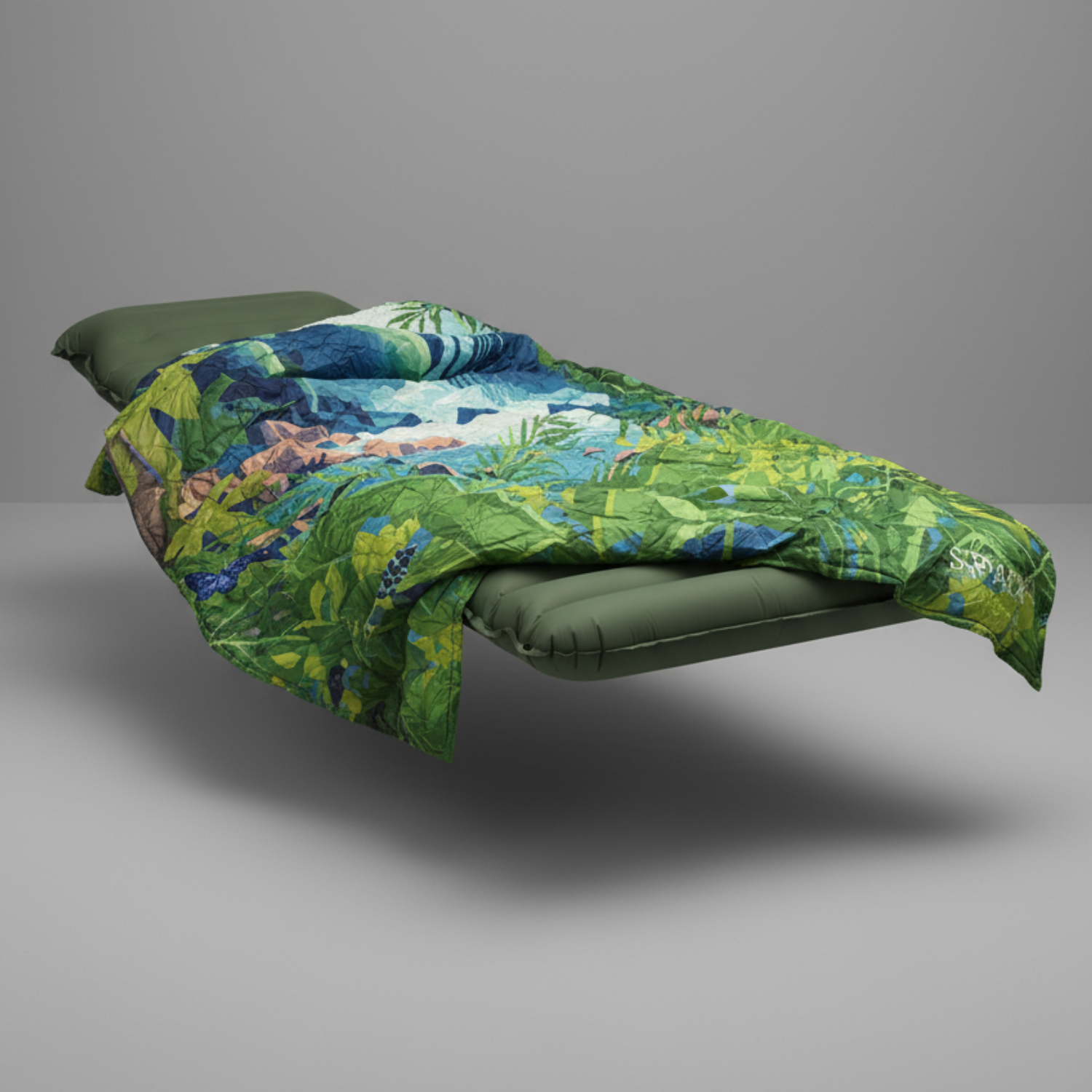
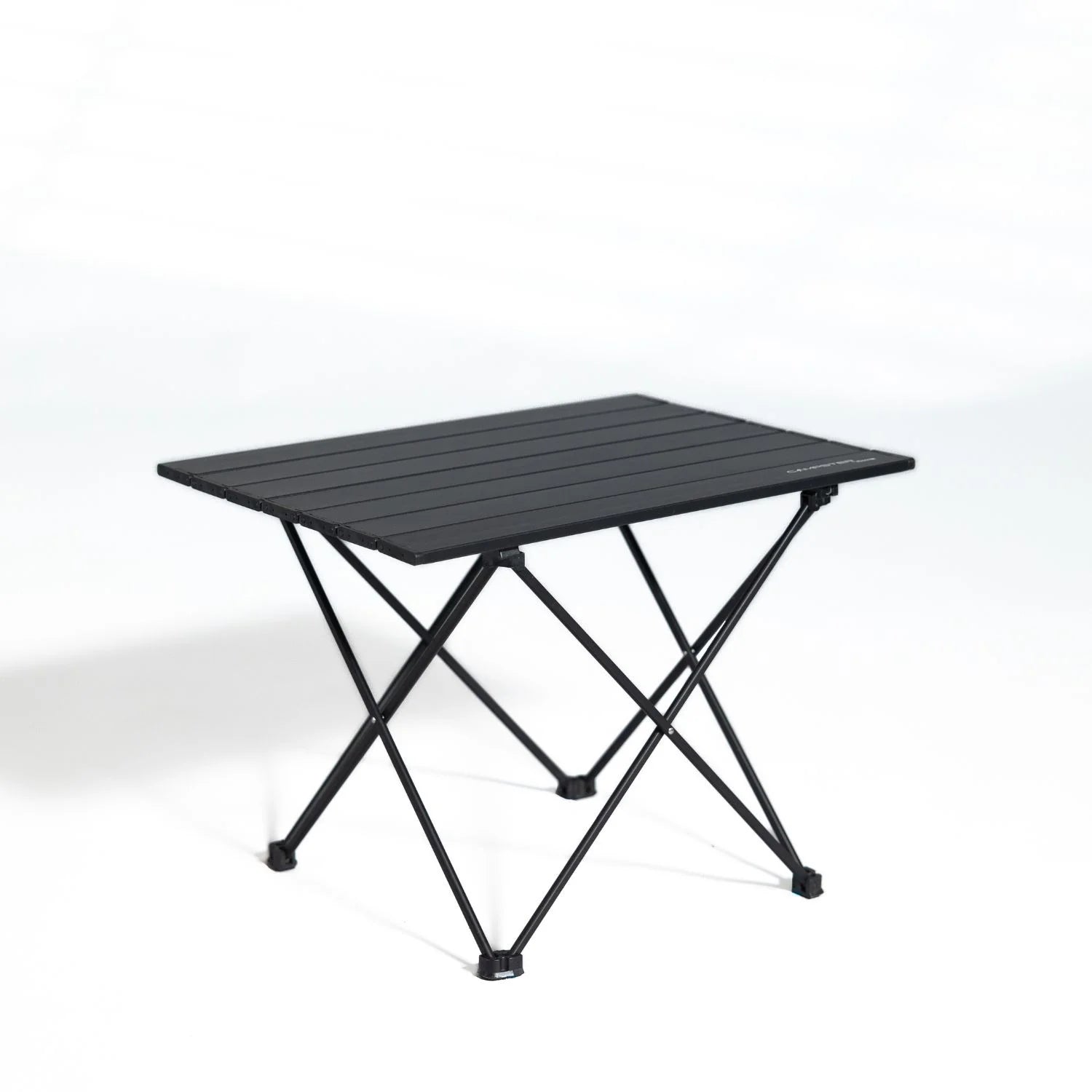
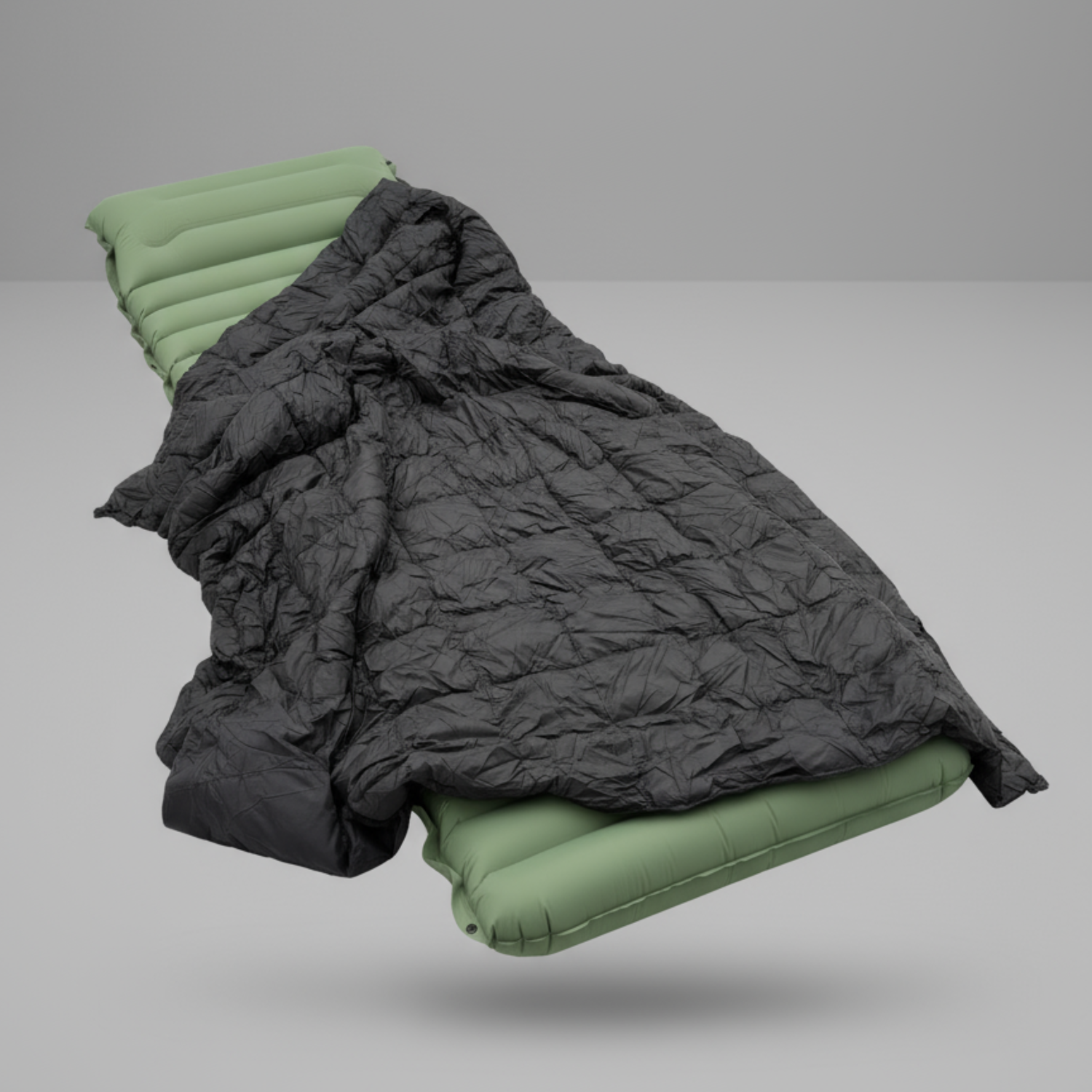
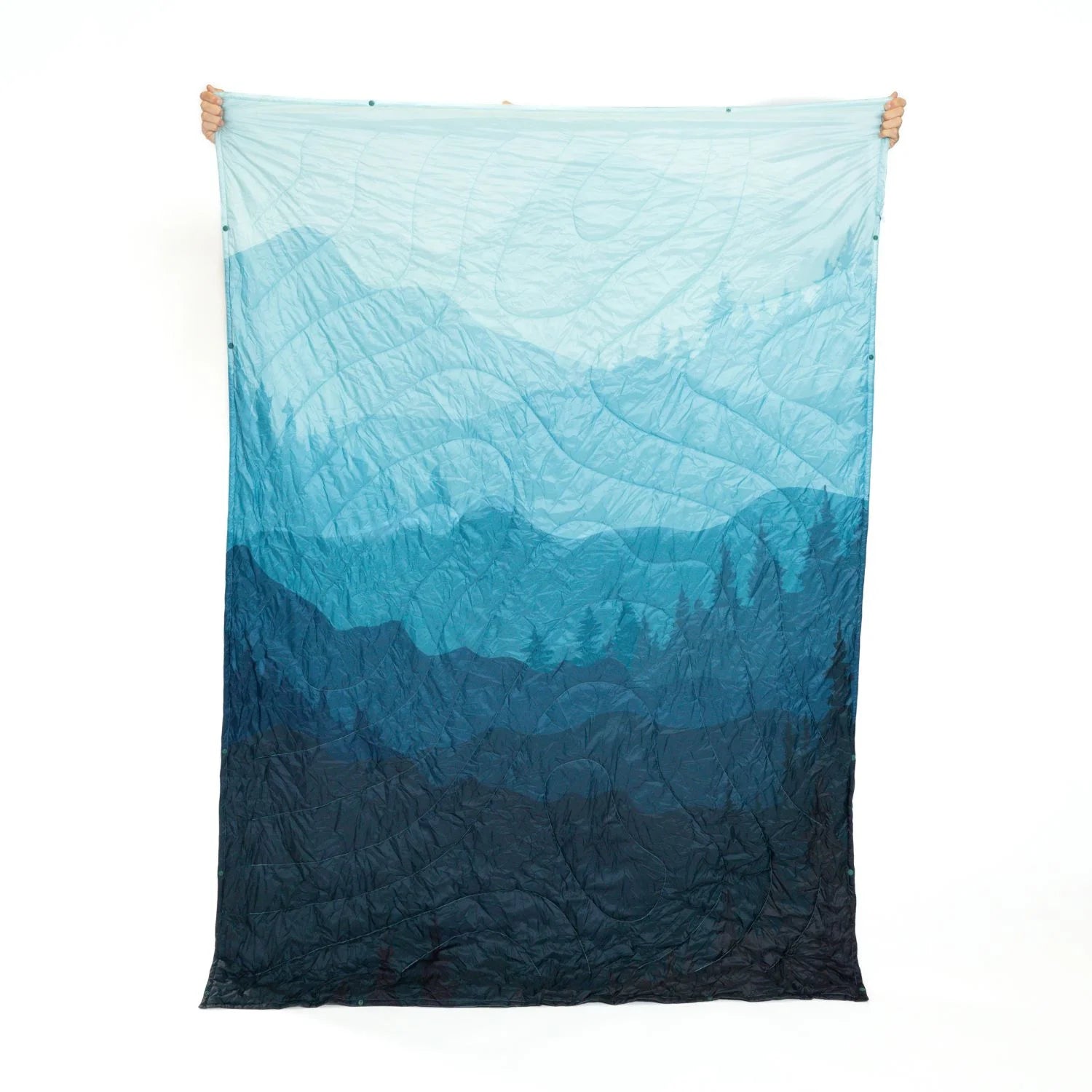
Sitpack designs portable, foldable seating built for exactly those moments. The Campster II and Sitpack Zen are lightweight, durable, and compact enough to carry in a bag without noticing the weight. They’re made for urban outdoor enthusiasts who want the freedom to sit anywhere, not just where a city planner decided to put a bench. If you spend time in parks, at outdoor events, or just moving through the city on your own terms, explore Sitpack’s portable seating and see what fits your setup. For more context on how portable options complement fixed urban furniture, the urban portable seating guide is worth a read.
Powder-coated aluminium and recycled plastics like ECOPLASWOOD offer the best long-term durability. Both resist corrosion, UV damage, and heavy use with minimal maintenance.
A crash-rated bench meets standards like IWA-14, meaning it can withstand vehicle impact. These benches serve as both seating and passive vehicle barriers in pedestrian zones.
Modular seating allows individual sections to be repaired or replaced without removing the entire installation. That reduces both maintenance labor and material costs over the seating’s lifespan.
Tree seating works best in parks, plazas, and streetscapes with mature trees and high foot traffic. It provides natural shade and creates social gathering points without requiring additional shelter structures.
Outdoor events benefit from a mix of portable seating, modular bench systems, and group picnic tables. Portable options like those from Sitpack fill gaps where fixed furniture cannot reach.