Cart
0
Sign up and get 10$ off your order
Expected delivery
1-3 days
You may also like


Danish Company

TL;DR:
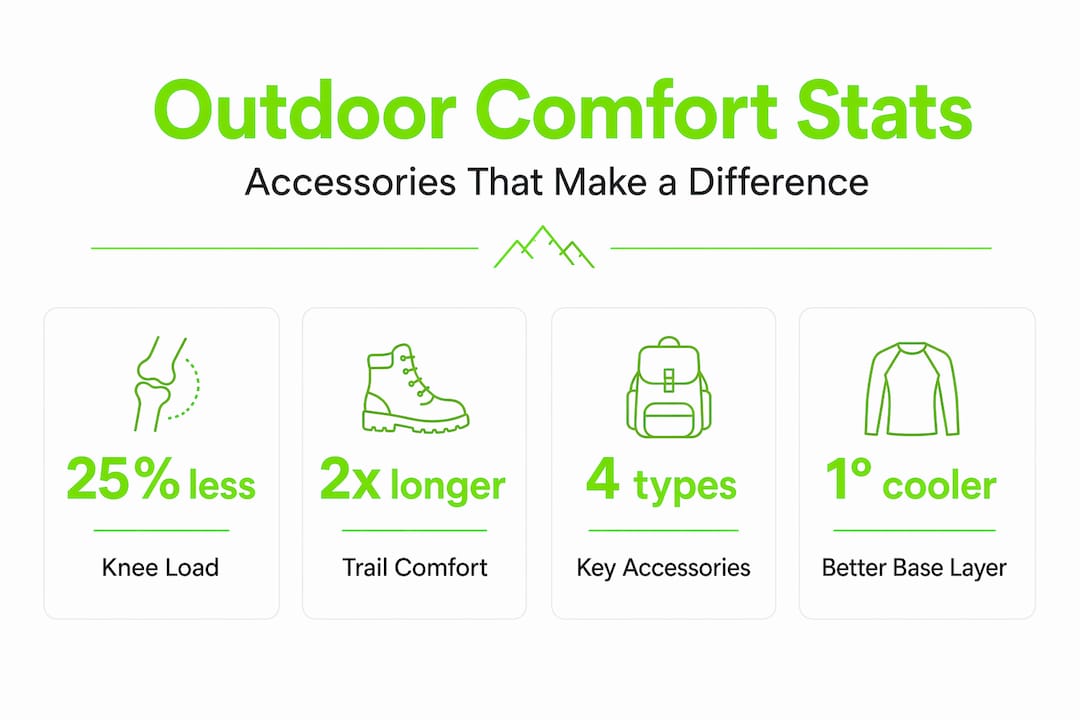
- Outdoor accessories significantly reduce physical strain, improve comfort, and extend outdoor enjoyment beyond just furniture choices. Proper gear like trekking poles, merino wool base layers, and ergonomic cushions support your body and create inviting environments that foster well-being. Thoughtful selection and incremental deployment of these accessories enhance outdoor experiences, making them more comfortable, sustainable, and enjoyable.
Most people assume outdoor comfort lives or dies with the furniture you bring. A good chair, a decent sleeping pad, maybe a sturdy tent, and you’re sorted. But that framing misses most of the picture. The role of outdoor accessories in comfort runs far deeper than what holds you off the ground. The right trekking poles, base layers, ergonomic cushions, ambient lighting, and portable seating can transform a mediocre outing into something you’d actually want to repeat. This article breaks down exactly how accessories work, which ones punch above their weight, and how to put them together for a setup that genuinely feels good.
| Point | Details |
|---|---|
| Accessories reduce physical strain | Trekking poles alone can cut knee joint loading by up to 25%, dramatically reducing fatigue on long days. |
| Textiles create outdoor rooms | Layering rugs, cushions, and throws turns any outdoor space into a place you’ll actually want to linger in. |
| Material choice changes everything | Wool outperforms cotton and synthetics at managing moisture transitions, keeping you warmer during rest stops. |
| Match gear to terrain and climate | Single poles, layered clothing, and weather-appropriate cushions all work better when chosen for your specific conditions. |
| Small additions deliver big returns | A seat warmer, a thermal blanket, or a portable light extends your outdoor time more than most people expect. |
The most overlooked category of comfort is physical. Not how soft your chair is, but how much strain your body accumulates over hours of activity. That’s where functional accessories do their quiet, underrated work.
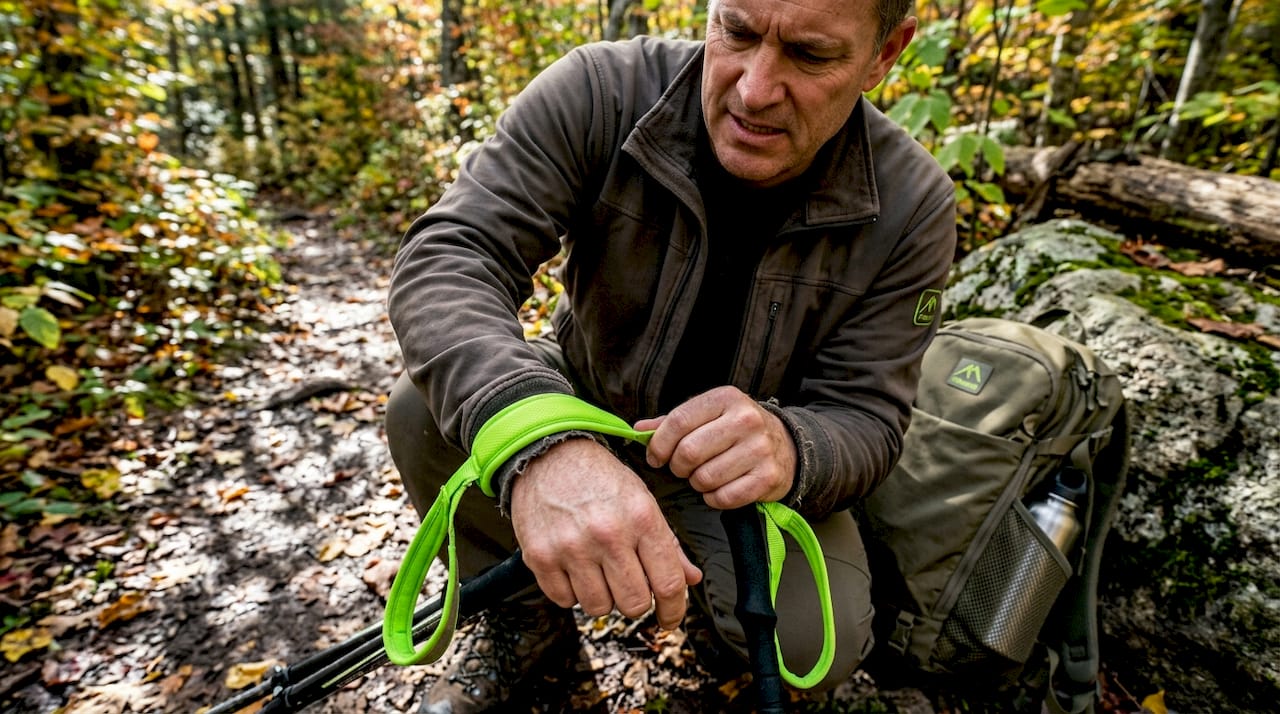
Trekking poles are the classic example. Used correctly, they reduce knee joint loading by 12% to 25% during descents, the equivalent of removing roughly 13 kg of load per stride. That number sounds academic until you’re two hours into a steep descent and your knees start sending telegrams. Beyond the joints, poles also reduce muscle damage markers during prolonged treks, meaning faster recovery the next day. They also convert hiking into more of a full-body movement pattern, which distributes exertion more evenly across your muscles rather than loading everything onto your legs.
Base layers are the second major physical comfort lever most people underuse. The material you wear closest to your skin controls how your body manages heat and sweat during stop-go activities. Wool, particularly merino, maintains a stable microclimate by absorbing moisture vapor into its core rather than letting it sit on the surface. Cotton, by contrast, holds moisture against your skin and gets cold fast when you stop moving. That post-sweat chill is more than uncomfortable. It’s a meaningful drain on your energy and enjoyment. Synthetics are a middle ground, drying faster than cotton but lacking wool’s thermal buffering when humidity spikes.
Ergonomic padding and cushions round out the physical tier. Sitting on a hard, flat surface for extended periods creates pressure points that build fatigue you might not even recognize as discomfort until you stand up. A good seat pad or ergonomic cushion distributes your weight more evenly and supports the natural curve of your spine, which makes a two-hour fire-side sit feel completely different from the same session on bare wood.
Here’s what to consider in this category:
Pro Tip: Use your wrist straps properly when trekking. Looping them correctly transfers load to your wrists and forearms instead of your grip, which dramatically reduces hand and forearm fatigue over long distances.
There’s a category of outdoor comfort that isn’t about your body at all. It’s about your environment, and it matters more than most gear reviews acknowledge. Landscape designers consistently recommend layering soft textiles like outdoor rugs, weather-resistant cushions, and throws to create outdoor spaces that function more like rooms than staging areas.
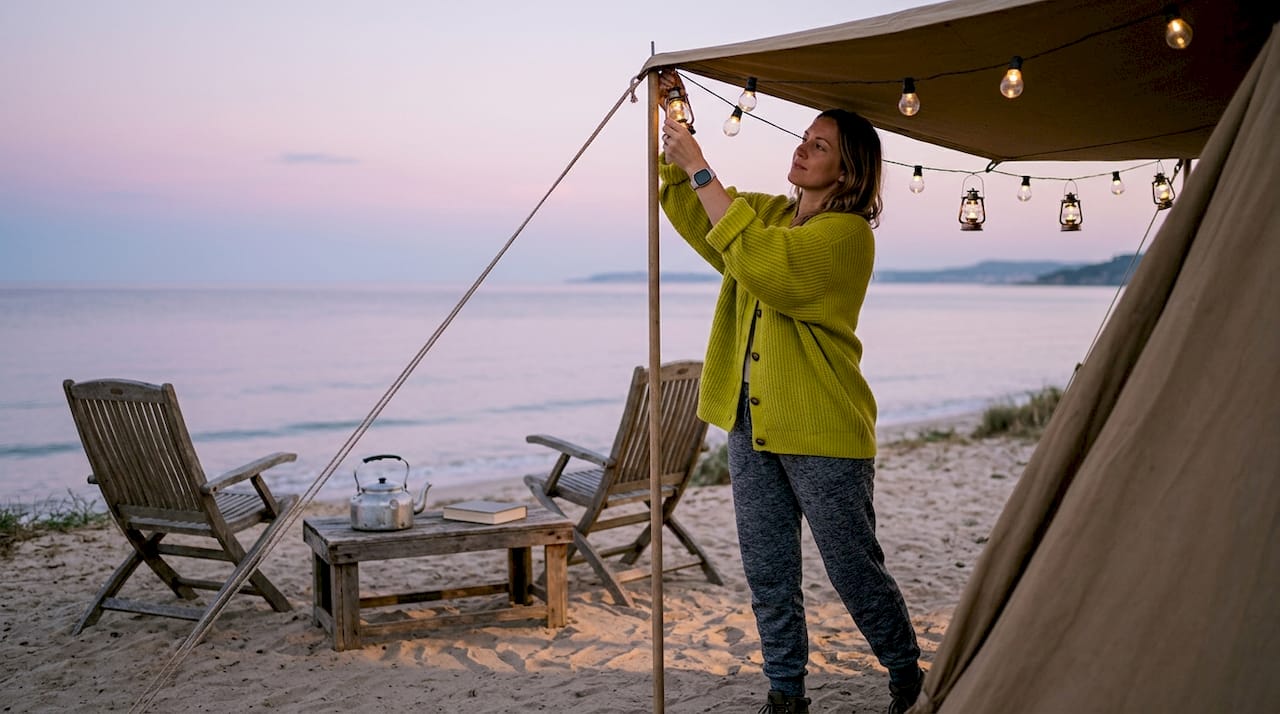
The psychological principle is simple: if a space feels inviting, you stay in it longer. And staying outside longer is almost always good for you. Regular campers report significantly higher wellbeing scores than the general population, with 44% flourishing compared to 31%, particularly when they combine multiple nights outdoors with physical activity. Comfort accessories are part of how you build those conditions.
Accent lighting is an underrated piece of this puzzle. A good lantern or string of outdoor lights doesn’t just let you see when the sun goes down. It changes the mood of the entire space, extending the hours you’ll actually use your setup and making the transition from active evening to relaxed evening feel natural rather than abrupt.
Adding planters or bringing in living plants around a campsite or patio space also connects you to the environment in a way that improves perceived comfort. It creates a sense of enclosure and calm that bare furniture arrangements simply don’t produce.
The benefits of this category include:
Not all accessories perform equally well in every situation, and buying the wrong version of something useful is a good way to think gear doesn’t work. Here’s a practical breakdown of the most common choices.
| Accessory | Best for | Trade-offs |
|---|---|---|
| Single trekking pole | Moderate, mixed terrain; day hikes with light loads | Less stability on steep descents; limited river crossing support |
| Pair of trekking poles | Steep descents, loaded packs, technical terrain | More to carry; requires both hands; learning curve |
| Merino wool base layer | Stop-go activities, cool to cold conditions | Higher cost; slower drying than synthetics |
| Synthetic base layer | High-output activities, wet conditions | Less thermal buffering during rest; can retain odor |
| Foam seat pad | Budget camping, minimal weight priority | Limited ergonomic support; can degrade over time |
| Contoured ergonomic cushion | Extended sitting, festival use, base camp setups | Heavier; bulkier in a pack |
| Evaporative cooling vest | Hot, dry environments (35 to 40°C, low humidity) | Loses efficiency in high humidity, so it’s climate-specific |
The terrain question with trekking poles has a useful middle-ground answer. Carrying two poles but using one or two depending on terrain gives you maximum flexibility. On gradual paths, one pole frees a hand for a map, a snack, or a camera. On steep descents with a full pack, both poles earn their place immediately.
Material selection for base layers comes down to your activity pattern. If you’re on the trail and stopping frequently, wool’s moisture vapor absorption into the fiber core keeps the surface noticeably drier and more comfortable against your skin than bamboo viscose or cotton, both of which saturate more quickly.
Pro Tip: For cushion materials, look for weather-resistant foam with a removable, washable cover if you camp in variable conditions. Exposed foam degrades fast from UV and moisture, and a ruined cushion gets left at home.
Knowing what accessories help is one thing. Knowing how to deploy them intelligently is where most people actually improve their experience. Here’s a practical sequence that works whether you’re headed to a weekend campsite or a multi-day trek.
Start with your body contact points. Before you think about any other accessories, sort out what touches your skin and your joints. That means base layer, footwear, seat support, and grip surfaces. These have the highest comfort return per gram of attention.
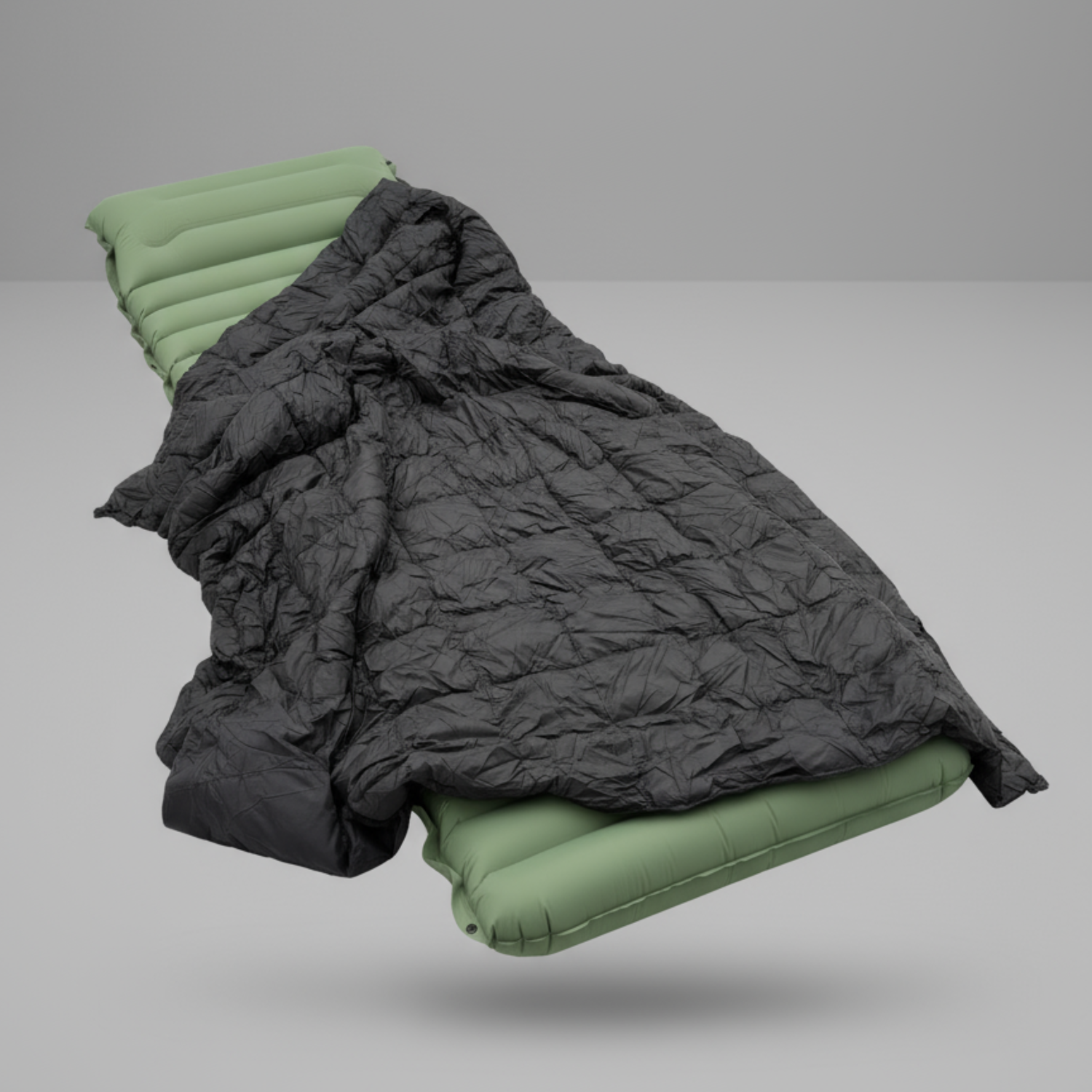
Layer for transitions, not just peak conditions. Most people dress for when they’re moving hard. Dress for when you stop. That’s when your merino layer, a thermal blanket, or a seat warmer earns its keep, especially on cool evenings when the temperature drops faster than expected.
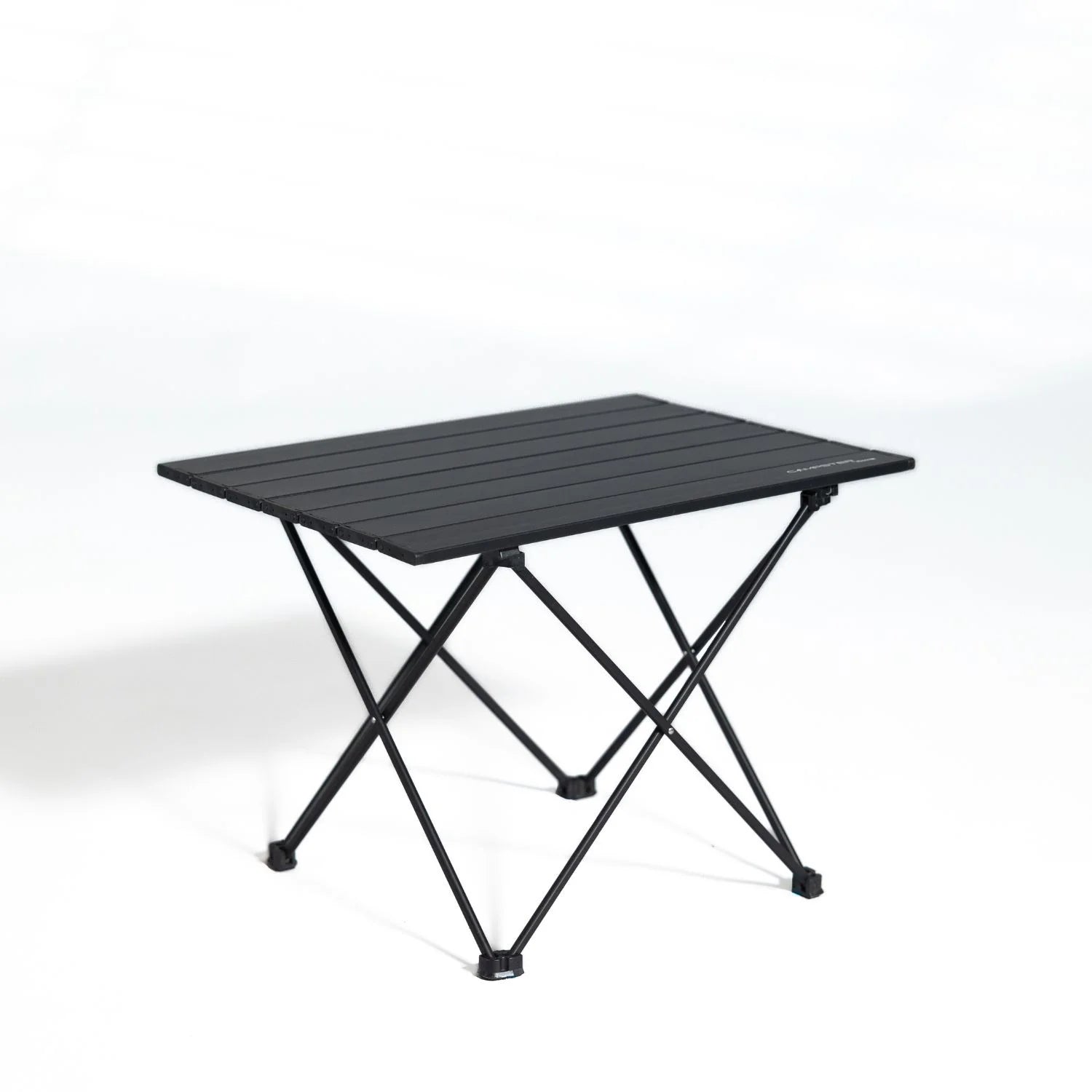
Build your environment intentionally. Once your physical setup is sorted, add one or two environmental accessories: a portable light, a rug or ground sheet, a compact table. The goal is creating a space that pulls you back to it rather than one you tolerate. Proper outdoor layering and accessories genuinely extend the time you’ll spend comfortably outside.
Maintain what you bring. Wipe down cushion covers after trips. Inspect pole tips and locking mechanisms before each outing. Store base layers washed and uncompressed. Neglected accessories fail at inconvenient moments, and a cracked pole tip on day three of a trek is nobody’s idea of fun.
Add accessories incrementally. Don’t overhaul your whole kit at once. Pick the one physical comfort gap you notice most and address it specifically. Most people start with seating, because camping accessories that improve outdoor comfort are often most noticeable when you’re off your feet.
I’ve spent enough time outdoors to know that the people who say “I don’t need much to be comfortable” are usually either very experienced or haven’t yet spent a full day on their knees on a steep descent with no poles. Comfort isn’t a luxury. It’s what determines whether you have energy left to enjoy the sunset, whether you sleep well enough to go again tomorrow, and whether you actually want to be outside.
What I’ve learned is that the best accessories don’t announce themselves. A well-fitted merino layer feels like nothing, which is exactly the point. A properly sized pole plant happens without thought. A good seat under you at the end of the day makes you linger by the fire instead of retreating to your sleeping bag at 8 PM. Good camping gear genuinely affects wellbeing in ways that science has now caught up to confirming.
The contrarian view I’d offer is this: most people over-invest in big ticket shelter and sleeping gear, then under-invest in the small accessories that determine how the hours between sleeping actually feel. A better sleeping bag won’t help you on a seven-hour hike. Cork grip poles, a dry base layer, and somewhere comfortable to sit when you stop absolutely will.
My suggestion? Pick two accessories you’ve been dismissing as non-essential, try them seriously on your next outing, and reassess. The gap between “fine” and “genuinely good” outdoors is usually filled with details, not headline gear.
— Jonas
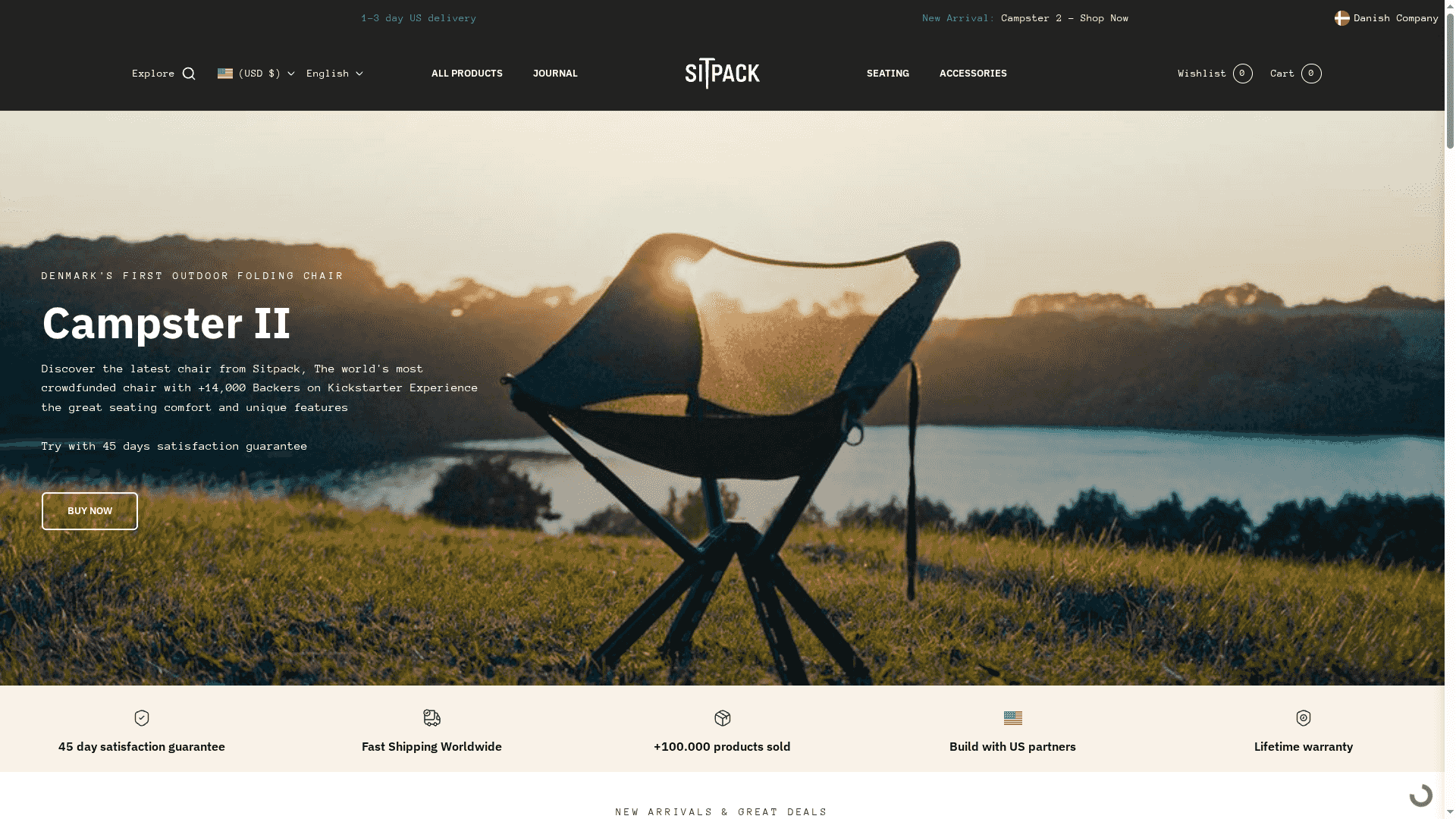
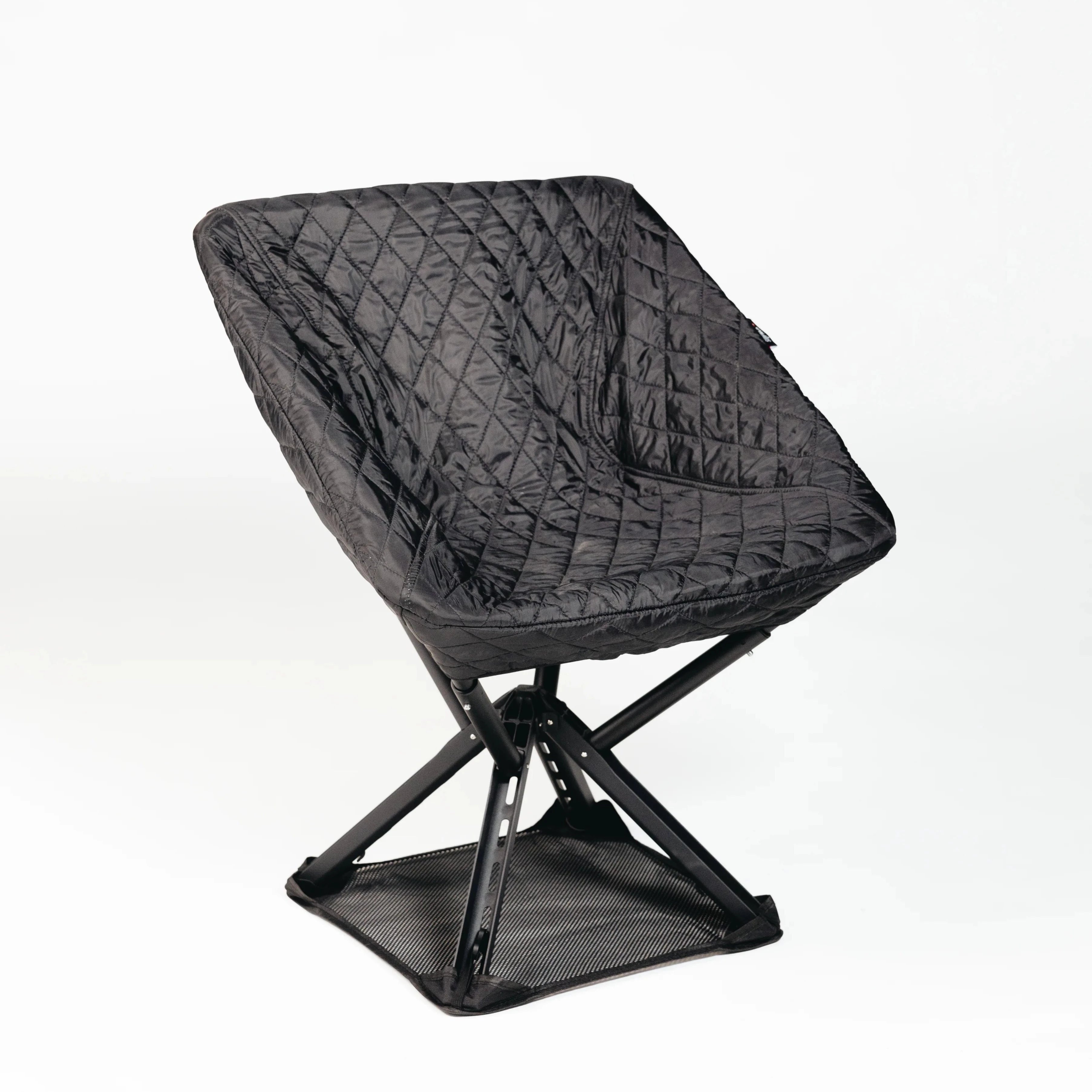
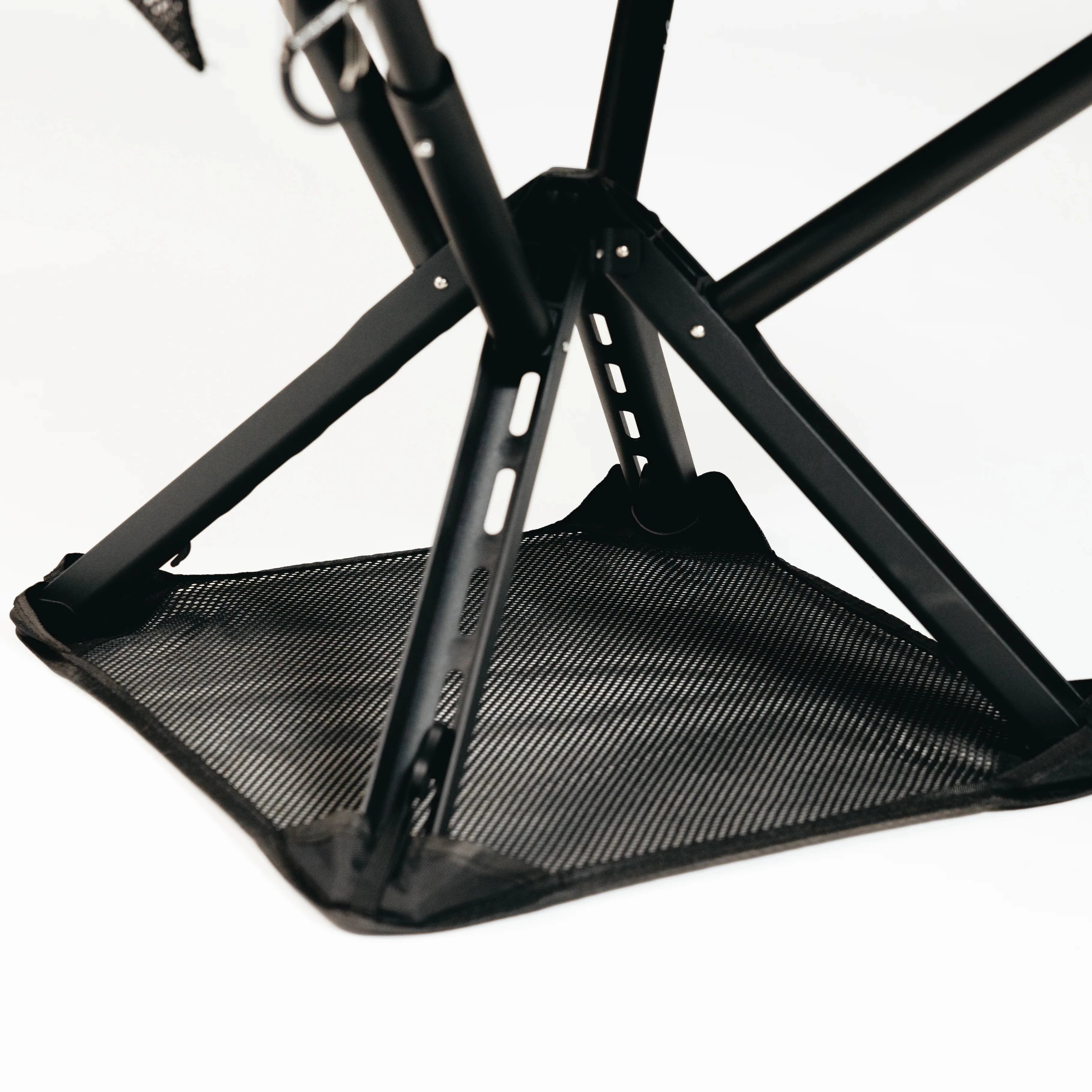
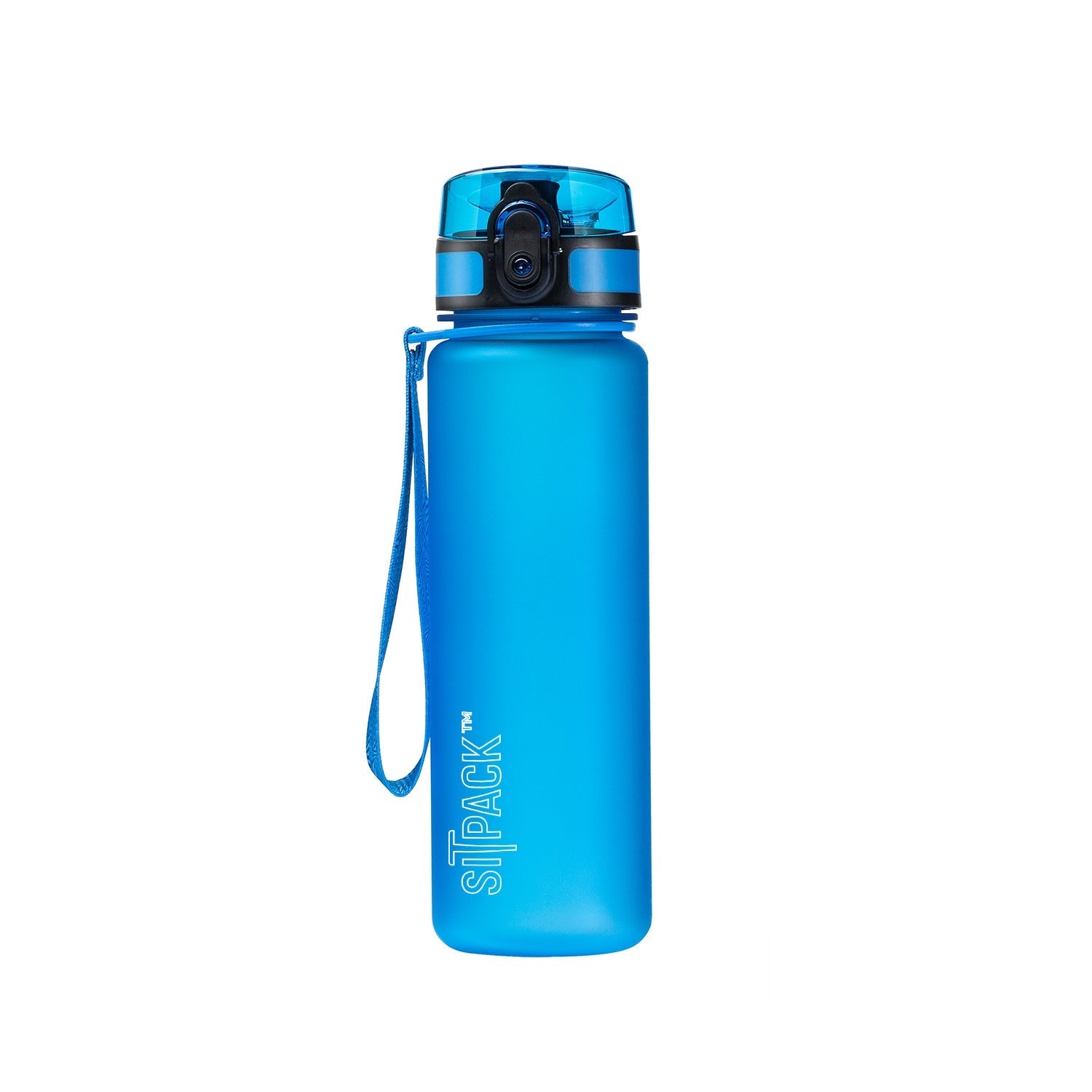
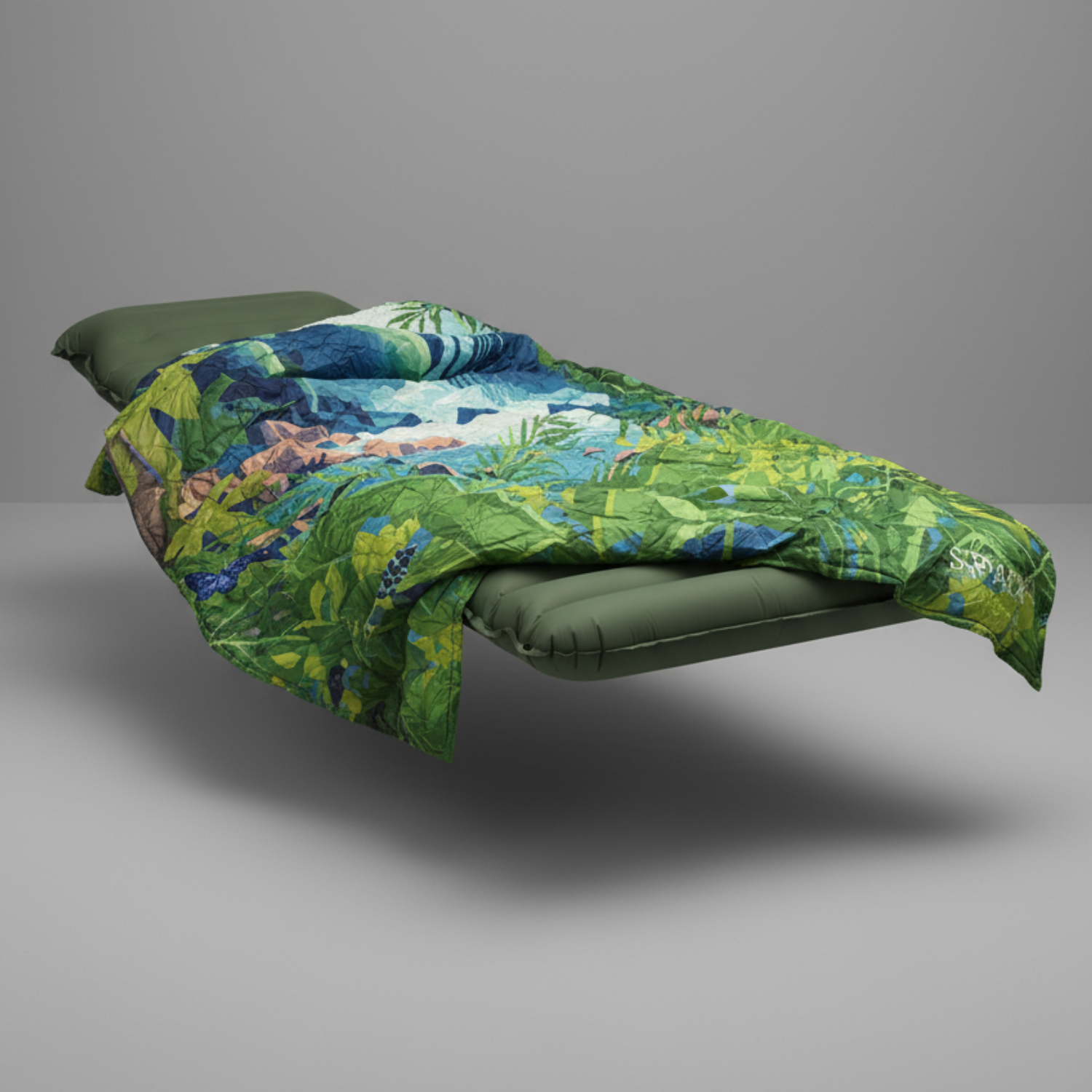
If you’re serious about turning your outdoor setup from functional to genuinely enjoyable, Sitpack has the accessories to get you there. The Campster II and Sitpack Zen are portable, foldable seating solutions built for people who refuse to choose between comfort and mobility. Beyond seating, Sitpack’s range includes seat warmers, thermal blankets, water bottles, and travel towels, all designed with eco-friendly materials and built to last. Every product ships worldwide with a 45-day satisfaction guarantee and a lifetime warranty on select items. Browse the full Sitpack outdoor accessories range and find the pieces that will actually change how your next trip feels.
Trekking poles reduce knee joint loading by up to 25% on descents, while merino wool base layers regulate body temperature during stop-go activity. Together, these accessories significantly reduce accumulated fatigue over a full day outdoors.
Ergonomic seat pads, thermal blankets, ambient lighting, and weather-resistant cushions are among the most effective accessories for outdoor relaxation. They extend the hours you’ll comfortably spend outside and improve recovery after active days.
Yes. Cork grips wick moisture away from your palms and absorb vibration better than foam or rubber alternatives, which reduces hand fatigue noticeably on routes longer than two hours.
Use a single pole on moderate terrain or when you need a free hand. Switch to two poles for steep descents, river crossings, or any situation where you’re carrying a heavy pack and need maximum stability.
The connection between quality outdoor experiences and wellbeing is well-documented. Research shows that regular campers report higher flourishing rates than the general population, and the right gear makes those experiences more comfortable, sustainable, and repeatable.