Cart
0
Sign up and get 10$ off your order
Expected delivery
1-3 days
You may also like
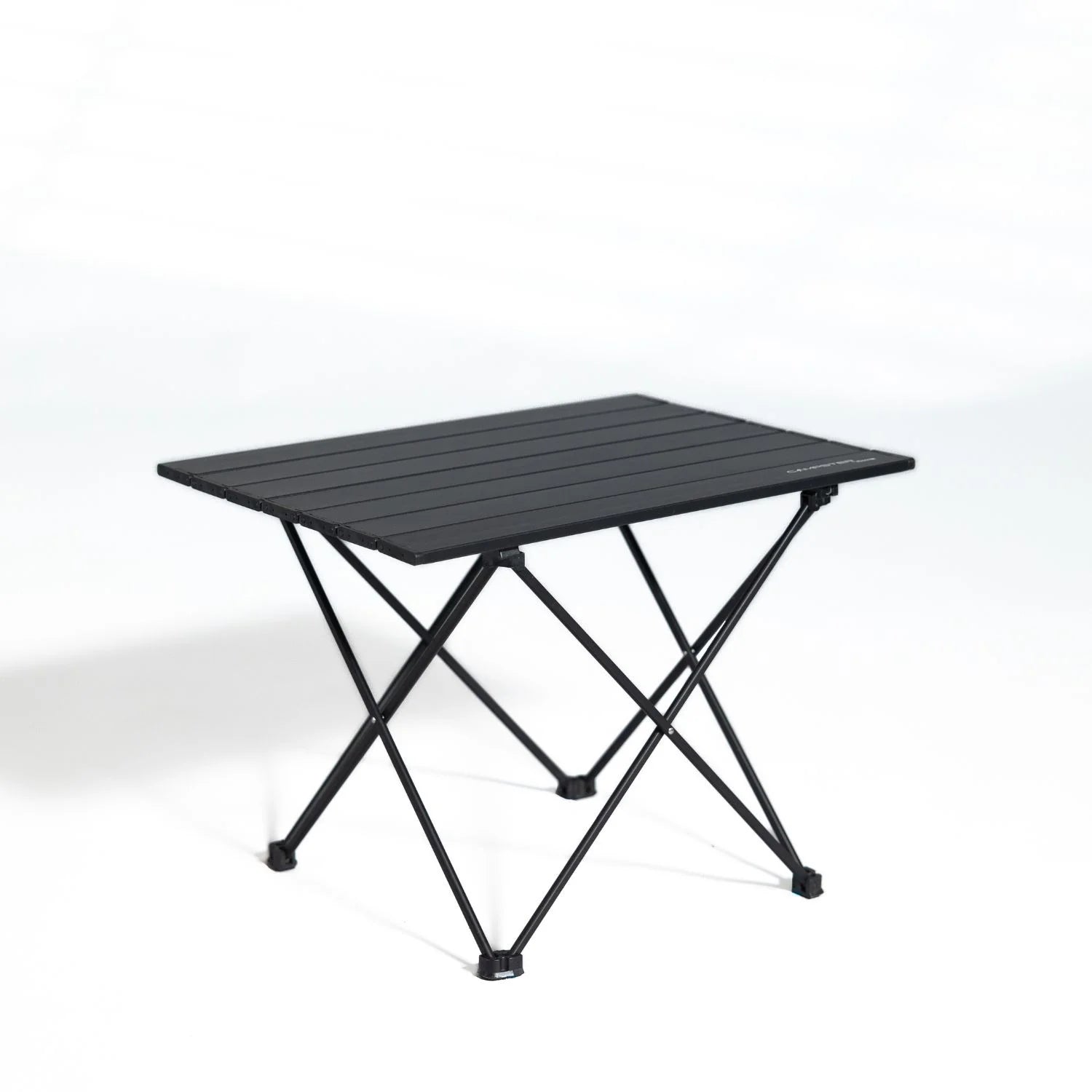
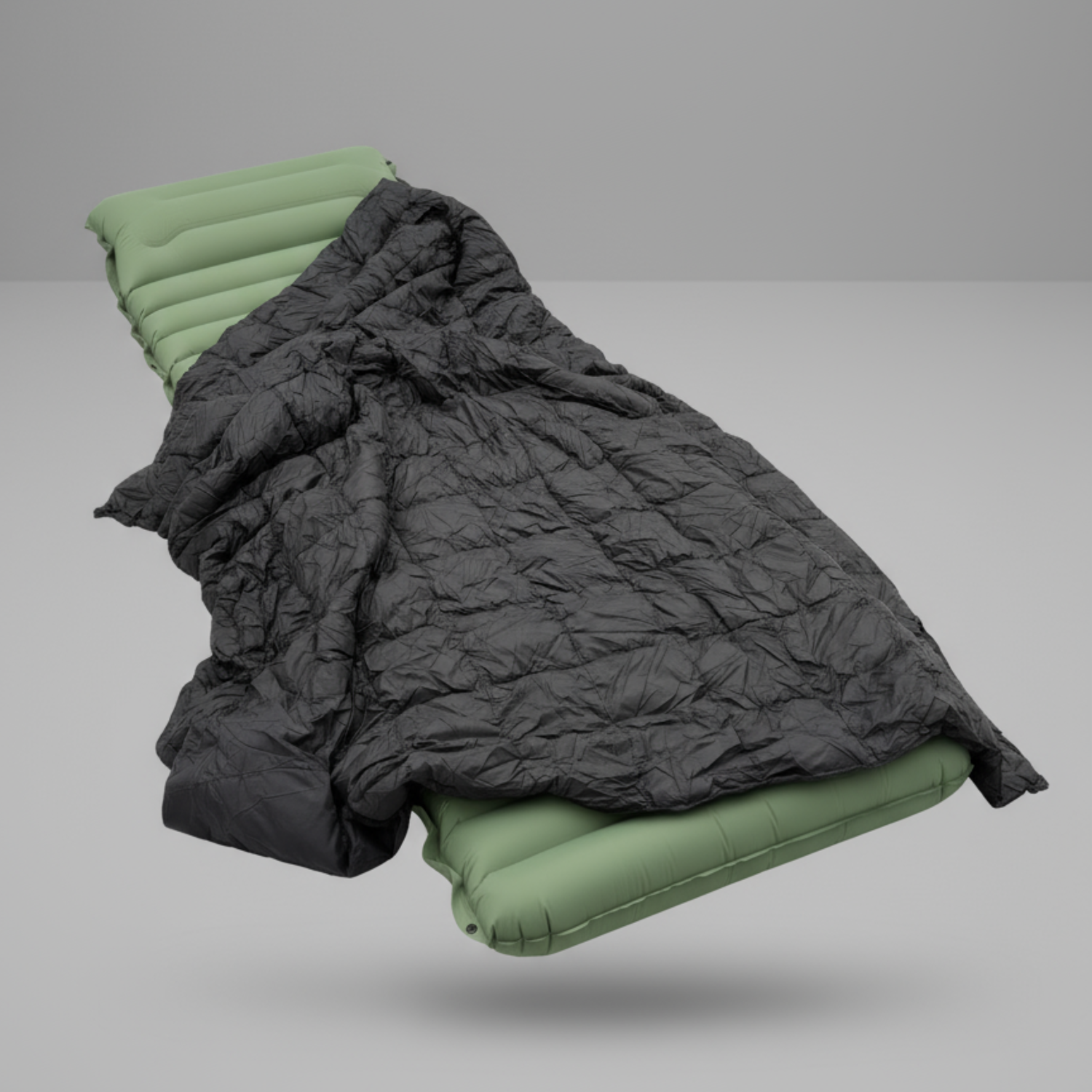
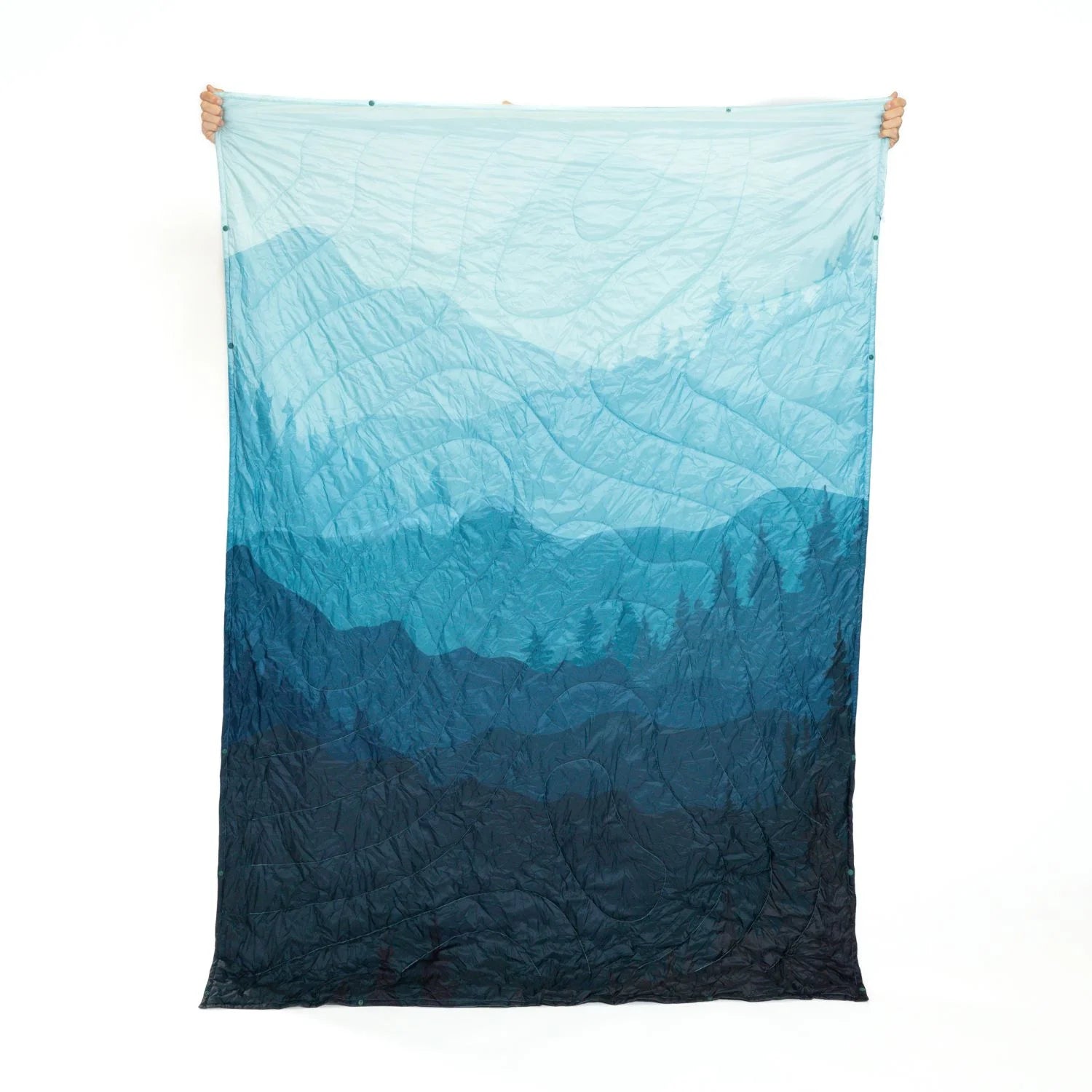
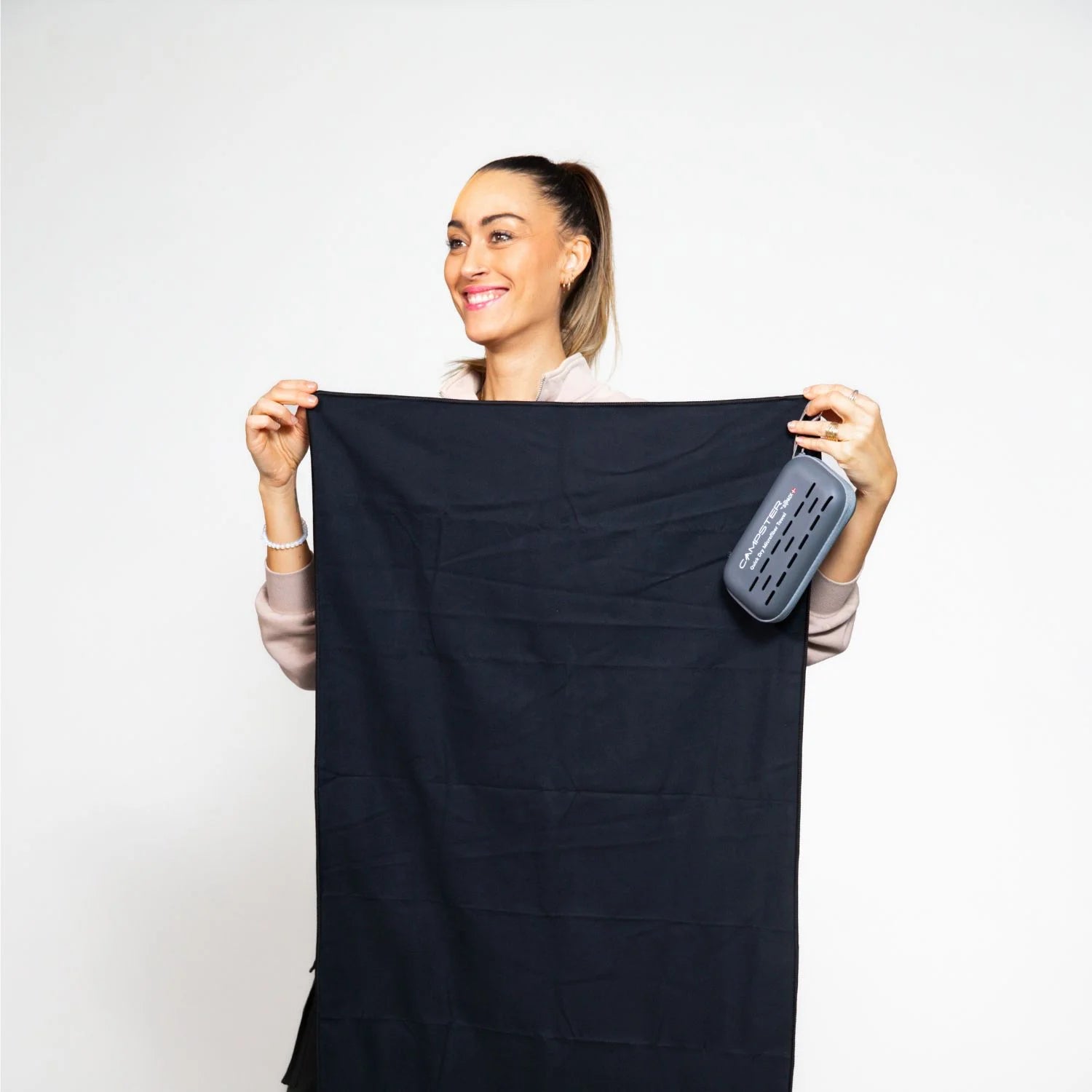


Danish Company


Finding the perfect portable seating for your European adventures can feel daunting when eco-consciousness and minimalism are top priorities. As urban travelers balance limited space, frequent commutes, and outdoor escapes, compact travel furniture offers a smarter way to stay comfortable without harming the environment. Explore how lightweight, versatile, and sustainable solutions help redefine convenience and mobility, challenging outdated misconceptions about comfort and durability.
| Point | Details |
|---|---|
| Compact Travel Furniture Evolution | Compact travel furniture is essential for modern urban travelers, offering portability and multifunctionality in various environments. |
| Key Features | Lightweight, durable, and ergonomic designs should be prioritized when selecting portable furniture to ensure comfort and usability. |
| Sustainable Materials | Choosing eco-friendly materials contributes to environmental responsibility and longevity in portable seating solutions. |
| Common Pitfalls | Avoid prioritizing aesthetics over functionality, and always consider quality, durability, and user comfort when selecting portable furniture. |
Compact travel furniture represents an innovative approach to mobility and space efficiency, transforming how urban travelers experience portable seating solutions. Modular furniture for compact living has evolved from a niche concept to a practical necessity for modern adventurers seeking versatile, lightweight options.
Understanding compact furniture requires breaking down several key characteristics that distinguish these designs from traditional seating alternatives. The primary attributes include:
Common misconceptions about compact travel furniture often stem from assumptions about comfort and durability. Many people imagine these chairs as flimsy, unstable contraptions incapable of supporting an adult’s weight. However, modern engineering has dramatically transformed portable seating technologies, creating robust solutions that challenge traditional expectations.
Compact furniture isn’t about sacrificing comfort—it’s about reimagining how space and functionality can coexist.
The evolution of compact travel furniture represents more than just a design trend. It reflects broader shifts in urban living, where mobility, sustainability, and intelligent design converge. Travelers and urban dwellers now demand solutions that adapt to their dynamic lifestyles, moving seamlessly between work, leisure, and adventure.

Pro tip: When selecting compact travel furniture, prioritize weight, durability, and versatility over pure aesthetic appeal.
Portable seating solutions represent a dynamic range of innovative designs that cater to diverse traveler needs and lifestyle requirements. Portable event seating options have dramatically evolved, offering urban adventurers unprecedented flexibility and comfort across multiple environments.
The landscape of portable seating can be categorized into several distinct types, each serving unique functional purposes:
Each portable seating type comes with specific performance characteristics that distinguish its utility. Foldable chairs, for instance, typically offer more substantial weight capacity and comfort, while camping stools prioritize absolute minimalism and weight reduction. Inflatable seats provide an interesting middle ground, combining packability with surprising comfort levels.
Here’s a comparison of popular portable seating solutions by typical use case and performance focus:
| Seating Type | Best For | Core Advantage | Limitation |
|---|---|---|---|
| Camping Stools | Backpacking hikes | Ultra-lightweight | Minimal comfort |
| Foldable Chairs | Urban/outdoor events | Ergonomic support | Bulkier than stools |
| Stadium Cushions | Outdoor sports | Padded seating | No back support |
| Inflatable Seats | Travel, festivals | Space efficiency | Requires inflation effort |
| Convertible Seating | Multipurpose use | Versatility | May be complex to adjust |
Selecting the right portable seating isn’t just about weight—it’s about matching the solution to your specific adventure.
Weight capacity, material durability, and intended usage environment remain critical factors in choosing the appropriate portable seating. Urban travelers and outdoor enthusiasts must consider factors like terrain, expected duration of use, and transportation constraints when making their selection.
Pro tip: Always test portable seating solutions before extended trips to ensure personal comfort and compatibility with your specific needs.
Compact travel furniture demands a delicate balance between three critical performance attributes: lightweight construction, exceptional durability, and ergonomic comfort. Innovative furniture design has transformed how manufacturers approach these interconnected challenges, creating solutions that meet the dynamic needs of modern travelers.
The key characteristics that define high-performance portable seating include:
Advanced composite materials play a crucial role in achieving these demanding specifications. Multifunctional furniture technologies now incorporate lightweight alloys, high-strength polymers, and innovative design strategies that dramatically reduce weight without compromising structural integrity. These materials undergo rigorous mechanical testing to ensure they can withstand repeated use across diverse environmental conditions.
True portable seating isn’t just about being light—it’s about performing consistently in any situation.
Ergonomic considerations remain paramount in modern compact furniture design. Manufacturers now integrate adjustable components, cushioned contact points, and scientifically calculated support structures that adapt to individual body types. The goal transcends mere functionality, aiming to provide genuine comfort that makes users forget they’re sitting on a portable solution.
Pro tip: Invest in portable seating that offers adjustable features and prioritizes material quality over aesthetic trends.
Sustainable furniture design represents a critical evolution in environmental consciousness, transforming how travelers and urban dwellers approach portable seating solutions. Sustainable design principles now integrate comprehensive life cycle assessments that minimize ecological footprints while maximizing functionality and durability.
The most innovative eco-friendly materials driving this transformation include:
Eco-conscious furniture manufacturing goes beyond material selection, encompassing entire production ecosystems. Manufacturers now prioritize ethical labor practices, minimize transportation emissions, and design products with extended lifespans that challenge traditional disposable consumer models. This holistic approach transforms portable furniture from a simple commodity into a statement of environmental responsibility.
Sustainable design isn’t just about materials—it’s about reimagining our relationship with consumer products.
The environmental impact extends far beyond individual product choices. By selecting furniture crafted from renewable materials and designed for longevity, consumers directly contribute to reducing global waste streams and supporting circular economy principles. Each sustainable seating solution represents a small but meaningful step toward more responsible global consumption patterns.
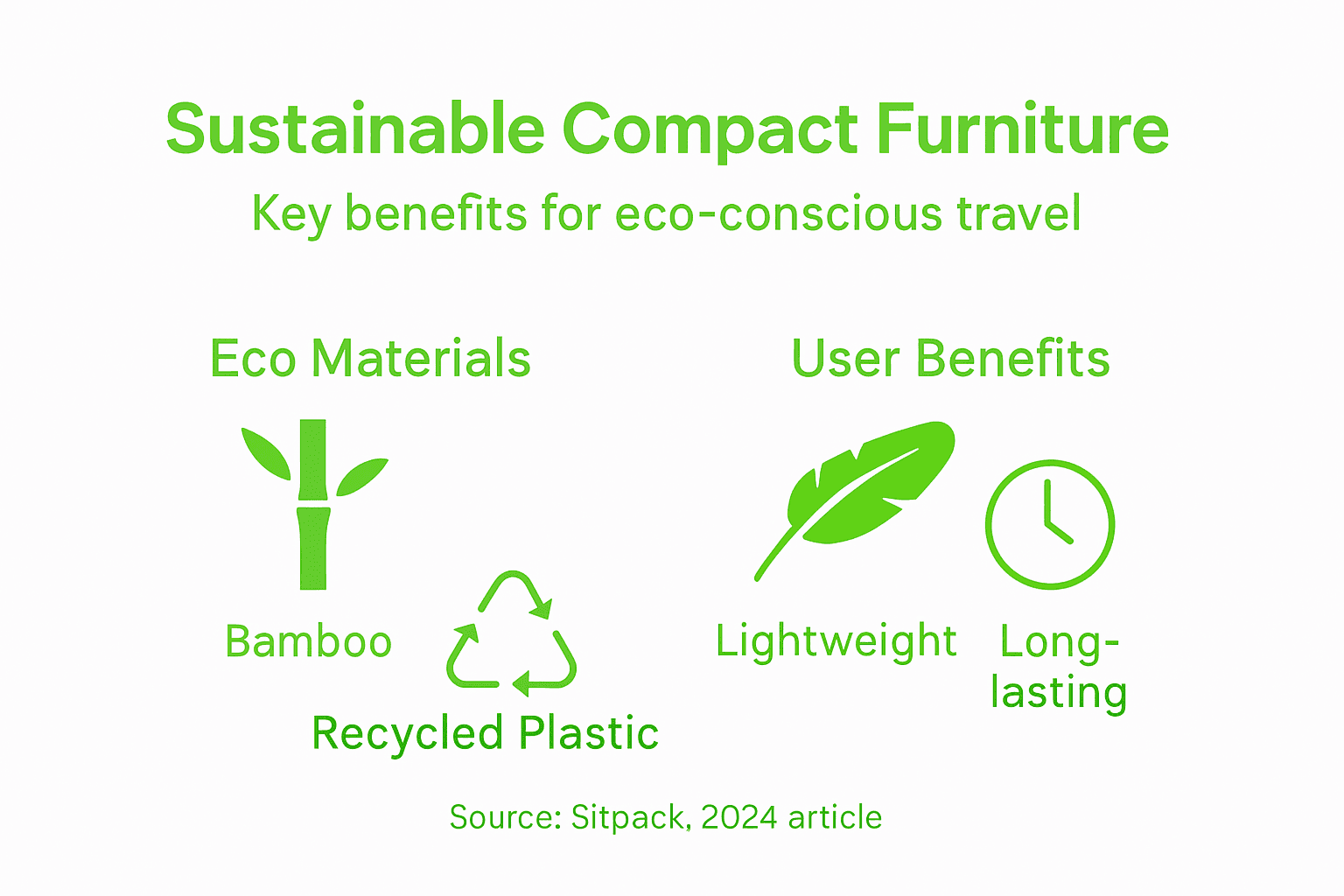
To clarify eco-friendly portable furniture advantages, see the table below:
| Material | Environmental Benefit | Typical Use Cases |
|---|---|---|
| Bamboo | Rapid renewability | Frame construction |
| Recycled Aluminum | Reduced carbon footprint | Lightweight supports |
| Cork | Biodegradable, water-resistant | Cushions, padding |
| Reclaimed Wood | Waste reduction | Structural elements |
| Organic Polymers | Decompose after use | Flexible coverings |
Pro tip: Research the complete manufacturing process, not just material composition, when selecting eco-friendly portable furniture.
Compact travel furniture represents a revolutionary solution bridging urban living and outdoor adventure. Multifunctional furniture design has transformed how travelers and city dwellers approach spatial flexibility, creating versatile solutions that adapt seamlessly across diverse environments.
The primary real-world applications span multiple contexts:
Climate-resilient urban furniture demonstrates how compact seating transcends traditional boundaries. Modern designs now integrate social functionality with environmental adaptability, supporting everything from spontaneous street gatherings to flexible workspace configurations. These innovations reflect a broader shift towards furniture that responds dynamically to user needs and urban challenges.
Portable furniture isn’t just about convenience—it’s about creating freedom of movement and adaptability.
The transformative potential extends beyond individual use. By enabling rapid space reconfiguration, compact travel furniture supports more sustainable, flexible urban living models. Whether supporting a digital nomad’s workspace or providing comfortable seating during an outdoor music festival, these designs represent a paradigm shift in how we conceptualize mobility and comfort.
Pro tip: Invest in multipurpose furniture that can smoothly transition between indoor and outdoor environments.
Selecting the right portable furniture requires strategic decision-making beyond superficial aesthetic considerations. Portable furniture selection challenges reveal complex considerations that can dramatically impact user experience and long-term satisfaction.
The most significant pitfalls include:
Compact furniture design challenges demonstrate that multi-functionality often creates unexpected compromises. Many portable furniture designs attempt to balance multiple requirements—lightweight construction, durability, comfort, and versatility—which frequently results in suboptimal performance across these dimensions. The result can be furniture that looks good but fails to deliver genuine practical value.
Not all portable furniture is created equal—true quality lies in thoughtful, user-centered design.
Understanding these potential pitfalls requires a holistic approach to selection. Consumers must evaluate portable furniture through multiple lenses: material quality, intended use environment, personal ergonomic needs, and long-term performance expectations. Rushing the selection process or being seduced by marketing claims can lead to disappointing investments that quickly lose utility.
Pro tip: Always test portable furniture in person and read comprehensive user reviews before making a purchase.
Travelers and urban adventurers face key challenges highlighted in the article such as balancing portability with durability and achieving ergonomic comfort without adding bulk. The struggle to find lightweight seating that supports an active lifestyle while embracing eco-friendly materials is a real concern for anyone seeking true freedom on the move. If you value rapid setup, multifunctionality, and sustainable design, then you deserve seating solutions designed with those exact principles in mind.
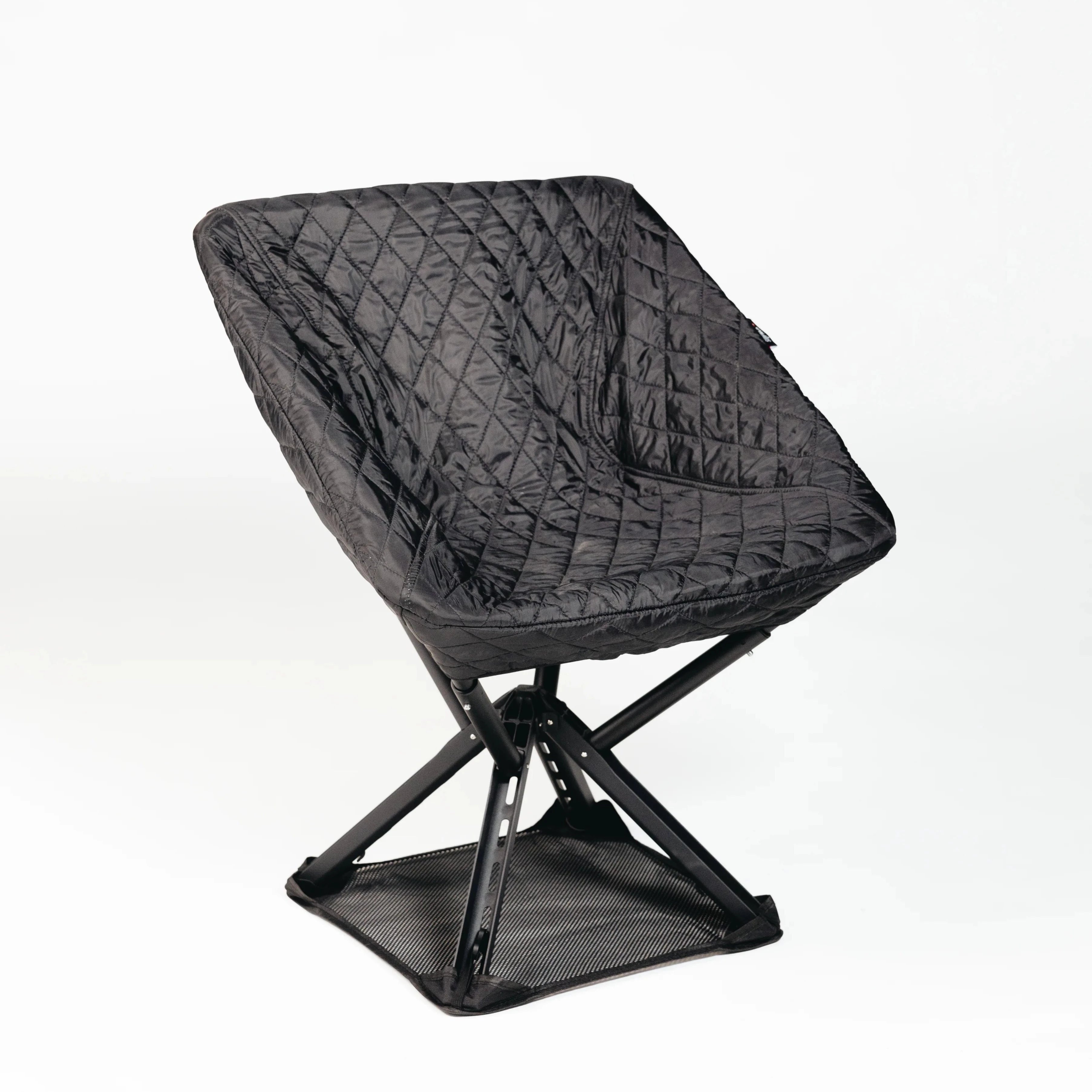
Discover how the innovative Sitpack Zen and Campster II models redefine portable seating by combining lightweight frames, foldable convenience, and robust support. These products meet the modern traveler’s demands for compact travel furniture that doesn’t compromise comfort or quality. Their eco-conscious materials and user-centric design align perfectly with the sustainable values emphasized throughout this article.
Start your journey toward practical comfort and eco-friendly mobility now.
Explore the full range of innovative outdoor seating options at Sitpack to find your ideal travel companion. Act today to benefit from fast worldwide delivery and a 45-day satisfaction guarantee. Your next adventure deserves furniture that adapts to you—don’t settle for less when you can have sustainable freedom on every trip.
Compact travel furniture is characterized by extreme portability (weighing less than 3 pounds), rapid deployment (set up in under 30 seconds), multifunctionality, ergonomic design, and the use of sustainable materials.
Portable seating solutions prioritize lightweight construction and space efficiency, while traditional seating typically focuses on comfort and stability. Modern portable designs, however, have improved significantly in comfort and durability, challenging previous misconceptions.
Common types include camping stools (ultralight designs for backpacking), foldable chairs (providing ergonomic support), stadium cushions (compact padding for events), inflatable seats (space-saving options), and convertible seating (multi-purpose designs).
Consider factors like weight capacity, material durability, intended use environment, and specific needs such as terrain and duration of use. Testing the seating in person can also help ensure compatibility with your comfort requirements.