Cart
0
Sign up and get 10$ off your order
Expected delivery
1-3 days
You may also like
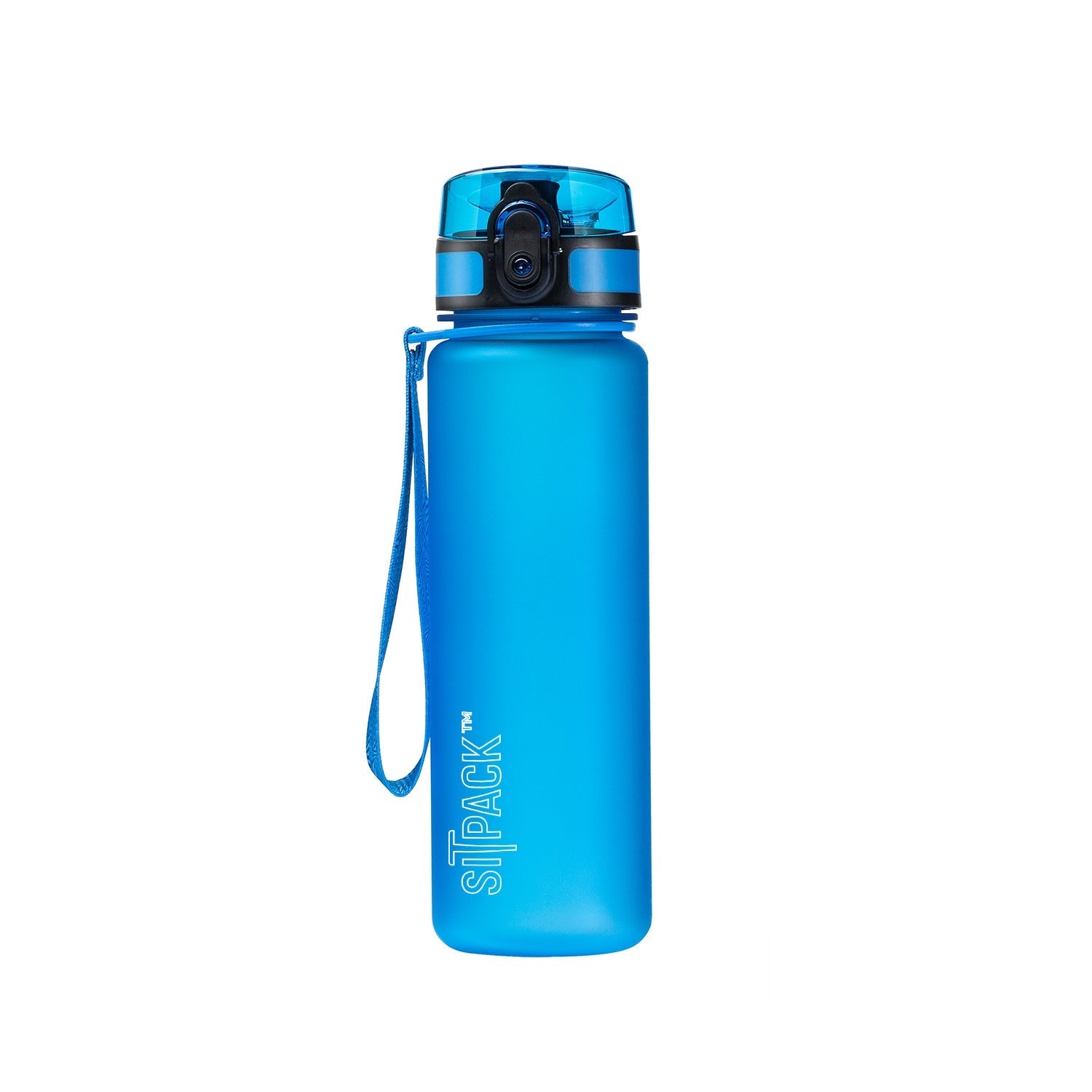
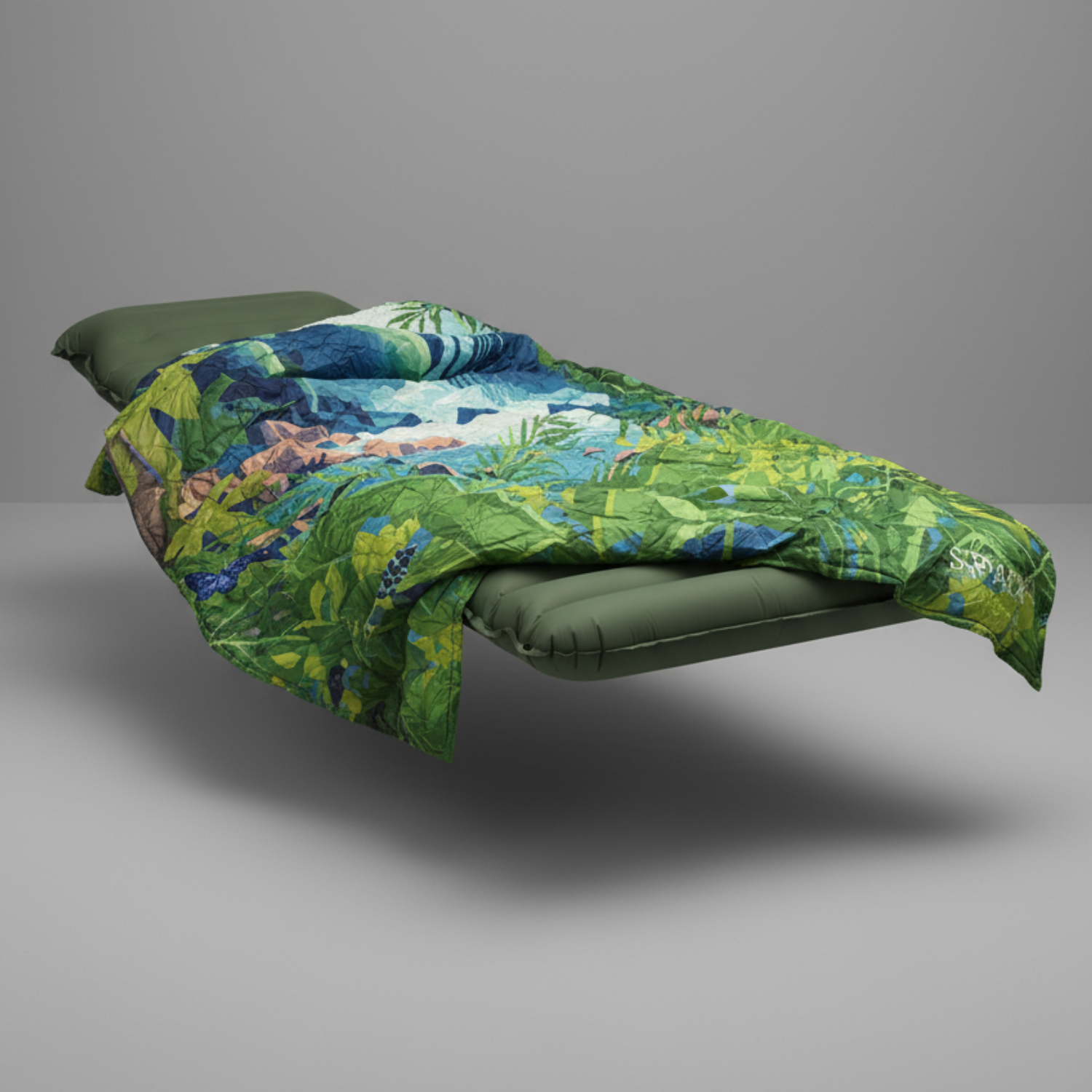
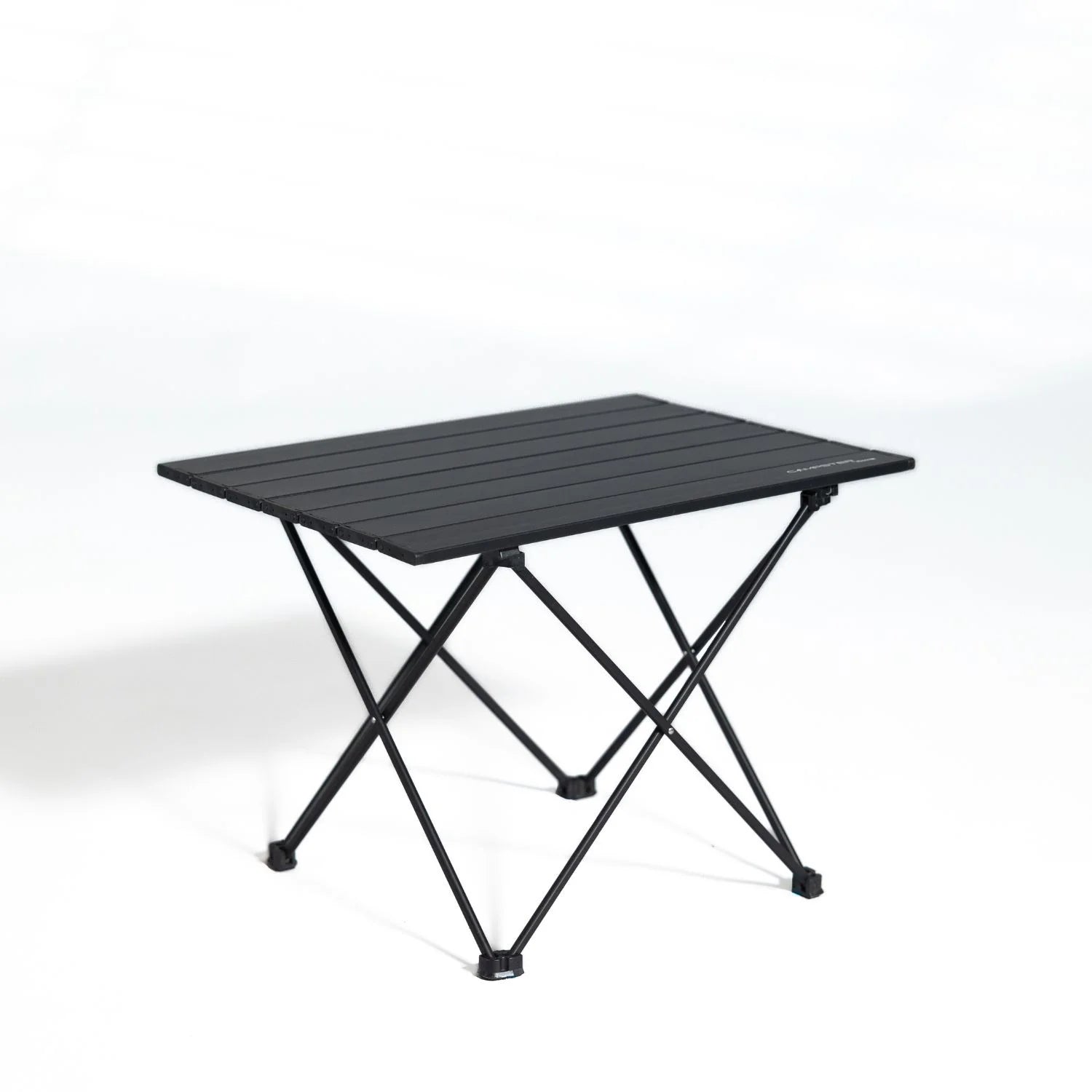
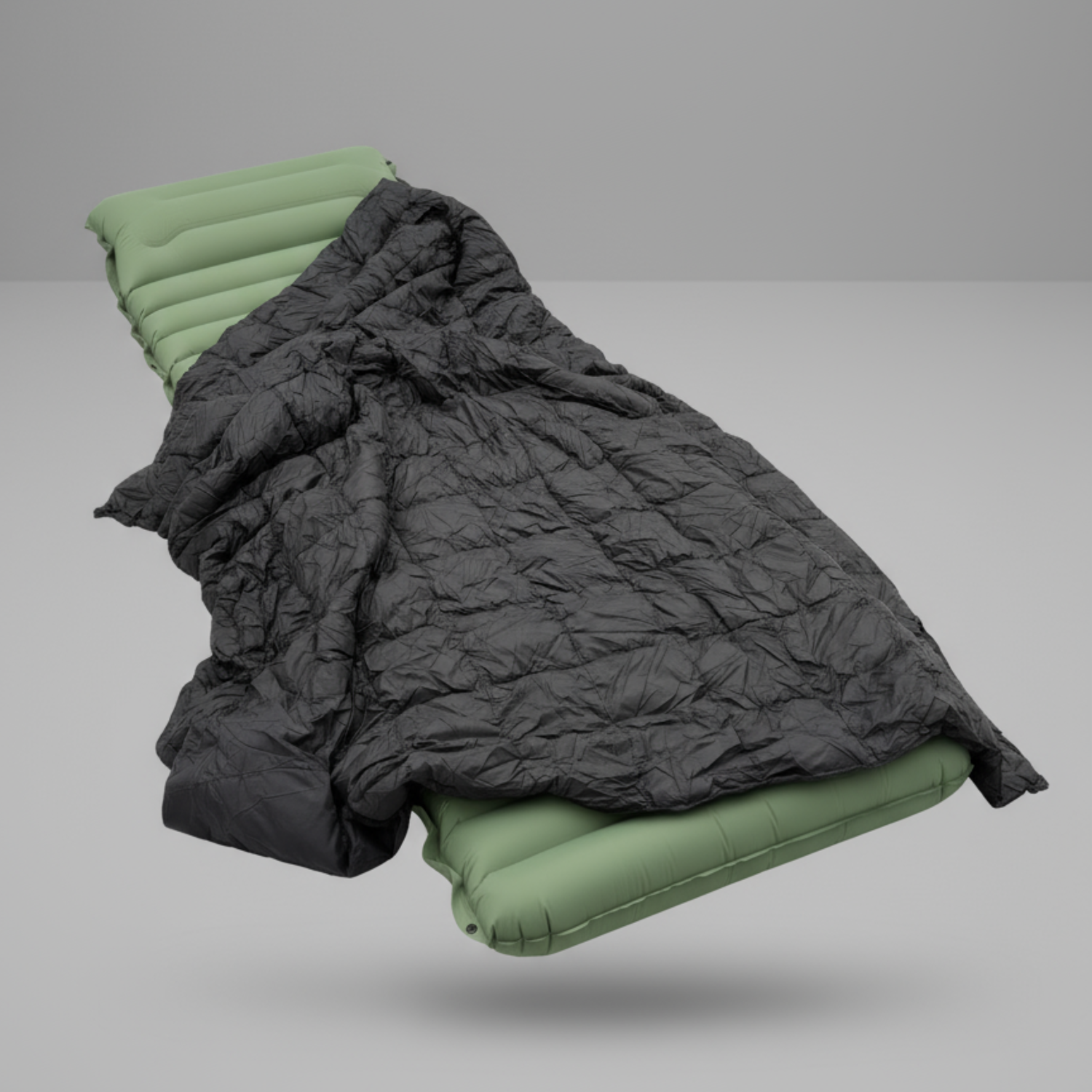


Danish Company

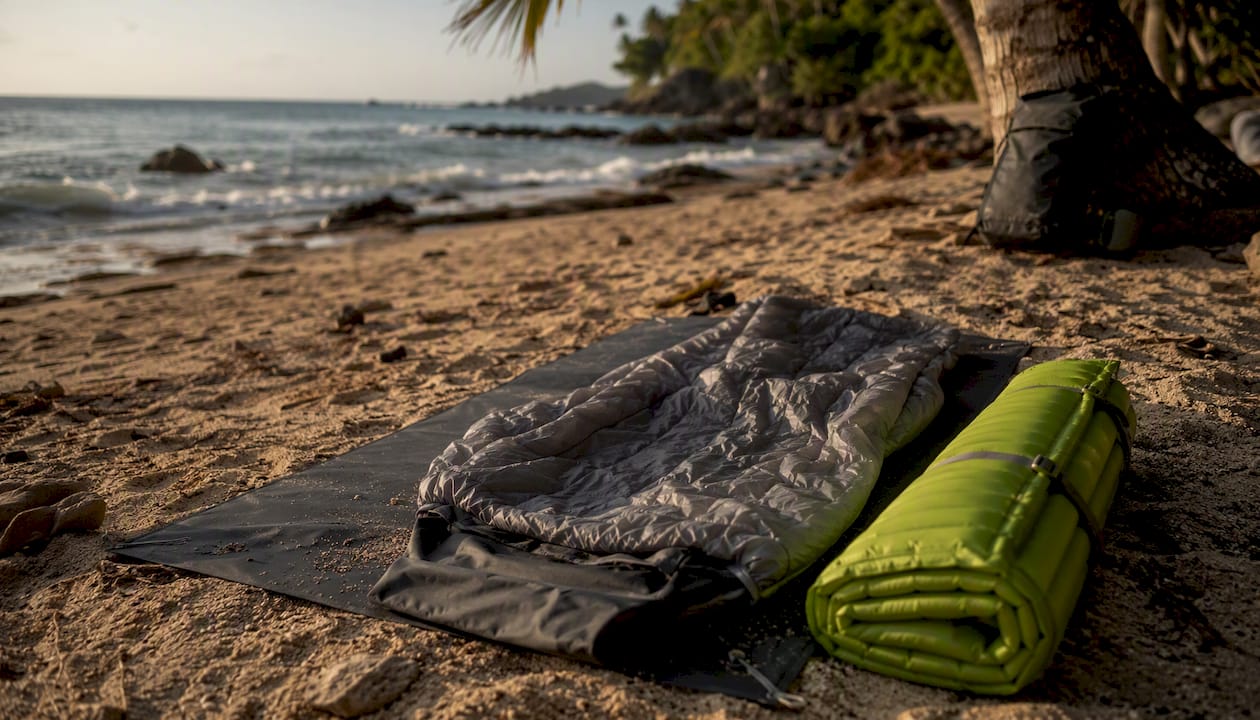
Use this ready-to-pack ultralight backpacking pack list to hit the trail with a safe, comfortable base weight under a light weight commonly targeted by hikers. That’s the verdict up front. For most three-season solo trips, a well-chosen kit targets a base weight typically under 12 lbs, light enough to feel effortless on the uphills but complete enough that you’re not improvising shelter in a rainstorm. CleverHiker’s verified ultralight kit demonstrates that a practical setup including tent, stove, and pillow can come in under 10 lbs with real model examples and confirmed item weights. This list is best suited for intermediate to experienced backpackers tackling three-season conditions in the lower 48, aiming for a light base weight.
Your core ultralight pack list, by category:
Sample base weight target: 9.5–11.5 lbs. Add food, water, and fuel for your total pack weight. A weekend trip with 2 days of food and 1 liter of water typically lands in the 14–17 lb total range.
A well-built ultralight backpacking pack list targets a base weight of 9.5–11.5 lbs by prioritizing the Big Three, keeping safety items non-negotiable, and testing every kit change on a short trip before committing to a long route.
| Point | Details |
|---|---|
| Prioritize the Big Three | Shelter, sleep system, and pack are the biggest weight levers; cut here first for the biggest gains. |
| Target base weight: 9.5–11.5 lbs | A practical three-season solo kit lands in this range with modern ultralight gear. |
| Never drop safety items | Satellite messenger, reliable shelter, water treatment, and emergency insulation stay in every time. |
| Test before committing | Run a shakedown overnighter with any stripped-down kit before a long route. |
| Sitpack for camp comfort | Sitpack’s packable seats are an optional comfort add for hikers who spend real time at camp. |
Ultralight is a weight category, not a personality type. The standard metric is base weight: everything in your pack except consumables (food, water, fuel). Most experienced hikers define ultralight as a base weight under 10 lbs, though AdventureAlan’s gear list rightly frames it as a personal target rather than a strict rule. Sub-10 lbs is a great goal; sub-12 lbs is genuinely light and still very achievable for hikers who aren’t ready to sacrifice a tent for a tarp.
Practical base-weight targets by trip type:
That’s where the biggest ounce savings live. Shave 8 oz off your shelter and you’ve done more than cutting every other category by a fraction. Backpacker’s 2026 testing roundup confirms that modern ultralight products across pads, tents, and packs now perform well enough for mainstream hikers, so the tradeoffs are smaller than they used to be.
Core principles to carry into every packing decision:
Pro Tip: Before your next trip, weigh every item in your current pack. Most hikers discover 2–4 lbs of easy cuts in the first pass, usually in duplicate items, oversized cookware, and heavy footwear. A kitchen scale and a spreadsheet are your best prep tools.
This is the full checklist. Each category below is marked essential or optional, with typical weight targets and notes on what to look for. Think of it as your lightweight hiking checklist to customize before every trip.
Your shelter is the single biggest weight lever in the Big Three. A double-wall tent from Big Agnes (like the Copper Spur series) runs 2–3 lbs and offers excellent weather protection for three-season use. A single-wall or tarp setup can cut that in half, but it demands more skill and a dry forecast. For most hikers, a quality ultralight tent is the right call. Bring a tarp only if you’ve practiced pitching it in wind and rain.
A down quilt from a reputable maker typically weighs 12–18 oz less than a comparable sleeping bag, which is a meaningful cut. The Therm-a-Rest NeoAir sleeping pad series is a benchmark choice here: it delivers excellent warmth-to-weight ratio in an inflatable format that packs to roughly the size of a water bottle. For the sleep system as a whole, aim for a combined pad-plus-quilt weight under 36 oz for three-season trips. Sitpack’s guide to best lightweight backpacking sleeping bags covers the weight-performance tradeoffs in detail if you’re still deciding between a quilt and a bag.
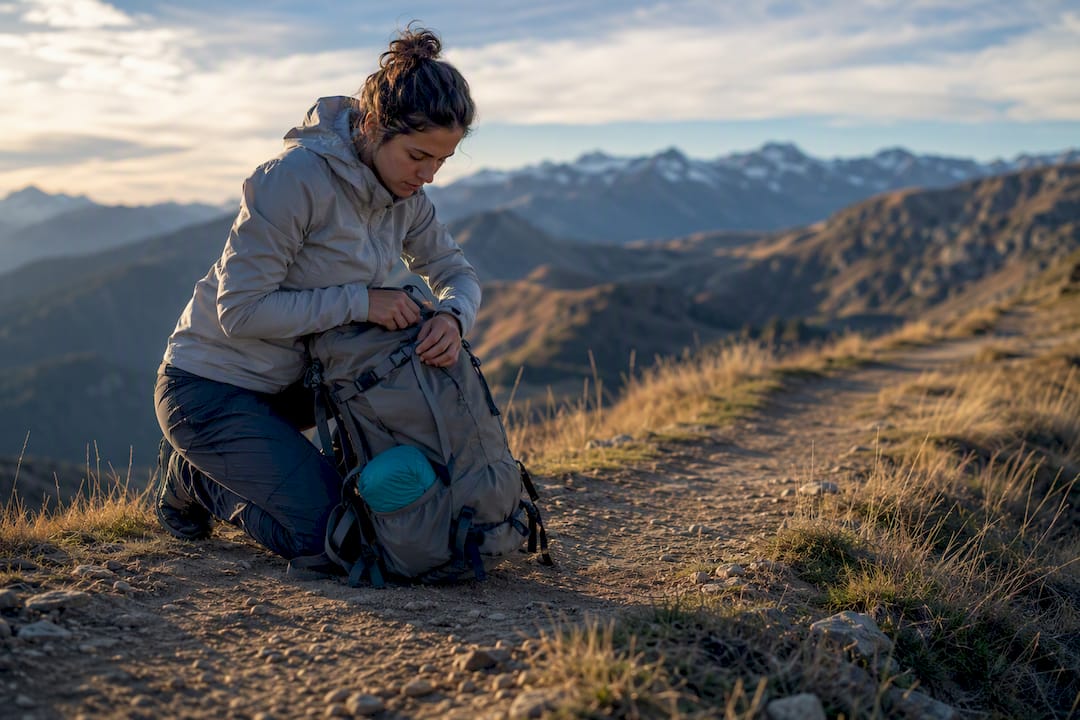
A frameless or minimal-frame pack from Gossamer Gear (the Gorilla or Mariposa series) is a go-to for hikers targeting sub-10 lb base weights. These packs run 16–26 oz and carry loads comfortably when your base weight is already light. If your base weight is still above 12 lbs, a minimal-frame pack with a hipbelt will feel better on long days.
The MSR PocketRocket 2 stove weighs 2.6 oz and boils a liter in under 3.5 minutes, making it one of the most efficient canister stoves available. Pair it with a Toaks Titanium 750ml pot (3.5 oz) and you’ve got a complete cook setup under 6 oz before fuel. For water, the Sawyer Squeeze filter (3 oz) handles most three-season backcountry sources without chemicals or waiting time.
For food, target 100–125 calories per ounce to keep food weight manageable. Nut butters, freeze-dried meals, and dense bars hit that range. On longer routes, plan resupply points every 3–5 days to avoid carrying more than 2 lbs of food at a time. Follow Leave No Trace food-storage guidance for hanging food or using a bear canister, especially in areas with active wildlife.
Seasoned ultralighters hike in their worn clothes and keep a small, dry sleep set in the pack. Your hiking set might be a merino base layer, a lightweight wind shell, and convertible pants. Your sleep set is a dry puffy jacket, a beanie, and clean socks. That’s it. Resist the urge to pack a full change of hiking clothes; you’ll wear the same set every day and rinse it when you can.
A paper map and compass are non-negotiable, full stop. A GPS device or phone with downloaded offline maps (Gaia GPS, CalTopo) adds redundancy. For remote three-season trips, a satellite emergency communicator — Garmin inReach Mini 2 or SPOT Gen4 — is increasingly standard kit in 2026. Switchback Travel’s backpacking checklist recommends satellite communicators explicitly, noting that ultralight systems reduce your margin for error, which makes reliable emergency comms more important, not less.
A headlamp (Black Diamond Spot 400 or similar, 3 oz) and a small battery bank round out electronics. Keep the bank light: 5,000–10,000 mAh covers most 3–5 day trips.
A Sea to Summit ultralight pillow (2.5 oz) is one of the easiest comfort adds in the pack. It compresses to almost nothing and makes a real difference on a cold night. Trekking poles are optional on flat routes but worth their 14–18 oz on anything with significant elevation gain, especially if they double as tarp poles.
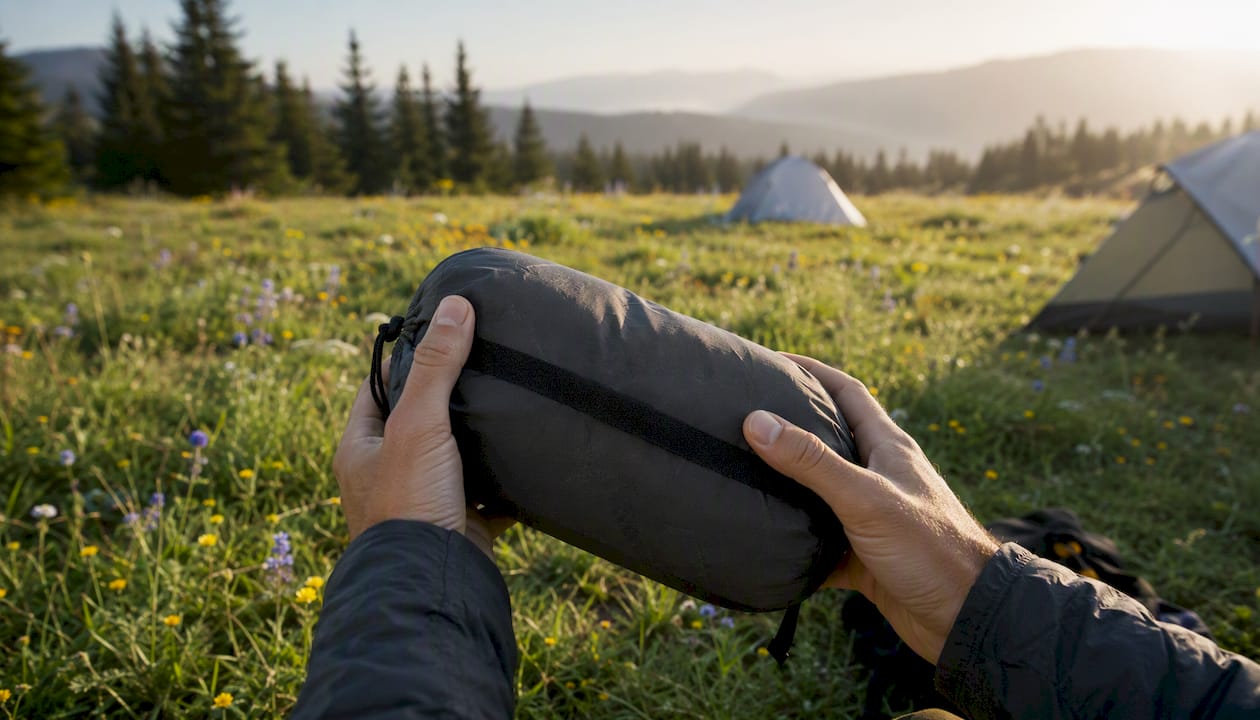
For a sample base-weight breakdown from Halfway Anywhere’s 2026 kit list, a complete setup with tent, quilt, pad, pack, stove, filter, and clothing layers sums to roughly 9.5–11.5 lbs, which aligns with what most experienced ultralighters carry.
Getting to your real base weight takes about 20 minutes and a kitchen scale. Here’s the process:
Mini template to copy:
Worked example: The items above sum to roughly 128 oz, or about 8 lbs base weight. Add 2 days of food at 20 oz per day (40 oz), 1 liter of water (35 oz), and a small fuel canister (4 oz). Total pack weight: roughly 207 oz, or about 13 lbs. That’s a comfortable weekend load.
For longer trips, plan resupply every 3–5 days to cap food weight. For alpine or winter conditions, add 2–4 lbs for a warmer sleep system, a sturdier shelter, and extra insulation layers.
This is where ultralight gets real. Cutting weight is easy; cutting the right weight takes judgment. Here’s how to think about it.
Low-risk cuts (safe for most hikers):
Medium-risk cuts (require experience and route knowledge):
High-risk cuts (avoid unless you’re an expert in controlled conditions):
The items you should never omit, regardless of how light your kit gets:
The Trek’s long-trail perspective makes the point plainly: ultralight is not binary, and modern fabrics make low base weights achievable, but extreme minimalism that cuts safety items is a different thing entirely from smart weight reduction.
Pro Tip: Before a big trip, do a shakedown overnighter with your stripped-down kit. Sleep in it, cook in it, and hike 8–10 miles. You’ll find out fast whether that quilt is warm enough and whether you miss the camp shoes.
Safety note: Ultralight systems reduce your margin for error. Lighter gear means less redundancy, which means stronger navigation skills, better weather judgment, and a satellite communicator become more important, not less.
A printed or digital checklist does one thing really well: it stops you from leaving the headlamp on the kitchen counter at 5 AM. The structure that works best has three parts.
What a good ultralight checklist template includes:
How to customize it for each trip:
Usage tip: Run your completed checklist against your actual packed bag the night before departure, not the morning of. Weigh the full pack. If it’s heavier than expected, the optional column is where you look first. Restless Meanderer’s printable gear list is a solid starting template if you want a pre-built PDF to adapt. REI’s Expert Advice checklist is another well-organized reference for hikers who want a vetted starting point before building their own.
Honestly, the biggest mistake I see hikers make when going ultralight isn’t cutting too much. It’s cutting the wrong things. Someone will drop their emergency insulation to save 6 oz and then pack three different snack options they don’t need. The weight math works out the same, but the risk profile is completely different.
My own kit philosophy is pretty simple: the Big Three get the most attention and the most money, because that’s where the ounces are. Everything else gets evaluated on a strict “does this earn its weight today” basis. A Sea to Summit pillow earns its 2.5 oz every single night. A second fuel canister on a 2-day trip does not.
The clothing system is where I’ve saved the most weight over time. Hiking in merino and keeping a dry puffy plus clean socks for camp means I carry about 18 oz of clothing total. That’s it. The worn-set approach, as The Trek’s long-trail hikers describe it, genuinely works: you hike in what you wear, you sleep in what’s dry, and you rinse the hiking set when water is available.
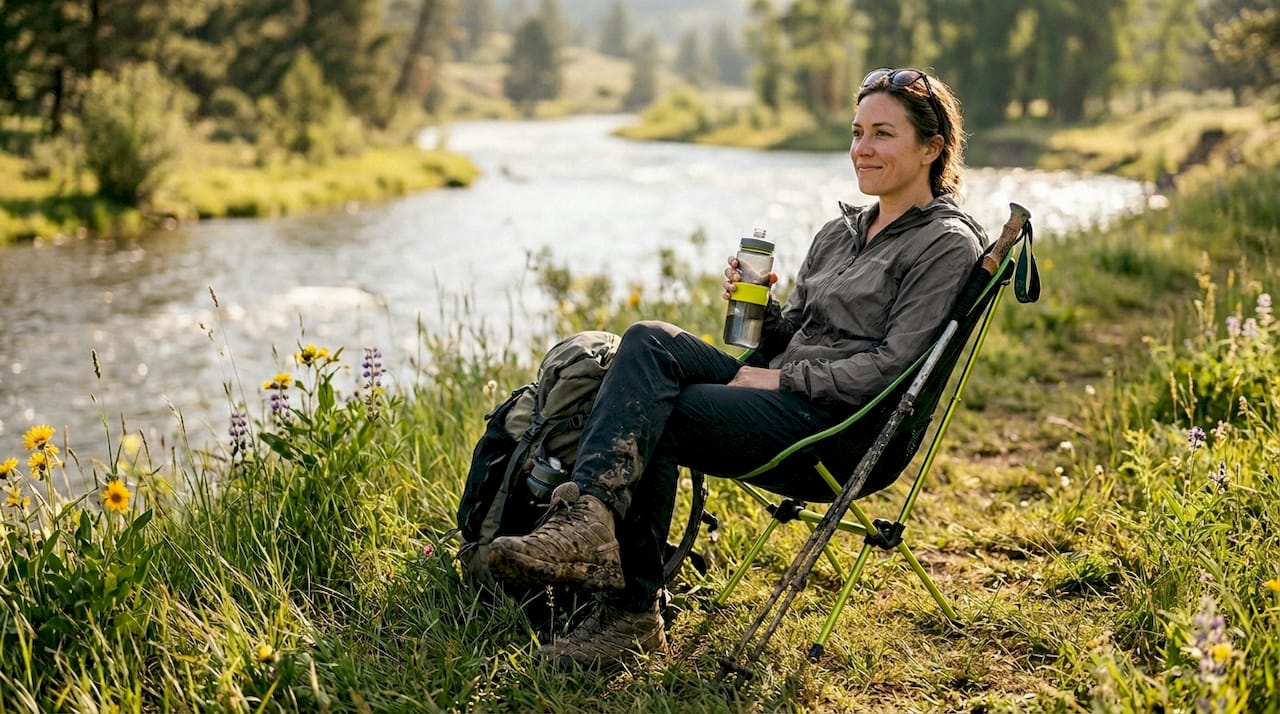
For camp comfort, I’ll admit I’ve become a convert to a lightweight packable seat. Parking yourself on a root or a wet rock for an hour of camp cooking gets old fast, and a compact folding seat adds minimal weight for a real quality-of-life bump. Sitpack’s ultralight backpacking gear guide covers this kind of adjacent comfort gear in more detail if you’re curious.
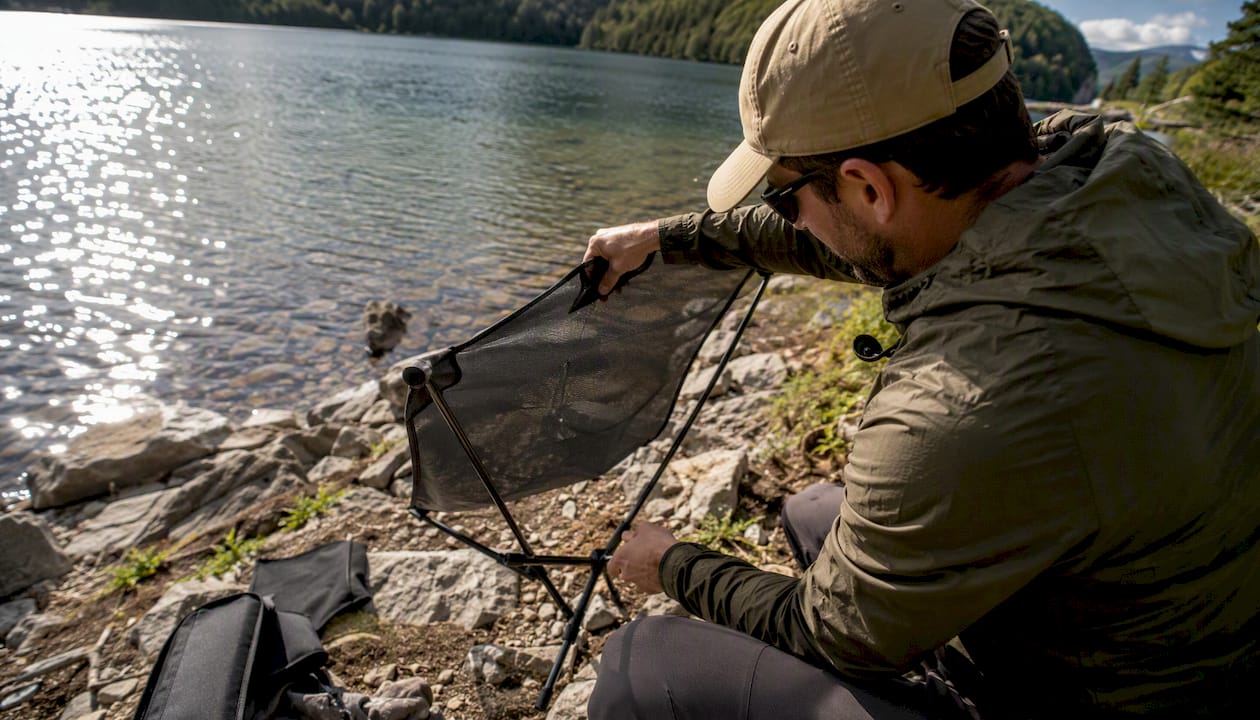
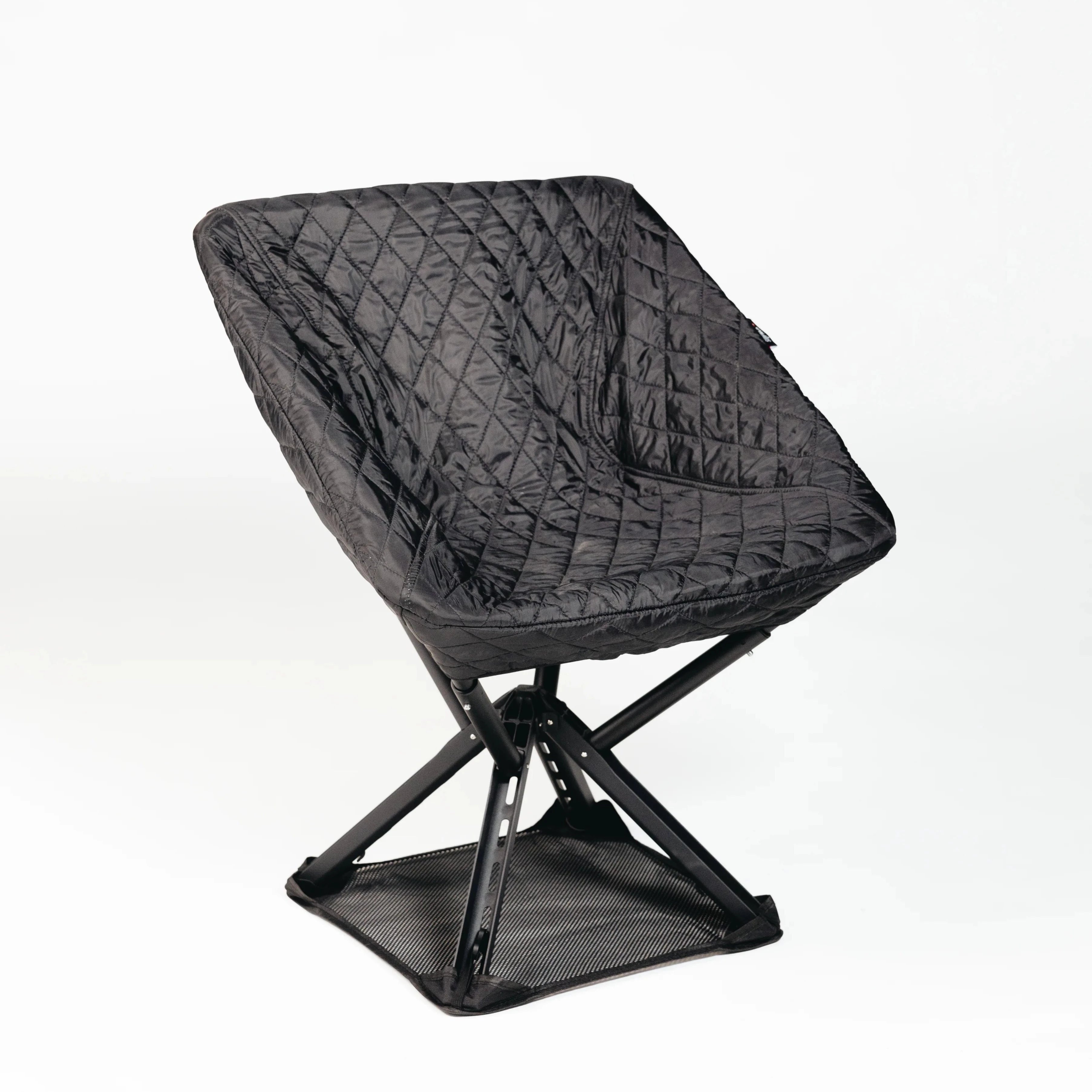
One thing the standard ultralight pack list doesn’t cover is where you actually sit at camp. After a 15-mile day, plonking yourself down on a sharp rock or a damp log is, let’s say, suboptimal. A packable camp seat from Sitpack adds a modest weight penalty for a genuine comfort payoff, and it’s the kind of optional item that earns its place on trips where you’re spending real time at camp cooking, reading, or just staring at the fire.
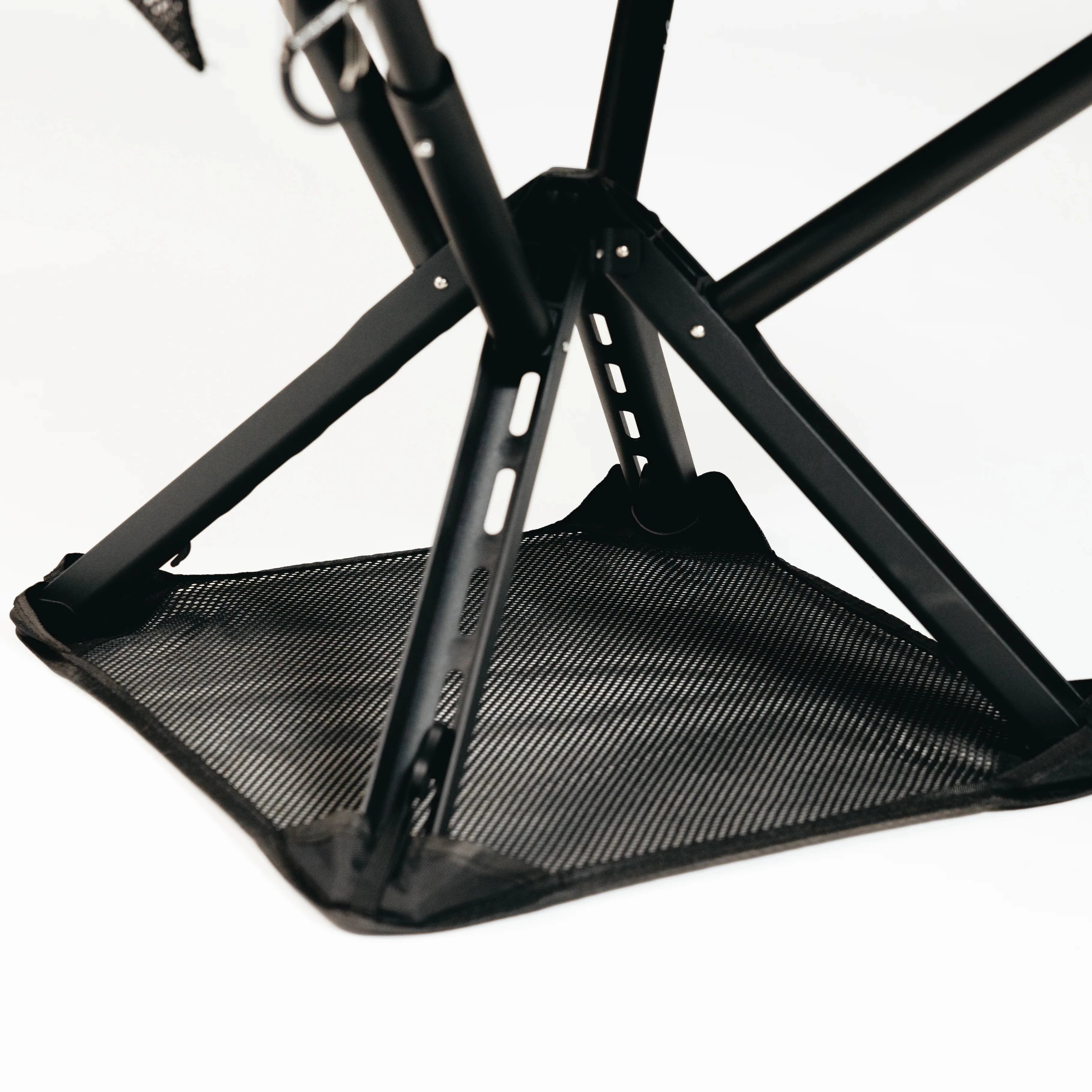
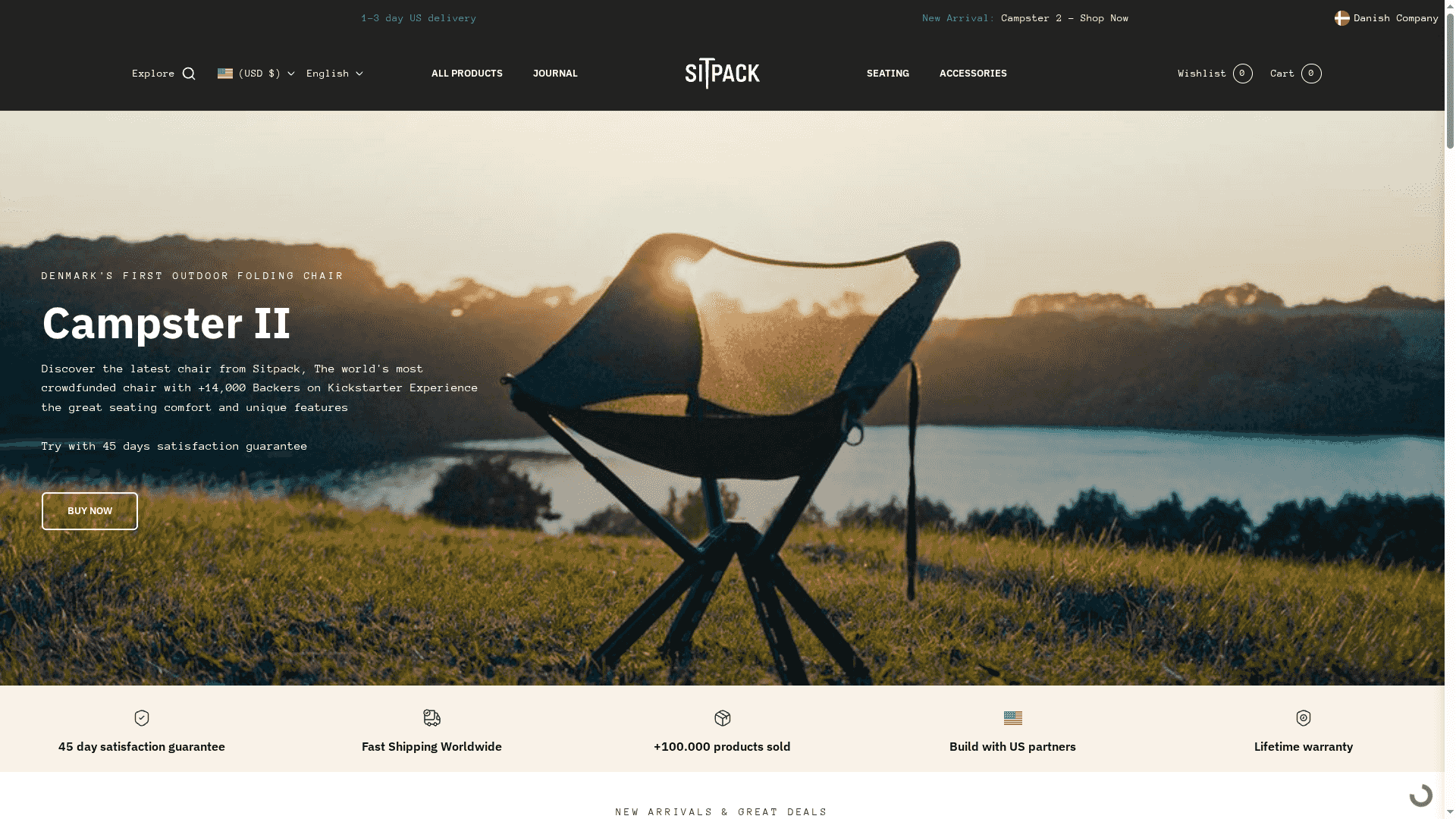
Sitpack’s foldable chairs like the Campster II and Sitpack Zen are built around the same lightweight, minimalistic principles this guide is about: compact, durable, and easy to carry. They’re not required kit, and if you’re chasing a strict sub-10 lb base weight, they’re the first thing to leave behind. But for weekend trips and base-camp style adventures where comfort matters, they’re worth a look.
Check out the full range at Sitpack and decide for yourself whether the ounces are worth it for your style of trip.
These are the sources used throughout this guide, each worth bookmarking for deeper research:
Prioritize recent testing data and always check local trail regulations before your trip, especially for bear canister requirements and fire restrictions.