Cart
0
Sign up and get 10$ off your order
Expected delivery
1-3 days
You may also like


Danish Company

TL;DR:
- Urban portable seating is lightweight, compact chairs designed for city life, fitting into bags.
- Innovations have transformed seats from camping gear to discreet, quick-deploy urban accessories.
- Carrying personal seating empowers city dwellers, turning waiting and commuting into comfortable moments.
Most city dwellers spend upward of 30 minutes a day standing in transit stations, waiting in lines, or hovering near park benches that are already taken. That’s a lot of time on your feet, and honestly, your legs deserve better. Urban portable seating is the answer most people haven’t discovered yet, and once you do, you’ll wonder how you ever survived a delayed subway without one. In this article, we’ll break down exactly what urban portable seating is, how it evolved from clunky camping gear into sleek city-ready solutions, what features actually matter, and how to pick the right option for your daily routine.
| Point | Details |
|---|---|
| Portable seating demystified | Urban portable seating is designed for city convenience, offering lightweight and adaptable comfort. |
| Evolving designs | Today’s models blend into daily life with foldable, wearable, and bag-integrated options. |
| Choosing features wisely | Weight, packability, and setup speed are key factors for city-friendly portable seating. |
| Real-world utility | Urban seats help commuters, travelers, and event-goers rest easily without searching for a bench. |
Urban portable seating refers to lightweight, easy-to-carry chairs and seating solutions designed specifically for active city life. We’re not talking about the bulky folding lawn chairs your grandparents drag to backyard barbecues. We’re talking about gear that fits in your bag, weighs next to nothing, and deploys in seconds when you need to park your posterior somewhere comfortable.
What truly sets urban portable seating apart from traditional portable chairs is its integration into daily life. Traditional camping chairs are built around one goal: comfort at a campsite. Urban seating, on the other hand, is built around your whole day. It needs to work on a crowded train platform, at an outdoor concert, during a spontaneous lunch break in the park, and then disappear back into your bag without a second thought.
Here are the key features that define genuinely urban-ready portable seating:
As urban seating benefits show, the right seat can genuinely transform how you experience city life, turning frustrating waits into comfortable pauses.
“The best urban portable seat is the one you actually bring with you every single day.”
Pro Tip: Look for designs that double as bags or clip onto your existing gear. The less it feels like a separate item to remember, the more likely you are to actually use it.
According to outdoor gear experts, bag-integrated designs like the Sitpack bag-chair are ideal for commuters, while traditional backpacking chairs like Helinox suit outdoor enthusiasts but are less focused on urban use. That distinction matters more than most people realize when you’re choosing your first urban seat.
Portable seating didn’t start out with city dwellers in mind. Early portable chairs were built for campsites and trail ends, prioritizing comfort over compactness. Think canvas director’s chairs, heavy aluminum frames, and seats that took five minutes to assemble. Great for a weekend camping trip. Terrible for a Tuesday morning commute.
The shift started when ultralight backpacking culture pushed designers to strip weight aggressively. Brands like Helinox pioneered shock-corded aluminum poles and minimal fabric to create chairs that weighed under 2 lbs. Expert reviews praise the Helinox Chair Zero for ultralight comfort and packability, though these designs still lean toward trail use rather than urban environments.
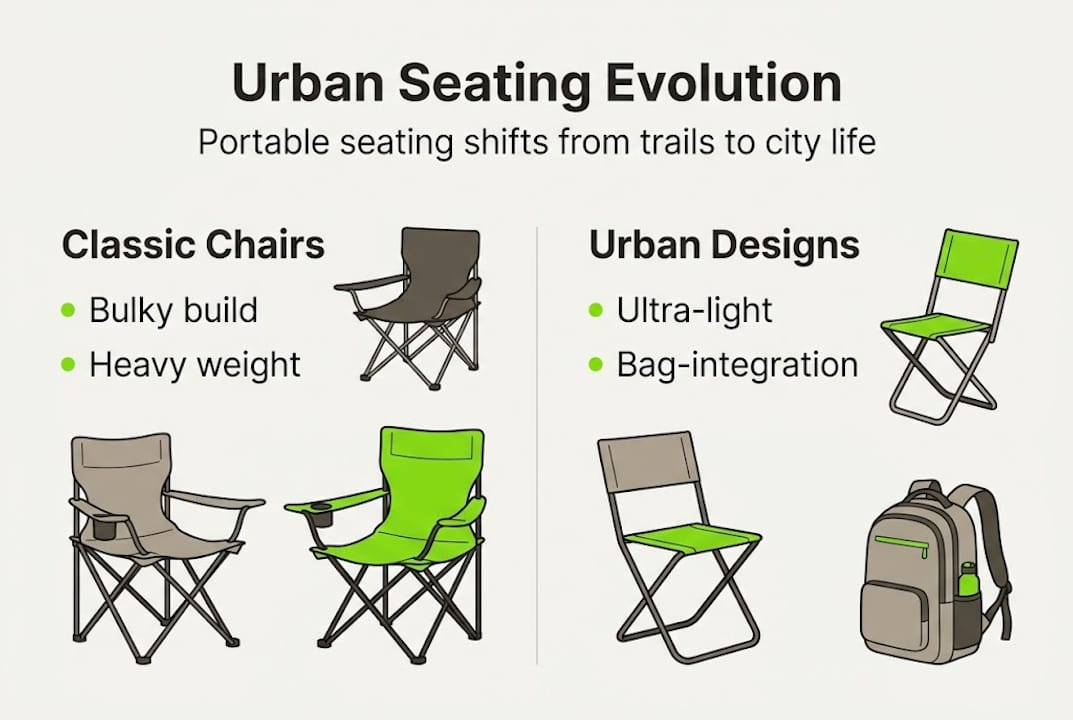
Then something interesting happened. Designers started asking a different question: what if the seat disappeared entirely when not in use?
That question gave birth to a new generation of urban-oriented designs. Here’s how the generations stack up:
| Feature | Classic camping chairs | Modern urban seats |
|---|---|---|
| Weight | 3 to 7 lbs | Under 2 lbs |
| Packed size | Large stuff sack | Water bottle size or smaller |
| Setup time | 2 to 5 minutes | Under 10 seconds |
| Urban integration | Low | High |
| Style factor | Functional only | Intentionally minimal |
The portable seating ideas that resonate most with city users today share one trait: they disappear into daily life. Products earning top marks for city portability weigh under 2 lbs and fold down to roughly water bottle size, making them genuinely pocketable for urban adventures.
Key innovations that moved portable seating into urban territory include:
Each of these innovations solved a specific urban frustration. The result is a product category that feels less like camping gear and more like a smart everyday accessory.
Not every portable seat earns its place in a city bag. Some designs look brilliant in product photos and fall apart after three uses. Others are comfortable but take so long to set up that you’ve already missed your train. Here’s what actually matters when you’re choosing urban portable seating.
1. Weight and packed size If it weighs more than 2 lbs or takes up more space than a water bottle, you’ll leave it at home. Consistently. The whole point is that it goes everywhere with you.
2. Setup speed Anything over 15 seconds is too slow for urban use. You need to sit down fast, especially when a bench opens up in a crowded station.
3. Weight capacity Check the rated limit. Most ultralight urban seats handle 220 to 265 lbs comfortably, but some minimalist designs are more restrictive.
4. Durability of materials Ripstop nylon and aircraft-grade aluminum are your friends. Avoid cheap plastic hinges or thin fabric that won’t survive daily use.
5. Style and discretion In a city, you don’t want to look like you’re setting up camp on the subway platform. Clean, minimal designs that look intentional are far more practical.
The Helinox Chair Zero is frequently praised for ultralight comfort and ergonomics, though urban users often find that even this benchmark design is slightly overbuilt for pure city carry.
For portable seating for commuters, the sweet spot sits at the intersection of packability and discretion. Here’s a quick comparison of features that matter most:
| Feature | Why it matters | What to look for |
|---|---|---|
| Weight | Daily carry fatigue | Under 2 lbs |
| Packed size | Bag space | Water bottle size |
| Setup time | Urban pace | Under 15 seconds |
| Sitting height | Comfort | 14 to 18 inches |
| Material | Longevity | Ripstop nylon, aluminum |
Pro Tip: Choose seating that transitions smoothly between environments, from transit platforms to parks to outdoor events, without drawing attention or requiring you to explain what you’re carrying. If someone asks “what’s that?” too often, it’s probably not the right design for daily urban use.
Common pitfalls to avoid: overly complex folding mechanisms that jam under pressure, seats that are comfortable for 10 minutes but painful after 20, and materials that look great new but crack or fray quickly.
You now know what to look for, so how do these innovative seats fit into real everyday life? The answer is: more often than you’d expect.
The most common use cases for urban portable seating include:
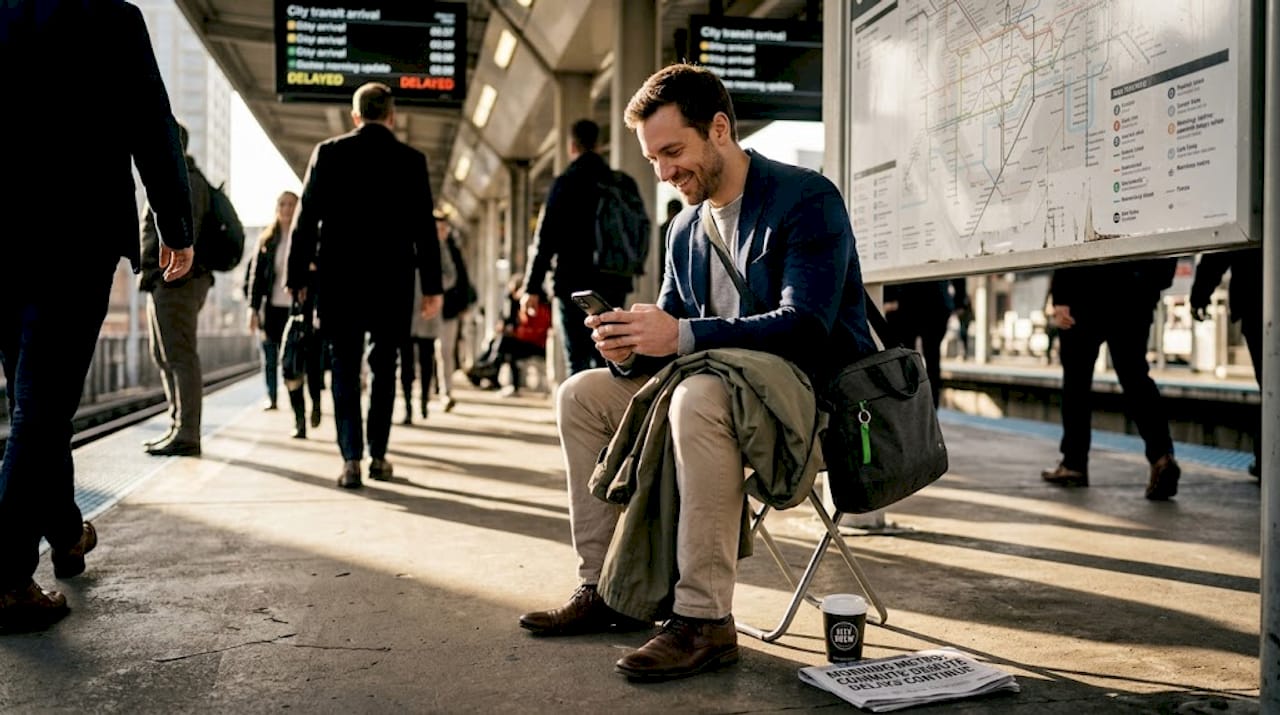
Picture this: you’re a commuter waiting for a train that’s running 20 minutes late. The platform benches are full. Your feet hurt. You reach into your bag, deploy your seat in under 10 seconds, and suddenly that 20-minute delay becomes a chance to read, check messages, or just breathe. That’s not a minor convenience. That’s a genuinely better day.
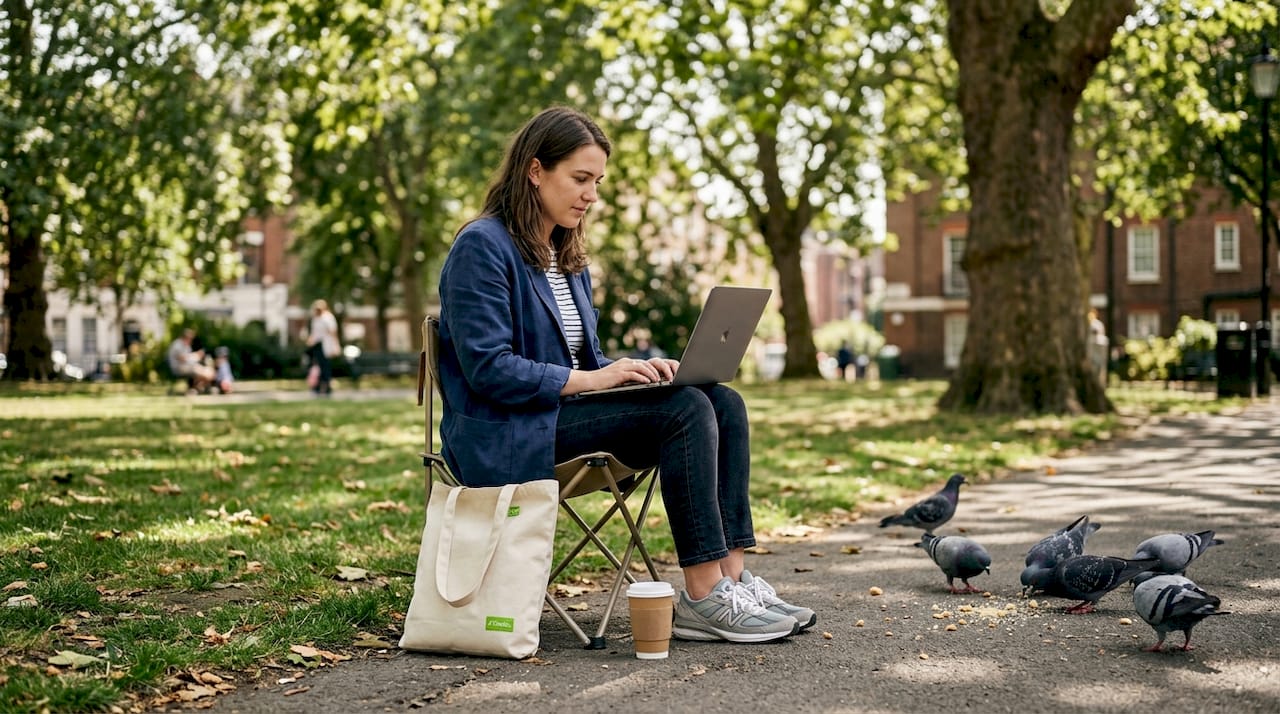
Or consider the urban explorer who moves through five neighborhoods in a Saturday, mixing coffee shops, galleries, and street markets. A bag-integrated seat means they never have to plan their route around available seating. They bring their own comfort with them.
Festival goers know the pain of standing for six hours on concrete. An ultralight stool that fits in a jacket pocket changes the entire experience without adding meaningful weight to your load.
“The best solutions disappear into your bag or become part of your routine until needed.”
Here’s a quick checklist to match an option to your specific routine:
For more inspiration, check out seating in urban settings to see how different city users have built portable seating into their daily routines.
Here’s something most gear reviews won’t tell you: urban portable seating isn’t really about the chair. It’s about autonomy.
When you carry your own seat, you stop being at the mercy of city infrastructure. You don’t need to race for the last bench, hover awkwardly near a wall, or cut your park visit short because your feet gave out. That shift, from passive city dweller to someone who controls their own comfort, is genuinely empowering in a way that’s hard to quantify but easy to feel.
We’ve noticed that people who adopt portable seating into their daily routine report something interesting: they feel less stressed in transit situations. Not because the city got better, but because they stopped fighting it. Waiting time becomes rest time. A delayed train becomes a reading window. That’s not a small thing.
Most gear coverage focuses on specs and weight savings. But the real value of why portable seating matters is psychological. It gives you back control over small moments in your day, and those small moments add up to a meaningfully better urban experience.
Ready to upgrade your urban mobility and comfort? You’ve done the research, now it’s time to find the seat that actually fits your life. At Sitpack, we’ve built our entire product lineup around exactly the kind of city-first thinking this article covers: lightweight, minimal, fast to deploy, and genuinely designed for people who are always on the move.
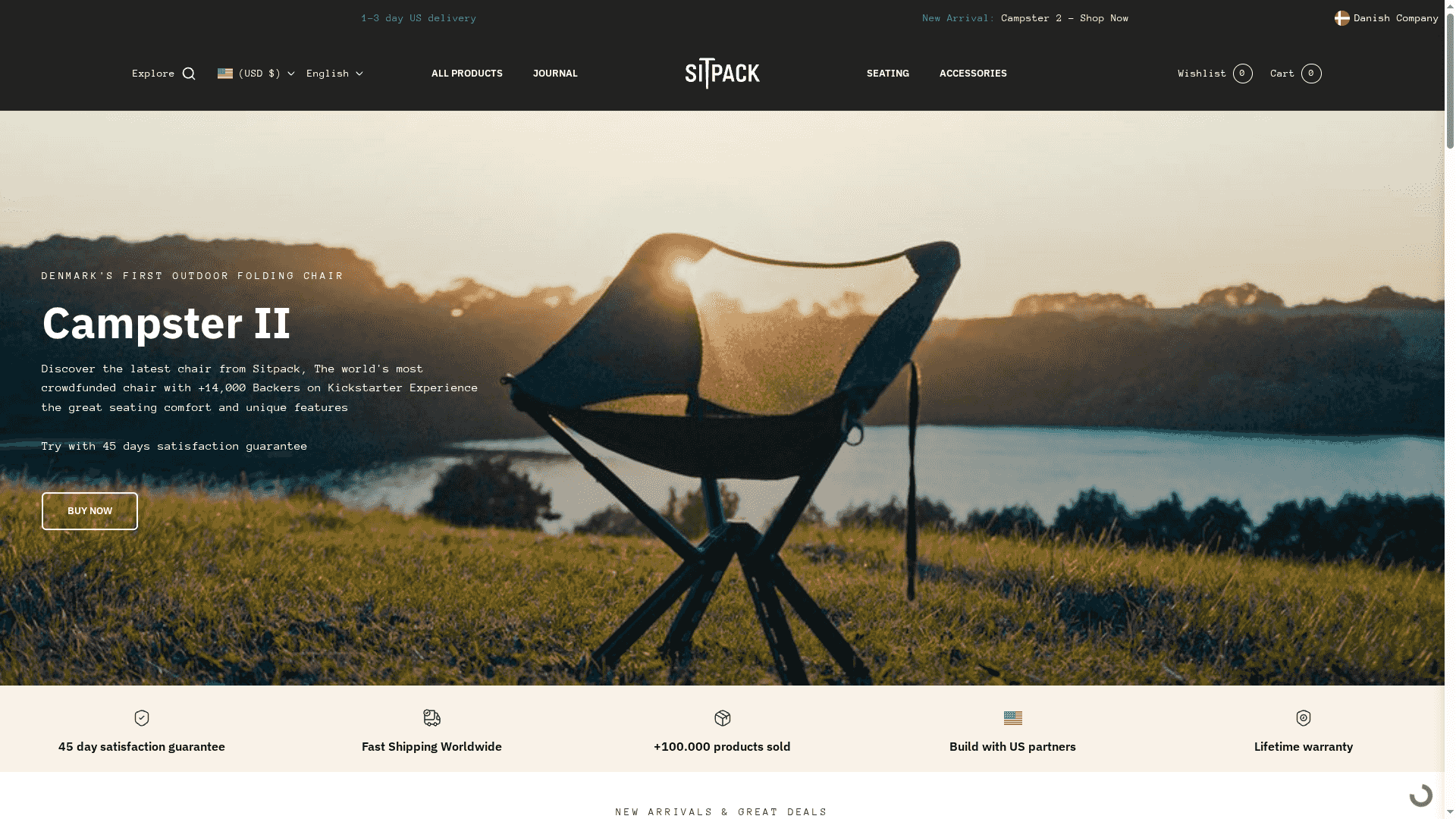
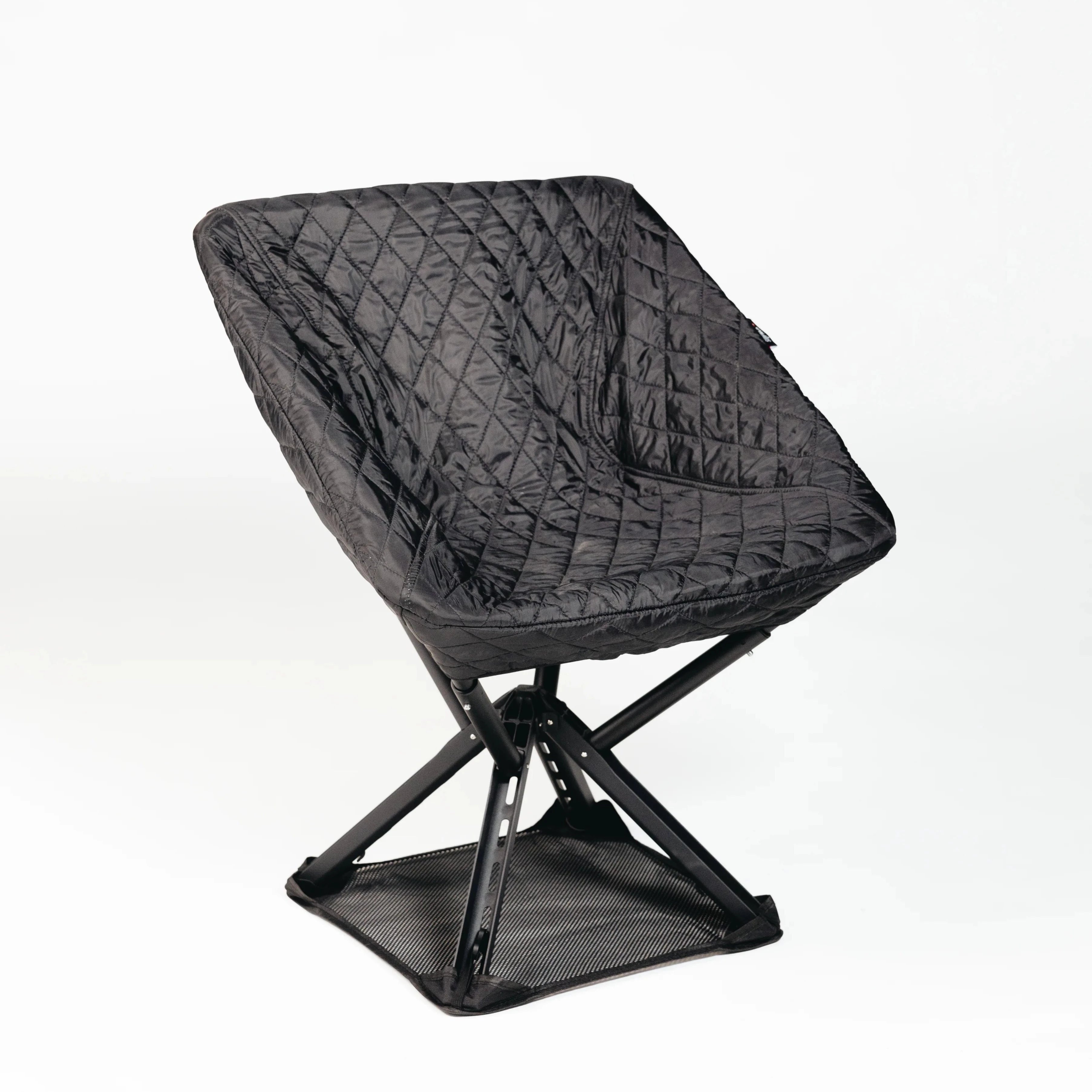
From the ultra-compact Sitpack Zen to the versatile Campster II, our Sitpack seating solutions are engineered for real urban use, not just weekend camping trips. Browse our full range, compare models side by side, and find the option that disappears into your bag and reappears exactly when you need it most. Your feet will thank you.
Urban portable seating refers to lightweight, easy-to-carry chairs designed specifically for city life, enabling comfort wherever you go. Unlike traditional folding chairs, the best urban designs integrate into daily bags and deploy in seconds.
Urban designs are lighter, more compact, and often integrate into bags or daily accessories, while traditional folding chairs are bulkier and less city-friendly. Ultralight urban seats prioritize packability and quick setup over the extended comfort that camping chairs focus on.
Commuters, outdoor event attendees, urban explorers, and anyone who spends time waiting or moving around in a city can benefit. If you’ve ever wished for a seat that wasn’t there, you’re already the target audience.
Some ultralight models may sacrifice durability or comfort for portability, so it’s essential to match features to your actual needs. Always check weight capacity and material quality before committing to a design you’ll use daily.