Cart
0
Sign up and get 10$ off your order
Expected delivery
1-3 days
You may also like
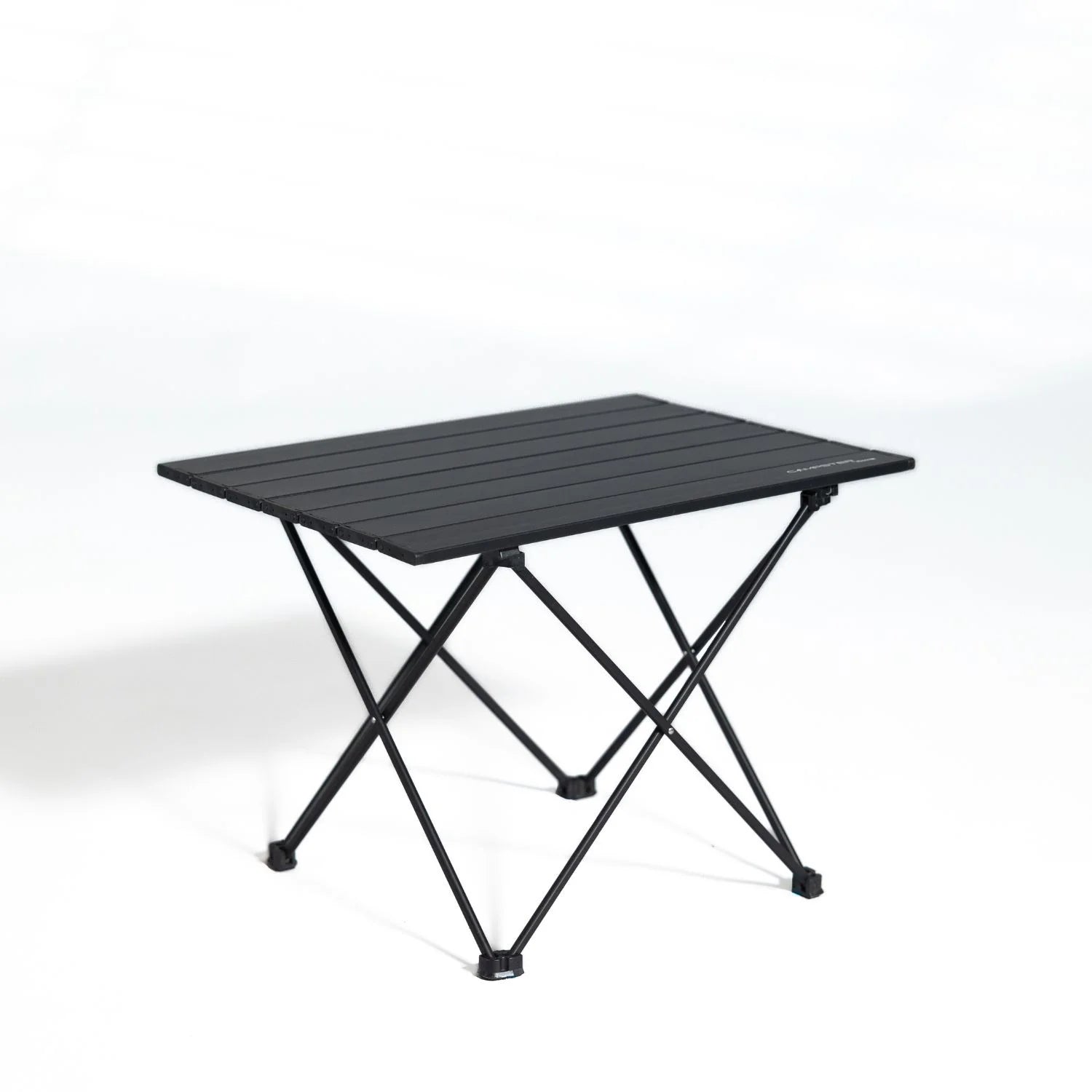
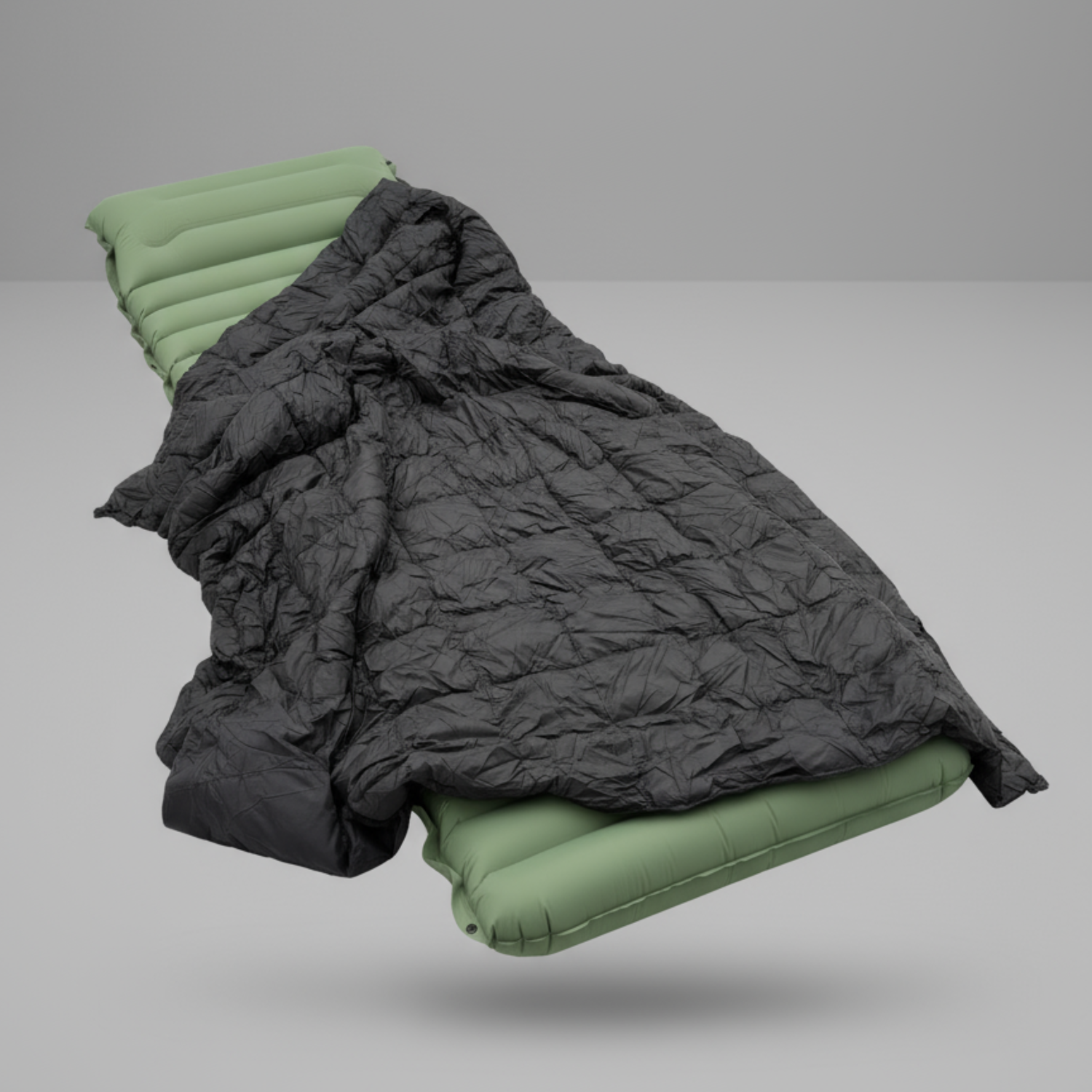
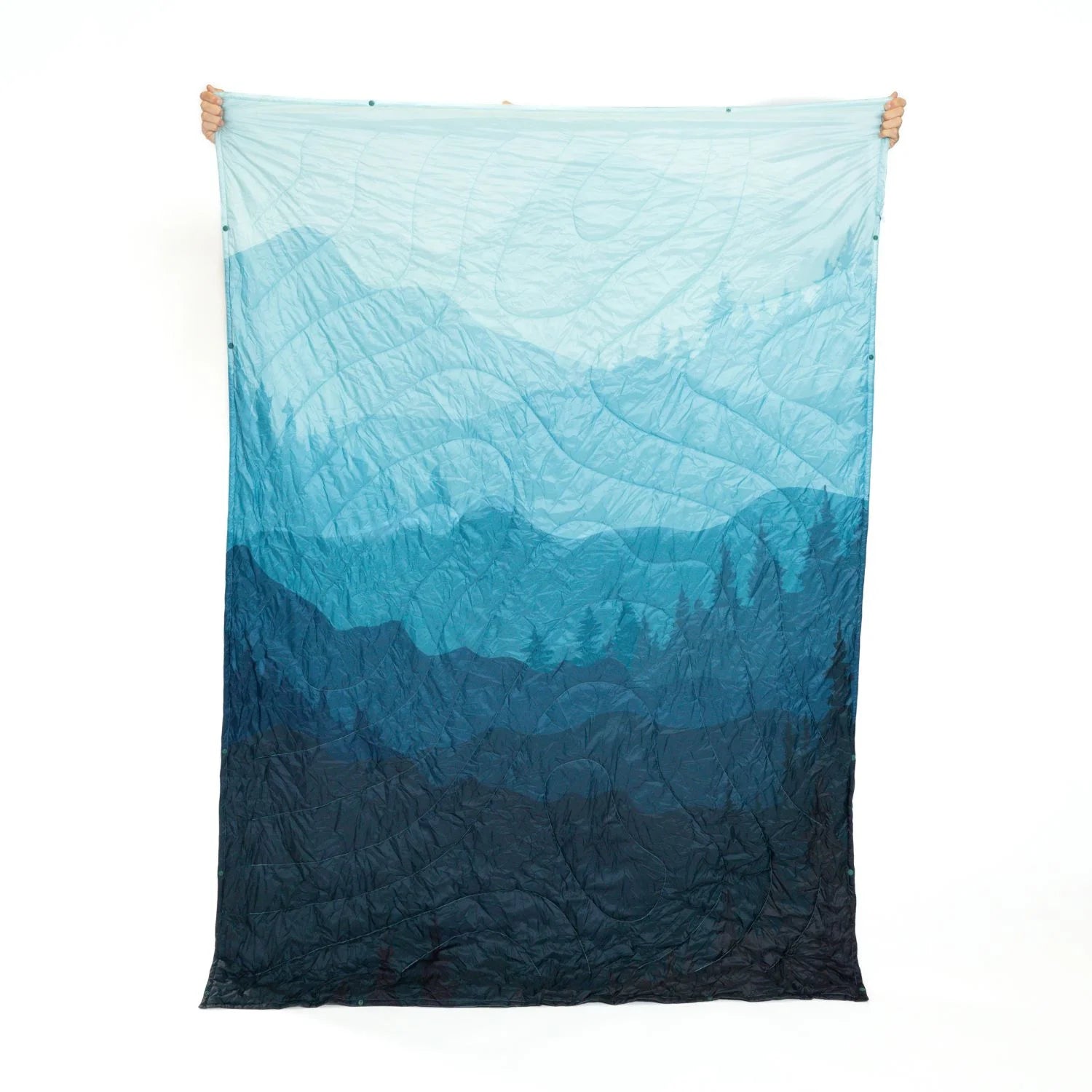
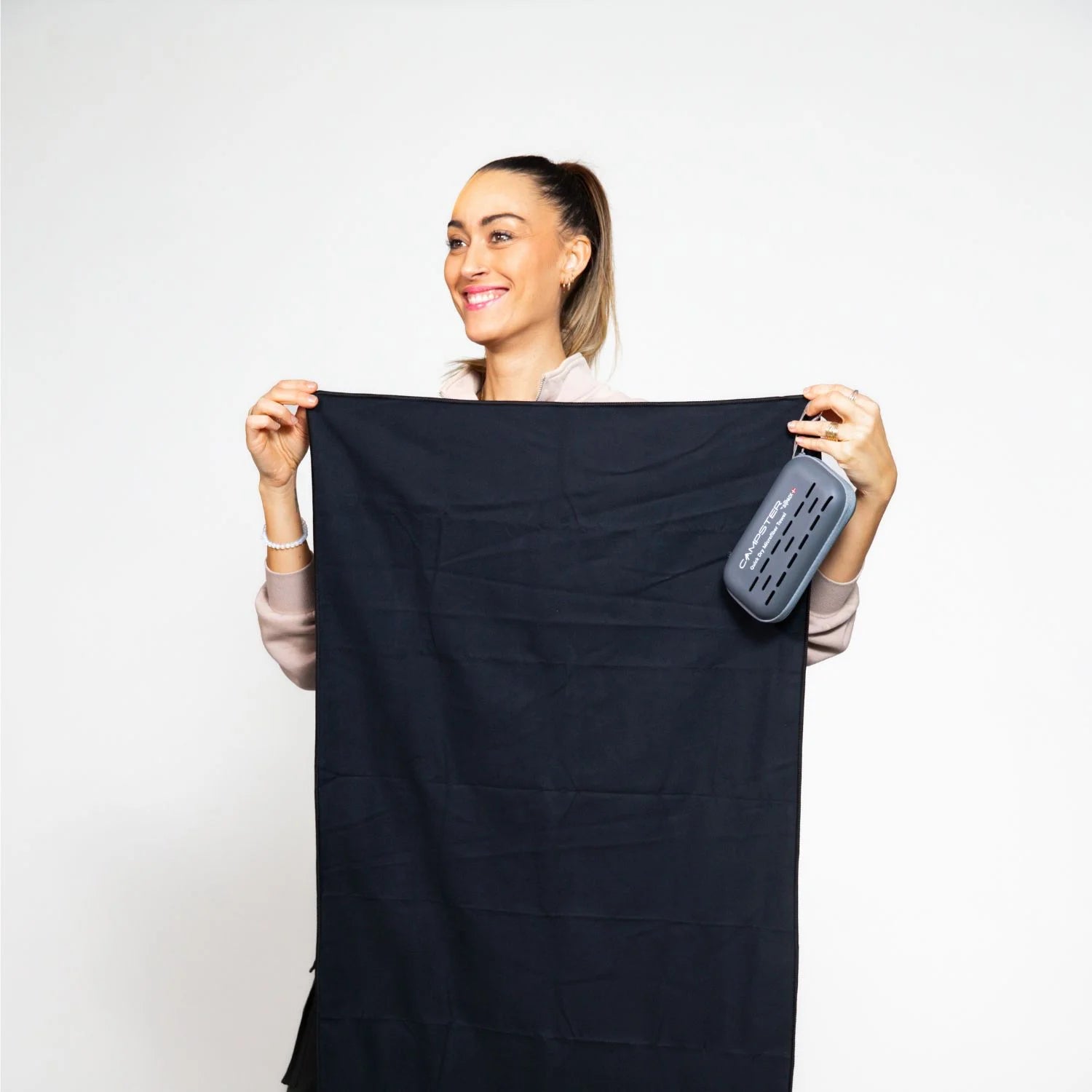


Danish Company


Finding a water bottle that survives the tough realities of travel is no small feat. Eco-conscious explorers know that a truly reliable bottle does more than quench your thirst—it needs to stand up to rugged trails, unpredictable weather, and repeated use. With over 50 million American travelers embracing sustainable gear every year, the quest for durability, lightness, and minimal environmental impact has never mattered more. Discover how the right water bottle can upgrade your outdoor journeys without compromising your green values.
| Point | Details |
|---|---|
| Durability Factors | The key elements of a durable water bottle include material selection, structural design, and manufacturing precision. Stainless steel provides excellent resilience for outdoor use. |
| Bottle Types for Outdoors | Stainless steel, high-density plastic, collapsible, and insulated bottles serve different outdoor needs, balancing durability and weight. Choose based on specific activity requirements. |
| Performance Features | Insulation, leak resistance, and weight are crucial in determining a water bottle’s usability. Users should prioritize features aligning with their hydration needs and lifestyle. |
| Eco-Friendly Choices | Opt for water bottles made from recycled materials and consider their environmental impact to support sustainable consumption. Check for verified recycling symbols to ensure quality. |
Creating a truly durable water bottle requires understanding the intricate relationship between materials, manufacturing processes, and design considerations. Manufacturing technologies play a critical role in determining how well a water bottle can withstand daily wear and tear, environmental challenges, and repeated use.
The core durability of a water bottle emerges from three primary factors: material selection, structural design, and manufacturing precision. Metal bottles, particularly those crafted from stainless steel, demonstrate exceptional resilience. Reusable bottle designs prioritize strength and impact resistance, ensuring they can survive drops, bumps, and extreme temperature variations without compromising structural integrity.
Key durability features include:
Manufacturers employ sophisticated techniques like injection molding and stretch blow molding to enhance bottle durability. These processes allow precise control over material distribution, wall thickness, and structural reinforcement. Advanced polymers and metal alloys contribute significantly to creating bottles that can withstand significant physical stress while maintaining their shape and functionality.
Pro tip: When selecting a durable water bottle, perform a simple bend test and check for material flexibility without permanent deformation to assess its long-term resilience.
Outdoor adventurers require water bottles that can withstand challenging environments while providing reliable hydration. Water bottle varieties span multiple materials and designs, each tailored to specific outdoor needs and activities. Understanding these options helps travelers select the most appropriate hydration solution for their specific adventures.
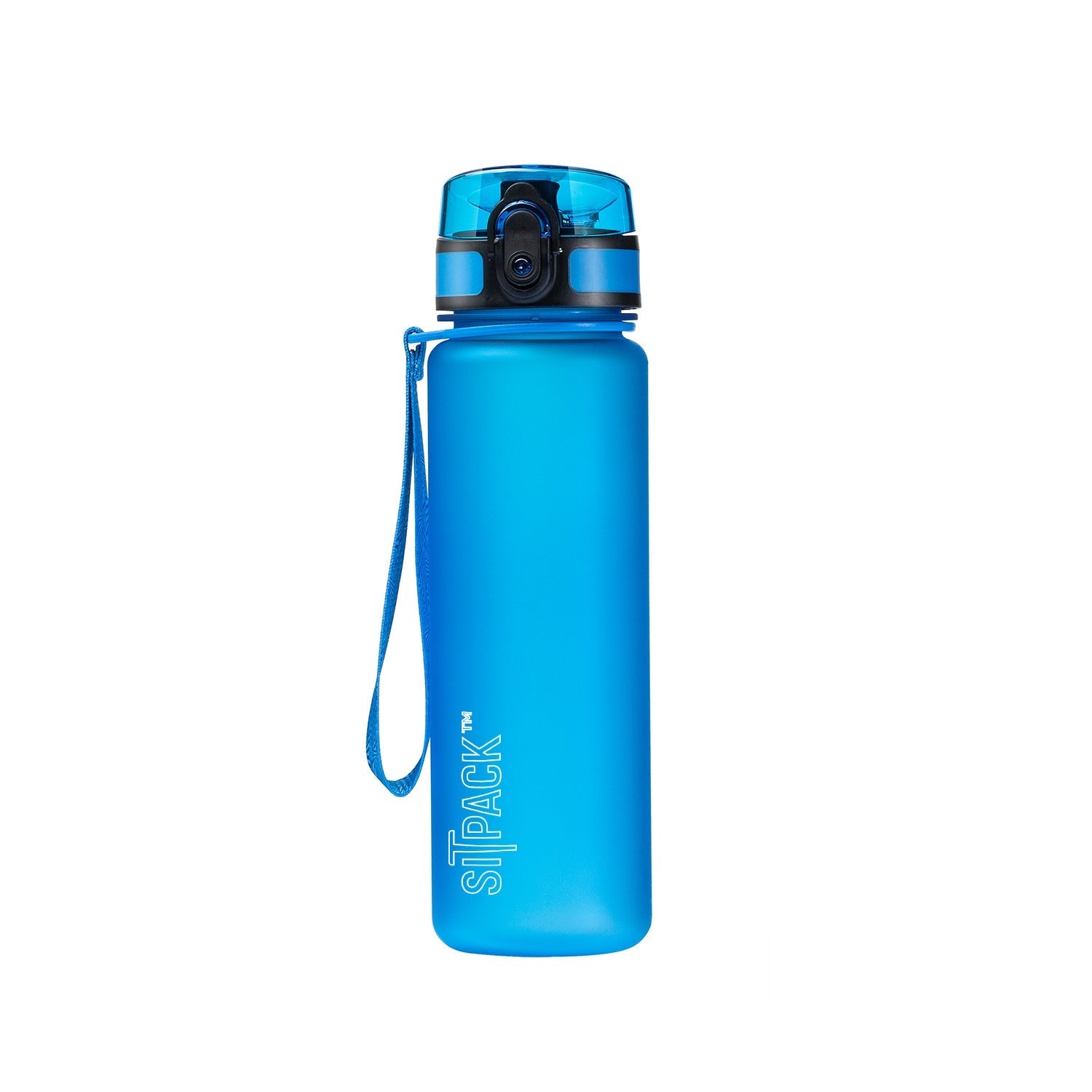
The primary types of outdoor water bottles include metal, plastic, and collapsible designs. Stainless steel bottles offer exceptional durability and temperature retention, making them ideal for extreme conditions. Outdoor bottle features vary widely, with options ranging from lightweight plastics to rugged metal containers designed for hardcore expeditions.
Key water bottle types for outdoor enthusiasts include:
Each bottle type offers unique advantages depending on specific outdoor activities. Hikers might prefer lightweight plastic options, while mountaineers could prioritize robust stainless steel containers with superior temperature retention. The key is matching the bottle’s characteristics with your specific adventure requirements.
Here’s a quick comparison of popular outdoor water bottle types to help guide your selection:
| Bottle Type | Ideal Use | Durability Level | Temperature Control |
|---|---|---|---|
| Stainless Steel | Cold climates, mountaineering | Highest | Excellent |
| High-Density Plastic | Day hikes, moderate outdoor activities | Moderate | Minimal |
| Collapsible | Traveling, backpacking, minimalism | Low | Poor |
| Insulated | Extreme temperatures, long trips | High | Superior |
Pro tip: Consider purchasing a bottle with multiple drinking mechanisms like straw and chug options to maximize versatility during different outdoor activities.
Choosing the perfect water bottle requires understanding three critical performance characteristics: insulation, leak resistance, and overall weight. Bottle design technologies have evolved to address these key factors, providing outdoor enthusiasts with increasingly sophisticated hydration solutions that balance functionality and portability.
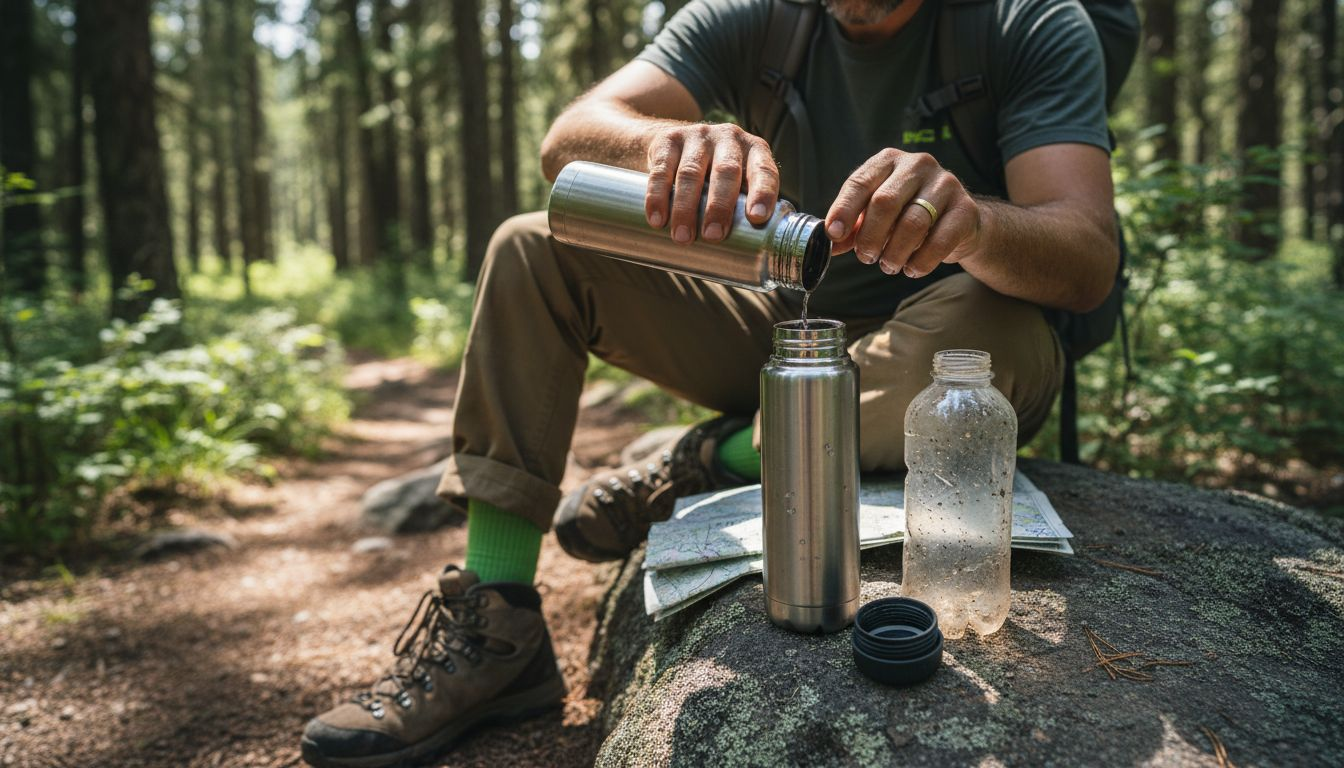
Insulation remains a game-changing feature for serious travelers and outdoor adventurers. Triple-layer insulation techniques now enable beverages to maintain temperature for extended periods, with advanced stainless steel bottles using vacuum and copper linings to create nearly impenetrable thermal barriers. Environmental bottle considerations highlight how these sophisticated insulation technologies not only enhance user experience but also contribute to reducing overall energy expenditure related to temperature maintenance.
Key performance characteristics include:
The interplay between these features determines a water bottle’s ultimate utility. Lightweight plastic bottles offer excellent portability but may compromise on insulation, while heavier metal containers provide superior temperature control at the cost of increased weight. Modern design approaches seek to balance these competing priorities, creating bottles that meet diverse user needs without significant trade-offs.
The following table summarizes how insulation, leak resistance, and weight impact user experience:
| Feature | User Benefit | Design Challenge |
|---|---|---|
| Insulation | Keeps drinks at desired temp | Increases overall weight |
| Leak Resistance | Prevents spills in bags/packs | Requires dependable seals |
| Lightweight Design | Easier to carry and transport | May reduce durability |
Pro tip: Test your water bottle’s seal by filling it halfway and turning it upside down before a major trip to ensure leak-free performance.
Sustainable water bottle production represents a critical frontier in environmental conservation, with manufacturers increasingly focusing on reducing ecological footprints. Water bottle sustainability involves complex considerations spanning material selection, production processes, and end-of-life recycling strategies that minimize environmental harm.
The evolution of recycled materials has transformed water bottle manufacturing, particularly with Polyethylene Terephthalate (PET) technologies. Environmental footprint assessments reveal that lighter plastic materials can actually generate lower greenhouse gas emissions compared to heavier alternatives like glass or aluminum, challenging traditional sustainability assumptions. Advanced recycling techniques now enable the creation of high-quality bottles from reclaimed materials, significantly reducing virgin plastic consumption.
Key eco-friendly material considerations include:
The future of sustainable water bottles lies in a holistic approach that balances material performance, environmental impact, and user experience. Innovative manufacturers are exploring cutting-edge solutions like plant-based plastics, advanced recycling technologies, and design strategies that minimize material use while maintaining product durability and functionality.
Pro tip: Look for water bottles with transparent recycling symbols and verified post-consumer recycled content to ensure you’re making a genuinely sustainable choice.
Selecting the perfect water bottle requires a strategic approach that matches your specific lifestyle, activity level, and personal preferences. Water bottle selection criteria involve careful consideration of multiple factors that extend far beyond simple aesthetic choices, ensuring you find a hydration solution that truly meets your unique requirements.
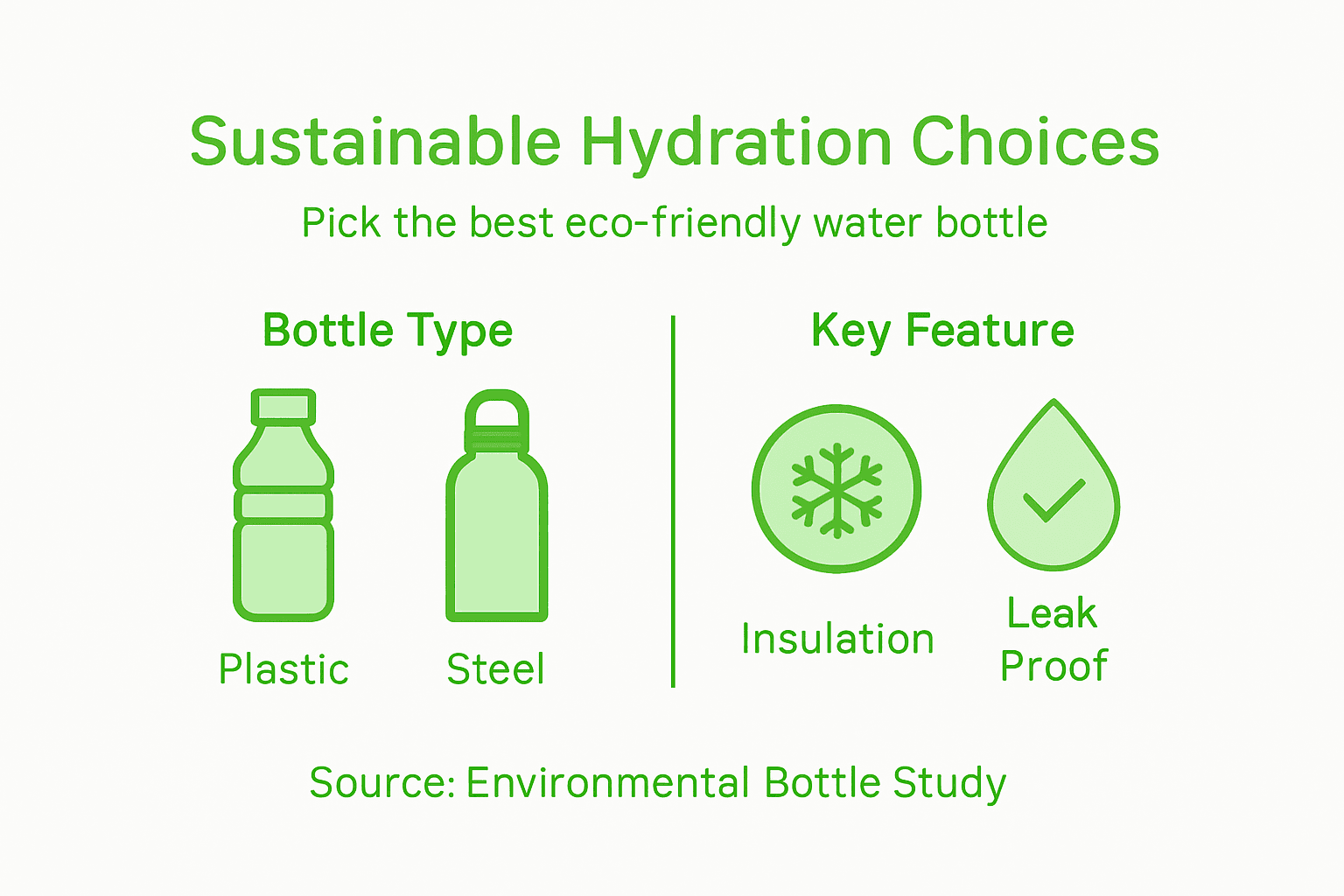
The primary selection criteria encompass more than just material and design. Consumer bottle preferences highlight the importance of understanding how different features align with individual needs. Factors like size, weight, insulation performance, and ease of cleaning play crucial roles in determining the ideal water bottle for any given user.
Key considerations for selecting your ideal water bottle include:
The most effective water bottle selection process involves a holistic evaluation of your specific requirements. Outdoor enthusiasts might prioritize durability and insulation, while urban professionals might focus on sleek design and leak-proof mechanisms. Understanding your unique needs enables you to make an informed choice that enhances your hydration experience and supports your daily activities.
Pro tip: Before purchasing, physically handle the water bottle to assess its weight, grip comfort, and opening mechanism to ensure it feels right for your intended use.
Choosing the right water bottle is just one part of creating a reliable and eco-friendly outdoor setup. This article highlights the importance of durable materials, insulation, and sustainable production to meet the demands of your adventures. At the same time, finding seating solutions that match these values is crucial for comfort, portability, and longevity. Whether you need lightweight, minimalistic gear or rugged, long-lasting products that withstand rigorous use, combining your hydration choices with innovative outdoor seating enhances every trip.
Discover how you can boost your outdoor comfort and sustainability with the innovative portable seating options at Sitpack. Our products, like the Campster II and Sitpack Zen, emphasize durability, eco-friendly materials, and user comfort. Pairing a sustainable water bottle with our foldable chairs and outdoor accessories offers a complete, thoughtful approach to your adventures. Visit Sitpack now to explore our best-sellers and new arrivals, enjoy worldwide shipping, and start making your outdoor gear work harder for you today.
Key features of a durable water bottle include material wall thickness, manufacturing quality, impact resistance, chemical stability, corrosion resistance, and resistance to temperature fluctuations.
Insulation significantly affects a water bottle’s performance by maintaining the desired temperature of beverages for longer periods. Advanced insulated bottles can keep drinks cold or hot while preventing condensation.
Eco-friendly water bottle materials include recycled content like PET, biodegradable plastics, plant-based polymers, and compostable options, which reduce environmental impact and promote sustainability.
To choose the right water bottle size and design, consider your activity level, daily water consumption needs, portability requirements, and personal preferences for features such as easy cleaning and leak resistance.