Cart
0
Sign up and get 10$ off your order
Expected delivery
1-3 days
You may also like




Danish Company

TL;DR:
- Portable living involves residing in movable dwellings like tiny houses on wheels, vans, or manufactured homes that are designed for relocation and minimalism. Its advantages include cost savings, travel freedom, and environmental benefits, but legal zoning restrictions and financing complexities pose significant challenges. Success depends on deliberate planning, understanding legal classifications, and optimizing space with multi-use furniture tailored to a mobile lifestyle.
Portable living is defined as residing in dwellings specifically designed to be relocated rather than fixed to a permanent foundation, including mobile homes on chassis, tiny houses on wheels, and vehicle-based shelters like converted vans. It combines the freedom of mobility with the principles of minimalism, letting you carry your home wherever life takes you. The Tiny House Movement, van conversion communities, and modular housing manufacturers have all pushed portable living from fringe curiosity to a genuine lifestyle choice for hundreds of thousands of people across North America. Whether you’re drawn to the cost savings, the open road, or simply owning less stuff, understanding how portable living actually works is the first step toward deciding if it fits your life.
Portable living means your home moves with you. That single fact separates it from every other housing model, and it shapes every decision you make about space, possessions, and daily routines. Traditional housing is built on a fixed foundation with the assumption you stay put. Portable housing is engineered around the assumption you might not.
The concept covers a wide spectrum. At one end, you have van life, where full-time vehicle dwelling offers maximum mobility at the cost of square footage. At the other end, manufactured homes sit on leased lots for years at a time, rarely moved after initial placement. Between those poles sit tiny houses on wheels, skid-mounted cabins, and modular units that can be disassembled and reassembled at a new site.
What ties all of these together is a shared design philosophy: build light, build smart, and eliminate anything that doesn’t earn its place. That philosophy maps directly onto minimalism, which is why the two lifestyles are so frequently discussed together. Minimalism in portable living is about smart design with multi-use spaces, not deprivation, and that distinction matters enormously for anyone worried about giving things up.
The options vary more than most people realize. Here’s a direct comparison of the main portable housing options so you can see where each one sits on the mobility and comfort spectrum.
| Housing type | Typical size | Mobility level | Best suited for |
|---|---|---|---|
| Converted van or RV | 60–200 sq ft | Very high | Full-time travelers, digital nomads |
| Tiny house on wheels | 120–400 sq ft | High | Minimalists wanting residential comfort |
| Skid-mounted cabin | 200–600 sq ft | Moderate | Rural or semi-permanent placement |
| Modular/manufactured home | 600–2,000 sq ft | Low | Long-term lot placement, families |
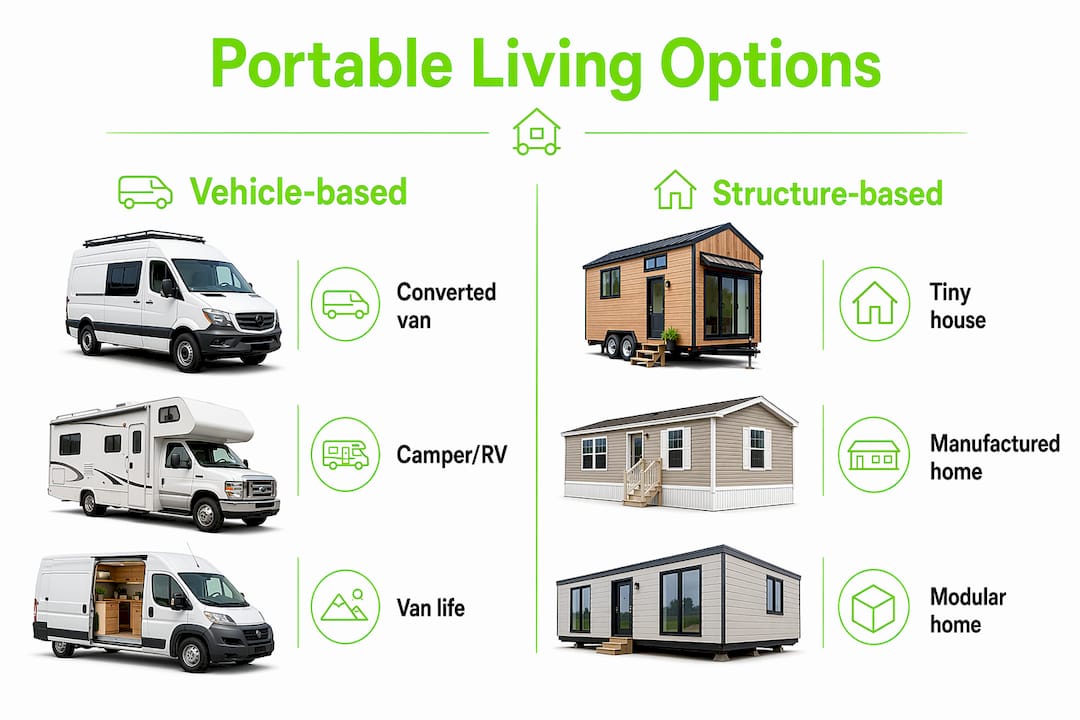
Portable tiny houses typically range from 120 to 400 square feet, built to residential standards with proper insulation and year-round comfort. That puts them in a different category from RVs, which are classified as recreational vehicles and built to lighter standards. The distinction matters legally and financially, as we’ll get to shortly.
Mobility models vary widely, from high-mobility setups like tiny houses on wheels to lower-mobility skid-mounted or modular structures. Choosing your desired level of mobility first is the single most important decision you’ll make, because it drives your budget, your operational setup, and your legal strategy. Someone who wants to relocate every few weeks needs a very different solution than someone who plans to park on family land for two years.
If you’re exploring vehicle-based options, Gently Used RVs offers a solid starting point for understanding the range of motorhomes, trailers, and fifth wheels available at accessible price points.
Portable living has genuine, measurable advantages. It also has real friction points that enthusiastic blog posts tend to gloss over. Here’s the honest picture.
Advantages of portable living:
Challenges worth knowing upfront:
Pro Tip: Before you commit to any portable housing option, spend two hours researching your target county or municipality’s zoning ordinances. Compliance with zoning and permit rules causes more friction than the housing units themselves for most portable living adopters, and discovering a restriction after purchase is an expensive lesson.
Getting into portable living is one thing. Building a daily routine that feels comfortable and sustainable is another. The practical steps below are drawn from people who’ve done it, not just written about it.
Start with a serious declutter. Before you think about furniture or floor plans, go through everything you own and apply a simple test: does this item serve a function I’ll need in a smaller space? If not, it goes. The Tiny House Movement recommends decluttering first, then optimizing storage, then selecting multifunctional furniture. That sequence matters because buying clever storage solutions for things you don’t need is just expensive procrastination.
Once you’ve pared down, space optimization becomes the real game. A few principles that consistently work:
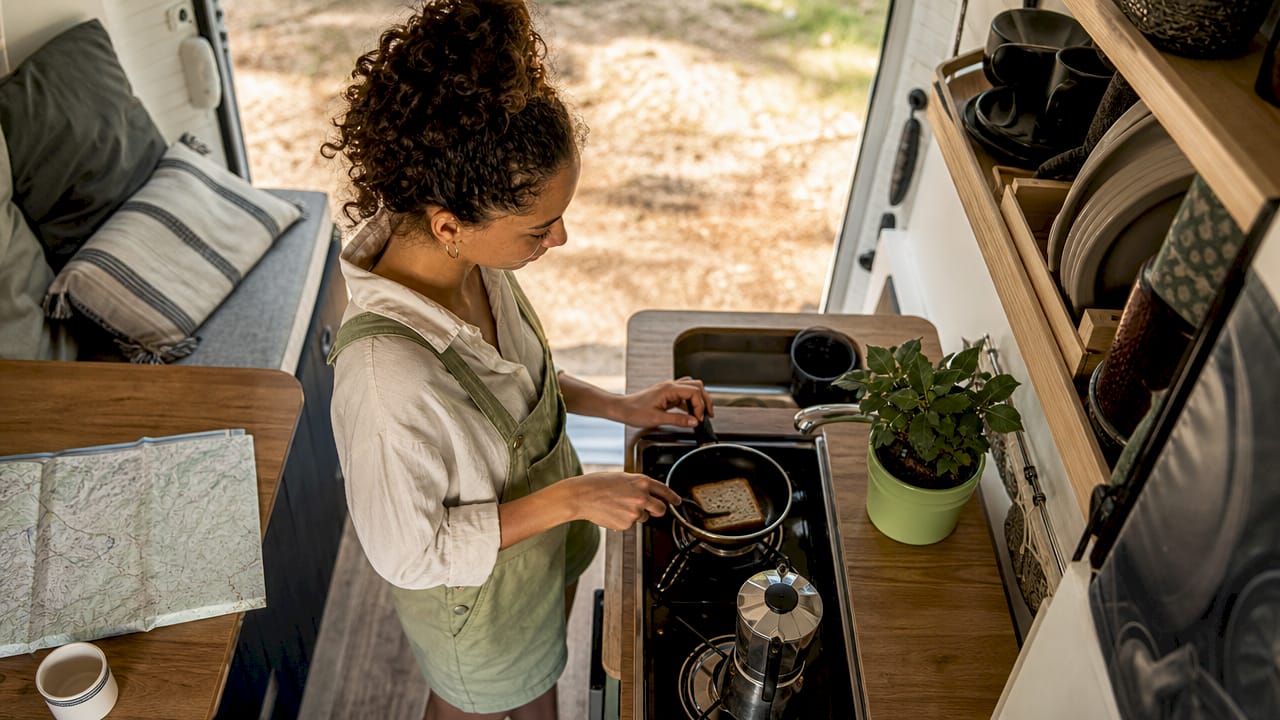
For vehicle-based living specifically, portable living is a systems problem requiring dependable power, water, and legal overnighting plans to avoid daily stress. A 200-watt solar panel setup, a freshwater tank, and a reliable app like iOverlander or Campendium for finding legal overnight spots will solve 80% of the operational headaches before they start.
Pro Tip: Design your storage around accessibility during motion, not just when parked. Items you reach for daily should be at hand level and secured. Standardizing storage categories and building around that system from day one saves enormous reorganization effort later.
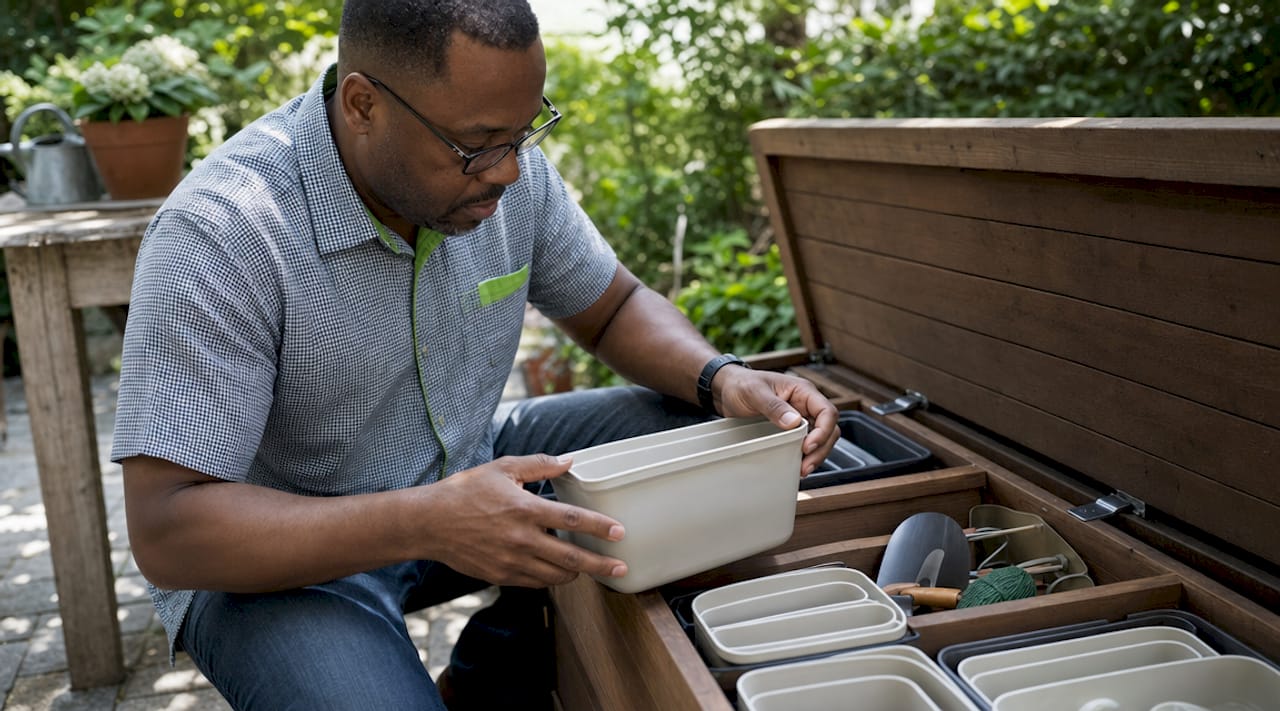
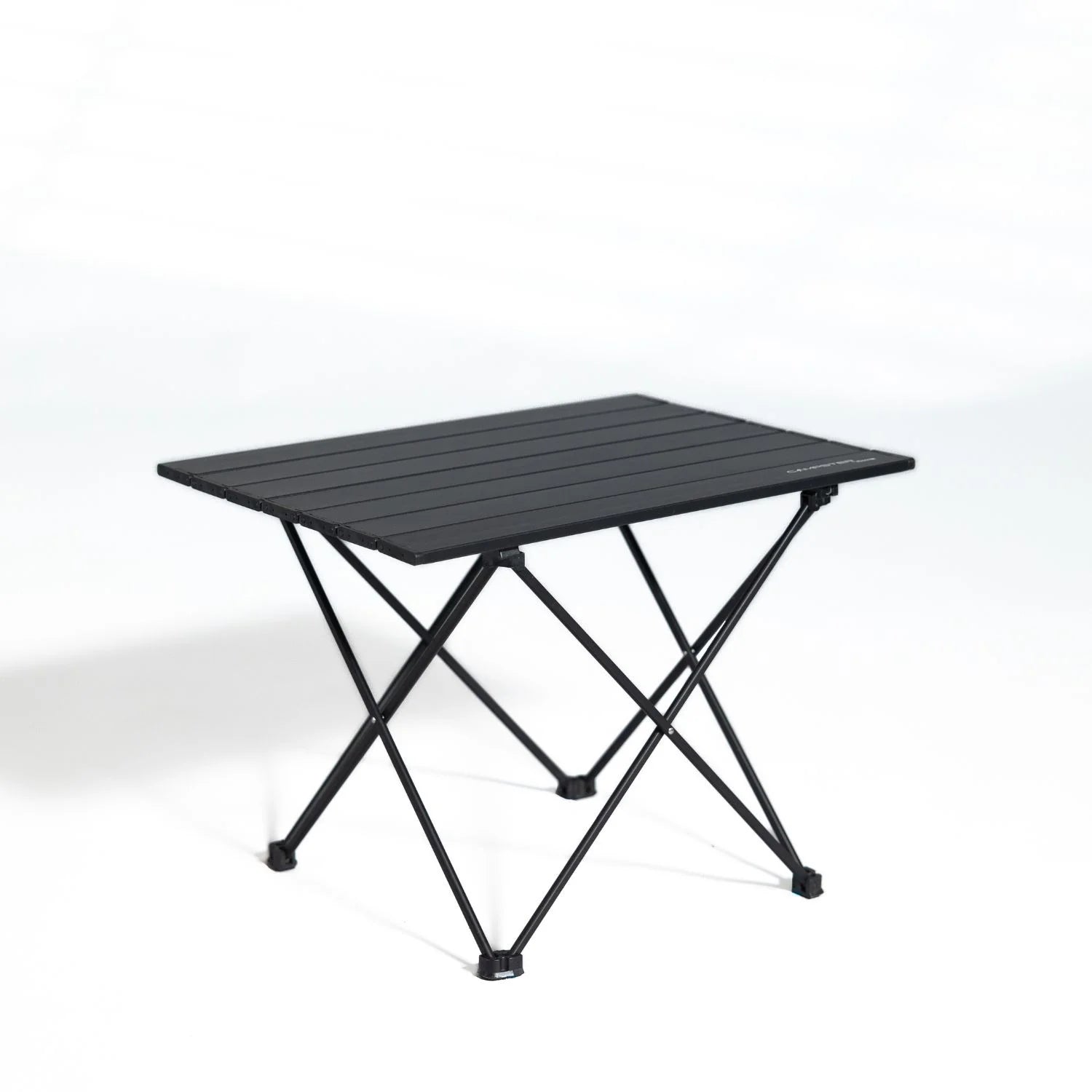
The advantages of compact furniture extend well beyond the home itself. Portable seating, folding tables, and lightweight accessories make the transition from indoor to outdoor living genuinely effortless, which matters a lot when your “backyard” changes every few weeks.
Legal clarity is where many portable living plans stall out. Here’s a structured way to think through the key considerations before you commit.
Understand your housing category. Terminology between mobile homes, manufactured homes, modular homes, and RVs directly impacts financing, insurance, and legal treatment. A manufactured home built after 1976 follows HUD code. A modular home follows local building codes. An RV is classified as a vehicle. Getting this wrong creates expensive complications.
Research zoning laws at the county level. Zoning rules for portable homes vary by state, county, and sometimes municipality. Some areas welcome tiny houses on wheels; others prohibit them entirely. Check before you buy or build.
Understand parking restrictions for vehicle dwellers. Van life and RV living involve navigating a patchwork of overnight parking rules. Many cities restrict street parking beyond 72 hours. National forests, BLM land, and designated campgrounds offer legal alternatives, but you need a plan.
Sort out financing early. Manufactured homes can qualify for FHA Title I or Title II loans depending on whether the land is owned or leased. Tiny houses on wheels are typically financed as personal property or RVs, not real estate. Knowing which category applies changes your interest rate and loan term significantly.
Get the right insurance. Standard homeowner’s insurance doesn’t cover most portable housing types. Manufactured home insurance, RV insurance, and specialty tiny house policies each cover different risks. Talk to a broker who handles non-traditional housing before you’re on the road.
For a detailed breakdown of RV types and how they’re classified, the RV types guide from Gently Used RVs is a practical reference that covers Class A, B, and C motorhomes alongside trailers and fifth wheels.
Portable living works best when you choose your mobility level first, then build your legal, financial, and operational strategy around that choice.
| Point | Details |
|---|---|
| Definition is broad | Portable living covers everything from van life to manufactured homes, each with different mobility levels. |
| Cost advantage is real | New manufactured homes averaged $148,100 vs. $484,800 for traditional homes in early 2024. |
| Legal friction is the top barrier | Zoning laws and permit requirements cause more problems than the housing units themselves. |
| Minimalism is a design tool | Multi-use furniture and standardized storage make small spaces genuinely comfortable, not just tolerable. |
| Terminology affects financing | Correctly classifying your housing type determines loan options, insurance, and legal compliance. |
Here’s my honest take after spending years around outdoor and travel culture: most people who struggle with portable living didn’t fail at minimalism. They failed at logistics. They fell in love with the aesthetic, bought or built something, and then discovered that their county doesn’t allow tiny houses on wheels, or that their van’s electrical system dies every three days, or that they have nowhere legal to park overnight in the cities they actually want to visit.
The people who thrive are the ones who treat portable living as a design problem first. They pick their mobility level deliberately. They research zoning before they build. They standardize their storage systems before they hit the road. They invest in portable comfort solutions that actually work in motion, not just in Instagram photos.
What I find genuinely interesting about this lifestyle is how quickly it shifts your values. Once you’ve lived in 200 square feet for six months, you stop measuring quality of life by square footage. You start measuring it by how much freedom you have on a Tuesday afternoon. That’s a shift most people don’t expect, and it’s the one that tends to stick long after the novelty of the lifestyle wears off.
The practical advice I’d give anyone starting out: spend more time on the legal and logistical groundwork than feels necessary. It’s the unglamorous part, but it’s what separates people who love portable living from people who gave it up after three months.
— Jonas
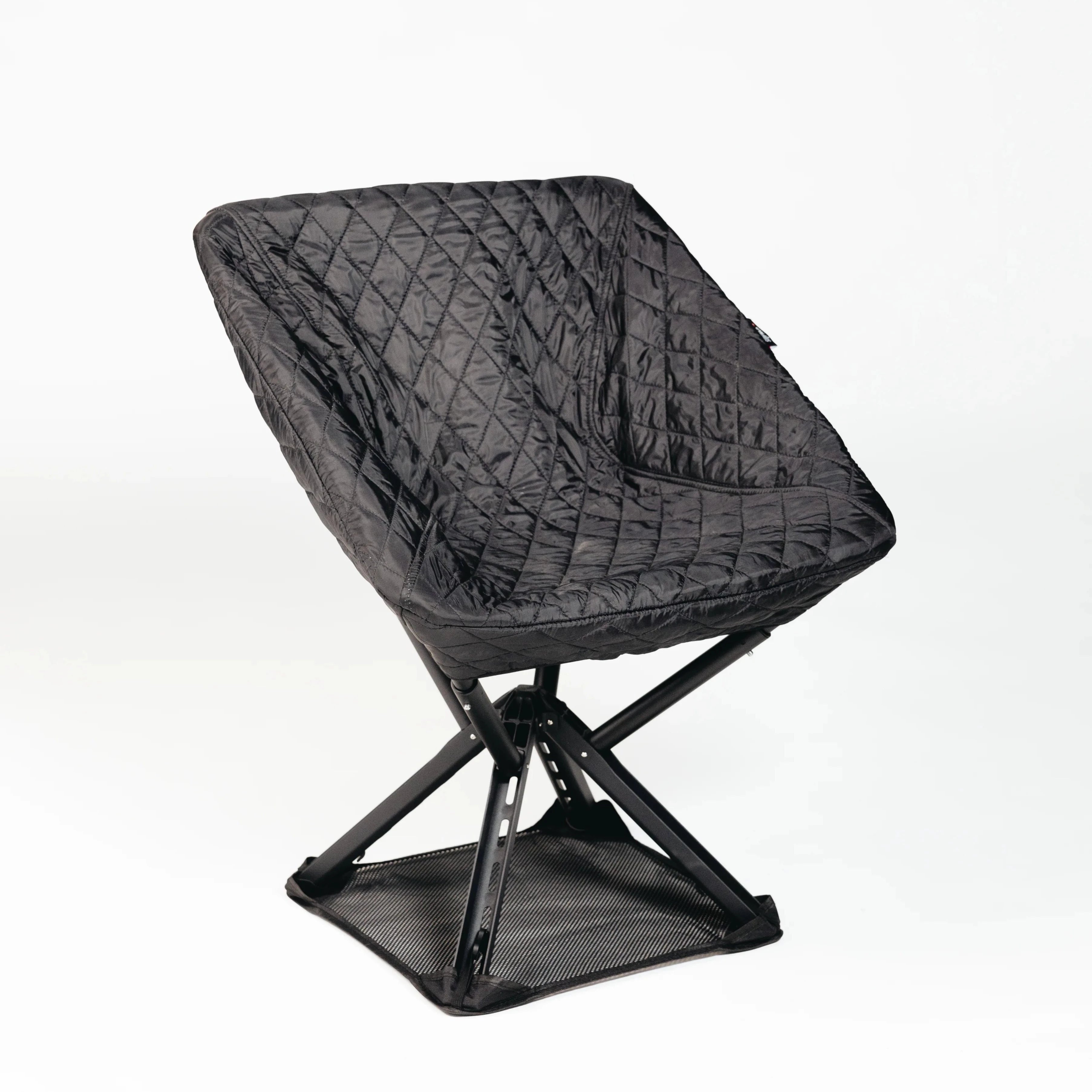
If portable living is about carrying only what earns its place, your gear should follow the same rule. Sitpack designs compact, foldable seating and accessories built specifically for people who move through the world with intention. The Campster II and Sitpack Zen fold down small enough to disappear into a pack, weigh almost nothing, and hold up to real outdoor use. Whether you’re setting up outside your tiny house, taking a break on a trail, or finding a spot at a festival, having a seat that travels as light as you do makes a real difference. Explore portable seating solutions at Sitpack and find gear that fits the way you actually live.
Portable living means residing in a home or vehicle designed to be relocated rather than fixed to a permanent foundation. Common examples include mobile homes, tiny houses on wheels, and converted vans.
Manufactured homes are typically the most affordable option, with a median price of $148,100 for new units in early 2024 compared to $484,800 for traditional single-family homes. Van conversions and used RVs can cost even less upfront, though ongoing maintenance and setup costs vary widely.
Yes. Van-dwelling is a recognized form of portable living that prioritizes maximum mobility, typically at the cost of living space. It requires vehicle-specific setups for power, water, and legal overnight parking.
Zoning laws and permit requirements are consistently the top barrier. Regulations vary significantly by location, and finding legal placement for a tiny house on wheels or manufactured home requires research before committing to a purchase or build.
Portable tiny houses typically range from 120 to 400 square feet, built to residential construction standards. Vehicle-based options like converted vans run smaller, often between 60 and 120 square feet of usable living space.