Cart
0
Sign up and get 10$ off your order
Expected delivery
1-3 days
You may also like


Danish Company

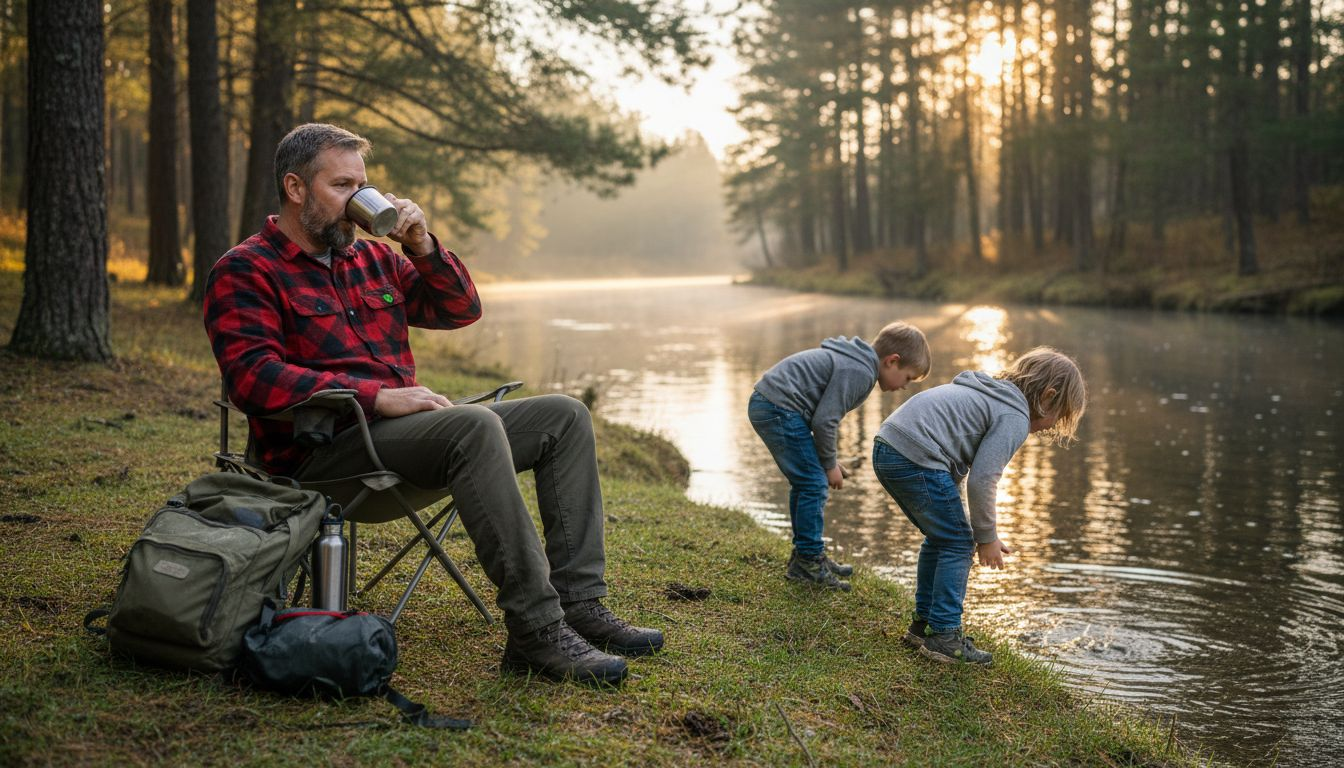
Finding the perfect portable seat often feels like balancing comfort, weight, and durability with no clear answer in sight. For outdoor enthusiasts and eco-conscious travelers, the search matters because settling for less means risking muscle aches or leaving extra gear behind. Portable comfort means more than just picking a soft cushion. It’s about ergonomic support, psychological ease, and long-lasting materials that actually enhance every outdoor moment, no matter where your adventures take you.
| Point | Details |
|---|---|
| Understanding Portable Comfort | Portable comfort merges physical, psychological, and environmental factors, influencing individual experiences significantly. Test seating solutions in real-world scenarios to assess fit and comfort. |
| Myths About Weight and Comfort | Lighter portable seating doesn’t necessarily mean less comfort; modern designs focus on ergonomic support. Consider how often and where you’ll use the chair to select the right type. |
| Core Features to Evaluate | Prioritize mobility, ergonomics, and materials when selecting portable seating for improved outdoor experiences. Reflect on how these features enhance usability and comfort in your expected conditions. |
| Avoiding Common Mistakes | Assess your specific needs and prioritize functionality over aesthetics to avoid purchasing regrets. Always physically test seating options to ensure they meet your comfort requirements. |
Portable comfort is not simply about carrying a cushion from point A to point B. It’s a multidimensional experience that combines physical support, psychological ease, and environmental adaptation into one cohesive package. When you settle into a portable chair after hours of hiking, comfort emerges from how your body responds to the support structure, how your mind feels about the setting, and whether the overall experience matches your expectations. This is why two people can sit in identical chairs and have completely different comfort experiences. Research into psychophysiological factors in comfort reveals that comfort perception involves both physiological responses and psychological processes, not just the softness of materials or the size of the seat.
This understanding helps explain why so many outdoor enthusiasts harbor misconceptions about what portable comfort actually requires. The biggest myth is that lighter automatically means less comfortable. Many people assume that to carry less weight, you sacrifice cushioning and support. The reality is far different. Modern portable seating solutions balance weight reduction with ergonomic design, allowing you to maintain spinal alignment and weight distribution without lugging around heavy camp furniture. Another common misconception is that portable comfort only matters during camping or multi-day backpacking trips. Urban commuters, festival-goers, photographers waiting for perfect light, and even stadium spectators benefit tremendously from having a lightweight, reliable seat option. Comfort becomes relevant anywhere you plan to stay stationary for extended periods.
People also frequently believe that portable comfort means compromising on durability. This myth leads many to avoid investing in quality portable seating, assuming anything light enough to carry will fall apart after a handful of uses. Quality portable chairs designed with reinforced materials and thoughtful engineering actually outlast their heavier counterparts because they’re built to handle the specific stresses of being transported and deployed repeatedly. The myth that comfort is purely subjective and unmeasurable also prevents people from making informed choices. While individual preferences certainly matter, measurable factors like seat height, backrest angle, weight distribution, and material quality directly influence comfort outcomes for most people.
Pro tip: Test a portable chair at ground level before purchasing, rather than sitting in a display chair at standing height, as ground-level sitting engages different muscle groups and reveals whether the seating angle truly suits your body.
When you start shopping for portable seating, you’ll quickly discover that one size definitely does not fit all. The market offers several distinct categories, each designed with specific situations and user preferences in mind. Understanding these types helps you match your actual needs rather than defaulting to whatever catches your eye first. Portable seating options range from stacking chairs to folding seats and compact stools, each engineered for easy storage and rapid reconfiguration across different venues and gathering sizes. The key differences lie in how they pack down, how they deploy, how much weight they handle, and what kind of comfort profile they deliver.
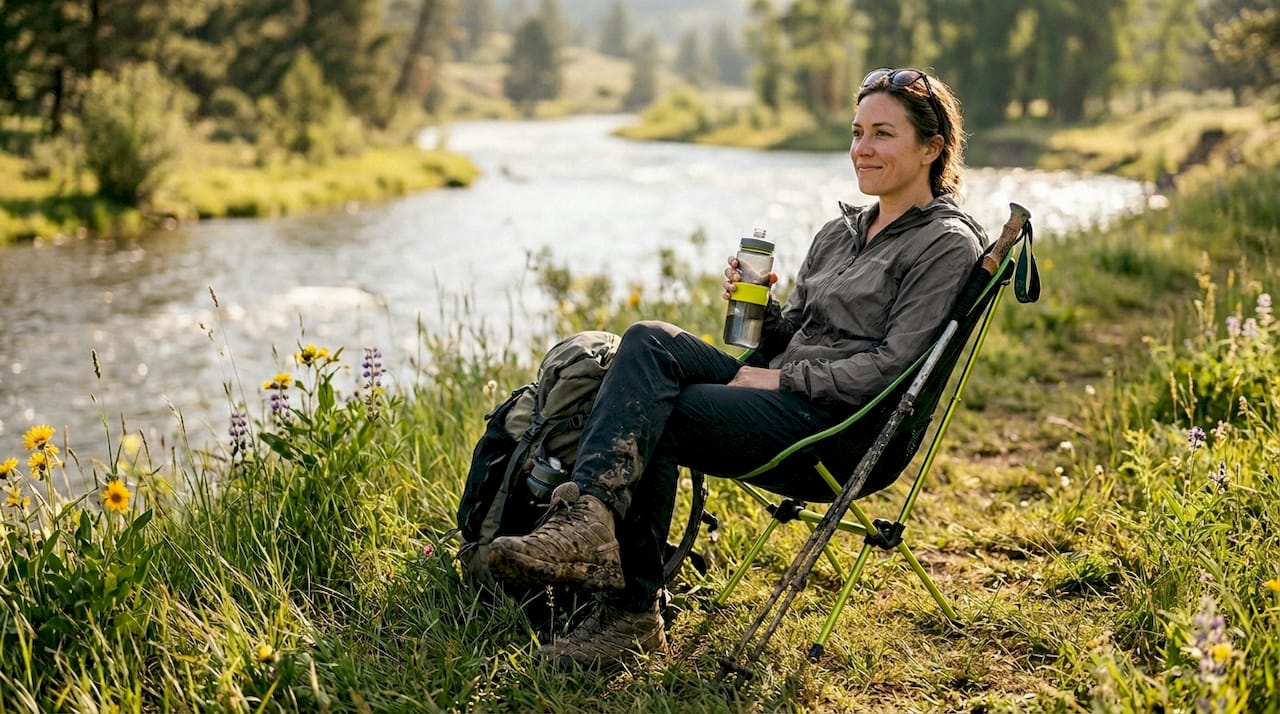
Folding portable chairs represent the most versatile option for outdoor enthusiasts. These collapse into a compact package while maintaining full backrest support and armrests in many cases. They typically weigh between 2 to 5 pounds and fold to roughly the size of a sleeping bag or small tent. Folding chairs work brilliantly for campsite relaxation, festival attendance, and any situation where you’ll stay in one location for hours. Minimalist sitting devices (sometimes called ground stools or ultra-light stools) take a completely different approach. Designed to weigh under 1 pound, these stripped-down options provide just enough elevation to keep you off damp ground while reducing pack weight to almost nothing. They sacrifice backrest support and armrests but excel for hiking stops, fishing trips, or summit breaks where every ounce counts. Compact stools without backs occupy the middle ground, offering moderate weight with reasonable stability, making them ideal for photographers, birders, or anyone who needs flexibility to rotate and shift positions frequently.
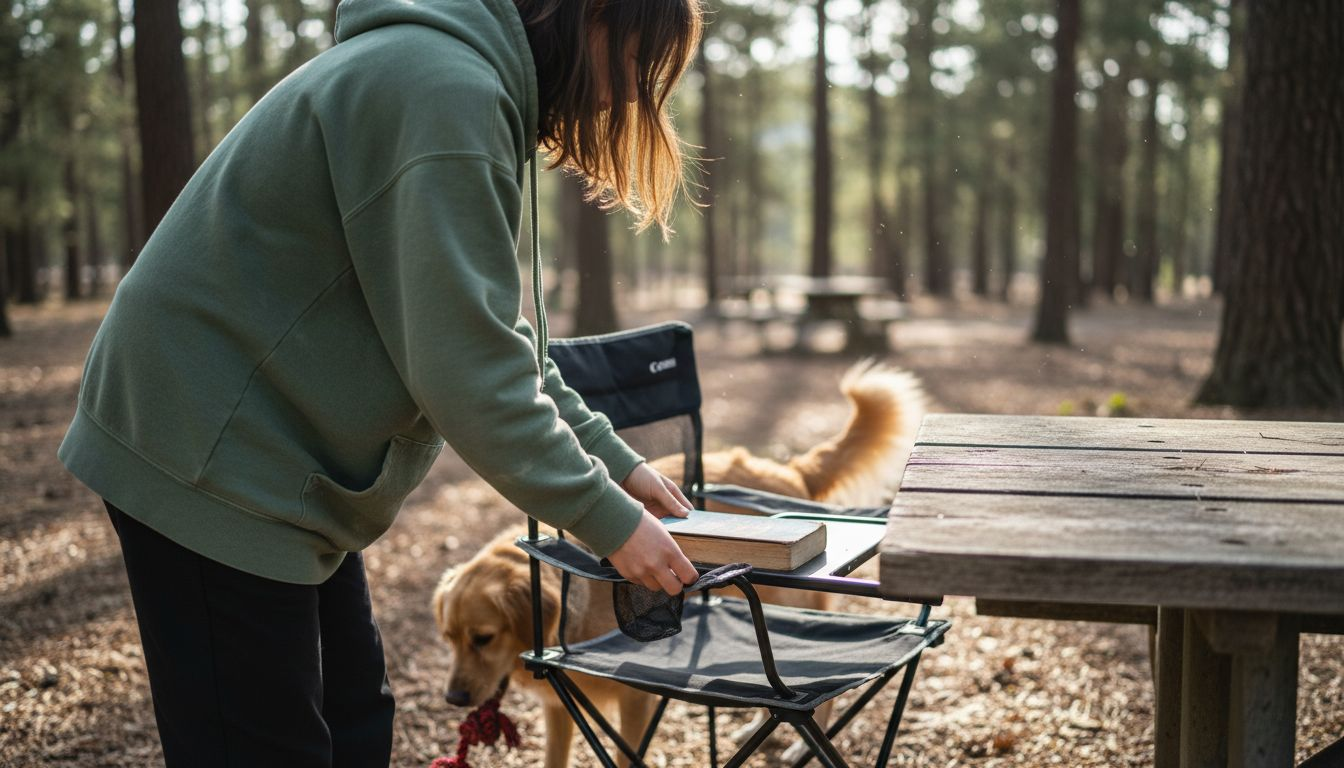
Each category comes with genuine tradeoffs worth considering. Folding chairs provide maximum comfort and features but demand more pack space and weight. Minimalist options pack incredibly small and light but require stronger core engagement and don’t suit everyone’s physical needs. Intermediate stools balance both concerns reasonably well. The best choice depends on your typical outdoor activities, how far you typically travel from your vehicle, how long you typically sit during outings, and your physical comfort requirements. Someone spending a weekend at a car camping site might prioritize a full folding chair with armrests, while a backpacker summiting multiple peaks each day might choose an ultra-lightweight stool that barely registers in their pack.
Here is a comparison of the three main types of portable seating to help match your needs:
| Seating Type | Typical Weight | Comfort Features | Best For |
|---|---|---|---|
| Folding Chair | 2–5 lbs | Backrest, possible armrests | Campsites, festivals, long stays |
| Minimalist Stool | Under 1 lb | Simple elevation, no back | Hiking stops, ultralight trips |
| Compact Backless Stool | 1–2 lbs | Moderate stability, no arms | Birding, photography, flexible use |
Pro tip: Compare the folded dimensions and pack weight of options you’re considering against your typical backpack capacity and longest sitting duration to identify which type genuinely fits your outdoor lifestyle rather than choosing based on features you rarely use.
When evaluating portable seating, three core features determine whether a chair will genuinely enhance your outdoor experience or become dead weight in your pack. Mobility refers to how easily the chair moves from packed to deployed state and how compact it becomes when stowed. A chair that takes 30 seconds to set up and folds into a bundle the size of a water bottle wins out over one requiring five minutes of assembly and a footprint like a rolled yoga mat. Ergonomics addresses how your body actually feels during extended sitting, and ergonomic design integrates biomechanics principles to optimize comfort and health by adapting chair shape and support to human body mechanics. Materials form the foundation of durability, weight, comfort, and environmental impact. These three features interconnect continuously. A chair might be incredibly mobile but offer poor ergonomics. Another might feel spectacular but require heavy materials that defeat portability entirely.
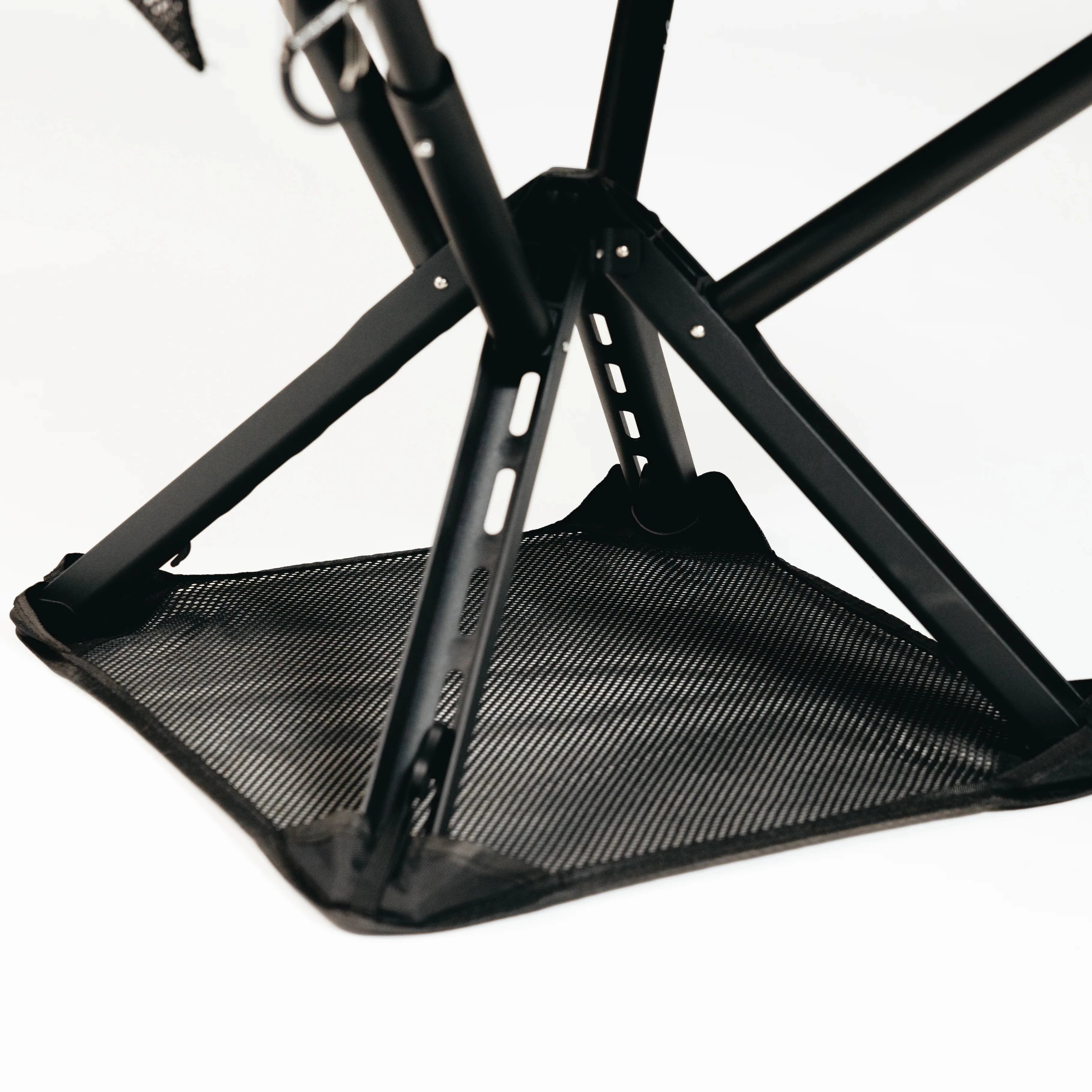
Let’s break down what actually matters within each category. Mobility hinges on frame design, locking mechanisms, and fabric configuration. Look for chairs with intuitive snap or lever locks that don’t require fiddling, frames that collapse in predictable ways without pinch points, and carry bags that don’t add excessive bulk. Ergonomics depends on seat height relative to your leg length, backrest angle that supports your spine’s natural curve, seat depth that accommodates your thighs without cutting off circulation, and armrest positioning that doesn’t force your shoulders into awkward angles. Some portable chairs include adjustable backrests or recline positions, adding flexibility for different sitting purposes. Material selection balances multiple priorities. Aluminum frames offer lightweight strength but can conduct cold. Steel provides durability and stability but adds weight. Fabrics matter equally, with ripstop nylon delivering durability while breathable mesh prevents heat buildup and moisture accumulation during warm weather sitting.
The relationship between these features reveals why the cheapest option often disappoints. Budget seating frequently sacrifices ergonomics to achieve low mobility and material costs, leaving you uncomfortable after 20 minutes. Mid-range portable chairs typically nail two of the three features. Premium options integrate all three effectively, though they naturally cost more. Think about your specific use cases before prioritizing. A festival attendee sitting for 6 hours in summer heat needs excellent ergonomics and breathable materials more than ultra-minimal weight. A backpacker summiting peaks daily needs exceptional mobility and lightweight materials, accepting some ergonomic compromise. A car camper can prioritize pure comfort since weight matters less from a vehicle base camp.
This table summarizes how core features of portable seating impact real-world usage:
| Feature | What It Impacts | Key Consideration |
|---|---|---|
| Mobility | Setup speed, pack size | Fits pack, quick assembly |
| Ergonomics | Body support, posture | Reduces fatigue, prevents pain |
| Materials | Weight, durability, climate | Handles elements, easy to carry |
Pro tip: Test any portable chair with your actual pack on your back and your typical outdoor clothing to assess real-world mobility and comfort, not how it feels in an air-conditioned store during a 2-minute trial.
Portable comfort goes far beyond simply making your sitting experience more pleasant. When you remove physical discomfort from the equation, you unlock the genuine benefits that outdoor activity delivers. Outdoor activities like hiking provide significant physical and mental health benefits, including improved cardiovascular function, reduced chronic disease risk, enhanced immune function, and decreased stress and anxiety. However, these benefits only materialize when people actually engage with outdoor environments. Someone abandoning a hiking trip because their legs ached during rest stops misses those health gains entirely. Someone cutting a camping weekend short because sitting on the ground caused back pain loses the mental restoration that nature provides. Portable seating removes these barriers. By offering comfortable places to rest, you extend your time outdoors and deepen your engagement with natural spaces. This creates a positive feedback loop where greater comfort leads to more frequent adventures, which accumulates into measurable health improvements over months and years.
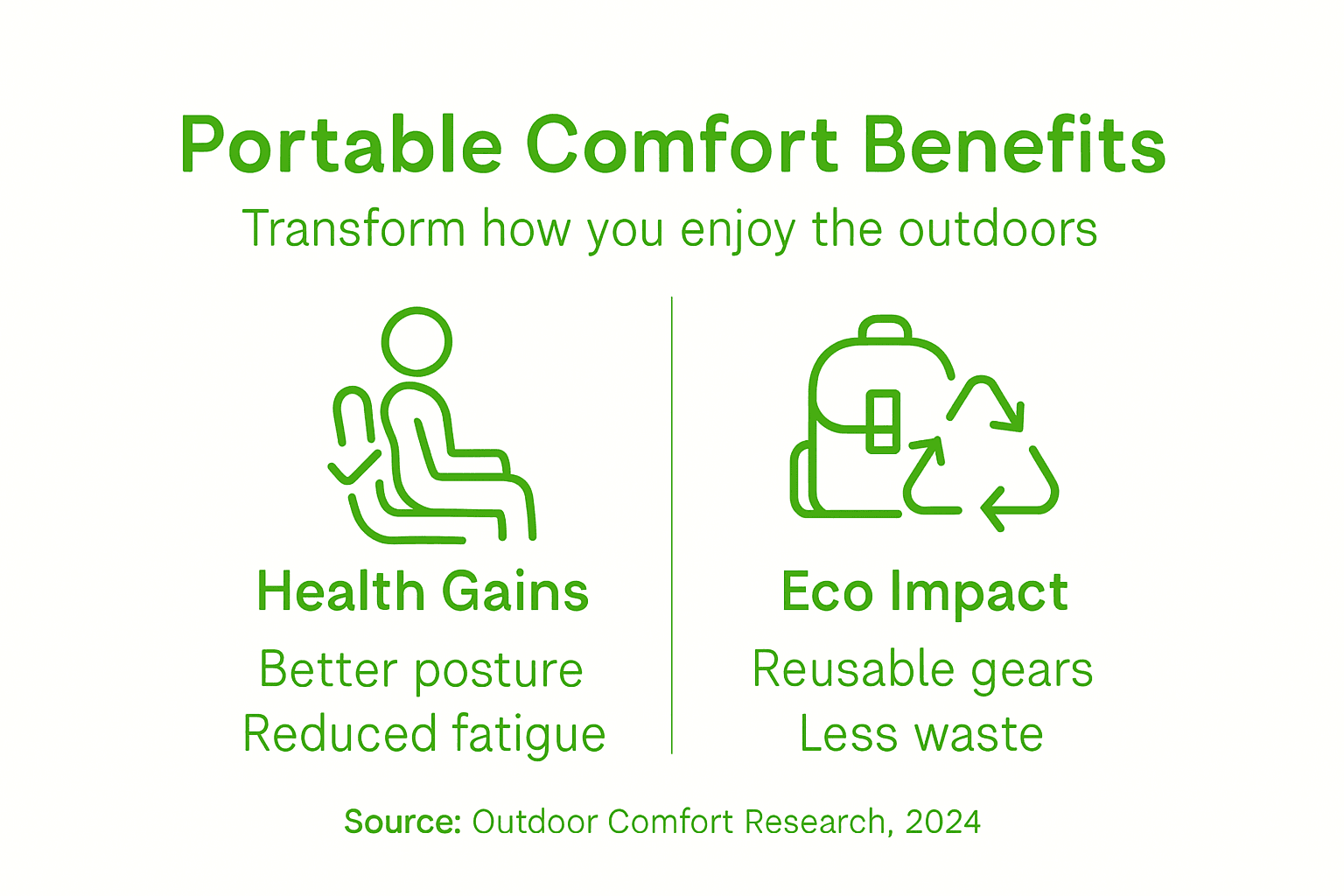
Sustainability considerations add another compelling layer. Quality portable seating designed to last decades generates far less waste than cheap chairs that end up in landfills after a few seasons. Many eco-conscious manufacturers now prioritize sustainable materials, recyclable components, and lifetime warranties that encourage long-term use over replacement cycles. When you invest in durable portable seating, you’re making an environmental statement. You’re rejecting the disposable culture and embracing gear that serves you reliably across countless adventures. This approach aligns perfectly with the outdoor enthusiast mindset that values leaving natural spaces undamaged. The same people who practice Leave No Trace principles and pack out every scrap of trash naturally gravitate toward sustainable gear choices. Portable seating becomes part of a broader commitment to enjoying nature responsibly.
The adventure benefits speak for themselves once you experience them. With comfortable seating available, you rest more effectively during hikes, which means you can tackle longer distances and higher elevations. You can establish base camps that feel genuinely comfortable, turning overnight trips into genuine retreats rather than endurance tests. You can sit peacefully to photograph wildlife, sketch landscapes, journal reflections, or simply observe your surroundings without distraction. Families can enjoy outdoor time together without children complaining about discomfort. Photographers can wait for perfect light without their legs going numb. Birders can maintain patient vigils in search of rare sightings. These seemingly small comforts fundamentally transform how you experience and engage with outdoor spaces.
Pro tip: Choose portable seating made from sustainable materials with a lifetime warranty, as these chairs typically outlast multiple cheaper replacements while supporting environmental values aligned with outdoor conservation principles.
The contrast between portable seating and traditional fixed options becomes starkly obvious once you’ve experienced both in real outdoor situations. Traditional options include ground sitting, rocks, logs, picnic tables, and heavy camp chairs that stay permanently at a campsite. These approaches worked for generations of outdoor enthusiasts, and they still have their place. Ground sitting costs nothing and requires no equipment. A picnic table provides ample surface area for meals and socializing. A heavy canvas camp chair offers substantial comfort if you’re never moving it. But these traditional approaches carry significant limitations. Flexible seating arrangements improve physical comfort and reduce back pain compared to traditional fixed seating, and this principle applies equally to outdoor environments. Ground sitting compresses your spine and restricts circulation. Picnic tables don’t support your back. Heavy chairs remain impossible to transport on hiking trips. Logs offer unpredictable support and can be damp or splintery.
Portable comfort solutions directly address these traditional limitations. Modern portable chairs weigh 2 to 4 pounds compared to 10 to 20 pounds for traditional camp chairs, making them genuinely packable for backcountry trips. They deploy in seconds rather than requiring setup time. They provide ergonomic support that ground sitting cannot match. They work in any location, not just established campsites with tables. Portable seating increases comfort, movement opportunities, focus, and engagement while reducing anxiety and discomfort, advantages that extend naturally from indoor settings to outdoor adventures. When you’re comfortable, you stay engaged with your surroundings longer. You don’t feel rushed to finish your rest break. You can actually enjoy the experience rather than enduring it.
The real decision isn’t whether portable comfort beats traditional options universally. It’s about matching the tool to the situation. A car camping weekend where your vehicle stays parked at a site? A traditional heavy camp chair works perfectly. A multiday backpacking trip summiting peaks? Portable lightweight seating becomes essential. A day hike with multiple rest stops? A minimalist portable stool dramatically improves the experience. Urban outdoor settings where you need flexibility? Portable solutions offer unmatched adaptability. The outdoor enthusiasts making wisest gear choices use both traditional and portable options, selecting based on trip specifics. They maintain a comfortable permanent setup at their home base while carrying lightweight portable seating for mobile adventures. This layered approach maximizes comfort across all situations.
Pro tip: For trips combining vehicle-based camping with hiking days, pack a lightweight portable chair alongside your traditional camp chair to maintain comfort during both stationary and mobile portions of your adventure.
Portable seating purchases often disappoint because buyers make predictable mistakes that could easily be avoided with a bit of forethought. The most costly error is buying without understanding your actual needs. Someone purchases an ultralight minimalist stool because it looks cool and costs less, then discovers they need lumbar support for their bad back. Another buyer invests in a heavy feature-rich chair, only to realize they’ll never carry it on their frequent day hikes. Common seating purchase mistakes include not understanding individualized needs, ignoring adjustability options, and prioritizing aesthetics over functionality. Before shopping, honestly assess your typical use cases. How often will you actually use this chair? How far from your vehicle will you carry it? How long will you typically sit during single outings? Do you have physical considerations like back pain, knee problems, or limited mobility? Are you buying for solo adventures or family trips? These answers determine which features matter and which are distractions.
Another major mistake is buying based on photos or specifications alone without physical testing. Online reviews help, but they’re filtered through other people’s bodies and preferences. You cannot know how a chair feels until you actually sit in it, preferably in conditions resembling your real use. That beautiful chair in the online image might position your knees uncomfortably high. The highly rated model might have armrests that dig into your sides. The lightweight option might feel wobbly and insecure. Visit a retailer that stocks portable seating options and actually sit in several models for at least a few minutes each. Better yet, borrow a friend’s chair for a real adventure before buying your own. The small investment of time prevents expensive purchasing regrets.
Ignoring adjustability and warranty coverage represents another costly oversight. Portable chairs with adjustable backrests, recline positions, or seat height options accommodate more situations and body types than fixed designs. A lifetime warranty signals manufacturer confidence and protects your investment if anything breaks during legitimate use. Budget options often skip these features to hit lower price points, but you end up replacing them sooner. The slightly higher upfront cost of quality portable seating with adjustability and warranty coverage actually saves money over years of use. Additionally, avoid the aesthetic trap of choosing based on color or style rather than functionality. That gorgeous fabric might be uncomfortable in humidity or tear easily on rough terrain. Neutral colors and proven materials beat trendy looks every time in outdoor gear.
Pro tip: Create a detailed list of your most common outdoor activities, typical sitting duration, and physical considerations, then match chair features to this list rather than chasing features that sound impressive but don’t match your real needs.
Outdoor adventures often come with tough choices about comfort, weight, and durability. The challenge of finding a truly portable seating solution that balances ergonomic support, lightweight design, and sustainability can limit your time spent enjoying nature. This article highlighted how critical factors like mobility, materials, and proper ergonomics shape your outdoor experiences and health benefits. Why settle for uncomfortable ground sitting or heavy traditional chairs when you can make every rest stop truly refreshing?
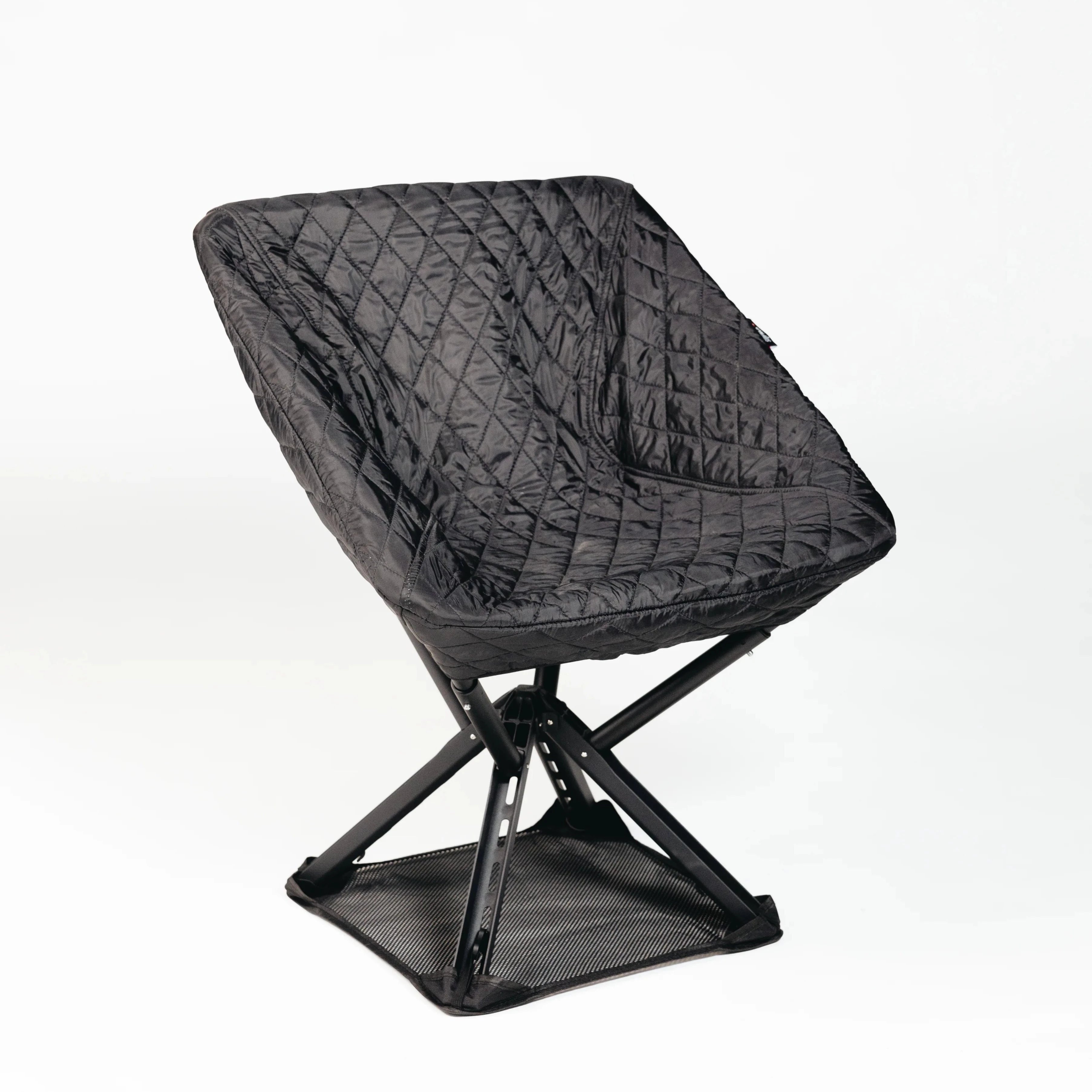
Discover how Sitpack’s innovative portable seating makes outdoor comfort effortless across all adventures. Whether you need the ultralight support of Sitpack Zen or the versatile comfort of Campster II, our foldable designs solve key pain points like setup speed, packability, and back support without compromise.
Explore our range of durable, eco-friendly chairs and accessories crafted to transform your outdoor life. Act now to enjoy fast worldwide delivery and a 45-day satisfaction guarantee. Don’t let discomfort cut your adventures short—visit Sitpack and take your outdoor comfort to the next level today.
Portable comfort encompasses physical support, psychological ease, and environmental adaptation. It involves how well a chair supports your body, how comfortable you feel in your surroundings, and whether the experience meets your expectations.
Not necessarily. Modern portable seating solutions are designed to balance weight reduction with ergonomic design, allowing for spinal alignment and weight distribution without sacrificing comfort.
Ergonomics is crucial because it affects how your body feels during extended sitting. A well-designed chair supports your spine’s natural curve and provides appropriate seat height and depth, reducing fatigue and discomfort.
Portable seating allows for more comfortable resting during outdoor activities, which encourages longer engagement with nature. This alleviates discomfort and helps unlock the physical and mental health benefits of outdoor recreation.