Cart
0
Sign up and get 10$ off your order
Expected delivery
1-3 days
You may also like
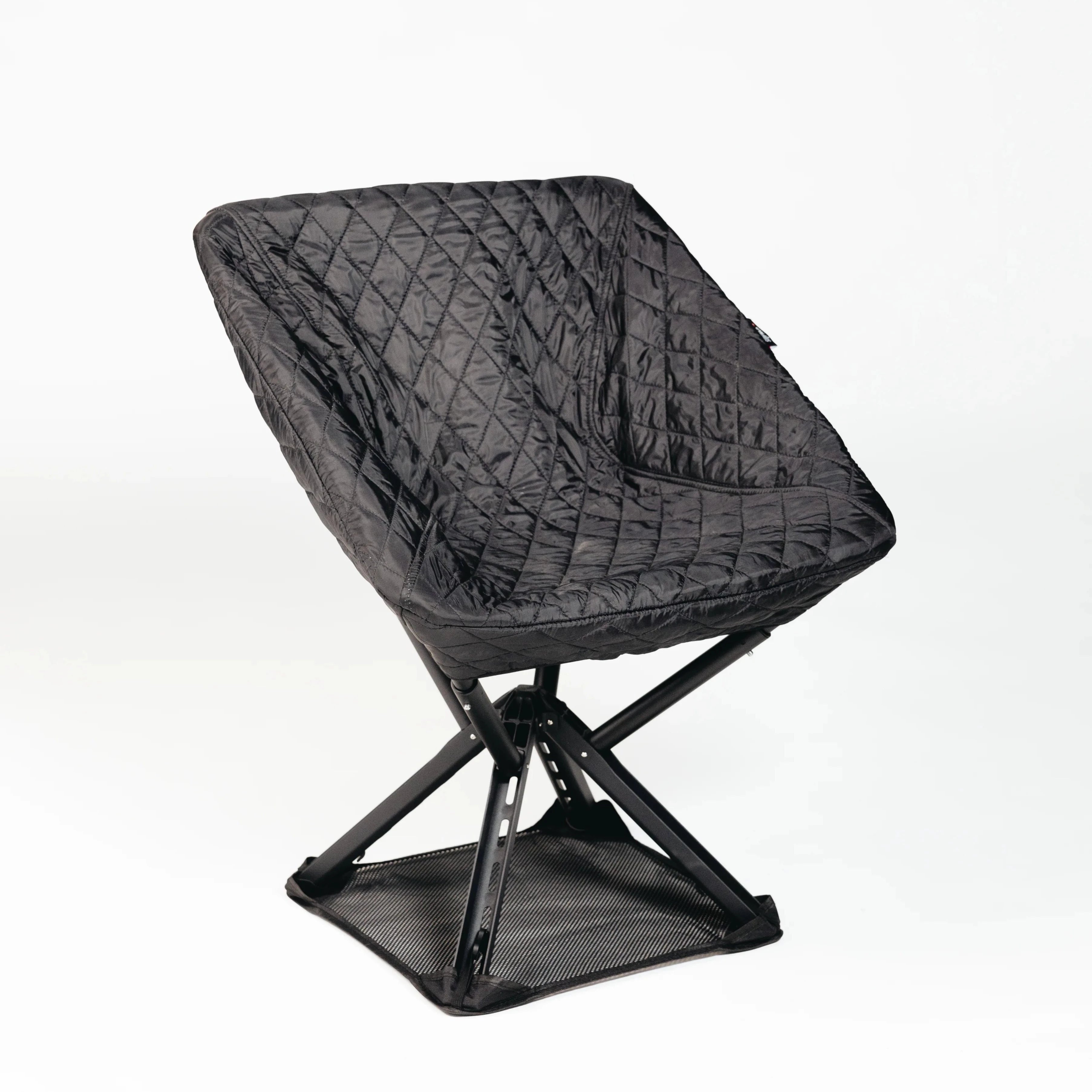
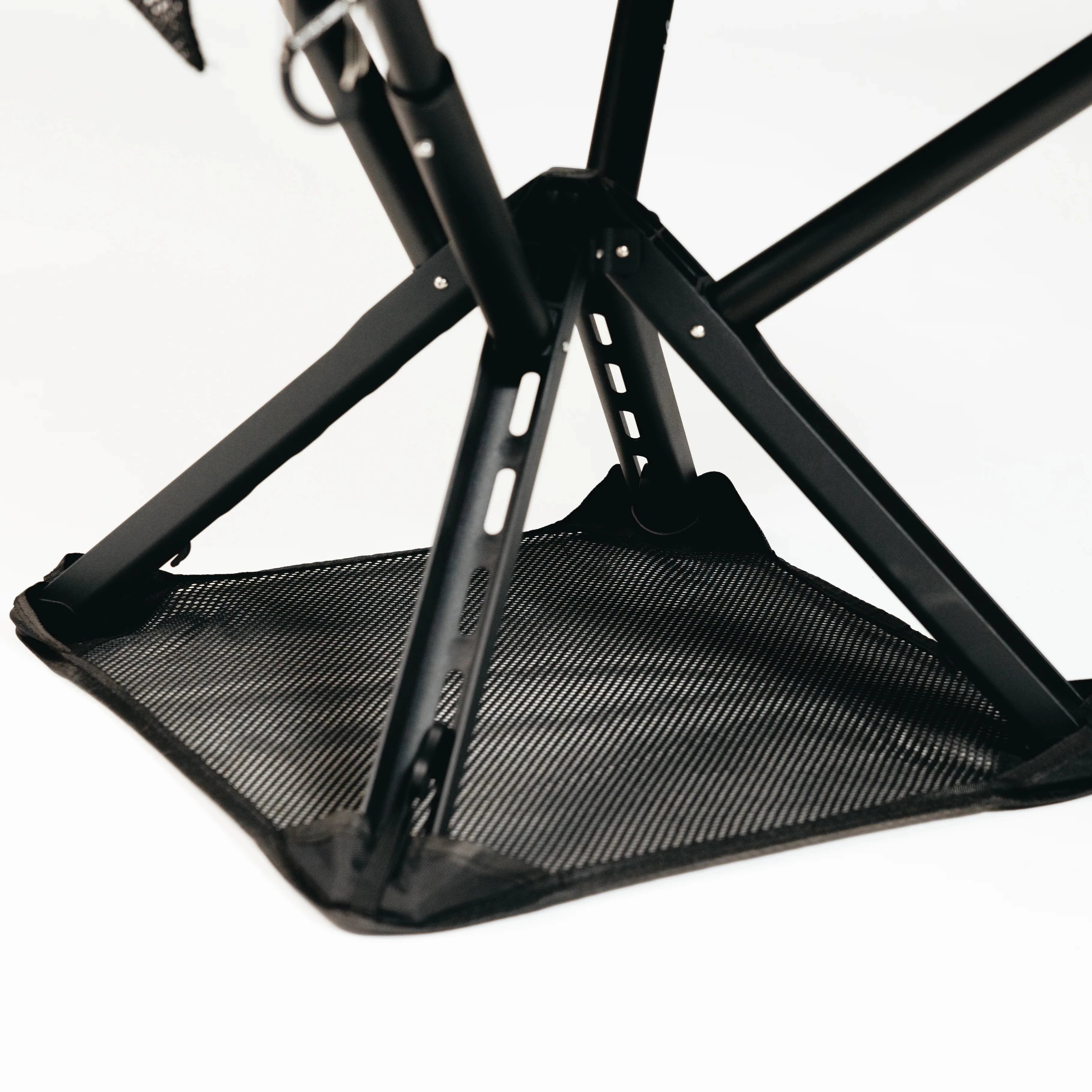
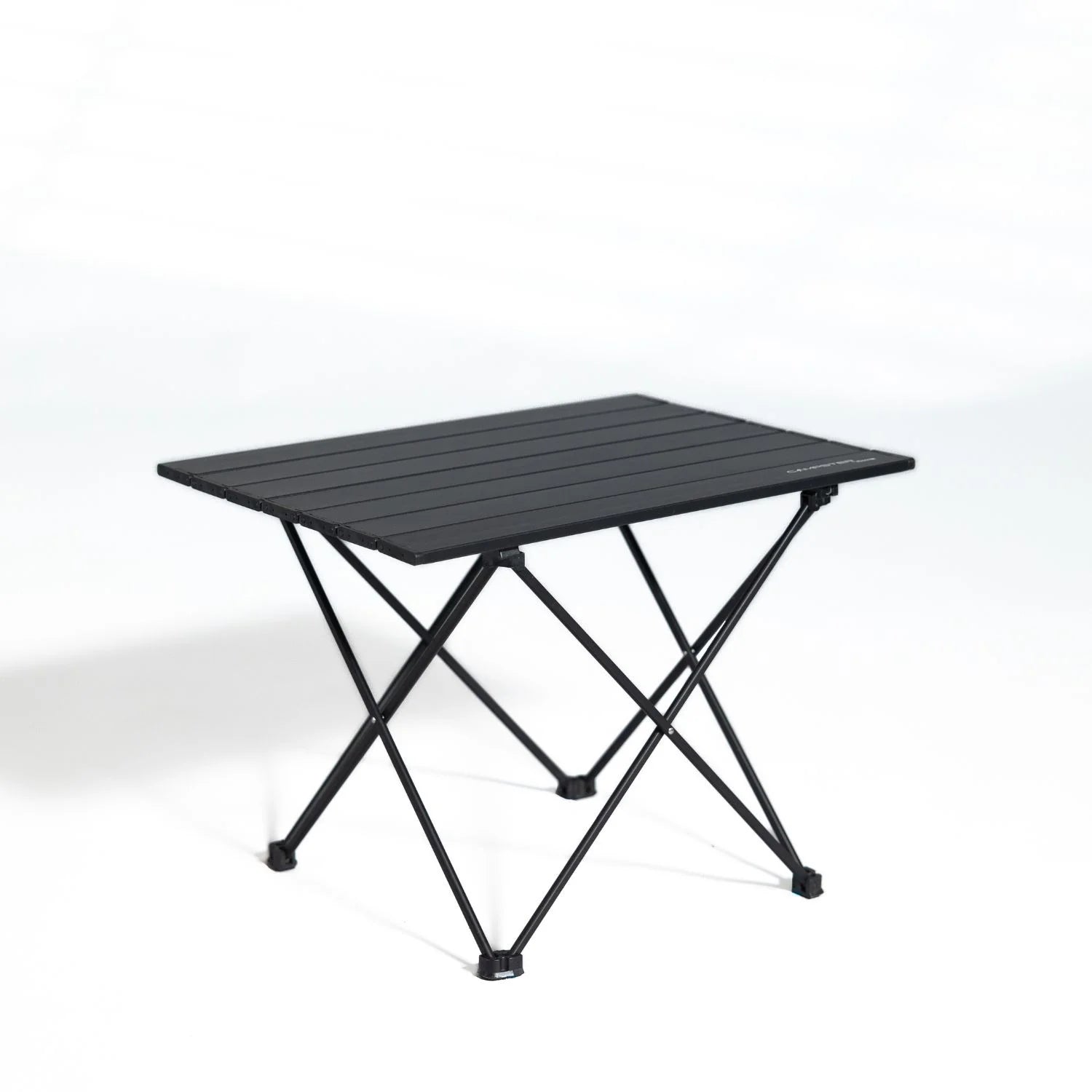
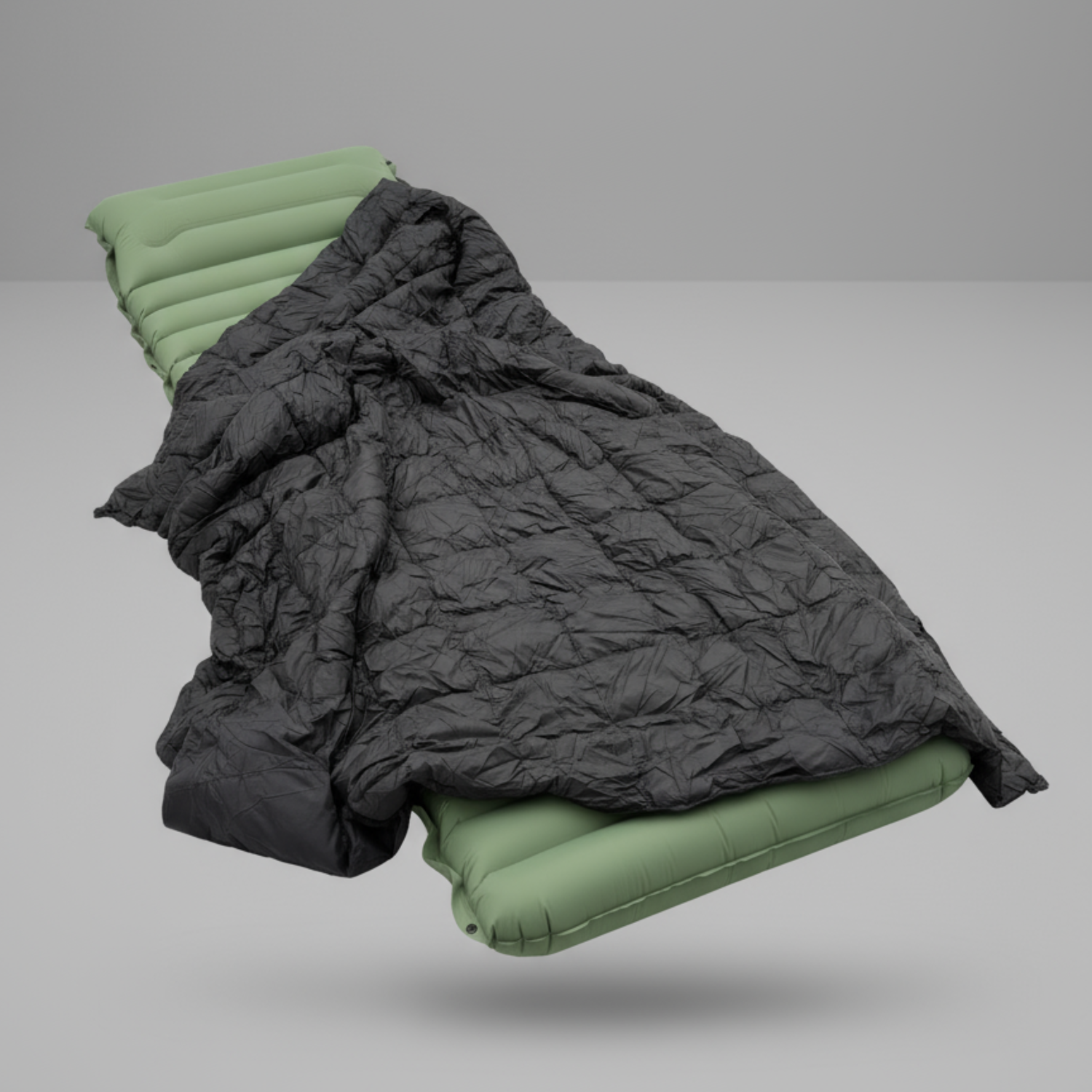
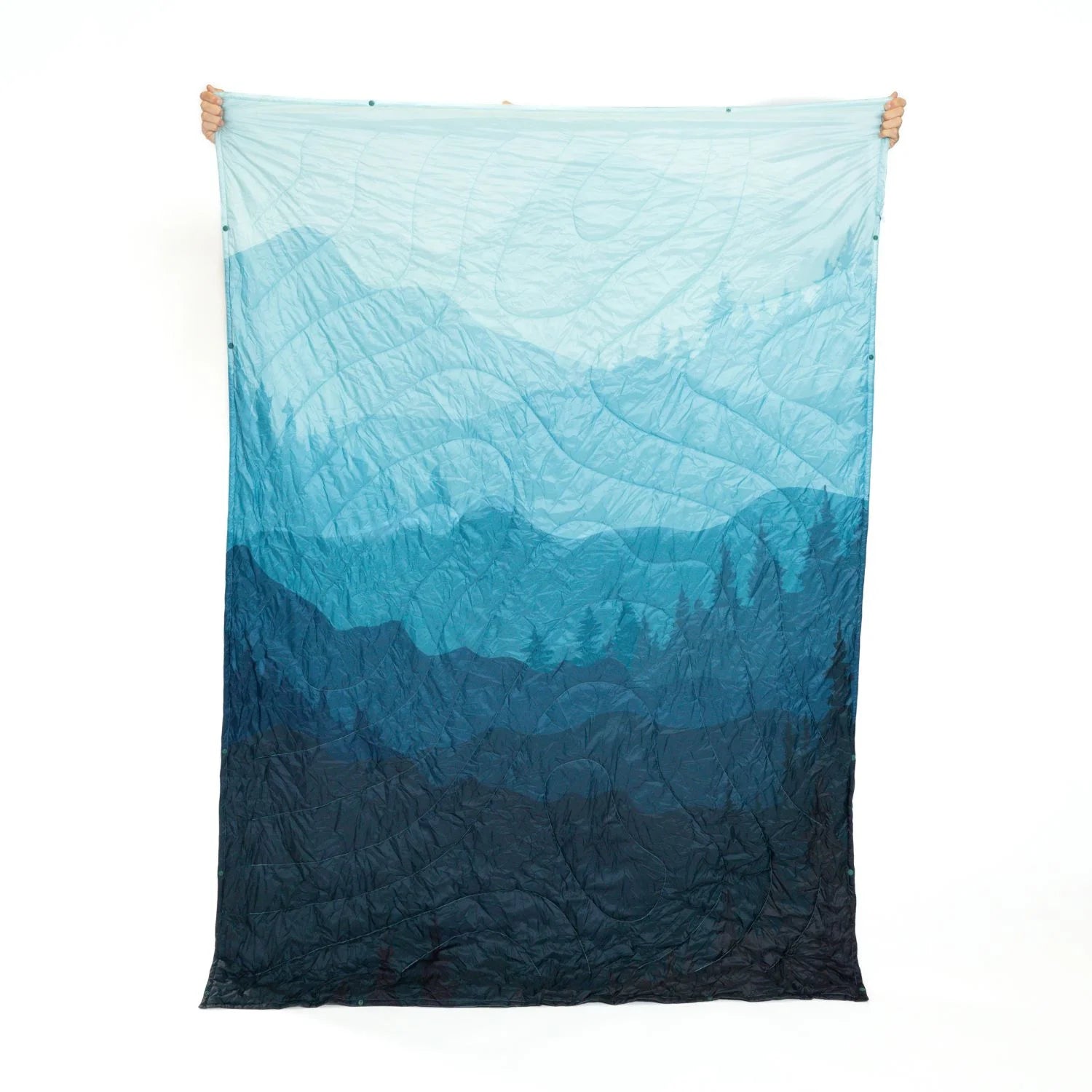
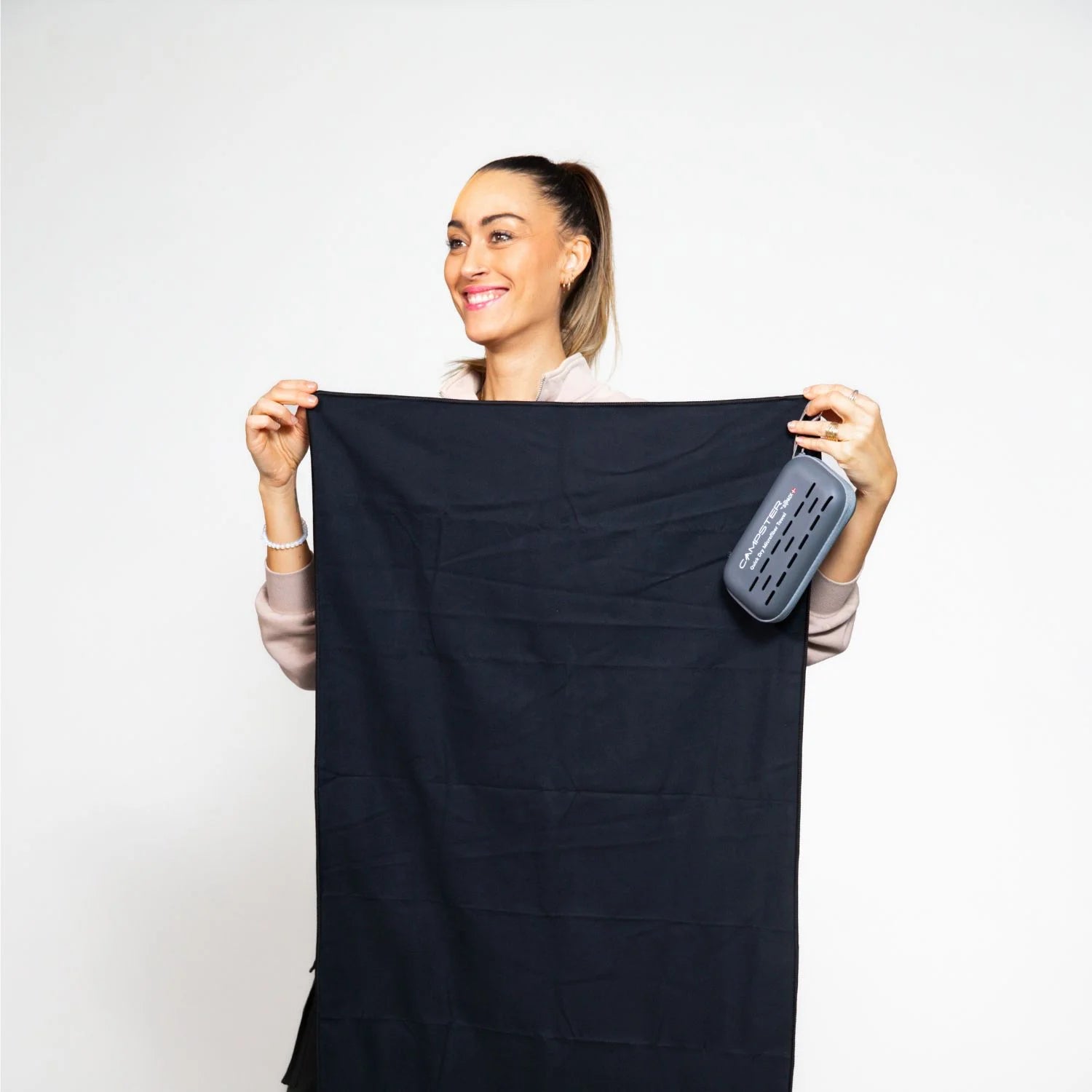


Danish Company

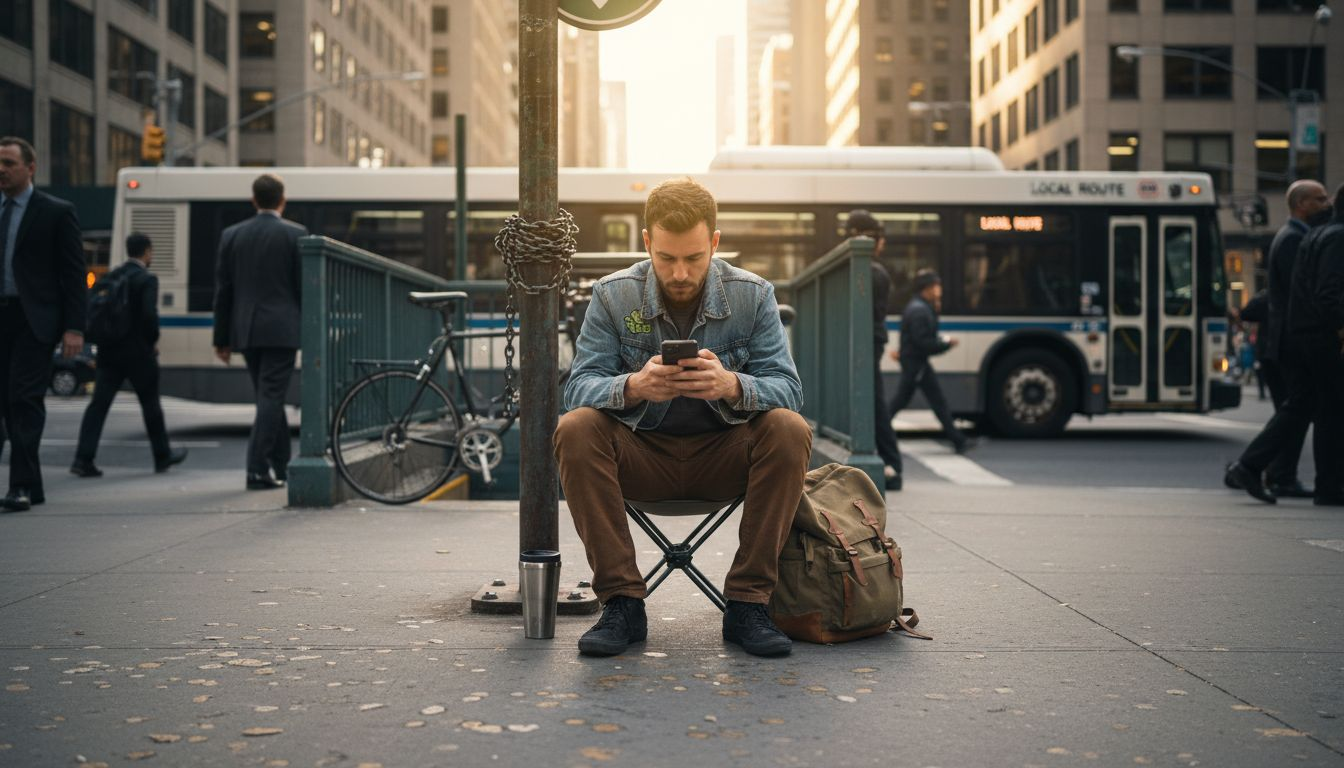
Most American urban dwellers spend over two hours each day in transit, yet few ever find a comfortable place to rest on the go. Whether living in New York, Paris, or Tokyo, the constant pace of city life makes portable seating far more than a simple convenience. Explore how new lightweight seating options provide welcome relief for anyone craving quick comfort during chaotic commutes, spontaneous park visits, or unplanned stops at public events.
| Point | Details |
|---|---|
| Portable Seating Enhances Flexibility | Lightweight, compact designs provide users with mobility and spontaneity in urban environments. |
| User-Centric Design is Key | Effective portable seating prioritizes quick setup and comfort for various urban scenarios. |
| Sustainability Matters | Choosing seating made from sustainable materials supports both personal comfort and environmental responsibility. |
| Portable vs. Fixed Seating | Portable seating offers greater adaptability and personalization compared to traditional fixed benches. |
Urban life demands flexible solutions that adapt to our constantly changing environments. Portable seating has emerged as a critical innovation for city dwellers seeking comfort and convenience in dynamic public spaces. Contemporary urban furniture trends reveal a growing preference for lightweight, compact seating options that enable spontaneous rest and social interaction.
The rise of portable seating reflects profound shifts in how modern urbanites experience public spaces. Unlike traditional fixed benches, these innovative solutions offer unprecedented mobility and versatility. Transformative urban design research demonstrates that quality portable seating can dramatically enhance outdoor experiences by supporting diverse activities and user needs.
Key characteristics of modern portable seating include:
The most effective portable seating solutions prioritize user experience through intelligent design. They understand that urban residents require quick, comfortable resting options during packed schedules—whether waiting for public transit, enjoying a quick lunch break, or attending outdoor events. Materials like high-grade aluminum and advanced synthetic fabrics now enable designs that are simultaneously robust and remarkably lightweight.
Pro Tip: When selecting a portable seat, prioritize models under 2 pounds with quick deployment mechanisms that take less than 5 seconds to set up.
Urban mobility demands diverse seating solutions that adapt to rapidly changing environments. Modern modular seating systems showcase the incredible range of portable options designed to meet city dwellers’ dynamic needs, transforming how we interact with public spaces.
Portable seating can be categorized into several strategic types, each serving unique urban scenarios:
Each category represents a sophisticated response to urban spatial challenges. Manufacturers now prioritize lightweight materials like carbon fiber, aluminum alloys, and high-performance synthetic fabrics that enable unprecedented portability without compromising structural integrity. These innovations reflect a broader understanding that urban residents require flexible, rapid-deploy seating solutions that integrate seamlessly with complex metropolitan lifestyles.
The evolution of portable seating demonstrates remarkable engineering creativity. From compact designs that compress into smartphone-sized packages to advanced materials enabling unprecedented strength-to-weight ratios, these solutions represent more than mere furniture—they are mobility enablers that reshape how city inhabitants experience public spaces.
Pro Tip: When selecting portable seating, prioritize models that weigh less than 3 pounds and can deploy in under 10 seconds for maximum urban versatility.
Portable urban seating represents a sophisticated engineering challenge, balancing multiple competing requirements simultaneously. Technical studies of portable seating design reveal three critical performance dimensions that define exceptional urban mobility solutions: weight, durability, and compactness.
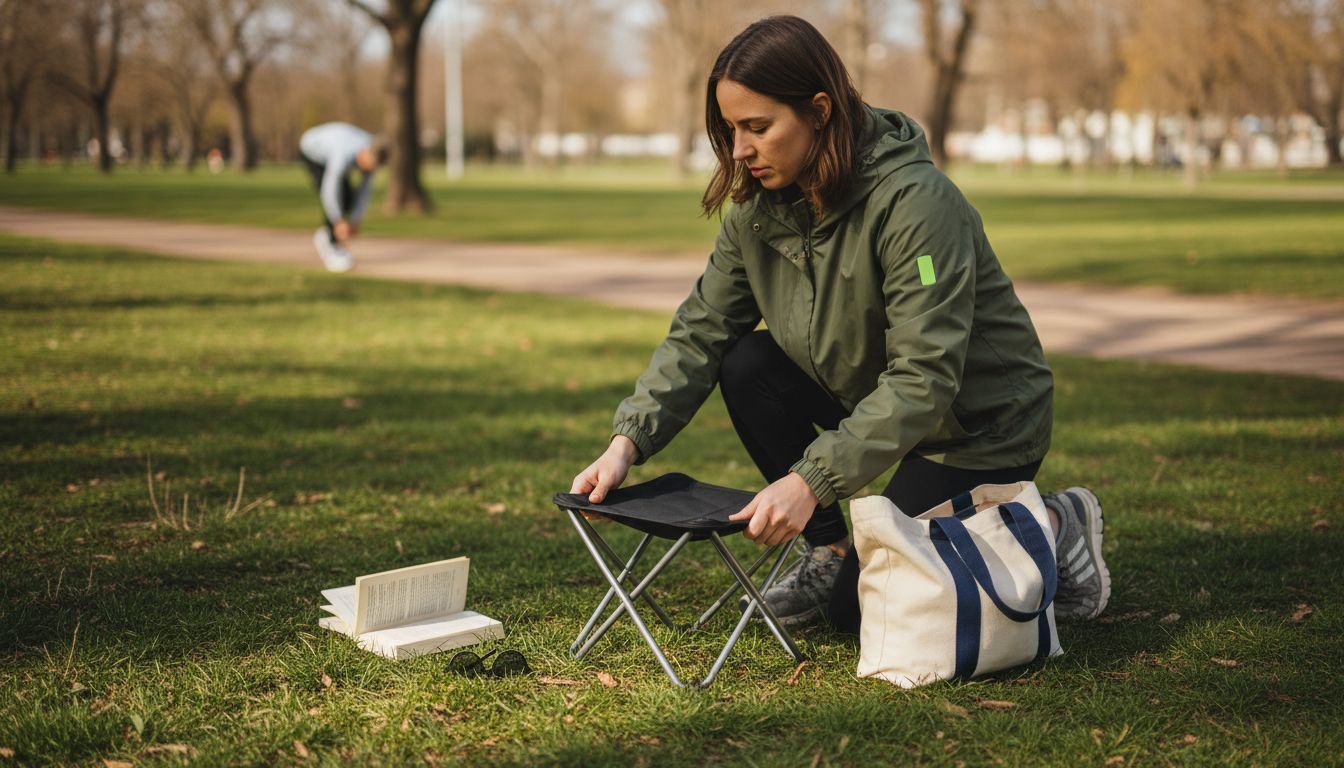
The lightweight criterion demands extreme material optimization. Modern portable seats typically range between 1-3 pounds, utilizing advanced materials like carbon fiber, aerospace-grade aluminum, and high-performance synthetic polymers. These materials provide remarkable strength-to-weight ratios, enabling urban users to carry seating solutions without physical strain.
Durability requirements for urban portable seating include:
Compactness represents the final critical dimension of portable urban seating. Exceptional designs now compress into packages smaller than a standard water bottle, allowing seamless integration with backpacks, messenger bags, and compact urban carrying systems. Advanced folding mechanisms transform these seats from full-sized chairs to pocket-sized accessories in mere seconds, representing a quantum leap in urban mobility design.
Engineers and designers continue pushing boundaries, creating seating solutions that challenge traditional assumptions about portability, comfort, and urban functionality. The most innovative products blur lines between furniture, personal equipment, and adaptive urban infrastructure.
Pro Tip: When evaluating portable seating, test the folding mechanism and weight distribution before purchasing to ensure smooth, effortless deployment.
Innovative portable seating solutions are transforming how urban residents navigate complex daily environments, addressing spontaneous mobility and comfort challenges across multiple scenarios. The modern city dweller requires flexible seating that adapts to rapidly changing urban landscapes and unpredictable daily rhythms.
Typical real-world use cases for portable urban seating include:
Urban design research highlights how portable seating has become an essential urban mobility tool. Professionals, students, and travelers increasingly rely on compact, lightweight solutions that provide instant comfort without compromising convenience. These seats bridge critical gaps in urban infrastructure, enabling users to create personalized rest zones in environments traditionally lacking comfortable seating options.
The psychological and practical benefits extend beyond mere physical comfort. Portable seating empowers urban residents to reclaim public spaces, transforming random street corners, transit platforms, and park edges into personal relaxation zones. By carrying their own seating solution, users gain unprecedented flexibility in navigating complex urban environments, reducing dependence on fixed infrastructure and increasing personal autonomy.
This table summarizes the practical urban benefits of portable seating:
| Benefit | Impact on Urban Living | Notable Effect |
|---|---|---|
| Enhanced Mobility | Quick setup in varied locations | Supports spontaneity |
| Personalization | Tailored comfort for individuals | Increases user satisfaction |
| Social Connectivity | Enables impromptu gatherings | Promotes interaction |
| Urban Autonomy | Reduces reliance on city furniture | Expands usage opportunities |
Pro Tip: Choose portable seating that weighs under 3 pounds and can deploy in less than 10 seconds to maximize urban mobility and spontaneity.
Public space research from UN-Habitat reveals the profound impact of innovative seating solutions on urban well-being. Portable seating transcends simple physical utility, emerging as a critical tool for enhancing mental health, social connectivity, and individual empowerment in complex urban environments.
Health benefits of portable urban seating are multifaceted:
Sustainable urban design research highlights the environmental advantages of portable seating. Lightweight, compact designs constructed from recycled or sustainable materials significantly reduce manufacturing carbon footprints compared to traditional fixed urban furniture. These solutions represent a minimal-impact approach to urban infrastructure, enabling cities to provide comfort without substantial resource consumption.
Social benefits emerge through portable seating’s unique ability to transform public spaces. By enabling spontaneous gatherings, reducing spatial barriers, and providing flexible social infrastructure, these compact seats become catalysts for unexpected human interactions. They democratize public spaces, allowing individuals to create momentary community zones in previously underutilized urban areas.
Pro Tip: Select portable seating made from sustainable materials to simultaneously support personal comfort and environmental responsibility.
Modular seating systems research reveals profound differences between traditional and portable urban seating solutions. While fixed public benches represent historical infrastructure approaches, portable seating emerges as a dynamic, user-centered alternative that radically transforms urban mobility and personal comfort.
Key comparative dimensions include:
Global urban design surveys highlight critical trade-offs between traditional and portable seating. Fixed infrastructure provides consistent, weatherproof options but lacks adaptability. Portable solutions, conversely, empower users with unprecedented spatial freedom, enabling spontaneous rest and social interaction across unpredictable urban landscapes.
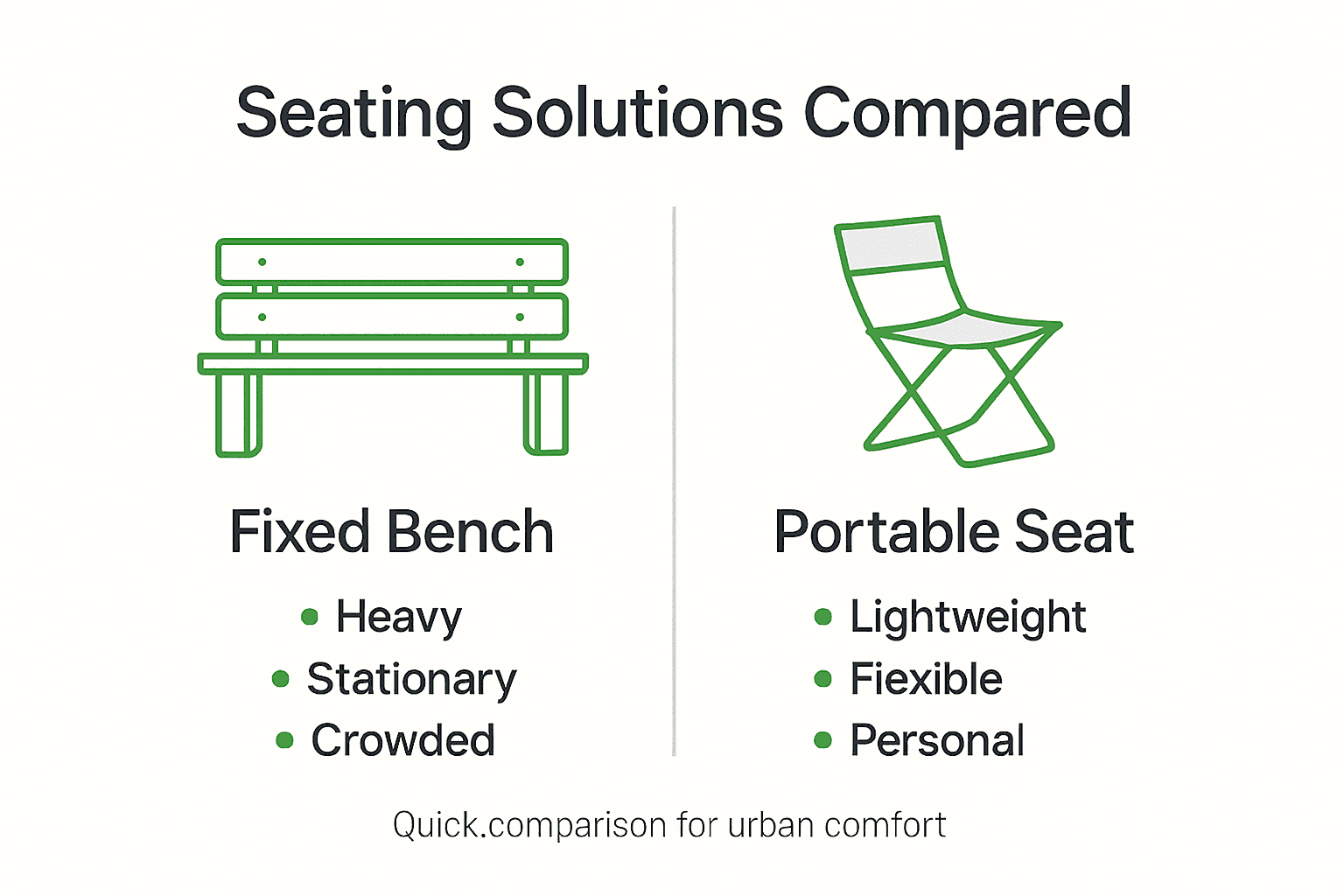
Here’s a comparison of traditional city benches and modern portable seating options:
| Dimension | Fixed Benches | Portable Seating |
|---|---|---|
| Installation Cost | High, public investment | Minimal, user-provided |
| Space Flexibility | Permanently located | Usable almost anywhere |
| Adaptability | One-size-fits-all design | Adjustable for individuals |
| Transportability | Stationary | Easily carried by users |
The most significant advancement lies in portable seating’s ability to democratize public space. Traditional benches impose rigid usage patterns, while portable options transform any urban surface into a potential resting zone. This paradigm shift represents more than a design innovation—it’s a fundamental reimagining of how city inhabitants interact with their environment, breaking down spatial barriers and creating fluid, user-driven urban experiences.
Pro Tip: Invest in portable seating that weighs under 3 pounds and offers quick, intuitive deployment to maximize urban mobility.
The urban challenge of finding quick, comfortable seating anywhere is real. This article highlights the critical need for lightweight, durable, and compact portable seating that fits modern city life. If you are tired of waiting on hard benches or standing during long commutes, portable options that deploy in seconds are your solution. Embrace freedom and flexibility with seating designed to support your spontaneous lifestyle while enhancing your comfort and mobility.
Explore innovative chairs like the Campster II or the Sitpack Zen that perfectly match these demands at Sitpack. Our products combine robust materials with minimalistic and ergonomic design for unmatched portability and user comfort. Don’t miss your chance to transform your urban experience today with fast international shipping and a 45-day satisfaction guarantee.
Start living on your terms by visiting Sitpack now and discover how portable seating can change your daily routine. Your perfect seat in the city is just a click away at Sitpack.
Portable seating enhances mobility, provides personalized comfort, encourages social connectivity, and supports users’ spontaneous resting needs in various urban scenarios.
Ideal portable seating should weigh under 3 pounds to ensure easy transport without physical strain, making it convenient for city dwellers on the move.
Modern portable seating often utilizes lightweight materials such as carbon fiber, aerospace-grade aluminum, and high-performance synthetic fabrics, which provide strength and durability while remaining portable.
Portable seating offers greater mobility and flexibility, allowing users to place it anywhere as needed, while traditional benches are stationary and limited in adaptability to individual preferences.