Cart
0
Sign up and get 10$ off your order
Expected delivery
1-3 days
You may also like


Danish Company

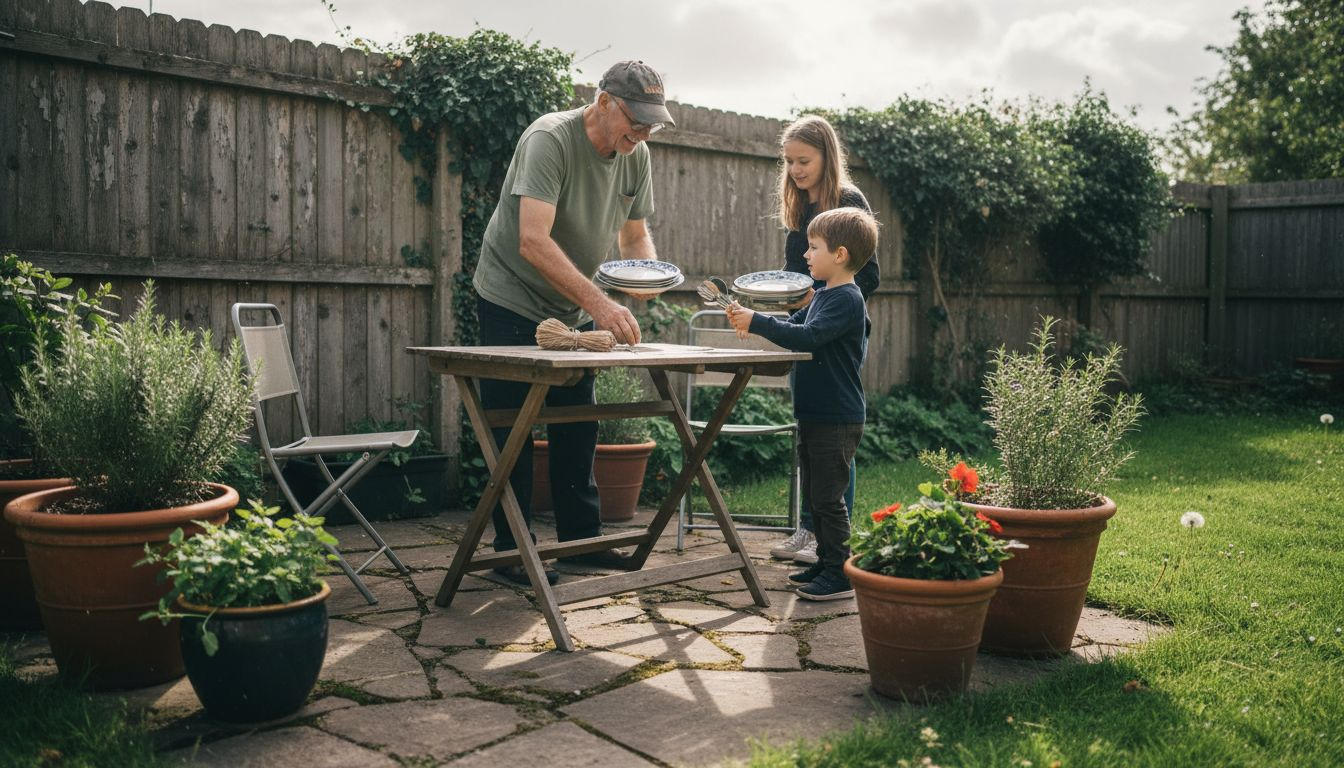
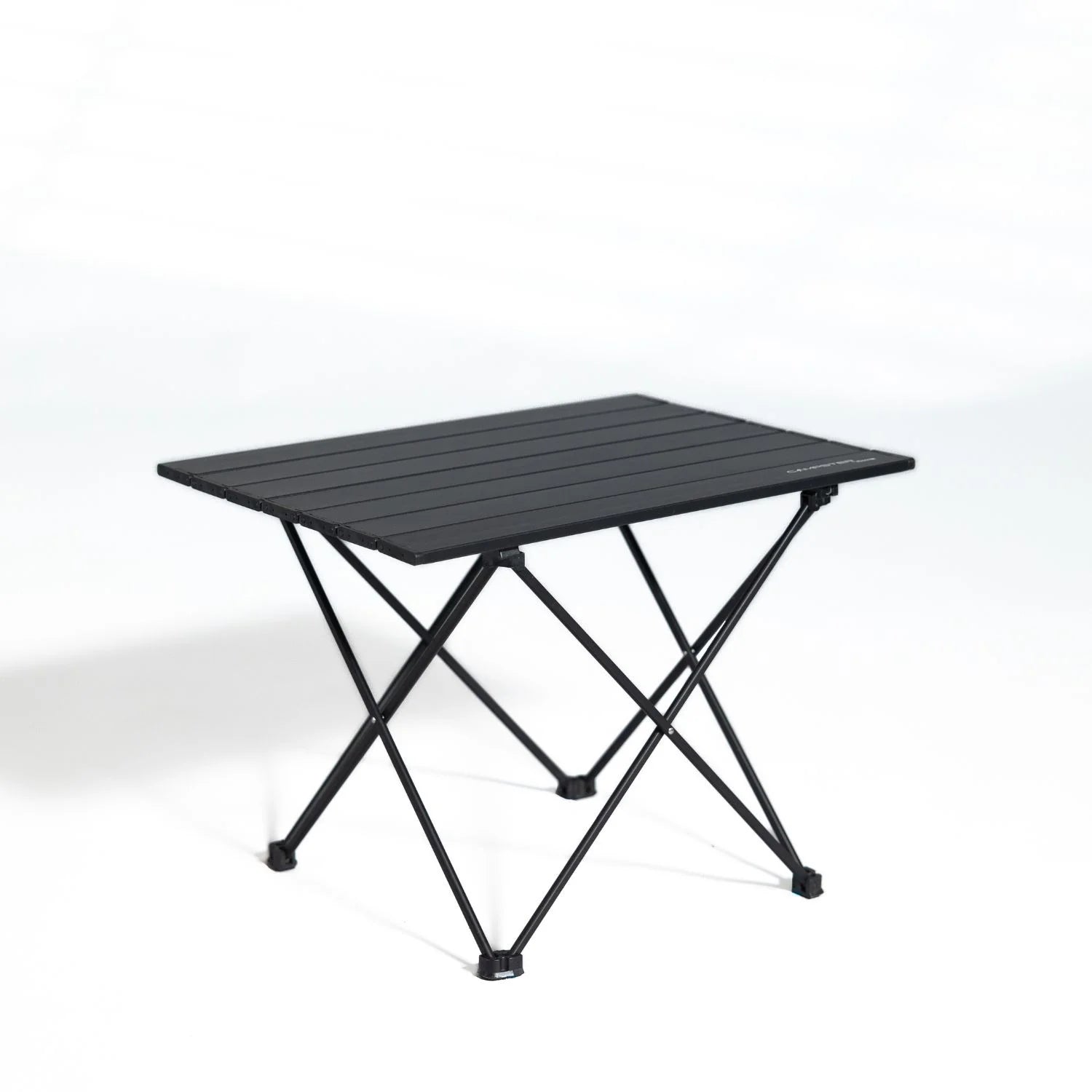
Choosing the right table when heading outdoors can feel overwhelming, especially with so many options promising portability and eco-friendly design. For European adventurers and city residents who value practical solutions, the appeal of lightweight, foldable tables is clear—some American innovations have pushed designs to weigh under 2 pounds, making transport a breeze. As sustainability becomes a top priority, this guide explains how modern foldable tables combine convenience with real environmental responsibility.
| Point | Details |
|---|---|
| Unique Design Features | Foldable tables utilize advanced mechanical principles and kinematic structures for portability and ease of use. |
| Diverse Applications | Various types of foldable tables cater to different outdoor activities, enhancing their utility for adventurers. |
| Sustainability Focus | Modern designs emphasize eco-friendly materials and sustainable practices, ensuring minimal environmental impact. |
| Comparative Advantages | Foldable tables are lighter and more versatile compared to traditional options, accommodating a broader range of outdoor settings. |
Foldable tables represent an ingenious intersection of engineering design and practical utility, transforming how outdoor enthusiasts approach portable furniture. Unlike traditional rigid tables, these innovative surfaces leverage sophisticated mechanical principles to collapse into compact configurations. Advanced origami-inspired folding mechanisms enable remarkable transformations that challenge our conventional understanding of furniture design.
The core distinguishing feature of a foldable table lies in its kinematic structure - a complex system of interconnected joints and panels that allow controlled, precise movement. Researchers investigating rigid foldability patterns have discovered that strategic crease assignments and angle relationships determine a table’s ability to seamlessly transition between expanded and collapsed states. These mechanisms typically involve precise engineering that considers:
Modern foldable tables go beyond mere collapsibility, incorporating intelligent design elements that enhance portability and functionality. Some advanced models feature integrated locking mechanisms, lightweight materials like aluminum or carbon fiber, and ergonomic considerations that make setup and breakdown almost effortless. The result is a piece of furniture that adapts to your environment, whether you’re camping in the wilderness, hosting a picnic in a city park, or creating temporary workspace during outdoor adventures.
Pro Tip - Mechanism Mastery: Before purchasing a foldable table, test its folding mechanism in person to ensure smooth, intuitive operation and verify that the locking points feel secure and reliable.
Outdoor enthusiasts have an exciting range of foldable table options designed to meet diverse recreational needs. Traditional picnic table designs have evolved dramatically, offering portable solutions that cater to different environments and activities. From compact camping tables to expansive group dining surfaces, these innovative furniture pieces transform how we experience outdoor living.
The primary categories of foldable tables include:
Folding table engineering has advanced significantly, with modern designs incorporating smart features like weather-resistant materials, integrated storage compartments, and quick-deploy mechanisms. These tables are not just about portability but also durability and adaptability. Materials range from lightweight aluminum and reinforced polymers to sustainable bamboo composites, each offering unique advantages for different outdoor scenarios.

The latest generation of foldable tables goes beyond basic functionality, integrating ergonomic design principles and advanced material science. Some models feature built-in leveling mechanisms for uneven terrain, wind-resistant designs, and modular components that allow users to customize their outdoor dining or workspace experience.
Here’s how major types of foldable outdoor tables meet different activity needs:
| Table Type | Best For | Typical Material | Main Advantage |
|---|---|---|---|
| Camping Table | Car camping, group dining | Aluminum or bamboo | Lightweight and stable |
| Backpacking Table | Hiking, solo trekkers | Carbon fiber or alloy | Ultra-compact, sub-2 pounds |
| Portable Picnic Table | Park outings, families | Polymers, wood | Built-in seating, larger size |
| Multi-Function Table | Versatile, mixed activities | Mixed composites | Height/surface adjustment |
Pro Tip - Material Matching: Always match your foldable table material to your specific outdoor environment, considering factors like temperature fluctuations, moisture exposure, and potential mechanical stress.
Portability stands as the cornerstone of outdoor foldable tables, transforming how adventurers and outdoor enthusiasts approach mobile furniture. Innovative design research has continuously pushed the boundaries of what lightweight, compact tables can achieve, focusing on creating solutions that minimize bulk while maximizing functionality. The ideal foldable table must strike a delicate balance between structural integrity and minimal weight, ensuring users can easily transport their outdoor workspace or dining surface.
The critical characteristics that define a superior portable table include:
Modern foldable tables have evolved far beyond simple collapsible surfaces. Advanced engineering now incorporates intelligent design elements that address multiple user needs. Mechanisms like quick-release joints, integrated locking systems, and ergonomic folding patterns have revolutionized how these tables function. Some high-end models feature adjustable heights, multiple surface configurations, and integrated storage compartments that maximize utility without compromising portability.
The science of portability extends beyond mere weight reduction. Engineers now consider factors like material density, structural stress distribution, and environmental adaptability when designing outdoor tables. Aluminum alloys, carbon fiber composites, and advanced polymers enable manufacturers to create tables that are simultaneously lightweight, durable, and resistant to various outdoor conditions. The goal is creating a table that feels almost weightless during transport but transforms into a robust, stable surface within moments of deployment.
Pro Tip - Weight Distribution: Always test a foldable table’s weight distribution before purchasing, ensuring the design provides stability across different terrains and loading conditions.
The evolution of foldable tables has become intrinsically linked with environmental consciousness, with manufacturers increasingly prioritizing sustainable design principles. Innovative research exploring sustainable materials has demonstrated that eco-friendly furniture can be both functionally superior and environmentally responsible. From rubberwood to recycled composites, the materials revolution is transforming how outdoor enthusiasts approach portable furniture.
The primary sustainable materials driving modern foldable table design include:
Contemporary furniture design now emphasizes a holistic approach to sustainability, considering not just material selection but also entire lifecycle environmental impact. Manufacturers are implementing circular economy principles, designing tables that can be easily repaired, recycled, or biodegraded at the end of their useful life. Advanced manufacturing techniques now enable the creation of lightweight, durable tables that dramatically reduce carbon footprint compared to traditional manufacturing methods.
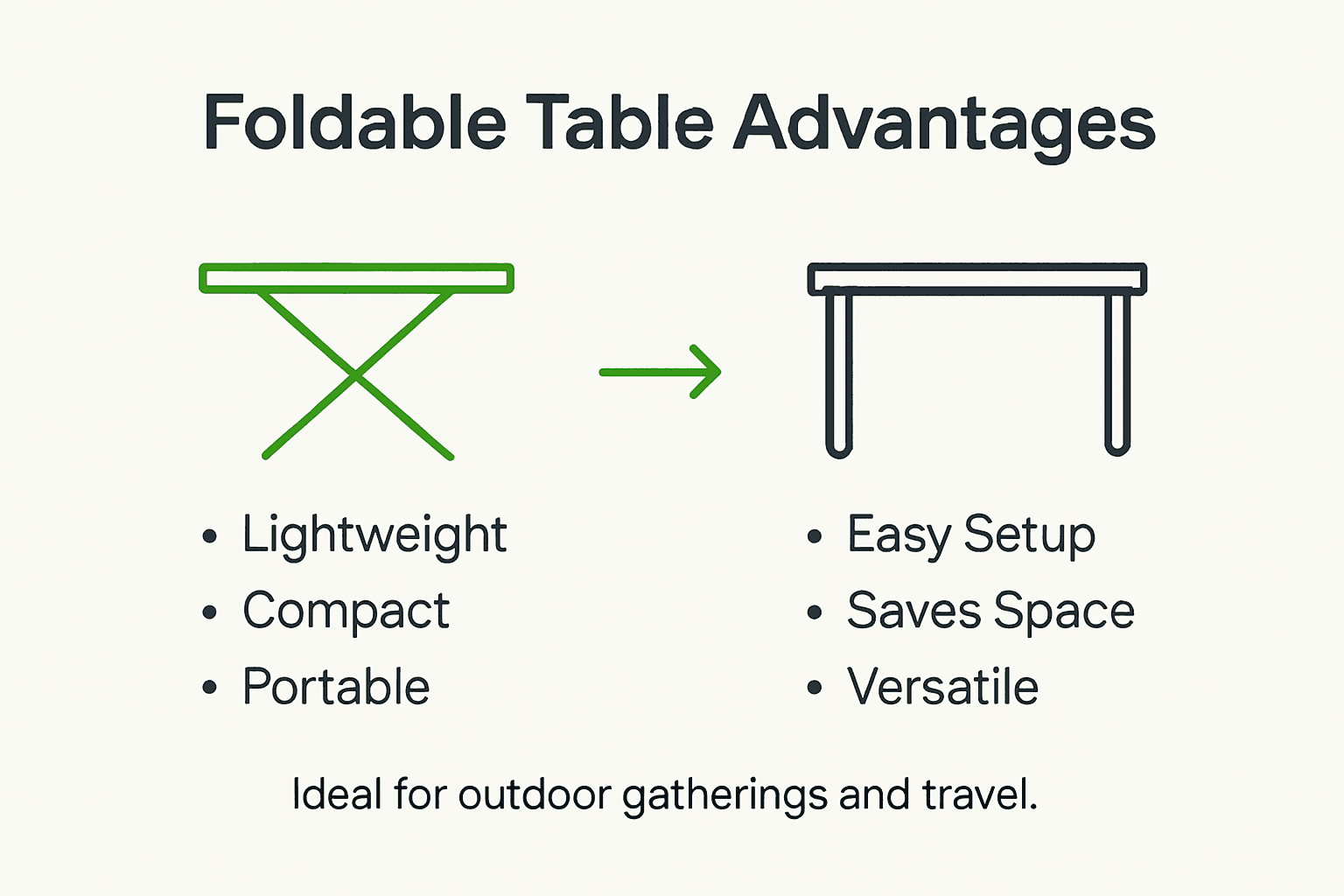
Beyond material selection, sustainable foldable tables are increasingly incorporating innovative design strategies that extend product lifespan and minimize environmental impact. This includes modular construction allowing component replacement, weather-resistant treatments that prevent premature degradation, and engineering that prioritizes longevity over disposability. The goal is creating outdoor furniture that not only serves immediate user needs but also contributes to broader environmental conservation efforts.
This summary highlights key sustainability features in modern foldable tables:
| Eco-Friendly Material | Environmental Benefit | Longevity Feature |
|---|---|---|
| Recycled Aluminum | Cuts energy use and mining impact | Corrosion-resistant frames |
| Bamboo Composite | Fast renewable resource | Naturally strong and dense |
| Reclaimed Wood | Reduces waste and deforestation | Durable with treatments |
| Bio-Based Polymer | Sourced from renewable crops | Biodegradable options |
Pro Tip - Material Investigation: Always research the complete manufacturing process and material sourcing when selecting an eco-friendly foldable table, as true sustainability extends far beyond initial material selection.
The landscape of outdoor furniture has undergone a remarkable transformation, with innovative design research challenging traditional perceptions of tables and their functionality. Unlike static, heavy wooden tables that remain fixed in one location, foldable tables represent a paradigm shift in how we conceptualize portable furniture. The key differences extend far beyond mere convenience, touching on aspects of versatility, storage efficiency, and adaptability to diverse environments.
Key comparative characteristics include:
Comprehensive research comparing table designs reveals that modern foldable tables are not just lightweight alternatives but sophisticated engineering solutions. Traditional tables typically demand permanent placement, require significant physical effort to move, and often limit user experience to a single location. In contrast, foldable tables offer unprecedented flexibility, allowing users to transform their outdoor spaces instantaneously. Materials like aluminum, advanced composites, and sustainable woods enable these tables to match or exceed the durability of traditional furniture while providing unparalleled mobility.
The evolution of foldable tables represents more than a mere design trend. It reflects a broader cultural shift towards mobility, minimalism, and adaptive living spaces. Where traditional tables were once symbols of permanence, foldable tables embody the modern ethos of flexibility and on-demand functionality. Engineers and designers have systematically addressed historical limitations, creating products that challenge preconceived notions about outdoor furniture’s potential. From compact camping setups to urban balcony environments, these tables demonstrate remarkable versatility across different contexts.
Pro Tip - Functionality Assessment: Always test a foldable table’s stability and weight capacity before purchasing, ensuring it meets your specific outdoor usage requirements.
Outdoor living demands furniture that adapts effortlessly to your lifestyle. As highlighted in the article, foldable tables solve key challenges like portability, quick setup, and durability while fitting seamlessly into diverse environments. If you value lightweight design and eco-friendly materials that stand up to rugged terrain and unpredictable weather, exploring innovative portable options is essential.
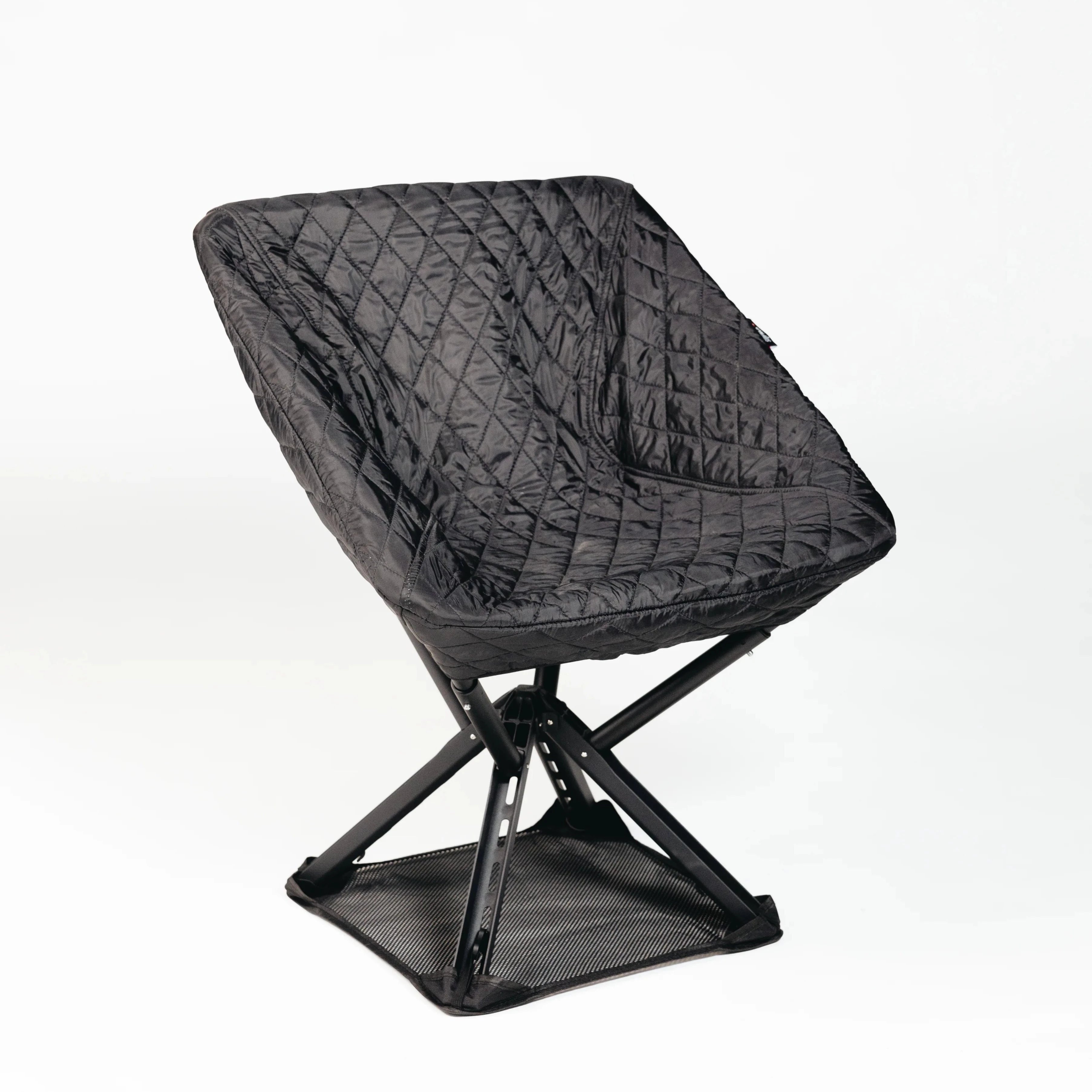
At Sitpack, we understand the importance of combining compactness with comfort and reliability. Our range features foldable seating and accessories engineered for stability and ease, perfect for complementing your outdoor foldable table. Whether you are camping, picnicking, or exploring urban spaces, our award-winning Campster II and Sitpack Zen adapt to your needs while prioritizing sustainability.
Take control of your outdoor setup today. Visit Sitpack to discover lightweight, durable, and user-focused foldable seating solutions and accessories designed to carry you through every adventure. Act now to enjoy fast shipping, a 45-day satisfaction guarantee, and products built for the modern outdoor enthusiast.
Foldable tables offer portability, lightweight design, compact storage, and versatility. They can be easily transported and set up in various outdoor settings, making them ideal for camping, picnics, and other recreational activities.
Foldable tables are generally lighter, more portable, and easier to store than traditional tables. They can collapse into compact sizes, making them convenient for outdoor use, while traditional tables often require permanent placement and are bulkier.
Modern foldable tables are typically made from lightweight materials such as aluminum, carbon fiber, and recycled composites. These materials provide durability while reducing weight for easier portability.
Yes, many foldable tables are designed with durability in mind, incorporating weather-resistant materials and structural integrity features that allow them to withstand various outdoor conditions while maintaining stability.