Cart
0
Sign up and get 10$ off your order
Expected delivery
1-3 days
You may also like


Danish Company

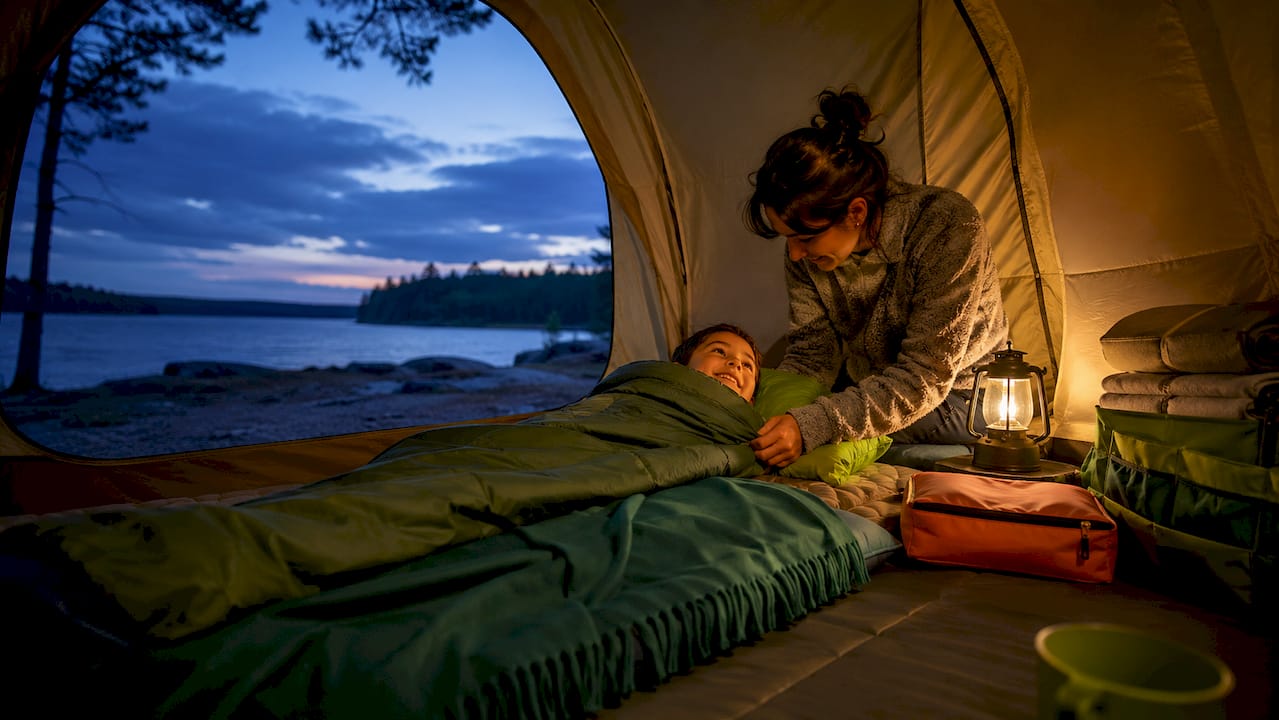
The non-negotiables are simple: a tent sized up from your headcount, one full sleep system per person, a working cook setup with real food safety habits, pediatric first-aid, and a headlamp for everyone. Get those five categories right and the rest of your gear is just comfort layering. This guide breaks all of it down by category and age, with a printable checklist you can actually use, drawing on standards like the NPS Ten Essentials and REI’s field-tested packing structure, plus a few opinions on comfort gear from Sitpack’s own gear obsessives.
TL;DR:
- Choosing a tent at least two sizes larger than your family ensures enough space for gear, comfort, and easy movement during late-night bathroom trips.
- A second cooler dedicated to perishable food and proper packing methods can significantly reduce spoilage and foodborne illness risks.
- Kids’ sleep ratings should include a buffer of 10 to 15 degrees due to their faster heat loss, and age-appropriate pads enhance comfort and safety.
- Investing in a high-quality, compact camp chair with good support and insulation offers the greatest comfort payoff for busy parents during long camping hours.
- Prioritizing sleep systems and seating over additional gear maximizes trip comfort and patience, making small, deliberate upgrades more effective than overpacking.
Print this, tape it to the fridge, check it twice. It’s organized the way REI structures its own family camping checklist: by function, not by “stuff we might need.”
Shelter
Sleep systems
Camp kitchen
Lighting and power
Safety and documents
Kids-specific gear
Organization
Tent labels lie a little. A “4-person tent” fits four sleeping bags shoulder to shoulder with zero room for bags, shoes, or a nightlight. The fix is simple: buy one size up from your actual headcount. A family of four should be shopping for a 6-person tent, not because you need the floor space for people, but because you need it for gear, wiggle room, and the inevitable 2 a.m. shuffle when someone needs the bathroom.
Sleeping bag temperature ratings need a buffer too. Kids lose body heat faster than adults do, so a bag rated for 30°F performs more like a 40°F bag on a small child. Tent Explorer’s family camping checklist recommends adding a sleeping bag liner, which can boost warmth by 5 to 15 degrees Fahrenheit without the bulk of hauling a second, heavier bag. That’s a smarter trade than buying an expedition-grade bag your kid will outgrow in a year.
Pad choice matters as much as the bag. Here’s how the three main options stack up for family use:
For infants, skip the adult gear entirely. A compact pack-and-play with a fitted sheet solves sleep, and a wearable sleep sack keeps a baby warm without the suffocation risk of loose blankets. Toddlers who’ve graduated from a crib often do fine in a kid-sized mummy bag paired with a wearable sack for extra warmth on cold nights.
Pro Tip: Pack your tent’s ventilation in mind if you’re running a stove anywhere near the vestibule. Never light a stove inside a tent body, even with the rainfly cracked, but a tent with good cross-ventilation keeps condensation off your sleeping bags by morning.
Round out the shelter kit with a gear loft (those mesh pockets that hang from the ceiling) to keep headlamps and glasses off the tent floor where feet find them at 3 a.m.
A two-burner stove beats a single burner for any family of three or more, mostly because it lets you cook rice while searing dinner instead of doing everything sequentially while hungry kids circle the picnic table. Budget one extra fuel canister beyond what the math says you need. Weather, altitude, and simmering pasta water all burn through fuel faster than the manufacturer’s estimate.
Cooler strategy is where most families lose the plot, and it’s also where the food safety numbers get serious. The USDA’s guidance on packing coolers is blunt: perishable food shouldn’t sit out for more than a couple of hours, and that window is shorter once temperatures are very high. Every time someone opens the cooler for a drink, warm air enters and the temperature inside rises.
The two-hour rule: Perishable food left unrefrigerated for more than two hours (or one hour above 90°F) enters the danger zone for bacterial growth, according to the USDA.
The practical fix is running two coolers instead of one. Keep raw meat, dairy, and anything that spoils in a dedicated food cooler that stays closed except at meal prep. Put drinks, snacks, and anything kids grab constantly in a second cooler. This isn’t overkill. It’s the single easiest change that keeps your food cooler cold for the full trip instead of warming up by lunch on day two.
A few habits stretch that cold air further:
On water: plan for one gallon per person per day, covering drinking, cooking, and basic cleanup. If your site doesn’t have a reliable potable source, check its listing on Recreation before you leave, since campground amenities vary wildly between a fully serviced state park and a backcountry site with no hookups at all. A simple pump or gravity filter closes the gap if you’re unsure about tap quality.
Storage matters beyond temperature, too. Sealed, animal-proof containers aren’t optional in bear country, and even in tamer terrain, raccoons and squirrels will absolutely ransack an unsecured food bin. Check your specific site’s rules on food storage lockers and firewood before you go; some parks restrict bringing in outside firewood to prevent invasive pests, a detail Leave No Trace’s firewood guidance covers in more depth.
Camping weather doesn’t respect the forecast, so layering beats any single “camping outfit.” The three-layer system works for kids the same way it works for adults, just scaled down: a moisture-wicking base layer against the skin, a fleece or puffy mid-layer for warmth, and a waterproof shell on top that blocks wind and rain.
Footwear needs its own short list. Closed-toe hiking shoes or sturdy sneakers handle trails and rocky ground; sandals or flip-flops are for showers and lounging around camp, not hiking. If rain is even a possibility, pack a pair of waterproof boots for each kid. Wet feet turn a fun weekend into a miserable one fast, especially for kids too young to voice the problem before they’re already cranky.
Extras worth the pack space:
That color-coding trick sounds small, but it’s the difference between a calm morning and a tent explosion of loose socks. Assign each kid a color before you even start packing, and stick to it every trip.
Pack a first-aid kit built for the ages you’re bringing, not a generic drugstore box. That means kid-dosed pain and fever medication (check the label against your child’s weight, not just their age), adhesive bandages in fun sizes that actually get used, antihistamine for stings, and a tick removal tool, since ticks show up in grass and brush more often than most parents expect.
Firewood rules deserve a second look too. Many parks restrict bringing wood from outside the region to stop the spread of invasive insects, and Leave No Trace’s firewood guidance recommends buying certified, heat-treated wood locally or gathering only where explicitly permitted. Check your specific site’s rules through its listing before assuming you can just grab fallen branches.
Not every kid needs the same gear, and packing as if they do is how a car ends up overloaded with toys nobody touches. Sorting your list by age tier, an approach Tent Explorer’s checklist framework also uses, keeps you from either overpacking for the baby or forgetting something a teenager actually cares about.
Infants (0 to 12 months)
Toddlers (1 to 3 years)
School-age (4 to 10 years)
Teens (11 and up)
Pro Tip: Give each age group one job that’s genuinely theirs. Toddlers can “help” gather kindling under supervision, school-age kids can be in charge of headlamp checks each night, and teens can run the campfire. Ownership cuts down on boredom-driven meltdowns more than any toy will.
For entertainment that doesn’t require hauling extra gear, a simple planning checklist like the one from Dreamscape Kids Entertainment can help you line up low-effort activities in advance, from scavenger hunts to card games that pack flat in a daypack.
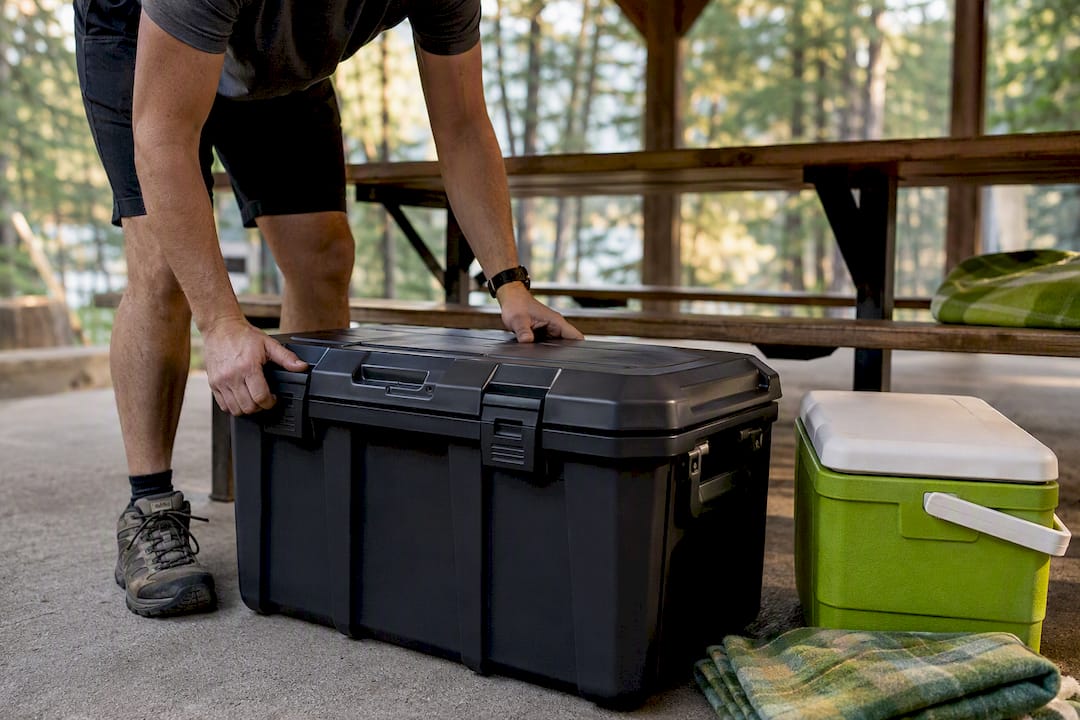
Storage tubs do double duty at a good campsite. A sturdy plastic bin with a lid keeps gear dry and organized in the car, then flips over to become extra seating around the fire once you’ve unpacked. Label each tub by category (kitchen, sleep, kids) or by child if you’ve got multiple kids with their own gear, so nobody’s rifling through three bins looking for one missing shoe.
This system sounds like overkill for a weekend trip, but it’s the difference between arriving relaxed and arriving frazzled after realizing the marshmallows got left on the kitchen counter.
Most packing lists treat seating as an afterthought, something you grab off a shelf without much thought. That’s a mistake, and it’s one Outside Online’s family camping gear guide backs up when it names sleep disruption and poor camp setup as the biggest pain points families report. Comfort upgrades, whether that’s a better mattress or better seating, deliver an outsized return on a small amount of extra pack space.
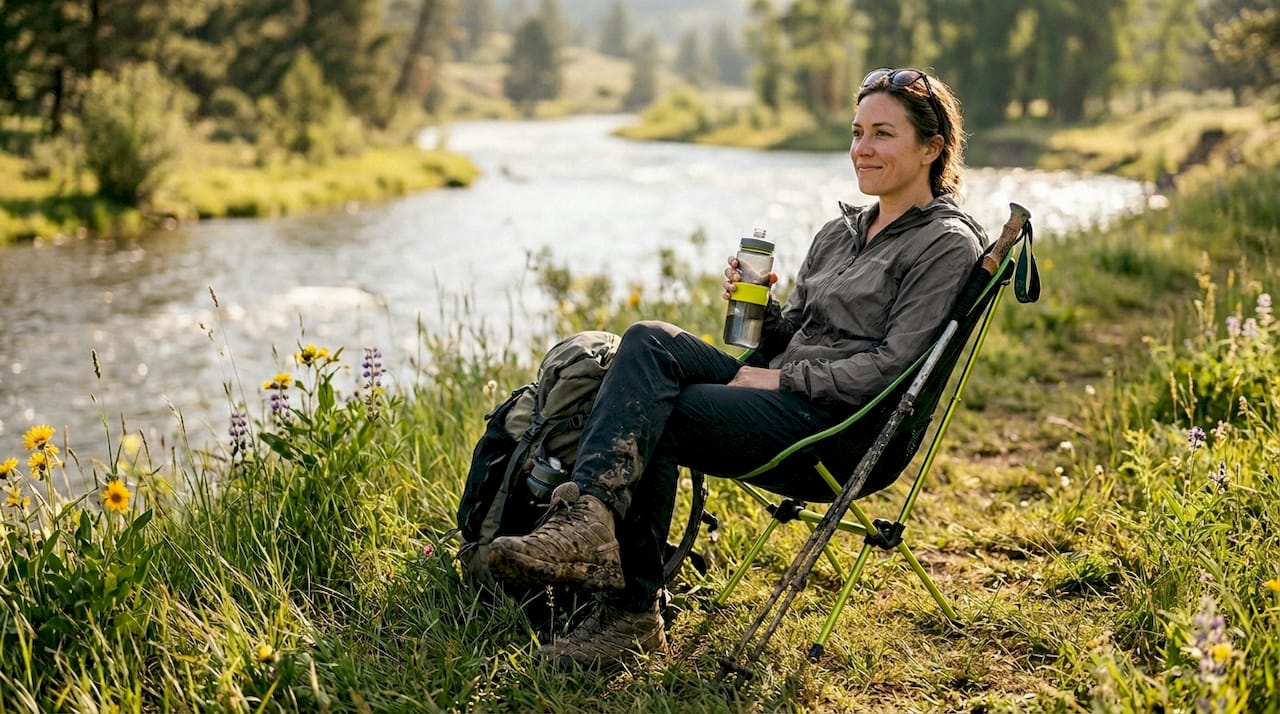
Think about how many hours a parent actually spends sitting at camp: breakfast, the long stretch after kids go down, meal prep, campfire wind-down. A chair with real lumbar support and some insulation from cold ground changes how you feel by the third day of a trip, in a way a flimsy folding chair never will.
What to look for in family camping seating:
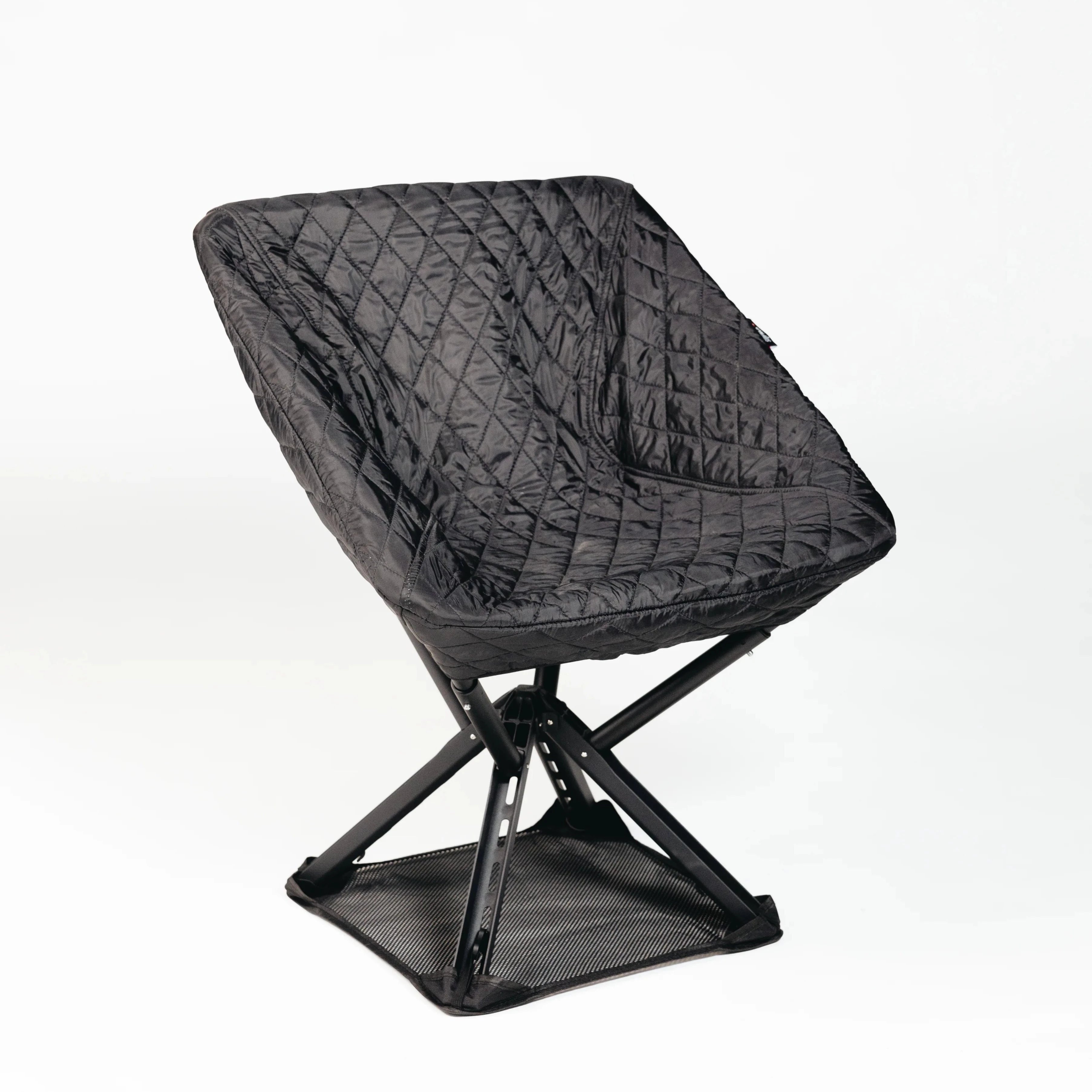
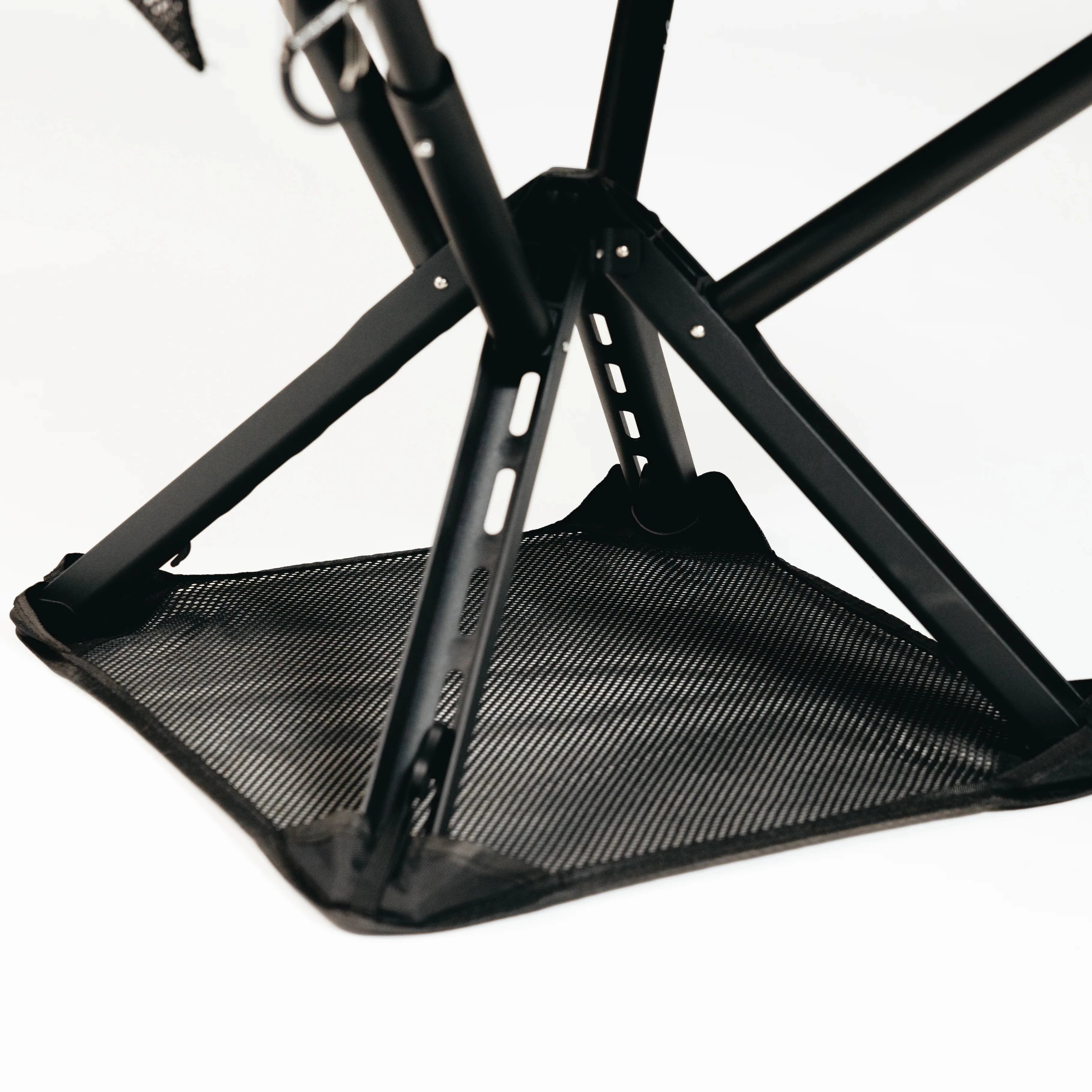
Sitpack builds around exactly this trade-off, with compact folding stools and chairs like the Campster II designed to pack down small without sacrificing back support, plus accessories like seat warmers and thermal blankets that turn a cold picnic table morning into a genuinely comfortable one. If you’re weighing options, Sitpack’s own outdoor seating buying guide walks through the pack size and durability factors that matter most for family trips, and the brand backs its gear with a lifetime warranty and a 45-day satisfaction guarantee.
Pro Tip: Buy one upgraded chair before you buy a second cheap one. A single genuinely comfortable seat for whichever parent handles the most camp cooking and cleanup pays off more than two mediocre chairs split between adults.
If you print nothing else from this guide, print this list. It’s the floor, not the ceiling, and every item on it has already been covered in more depth above.
A simple timeline keeps that list from turning into a last-minute scramble:
| Timeframe | What to do |
|---|---|
| — | Check the weather, confirm site reservation and rules on Recreation.gov, charge devices |
| 24 hours out | Pack clothing, pre-chop food, load non-perishables |
| Morning of | Load coolers last, pack the grab-and-go bag, do a full walk-through of the house |
| Day-of departure | Confirm gas tank, snacks for the drive, and the grab-and-go bag is within reach |
Shorter trips let you trim the list; a one-night stay doesn’t need the same food buffer as a five-day trip. Longer trips and younger kids both push you toward more redundancy, especially in diapers, medication, and extra clothing layers.
Most gear guides treat every item on a checklist as equally important, and that’s the wrong way to think about packing for kids. Sleep and seating are where families see the biggest return on a small investment, and it’s not close. A better pad or an actual sleep system swap for a cranky toddler changes the whole trip, while a fancier cook set barely registers next to a warm, well-rested kid.
I’ve watched the seating question get dismissed the most, and it shouldn’t be. Parents pack elaborate kitchen setups and then sit on a $15 folding chair that puts their back out by day two, at exactly the moment they need to be patient with an overtired six-year-old. A genuinely comfortable seat with some ground insulation is one of the cheapest upgrades relative to how much it changes your mood at camp, which trickles down to how much patience you have left for everyone else.
The gap most first-timers hit isn’t gear volume, it’s gear priority. You don’t need more stuff. You need the right five or six things (sleep system, food safety, first-aid, lighting, and a chair that doesn’t wreck your back) to actually be good, and everything else can be basic. Sitpack’s own blog on accessories that elevate camping trips digs into this same idea: small, well-chosen comfort items outperform a mountain of gear you never quite need.
— Jonas
Everything on this checklist points to one conclusion: the gear that actually gets used every single hour of a family camping trip is a good chair, and it’s the item most families buy last and cheapest. Sitpack flips that priority. The Campster II and Sitpack Zen fold down small enough to fit in a daypack pocket, so you’re not trading trunk space for back support, and the seat warmer and thermal blanket accessories solve the cold-ground problem that ruins otherwise great mornings.
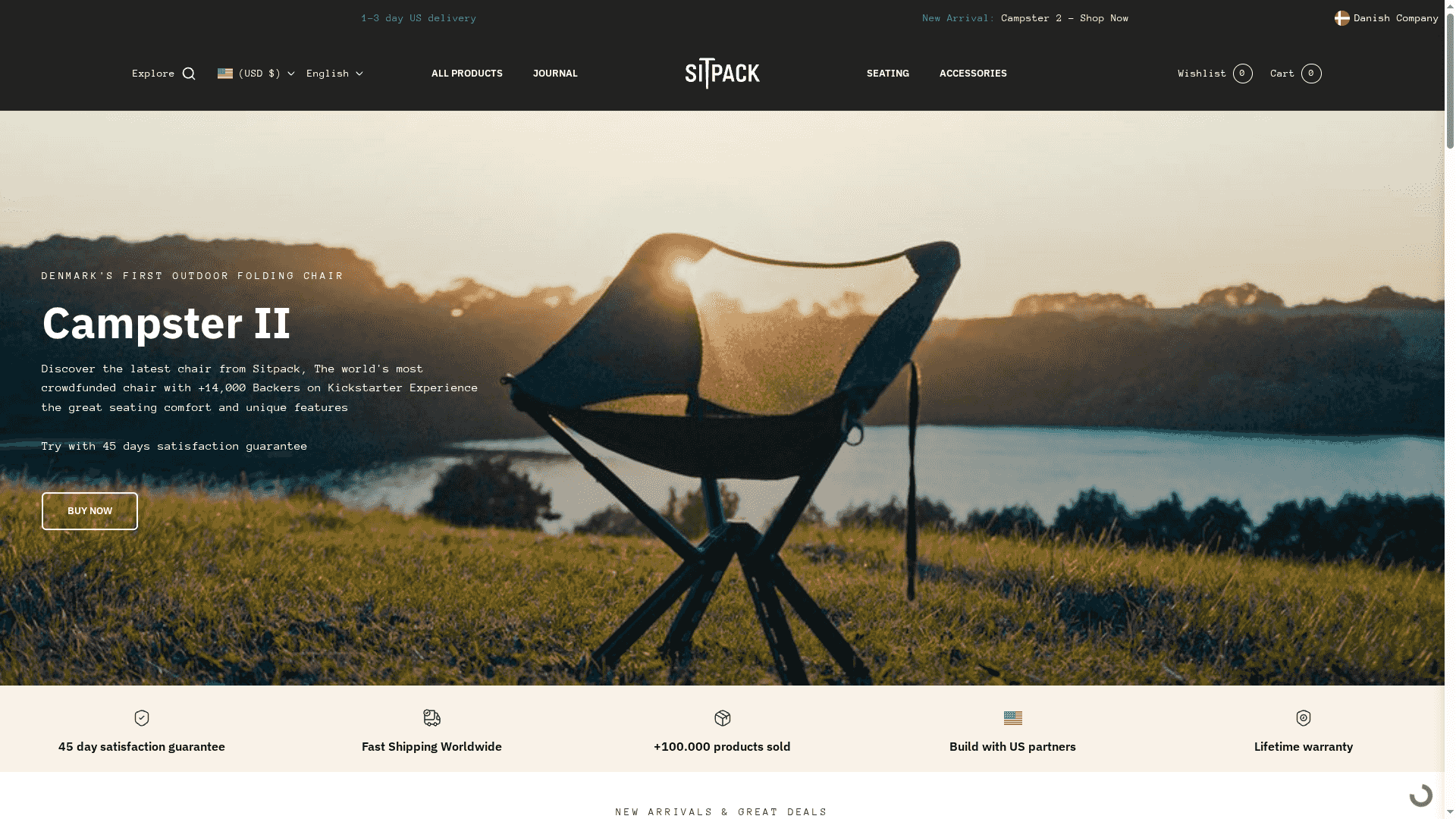
Every Sitpack order ships with a 45-day satisfaction guarantee and a lifetime warranty, so testing a chair on your next trip isn’t a gamble on gear you’re stuck with if it doesn’t fit your family’s setup. If seating has been the weak link in your camping must-haves, browse the full lineup at Sitpack and pick the size that matches how you actually camp, whether that’s fast weekend trips or longer stretches at a full-service campground.