Cart
0
Sign up and get 10$ off your order
Expected delivery
1-3 days
You may also like
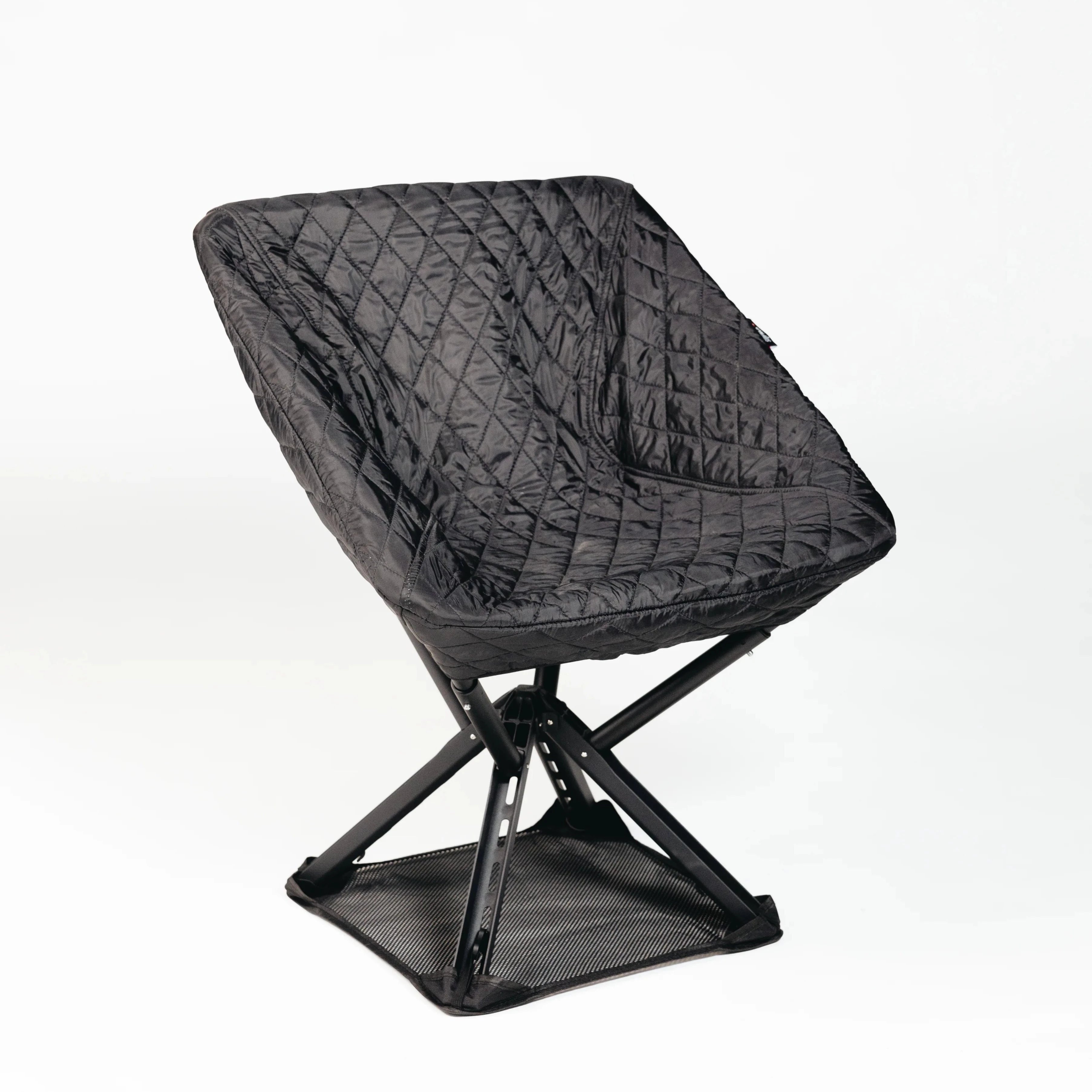
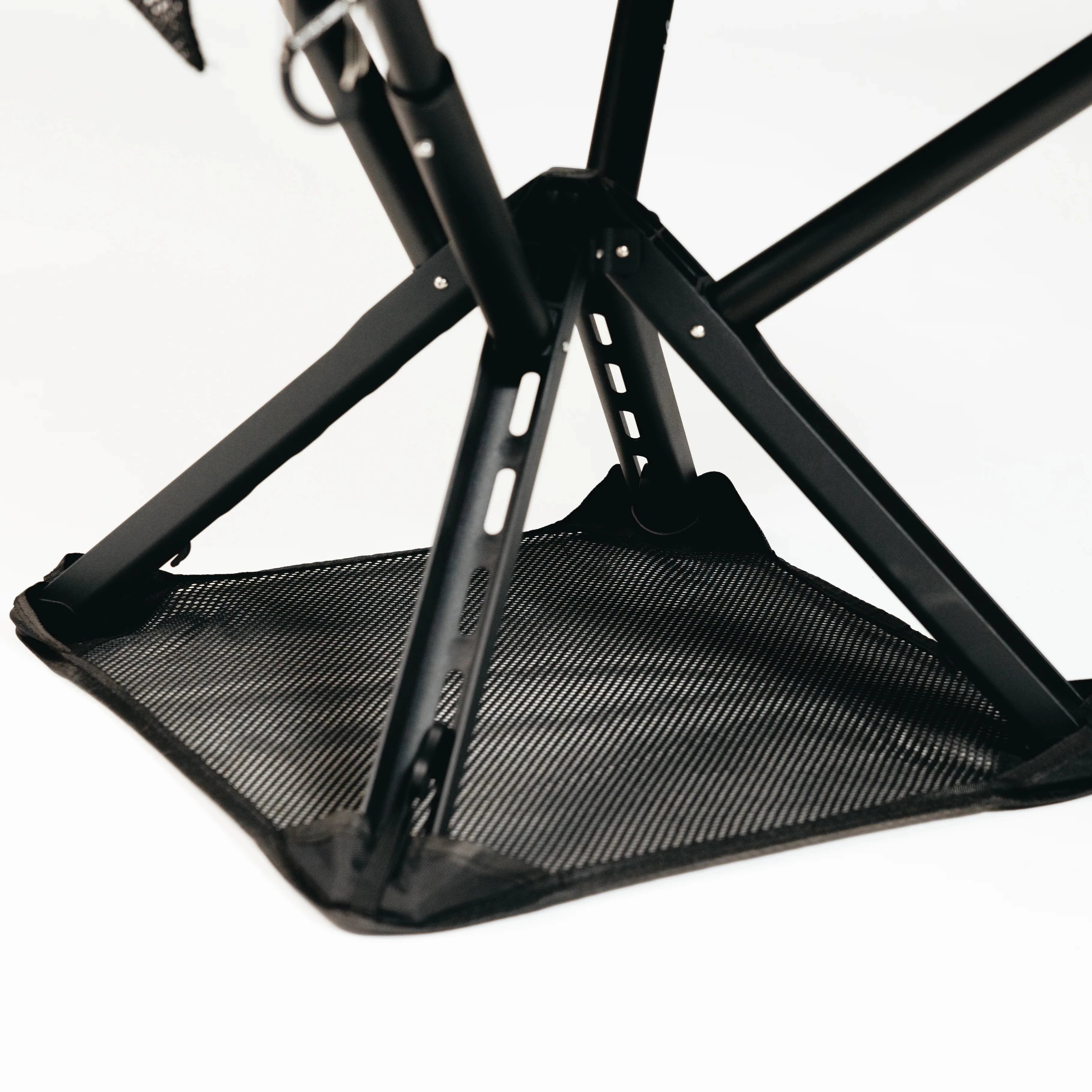


Danish Company

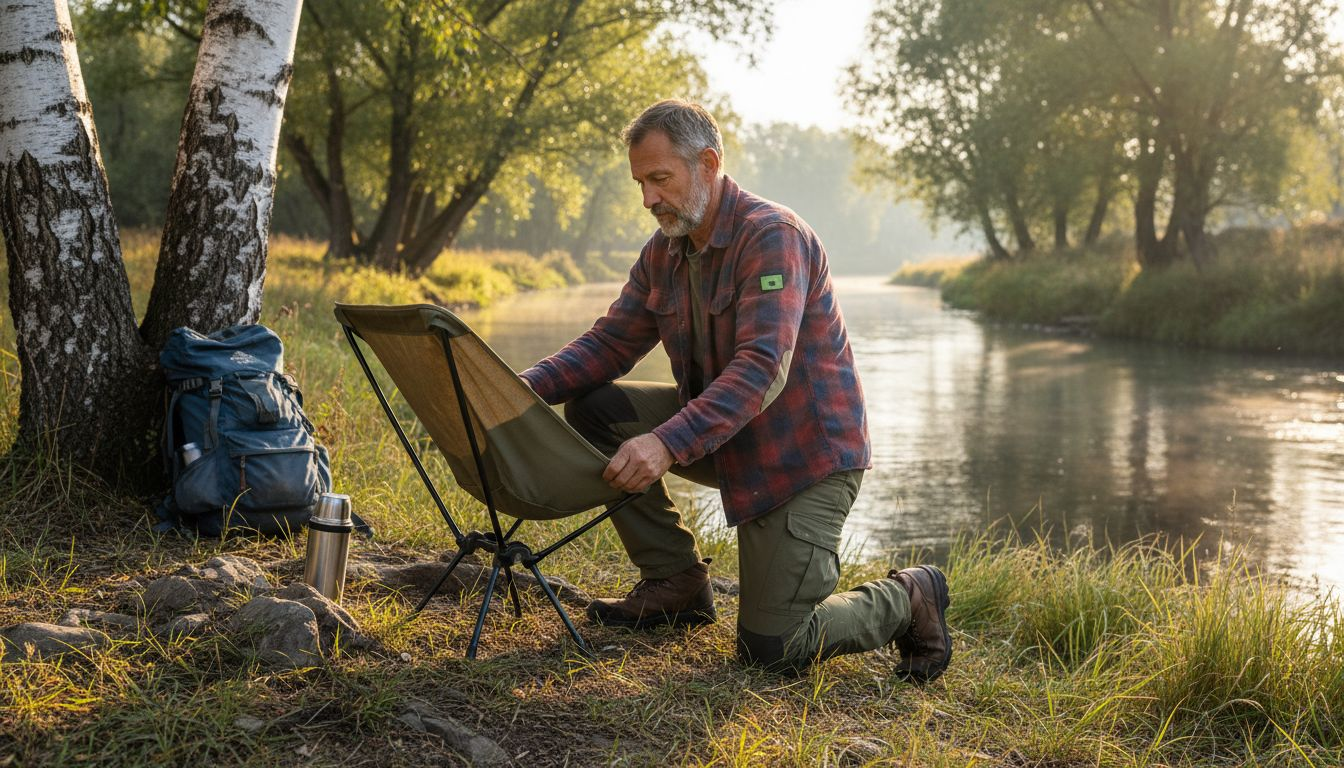
Long travel days and outdoor adventures test your comfort in unexpected ways, especially when portable seating fails to support your body. Sustained periods of sitting can leave you with stiff muscles and sore joints, making every step less enjoyable. Research highlights that ergonomic seating supports correct posture and reduces fatigue during prolonged sitting. Discover how thoughtful seating design makes all the difference for eco-conscious explorers and city commuters who refuse to compromise on wellness while on the move.
| Point | Details |
|---|---|
| Ergonomic Seating Is Essential | Proper ergonomic seating aligns your spine, reduces muscle strain, and enhances comfort during prolonged periods of sitting. |
| Portable Ergonomic Designs Are Important | Outdoor enthusiasts require seating that balances support and portability to maintain comfort during breaks. |
| Static vs Dynamic Chairs | Static ergonomic chairs provide consistent support, while dynamic chairs promote movement, catering to different sitting durations and use cases. |
| Invest in Quality Features | Prioritize chairs with lumbar support, breathable materials, and proper seat pan design for optimal outdoor comfort and health benefits. |
Ergonomic seating means furniture designed to support your body in the right way while you sit. It’s not just about comfort—it’s about aligning your spine, reducing strain on your muscles, and keeping you comfortable during long periods of sitting.
The core purpose of ergonomic seating is straightforward: minimize physical stress while maximizing comfort. When you sit for hours at a time, your body accumulates fatigue and strain. Poor seating exacerbates these issues, leading to back pain, neck tension, and overall discomfort that can follow you off the chair and into your daily life.
Research shows that ergonomic seating supports correct posture and significantly reduces fatigue during prolonged sitting periods. By supporting your musculoskeletal system—your bones, muscles, and joints—ergonomic chairs help prevent pain before it starts.
For outdoor enthusiasts and commuters like you, the stakes are different from office workers. You’re moving between locations, transitioning from car to campsite to hiking trail. Your seating needs to be portable, yet still provide that crucial postural support during rest breaks or evening relaxation.
When you sit poorly, multiple things go wrong simultaneously:
Proper ergonomic seating prevents cumulative damage to your spine and joints, allowing you to focus on adventures instead of pain management.
Unlike traditional office chairs bolted to desks, portable ergonomic seating needs to balance three competing demands: lightweight design, durable construction, and proper postural support. Flexible seating designs that accommodate movement reduce physical discomfort and enhance user experience by keeping your body active and healthy during rest periods.
You need seating that doesn’t require an engineering degree to understand or a truck to transport. Yet it must still cradle your lower back, support your legs properly, and distribute your weight evenly. This is where purpose-built portable solutions shine—they’re engineered specifically for active people who refuse to compromise comfort for convenience.
Pro tip: Test any portable chair’s backrest angle and seat depth before committing—these two factors determine whether your body receives proper support or settles into strain during a long rest.
Ergonomic seating comes in many forms, each designed for different situations and user needs. Understanding the main types helps you choose the right solution for your specific lifestyle—whether you’re camping, commuting, or working remotely from coffee shops.
The seating landscape breaks down into two main categories: static chairs that keep you in one position, and dynamic options that encourage movement. Each approach has distinct advantages depending on how long you’ll sit and what your body needs.
Static ergonomic chairs provide stable, unchanging support through fixed designs. These chairs excel at maintaining proper spinal alignment because their structure doesn’t shift beneath you. Traditional office chairs and basic portable camping chairs fall into this category.
Research comparing static and revolving chairs reveals that static designs offer superior postural support for extended sitting periods. They work particularly well for situations where you need consistent, predictable support without adjustments.
The trade-off is simplicity—static chairs do one thing well, but they don’t adapt if your position changes or your body needs adjustment. For outdoor enthusiasts, this means you get lightweight reliability without complex moving parts that could break or wear out.
Here’s a summary comparing static and dynamic ergonomic seating approaches:
| Seating Type | Main Benefit | Typical Use Case | Trade-Off |
|---|---|---|---|
| Static Ergonomic | Maintains spinal alignment | Extended sitting indoors | Lacks adaptability |
| Dynamic Ergonomic | Promotes movement & engagement | Short breaks and outdoors | May lack prolonged support |
Active office chair designs encourage physical movement and engagement from the sitter, helping alleviate negative impacts of prolonged static sitting. These chairs incorporate features that let you shift your weight, engage your core muscles, and adjust throughout your sitting session.
Dynamic seating options include:
These options work brilliantly for shorter sitting periods—exactly what you experience during rest breaks on trails, at campsites, or during your commute. Movement keeps blood flowing and prevents the stiffness that comes from staying in one position.
For outdoor enthusiasts and mobile commuters, portable ergonomic seating bridges static stability with practical weight considerations. Purpose-built portable chairs focus on essential ergonomic features—lower back support, proper seat height, and weight distribution—while eliminating unnecessary complexity.
Key features to look for include:
The best portable ergonomic chair for you balances postural support with the weight and packability requirements of your actual adventures.
Pro tip: Compare how each chair type feels after 30 minutes of sitting, not just the first five minutes—comfort changes as your body settles and muscle fatigue accumulates.
Outdoor seating demands more than just a place to sit. Your chair must handle weather, terrain, and extended use while keeping your body comfortable and properly supported. The best portable ergonomic chairs combine specific design features that work together to maximize comfort in real-world conditions.
The difference between a mediocre camping chair and a truly comfortable one often comes down to thoughtful feature choices. Every element—from the backrest angle to the fabric—serves a purpose in keeping you pain-free and ready for your next adventure.
Your lower back needs the most attention during outdoor sitting. Key ergonomic features like lumbar support maintain natural spinal posture and reduce muscle strain in your back and shoulders. Without proper lumbar support, your spine curves unnaturally, forcing your muscles to work overtime.
The best outdoor chairs provide structured lower back support that matches the natural curve of your spine. This support prevents the forward slouch that happens during rest breaks and keeps fatigue from building up in your posterior chain.
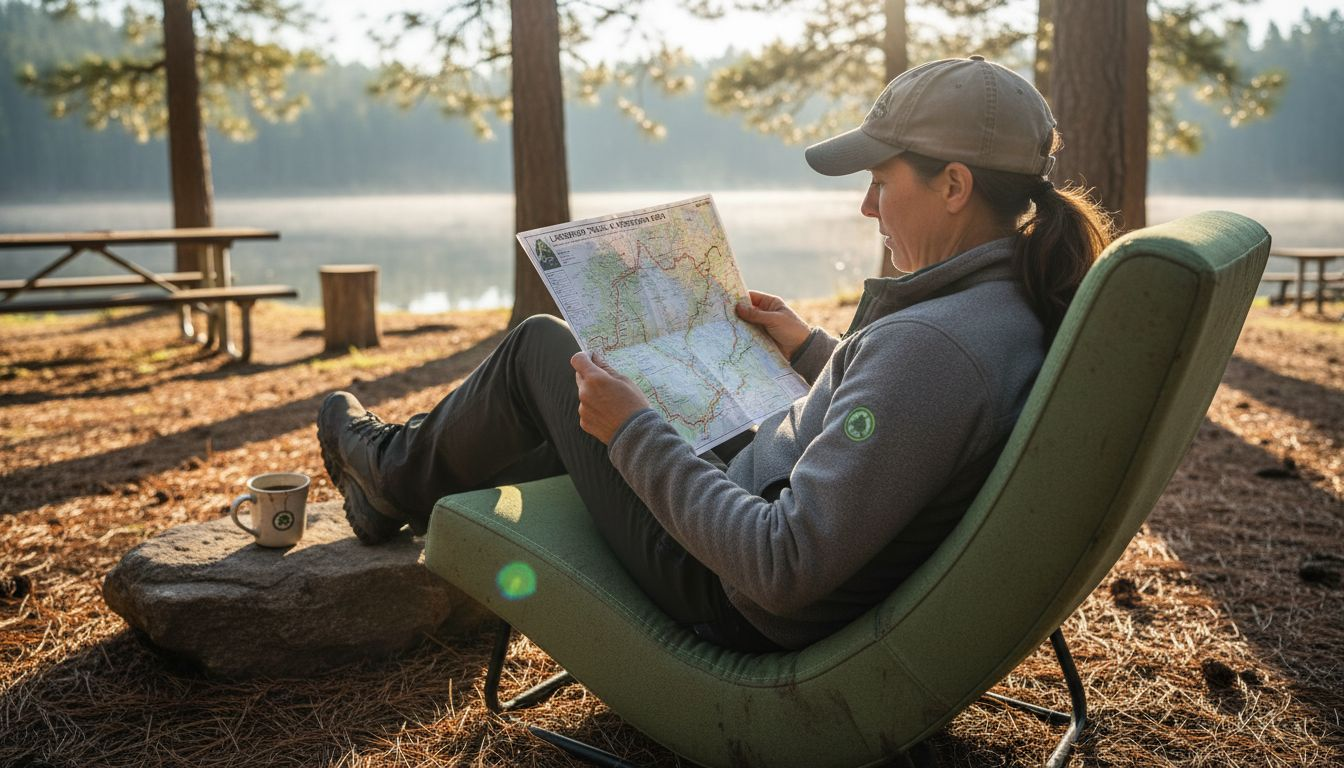
Look for chairs with either built-in lumbar curves or adjustable lumbar support options. Even slight improvements in this area dramatically change how your body feels after hours of sitting.
A flexible seat pan supports correct sitting posture by maintaining lumbar and pelvic alignment while reducing muscle fatigue. The seat pan is where your body makes contact with the chair, so its shape and firmness matter tremendously.
Optimal seat pan features include:
A well-designed seat pan prevents the classic camping chair problem where pressure builds up on your sit bones after 20 minutes, forcing you to shift positions constantly.
Outdoor conditions vary dramatically. You might sit in direct sun, damp morning air, or cool evenings. Breathable fabrics allow airflow, preventing sweat buildup that creates discomfort and material degradation.
Look for materials that:
ArmorSoft mesh fabrics and modern synthetic blends outperform traditional canvas by a significant margin in outdoor settings.
Armrests might seem optional, but they serve crucial functions. They support your arms, reducing shoulder and neck strain. For outdoor enthusiasts, armrests also provide stability when standing up from your chair, which matters when you’re tired or on uneven ground.
The most comfortable outdoor chair combines lumbar support, proper seat depth, and armrests that reduce strain across your entire upper body.
Pro tip: Before purchasing, test how the chair’s recline angle and seat height work together—a steep recline with a high seat can push your knees into an uncomfortable position.
For quick reference, here are the top features that improve outdoor ergonomic seating comfort:
| Feature | Purpose | Outdoor Advantage |
|---|---|---|
| Lumbar Support | Supports lower back curve | Reduces fatigue, prevents slouching |
| Seat Depth & Shape | Encourages proper knee angle | Enhances circulation, avoids discomfort |
| Breathable Materials | Controls temperature & moisture | Keeps seat dry and lightweight |
| Armrests | Supports arms and stability | Minimizes shoulder strain, aids standing |
Ergonomic seating isn’t just about comfort—it directly impacts your physical and mental health. When you sit properly supported, your body experiences measurable improvements in pain levels, energy, focus, and overall well-being. Understanding these benefits helps you appreciate why investing in quality outdoor seating matters.
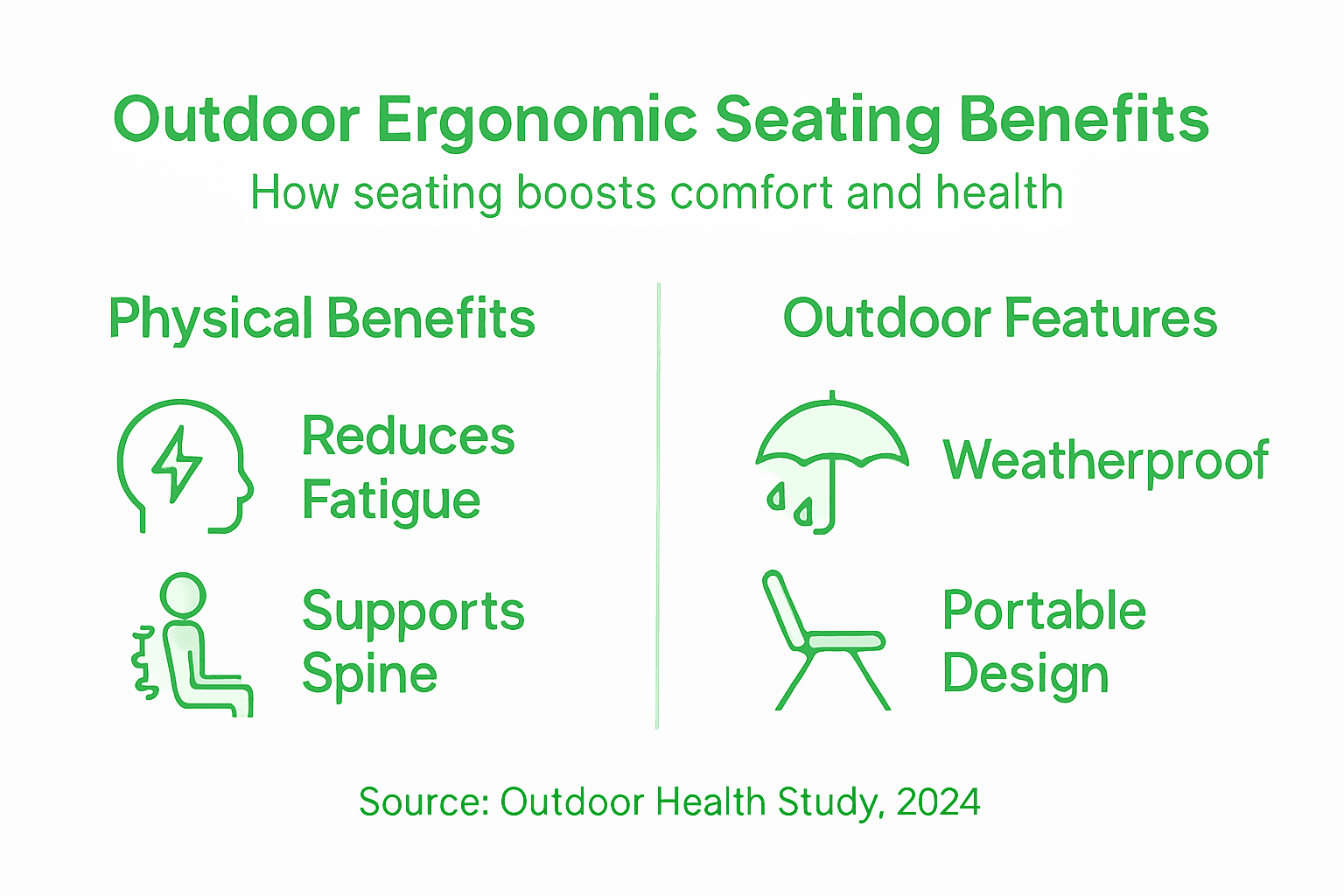
The connection between how you sit and how you feel runs deeper than most people realize. Poor seating creates a cascade of physical problems that ripple into your mental state and daily performance.
Your musculoskeletal system suffers significantly from poor seating. Ergonomic seating prevents musculoskeletal disorders by supporting correct posture, reducing muscle fatigue, and improving blood flow. These physical improvements accumulate over time, preventing chronic pain conditions before they develop.
Specific physical benefits include:
When your body isn’t fighting against poor positioning, you naturally have more energy for activities you actually enjoy.
The mental benefits of proper seating are equally powerful. Flexible and ergonomic seating reduces anxiety while improving focus and overall well-being. Physical discomfort creates mental stress—your brain spends resources managing pain instead of focusing on tasks or enjoying your surroundings.
When you sit in proper support:
This connection explains why a long camping trip in an uncomfortable chair leaves you mentally exhausted, even if you weren’t doing physical work.
The real value of ergonomic seating lies in prevention. Small daily improvements in how you sit compound into significant health outcomes over months and years. You’re not just gaining comfort today; you’re protecting your spine and joints from cumulative damage that becomes increasingly difficult to reverse.
Outdoor enthusiasts benefit especially from this prevention-focused approach. You’re already stressing your body with hiking, climbing, and traveling. Poor seating during rest periods amplifies that stress instead of allowing your body to genuinely recover.
Investing in ergonomic outdoor seating prevents pain from developing in the first place, which is far more effective than treating pain once it becomes chronic.
Pro tip: Track how your body feels over two weeks of using ergonomic seating versus non-ergonomic options—the difference in energy, pain levels, and mental clarity will likely surprise you.
Many people purchase ergonomic seating with good intentions, then undermine its benefits through preventable mistakes. These errors range from selecting the wrong chair type to ignoring critical adjustments that make the difference between comfort and pain. Learning what to avoid saves you money, disappointment, and physical strain.
The good news is these mistakes are fixable once you understand them. Most stem from overlooking details rather than fundamental design flaws.
Common mistakes include choosing inappropriate chair types for your specific needs and neglecting adjustable features. A chair designed for office workers may not suit outdoor conditions, and a lightweight camping chair might sacrifice support you actually need.
Before buying, ask yourself:
Matching chair type to your actual use case prevents buying equipment that sits unused while you suffer in uncomfortable alternatives.
Mistakes often include neglecting individual body differences and ignoring necessary adjustments for seat height and lumbar support. Your body has unique dimensions—inseam length, torso length, and spinal curvature differ from everyone else’s.
A chair that feels perfect for your hiking buddy might be wrong for you. Standard sizes work reasonably well for average frames, but if you’re taller, shorter, heavier, or lighter than average, you need adjustability.
Look for chairs offering:
Even perfect chairs fail if you slump into poor posture. Your seating only works when you actively maintain proper positioning—shoulders back, spine neutral, knees at 90 degrees.
Many people blame their chair when the real problem is habit. You might naturally hunch forward while reading or working, negating lumbar support that’s literally behind your back.
Develop awareness of your posture during sitting breaks. Catch yourself slouching and reset. Over time, proper positioning becomes automatic.
Comfort isn’t instantly obvious. A chair feels fine for five minutes, then pressure builds over 30 minutes. Never commit to outdoor seating without testing it for at least that duration.
Your body needs time to settle and muscles to engage. Quick testing misses the cumulative discomfort that emerges during actual use.
Avoiding ergonomic seating mistakes starts with understanding your body’s unique needs and testing equipment thoroughly before committing.
Pro tip: Bring a journal on your first few camping or outdoor trips with new seating—note specific discomfort patterns so you can adjust positioning or equipment before problems become habits.
If you struggle with back pain or fatigue during your outdoor adventures find relief with ergonomic seating designed specifically for active lifestyles. The article highlights the importance of proper lumbar support seat depth and breathable materials to reduce muscle strain and improve circulation while resting. At Sitpack we understand these challenges and offer innovative portable seating that balances lightweight design with exceptional ergonomic support so you can enjoy every moment without discomfort.
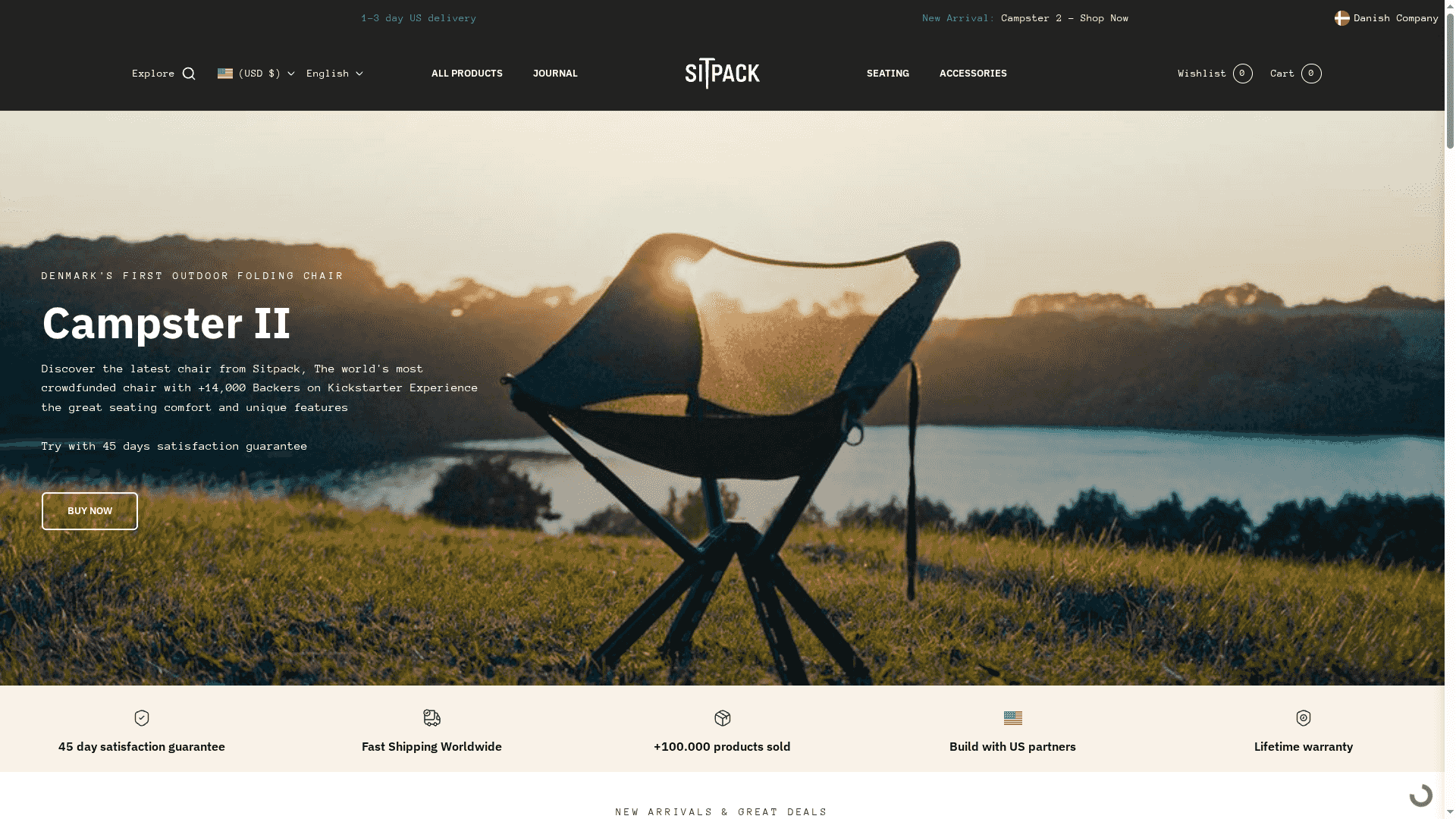
Explore our range including the Campster II and Sitpack Zen chairs that provide adjustable lumbar support and are crafted from durable materials made to withstand varied terrain and weather. Don’t settle for bulky or unsupportive outdoor chairs when you can have comfort and convenience in one foldable solution. Visit Sitpack today and take advantage of fast worldwide delivery plus a 45-day satisfaction guarantee. Make your next outdoor trip pain free and invigorating by choosing ergonomic seating that truly supports you.
Ergonomic seating refers to furniture designed to support your body while sitting, aimed at aligning your spine and reducing strain on muscles. For outdoor activities, proper ergonomic seating helps prevent discomfort during extended periods of sitting and enhances overall well-being.
Poor seating can lead to issues like spinal misalignment, shoulder and neck tension, tightened hip flexors, and decreased circulation. These problems can cause pain and fatigue, making it difficult to enjoy outdoor activities fully.
When choosing a portable ergonomic chair, look for lumbar support, appropriate seat depth, breathable materials, and durable construction. These features will help ensure comfort and support during your outdoor activities while making the chair easy to transport.
To test a portable ergonomic chair, sit in it for at least 30 minutes to assess its comfort and support level. Pay attention to how it maintains your posture, the pressure on your sit bones, and if you experience any discomfort during that period.