Cart
0
Sign up and get 10$ off your order
Expected delivery
1-3 days
You may also like


Danish Company

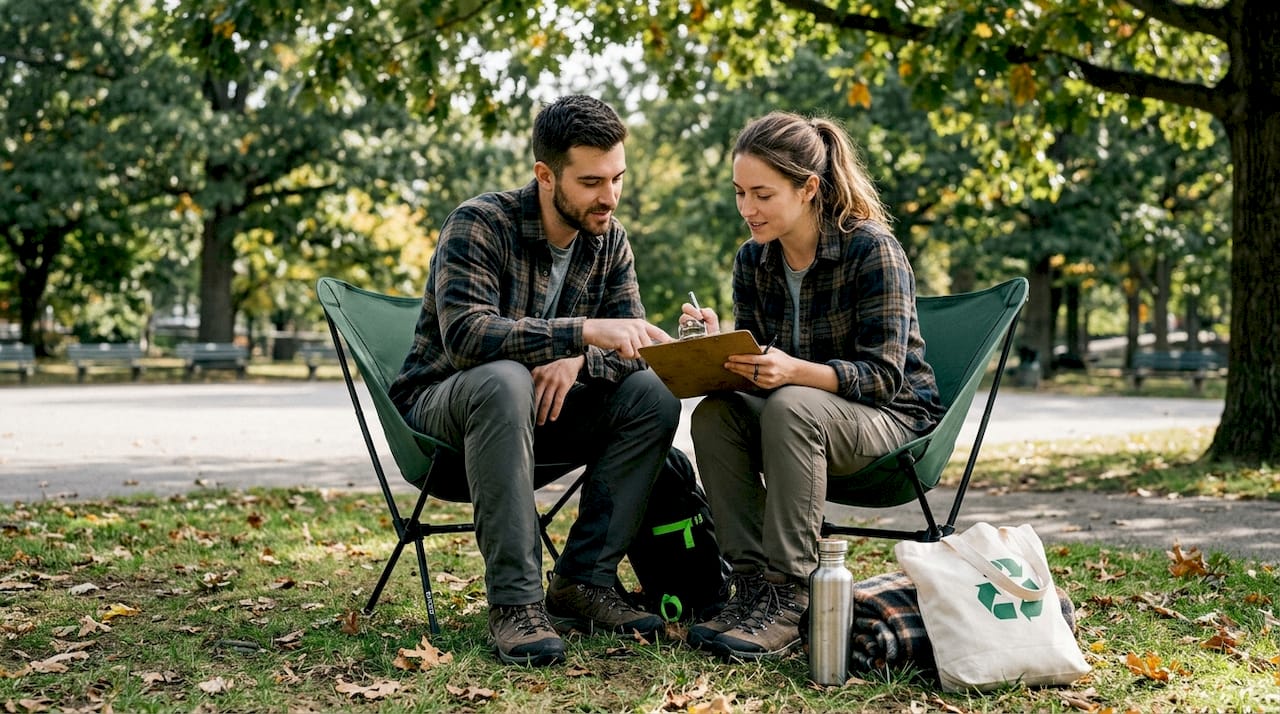
Picking the right portable seat sounds simple until you’re halfway up a trail with a chair that weighs as much as your tent, or you’re at an outdoor festival wishing you hadn’t grabbed that wobbly, plastic folding thing from the garage. The struggle is real. Weight, comfort, packability, and eco-friendliness all pull in different directions, and one wrong call means you’re either suffering through sore glutes or leaving a clunker behind at the trailhead. This checklist cuts through the noise. We’ll walk you through the must-have criteria, highlight the top options worth your money, and share practical tips so your next outdoor seat actually earns its spot in your pack.
| Point | Details |
|---|---|
| Weight and strength matter | Choose chairs under 5 lbs with at least 250 lb capacity for dependable portability. |
| Smart setup prevents mishaps | Stable placement, ground accessories, and testing before use enhance safety and comfort. |
| Comfort goes beyond specs | Movement breaks, proper posture, and the right accessories help maximize seating enjoyment. |
| Match seat to environment | Urban users benefit from minimalist foldables; campers may prefer ultralight for backpacking or heavier for car camping. |
Before you buy anything, you need a clear set of standards. The comfort and portability guide is a great starting point, but let’s break down the core criteria right here.
Weight and load capacity are the first filters. A travel seating guide recommends targeting under 5 lbs for general outdoor use, with the sweet spot at 1 to 2 lbs for backpacking, paired with a minimum 250 lb capacity. Anything heavier than that starts eating into your pack budget fast.
Ergonomic features matter more than most people expect. According to REI Flexlite benchmarks, the best portable chairs offer a backrest, contoured seat, seat height between 11 and 14 inches, and setup time under 90 seconds. Miss any of these and you’ll feel it after the first hour.
Here’s a quick checklist to run through before purchasing:
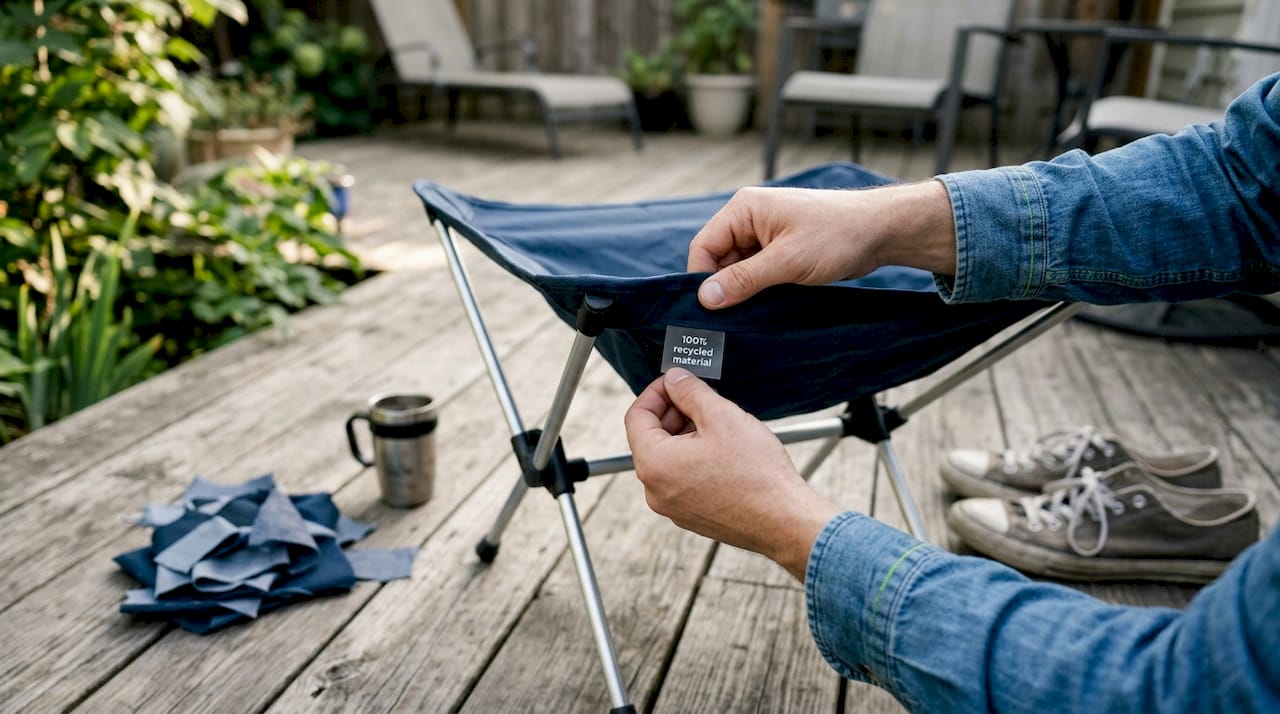
Eco-friendliness is increasingly non-negotiable. Look for chairs made with recycled polyester, aluminum frames (highly recyclable), or FSC-certified wood. The benefits of lightweight seats go beyond your back, since lighter gear often means less material and a smaller environmental footprint overall.
Pro Tip: If you’re a backpacker, treat 2 lbs as your hard ceiling. Every ounce above that needs to justify itself with a specific comfort or durability benefit.
With the checklist in hand, let’s look at the chairs that actually deliver. These two models consistently top expert rankings and represent the best of what’s available in 2026.
The best hiking chairs list puts the REI Flexlite Air and the Helinox Chair Zero at the front of the pack. Both weigh around 1 lb and offer 250 lb capacity, but they feel quite different in use.
| Feature | REI Flexlite Air | Helinox Chair Zero |
|---|---|---|
| Weight | ~1 lb | ~1 lb |
| Packed size | 4.5 x 15 inches | Slightly bulkier |
| Capacity | 250 lbs | 265 lbs |
| Setup time | Under 60 seconds | Under 90 seconds |
| Price range | Mid-range | Premium |
| Best for | Backpacking | Backpacking + base camp |
The Flexlite Air wins on packed size, slipping into a side pocket with ease. The Chair Zero edges ahead on seat comfort for longer sits, thanks to a slightly more structured frame. Neither is a lounger, but both are genuinely impressive for their weight class.
For outdoor chair comparisons that include urban and minimalist options, foldable stools and compact sit-pads also deserve a look. They sacrifice back support but drop weight even further and pack flat.
Pros and cons at a glance:
“Always test gear at home before your first outing. Sit in it for 20 minutes, check the setup process, and make sure it actually fits your pack.” This simple habit saves a lot of trailhead regret.
Knowing the best options is only half the battle. Successful use relies on smart setup and awareness of potential challenges.
Here’s a step-by-step setup process that works across most portable chair styles:
Proper foldable chair maintenance also starts at setup. Forcing joints or sitting before the frame is locked shortens the chair’s life fast.
Edge cases trip up even experienced outdoor folks. Ultralight camp chair research identifies three common problems: soft ground causing legs to sink, low stability on slopes, and punctures for inflatable options. Solutions are straightforward.
| Problem | Solution |
|---|---|
| Sinking on soft ground | Use wide stabilizer feet or a ground sheet |
| Instability on slopes | Find the flattest micro-terrain nearby |
| Inflatable punctures | Carry a patch kit and avoid sharp debris |
Pro Tip: A small square of closed-cell foam under each leg works brilliantly on sand or mud. It’s ultralight, costs almost nothing, and saves you from that slow, embarrassing lean as your chair sinks mid-conversation.
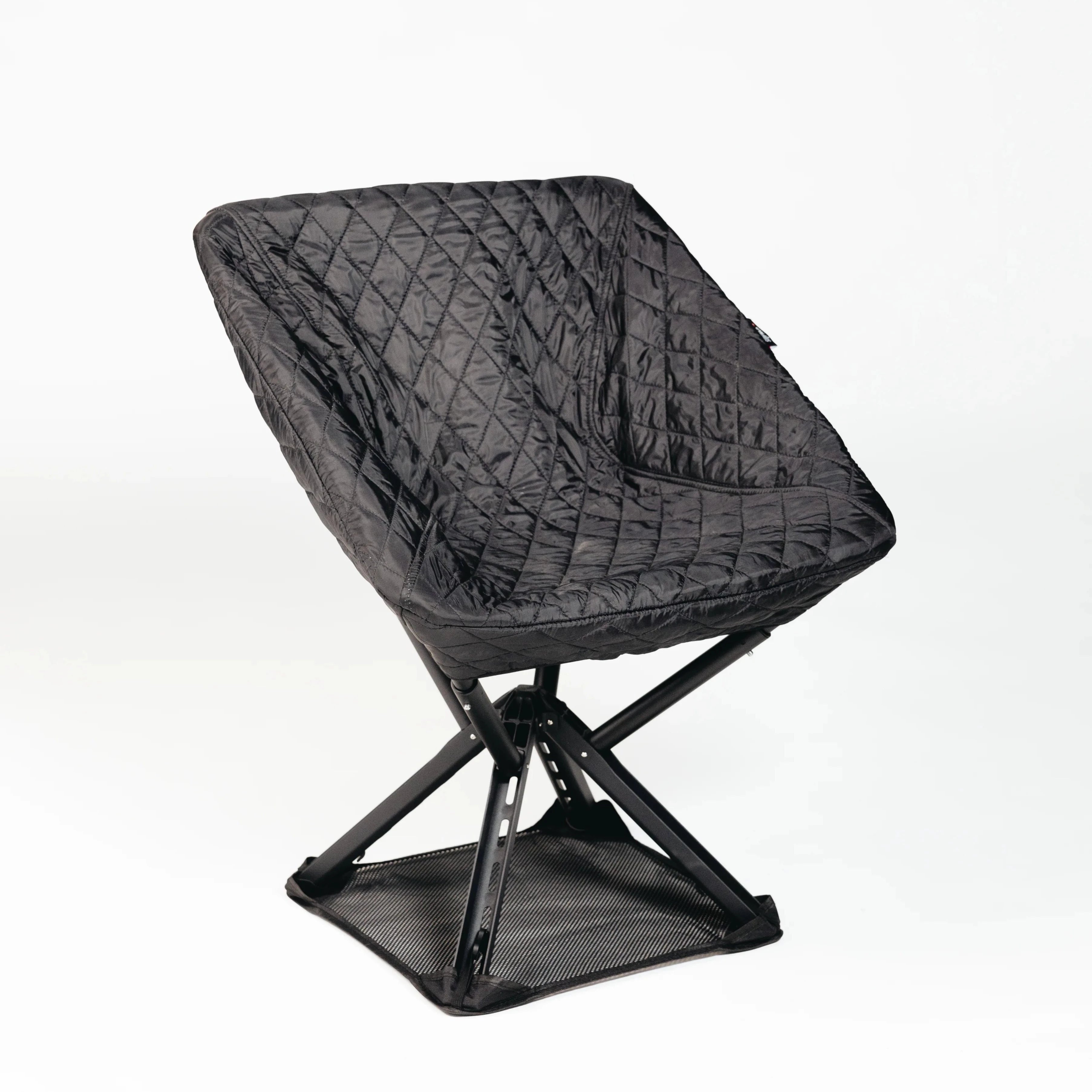
Accessories like lightweight seat add-ons can also improve safety. Seat warmers add insulation on cold ground, and wider feet attachments are available for several popular models.
Once setup is secure, comfort and smart habits turn a basic seat into an essential companion.
Posture is the first thing most people ignore. Sit fully back in the chair so your lower back contacts the support. Keep your feet flat on the ground and avoid crossing your legs for extended periods, since that throws off balance and cuts circulation.
Movement breaks are genuinely important. A travel seating guide recommends standing and moving every 30 to 45 minutes to prevent stiffness and keep blood flowing. This matters even more at altitude or in cold weather, where circulation slows faster.
The right accessories can transform your experience:
Pro Tip: A thin sit pad doubles as both a ground mat and an insulating barrier. Slip it under your chair legs on soft ground or use it as a standalone seat on rocks. One piece of gear, two jobs. That’s the kind of efficiency that makes your pack lighter and your adventures smarter.
For a deeper look at matching accessories to your specific use case, the outdoor seating buying guide covers combinations that work well for everything from festival seating to alpine base camps.
Finally, let’s consider how your main environment impacts the kind of seating that should top your checklist.
The needs of a city dweller heading to a rooftop concert are genuinely different from those of a backpacker doing 15-mile days. Outdoor Gear Lab’s backpacking chair research highlights this contrast clearly: car campers can afford heavier, more luxurious chairs, while backpackers need ultralight minimalism above all else.
| Use case | Priority | Best chair type |
|---|---|---|
| Backpacking | Weight, packability | Ultralight frame chair or stool |
| Car camping | Comfort, durability | Heavier padded folding chair |
| Urban events | Portability, style | Compact foldable or minimalist stool |
| Travel | All-around balance | Mid-weight foldable with carry bag |
For urban users, portable seating ideas for city dwellers show that minimalist foldables consistently outperform bulky traditional chairs in real-world portability. You’re not hauling gear to a campsite; you’re fitting it under a seat on the subway.
Eco-friendliness also plays differently across environments. Urban users often prioritize recycled materials and compact packaging since they’re more aware of waste. Outdoor adventurers tend to focus on durability and repairability, since a chair that lasts a decade beats a cheap one that ends up in a landfill after two seasons.
A few quick rules for matching seat to setting:
The outdoor seating buying guide is worth bookmarking for when your use case changes, because it often does.
Here’s our honest take: specs are a starting point, not a verdict. We’ve seen chairs with impressive numbers that feel terrible after 20 minutes and budget options that somehow nail the comfort sweet spot. The only way to know is to actually sit in the thing.
Ultralight seating research makes a point we fully agree with: test gear at home and balance weight savings with the real recovery benefits that off-ground seating provides. A chair that gets your hips off the cold ground after a long day of hiking does more for your next morning than almost any other piece of gear.
We’d also push back gently on the ultralight obsession. Shaving 4 oz from your chair while ignoring back support is a trade-off that catches up with you on day three of a five-day trip. The buying guide perspective frames this well: long-term value comes from quality, durability, and genuine enjoyment, not just the lightest number on a spec sheet. Buy for the adventures you actually take, not the ones you imagine.
If you’ve worked through this checklist and you’re ready to find a seat that actually fits your life, we’ve got you covered. At Sitpack, we’ve built our entire lineup around exactly these priorities: lightweight construction, eco-conscious materials, and designs that work as hard in the city as they do on the trail.
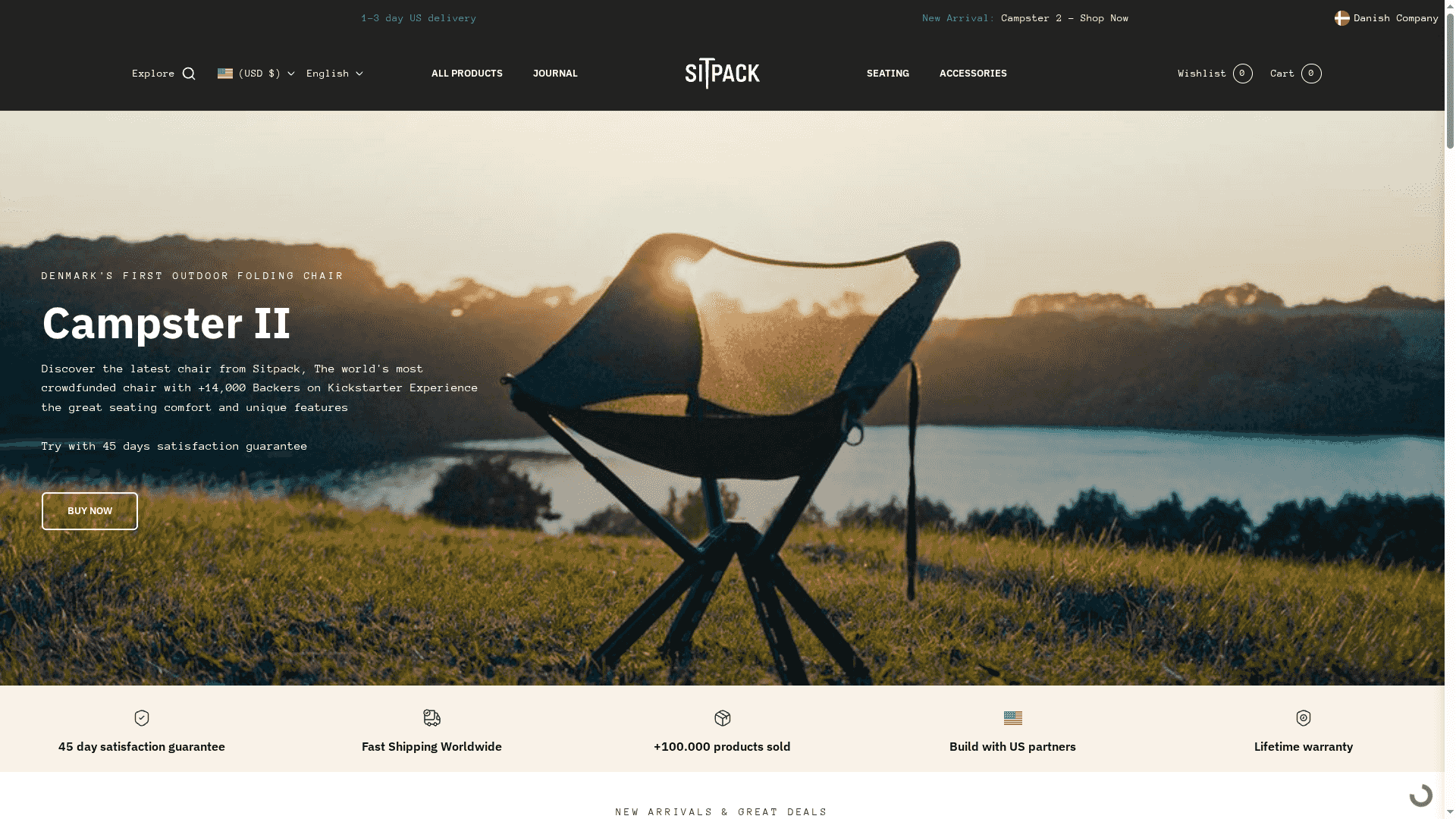
Browse our portable chair options to compare models side by side, check real customer reviews, and find the right fit for your next adventure. Whether you’re after a featherlight backpacking companion or a sleek urban foldable, there’s a seat here that checks every box on your list. Fast worldwide delivery and a 45-day satisfaction guarantee mean you can try it risk-free.
For backpacking, chairs under 2 lbs are the gold standard, and most solid portable options stay under 5 lbs for general outdoor use. Anything heavier starts to feel like a punishment by mile three.
Wide stabilizing feet or a ground sheet spread the load and keep your chair from doing a slow disappearing act into the mud. Soft ground sinking is one of the most common edge cases with ultralight chairs, but it’s easy to solve with a little prep.
A backrest, contoured seat, height between 11 and 14 inches, and setup under 90 seconds are the features that separate genuinely comfortable portable chairs from the ones you regret buying. Don’t skip the backrest if you’re sitting for more than 30 minutes.
Stand up and move around every 30 to 45 minutes to keep circulation going and prevent stiffness, especially in cold weather or at altitude where your body tightens up faster than usual.