Cart
0
Sign up and get 10$ off your order
Expected delivery
1-3 days
You may also like
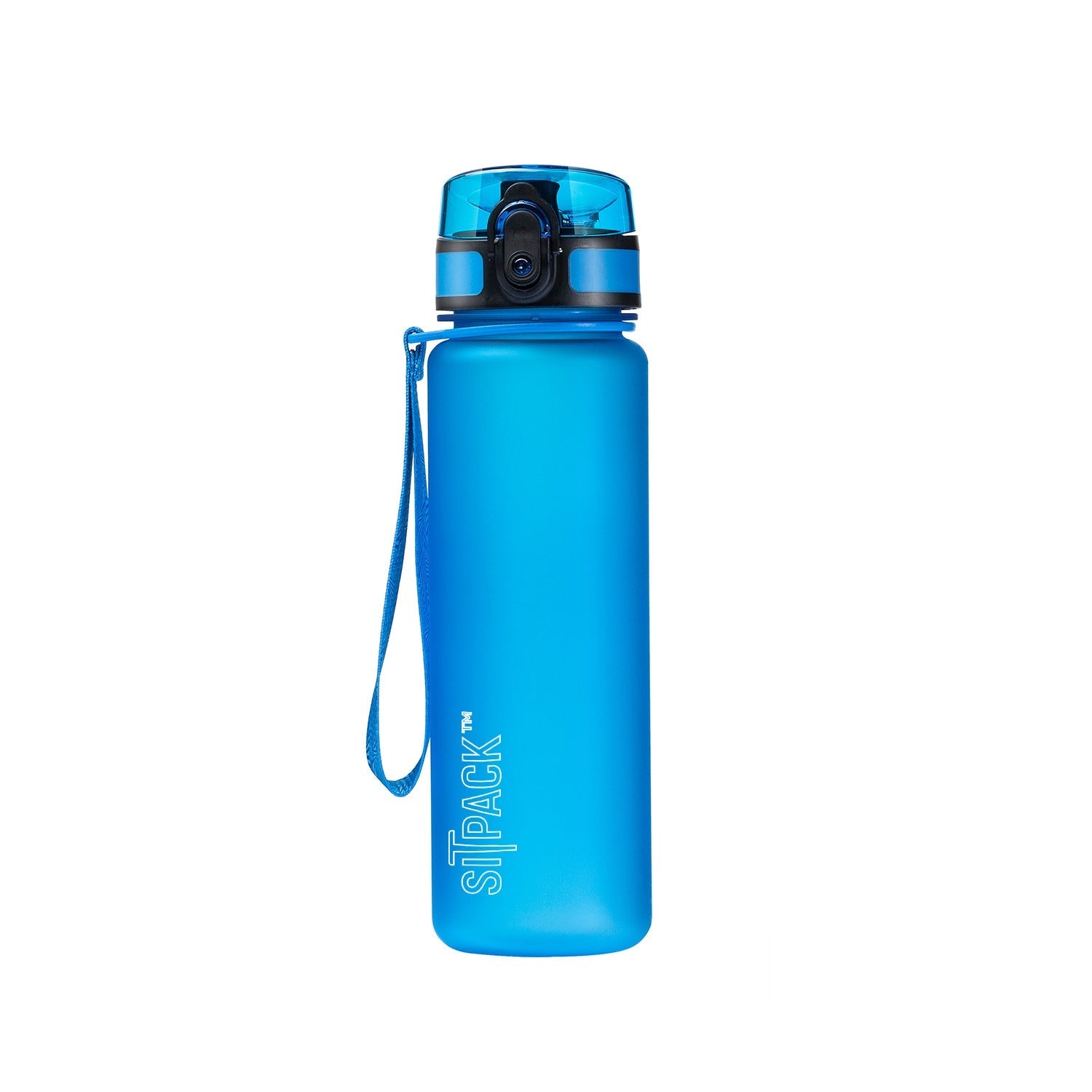
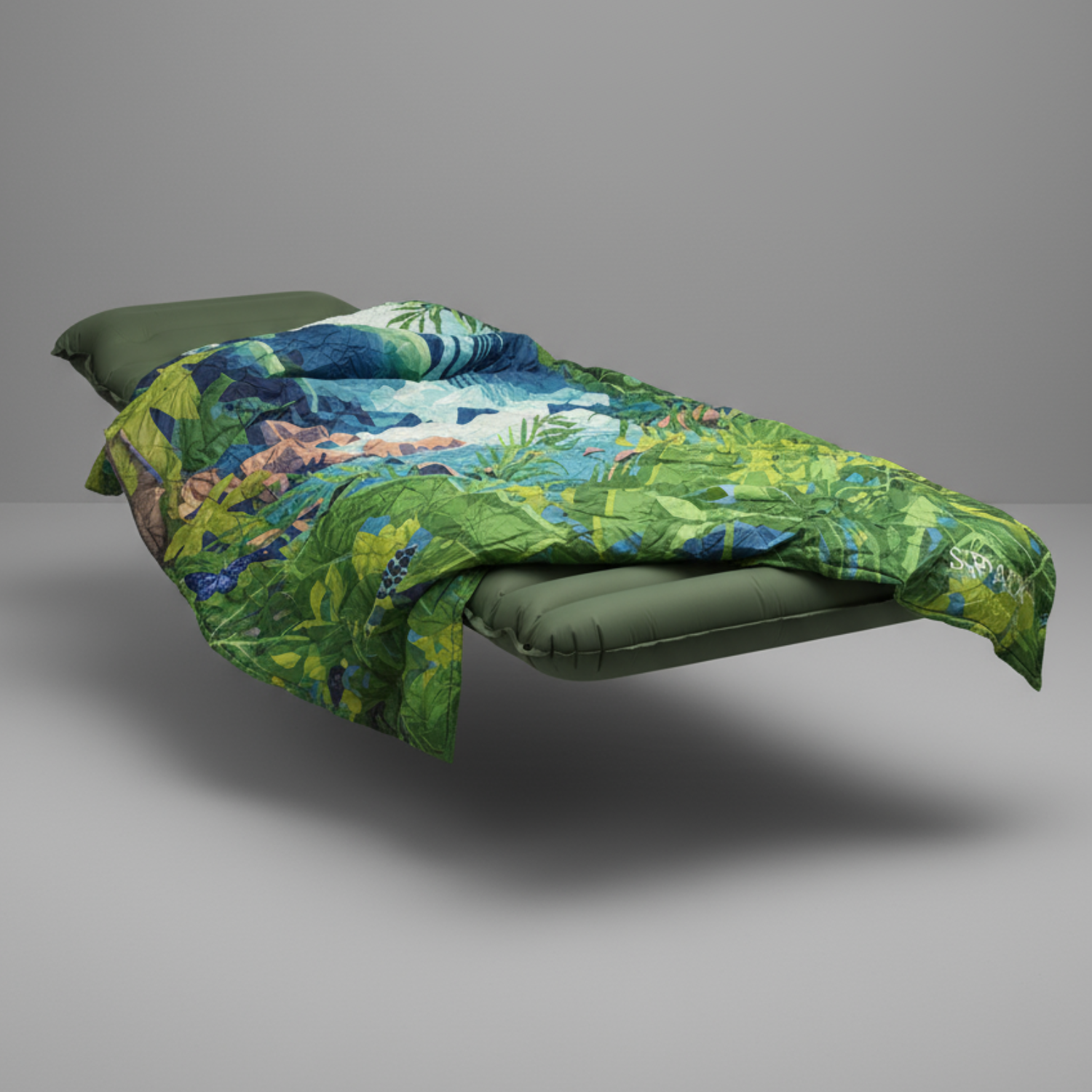
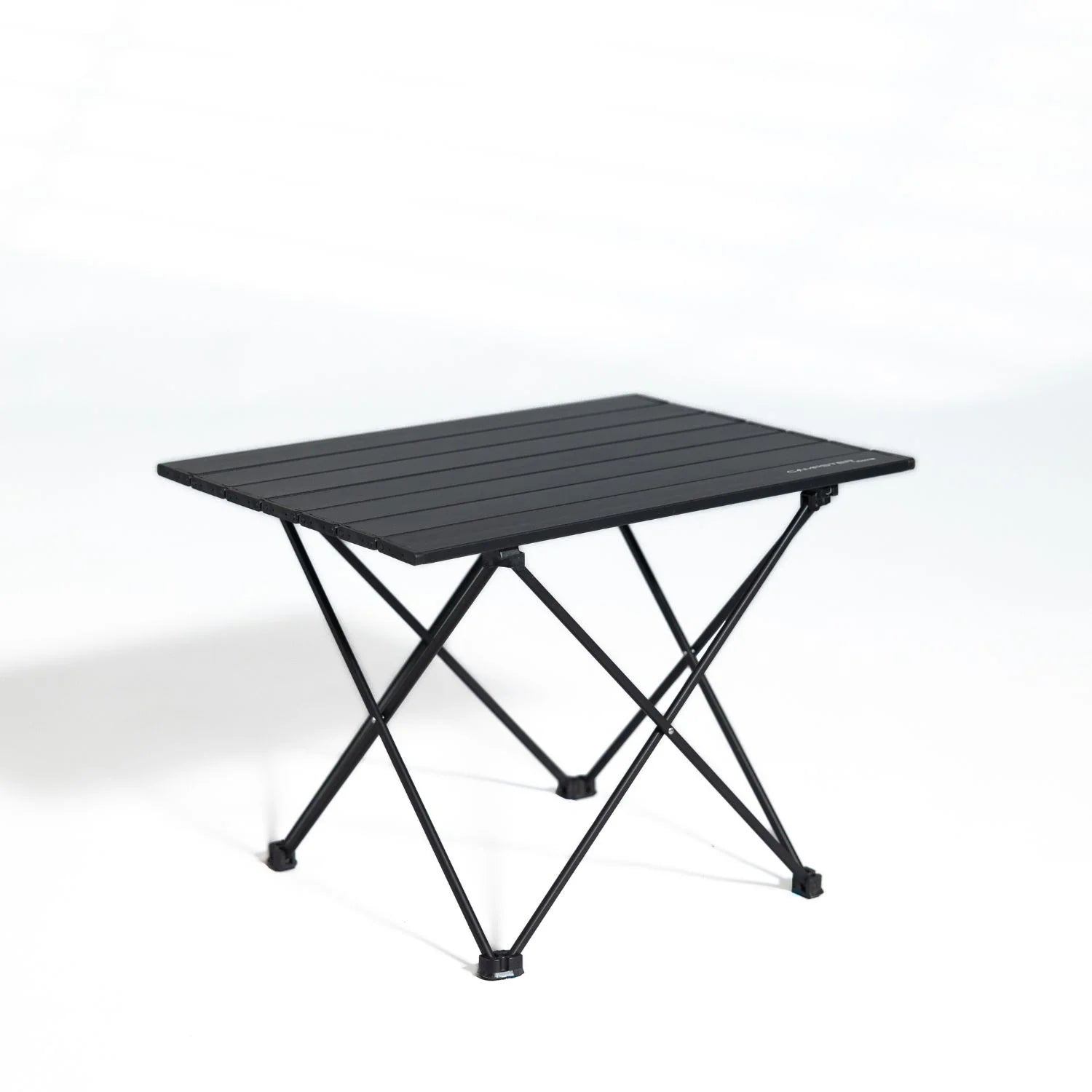
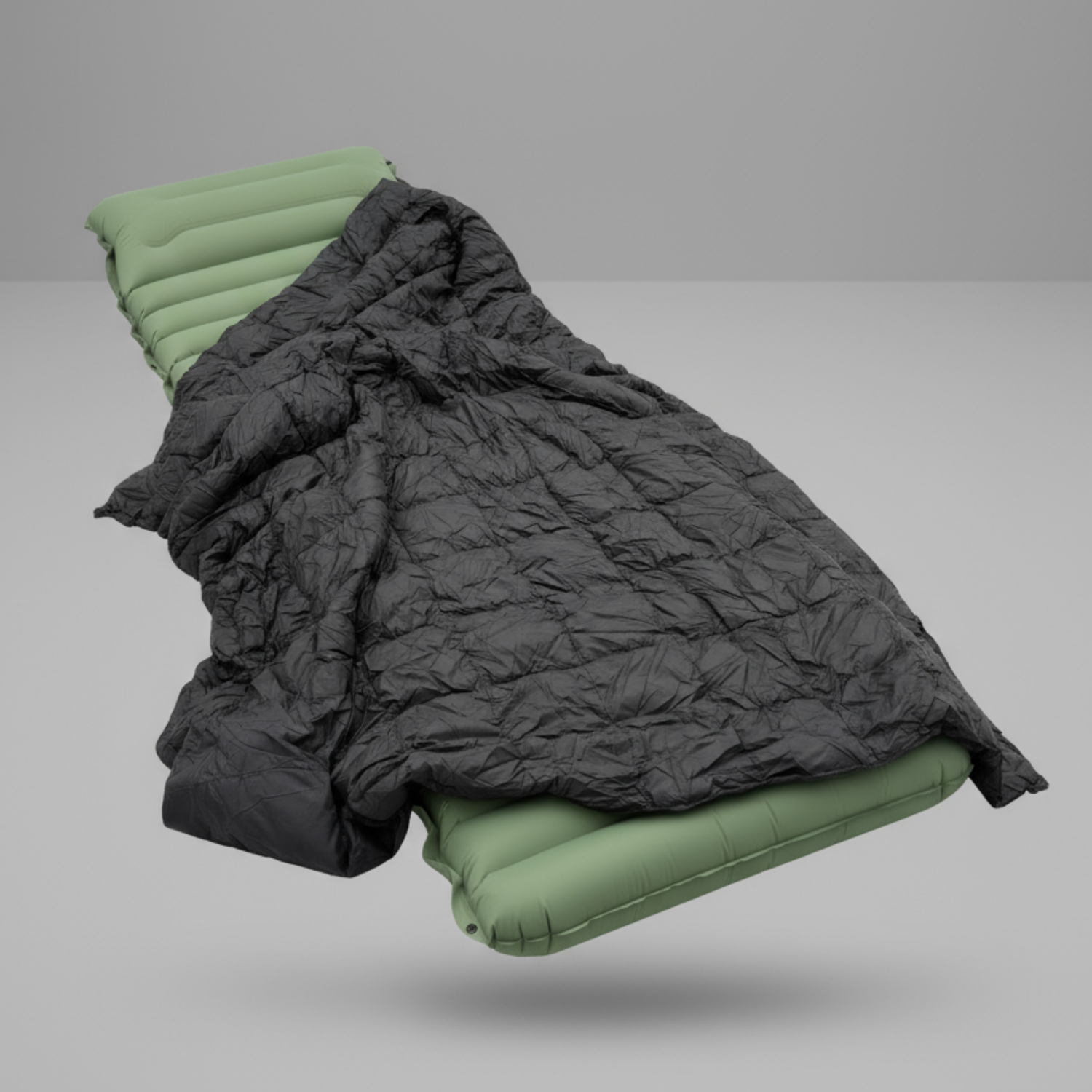


Danish Company

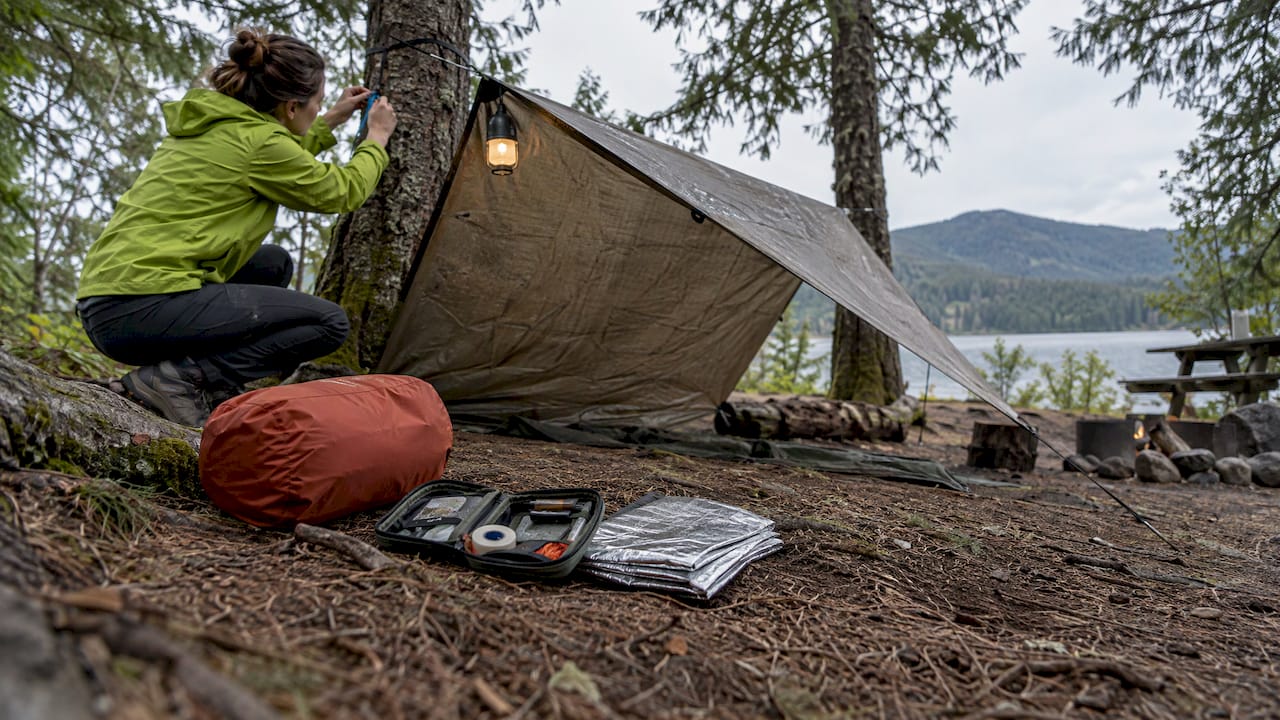
Adventure utility gear is outdoor equipment chosen for the job it does, not for how it looks: compact, durable pieces that solve a specific problem on the trail, at camp or on the commute, and often a second problem too. A chair that packs down to the size of a water bottle, a light that hangs inside a tent, a blanket that is also a layer: that is the idea. There is no official definition, so think of it as a test every item in your pack has to pass: does it earn its weight and space? We make portable seating and camp accessories, so we hold ourselves to that test too.
The phrase is not a product category you will find in a standards document. It is shorthand that outdoor people use for gear built around function. Three traits show up again and again.
It has a clear job. One writer on everyday carry for adventures puts it simply: every item that takes up pocket or bag space should have a justified function, and you should know how to operate it before you head out. If you cannot say what a piece of gear is for, it is clutter.
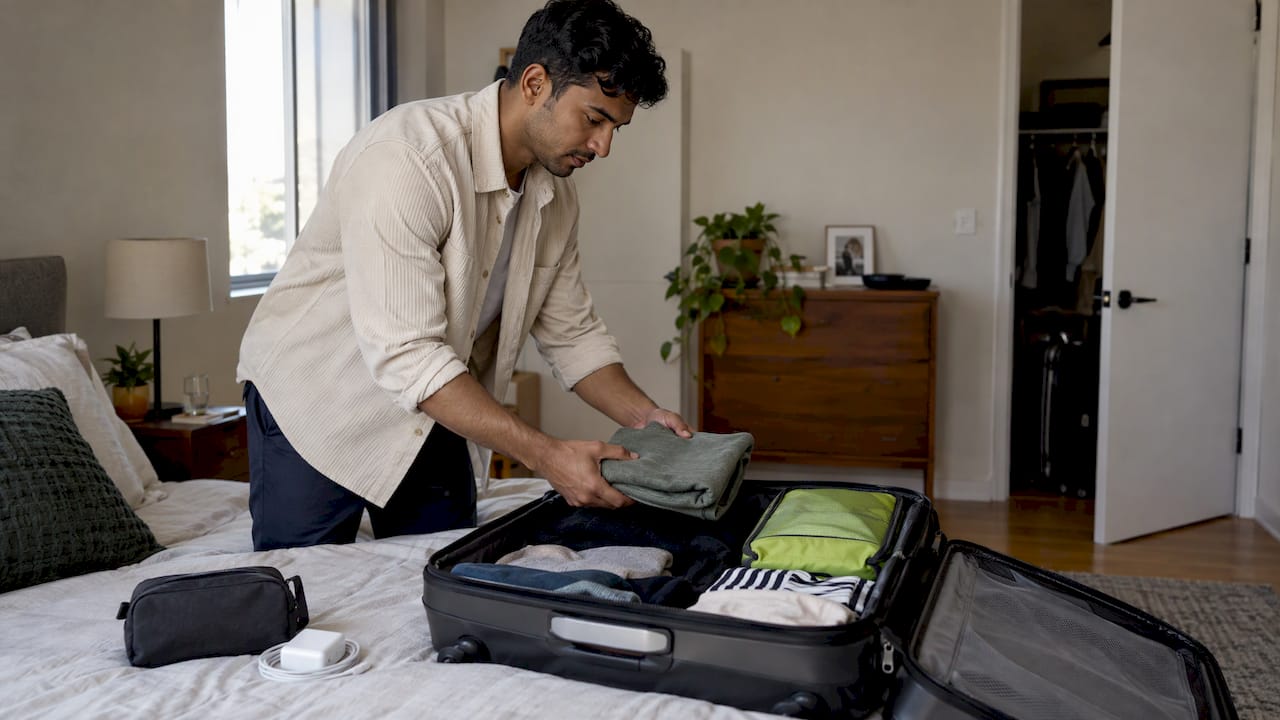
It is light and compact. Weight is the tax you pay on every mile. Portability decides whether gear gets used or left in the trunk. We go deeper on this in our piece on why portability matters outdoors.
It is built to last. The same everyday-carry guide recommends durable materials such as steel or titanium for metal parts and nylon or polyester for fabrics. Gear that fails on day two is not utility gear, however clever it looks.
Many people also use the term for gear that does more than one thing. Examples from one multipurpose hiking gear roundup include tents that convert into canopies, quilts that double as sleeping bags, lights that charge a phone, foam pads that serve as chairs and a cape that works as both rainwear and a shelter. That is the same logic applied to different categories.

Ordinary outdoor gear is what you buy for a vague plan: a backpack, a jacket, a water bottle. Utility gear is what you choose after you have asked what the trip will throw at you.
| Question | Ordinary outdoor gear | Adventure utility gear |
|---|---|---|
| How is it picked? | By category or look | By the problem it solves |
| Weight and size | Whatever the product happens to be | Treated as a feature |
| Number of jobs | Usually one | One strong job, sometimes two or three |
| Materials | Mixed | Chosen for repeated use and abuse |
| Where it is used | Mostly one setting | Trail, camp, travel and city |
That last row matters for most of our readers. A lot of people do not live on a mountain. They commute, travel, picnic, queue for festivals and sit on concrete steps waiting for a train. Gear that crosses from trail to town gets used more often, which is a quiet form of sustainability: you buy fewer things and use each one more.
Before comfort or cleverness, there is a baseline. The U.S. National Park Service lists the Ten Essentials: navigation, sun protection, extra clothing, illumination, first-aid supplies, fire, repair kit and tools, extra food, hydration and emergency shelter. It adds that some activities call for extras, such as a life jacket, bug spray or a two-way satellite messaging device.
This is the core of any adventure utility kit, and it is worth noticing how many entries are about doing more with less. The repair kit and tools entry names duct tape, a knife, a multi-tool and scissors. Emergency shelter can be a tent, a space blanket, a tarp or a bivy. The list is flexible on how you meet each need, which is exactly where thoughtful utility gear comes in.
The New Zealand Mountain Safety Council makes a similar point from the other side of the world: the essentials list changes with where you are going, how long you will be out and the weather forecast. It also warns against cotton and denim, which pull heat from your body when wet, and recommends wool, fleece or polypropylene instead.
Multitools are the classic example. One multitool explainer describes them as compact, portable equipment designed to perform more than one function, such as knives, screwdrivers, scissors, pliers and bottle openers. Another review of everyday-carry gear notes that one popular model packs 19 tools into a 4.5-inch frame weighing 7.5 ounces.
The same multitool piece is honest about the trade-off: individual components can perform less well than dedicated tools, and a dedicated camping knife usually gives better grip and cutting action than a multitool blade. That is a useful rule of thumb:
Good adventure utility gear does not chase the highest feature count. It picks the right number of jobs for each item.
No gear list works everywhere. The Pacific Crest Trail Association points out that gear should change in winter and the shoulder seasons, and that a summer ultralight kit in the North Cascades in September may be dangerous. It also says gear always involves compromise, and that fitness, skill, experience and your desire for comfort all play a part in finding the right setup.
A practical way to plan is to run through the variables before you pack:
That final point is the one most gear lists skip.
Safety gear keeps you alive. Comfort gear keeps you out there. A rest stop where you can sit up off wet ground, a warm layer for the evening, a light you can hang rather than hold: these are small, and they change how a day feels.
Ultralight culture takes weight seriously, and fairly so. One professional hiker-reviewer shows that a complete ultralight kit including a free-standing tent, stove and pillow can come in at under 10 pounds in total, with individual items like a 2.6-ounce headlamp and a 2.5-ounce pillow. Their philosophy is to bring what you need, nothing more, nothing less. Another outdoor writer cautions that most ultralight gadgets are not worth their weight, and that the ones worth carrying improve the trip for a lot of people.
That is the right filter for comfort items. Ask three questions:
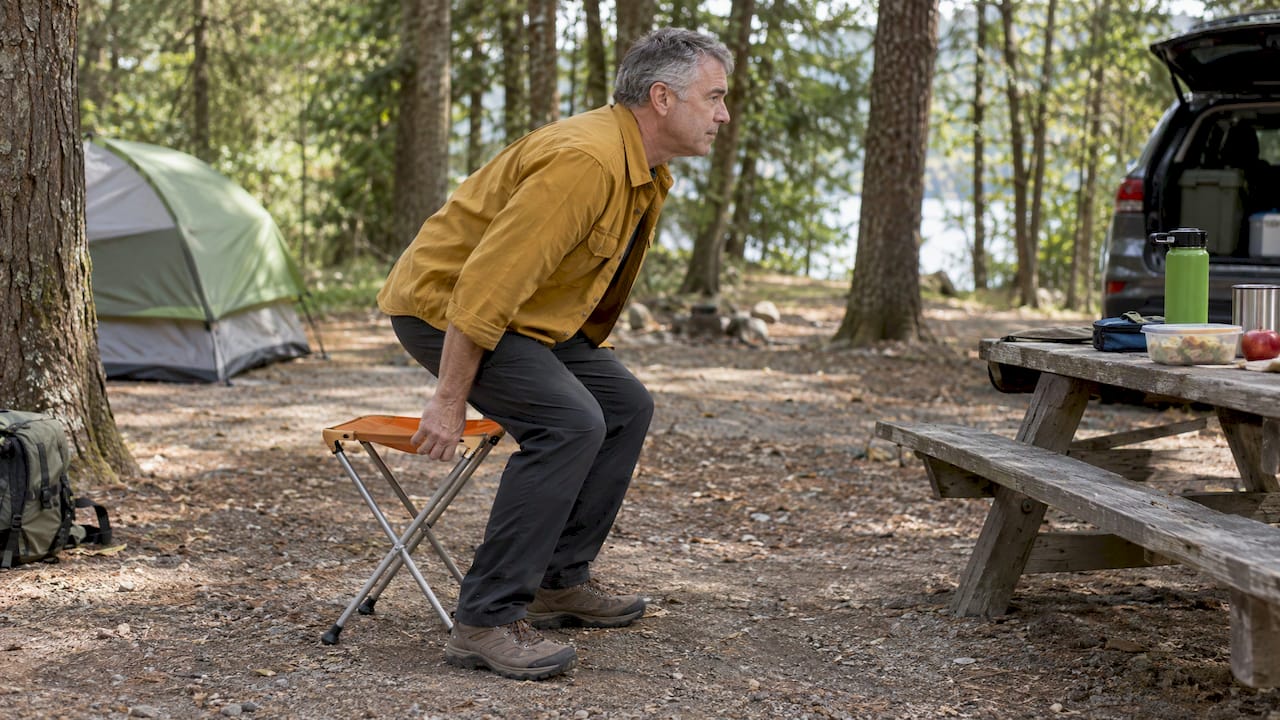
A seat is a good test case. You use it at every stop, it replaces sitting on damp ground, and the best ones weigh little. Food works the same way: if you carry snacks for long days, portable focus snacks are a simple example of packing food that has to earn its space.
Here is the checklist we would hand a friend.
“I need to sit comfortably at camp and on breaks without carrying a bulky chair” is a problem. “I need a chair” is a shopping impulse. The sharper the problem, the easier the choice.
A light item that packs awkwardly still wastes room. Look at the packed dimensions and decide where it lives in your bag. Our article on ultralight camping gear walks through how weight savings add up.
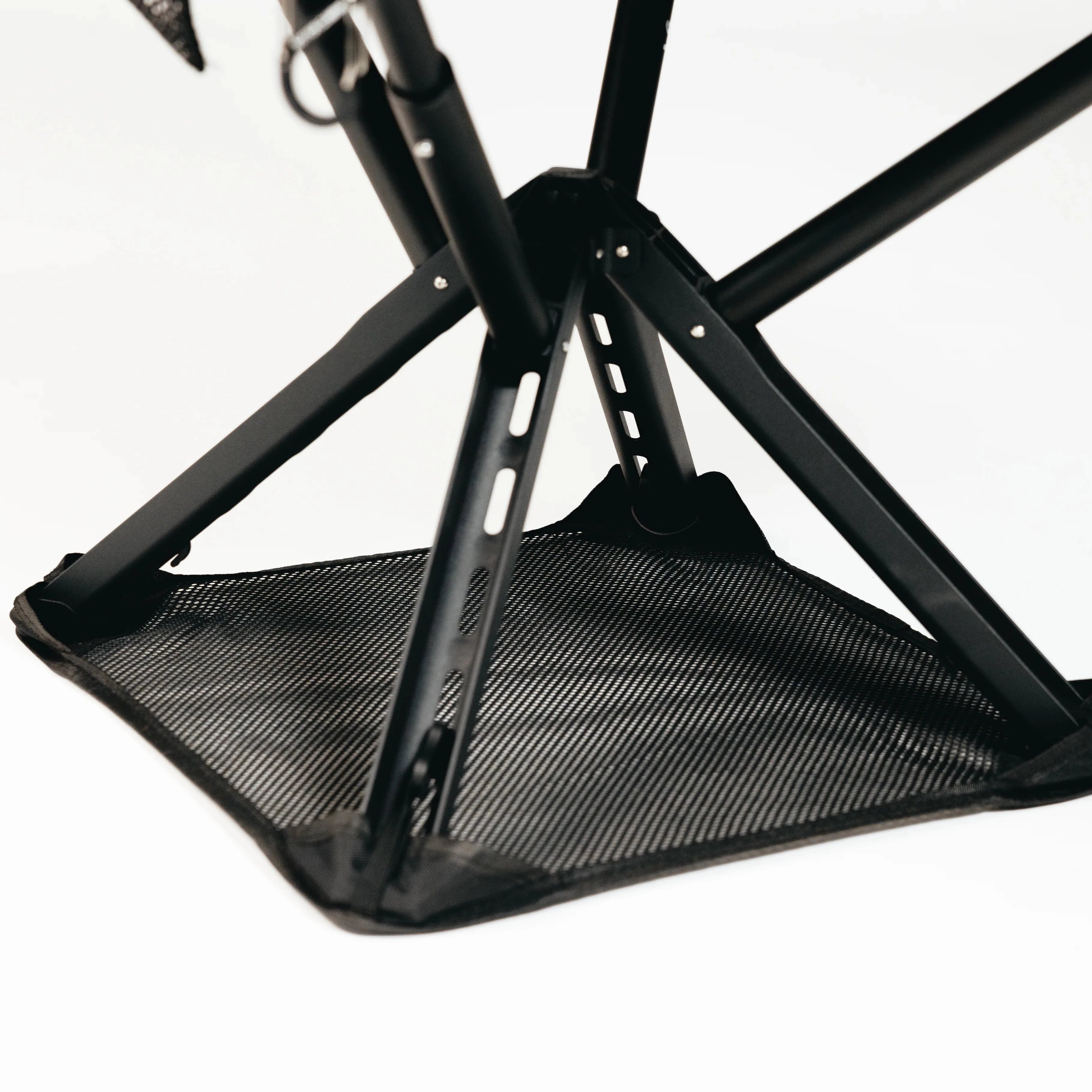
Durable fabrics, sturdy frames and sensible fasteners matter more than feature lists. Treat anything that will take body weight, rain and abrasion as a durability question first.
Two or three jobs done well is great. Six jobs done badly is a gimmick.
Care extends life. One outdoor writer reports that washing technical gear every few uses has a big impact on how long clothing lasts, and that repair, resale and second-hand buying keep equipment out of landfill. Buying well and using it for years is the most eco-friendly option you have. Our look at minimalistic camping gear covers the same idea from the packing side.
Set up the shelter in the backyard. Open the multitool. Sit on the chair. Gear you have never handled is gear you will fumble when it is cold and getting dark.
These are starting points, not prescriptions. Adjust for your forecast and your route.
| Trip | Safety core | Utility and comfort add-ons |
|---|---|---|
| Urban commute or day out | Water, sun protection, a layer | Compact seat, small blanket, light |
| Day hike | Full Ten Essentials | Lightweight seat for breaks, multitool |
| Car camping weekend | Shelter, warmth, water, first aid | Camp light, table, seat, thermal blanket |
| Overnight backpacking | Ten Essentials plus sleep system | Only items that replace something heavier |
Notice how the add-ons shift as weight pressure rises. On a car camping weekend you can afford comfort. On a backpacking trip every extra ounce gets questioned. The skill is knowing which column you are in.
Sitpack is a Danish outdoor seating brand, and our range is built around that test of function, weight and durability. Here is how our products map to the ideas above:
We ship worldwide, back orders with a 45-day satisfaction guarantee, and offer a lifetime warranty on select items.
We think the best adventure gear is the gear you forget you are carrying until the moment you need it.
That is why we started with seating. Sitting down sounds trivial, but a good break is what lets you keep going, and most people skip it because wet grass, cold rock and bulky chairs make it a hassle. A seat that is small and light enough to clip to a pack changes that habit.
Our approach is minimalistic: strip a product down to what it needs to do, make it from durable materials, and keep the weight low. We would rather you own one thing for years than five things for a season, and select pieces in our range carry a lifetime warranty for that reason.
If you take one thing from this guide, let it be the question: what job is this item doing? Answer it honestly, and your pack gets lighter and your trips get better.
Jonas
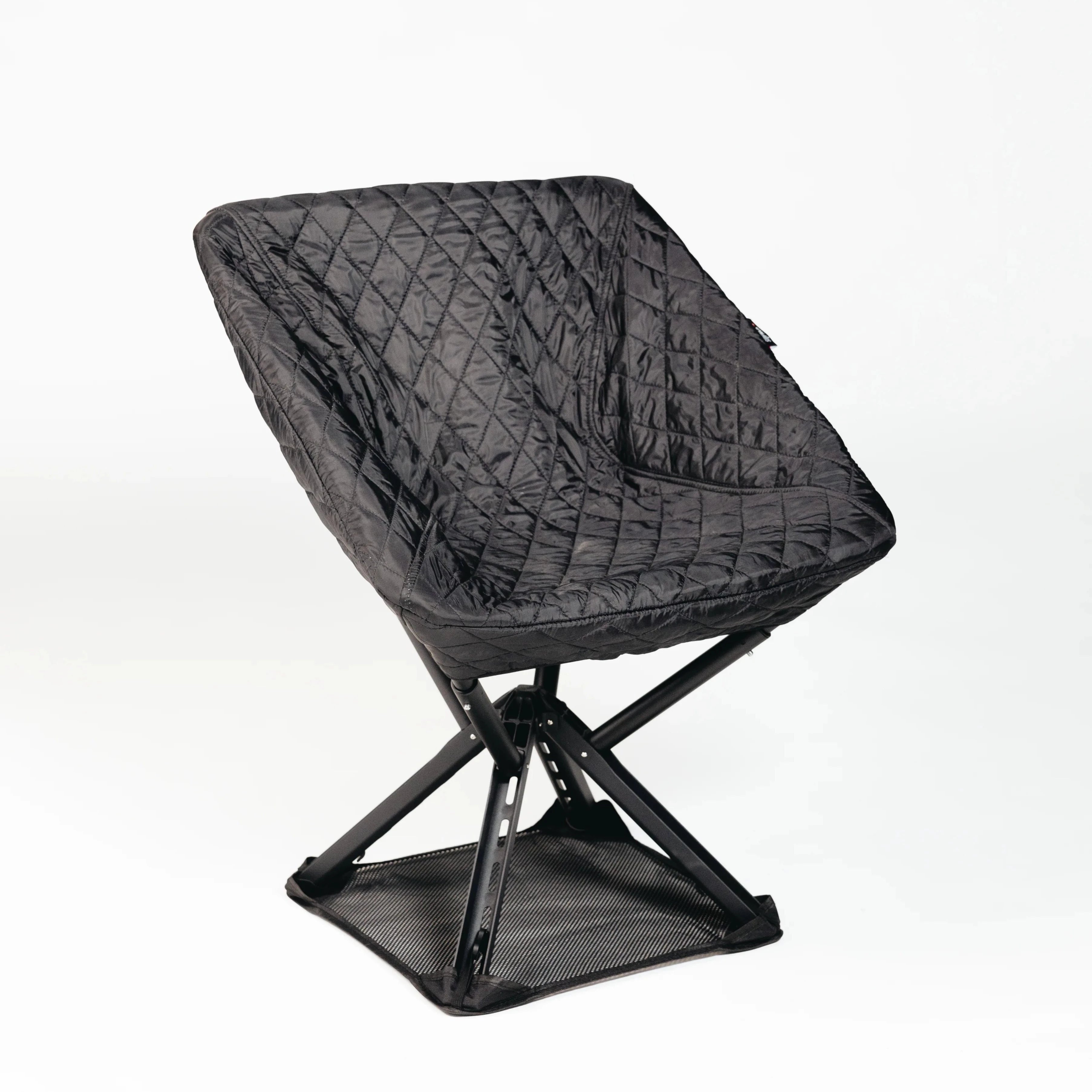
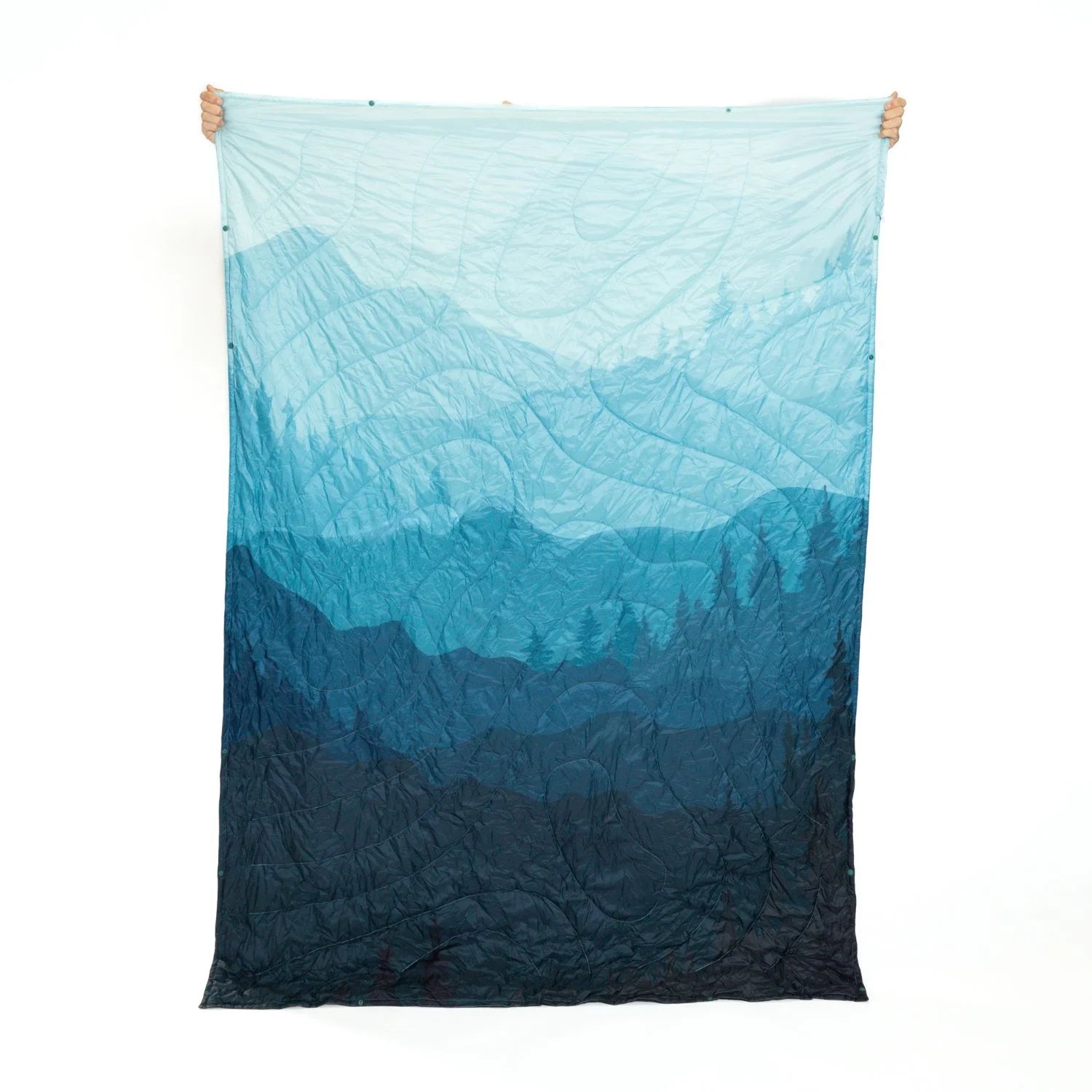
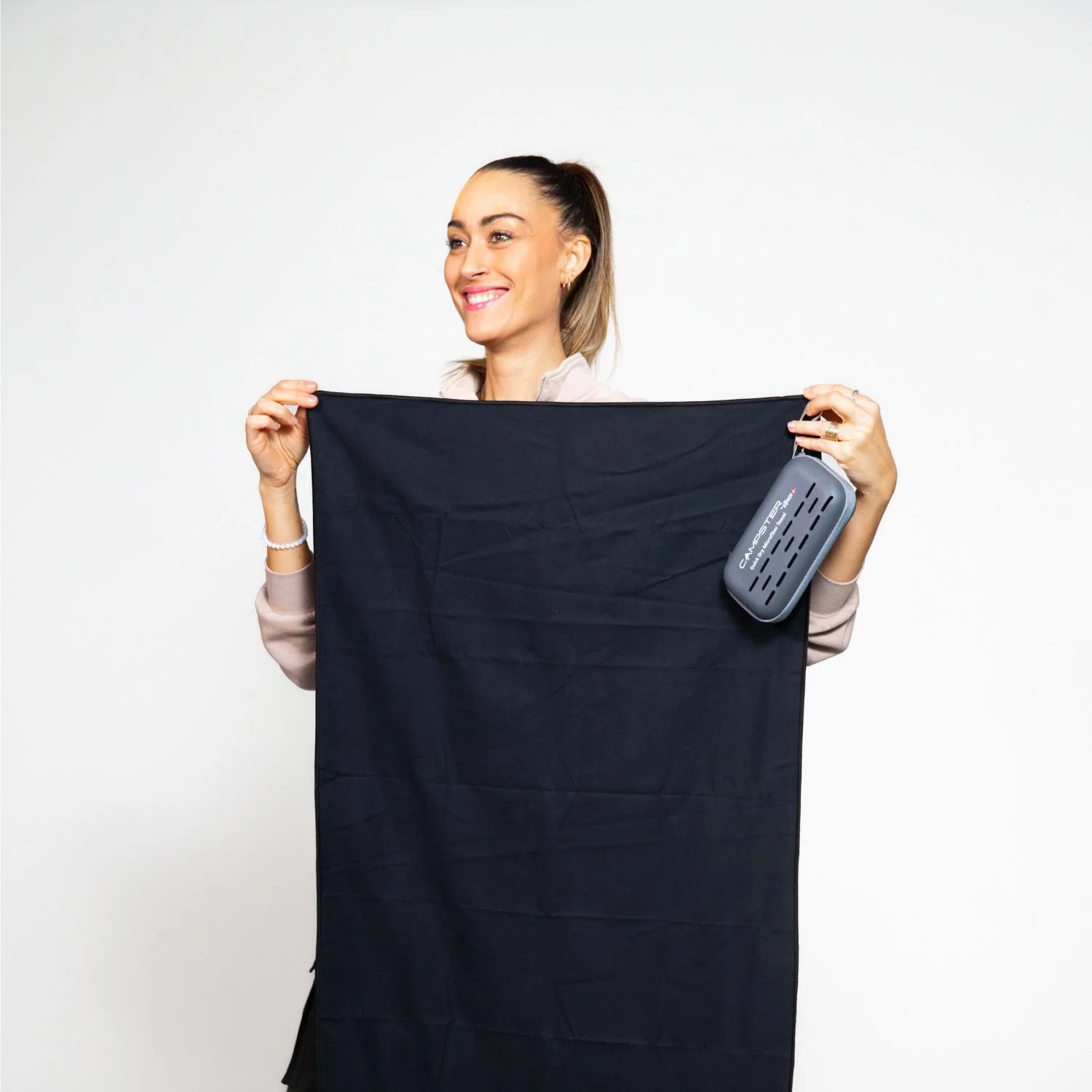
If seating, warmth or camp light are on your list, our range was built for exactly the weight-and-function thinking above. Start with the full lineup of the Sitpack stools, the OCTO camp gear and the Airwrap blanket on our all-products page, or look at the Campster Collection if a foldable chair is what you need.
Orders come with a 45-day satisfaction guarantee, so you can see how a piece fits your pack and your habits.
Outdoor gear is anything you carry to stay safe, warm, fed and comfortable outside: shelter, clothing, navigation, light, water treatment, tools and extras like seating. The U.S. National Park Service’s Ten Essentials is the most widely used starting list.
Every adventurer needs the Ten Essentials: navigation, sun protection, extra clothing, illumination, first aid, fire, repair tools, extra food, water and emergency shelter. Add activity-specific items, such as a life jacket for paddling or a satellite messenger for remote routes.
It depends on the job. Multi-use items save weight and space for light, occasional tasks. For frequent or critical tasks such as cutting or cooking, a dedicated tool usually performs better. Pick multi-use where the compromise is small.
Yes, and that is a big advantage. Compact seats, blankets, lights and bottles work at festivals, on commutes, in parks and on long travel days. Using one item across settings means you buy fewer things and use each one more.
Wash technical fabrics every few uses, repair small damage early and store gear dry. Repair, resale and second-hand buying also keep equipment in use longer and out of landfill.