Cart
0
Sign up and get 10$ off your order
Expected delivery
1-3 days
You may also like


Danish Company

TL;DR:
- Quality ergonomic portable chairs improve comfort, reduce fatigue, and support better posture outdoors.
- Choosing the right chair depends on activity, with lightweight options for hiking and plush models for car camping.
- Investing in premium chairs offers greater durability, better support, and environmental benefits over time.
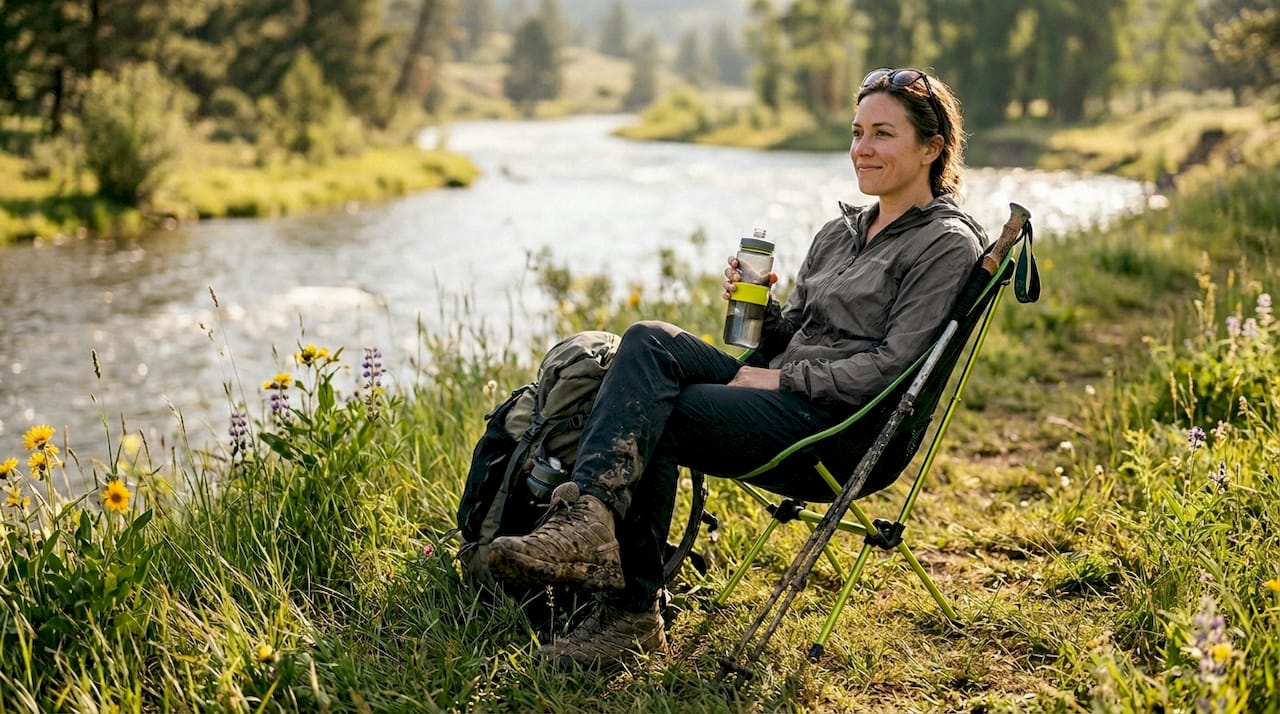
Most outdoor enthusiasts spend serious time researching tents, sleeping bags, and hiking boots, then grab whatever fold-up chair is on sale at the big-box store without a second thought. Big mistake. A portable chair is not just “a place to park your posterior” while the campfire crackles away. It is a piece of gear that directly affects your physical comfort, your energy levels, and honestly, how much you actually enjoy being outside. This guide breaks down why investing in quality, ergonomic portable seating transforms every outing, from weekend camping trips to festival crowds to lazy afternoons at the city park.
| Point | Details |
|---|---|
| Ergonomics matter | Investing in ergonomic portable seating reduces fatigue and supports comfort on any adventure. |
| Fit for your purpose | Choose a chair style that matches your activities, terrain, and health needs for the best experience. |
| Premium equals value | Higher-quality chairs last longer, use eco-friendly materials, and provide better long-term savings. |
| Inclusive design benefits all | Features like adjustable height and stability make comfort accessible for every body and setting. |
Let’s get one thing out of the way immediately: not all portable chairs are created equal. That cheapo folding chair you grabbed at the hardware store may technically hold your weight, but it is probably doing your back no favors and will likely give up the ghost after a couple of seasons. Quality portable seating is about much more than staying off the ground.
Ergonomics refers to how well a product supports your body’s natural posture. In a chair, that means how it positions your spine, pelvis, and legs. A well-designed portable seat keeps your back aligned, reduces pressure on your tailbone, and prevents the kind of slouching that leaves you with a sore lower back the next morning. Research confirms this matters: flexible seat pans in ergonomic chairs improve pelvic and lumbar angles by 15.3° and reduce muscle fatigue by 47% at low frequencies during prolonged sitting. Those are not small numbers when you are logging several hours at a campsite or music festival.
The benefits of quality design show up in several tangible ways:
Speaking of stability, gear innovation has made it surprisingly easy to carry a genuinely good chair without straining your pack. Lightweight designs like the Helinox Chair One weigh just 2 lbs while supporting up to 320 lbs on grass, gravel, and sand. That kind of engineering used to be expensive and rare. Now it is increasingly accessible, and it is setting the standard for what portable seating should look like.
“A great camp chair is one you forget you are sitting in because it just feels right. A bad camp chair is one you are thinking about the whole time because everything hurts.”
Pro Tip: Look for chairs with flexible or slightly contoured seat pans rather than flat, rigid ones. That subtle shape cradles your pelvis and keeps your lumbar spine in a neutral position, which makes a world of difference on long sits.
Understanding the ergonomic importance, the next step is to choose a chair that fits your purpose and activities. There is no universal “best” portable chair because the best chair depends entirely on where you are going and what you plan to do when you get there.
Expert testing shows that premium portable chairs outperform basic folding chairs in durability, achieving 2 to 3 times the lifespan, as well as superior comfort during long sits and greater versatility for car camping, festivals, beaches, and urban use. But versatility only matters if you pick the right style to begin with.
Here is a quick comparison of chair types and their best-fit activities:
| Chair type | Weight | Best for | Key feature |
|---|---|---|---|
| Ultralight backpacking chair | 1 to 2 lbs | Hiking, trail camping | Packability, low volume |
| Mid-range foldable chair | 3 to 5 lbs | Festivals, picnics, parks | Comfort vs. portability balance |
| Low-slung camp chair | 4 to 6 lbs | Campfire lounging, beaches | Deep seat, relaxed angle |
| High-back recliner | 7 to 12 lbs | Car camping, long stays | Maximum back support |
| Compact urban seat | Under 1 lb | Commutes, sports events, city outings | Pocket-sized packability |
When you are browsing compact chairs for outdoor use, keep these three feature priorities in mind based on your activity type:
It is also worth thinking about your footwear choices in relation to your seating setup. Just as comfort footwear supports healthy living over long days on your feet, your chair supports recovery and relaxation when you are off them. The two work together as a system for sustained outdoor comfort.
The trade-off between ultralight and car-camping models is real. Ultralight chairs make compromises: narrower seats, lower weight limits, less padding. Car-camping chairs offer plush comfort but are not exactly carry-on friendly. Knowing which side of that trade-off suits your lifestyle most of the time will save you from buying the wrong chair twice.
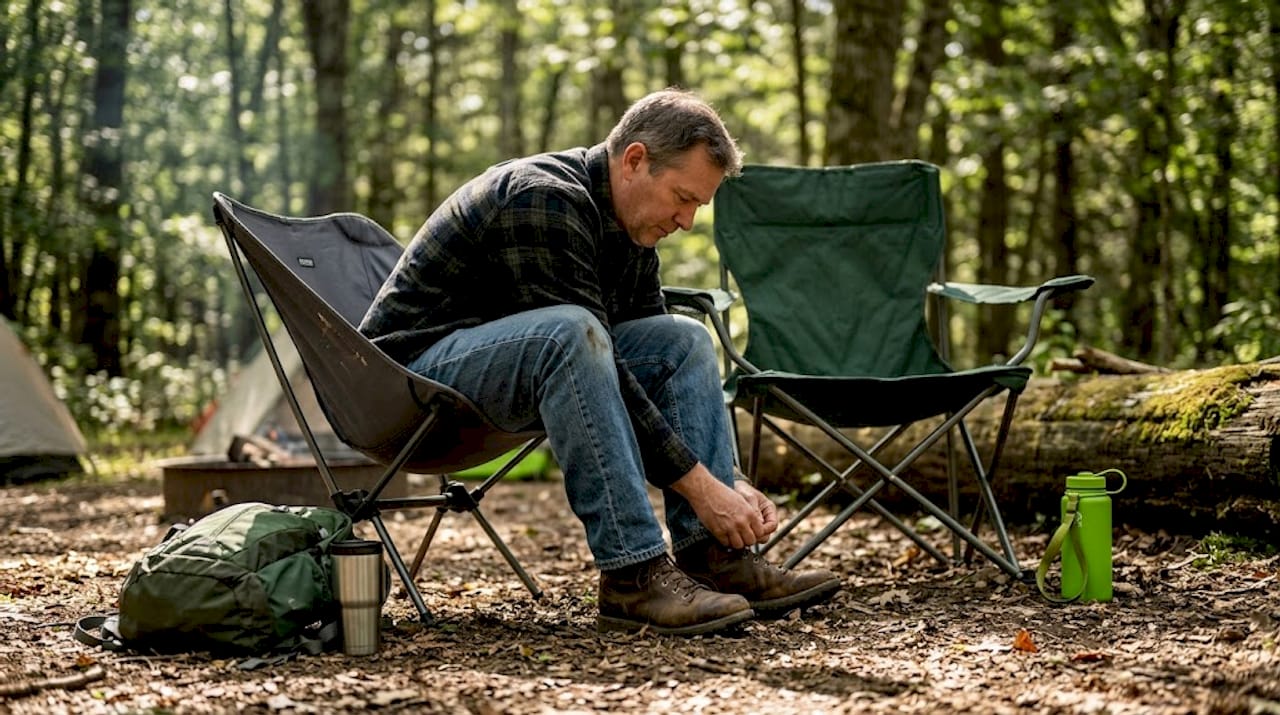
Once you have matched chair features to your adventures, cost and durability become important deciding factors. This is where people often hesitate, and honestly, it is understandable. Spending $150 on a camp chair when you can get one for $25 at the discount store feels indulgent. But the math actually works out in favor of premium.
Premium chairs justify their higher cost, typically $100 to $200, through longevity, eco-friendly materials including recycled polyester content up 40% in many models, and superior ergonomics compared to cheap big-box chairs that rip easily and promote slouching. High-strength aluminum and ripstop fabrics extend chair lifespan 2 to 3 times over budget alternatives.
Here is a realistic cost comparison over five years:
| Option | Initial cost | Replacements needed | Total 5-year cost |
|---|---|---|---|
| Budget chair ($25) | $25 | 3 to 4 replacements | $100 to $125 |
| Mid-range chair ($75) | $75 | 1 replacement | $150 |
| Premium chair ($150) | $150 | 0 replacements | $150 |
The numbers tell a pretty clear story. Over five years, a premium chair often costs the same or less than repeatedly replacing cheap ones. And that calculation does not even factor in the comfort and health benefits you lose with every budget chair you sit in.
Beyond your wallet, there is a genuine environmental argument for going premium. Lightweight chair advantages include the fact that well-made chairs made from recycled or responsibly sourced materials generate significantly less waste over time. Cheap chairs typically end up in landfill after a season or two of use.
Key benefits of investing in a premium portable chair:
The bottom line is that a $150 chair you use for seven seasons is a much smarter investment than four $25 chairs that each last one or two seasons while making your back ache the entire time.
Beyond basic user needs, there are crucial features for comfort across all ages and environments. Not everyone using a portable chair is a 28-year-old with the flexibility of a gymnast and knees that work flawlessly. Real-world users include older adults, people with limited mobility, families with young children, and anyone who has ever tried to haul gear to a challenging outdoor location.
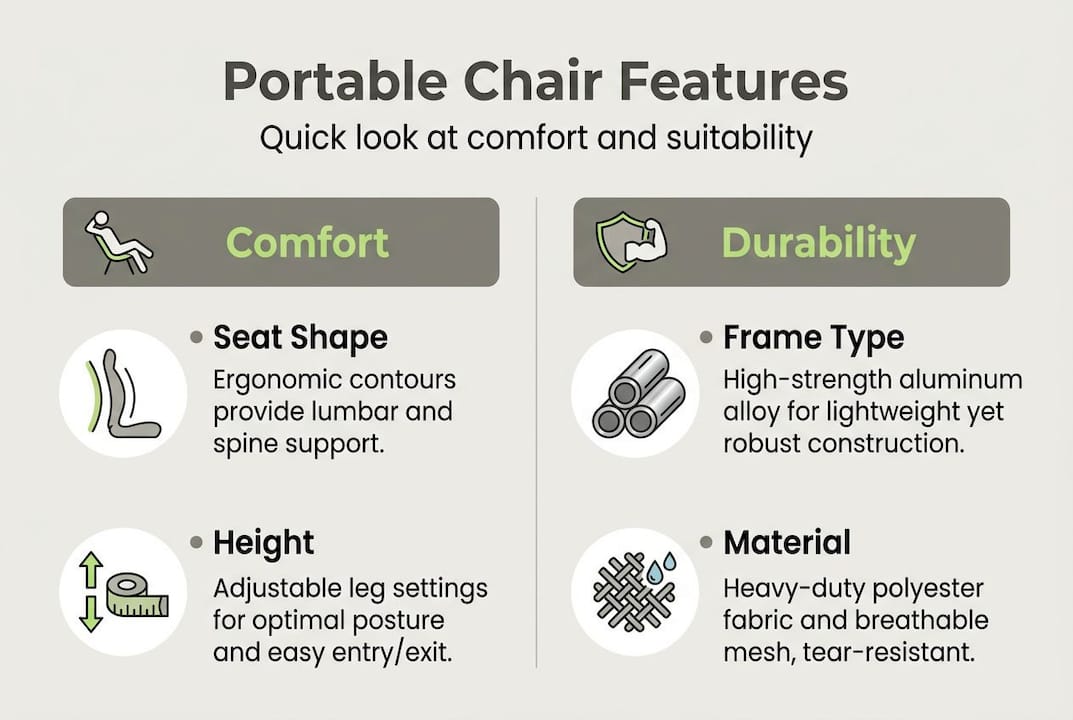
Research shows that optimal seat height sits at or just below your popliteal height (the bend at the back of your knee, roughly H or H minus 25mm) paired with a 105-degree backrest angle. This combination reduces pressure gradients across your thighs and lower back, enhances comfort for elderly users, and creates positive correlations with regional comfort across the feet, calves, and thighs. Getting that height right is not just a preference issue; it is a biomechanical one.
Benefits of compact chairs extend well beyond just saving space. Here is what to look for when purchasing for specific needs:
Urban settings bring their own set of considerations. Concerts, farmers markets, sporting events, and city parks often require seating that packs into a bag or attaches to a backpack without looking out of place. Here, compact design wins over maximum cushioning.
Pro Tip: If you are buying for an older parent or someone with knee issues, choose a chair with a seat height that puts their knees at roughly a 90-degree angle when seated. Anything lower and they will be struggling to stand up every single time. This is the single most overlooked feature in portable chair shopping.
Here is something most buying guides never talk about: the psychological impact of proper outdoor seating. Gear reviews obsess over ounces and load ratings, but they rarely mention that sitting comfortably at a trailhead after a long hike changes how you feel about the entire trip. It signals to your body and mind that you have earned a rest, and it creates space for the social moments that make outdoor adventures genuinely memorable.
The unexpected benefits of portable seating include stress reduction, social ease, and plain old confidence when you show up somewhere without scrambling for a spot on the grass or a crowded bench. A well-chosen chair signals that you planned ahead and you know how to enjoy an outing properly.
Here is a slightly contrarian take: sometimes one great chair is worth more than four cheap ones. I have seen groups haul a collection of rattling, saggy camp chairs to a campsite and spend half the evening re-adjusting and complaining. One person brings a premium, ergonomic chair and quietly enjoys every minute. The quality experience multiplies enjoyment, while the quantity approach just multiplies frustration.
Investing in real comfort does not mean overpacking. It means choosing one well-made piece of kit that genuinely improves your time outside, and trusting that the extra dollars spent upfront will pay back in better adventures for years to come.
Now that you know why quality and fit matter, here is how to take the next step for your outings. Whether you are planning a multi-night camping trip, a festival weekend, or just want to stop sitting on park benches, the right chair changes the whole game.
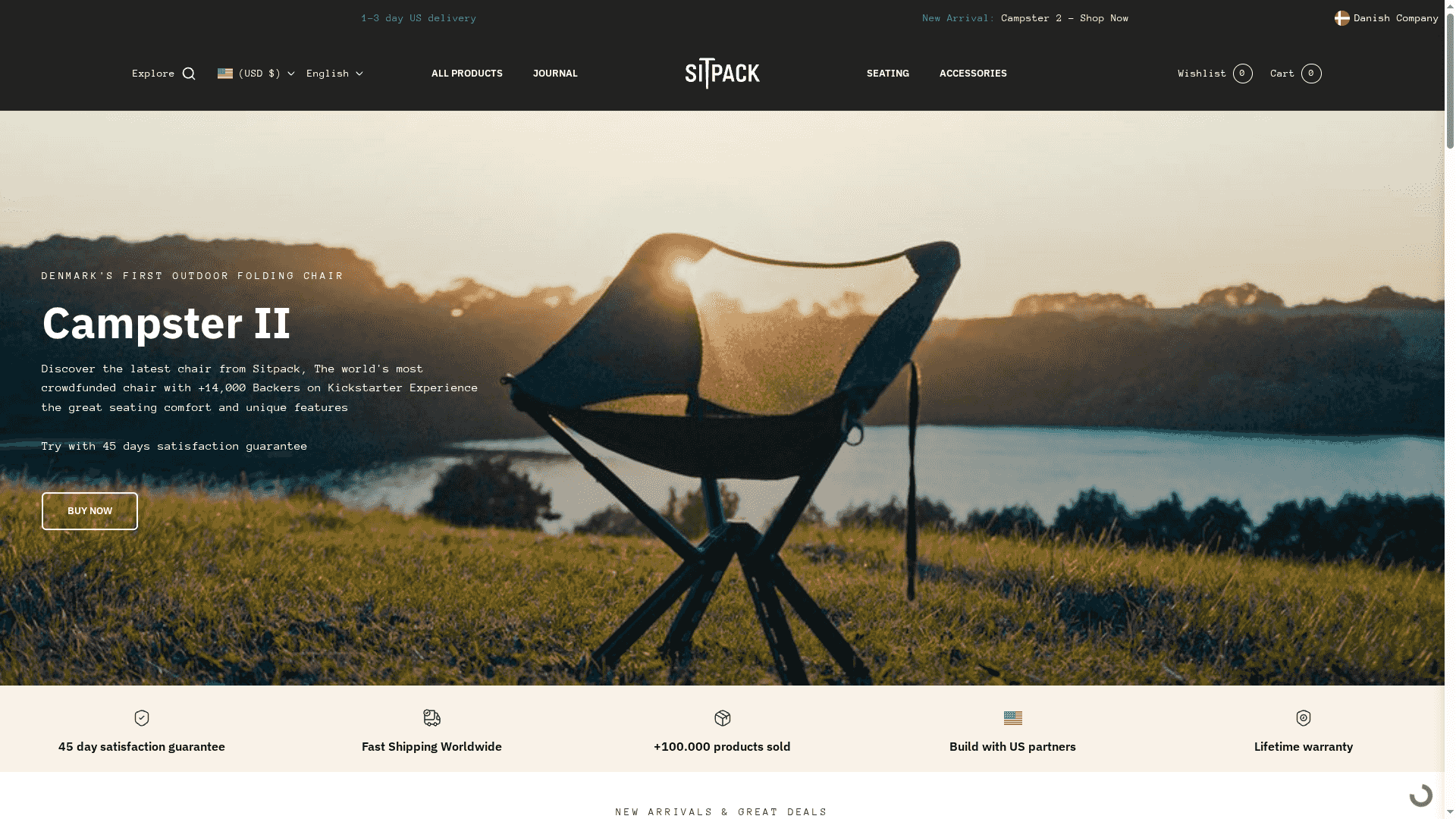
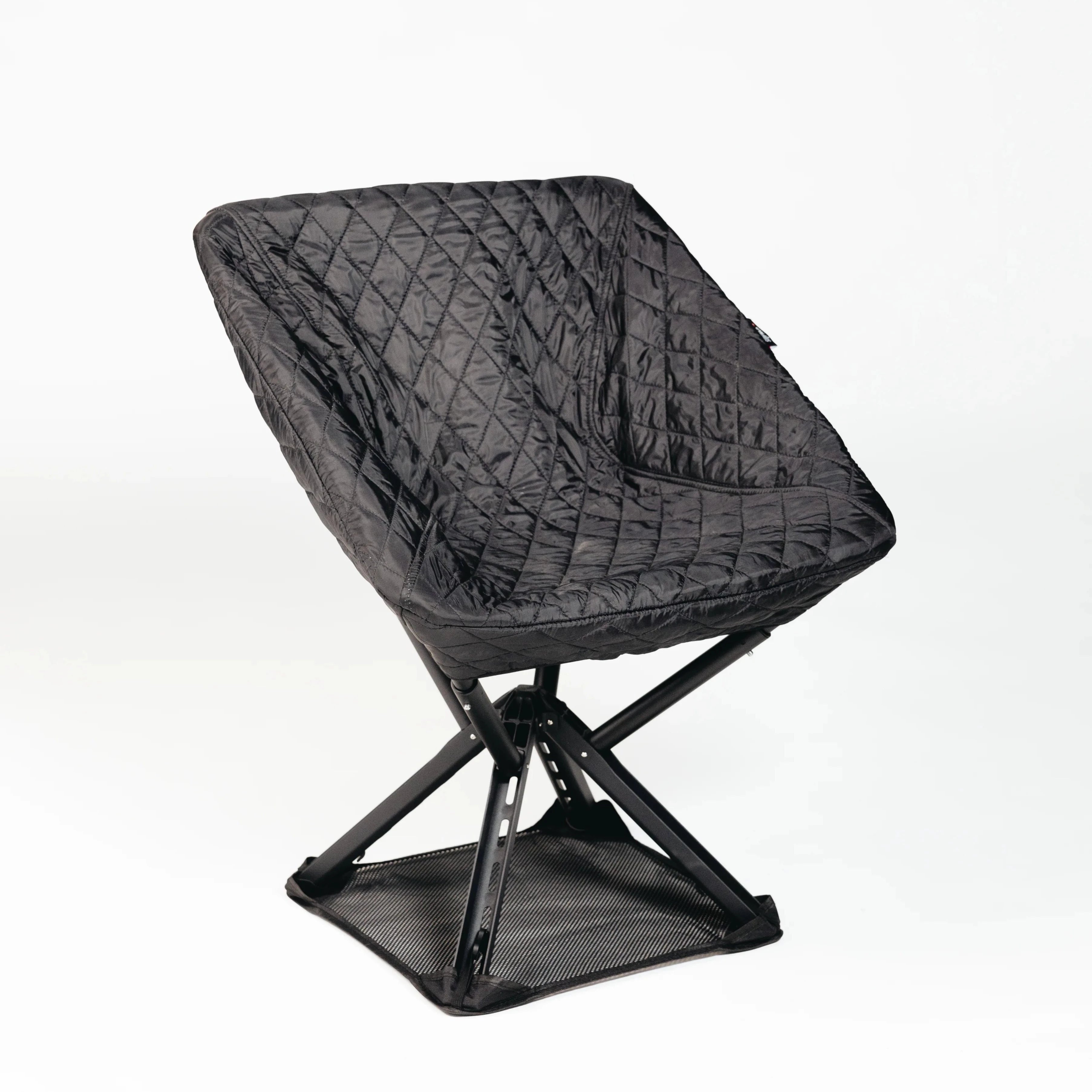
At Sitpack, we build portable seating that takes both comfort and smart design seriously. From the ultra-compact Sitpack Zen to the versatile Campster II, every product is engineered with ergonomics, durability, and packability in mind. Browse the full range and find the chair that fits your next adventure, whether that is a mountain trail, a crowded festival field, or a sunny afternoon in the city. Your back will genuinely thank you.
Yes, premium chairs offer 2 to 3 times the durability over budget options, better ergonomics, and superior comfort, which saves you money and physical discomfort over the long term.
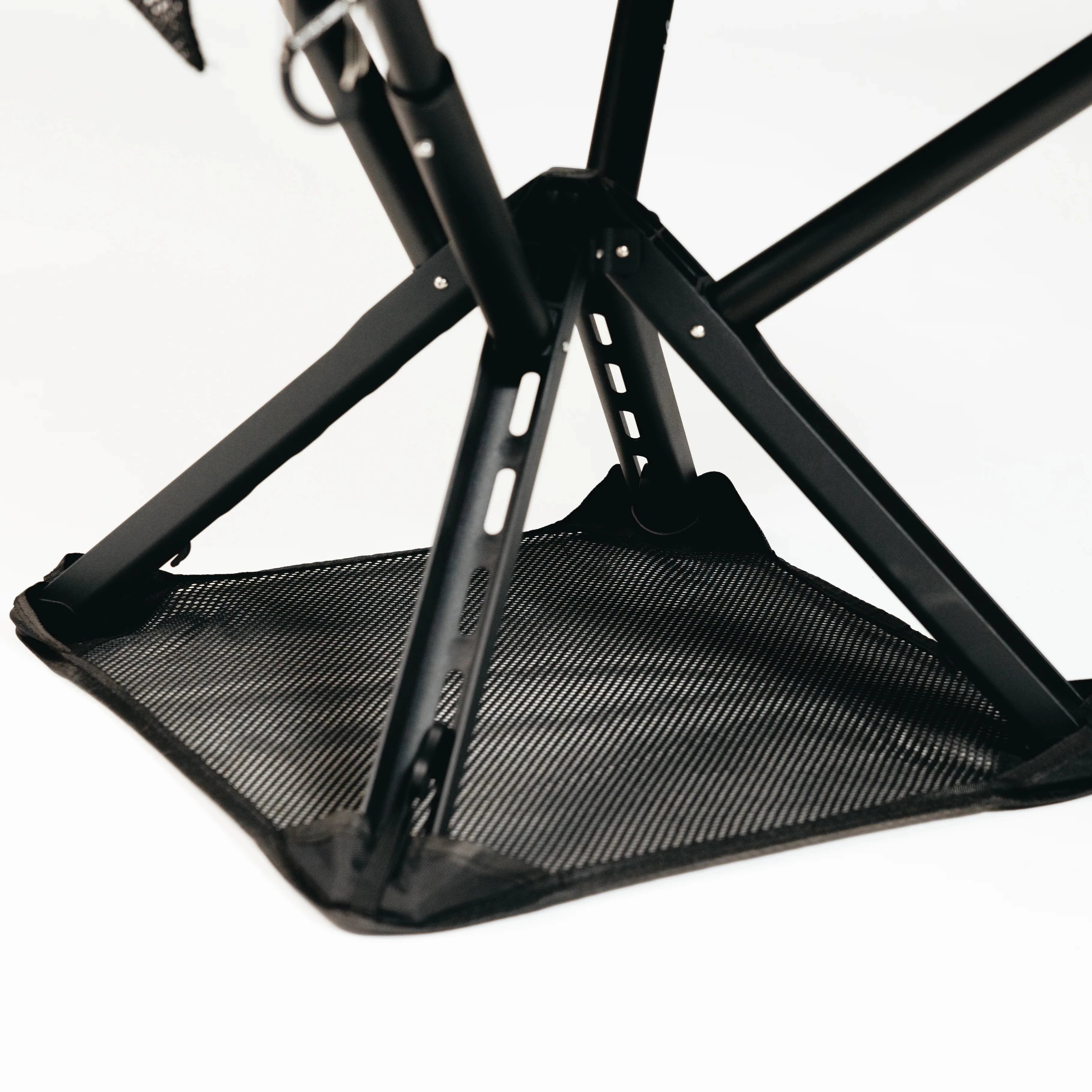
Choose chairs with adjustable heights, anti-sink feet, and secure locking mechanisms for safe entry and exit across varied terrain and user abilities.
Lightweight chairs like the Helinox Chair One weigh just 2 lbs while supporting up to 320 lbs, proving that light and strong are not mutually exclusive.
Optimal seat height is at or just below the back of your knee, combined with a 105-degree backrest angle, which minimizes pressure and maximizes comfort over extended sitting sessions.