Vogn
0
Tilmeld dig og få 10% i rabat på din ordre
Forventet levering
1-3 dage
Du vil måske også kunne lide


Dansk Firma

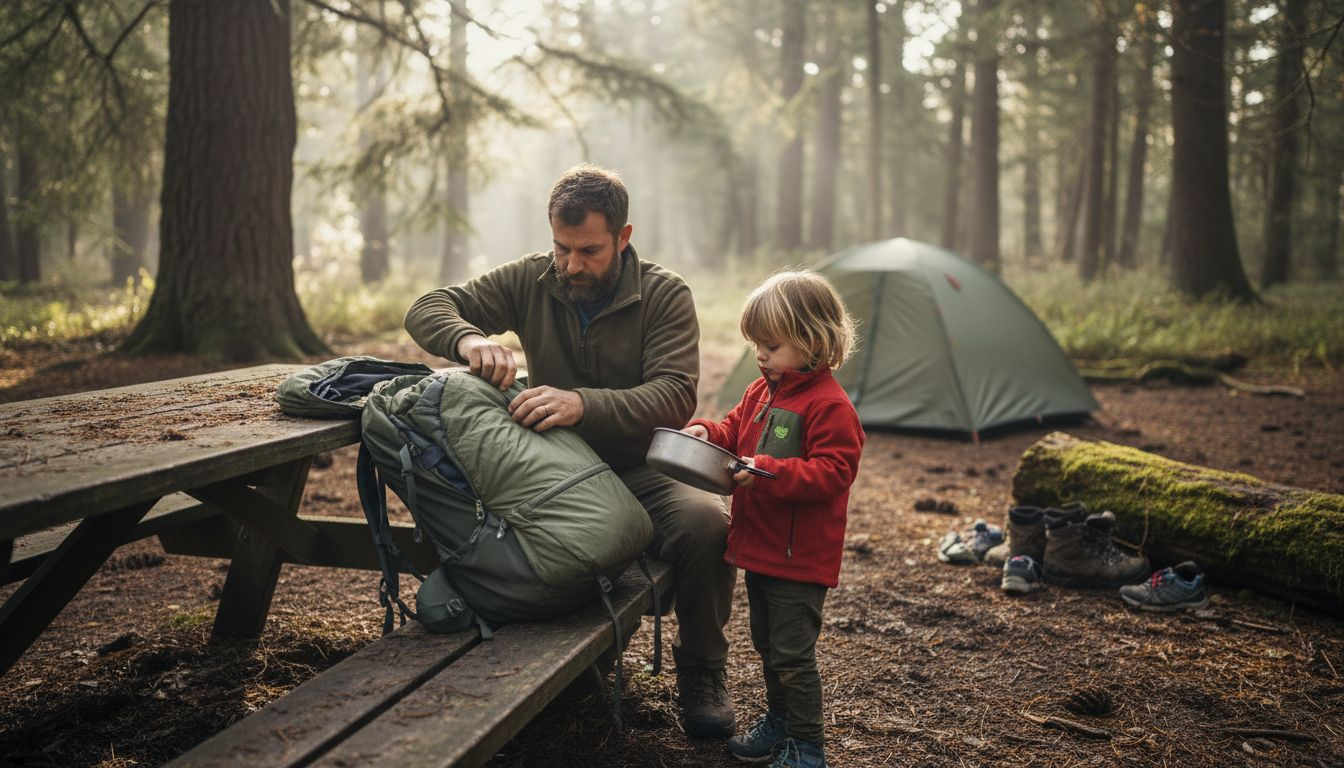
Packing for a camping trip in the heart of the city or on the edges of a Canadian national park can quickly become overwhelming when you want both light gear and maximum comfort. For eco-conscious travelers, every ounce matters and each piece of equipment should reflect a balance of function and respect for nature. By spotlighting lightweight and multi-purpose gear and smart seating solutions, this guide helps you shape a pack that fits your adventure and supports your sustainability goals.
| Key Insight | Explanation |
|---|---|
| 1. Assess trip needs thoroughly | Understand your trip duration, terrain, and comfort requirements to guide gear selection and packing effectively. |
| 2. Choose lightweight, multipurpose gear | Prioritize equipment that serves multiple functions to minimize weight and enhance outdoor mobility during your adventure. |
| 3. Prioritize portable seating options | Select lightweight, ergonomic seating that provides comfort and support, improving your overall camping experience. |
| 4. Pack eco-friendly clothing | Opt for sustainable, versatile clothing to reduce your environmental impact while maintaining comfort and functionality outdoors. |
| 5. Test gear before departure | Systematically verify each item’s functionality, ensuring preparedness and preventing mishaps in the wilderness. |
Before loading up your backpack, you need a crystal-clear understanding of your camping adventure’s unique requirements. Trip duration and personal needs will determine everything from gear selection to packing strategy.
Starting with a comprehensive assessment helps you make smarter decisions. Community needs assessments help campers strategize effectively by considering critical factors like:
To create an accurate camping plan, break down your assessment into practical steps. Developing a comprehensive planning strategy involves understanding both current conditions and desired outcomes. Start by asking yourself key questions about expected challenges, personal limitations, and adventure goals.
Once you’ve mapped out these details, you’ll be prepared to make informed gear selections that match your specific camping needs. The more precise your initial assessment, the more enjoyable and comfortable your outdoor experience will be.
Pro tip: Create a digital or physical checklist of your camping needs before purchasing any equipment to avoid unnecessary expenses and overpacking.
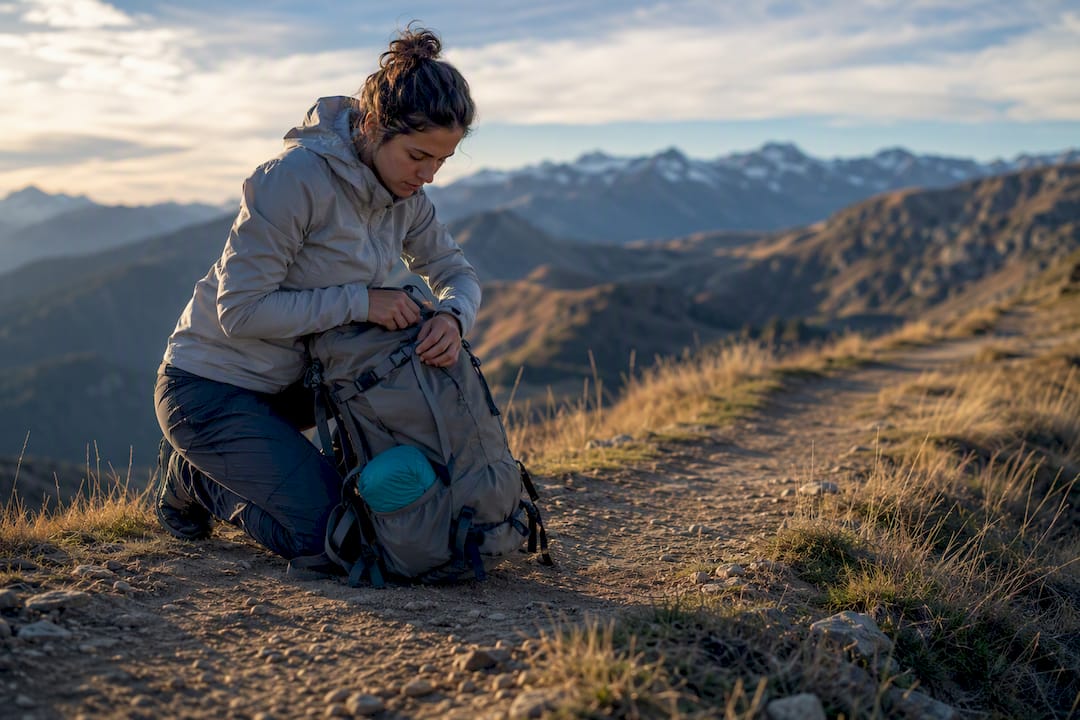
Reducing pack weight is the secret weapon for comfortable camping adventures. By strategically choosing lightweight and versatile equipment, you’ll transform your outdoor experience from a potential burden to an enjoyable journey.
Ultralight backpacking techniques emphasize selecting gear that serves multiple functions while minimizing overall weight. This approach means every item in your pack must earn its place through versatility and efficiency. Consider these critical selection strategies:
Outdoor gear recommendations highlight the importance of carefully selecting equipment that balances functionality with minimal weight. Think of your gear as a carefully curated toolkit where each item must perform multiple roles.
By investing time in selecting smart, lightweight gear, you’ll create a more enjoyable and less physically demanding camping experience. Your back will thank you, and you’ll move more freely through diverse terrains.
Pro tip: Weigh each piece of gear before your trip and challenge yourself to eliminate anything that doesn’t serve at least two distinct purposes.
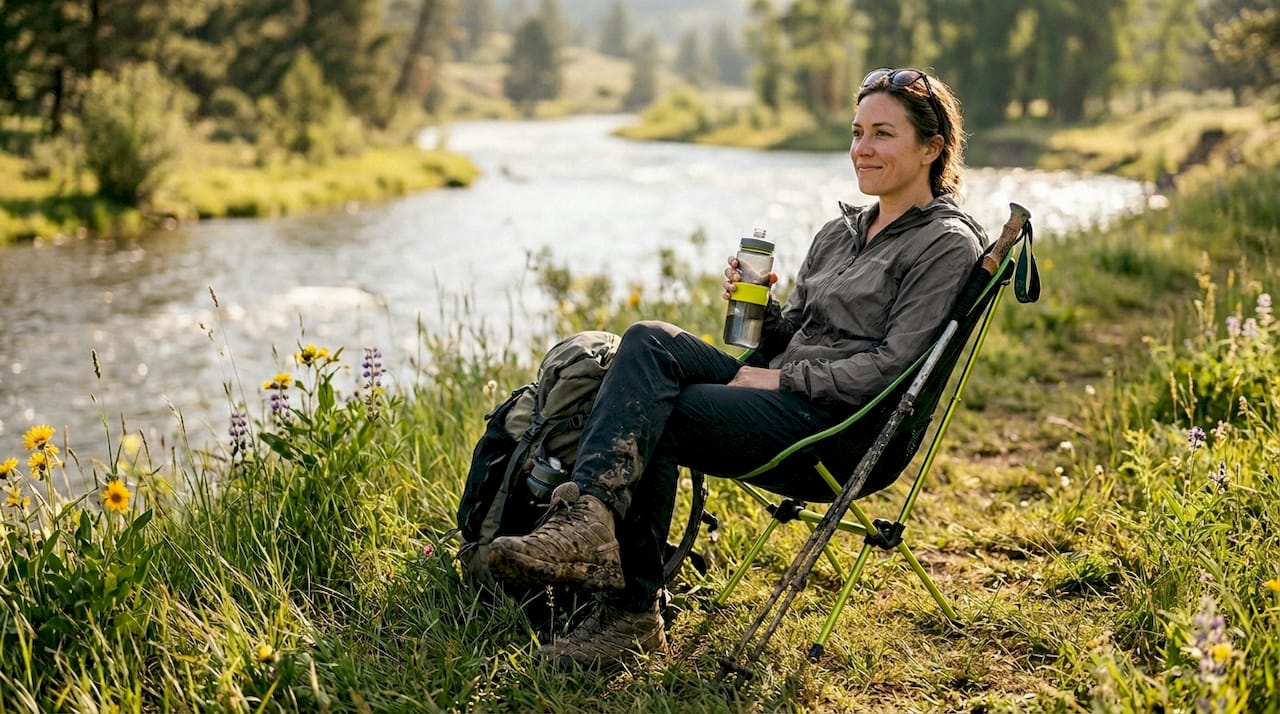
Comfort can make or break your camping experience, and selecting the right portable seating is crucial to enjoying your outdoor adventure. Portable seating solutions transform your campsite from a basic wilderness spot to a relaxing personal sanctuary.
Physical benefits of camping comfort demonstrate how strategic seating choices directly impact your overall enjoyment and recovery. Consider these essential criteria when selecting your portable seating:
Seating positioning technologies emphasize the importance of choosing seating that provides proper support. Your portable chair isn’t just a place to sit - it’s a critical piece of equipment that can significantly enhance your camping comfort.
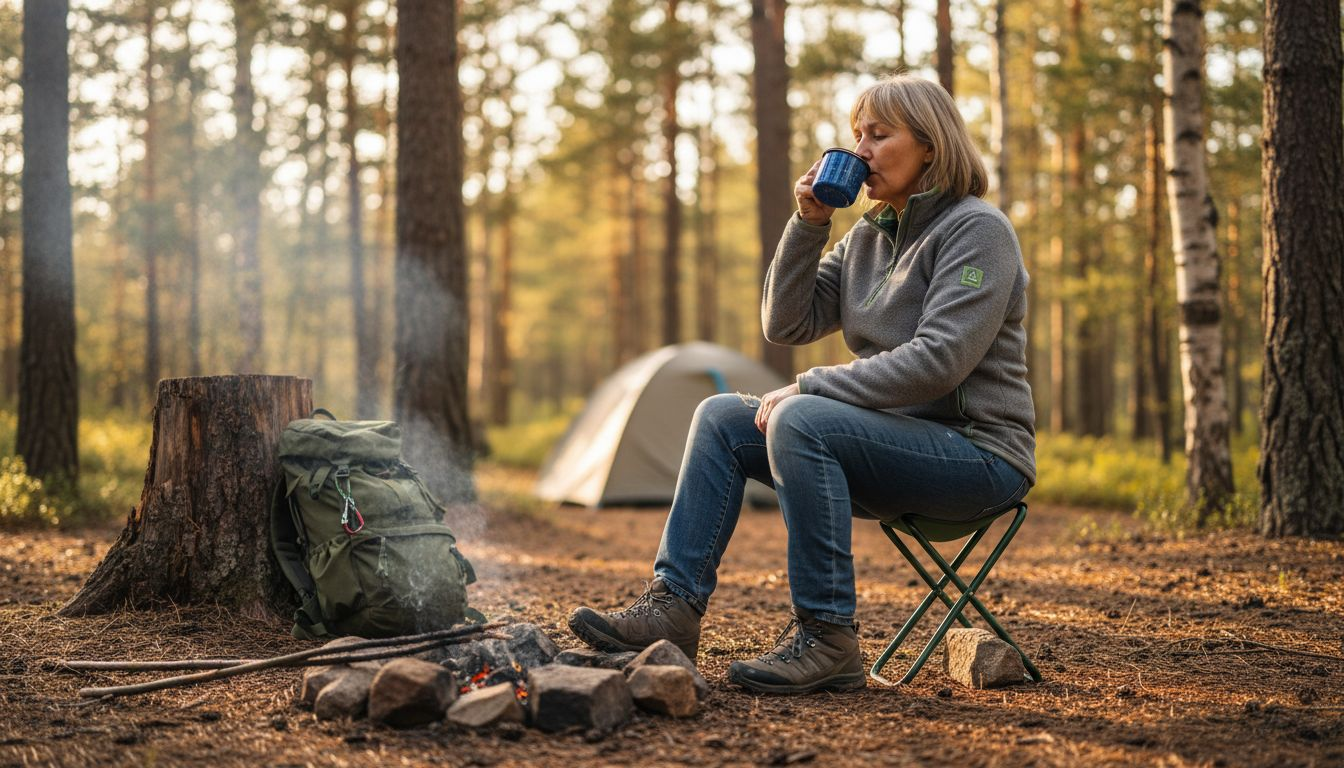
Think beyond traditional camping chairs. Modern portable seating options range from ultralight backpacking stools to compact inflatable seats, each designed to minimize weight while maximizing comfort. The goal is finding that perfect balance between portability and support.
Here’s a quick comparison of common camping seating options to help you choose the right one for your needs:
| Seating Type | Typical Pack Weight | Comfort Level | Best Use Case |
|---|---|---|---|
| Folding Chair | 2-4 lbs | High comfort, full back support | Car camping, long base camps |
| Backpacking Stool | 1-2 lbs | Moderate comfort, minimal support | Hikes, short trips |
| Inflatable Seat | Under 1 lb | Variable comfort, very packable | Ultralight trips, extra seating |
| Foam Pad | 0.5-1 lb | Basic comfort, insulation | Lightweight backpacking, emergency use |
Pro tip: Test your portable seating at home before the trip to ensure it meets your comfort and mobility requirements.
Packing smart means selecting clothing that’s not just lightweight, but also environmentally conscious. Sustainable camping attire goes beyond mere functionality, reducing your ecological footprint while keeping you comfortable in the great outdoors.
Eco-friendly clothing strategies recommend a minimalist approach to outdoor wardrobes. Focus on versatile pieces that can be mixed, matched, and layered effectively:
Sustainable fashion practices emphasize choosing materials that minimize environmental impact. By selecting high-quality, multipurpose clothing made from recycled or organic materials, you’re not just preparing for your camping trip - you’re making a statement about responsible outdoor recreation.
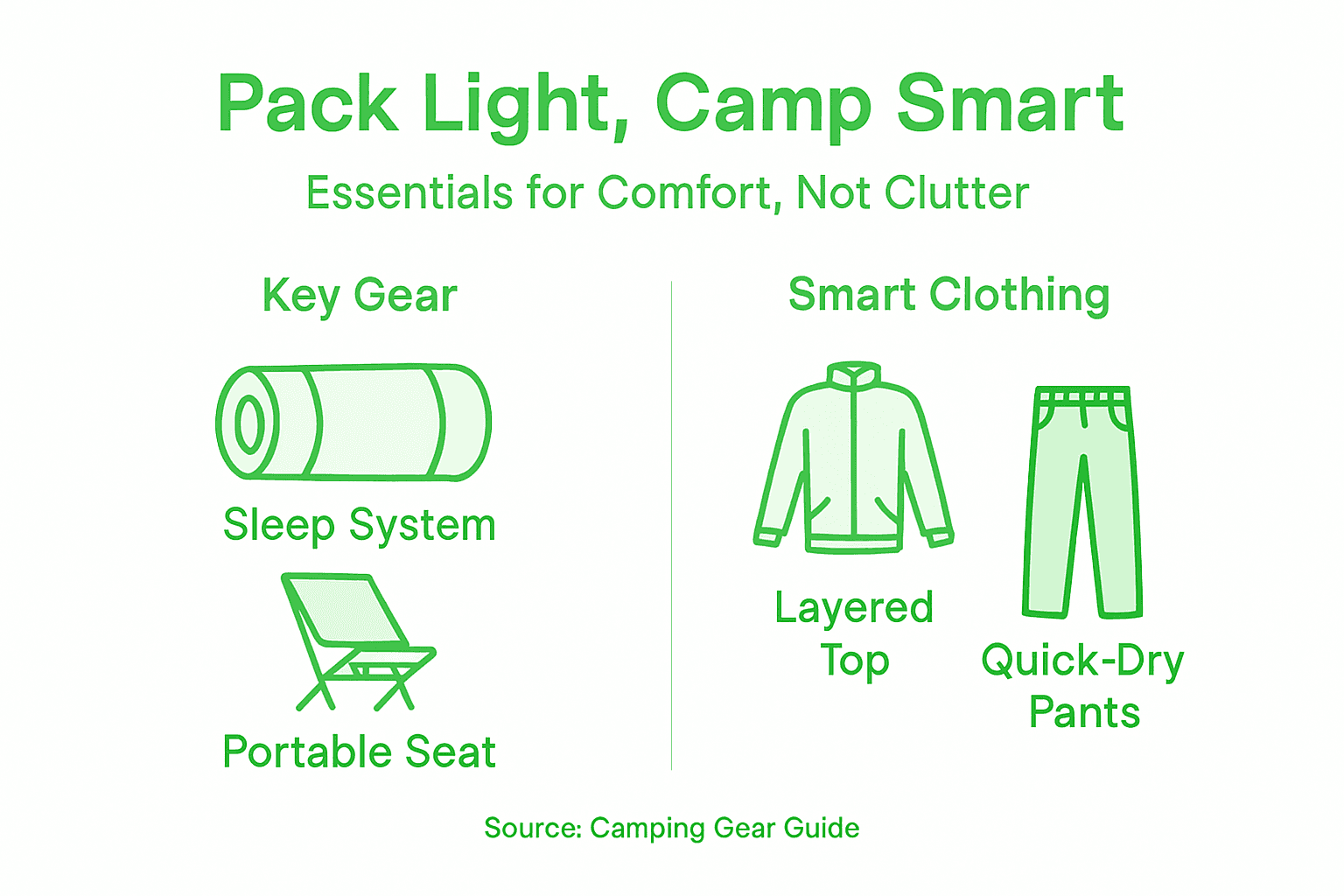
Think of your camping wardrobe as a carefully curated collection where every piece serves multiple purposes. The goal is maximum functionality with minimal environmental consequences.
Use this summary table to quickly check key clothing considerations for eco-friendly camping:
| Clothing Factor | Environmental Impact | Outdoor Performance |
|---|---|---|
| Organic Cotton | Low water and chemical use | Good breathability, slower drying |
| Merino Wool | Biodegradable, renewable fiber | Excellent temperature regulation |
| Synthetics (recycled) | Reduces landfill waste | Fast drying, lightweight |
| Neutral Colors | Less dye impact | Blends well with nature |
Pro tip: Invest in versatile, high-quality clothing pieces that can be easily washed and dried in outdoor conditions, reducing the total number of items you need to pack.
The final and most critical step in your camping preparation is ensuring every piece of equipment functions perfectly before you hit the trail. Gear testing isn’t just a recommendation - it’s your insurance policy against potential wilderness mishaps.
Pre-departure equipment checks are essential for a smooth outdoor experience. Systematically verify each item’s functionality and condition using this comprehensive approach:
Comprehensive departure checklists recommend creating a methodical testing process. Simulate potential usage scenarios to identify potential issues before they become real problems in the wilderness.
Remember that thorough preparation transforms potential challenges into manageable situations. Spending an hour testing gear can save you countless headaches during your camping adventure.
Pro tip: Create a digital or physical checklist and physically walk through each item’s functionality at least 48 hours before your departure, allowing time for repairs or replacements.
Packing light and maximizing comfort are the core challenges faced by every outdoor enthusiast. This article highlights the importance of selecting portable seating that balances weight, durability, and ergonomic design to transform your campsite into a true sanctuary. If you want to reduce pack weight without sacrificing comfort or support, exploring innovative seating options is essential.
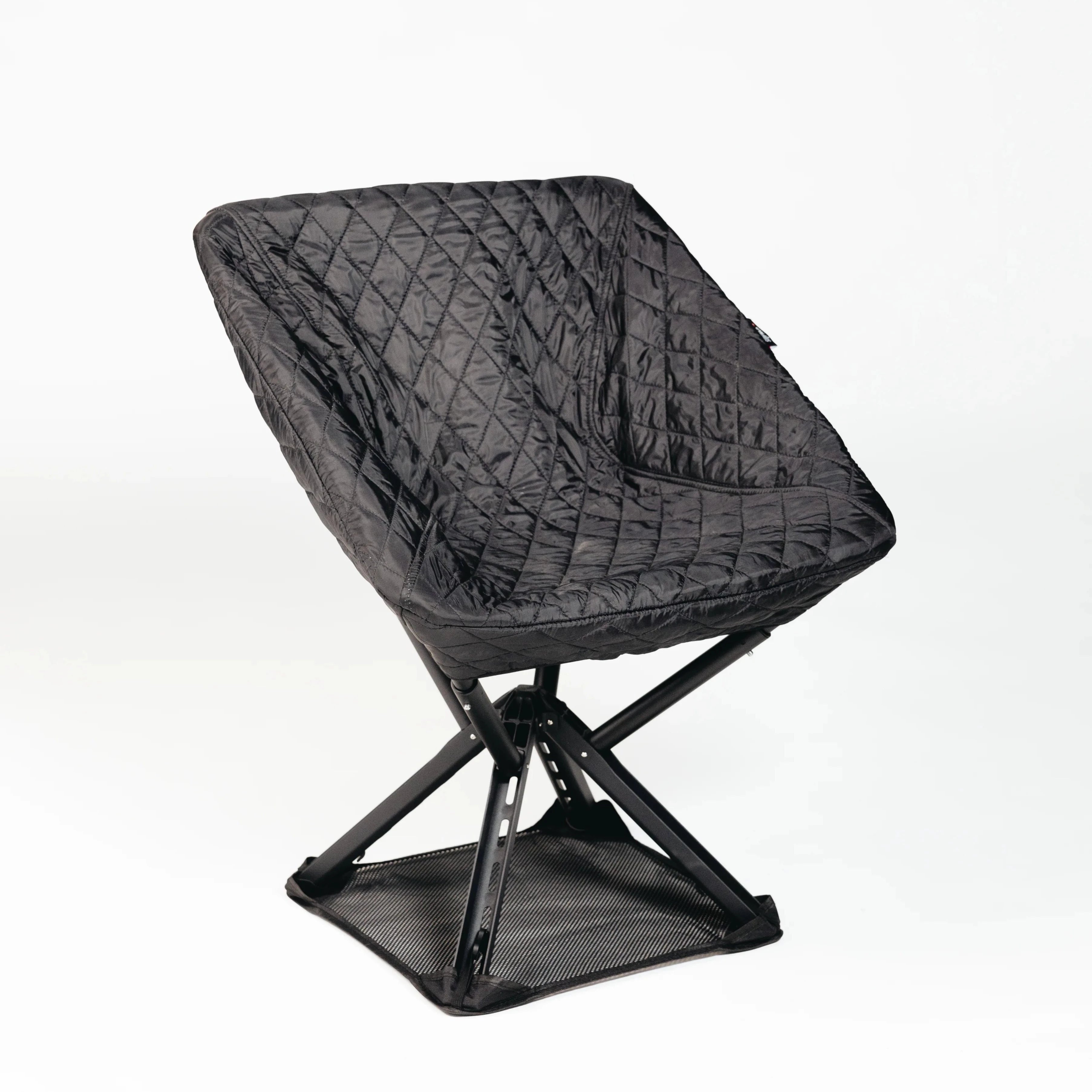
Explore our collection of ultra-portable, foldable chairs like the Campster II and Sitpack Zen at Sitpack. These smart designs emphasize minimalism, durability, and comfort, perfectly complementing your goal of packing light while staying comfortable during any camping trip. With features such as compactness, eco-friendly materials, and lifetime warranties, our products are trusted by campers worldwide.
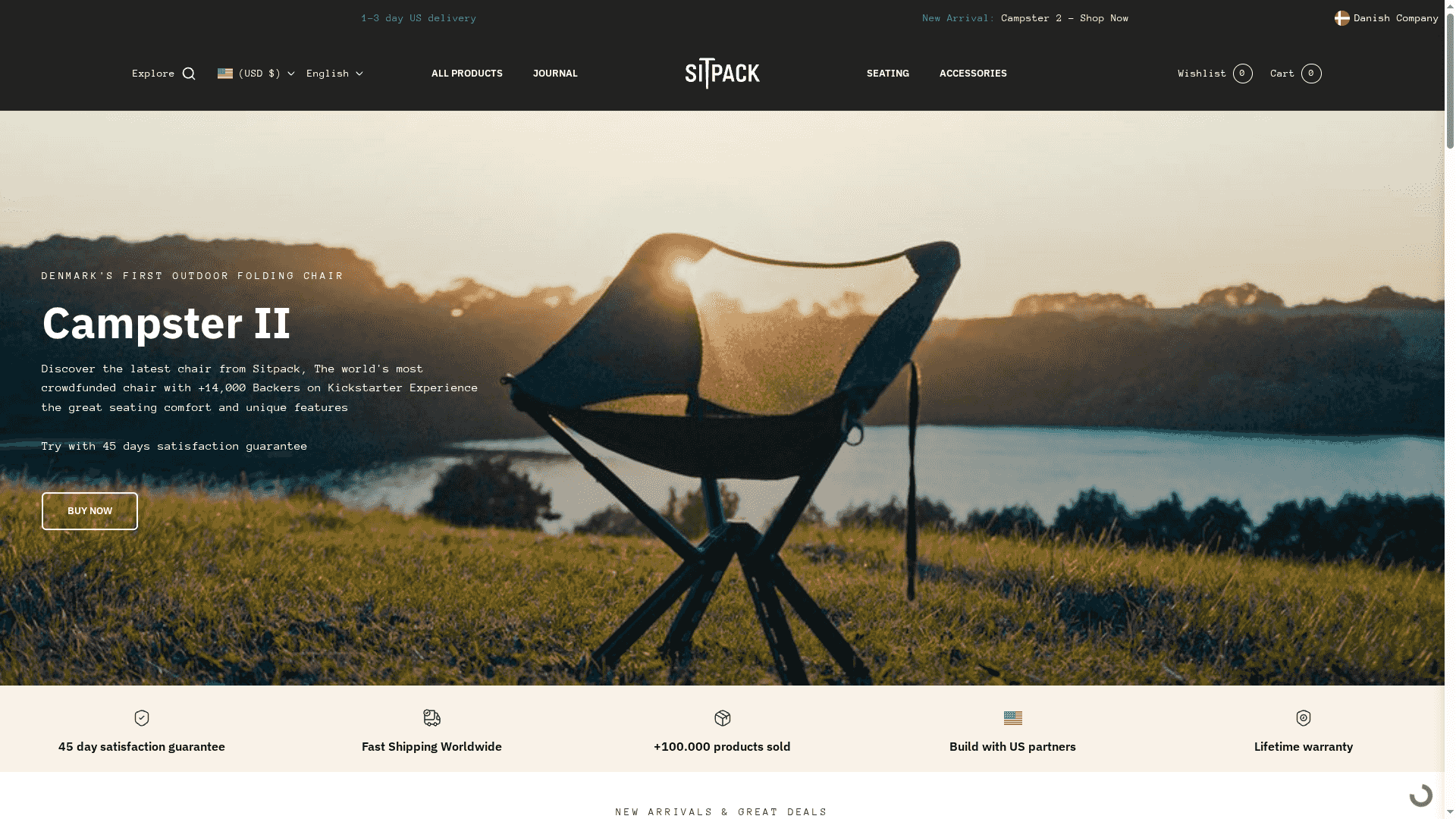
Ready to experience the perfect blend of portability and comfort? Visit Sitpack now to choose your ideal camping seat and accessories. Start your adventure with a seat that supports your back and your packing strategy today.
To assess your camping needs, consider your trip duration, terrain, personal comfort requirements, physical fitness, and expected weather conditions. Create a checklist to evaluate these factors, and determine what gear specifically meets your needs.
Opt for gear that serves multiple functions, such as multipurpose clothing layers, compact sleeping systems, and convertible tools. For example, choose a sleeping bag that can double as a blanket to minimize packing weight while maximizing comfort.
Select portable seating based on weight, durability, ergonomic design, and ease of setup. Consider trying out different seating options at home to find one that offers the best combination of comfort and portability for your needs.
Look for clothing made from natural fibers like organic cotton and merino wool, as well as quick-drying materials. Aim for versatile pieces that can be mixed and matched to create different outfits while minimizing your overall environmental impact.
Test all your gear by checking that each piece is functioning properly, from communication devices to cooking equipment. Spend at least an hour evaluating items, making adjustments or replacements as necessary, to ensure a smooth outdoor experience.
Create a checklist that includes only essential items, focusing on multipurpose gear and comfort essentials. By organizing your gear and prioritizing versatile items, you can reduce your pack weight and keep your essentials to a minimum.