Vogn
0
Tilmeld dig og få 10% i rabat på din ordre
Forventet levering
1-3 dage
Du vil måske også kunne lide


Dansk Firma

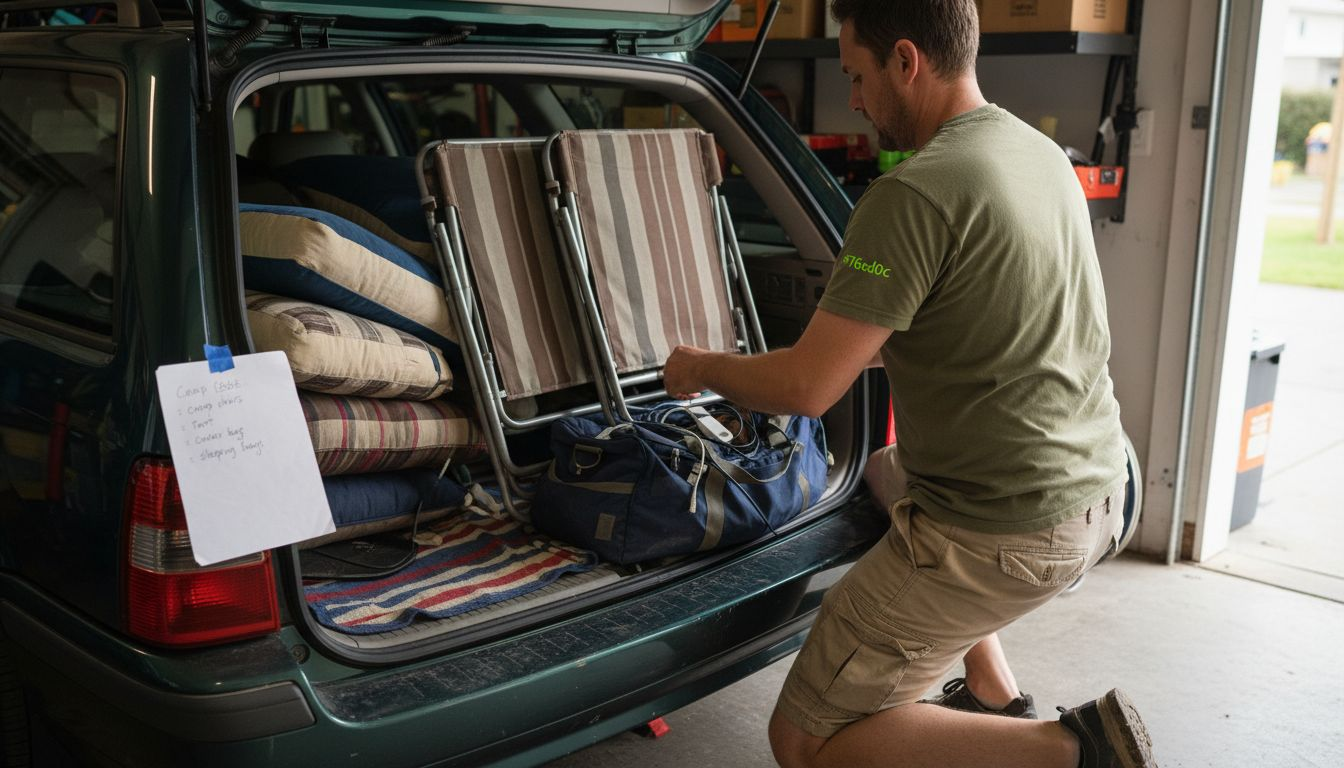
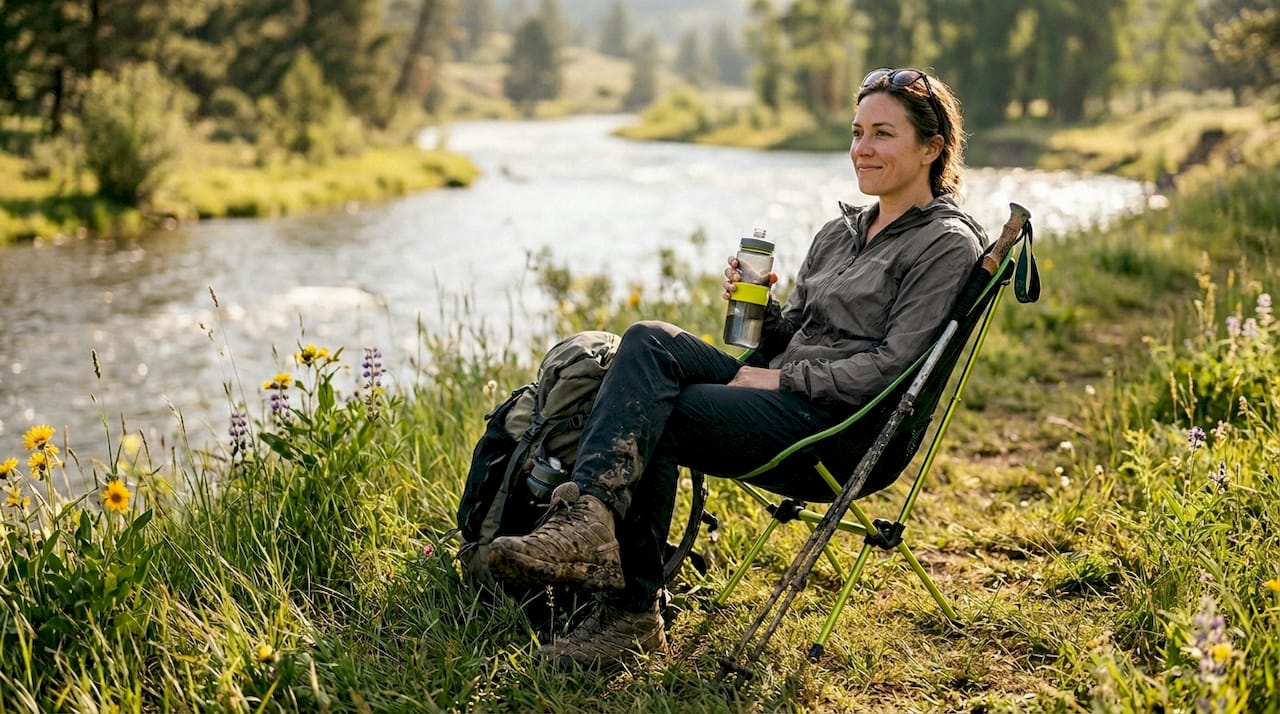
Most European outdoor enthusiasts know the frustration when a missing chair part turns a relaxing weekend into a hassle. With sustainable travel rising and more people choosing lightweight, portable seating, every step counts. In fact, over 80% of American chair brands now offer compact models that cater to both convenience and eco-friendly standards. This guide breaks down how to pack and care for your outdoor chairs, making sure you enjoy every adventure with confidence and minimal waste.
| Key Insight | Explanation |
|---|---|
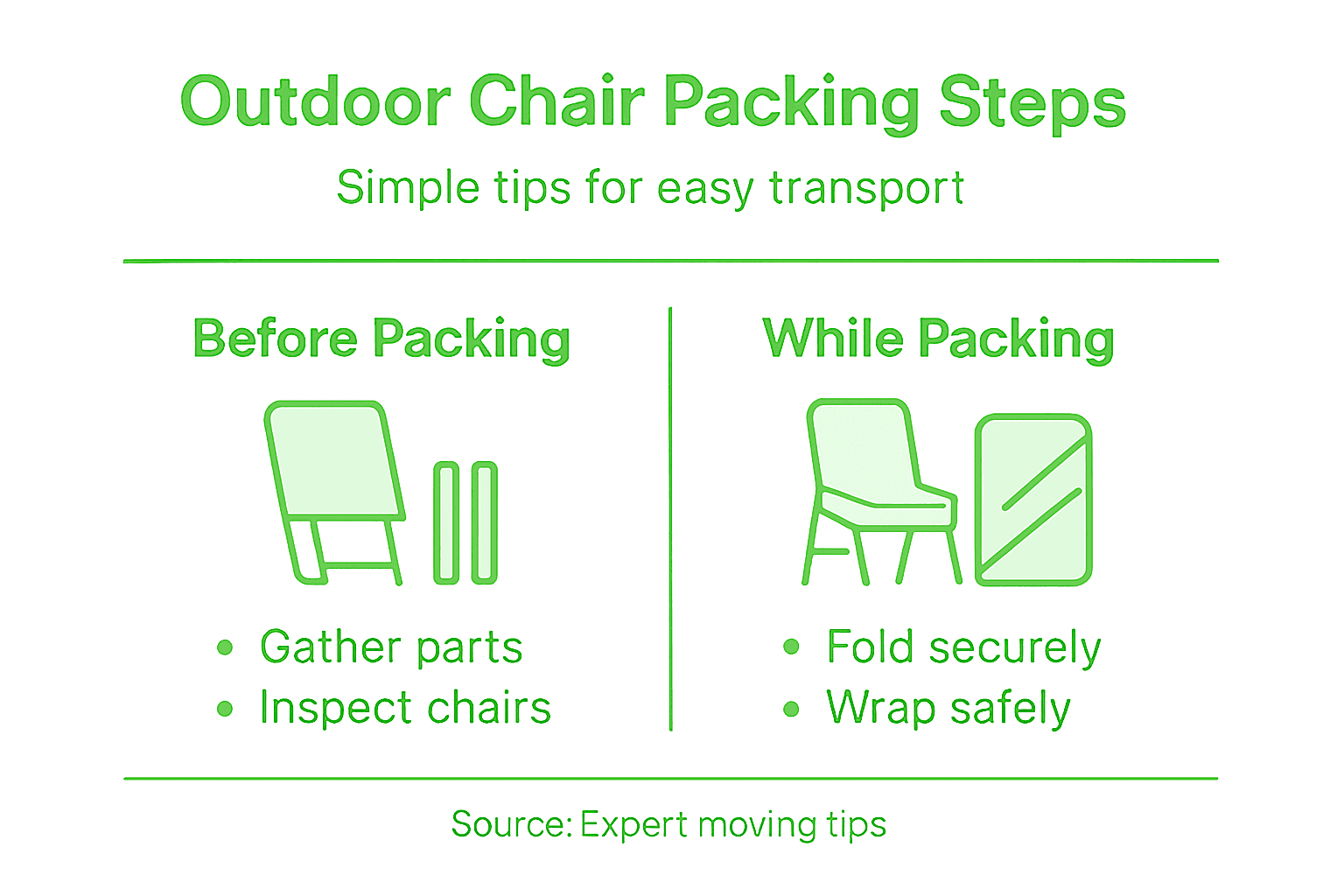
| 1. Gather all components first | Collect all chair parts and accessories to ensure nothing is forgotten and streamline packing. |
| 2. Clean and inspect thoroughly | Clean each chair and check for damage to prevent issues during transport and use. |
| 3. Follow folding instructions | Adhere to manufacturer guidelines when folding to avoid damage to hinges and structure. |
| 4. Use protective materials | Wrap chairs in blankets or bubble wrap to shield them from scratches and impacts during transit. |
| 5. Test stability before departure | Ensure all chairs are stable, comfortable, and ready for use after reassembly before leaving. |
Before you start packing your outdoor chairs, you’ll want to collect every single component and accessory to ensure nothing gets left behind. Comprehensive preparation means less stress during transport and a smoother setup at your destination.
Begin by carefully collecting all chair components including the main frame, cushions, and any detachable parts. This includes cup holders, protective covers, umbrella attachments, and small hardware like screws or bolts. Spread everything out on a clean, flat surface so you can visually inventory each piece. Sort components by type and set aside a small container or ziplock bag for tiny items like fasteners to prevent losing them during the move.
Take a moment to inspect each piece for potential damage and ensure all removable elements are clean and dry before packing. If you’re dealing with multiple chairs, consider labeling each component set to maintain organization and make reassembly easier when you reach your destination.
Pro tip: Take a quick smartphone photo of your chair’s assembled configuration to serve as a handy reference guide for putting everything back together later.
Before packing your outdoor chairs, a thorough cleaning and damage inspection is crucial to ensure they survive transport in top condition. Your goal is to identify and address any potential issues before they become more serious problems during moving.
Thoroughly clean each chair component using appropriate methods based on the material. For fabric chairs, use a mild detergent and soft brush to remove dirt and stains. Metal frames can be wiped down with a damp cloth and mild cleaner to remove grime. Pay special attention to crevices and joints where dirt and moisture can accumulate. After cleaning, carefully dry all parts to prevent rust or mildew formation.
Inspect every inch of your chairs with a critical eye. Check fabric for tears, fraying, or thin spots. Examine metal frames for signs of rust, bends, or structural weakness. Test all moving parts like hinges and locking mechanisms to ensure they function smoothly. Tighten any loose screws and replace any components showing significant wear. By addressing minor issues now, you can prevent more extensive damage during transport.
Here’s a quick reference comparing cleaning methods for common outdoor chair materials:
| Material Type | Effective Cleaning Method | Risks to Avoid | Recommended Products |
|---|---|---|---|
| Fabric | Mild detergent, soft brush | Harsh scrubbing, bleach | Upholstery cleaner |
| Metal | Damp cloth, mild cleaner | Abrasive cleaners, soaking | Non-corrosive spray |
| Plastic | Warm soapy water, sponge | High heat, strong solvents | Gentle all-purpose cleaner |
| Wood | Gentle soap, soft cloth | Excessive water, rough brushes | Furniture polish |
Pro tip: Keep a small repair kit with waterproof tape, zip ties, and a multi tool during your trip to handle any unexpected chair damage quickly.
Folding outdoor chairs correctly is more than just a simple task its an essential skill that protects your chairs from damage and ensures easy transport. Each chair has its unique folding mechanism that requires careful attention and precision.
Properly follow manufacturer folding guidelines to prevent unnecessary stress on the chair’s hinges and structural components. Start by locating the specific folding mechanism typically found near the chair’s center or side joints. Carefully align the frame according to the recommended folding pattern carefully pushing or pulling designated release points. Most chairs have color coded or clearly marked areas indicating where to apply pressure for smooth folding.
Take your time during the folding process and avoid using excessive force. If the chair seems resistant examine the mechanism closely to ensure you are not forcing it against its natural fold line. Listen for any clicking sounds that indicate the chair has locked into its compact position. Some chairs feature built in straps or clips to secure them once folded check for these additional fastening elements to keep the chair compact during transportation.
Pro tip: Practice the folding technique a few times before your actual trip to build muscle memory and confidence in handling your specific chair model.
Protecting your outdoor chairs during transport is crucial to maintaining their appearance and structural integrity. The right protective strategy can mean the difference between arriving with pristine chairs and dealing with unnecessary damage.
Wrap each chair carefully with protective materials to shield them from potential scratches and impacts. Moving blankets work exceptionally well for standard chairs, providing a thick cushioning layer that absorbs shocks and prevents surface abrasions. For more delicate chairs with intricate frames or special fabric, consider using bubble wrap as an additional protective layer. Start by completely covering the chair ensuring no exposed areas remain vulnerable. Pay special attention to corners and joints where scratching most commonly occurs.
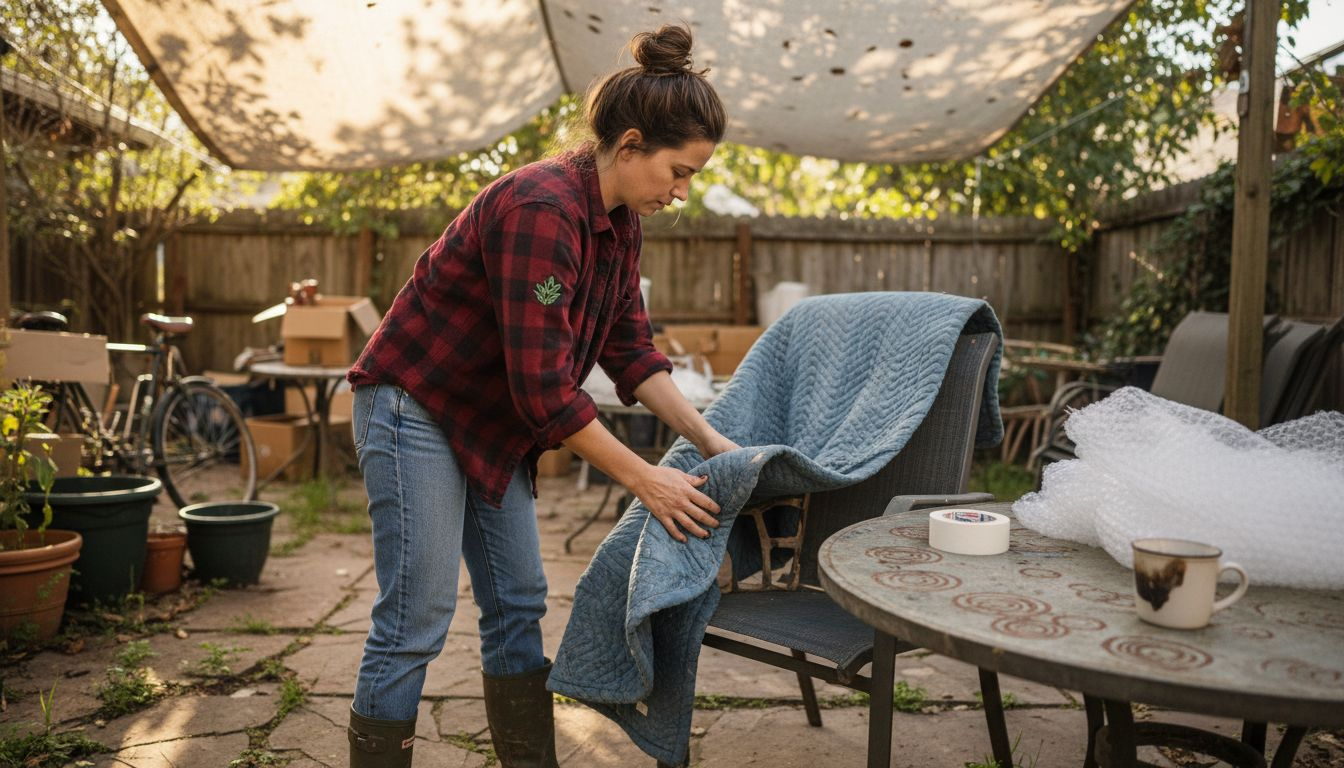
Layer your protective materials strategically to create a comprehensive shield. Secure the covers with painter’s tape or soft elastic straps to prevent shifting during transport. If you are stacking multiple chairs, place soft padding between them to minimize direct contact. Different chair materials may require slightly different approaches some synthetic fabrics might need breathable covers while metal frames benefit from more rigid protective wrapping.
This summary highlights ways to protect different chair types during transport:
| Chair Type | Ideal Protective Material | Common Damage Risks | Extra Precautions |
|---|---|---|---|
| Standard folding | Moving blanket | Surface scratches | Secure with tape |
| Delicate/intricate frame | Bubble wrap | Frame dents, fabric tears | Pad corners and joints |
| Metal | Thick blanket, foam wrap | Rust, paint chips | Use moisture barrier |
| Synthetic fabric | Breathable cover | Mildew, snags | Avoid plastic wraps |
Pro tip: Take smartphone photos of your chairs before wrapping so you can easily identify and match protective coverings during unpacking.
Transporting outdoor chairs requires strategic planning to protect your equipment and make the most of your available space. A well organized packing approach can save you headaches and prevent potential damage during travel.
Utilize the unique shapes of your folded chairs to create an efficient packing puzzle. Fill smaller gaps with accessories like cushions or protective gear to minimize movement during transport. If you are loading chairs into a vehicle use tie down straps or cargo nets to secure them firmly. For backpack or bag transport position chairs vertically when possible to reduce bulk and create a more streamlined profile that is easier to carry.
Pro tip: Create a mental map of your chair placement before loading and take a quick photo as a reference to help you remember the optimal packing configuration.
The final step in preparing your outdoor chairs for transport involves a critical quality check that can save you from potential discomfort or safety issues during your trip. Taking a few moments to verify your chairs are ready is an investment in your overall outdoor experience.
Verify chair stability and performance by carefully testing each chair before departure. Begin by reassembling any components you may have disassembled during packing ensuring all locking mechanisms are fully engaged. Gently sit on each chair applying gradual pressure to check for unexpected wobbling or structural weakness. Pay close attention to joints and connection points where stress can accumulate during use. Wiggle the chair slightly to simulate real world movement and confirm it maintains its structural integrity.
Beyond structural stability, assess the comfort level of your chairs. Check fabric tension, padding firmness, and overall ergonomic support. Ensure any adjustable components like armrests or reclining mechanisms function smoothly. If you notice any minor issues like loose screws or slight misalignments address them immediately before your trip. A quick five minute inspection can prevent potential failures that might compromise your comfort or safety during an outdoor adventure.
Pro tip: Carry a small multitools kit with basic repair items like spare screws and a compact wrench to handle unexpected chair adjustments during your trip.
Packing outdoor chairs for transport can be a challenging task that involves cleaning, careful folding, and protecting each piece to prevent damage. If you find yourself frustrated by bulky, hard-to-pack chairs and worried about their stability and comfort on your journey then it is time to explore smarter seating options. The article highlights common pain points like heavy equipment, complex assemblies, and the risk of scratches or wobbling during travel.

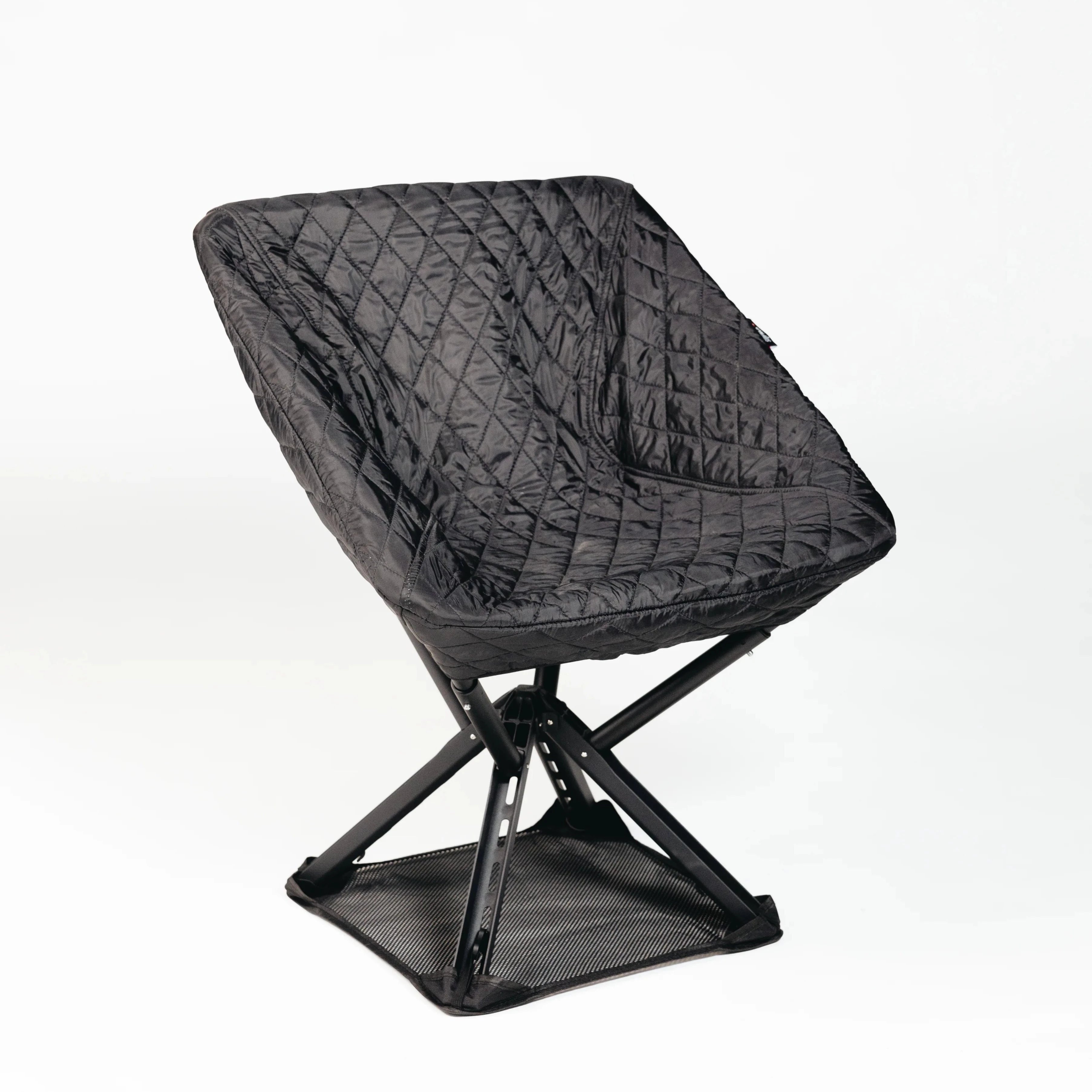
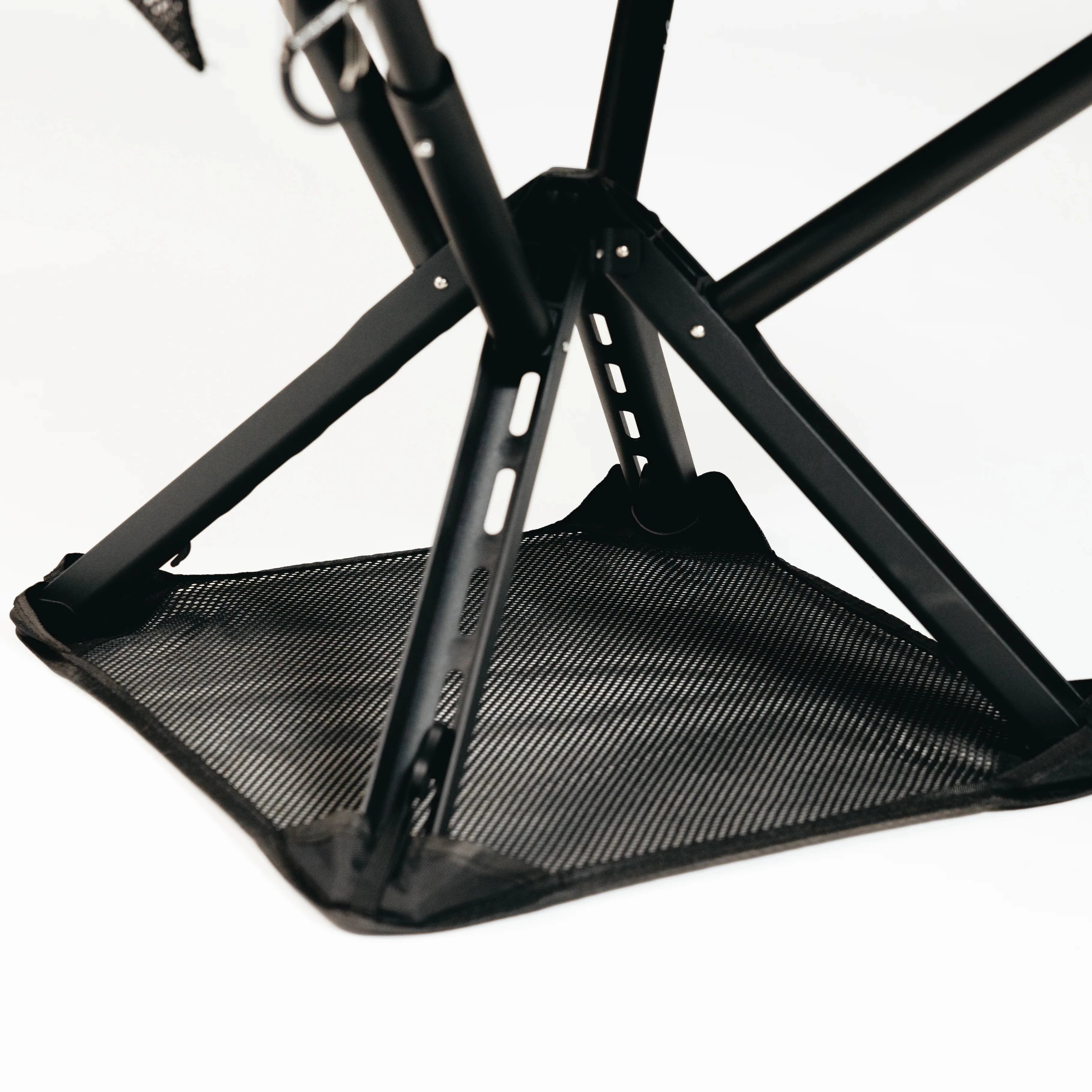
Discover how the lightweight and foldable designs from Sitpack eliminate the hassle of complicated packing and fragile parts. With products like the Campster II and Sitpack Zen, you enjoy durable, minimalistic chairs that fold quickly without compromising comfort or stability. Whether you are heading out camping, traveling, or exploring urban spaces, our portable seating solutions come with eco-friendly materials and lifetime warranties that assure quality you can trust.
Take the stress out of preparing for your next outdoor adventure by choosing seating engineered for easy transport and reliable performance. Visit Sitpack now and experience outdoor comfort made simple. Your perfect portable chair is just a click away with fast international delivery and a 45-day satisfaction guarantee awaiting you.
To gather all chair components, carefully collect the main frame, cushions, and any detachable parts like cup holders or hardware. Sort the items by type and store small pieces in a container to avoid losing them.
A thorough cleaning involves using appropriate methods based on the material. For fabric chairs, use mild detergent and a soft brush, while metal and plastic can be wiped down with a damp cloth and mild cleaner; make sure to dry all parts to prevent rust or mildew.
Follow the manufacturer’s folding instructions to ensure you do not stress the chair’s hinges. Carefully align the frame and avoid using excessive force; check for locking mechanisms to secure them after folding.
For protection during transport, use moving blankets, bubble wrap, and painter’s tape. Wrap the chairs completely, paying special attention to corners and joints, to prevent scratches and damage from impacts.
Pack chairs strategically by placing the heaviest ones on the bottom and stacking lighter chairs on top. Utilize gaps for cushions or accessories and secure everything with tie-down straps to prevent shifting during transport.
Verify that all components are reassembled, and test each chair for stability by gently sitting on them. This last inspection helps catch any minor issues, enhancing your comfort and safety during outdoor activities.