Vogn
0
Tilmeld dig og få 10% i rabat på din ordre
Forventet levering
1-3 dage
Du vil måske også kunne lide
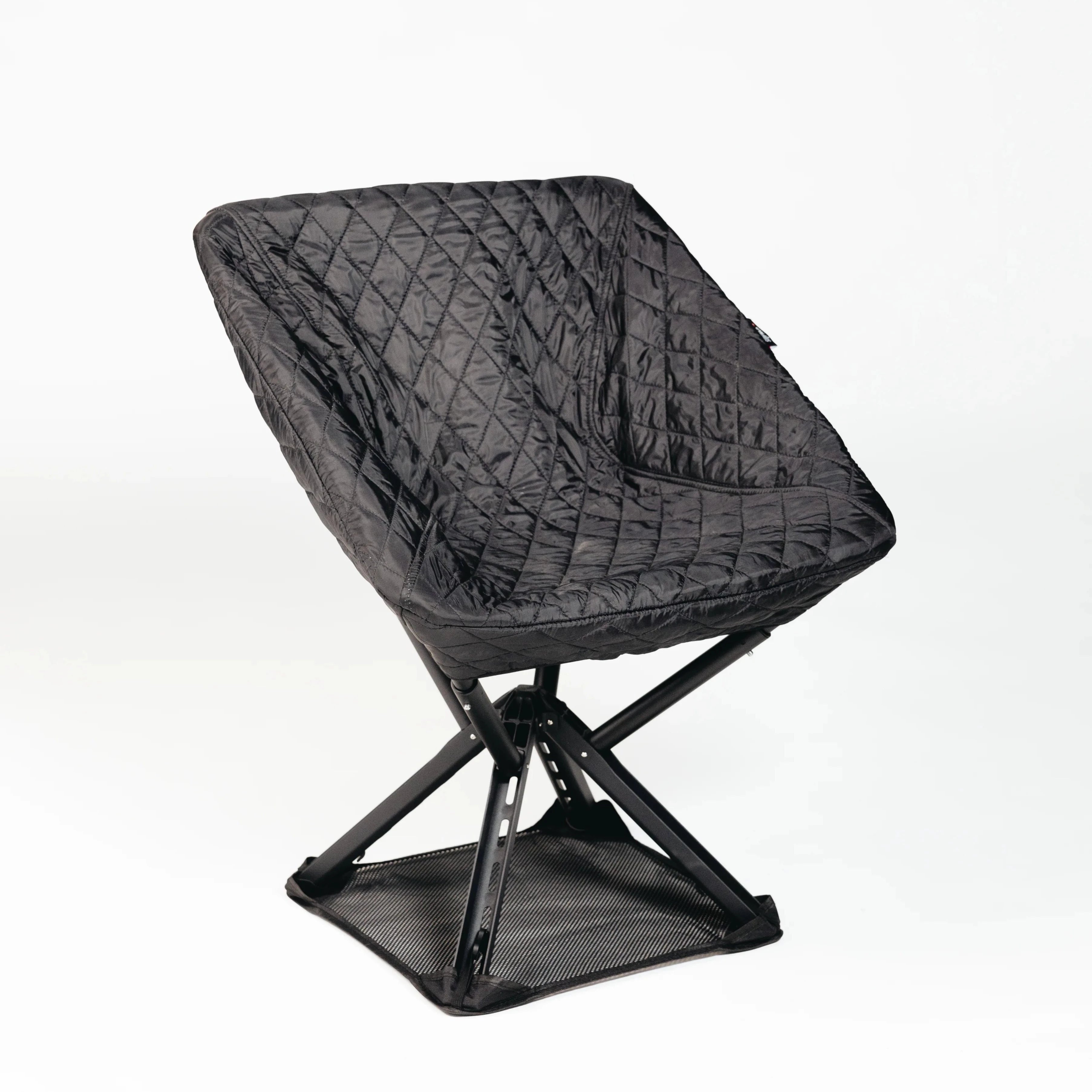
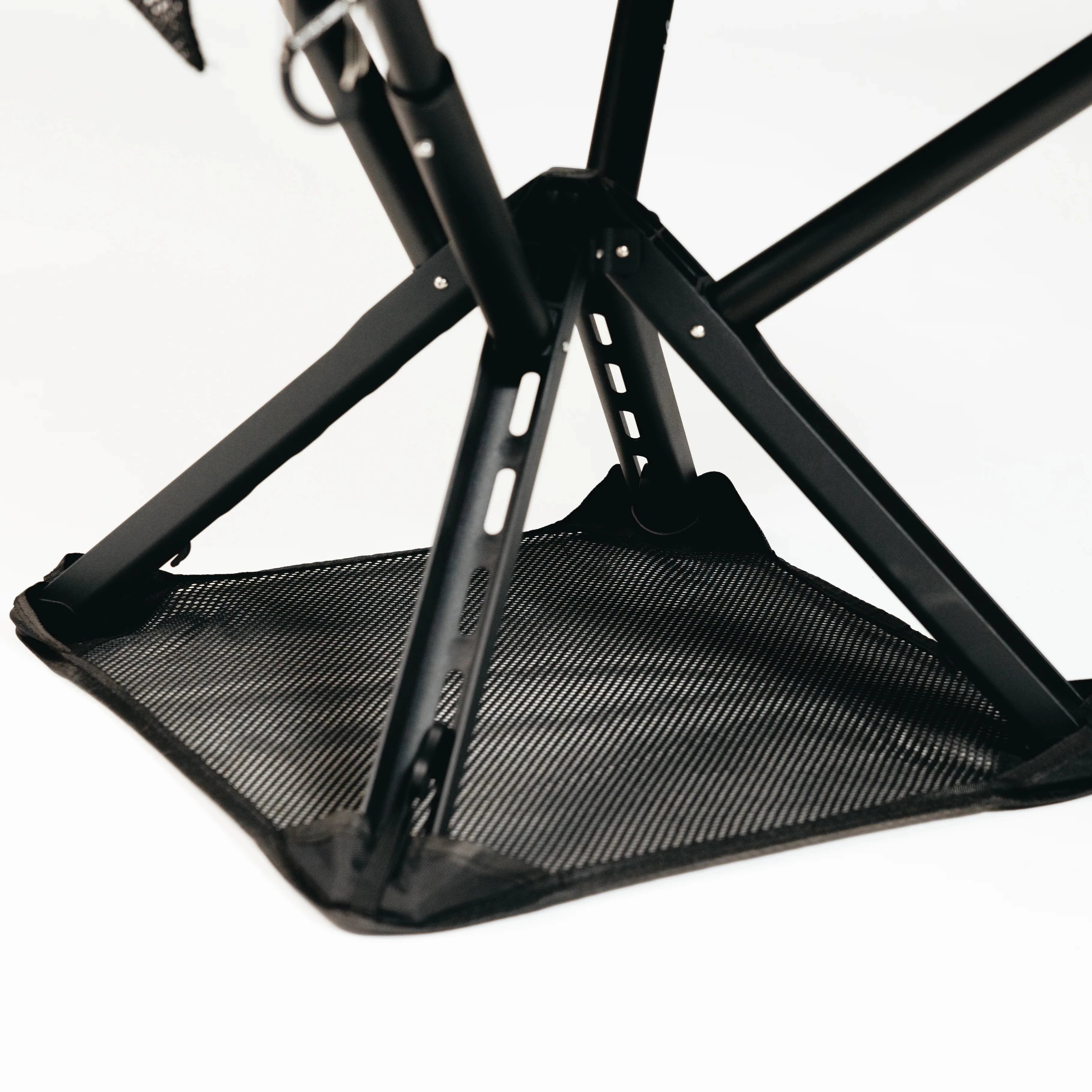


Dansk Firma

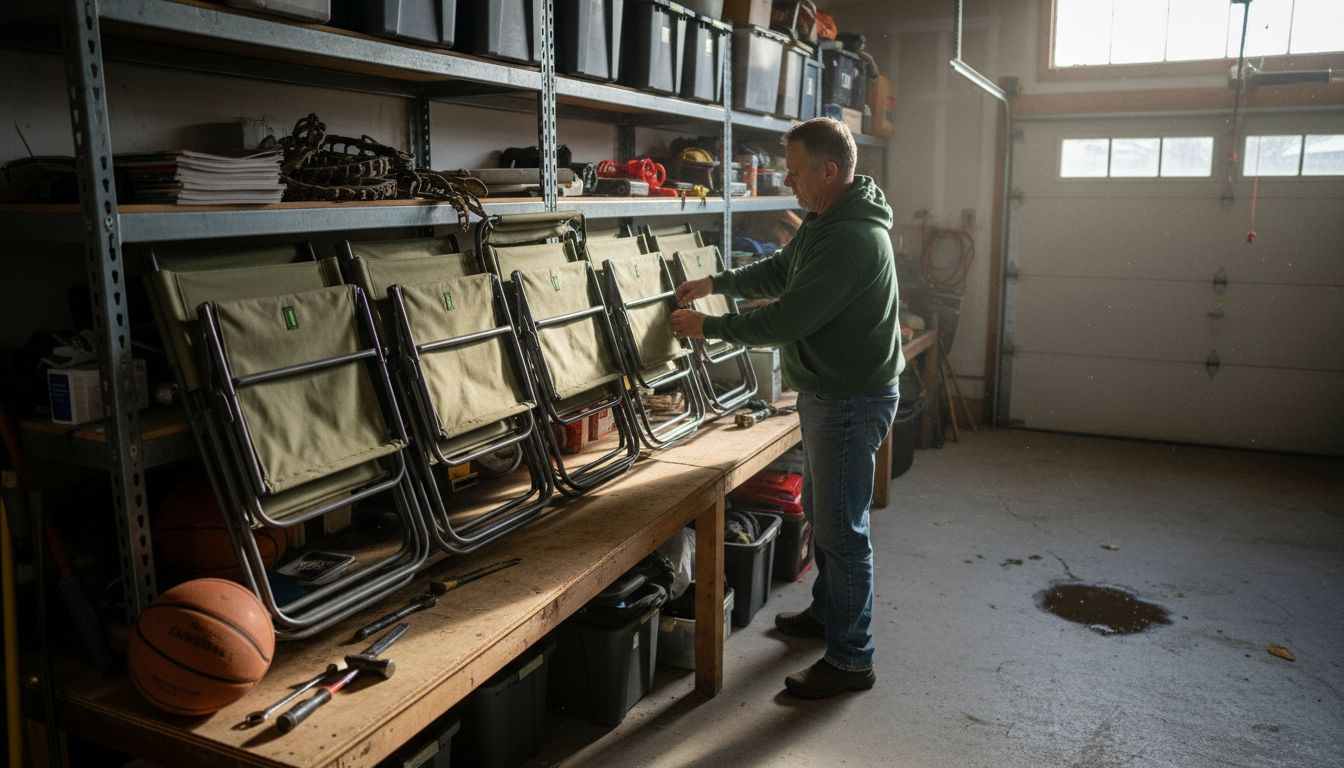
Over 90 million American households own at least one portable chair for camping, concerts, or backyard gatherings. Yet many people overlook the steps needed to keep these chairs clean and in top shape until next season. Knowing how to properly store your portable chairs helps protect your investment and ensures they are always ready for the next adventure. Simple habits can save you money and avoid the disappointment of damaged or dirty seats.
| Key Point | Explanation |
|---|---|
| 1. Thoroughly Clean Chairs Before Storage | Use mild soap and water to clean surfaces. Pay attention to joints and fabric to prevent dirt buildup and ensure longevity. |
| 2. Choose a Dry, Ventilated Storage Area | Store chairs in a cool, dry place to avoid moisture. Avoid direct sunlight and extreme temperatures to protect the material. |
| 3. Fold Chairs Carefully and Securely | Understand the folding mechanism and ensure all latches are engaged to prevent damage. Avoid stacking heavy items on them. |
| 4. Organize and Label for Easy Access | Categorize chairs and label with key information. This makes retrieval straightforward and storage organized. |
| 5. Inspect Chairs Before Each Use | Check for damage, wear, and tear prior to outdoor activities. A quick inspection helps ensure functionality and safety. |
Getting your portable chairs ready for storage requires more than just folding them up and stashing them away. Proper cleaning and preparation can extend their lifespan and ensure they are ready for your next outdoor adventure.
Start by thoroughly inspecting your chairs for any dirt, debris, or stains. Using a soft damp cloth, pre-clean the surfaces with mild soap and water, paying special attention to corners, joints, and fabric areas where grime tends to accumulate. For stubborn spots, use a non-abrasive cleaning pad to gently remove dried particles without scratching the material.
After cleaning, make sure to completely air dry your chairs before storage. Moisture can lead to mold, mildew, and potential fabric deterioration. If possible, let them dry in a well-ventilated area or outside in indirect sunlight. Once dry, check all folding mechanisms and moving parts to ensure they are clean and functioning smoothly. A light application of silicone spray on metal hinges can help prevent rust and keep the chair opening and closing like new.
Pro tip: Always store your chairs in a cool, dry place away from direct sunlight and extreme temperatures to maintain their structural integrity and appearance.
Choosing the right storage location for your portable chairs can make the difference between equipment that lasts for years and gear that deteriorates quickly. Your goal is to find a space that protects your chairs from environmental damage and keeps them in pristine condition.
Selecting a dry and well-ventilated area is crucial for preventing moisture buildup. Ideally, you want a location that maintains a consistent temperature away from direct sunlight and extreme humidity. Basements, climate controlled garages, or indoor closets often work best. Consider using protective storage containers or covers specifically designed for outdoor furniture to provide an extra layer of protection from dust, dirt, and potential environmental damage.
Before placing your chairs in storage, take a moment to ensure the space meets key preservation criteria. Check for any signs of potential water leaks, pest activity, or temperature fluctuations that might compromise your chairs. If possible, elevate your storage container or use a shelf to keep chairs off the ground and minimize potential moisture exposure. This extra step can significantly extend the lifespan of your portable seating and keep it ready for your next adventure.
Folding and securing your portable chairs correctly is an art that can significantly extend their lifespan and ensure they remain in top condition during storage. Think of this step as preparing your chairs for a long winter hibernation.
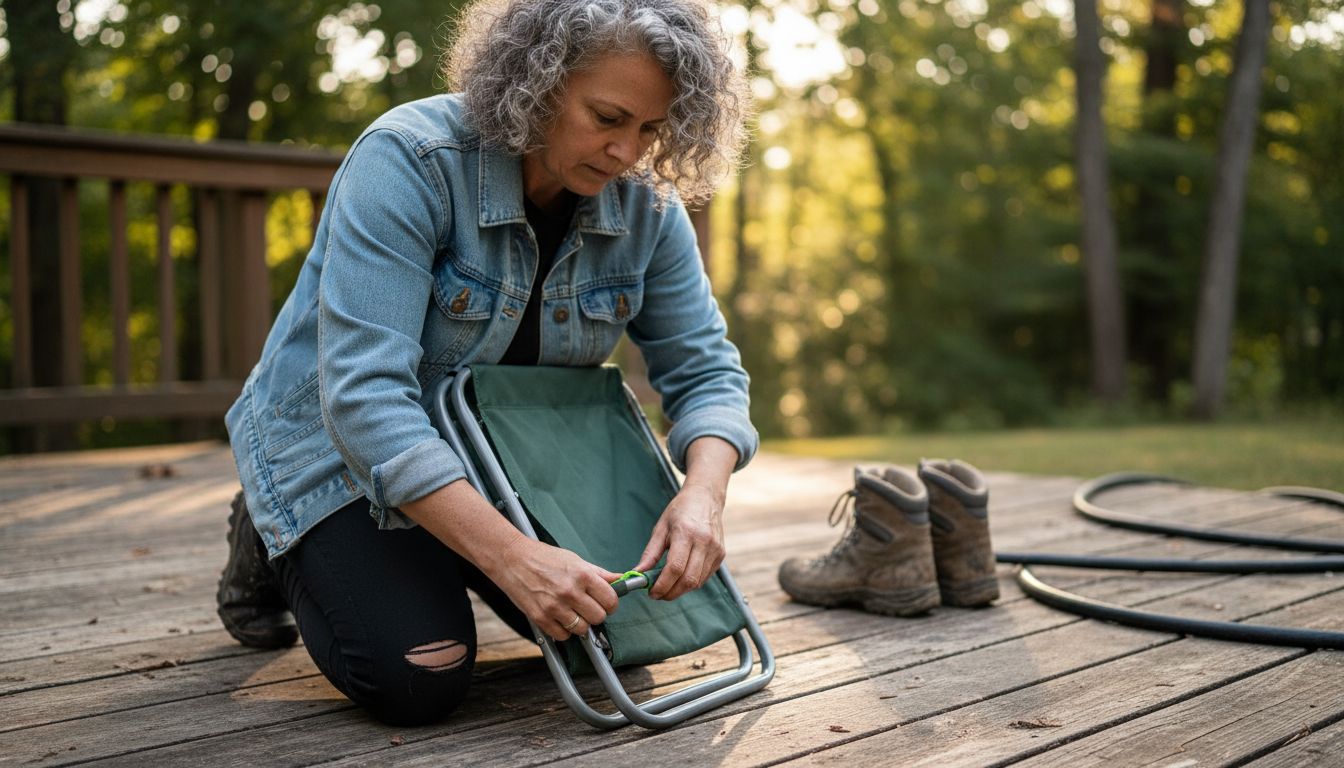
Practice the folding mechanism carefully to understand its unique movement and prevent potential damage. Each chair has its own personality when it comes to folding, so take your time to learn its specific technique. Pay close attention to any stiff joints or areas that require extra gentle manipulation. When folding, ensure all latches and locks are securely engaged to prevent accidental unfolding or structural stress.
One critical pro tip: avoid placing heavy items on top of your folded chairs. The additional weight can cause unexpected strain on the frame and potentially warp or damage the chair’s structural integrity. If you need to stack multiple chairs, do so carefully and distribute weight evenly. Your goal is to store them in a way that keeps them compact yet protected, ready to unfold and support you during your next outdoor adventure.
Organizing and labeling your portable chairs is the final crucial step in ensuring they remain in perfect condition and are easily accessible for your next adventure. Think of this as creating a roadmap for your future self.
Categorize your chairs by type, size, or intended use, creating a systematic approach to storage. Use clear adhesive labels or waterproof tags that include key information like chair type, maximum weight capacity, and last maintenance date. Place items back in their designated arrangement to maintain an orderly storage system that makes retrieval a breeze.
Pro tip: Consider taking a quick smartphone photo of your storage setup. This visual reference can help you remember exactly how and where you placed each chair, especially if you are storing multiple types or brands. By investing a few extra minutes in thoughtful organization, you will save yourself considerable time and frustration when you’re ready to pack for your next outdoor excursion.
Before your next outdoor adventure, taking time to thoroughly inspect and maintain your portable chairs can mean the difference between a smooth experience and an unexpected equipment failure. Think of this as your pre trip equipment health check.
Carefully examine each chair for signs of potential damage, paying close attention to critical areas like frame joints, fabric tension, and folding mechanisms. Look for any loose screws, small tears in the fabric, rust spots, or unusual wear patterns that might compromise the chair’s structural integrity. Regularly checking stored furniture helps prevent minor issues from becoming major problems and ensures your chairs remain reliable companions on future expeditions.
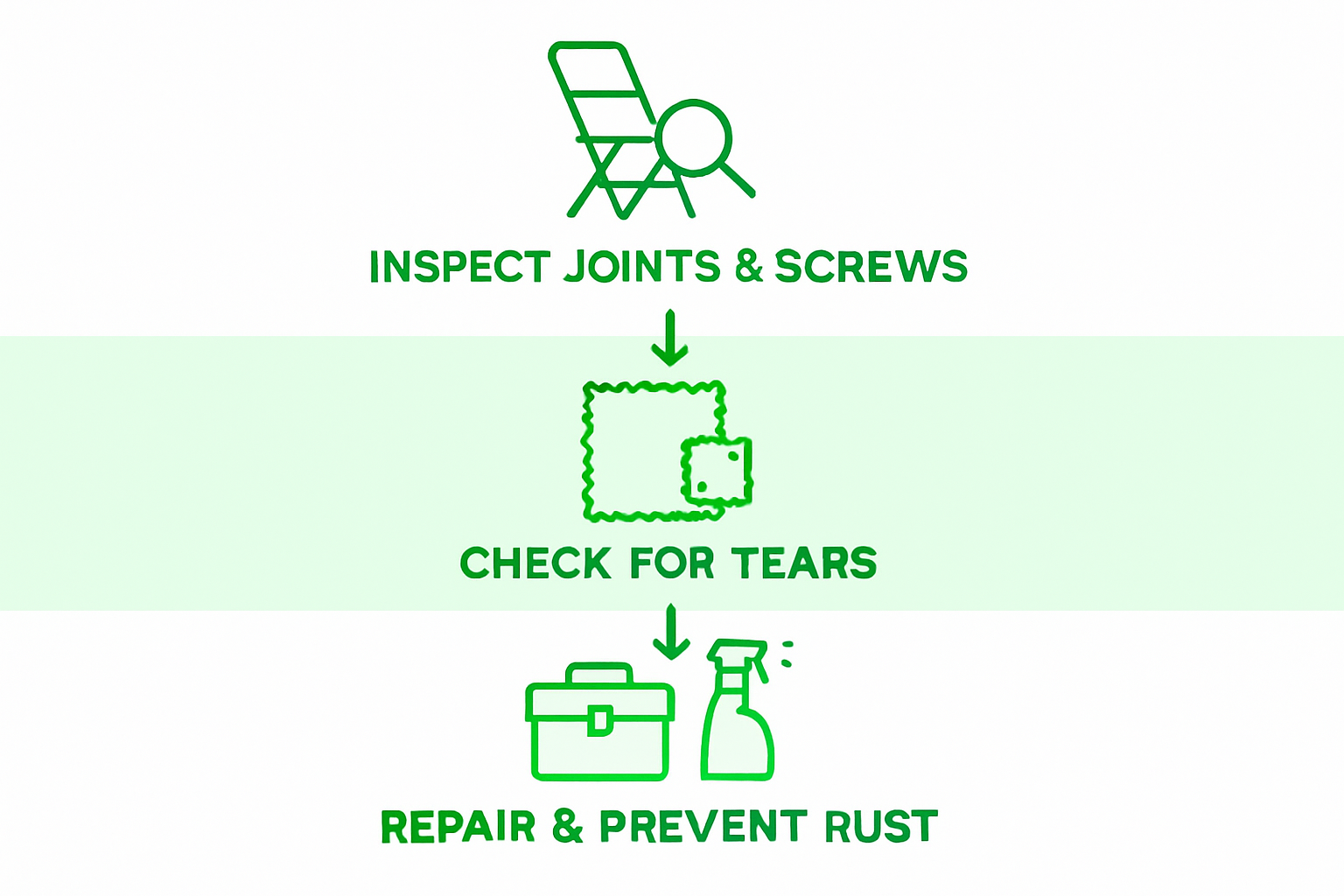
Pro tip: Keep a small repair kit with basic tools like a screwdriver, fabric repair tape, and rust prevention spray. This portable maintenance arsenal can help you address minor wear and tear quickly, potentially saving you from replacing an entire chair. A few minutes of preventative care can extend your chair’s lifespan and keep you comfortable during those memorable outdoor moments.
Storing portable chairs for long-term durability requires careful cleaning, the right environment, and thoughtful organization to avoid damage and wear. If you want to eliminate the hassle of upkeep while enjoying reliable and comfortable outdoor seating, explore how innovative designs can simplify your adventures. The challenges outlined in the article such as folding mechanisms, moisture damage, and space management highlight the importance of choosing the right portable chair that stands up to everyday use and storage demands.

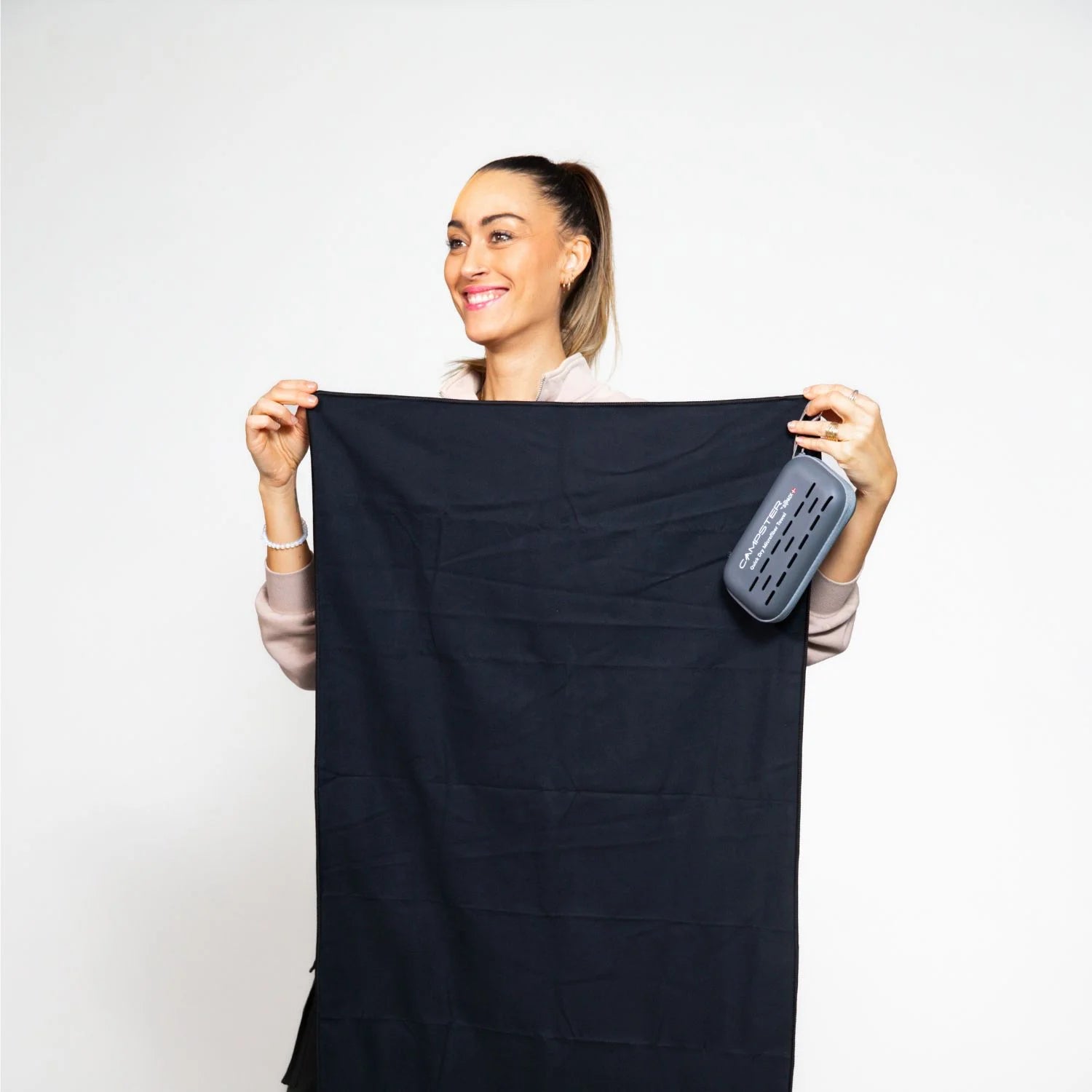
Discover the lightweight and durable options at Sitpack that blend minimalist design with practicality. Whether you need a chair that folds easily without straining delicate joints or one that resists environmental damage while providing comfort, our best-sellers like the Campster II and Sitpack Zen are engineered to last. Take advantage of our eco-friendly materials, lifetime warranty, and fast worldwide delivery. Get your chairs ready for any outdoor experience with accessories such as seat warmers and travel towels. Ready to upgrade your outdoor seating and avoid the storage headaches described? Visit Sitpack today and invest in seating that moves with you.
To clean your portable chairs before storage, use a soft damp cloth with mild soap and water. Pay special attention to corners and joints, and for stubborn stains, use a non-abrasive cleaning pad.
Store your portable chairs in a dry, well-ventilated area away from direct sunlight and extreme temperatures. Consider using protective covers to guard against dust and debris.
Carefully practice the folding mechanism of your chairs to avoid damage. Ensure all latches and locks are securely engaged to prevent accidental unfolding during storage.
Categorize your chairs by type or intended use and use clear labels to include essential information. This organization will help you find the correct chairs quickly during your next adventure.
Inspect for signs of damage, such as loose screws or rust spots, and check the fabric for small tears. Address any issues with a repair kit to maintain their reliability for your next outing.
Aim to clean and maintain your portable chairs at least once every few months during storage. Regular maintenance can help prevent minor problems from developing into major issues.