Vogn
0
Tilmeld dig og få 10% i rabat på din ordre
Forventet levering
1-3 dage
Du vil måske også kunne lide


Dansk Firma


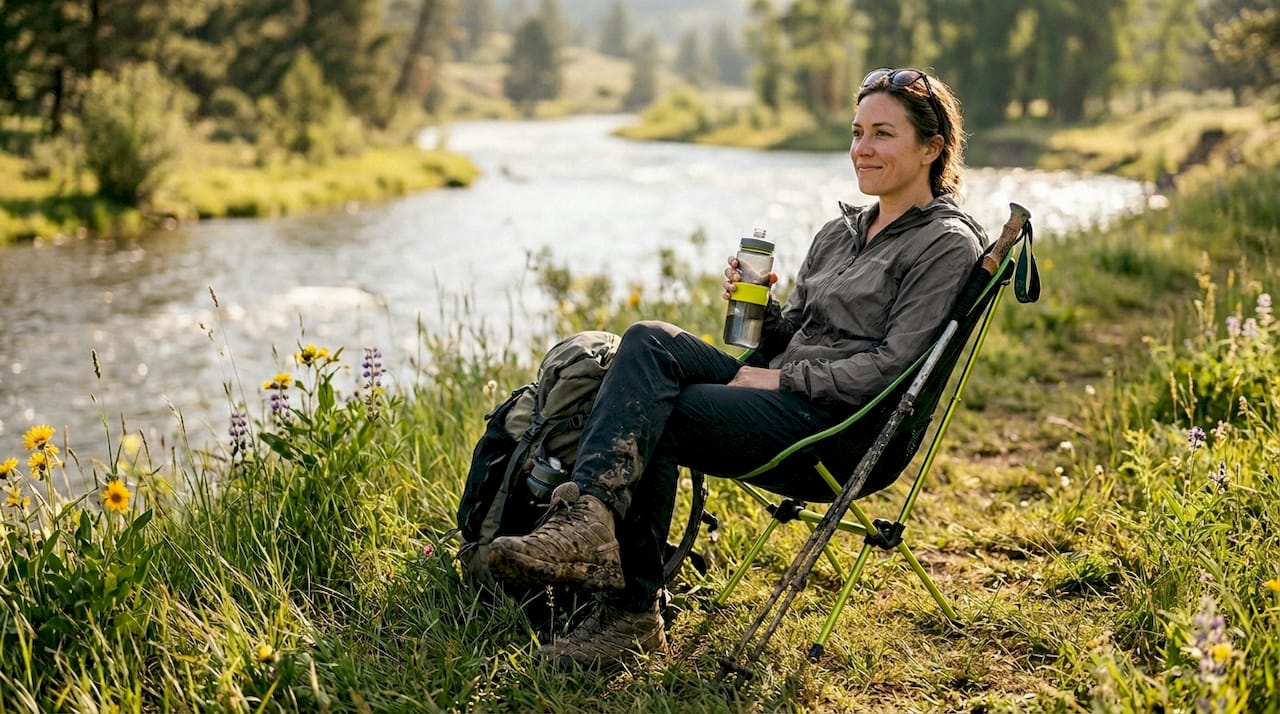
Most American outdoor enthusiasts agree that finding lightweight, eco-friendly comfort is more challenging than it sounds. Whether you camp beneath Canadian forests or hike through European meadows, choosing the right portable seating matters for both convenience and planet-friendly relaxation. With over 60 percent of travelers now opting for gear under 15 pounds, this guide reveals practical strategies for building a pain free, sustainable outdoor comfort zone tailored to your adventures.
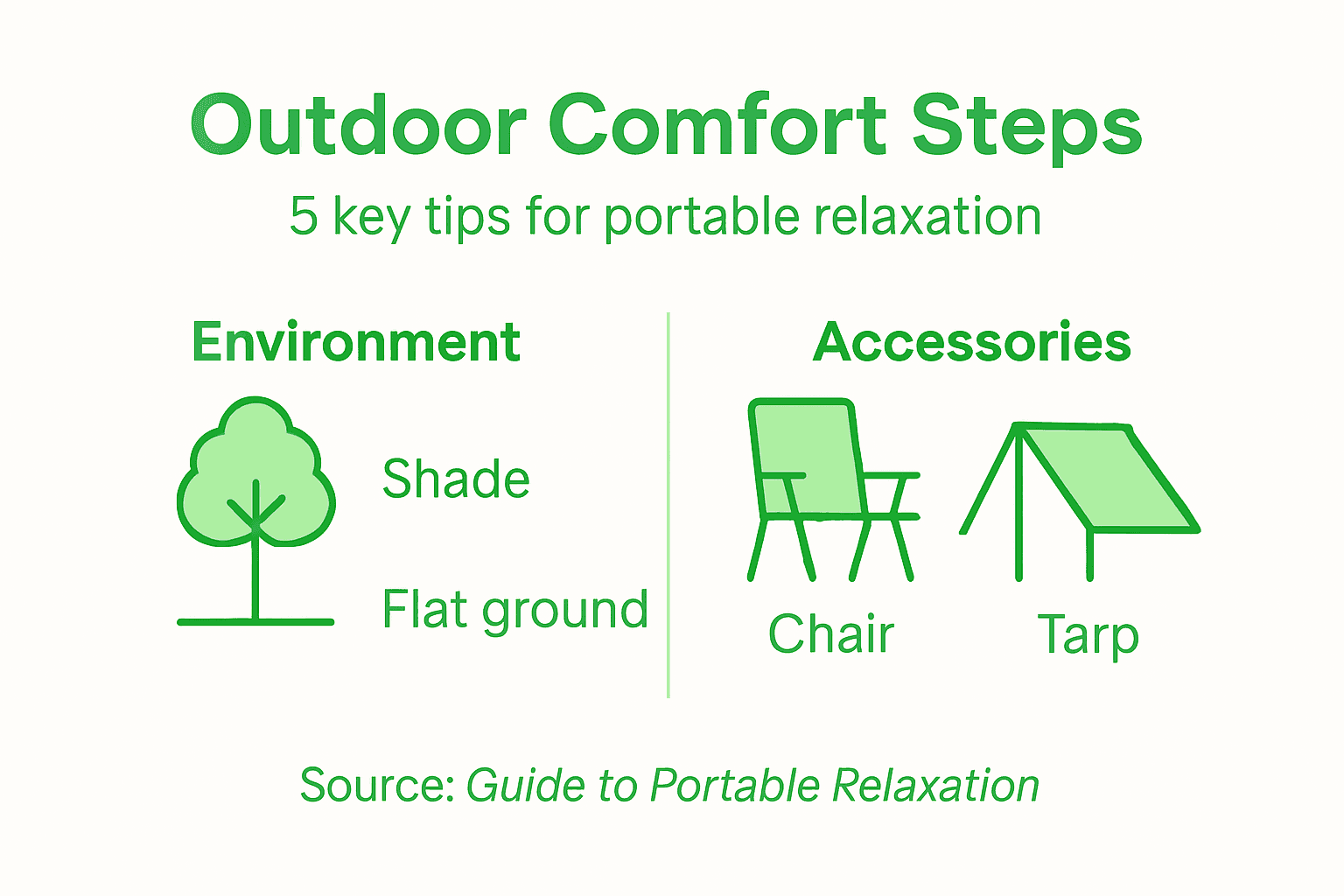
| Key Point | Explanation |
|---|---|
| 1. Assess Sunlight and Shade | Choose a location with balanced sunlight and shade to enhance relaxation. Avoid harsh direct sunlight or complete darkness for comfort. |
| 2. Select Lightweight Seating | Opt for portable seating options under 15 pounds that are easy to pack and provide comfort. Test for stability and comfort before use. |
| 3. Prepare Your Ground Surface | Clear debris and ensure a stable foundation for seating. Lay down a ground cloth for additional comfort and moisture protection. |
| 4. Adapt to Weather Conditions | Be prepared for weather changes with accessories like wind barriers and waterproof covers that improve outdoor comfort and convenience. |
| 5. Conduct a Comfort Assessment | After setup, test your seating for weight distribution and overall comfort. Adjust cushions and surroundings as needed for an optimal experience. |
Before setting up your portable relaxation space, you need to thoroughly evaluate your outdoor environment. This crucial first step ensures you select the perfect spot that maximizes comfort and enjoyment. Creating a peaceful outdoor space requires careful consideration of several key factors that will influence your ultimate relaxation experience.
Start by scanning your available outdoor areas and analyzing three critical elements. First, assess sunlight exposure throughout the day. Look for spots that offer a balanced mix of sunshine and shade, avoiding areas with harsh direct sunlight or complete darkness. Next, examine natural boundaries and privacy. Consider how trees, fences, or landscaping features can create a sense of seclusion and protection from potential distractions. Backyard wellness design works best when you have a sense of intimacy and tranquility in your chosen location.
Finally, consider the terrain and ground stability. You want a relatively flat surface that can support your portable seating without significant risk of tipping or uneven weight distribution. Check for potential obstacles like roots, rocks, or uneven ground that might compromise your comfort. Soft grass, packed earth, or smooth wooden decks typically provide excellent foundations for portable outdoor seating.
Pro tip: Always carry a small lightweight ground cloth or tarp to create an instant stable and clean surface for your portable seating, ensuring maximum comfort in varying outdoor environments.
Selecting the right portable comfort solution transforms your outdoor experience from ordinary to extraordinary. Your goal is to find lightweight seating that offers maximum comfort with minimal hassle, ensuring you can relax anywhere your adventures take you.
Start by understanding your specific needs and prioritizing portable outdoor furniture features. Weight matters significantly when you are carrying gear for outdoor activities. Look for options under 15 pounds that collapse easily and fit into compact storage spaces. Consider different types of portable seating like camping chairs, inflatable loungers, and minimalist fold out designs. Each style offers unique advantages depending on your terrain and intended use. Evaluate material durability important factors include weather resistance, quick drying capabilities, and tear strength. Nylon and ripstop fabrics typically provide excellent performance for outdoor environments.
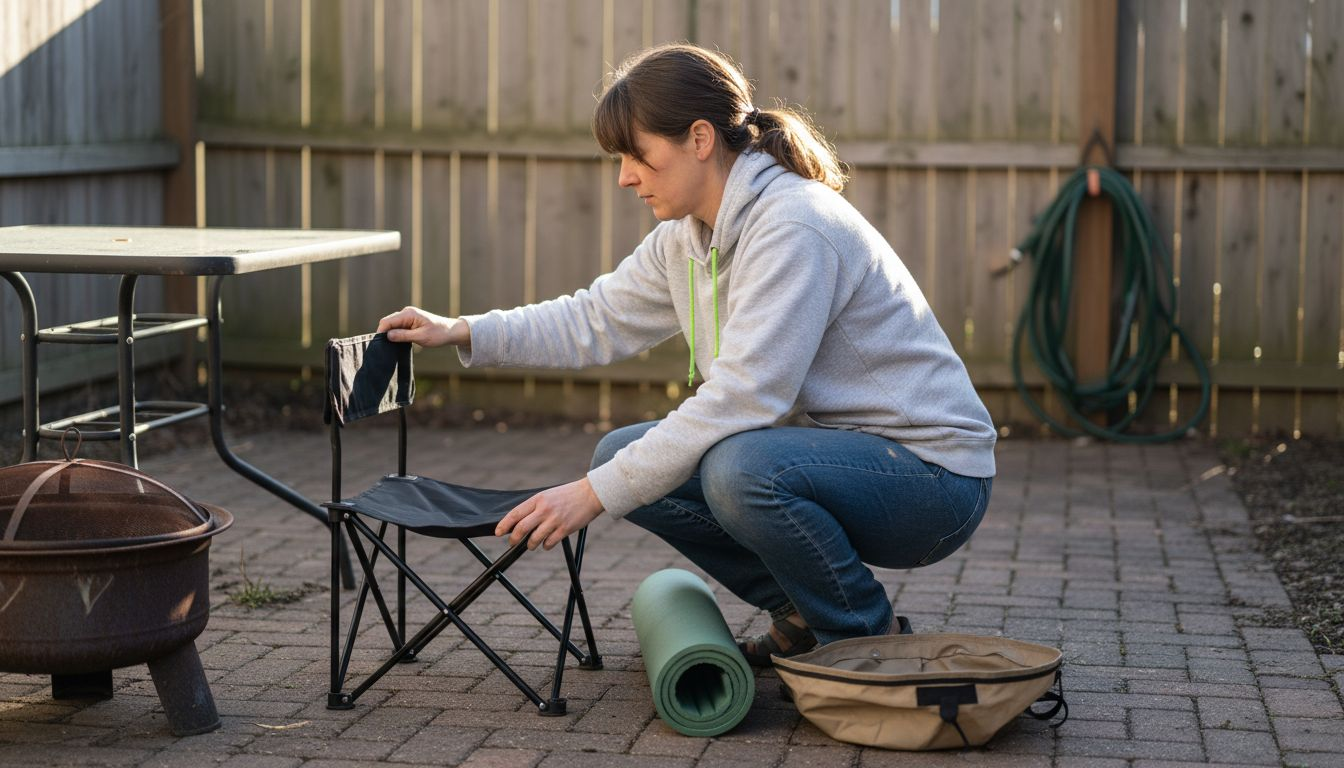
When comparing options, test the chair or seat for stability and comfort. Check weight distribution points and ensure the design can handle your body weight safely. Consider additional features like built in cup holders, adjustable positioning, and carrying cases that enhance overall convenience. Your ideal portable comfort solution should balance lightweight design with robust construction.
Pro tip: Invest in a multipurpose portable seating option that can transition between different environments like beach trips, camping adventures, and backyard relaxation to maximize your investment and versatility.
Here’s a quick comparison of common portable outdoor seating types to help you choose the best option for your needs:
| Seating Type | Portability | Comfort Level | Best Use Case |
|---|---|---|---|
| Camping Chair | Folds, lightweight | Moderate, stable | Campsites, picnics |
| Inflatable Lounger | Deflates, compact | High, flexible shape | Beaches, parks |
| Fold-Out Stool | Ultra-lightweight | Basic, quick seating | Hiking, minimal setups |
| Packable Deck Chair | Bulkier, sturdy | Very comfortable | Backyard, patios |
Now that you have selected your perfect portable comfort solution, it is time to set up your outdoor relaxation zone with precision and care. The goal is to create a functional and inviting space that maximizes both comfort and usability.
Installing an outdoor seating plan requires careful ground preparation and strategic positioning. Begin by clearing the area of debris, rocks, or uneven surfaces. If possible, use a small ground leveler or compact rake to create a smooth foundation. Pay close attention to the ground surface ensuring it can support your portable seating without risk of tipping or sinking. Soft grass, packed dirt, or wooden decks work best for most portable seating options. Consider laying down a lightweight ground cloth or tarp to provide additional stability and protection from moisture.
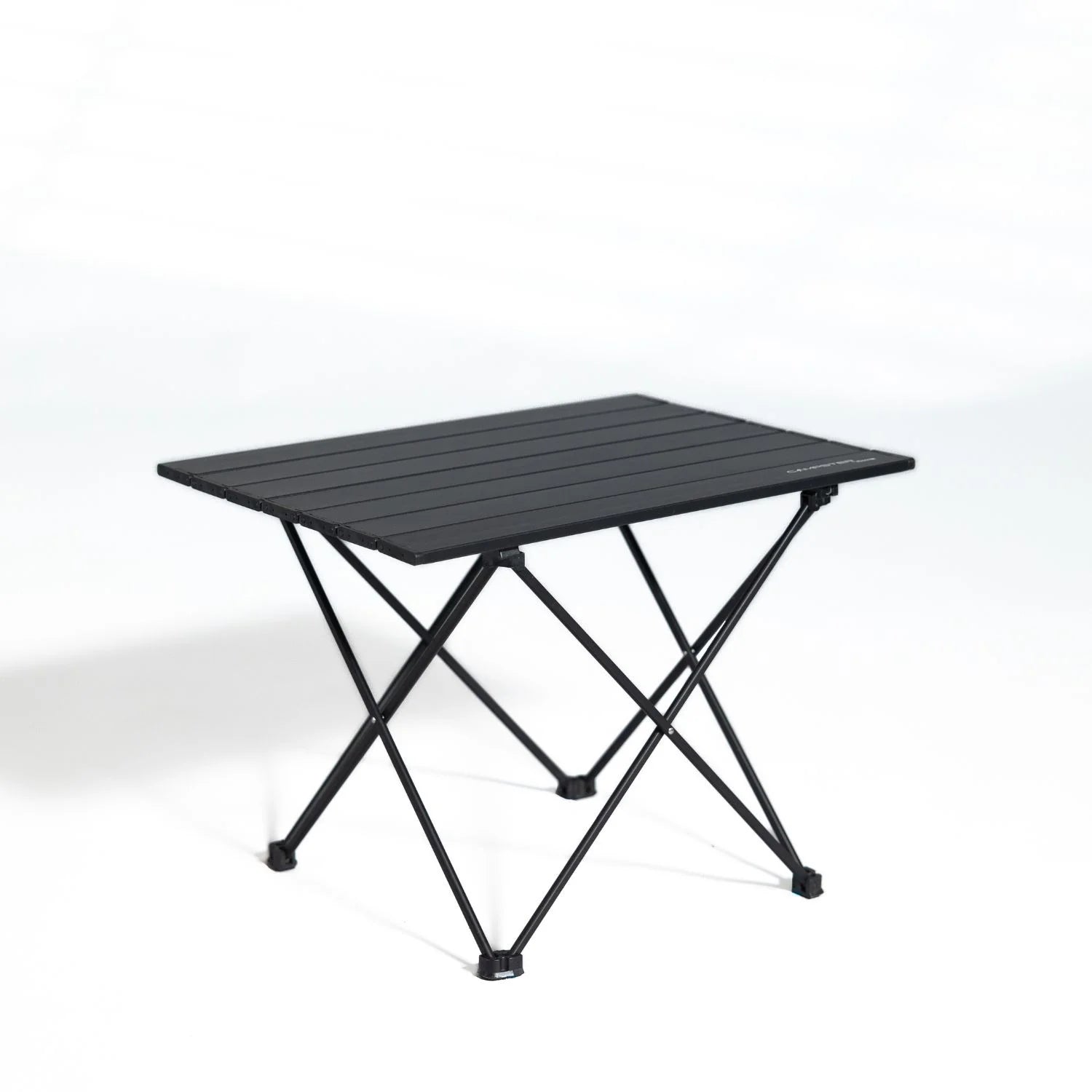
Once your base is prepared, position your seating to optimize comfort and view. Think about sunlight exposure, wind direction, and surrounding landscape. Arrange accessories like small side tables, drink holders, or compact storage bags to enhance convenience. For added comfort, consider lightweight cushions or compact blankets that can easily fold into your portable seating setup. Cozy outdoor seating configurations often balance practicality with personal style, so dont be afraid to experiment with your layout.
Pro tip: Always do a quick stability test by gently rocking your portable seating before fully committing to your chosen spot to prevent unexpected surprises during relaxation.
Creating the perfect outdoor comfort zone means adapting to Mother Nature’s unpredictable moods. Your goal is to transform any environment into a resilient relaxation space that withstands varying weather conditions and terrain challenges.
Outdoor microclimate design involves strategic positioning and smart accessories to manage environmental factors. Start by assessing your immediate surroundings for natural windbreaks like trees or rock formations that can provide protection. Consider the sun’s trajectory and choose locations with partial shade during peak heat hours. Light colored ground covers or portable ground mats can help reflect heat and provide an additional layer of temperature regulation. Pack lightweight, quick drying accessories like thermal blankets or compact wind barriers that can be easily deployed when conditions shift.
Understanding outdoor thermal comfort principles means being prepared for rapid environmental changes. Bring versatile layers that can be added or removed quickly. Waterproof covers for your seating, moisture wicking fabrics, and compact rain protection can turn unexpected weather into a minor inconvenience. Pay attention to ground texture and stability terrain like loose sand, rocky surfaces, or uneven grass can impact your seating comfort. Always carry a compact ground stabilizer or extra ground cloth to create a reliable foundation wherever your adventures take you.
Pro tip: Pack a small infrared thermometer to quickly assess ground and air temperatures before setting up your outdoor relaxation zone.
This table summarizes key weather and terrain challenges and accessory solutions for outdoor comfort:
| Challenge | Typical Issue | Recommended Solution | Benefit |
|---|---|---|---|
| Strong Sunlight | Overheating, glare | Shade canopy or tarp | Cooler, shaded zone |
| Wind Exposure | Unstable seating | Portable wind barrier | Improved stability |
| Moist Ground/Uneven | Soggy seat, tipping | Ground cloth or stabilizer | Dry, level foundation |
| Sudden Rain | Wet surfaces | Waterproof seat cover | Stay dry and comfortable |
You have carefully selected and positioned your portable relaxation space. Now comes the critical moment of ensuring your outdoor comfort zone truly meets your expectations. The goal is to fine tune your setup for maximum enjoyment and personalized comfort.
Outdoor furnishing arrangement requires a systematic approach to comfort verification. Start by sitting in your portable seating and performing a comprehensive comfort assessment. Check weight distribution and ensure your body feels fully supported. Wiggle around to test stability and observe how the seating responds to movement. Adjust cushions or add supplementary support items like compact lumbar rolls or small folding backrests if needed. Evaluate your line of sight and proximity to potential distractions or wind currents that might impact your relaxation experience.
Next, conduct a full environmental scan. Backyard relaxation strategies emphasize the importance of creating a personalized comfort zone. Assess shade levels, wind direction, and potential temperature variations. Have your compact accessories ready for quick adjustments such as lightweight blankets, portable wind barriers, or additional cushioning. Be prepared to shift your seating slightly or add protective layers to maintain an optimal comfort environment. Remember that the perfect outdoor relaxation spot is dynamic and requires ongoing fine tuning based on changing conditions.
Pro tip: Always keep a small adjustment kit nearby with extra straps, compact cushions, and multipurpose clips to make instant comfort modifications.
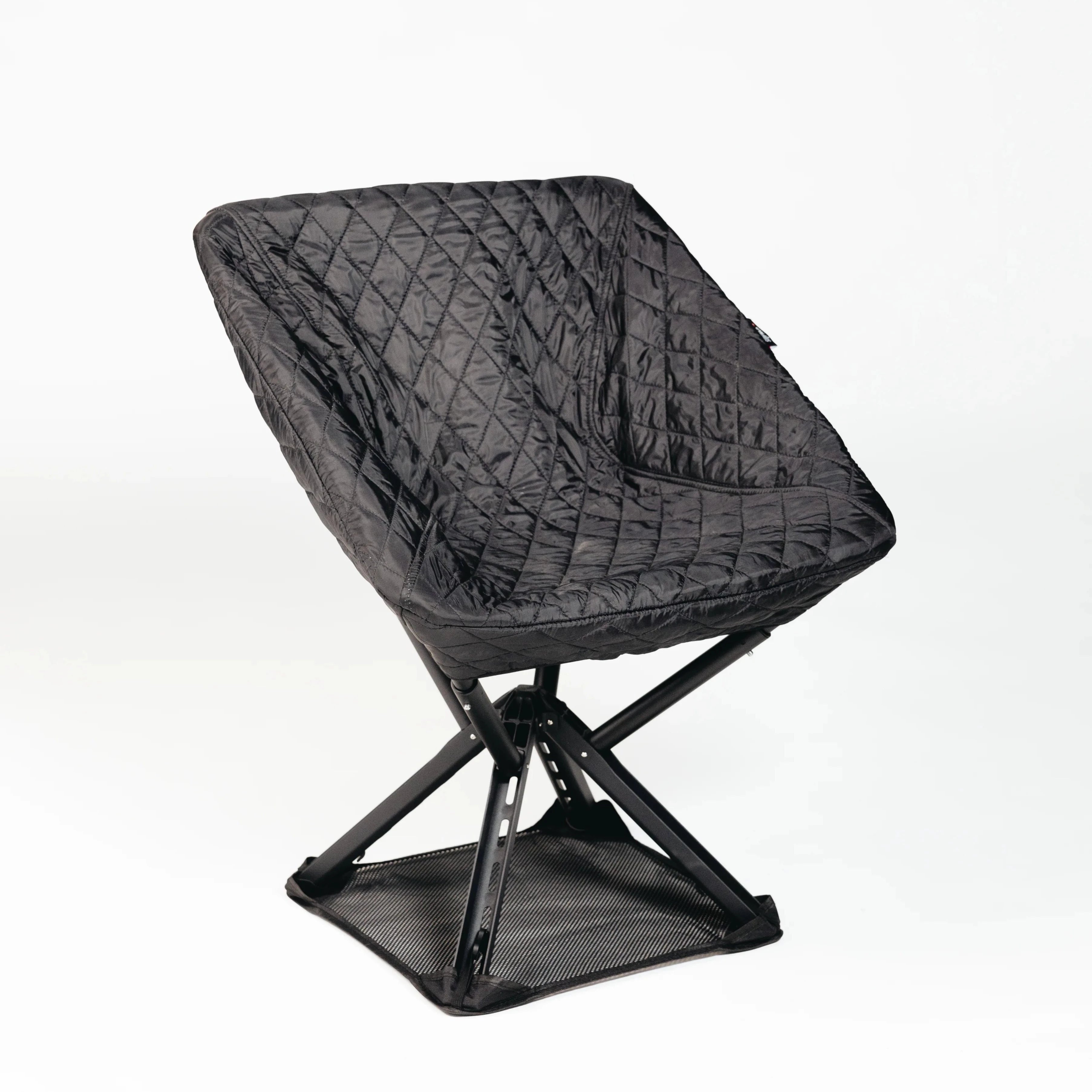
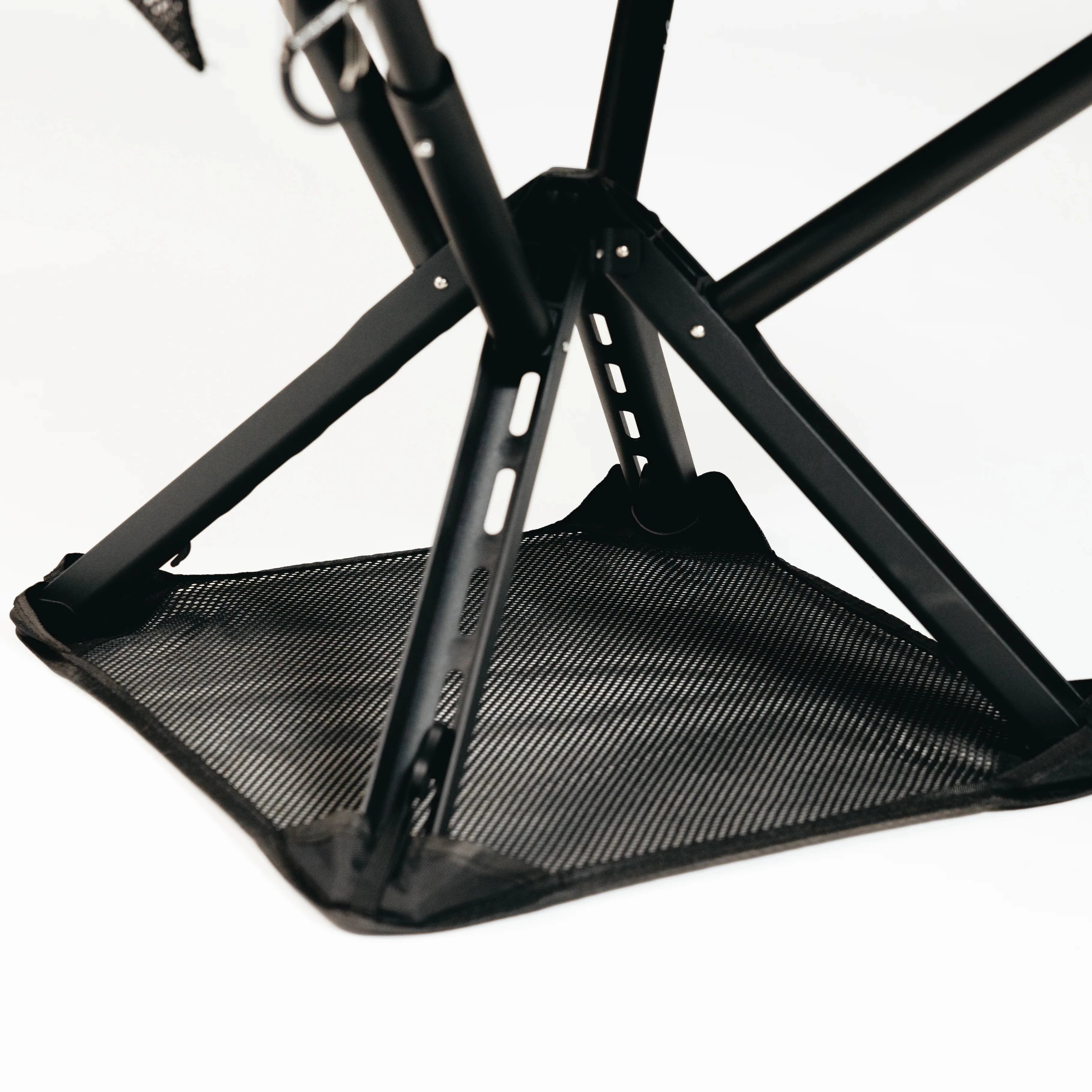
If you have been searching for lightweight, durable, and ergonomically designed seating solutions to bring your portable relaxation setup to the next level this is your chance to explore top-tier options. The article highlights key challenges such as balancing comfort, stability, and weather adaptability when creating an outdoor comfort zone. With goals like quick setup, versatile use, and lasting comfort in mind, Sitpack offers specialized foldable chairs and accessories that align perfectly with these needs.
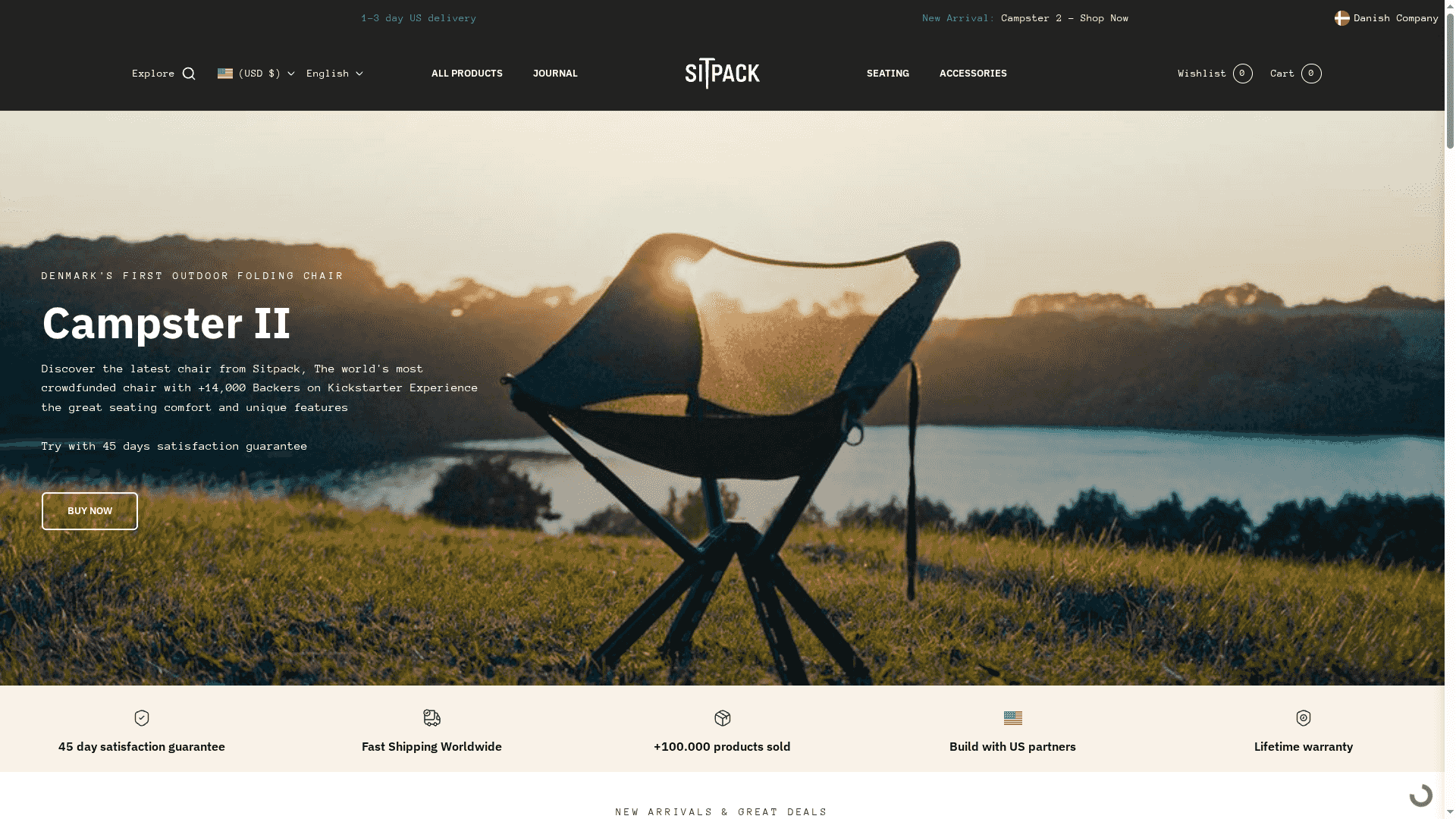
Discover how the Sitpack Campster II and Sitpack Zen embody minimalistic design while offering superior comfort and portability for outdoor enthusiasts like you. Whether you are camping, traveling, or enjoying backyard wellness your perfect portable chair is available now. Don’t wait to upgrade your outdoor relaxation experience with eco-friendly materials and a lifetime warranty. Visit Sitpack today and make your next adventure as comfortable as it is memorable.
Start by evaluating sunlight exposure, privacy, and ground stability in your outdoor area. Look for a spot that has a good mix of sun and shade, natural boundaries to ensure privacy, and a stable, flat surface for your seating.
The best portable comfort solutions include lightweight seating options like camping chairs, inflatable loungers, and fold-out stools. Aim for seating that is easy to carry, under 15 pounds, and designed for quick setup in various outdoor environments.
To install your seating, clear the area of debris and ensure the ground is smooth and stable. Position your seating with consideration for sunlight, wind direction, and personal comfort, and use a lightweight ground cloth to enhance stability.
Consider natural windbreaks, shade from trees, and the ground texture in your relaxation area. Prepare by bringing quick-drying accessories and ground stabilizers to adapt to changing weather conditions and ensure your comfort.
Conduct a comfort assessment by sitting in your portable seating and checking for support and stability. Make any necessary adjustments with cushions or support items to ensure a fully enjoyable experience.
Accessories that can enhance your experience include small side tables, drink holders, and lightweight blankets. Include compact items that can easily be stored and carried, allowing for quick adjustments to improve your setup.