Vogn
0
Tilmeld dig og få 10% i rabat på din ordre
Forventet levering
1-3 dage
Du vil måske også kunne lide


Dansk Firma


TL;DR:
- Portability determines whether a travel seat effectively enhances mobility, reduces fatigue, and fits in carry-on luggage. Getting the weight, volume, and setup time right is essential to ensure a seat supports your trip’s specific needs without adding unnecessary burden.
Portability determines whether your seating actually improves mobility, reduces fatigue, and fits into carry-on or backpack systems. Full stop. The ultralight base-weight standard is under 4.5 kg, while lightweight spans 5–9 kg. A portable seat that pushes you past those thresholds is working against you, not for you.
Three immediate wins when you get portability right:
Pro Tip: Before buying any seat, ask yourself one question: “Does this seat earn its weight?” If it only does one job and adds more than a few hundred grams, it probably doesn’t.
The sections below cover measurable thresholds, a buyer checklist, real trade-offs, and Sitpack’s foldable options — in that order.
Portability reduces what experienced hikers call “physical performance debt” — the cumulative toll of carrying too much, too long. Excessive load or poor load distribution tends to peak in fatigue by days 5–6 of a trip, directly affecting safety and decision-making. That’s not just uncomfortable; on technical terrain, it’s a real risk.
The logistical case is just as strong. Packing light keeps you nimble at airports, lets you hop earlier flights, and eliminates the anxiety of a luggage carousel. A compact seat fits this philosophy perfectly: it’s the kind of gear that doesn’t demand its own bag or a checked-luggage fee.
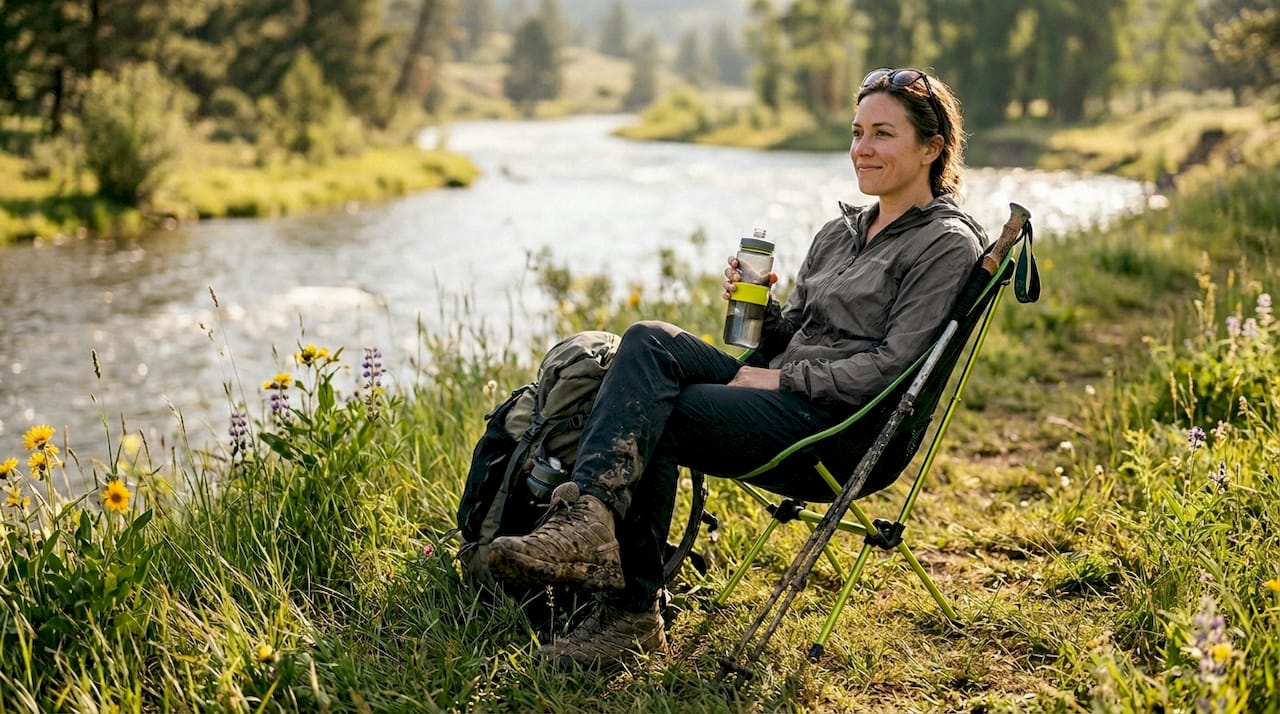
Spontaneity is the underrated benefit. A foldable seat you can pull out at a festival, a trailhead, or a delayed gate turns waiting into resting. That mental shift — from “I have to stand” to “I can sit anywhere” — changes how you experience a trip. Compact camping gear trends confirm the move toward portable designs that work across mixed itineraries, from city streets to campsites.
Treating your seat as part of the kit’s “Big Three” (pack, shelter, sleep system) helps you balance weight and comfort across multi-day trips more deliberately.
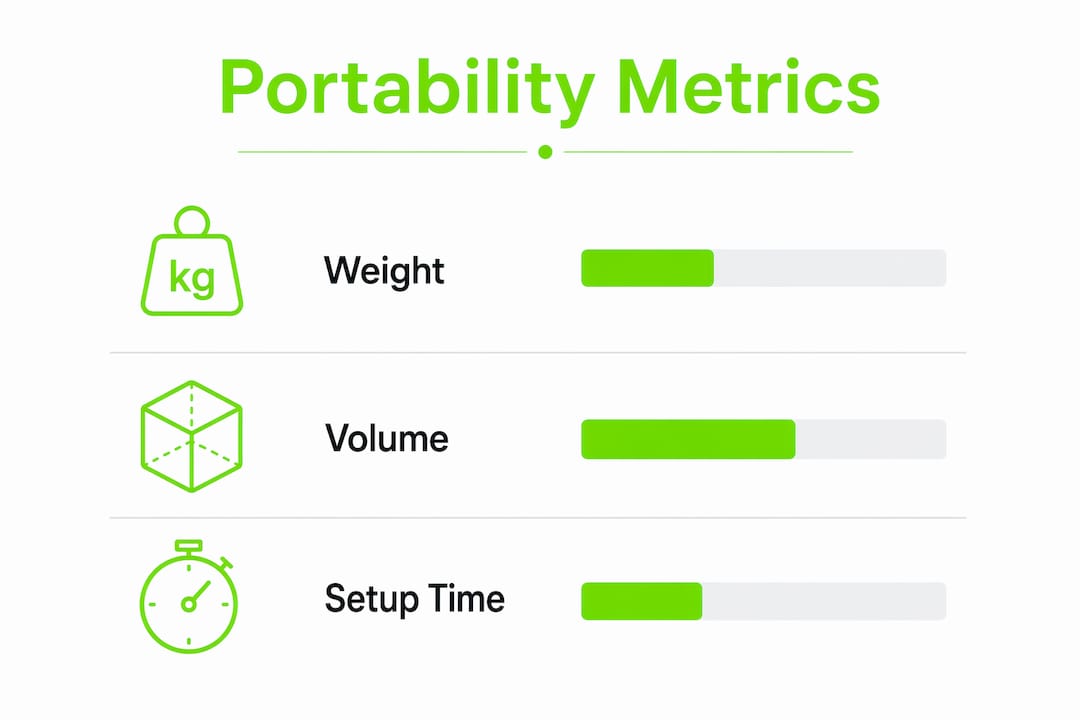
Three metrics tell you almost everything about a seat’s portability: net weight, packed volume (usually expressed as packed length or a stuff-sack size), and setup/teardown time.
| Trip type | Target weight | Packed volume | Setup time |
|---|---|---|---|
| Ultralight day hike | Under 350 g | Fits inside pack | Under 10 sec |
| Multi-day backpack | 350–600 g | Attaches to pack | Under 30 sec |
| Festival / car camp | 600 g and above | Fits in tote or trunk bag | Under a minute |
| Urban / commute | Under 600 g | Fits in daypack | Under 15 sec |
A few quick measurement tips:
For carry-on travelers, the 7–10 kg total system target means your seat competes directly with every other item in the bag. A 600 g seat is roughly the weight of a decent pair of trail runners — so it had better earn that slot.
Start with mission, not features. Here’s the decision flow:
Pro Tip: Ask “Will it fit inside or on my pack?” and “Can I set it up with gloves on?” before you ask anything about color or cushion thickness. Those two questions filter out 80% of the wrong choices.
Portability always costs something — usually comfort, stability, or both. That’s not a flaw; it’s physics. The question is whether the trade-off is acceptable for your specific mission.
Lighter materials (thin nylons, carbon fiber poles) shed grams but sacrifice abrasion resistance. A seat that weighs 350 g is probably not the one you want to drag across granite every weekend. Ultralight approaches improve speed and reduce injury risk, but practitioners consistently flag higher cost and potential fragility as the real downsides.
Stability and load transfer matter most on multi-day technical trips. The Precision Setup for 7-day routes recommends a base pack weight of 12–15 lbs and prioritizes footwear and pack frame over small cook-kit savings — the same logic applies to seating. A wobbly seat on day 6 of a technical route is a safety issue, not just an annoyance.
For short festival use, lower padding is a perfectly acceptable trade. For technical terrain or cold ground, prioritize stability and insulation over packed size. The cumulative shoulder and neck fatigue that builds across a multi-day trip is real, and a seat that forces poor posture compounds it. Choose accordingly.
A foldable seat earns its weight differently depending on where you’re going.
| Scenario | Weight range | Packed volume | Setup expectation |
|---|---|---|---|
| Day hike | Under 350 g | Inside pack | Instant |
| Multi-day backpack | 350–600 g | Pack attachment | Under 30 sec |
| Car camping / festival | — | Trunk or tote | Under a minute |
| Urban / airport | Under 600 g | Daypack pocket | Instant |
Modular pack systems and quality packing cubes keep a portable seat accessible for spontaneous stops without digging through the whole bag. For backpacking, stow the seat near the top or in a hip-belt pocket so you can grab it at a viewpoint without dropping your pack.
A few do/don’t rules:
Proper care extends lifespan and cuts down on waste. That’s the short version. Here’s what it looks like in practice:
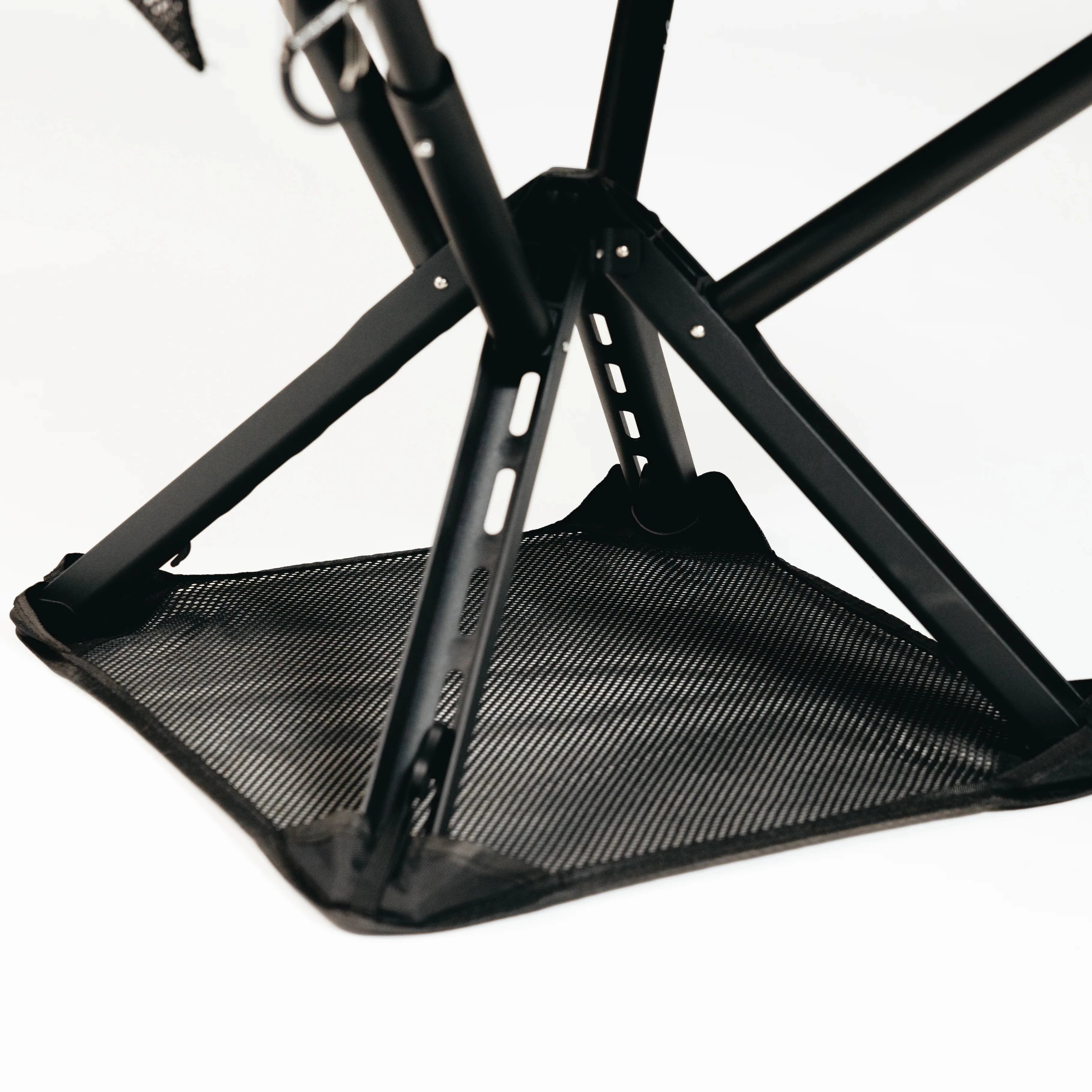
On repairability: prioritize seats with replaceable shock cords, swappable pins, and accessible customer service. A seat you can fix in the field with a $3 cord replacement is worth far more over five years than one that goes in the trash after a single failure. Look for foldable gear designed with repair pathways built in.
Sustainability is a genuine trade-off here. Ultralight materials like Dyneema shed less weight but are harder to recycle than heavier recycled-fabric options. Lifecycle thinking favors durable designs with repair pathways over the lightest possible option that won’t survive two seasons.
Portability is the single most important factor in whether a travel seat actually improves your trip — not just in theory, but in measurable weight, packed volume, and setup time.
| Point | Details |
|---|---|
| Weight thresholds matter | Ultralight is under 4.5 kg base weight; lightweight is 5–9 kg — your seat must fit within that budget. |
| Three metrics to measure | Net weight, packed volume, and setup time tell you whether a seat fits your trip style. |
| Trade-offs are real | Lighter materials sacrifice durability; narrower designs sacrifice stability — match the trade-off to your mission. |
| Repairability is the tiebreaker | Prefer seats with replaceable cords and clear warranty terms over glued-together ultralight options. |
| Sitpack options fit the checklist | The Campster II and Sitpack Zen are foldable, warranty-backed seats built for the weight and volume targets above. |
Most gear guides treat portability as a spec-sheet checkbox. It’s not. It’s a design philosophy, and the gap between a seat that “packs small” on paper and one that actually integrates into a real travel system is enormous.
What I’ve seen consistently: travelers underestimate how much a seat’s packed length affects pack balance, and they overestimate how much comfort they need for short-duration use. A festival seat doesn’t need to feel like an armchair. A trail seat doesn’t need lumbar support. What both need is to disappear into the kit until you want them, then deploy in seconds.
Sitpack’s design priorities — packability, modular fit, and repairability — reflect exactly that thinking. The 45-day satisfaction guarantee and warranty backing mean you’re not gambling on a product that might fall apart after one season. That’s not a small thing when you’re choosing gear you’ll carry on every trip.
If you’ve run through the checklist above and you’re ready to find a seat that actually fits your kit, Sitpack offers two foldable options worth a close look.
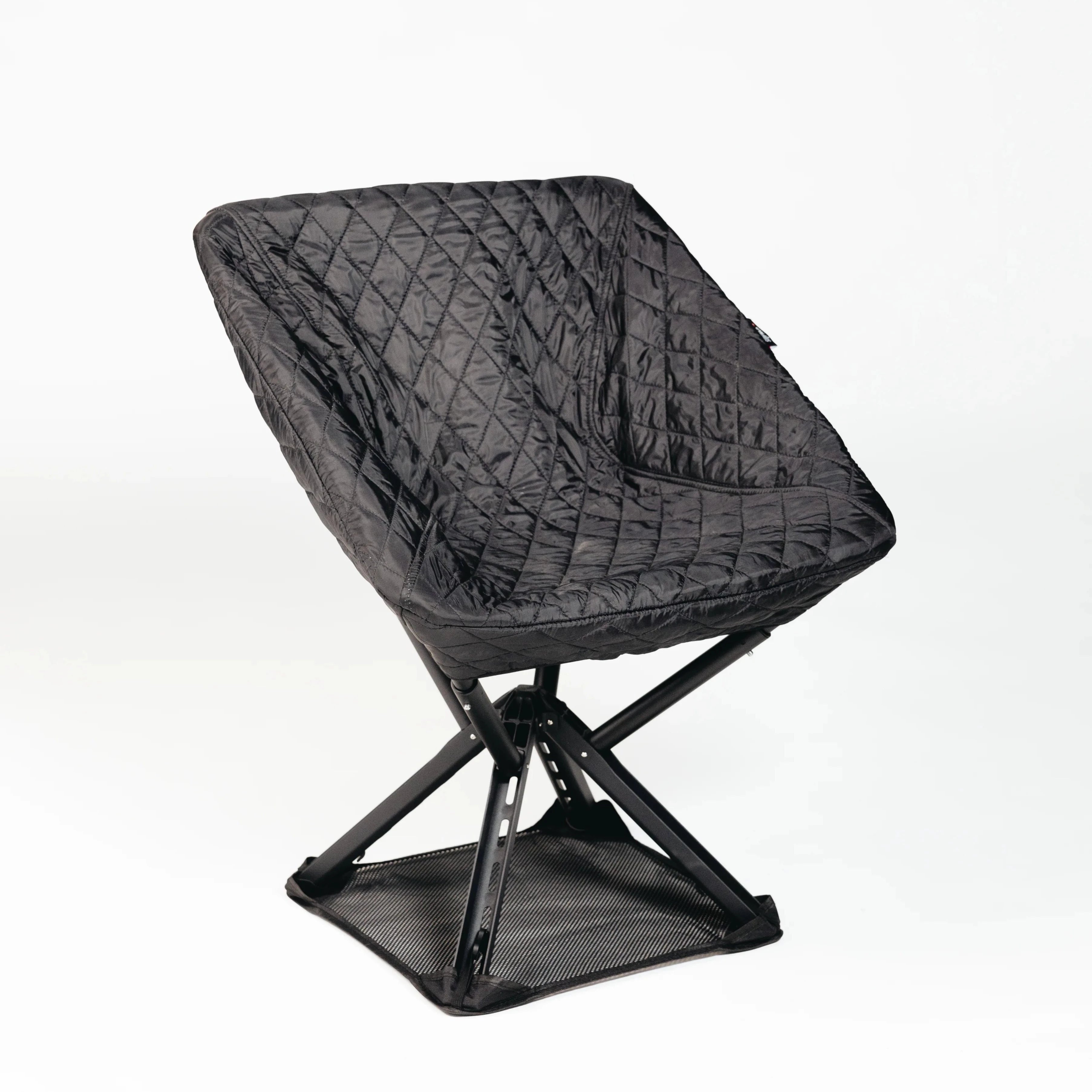
The Sitpack Campster II is built for travelers who want a proper seat with a backrest — stable enough for car camping and festivals, compact enough to attach to a daypack. It’s the pick for mixed itineraries where you’ll be sitting for longer stretches.
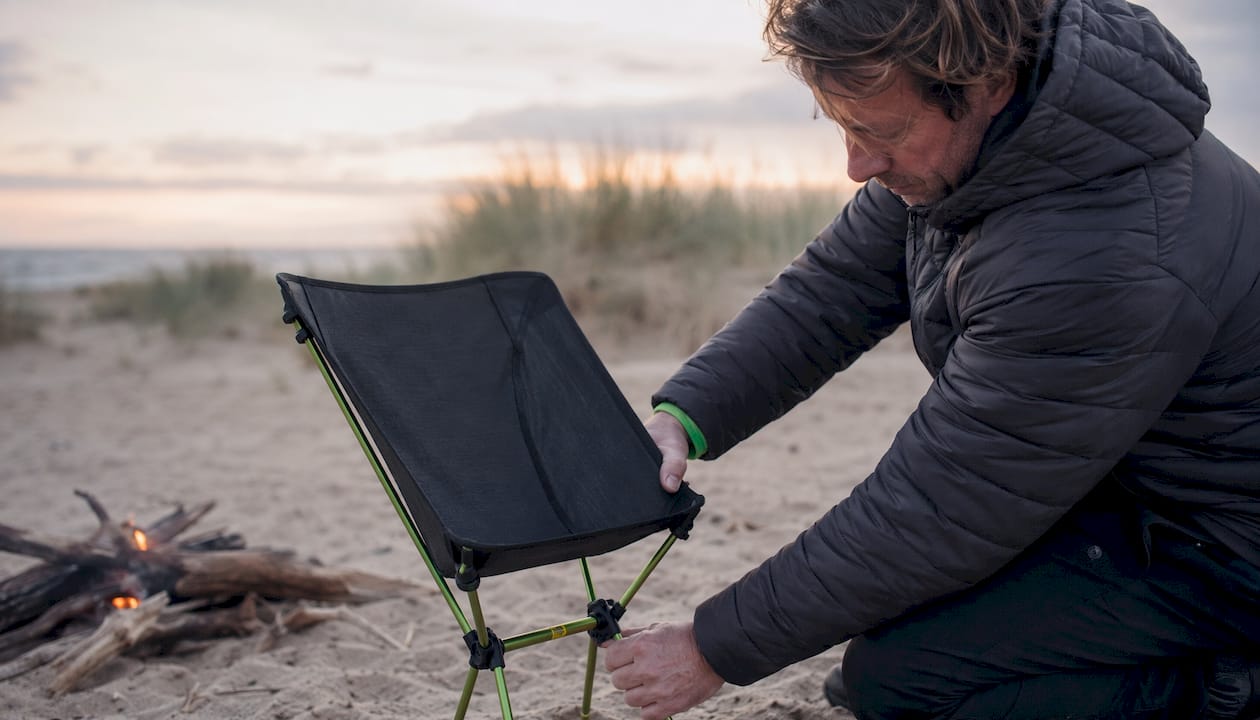
The Sitpack Zen goes the other direction: minimal, ultralight, and designed to disappear into a pack until you need it. It’s the right call for day hikes, urban travel, and anyone whose base weight is already close to the ultralight ceiling.
Both come with a 45-day satisfaction guarantee and warranty-backed durability — the kind of terms that make repairability a real option, not a marketing line. Check specs against the weight and volume targets from the table above, then browse the full lineup to find the fit for your next trip.
A short list of the sources behind this article, for readers who want to go deeper: