Vogn
0
Tilmeld dig og få 10% i rabat på din ordre
Forventet levering
1-3 dage
Du vil måske også kunne lide


Dansk Firma

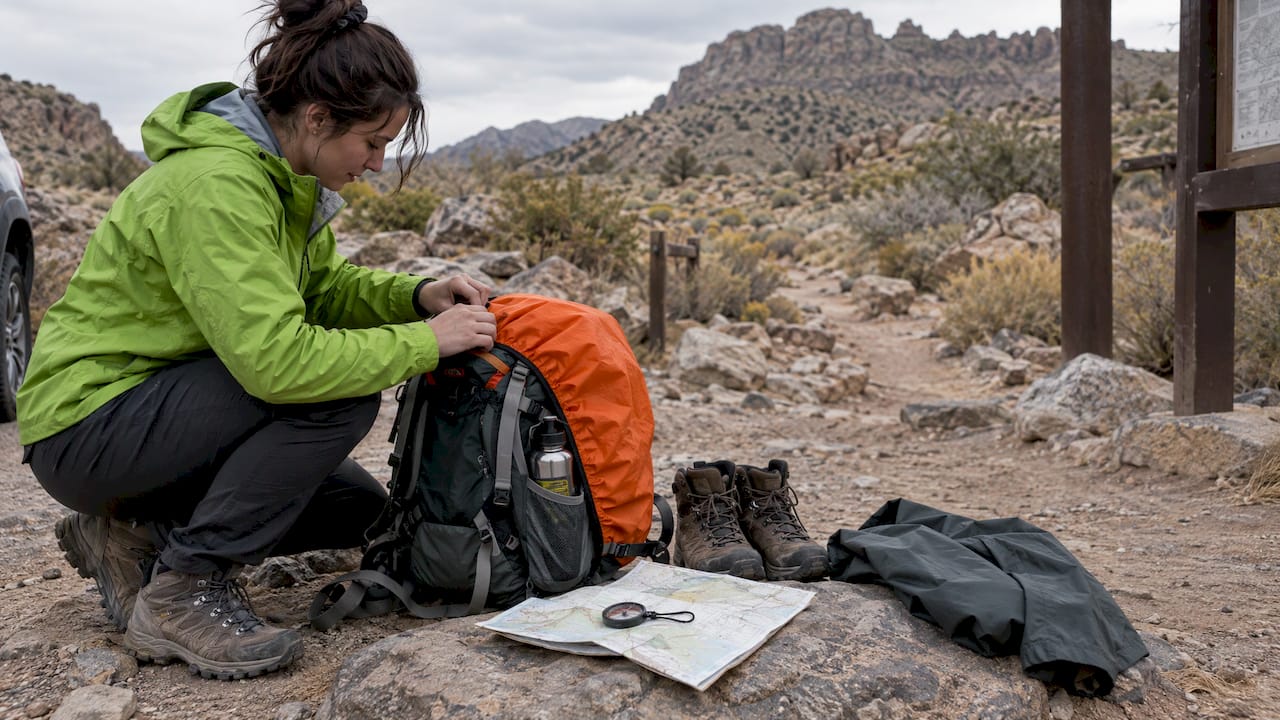
The real must-haves for any outdoor adventure are not gadgets. They are ten systems: navigation, sun protection, extra clothing, light, first aid, fire, repair tools, food, water and emergency shelter. That is the U.S. National Park Service’s Ten Essentials list, and everything else in your pack is a bonus. Once the safety basics are sorted, the fun part begins: the little comforts, like a proper place to park your posterior at camp, that turn a trip from fine into memorable. That is where our Campster II folding chair comes in, and we will get to it.
Every serious outdoor organization agrees on the same core idea, and the list has been refined over decades. The National Park Service frames it as ten systems rather than ten products, which is a handy way to think: you are not buying ten items, you are covering ten needs.
| System | What it covers | Typical items |
|---|---|---|
| Navigation | Knowing where you are and how to get back | Map, compass, GPS or phone with offline maps |
| Sun protection | Sunburn, glare, heat | Sunscreen, sunglasses, hat |
| Extra clothing | Weather swings and emergencies | Insulating layer, rain shell, spare socks |
| Illumination | Getting out after dark | Headlamp or flashlight, spare batteries |
| First aid | Blisters, cuts, minor emergencies | Kit adapted to your trip and medical needs |
| Fire | Warmth and signaling | Matches or lighter, fire starters |
| Repair kit and tools | Fixing gear in the field | Knife or multitool, tape, cordage |
| Nutrition | Energy and a safety margin | Extra day of food |
| Hydration | Staying functional | Bottles or reservoir, treatment method |
| Emergency shelter | Protection from weather and exposure | Tarp, bivy, space blanket or tent |
The NPS adds activity-specific extras on top, such as a life jacket for water trips, bug spray, or a two-way satellite messaging device where there is no cell coverage.
One point from the Washington Trails Association is worth tattooing on your pack lid: knowing how to use your essentials may matter more than carrying them. A map you cannot read is just a very flat napkin. Practice with your compass in the park before you need it in the fog.
Lists differ a little by organization. The Alaska Public Lands checklist for all hikes, regardless of time or distance, names a whistle, signal mirror, rain jacket and pants, and pocket knife alongside the map, compass, warm layers, food, water, headlamp and firestarter. The American Hiking Society includes appropriate footwear as its own item. The overlap is the point: light, warmth, water, food, navigation, first aid and shelter show up everywhere.
If you want a printable version to work from, our own backpacking 10 essentials checklist walks through the same systems, and our hiking checklist splits them into day hike and overnight versions.
Running out of water is the most common way a pleasant outing turns into a bad afternoon. A workable starting rule from the American Hiking Society is half a liter per hour in moderate temperatures and terrain, along with knowing where you can refill and how to treat what you find.
That is a floor, not a ceiling. The Mountaineers note that two quarts a day is a reasonable minimum, while hot weather or high altitude can push needs beyond six quarts, and dry environments call for even more carried water. The NPS adds a habit worth building: drink often and before you feel thirsty.
A quick worked example: a five-hour moderate hike at half a liter per hour means about 2.5 liters for the walk. Add a buffer for a delay, and you are carrying three liters or a treatment method plus a known water source. Heavier than you hoped? Water is the one thing worth carrying a little too much of.

Food follows the same safety-margin logic. The American Hiking Society suggests calorie-dense food plus an extra portion in case you are out longer than planned. The NPS recommends an extra day’s supply, preferably no-cook and easy to digest: trail mix, nuts, granola bars. Salty snacks earn their place on hot days.
The golden rule of outdoor clothing is brief: no cotton. The New Zealand Mountain Safety Council warns that cotton and denim pull heat from the body when wet, which can lead to hypothermia, and recommends wool, fleece and polypropylene instead. The same guidance calls for a waterproof jacket, sturdy footwear with good tread, and a warm hat and gloves even in summer.
The NPS framing for your extra layer is useful: pack a layer that reflects the most extreme conditions you could meet, not the conditions forecast at the trailhead. It also suggests bright clothing, which makes you easier to spot if search and rescue ever needs to look for you.
A simple layering kit that works for most three-season trips:
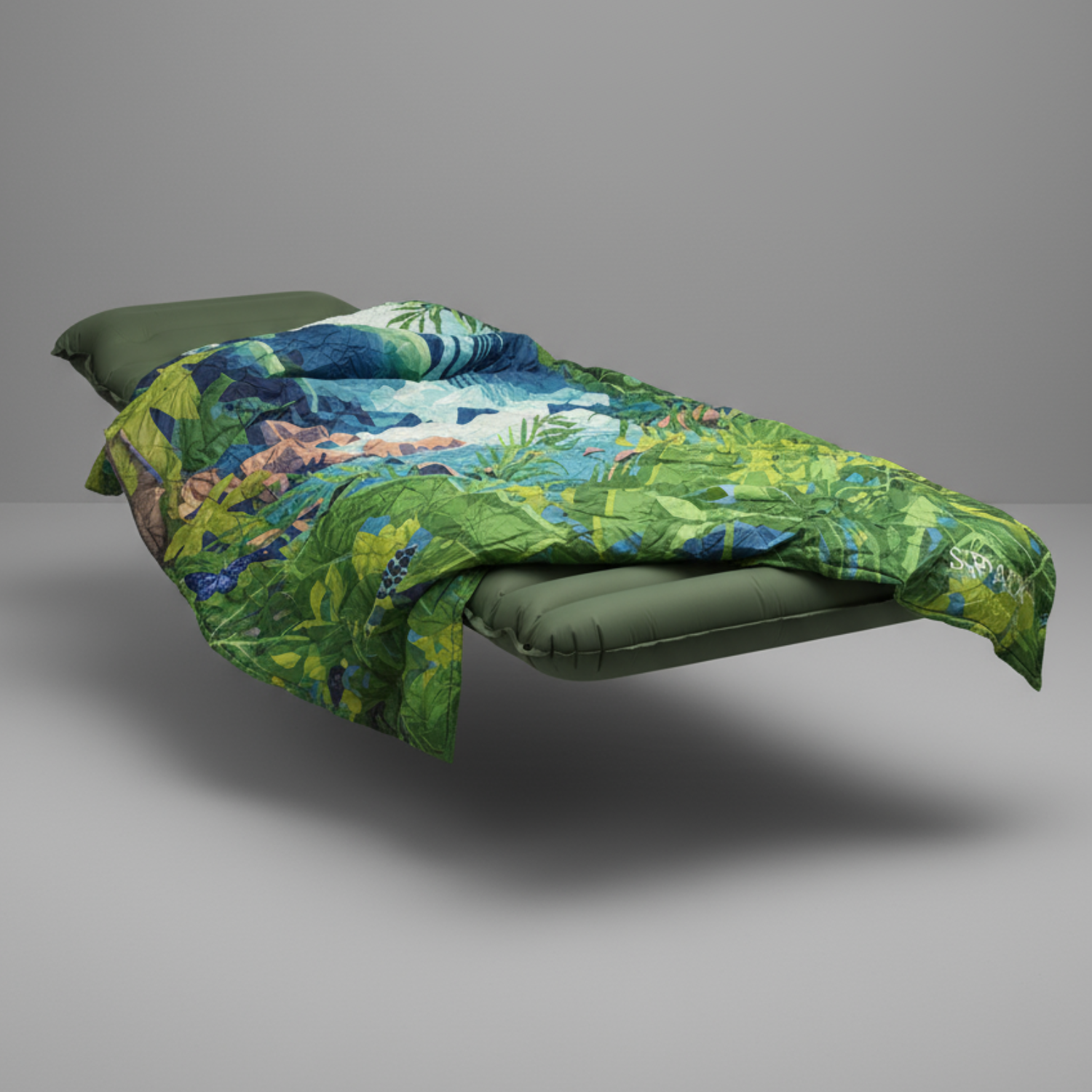
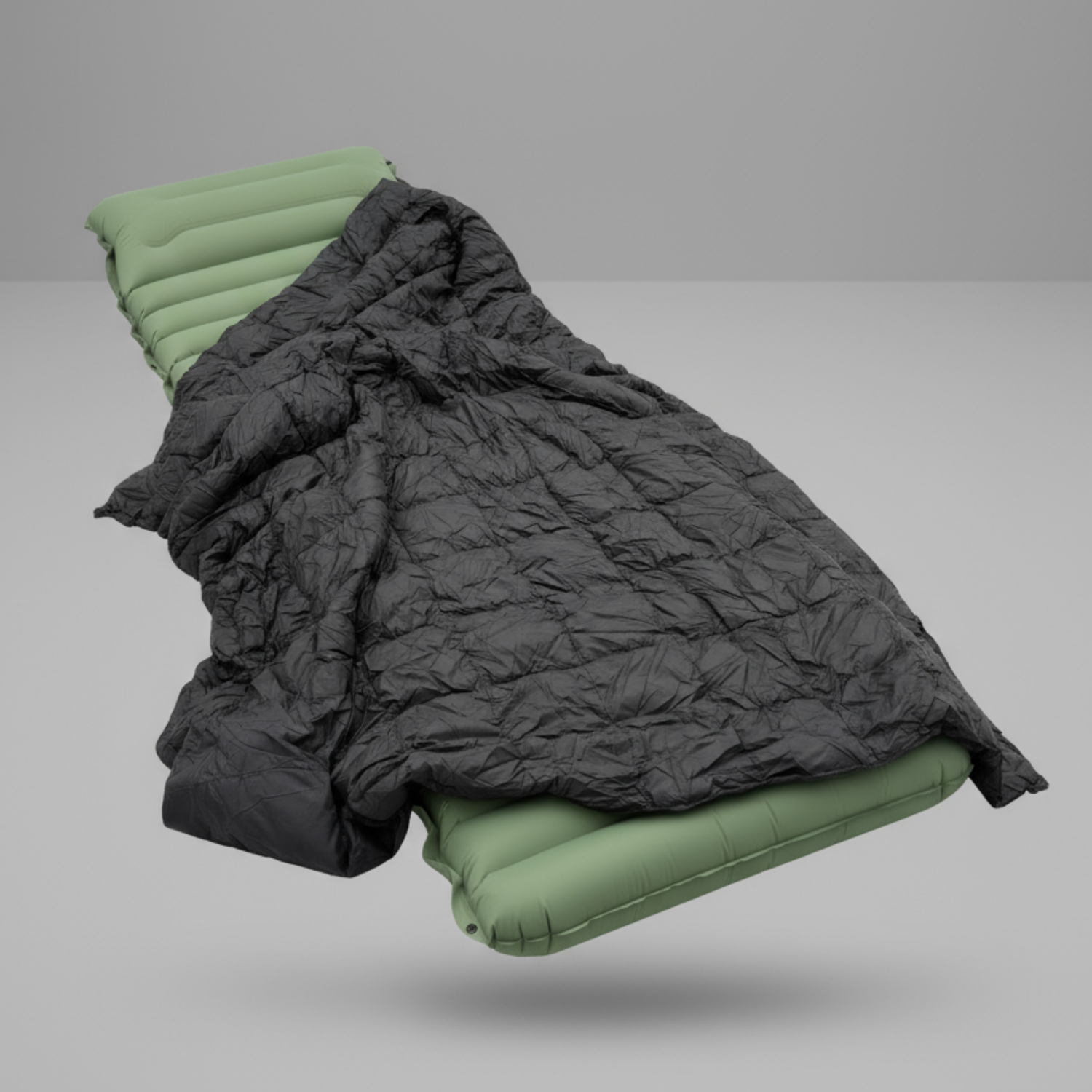
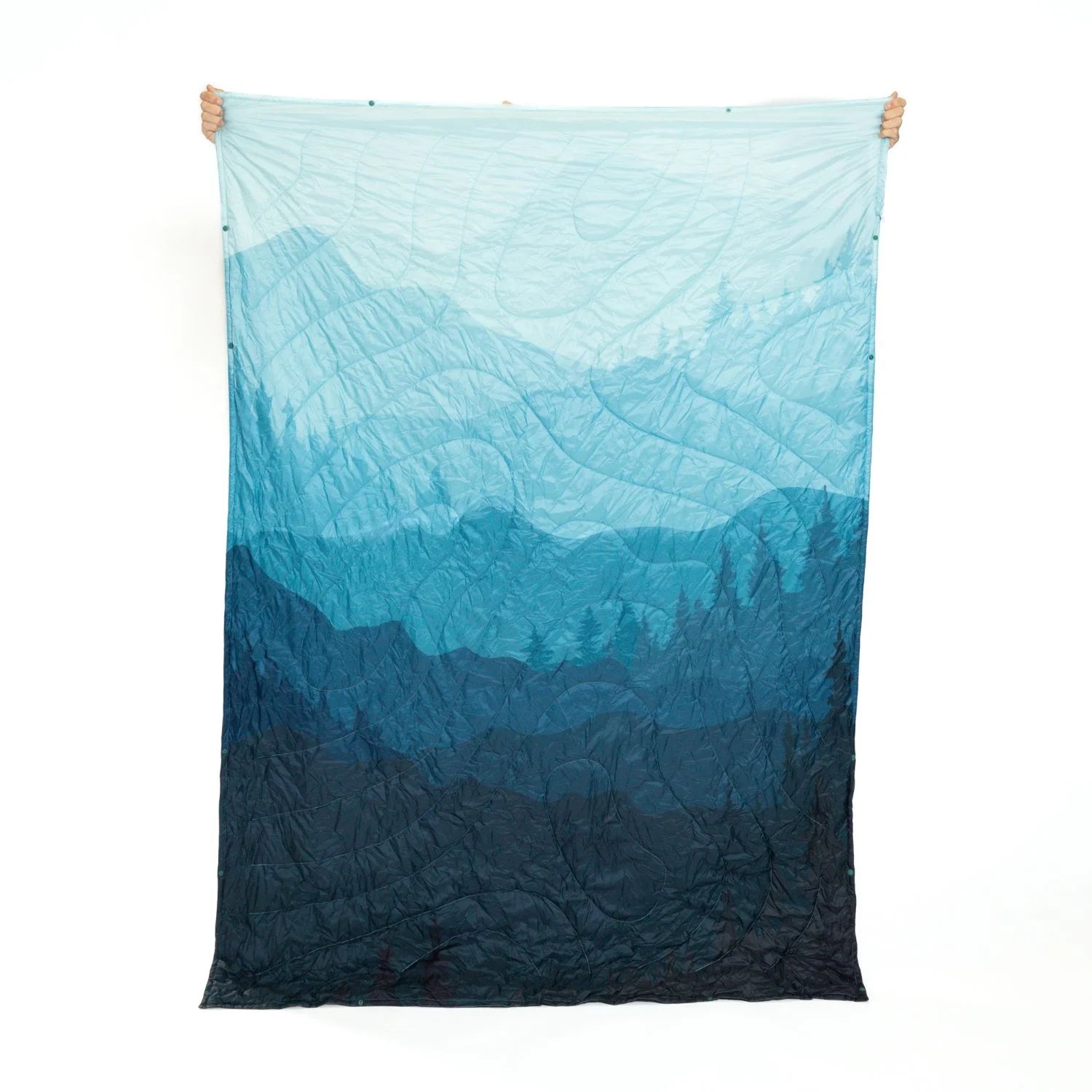
That insulating layer is also where a packable blanket earns its keep. Our Airwrap puffy adventure blanket is made for exactly this kind of chilly camp evening or rest stop, and it is part of our lineup of accessories alongside seat warmers and thermal blankets.
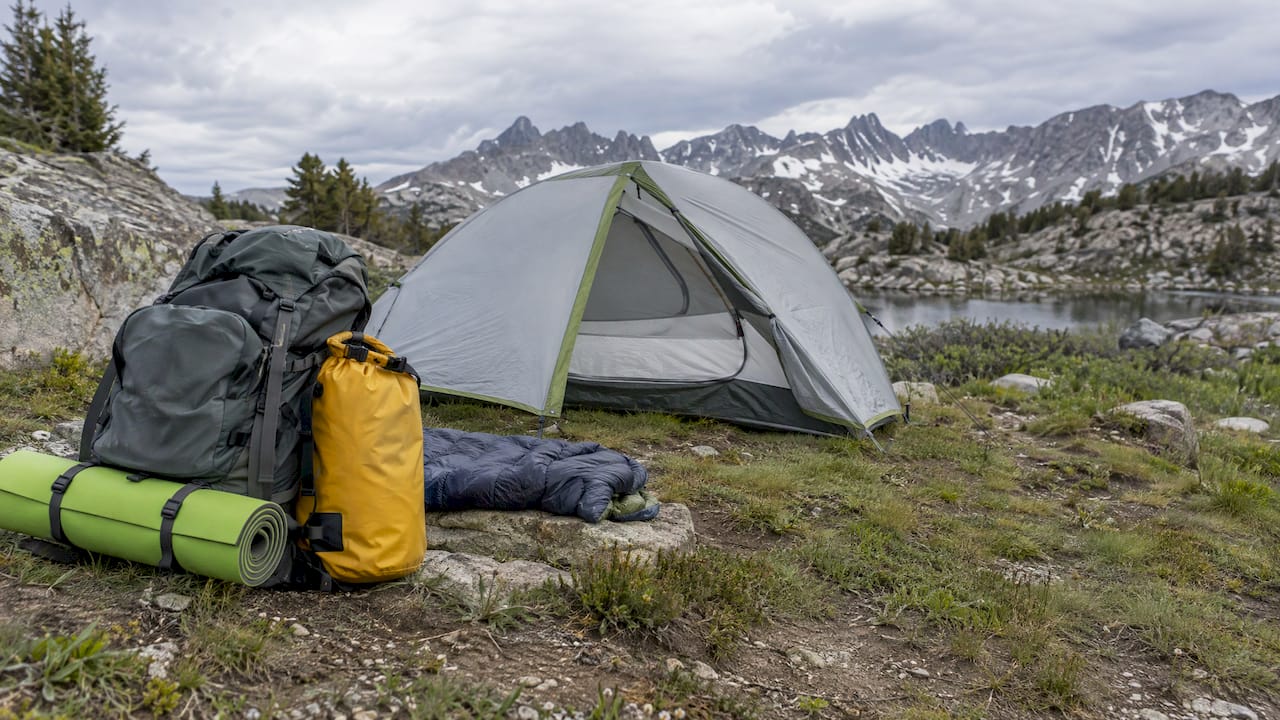
The items you hope never to use are the ones that define a real must-have list. The NPS says shelter is one of the most important elements in an emergency, and that a tent, tarp, bivy sack or emergency space blanket are all lightweight ways to cover it.
The Mountaineers boil the whole list down to two questions: can you respond to an accident, and can you safely spend a night out if you had to? If either answer is no, your pack needs another look.
Two details people forget:
The USDA Forest Service’s outdoor safety checklist is a good cross-check. It adds items such as a whistle, pocket mirror, trash bag, waterproof matches and water purification tablets, which are tiny, cheap and easy to forget.
If you take medication, pack it. First aid should be tailored to your trip length and your own medical needs, and anyone with a condition that could flare outdoors should talk to their doctor before heading somewhere remote.
A day hike list gets you home. An overnight list has to get you through the night comfortably. The Alaska Public Lands checklist adds a large backpack, sleeping bag, foam pad, tent or shelter, stove and fuel, cooking kit, bear canister, water purification, toiletries and a trowel for overnight trips.
The practical trick is to build the overnight kit in layers on top of your Ten Essentials rather than starting from scratch. Your shelter essential becomes a real tent, your extra clothing becomes a sleep layer, and your food and water scale with the nights. For a deeper dive on packing weights and what goes where, this essential backpacking items guide gives a second perspective, and our own posts on an overnight backpacking checklist and a backcountry camping gear list cover multi-day trips in detail.
One habit pays off on every overnight: do a full pack at home the night before and weigh it. Anything you have not touched on your last two trips deserves a hard look, unless it falls under the safety list, in which case it stays.
The Ten Essentials are fixed. What changes is how much of each you carry. Run every trip through four questions before you pack.
How long will you be out? The New Zealand Department of Conservation’s day hike list, written for walks under eight hours, includes a one to two liter bottle, lunch and snacks, a fully charged phone, a head torch, a survival blanket and a whistle. Longer trips scale food, fuel and clothing, not the safety kit.
What will the weather do? Check conditions before you go. The NPS notes that weather, trail status and water availability all change what you will carry. A desert day means more water and sun protection. A mountain day means more insulation and a stronger shell.
Where are you? Remote country needs a satellite communicator, a proper map and a plan for reaching help. Close to town, a phone with offline maps and a charged battery bank may cover navigation. Wildlife regions may require a bear canister, so check local rules.
Who is with you? Group trips can share a first-aid kit, stove and repair tools, but each person still carries their own layers, light, food and water. The Mountaineers’ principle applies to you personally: can you spend a night out if you had to?
If you are new to all of this, our step-by-step backpacking essentials for beginners breaks the process into a sequence you can follow without a gear store full of opinions.
Here is where we part ways with a lot of gear lists: we think rest is a real part of the adventure. Ask anyone who has eaten lunch on a wet log or sat on a cold rock at sunset.
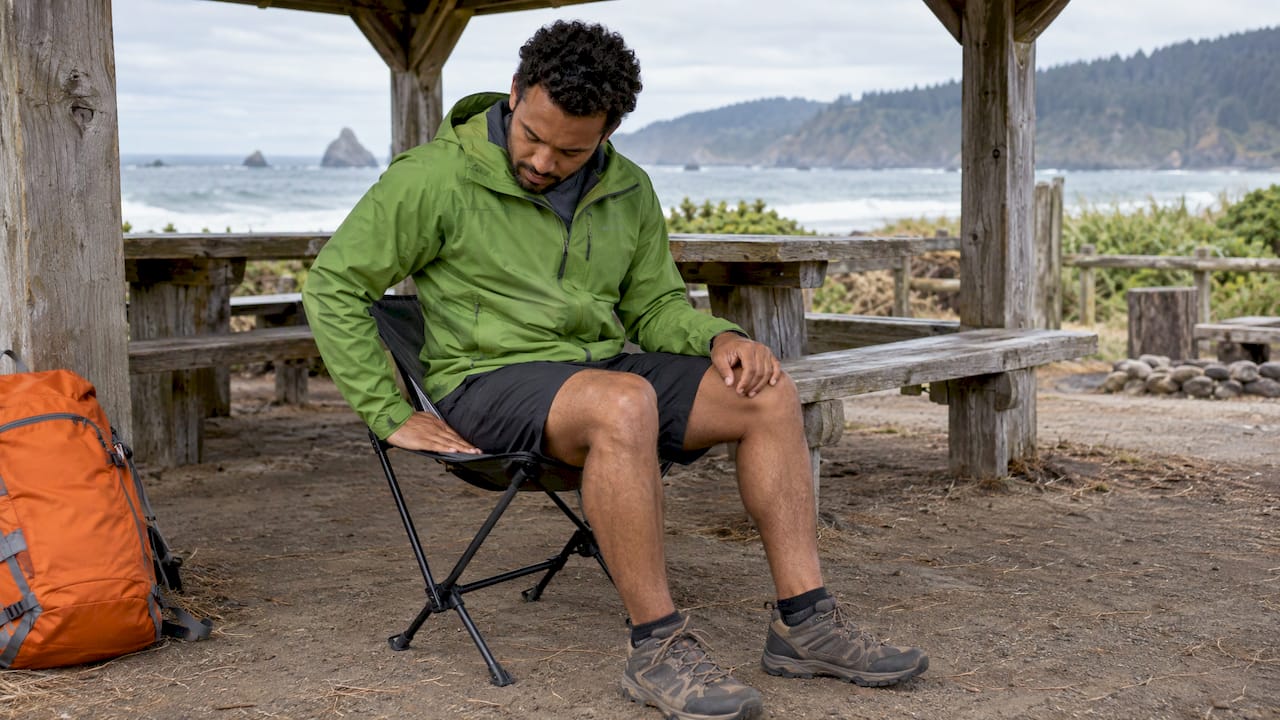
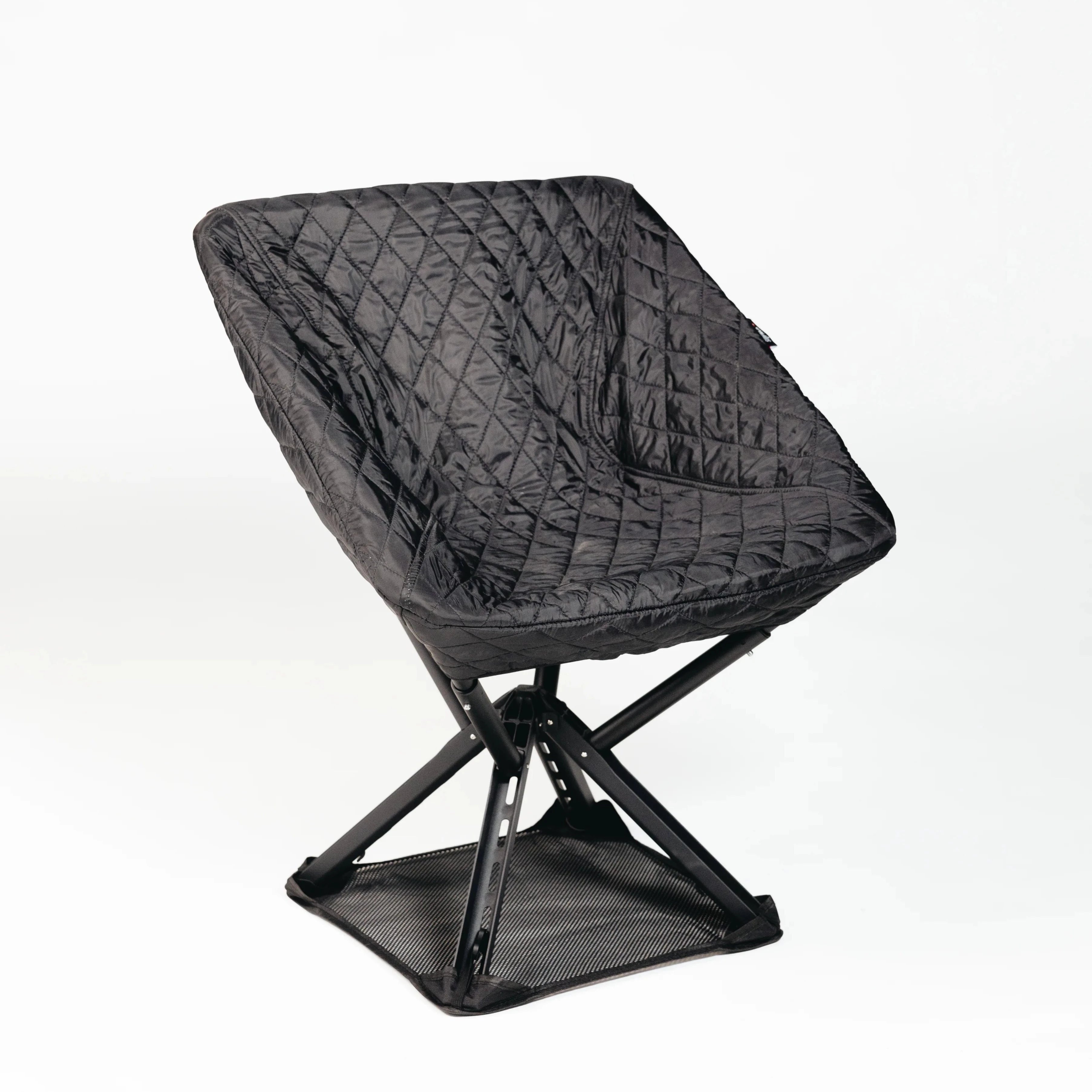
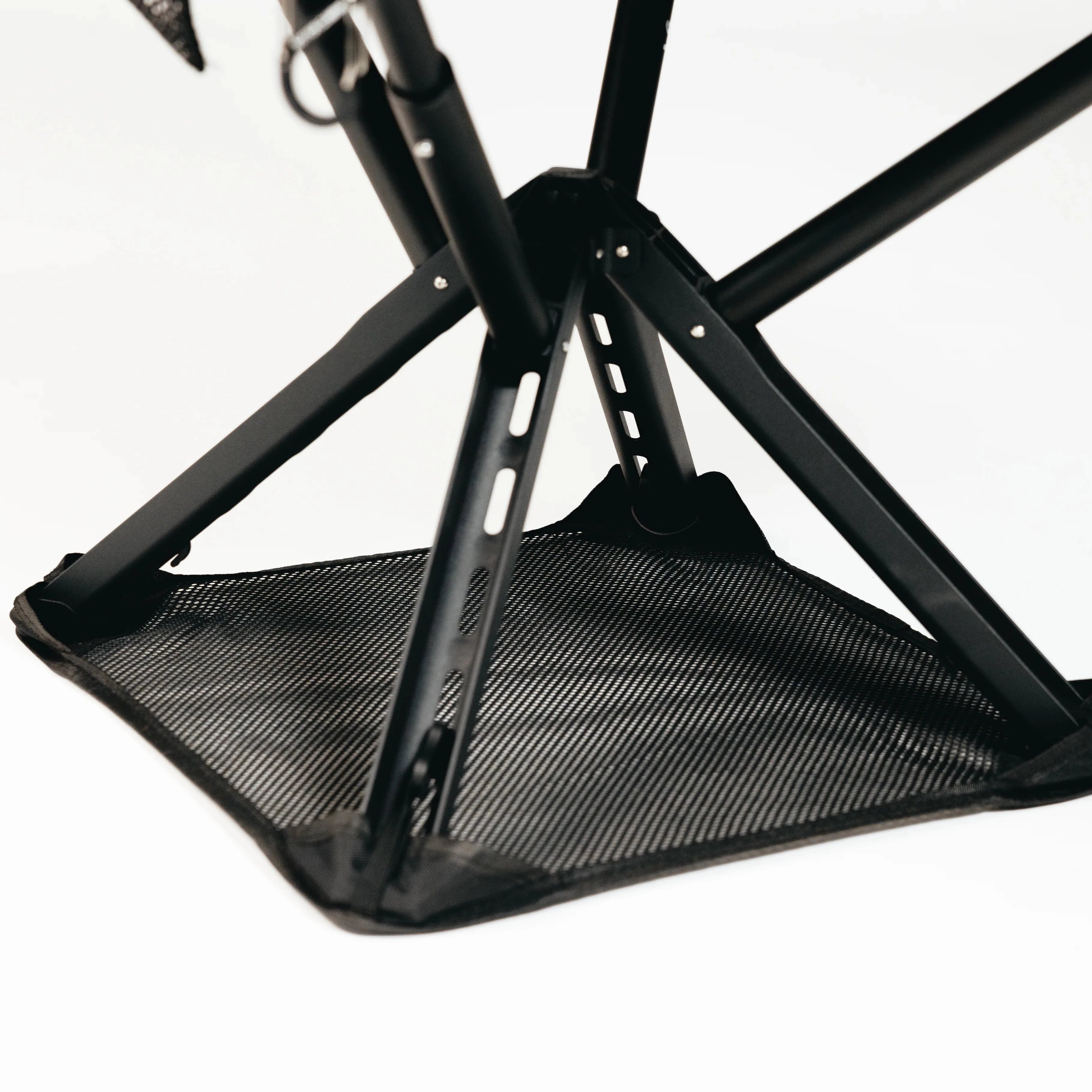
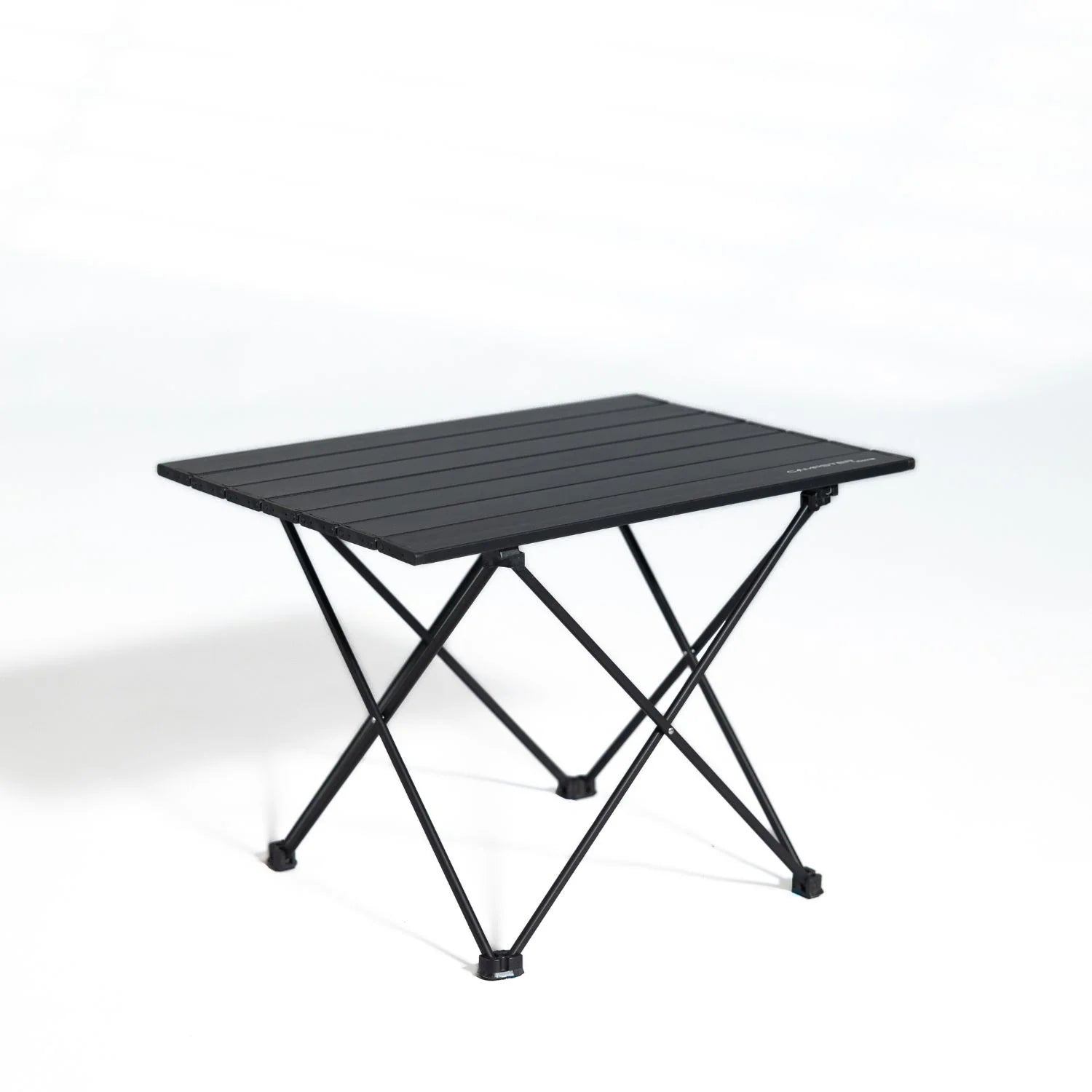
Safety comes first, always. Cover the Ten Essentials before you think about anything else. After that, the item that most changes a trip is usually the one that lets you sit down properly. That is why we design portable, foldable seating like the Campster II to be lightweight and minimalistic, so it earns a spot in the pack instead of being left at the car.
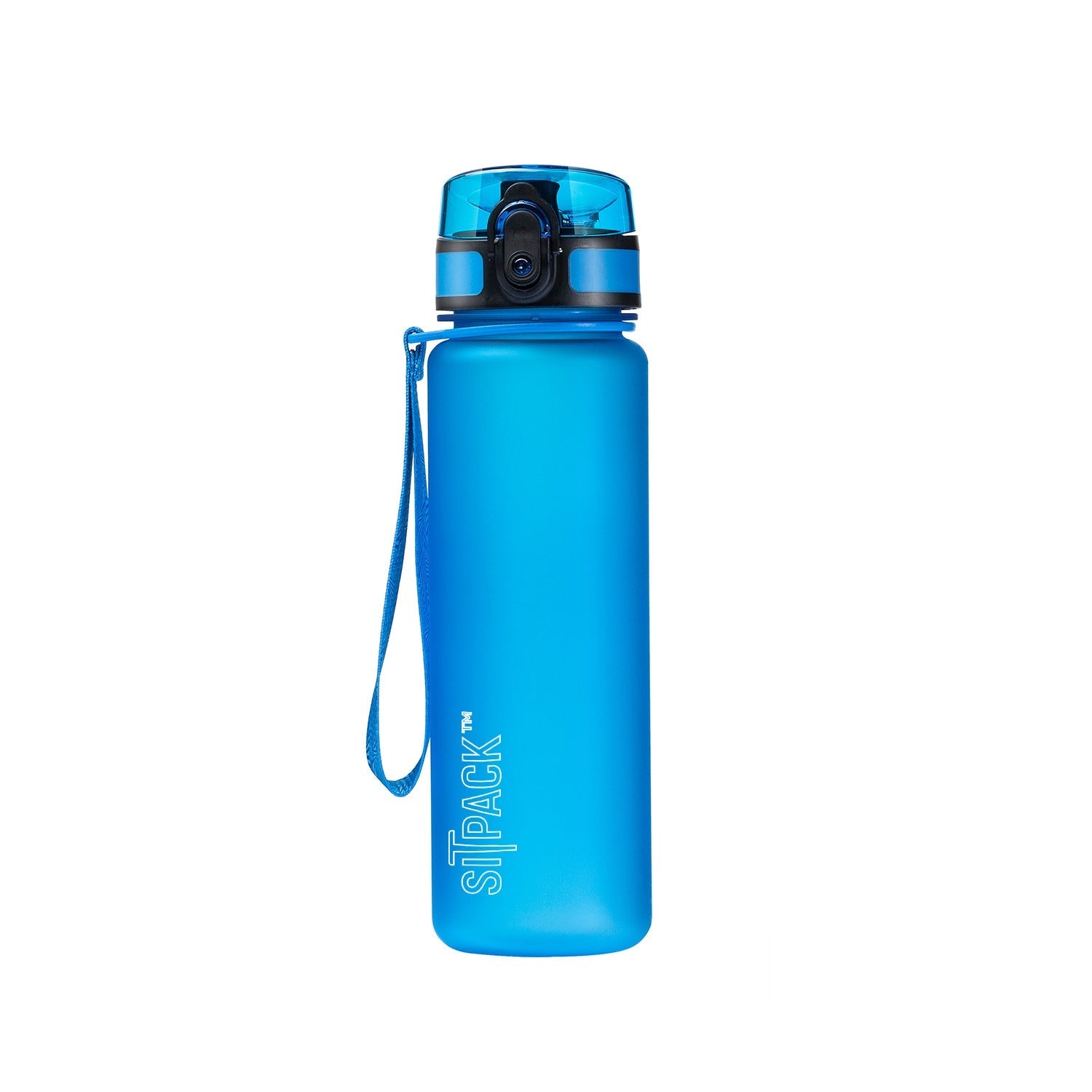
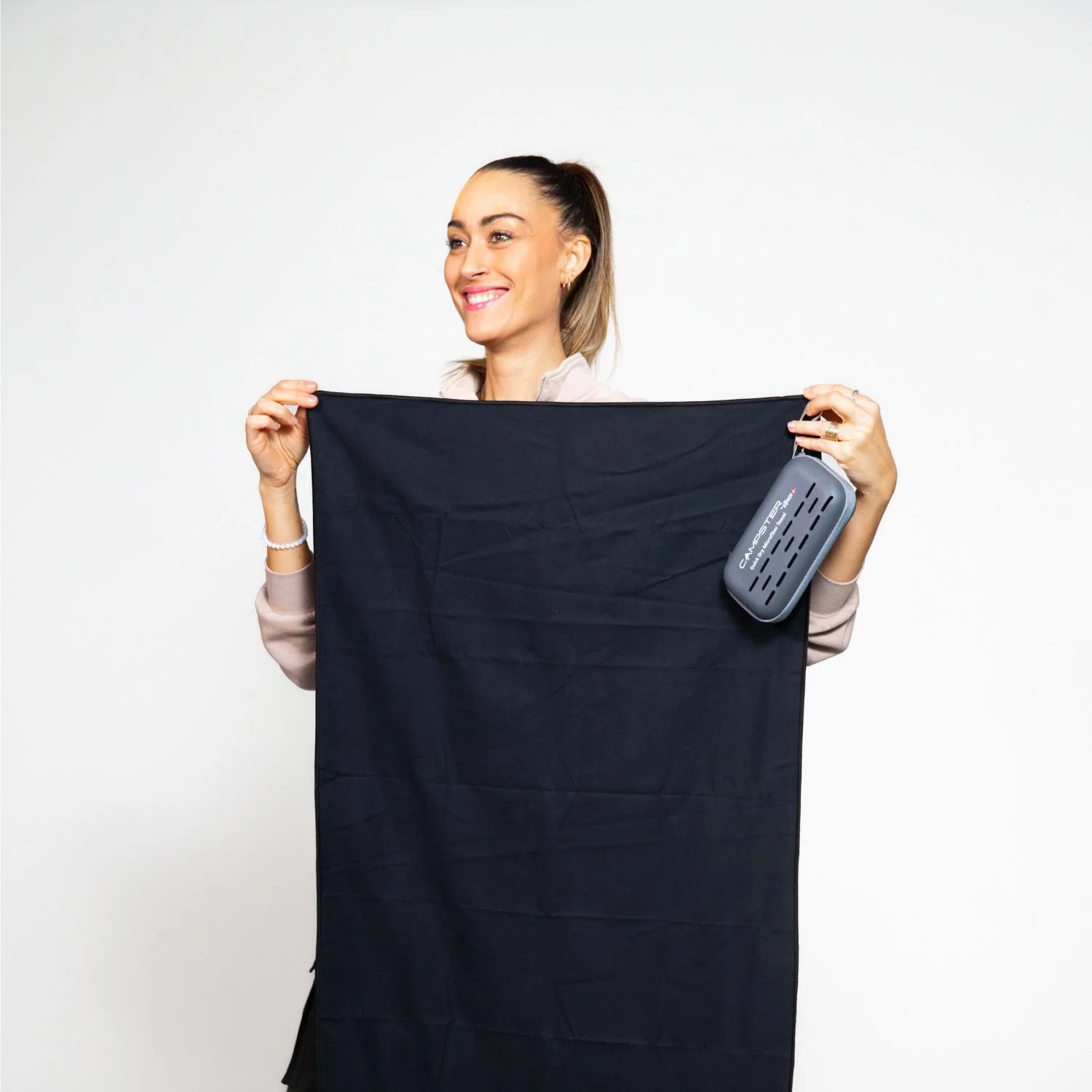
Our accessories follow the same thinking: a puffy Airwrap blanket for chilly evenings, a camp light, a quick tent, travel towels and water bottles. Small things, honestly, but they make a campsite feel like yours. Every order comes with a 45-day satisfaction guarantee, and select items carry a lifetime warranty.
Pack the essentials. Then pack something that makes you want to stay out a little longer.
Jonas
Once your essentials are covered, the comfort layer is where we come in. The Campster II is our portable, foldable chair, built around a lightweight, minimalistic design. Our Airwrap puffy adventure blanket adds warmth for camp evenings, and the OCTO line includes the Camp Light and the Quick Tent. We ship worldwide and offer a 45-day satisfaction guarantee.
Browse the Campster II collection for seating, or see the full range of Sitpack, OCTO and Airwrap products. If you are planning a longer trip, our outdoor adventure preparation guide pairs well with it.
The Ten Essentials: navigation, sun protection, extra clothing, illumination, first aid, fire, repair kit and tools, nutrition, hydration and emergency shelter, as defined by the National Park Service. Carry them on every trip, whether it lasts a couple of hours or several days. Adjust quantities to the trip, not the list.
A starting point is half a liter per hour in moderate temperatures and terrain. Hot, dry or high-altitude trips need more, and you should know where you can refill and treat water. Drink before you feel thirsty.
Yes, on top of the same essentials. Overnight trips add a sleeping bag, foam pad, shelter, stove and fuel, cooking gear, bear-safe food storage and water treatment, per the Alaska Public Lands checklist. Our things to bring backpacking guide covers one to seven nights.
Layers of wool, fleece or synthetics, a waterproof jacket, sturdy footwear and a warm hat and gloves. The New Zealand Mountain Safety Council advises against cotton because it pulls heat from your body when wet.
It helps, but coverage is patchy in many places. The Washington Trails Association says that calling 911 works within cell service, and remote trails may need a satellite communicator. Carry a paper map and compass as backup.