Vogn
0
Tilmeld dig og få 10% i rabat på din ordre
Forventet levering
1-3 dage
Du vil måske også kunne lide


Dansk Firma


Finding a reliable, lightweight seat for outdoor adventures or daily commutes in Europe and North America often comes with confusion over what makes a product truly sustainable. Many assume eco-friendly seating sacrifices comfort or affordability, when actually it blends durability, smart design, and responsible material choices. Sustainable seating is a comprehensive strategy that considers environmental impact, social equity, and economic viability. This guide clarifies misconceptions and reveals how thoughtful material innovation supports both practical needs and ecological values.
| Point | Details |
|---|---|
| Holistic Approach | Sustainable seating incorporates environmental, social, and economic considerations beyond mere material choices. |
| Material Importance | Employ materials like reclaimed wood, bamboo, and recycled plastics to enhance sustainability in outdoor seating. |
| Performance Factors | Consider UV resistance, water repellency, and durability when selecting sustainable seating options. |
| Avoid Common Pitfalls | Proactively choose weather-resistant materials and favor local sourcing to minimize environmental impact. |
Sustainable seating represents more than just an environmental choice - it’s a holistic approach to design that considers long-term resource management, social impact, and economic viability. While many people assume sustainability means sacrificing comfort or style, the reality is far more nuanced and promising.
Understanding sustainability requires looking beyond simple material choices. Multidimensional framework of sustainability integrates complex considerations that go well beyond traditional environmental thinking. This approach means evaluating seating solutions through multiple lenses:
Common misconceptions about sustainable seating often stem from oversimplified assumptions. Many people believe sustainable products must be:
However, practical sustainability involves balancing trade-offs and understanding that perfection is not the goal. Sustainable seating integrates smart design, efficient manufacturing, and long-term usability.
Material Innovation plays a crucial role in sustainable seating. Modern designers are exploring recycled plastics, responsibly harvested wood, renewable composites, and manufacturing techniques that minimize waste and energy consumption.
The key is viewing sustainability as a comprehensive strategy rather than a binary environmental checkbox. Truly sustainable seating considers the entire lifecycle - from raw material sourcing to manufacturing, use, and eventual disposal or recycling.
Pro tip: When evaluating sustainable seating, look beyond marketing claims and ask about specific environmental certifications, material sourcing, and the manufacturer’s overall commitment to ecological practices.
Outdoor seating sustainability isn’t one-size-fits-all. Different environments and usage requirements demand strategic material choices that balance ecological responsibility with performance and durability. Sustainable outdoor furniture materials offer diverse options for environmentally conscious consumers seeking reliable outdoor solutions.
The primary categories of sustainable outdoor seating materials include:
Each material brings unique advantages to sustainable outdoor seating design. Reclaimed wood, for instance, tells a story while preventing unnecessary logging. Bamboo grows incredibly fast - some species can grow up to 35 inches per day - making it an exceptionally renewable resource.

Here’s how sustainable outdoor seating materials compare across several important dimensions:
| Material Type | Sustainability Benefit | Common Outdoor Feature | Ideal Use Case |
|---|---|---|---|
| Reclaimed Wood | Reduces deforestation, waste | Unique appearance | Rustic parks, gardens |
| Bamboo | Rapid renewability | High structural strength | Natural spaces, patios |
| Recycled Plastics | Diverts landfill waste | Strong weather resistance | Urban benches, playgrounds |
| Aluminum | Infinitely recyclable | Lightweight, corrosion-proof | Public seating, stadiums |
| FSC-Certified Wood | Responsible harvesting | Durable, eco-certified | Premium outdoor furniture |
Recycled Plastic Innovations represent a particularly promising sustainable seating approach. By transforming plastic waste into durable outdoor furniture, manufacturers create high-performance products while simultaneously addressing environmental challenges.
Weather resistance, longevity, and minimal maintenance are critical considerations when selecting sustainable outdoor seating. The goal is creating products that withstand environmental challenges without compromising ecological principles.
Sustainable outdoor seating is not just about material selection, but about creating a comprehensive lifecycle approach that considers environmental, social, and economic impacts.
Material Performance Factors include:
Pro tip: When choosing sustainable outdoor seating, prioritize materials that offer both environmental benefits and long-term functional performance.
Sustainable outdoor seating demands a sophisticated approach to material selection that balances environmental responsibility with performance requirements. Sustainable material choices go far beyond simple environmental considerations, integrating durability, functionality, and ecological impact into a comprehensive design strategy.
Key eco-friendly materials for outdoor seating include:
Material Performance Criteria are critical in evaluating sustainable seating options. Sustainable outdoor furniture materials must demonstrate exceptional characteristics beyond environmental credentials:
Sustainable seating is not just about the material, but about creating a holistic solution that minimizes environmental impact while maximizing functional performance.
Advanced manufacturing techniques now enable designers to transform waste materials into high-performance outdoor furniture. Recycled ocean plastics, industrial waste, and reclaimed industrial materials are being reimagined as sophisticated, durable seating solutions that challenge traditional manufacturing paradigms.
Chemical composition also plays a crucial role in sustainable material selection. Avoiding toxic finishes, prioritizing non-VOC treatments, and selecting materials with minimal environmental processing become paramount in creating truly eco-friendly outdoor seating.
Pro tip: When evaluating sustainable outdoor seating, look beyond marketing claims and request detailed information about material sourcing, manufacturing processes, and end-of-life recyclability.
Sustainable seating solutions transform outdoor experiences for travelers and adventure seekers, offering far more than simple resting places. Public seating design represents a critical intersection between personal comfort, environmental responsibility, and urban functionality.
Benefits for outdoor enthusiasts and urban travelers include:
Psychological and Social Benefits extend beyond physical features. Sustainable seating enables travelers to:
Sustainable seating is not just equipment - it’s a statement of personal values and global consciousness.
Modern sustainable seating solutions integrate cutting-edge design with environmental considerations. Lightweight materials like recycled aluminum and high-performance composites allow travelers to carry comfortable, responsible seating options without sacrificing performance or adding significant weight to their gear.
Urban travelers specifically benefit from compact, foldable designs that seamlessly transition between city environments and wilderness settings. These innovative seating solutions provide reliable support whether navigating metropolitan landscapes or exploring remote outdoor destinations.
Pro tip: Invest in multipurpose sustainable seating that offers maximum versatility and minimal environmental impact.
Sustainable outdoor seating demands strategic decision-making to avoid common environmental and functional challenges. Sustainable seating challenges require careful consideration of material selection, maintenance, and long-term performance.
Common pitfalls in sustainable outdoor seating include:
Risk Mitigation Strategies focus on proactive selection and planning:
Sustainable seating is about creating resilient solutions that balance environmental responsibility with practical functionality.
Sustainable outdoor seating design requires understanding nuanced challenges beyond initial material selection. Factors like UV resistance, moisture protection, and structural integrity become critical in determining long-term performance and ecological impact.
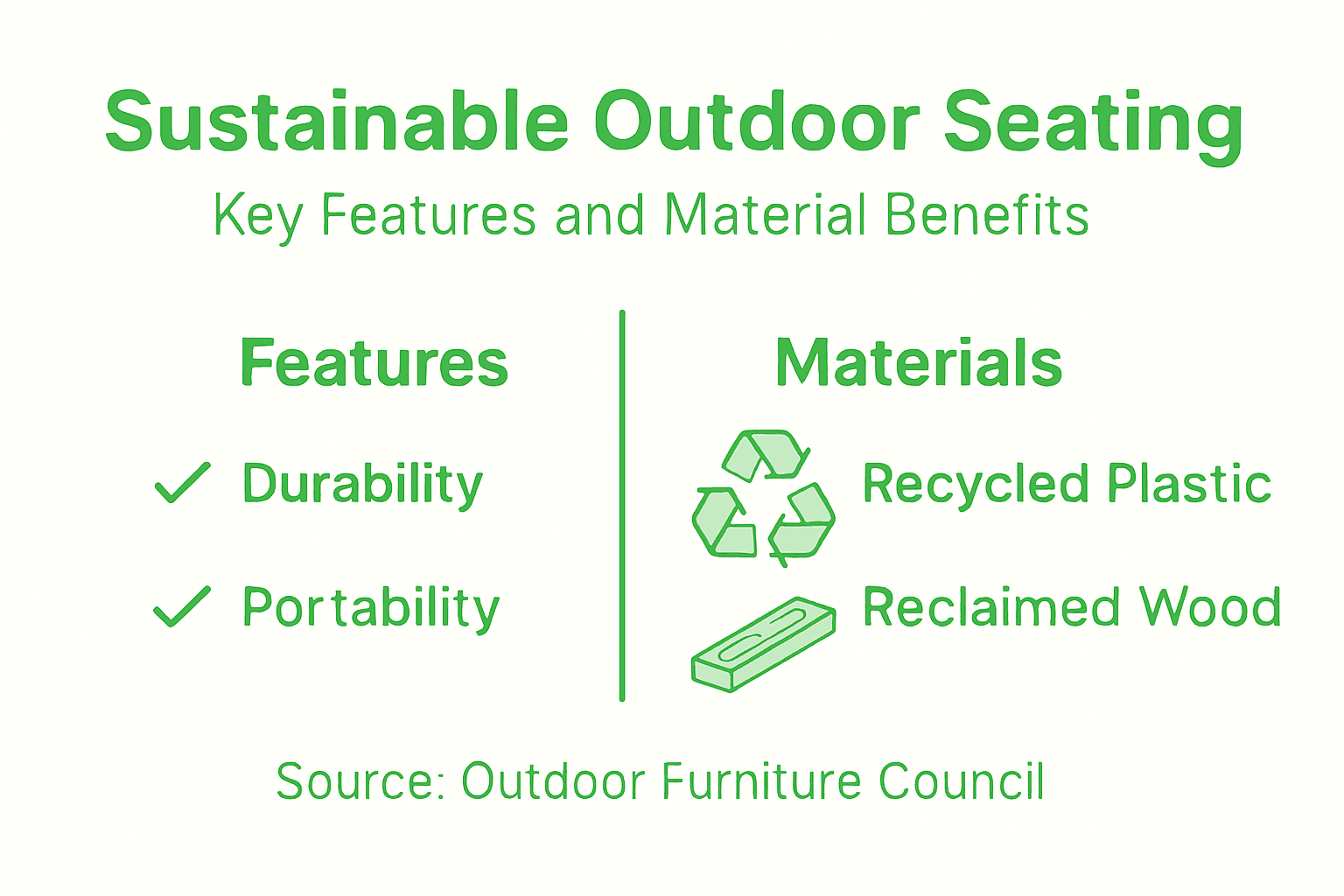
Manufacturing processes and finish selections play significant roles in avoiding potential sustainability pitfalls. Non-toxic finishes, recyclable components, and modular designs that enable repair or component replacement can dramatically extend a seating solution’s functional lifecycle.
This table summarizes common risks and mitigation strategies for sustainable outdoor seating:
| Challenge | Why It Matters | Recommended Mitigation |
|---|---|---|
| Material Degradation | Reduces lifespan | Select UV-resistant finishes |
| High Maintenance Needs | Increases upkeep costs | Choose easy-care materials |
| Non-local Sourcing | Raises carbon impact | Use locally sourced timber |
| Poor Design Integration | Harms environment | Design for landscape harmony |
Pro tip: Always request comprehensive material lifecycle documentation and warranty details before investing in sustainable outdoor seating.
The challenge of finding outdoor seating that balances environmental responsibility, comfort, and durability is clear from the article. Many outdoor enthusiasts struggle with bulky or short-lived seating options that do not align with sustainable principles such as lightweight portability, eco-friendly materials, and long-term usability. At Sitpack, we understand these pain points and offer innovative seating solutions designed specifically for travelers and urban explorers who demand both functionality and sustainability without compromise.
Discover our foldable, lightweight chairs like the Campster II and Sitpack Zen that reflect the multidimensional framework of sustainability highlighted in the article. These chairs are crafted to minimize environmental impact through durable materials and thoughtful design that supports your outdoor adventures while reducing waste and carbon footprints. Explore our collection complete with eco-conscious accessories designed to enhance your outdoor experience without sacrificing your commitment to the planet.
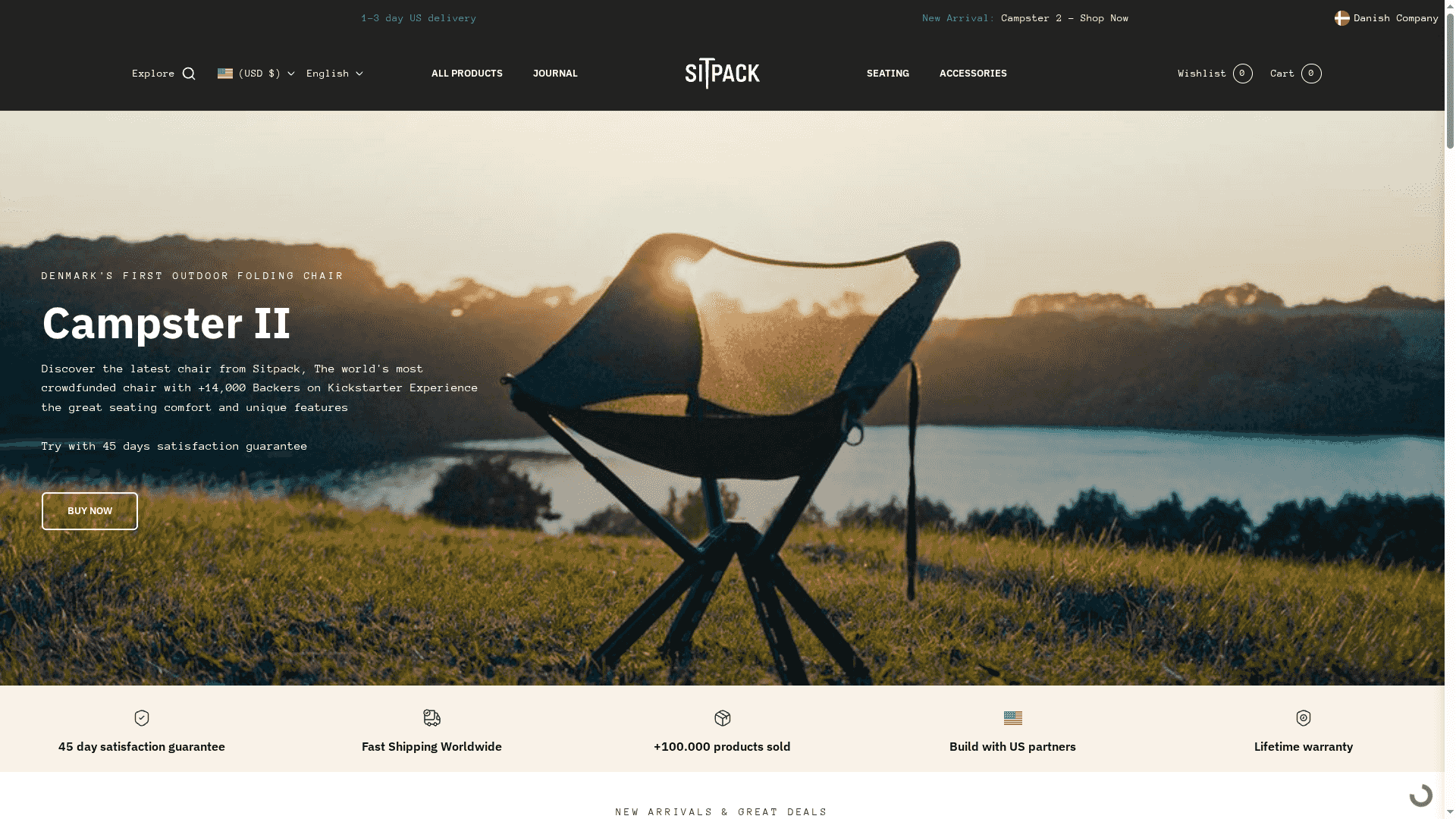
Ready to upgrade your outdoor seating with solutions that blend smart sustainability and high performance Visit Sitpack now to browse top sellers, new arrivals, and customer favorites. Take the first step toward comfortable, eco-friendly seating made for your lifestyle and enjoy benefits like worldwide shipping and a satisfaction guarantee. Your next outdoor adventure deserves the best balance of function and conscience. Explore the future of sustainable seating at Sitpack today.
Sustainable seating refers to furniture designed with a focus on long-term resource management, social impact, and economic viability, integrating environmental, social, and economic considerations into its design.
Material choice plays a crucial role in sustainable outdoor seating, as it affects the product’s longevity, environmental footprint, and overall performance. Options like reclaimed wood, bamboo, and recycled plastics offer both sustainability and durability while minimizing waste.
Common misconceptions include the belief that sustainable seating must be made from only natural materials, be completely zero-waste, or be less comfortable. In reality, it can include innovative materials and designs that provide comfort and style without sacrificing sustainability.
To evaluate outdoor seating for sustainability, look for environmental certifications, inquire about material sourcing, assess the manufacturer’s commitment to ecological practices, and consider the product’s lifecycle from production to disposal.