Vogn
0
Tilmeld dig og få 10% i rabat på din ordre
Forventet levering
1-3 dage
Du vil måske også kunne lide


Dansk Firma

TL;DR:
- A structured checklist in key categories ensures nothing critical is overlooked for outdoor trips.
- Proper gear setup and testing before departure enhance comfort, safety, and overall experience.
- Customize your gear list based on trip style, weather, and personal needs rather than following a generic template.
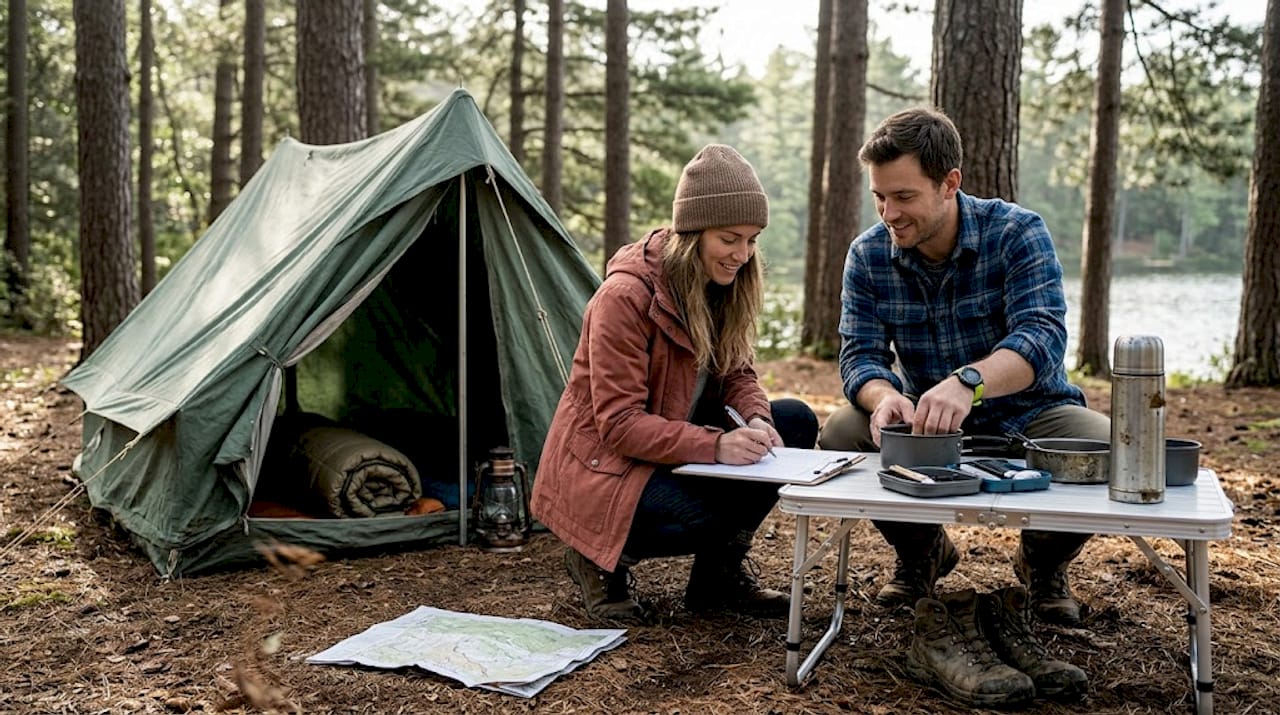
You packed everything. Or so you thought. It’s only when you’re an hour from the trailhead that you realize the tent stakes are sitting on your kitchen counter, or the coffee maker is still plugged in at home. Even seasoned campers with dozens of trips under their boots fall into this trap. A structured checklist isn’t just for beginners — it’s the kind of tool that separates a genuinely great trip from a frustrating one. This guide gives you a practical, category-by-category framework covering shelter, food, clothing, safety, and comfort, with expert-backed tips and gear comparisons for every style of outdoor adventure.
| Point | Details |
|---|---|
| Organize by category | Breaking your checklist into essential categories ensures you won’t overlook critical gear. |
| Tailor for comfort and safety | Add comfort items for car trips and focus on must-haves for backpacking, always considering weather and location. |
| Test before you travel | Testing all gear setups at home helps catch problems and prevent surprises in the field. |
| Rely on evidence-backed gear | Trust expert-backed lists and proven products for reliability, from sleeping pads to water filters. |
Now that we’ve established the importance of having a checklist, let’s break down the core categories every camper should consider. A well-organized checklist isn’t just a random pile of items; it’s a system that ensures nothing critical slips through the cracks. REI’s family camping checklist organizes gear into six clear categories: campsite, tools and repair, kitchen, health and hygiene, clothing, and extras. That structure works beautifully because it mirrors how you actually use your gear out there.
Here’s a quick look at the main categories and what they cover:
The beauty of this framework is its flexibility. A solo backpacker will strip each category down to bare minimums, while a family doing car camping can afford the luxury items that make a weekend genuinely comfortable. If you want more detail on choosing the right products in each category, our camping gear selection guide is a solid starting point. Think of these six buckets as your checklist skeleton — everything else hangs off them.
With the overall structure in mind, start with the cornerstone of any trip: your base camp setup. Getting this part right means you’ll sleep well, stay dry, and have a comfortable place to return to after a long day on the trail.
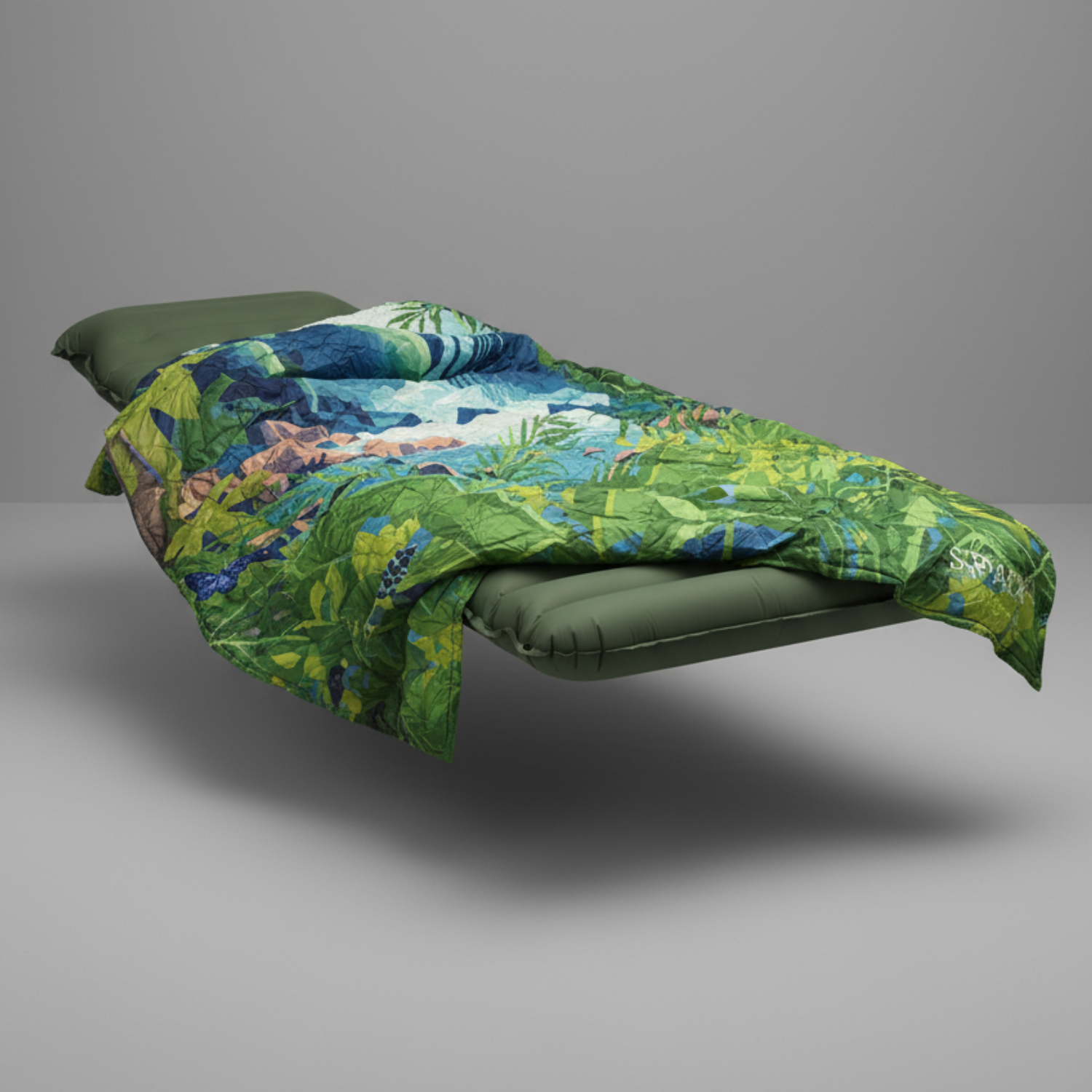
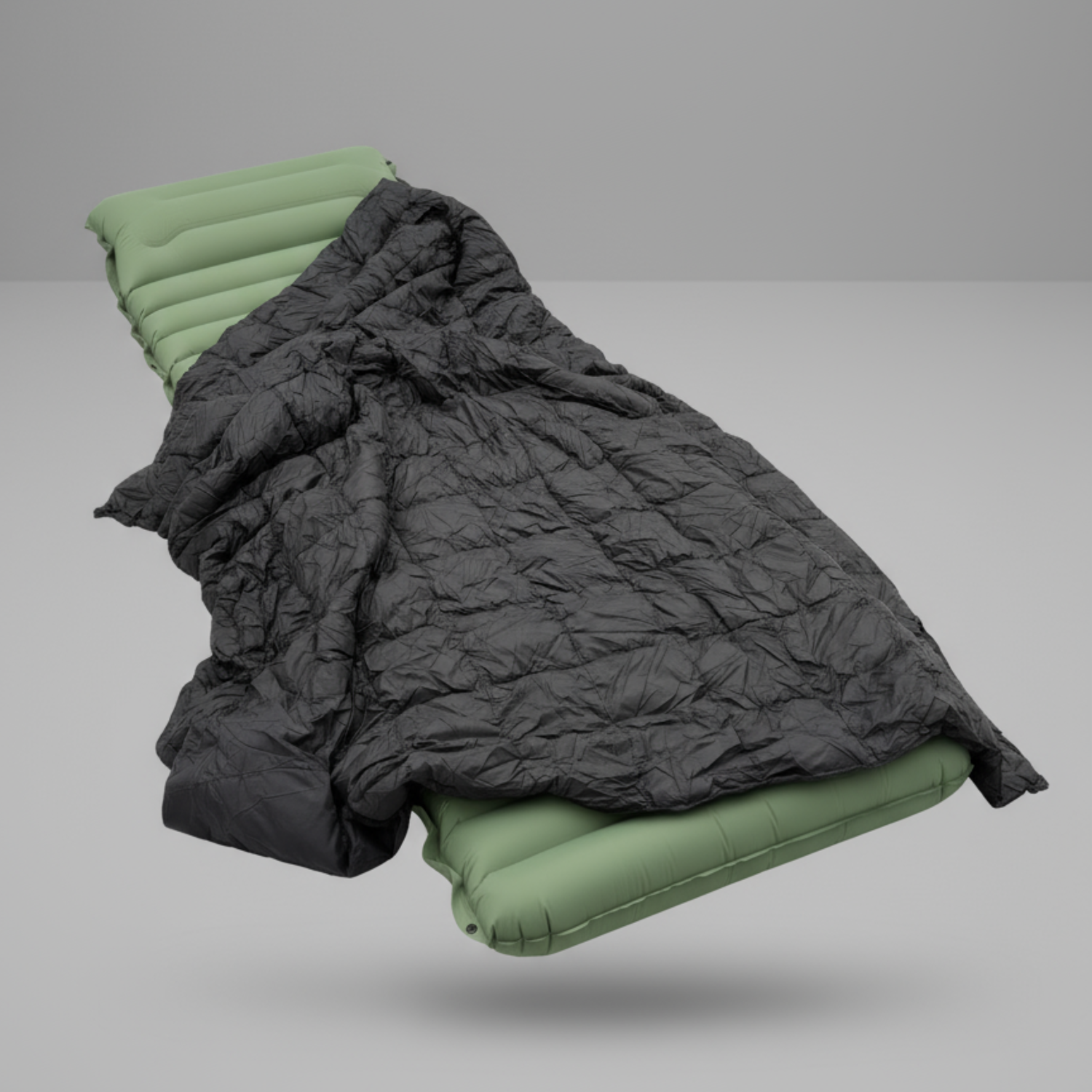
For shelter, your tent choice should match your group size and expected weather. Look for waterproof ratings above 1,500mm hydrostatic head if rain is likely, and always practice setup in your backyard before the real trip. For sleep, REI recommends comfort-focused options like the MegaMat sleeping pad for car campers who want a genuinely cozy night. And sleeping pads with an R-value of 4 or higher are essential for keeping ground cold from draining your body heat in cooler seasons.
Here’s a quick campsite setup checklist:
“A campsite that’s set up and organized before dark is a campsite you’ll actually enjoy. Do yourself a favor and walk through setup at home first.”
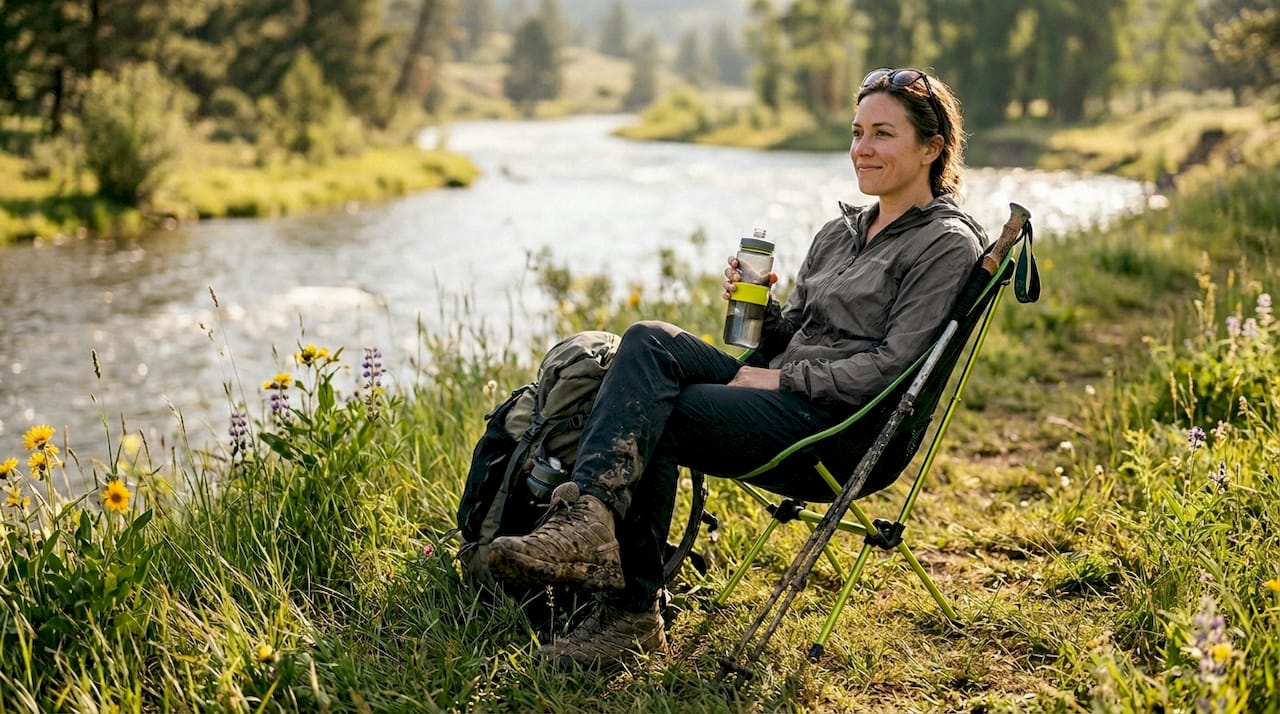
For lighting and comfort seating, don’t skip these — they make evenings around the fire genuinely relaxing rather than a scramble in the dark. Our camping comfort accessories guide covers how the right chair or light can completely change the feel of a trip. And if you want a broader gear overview, the camping checklist by switchback travel is worth bookmarking.
Pro tip: Set up your tent, inflate your sleeping pad, and test your camp chair in the backyard a few days before departure. You’ll catch broken zippers, low air valves, and missing poles before they become actual problems in the field.
Also pay attention to ergonomic camping equipment — the right seating and support can mean the difference between waking up refreshed and waking up with a stiff back.
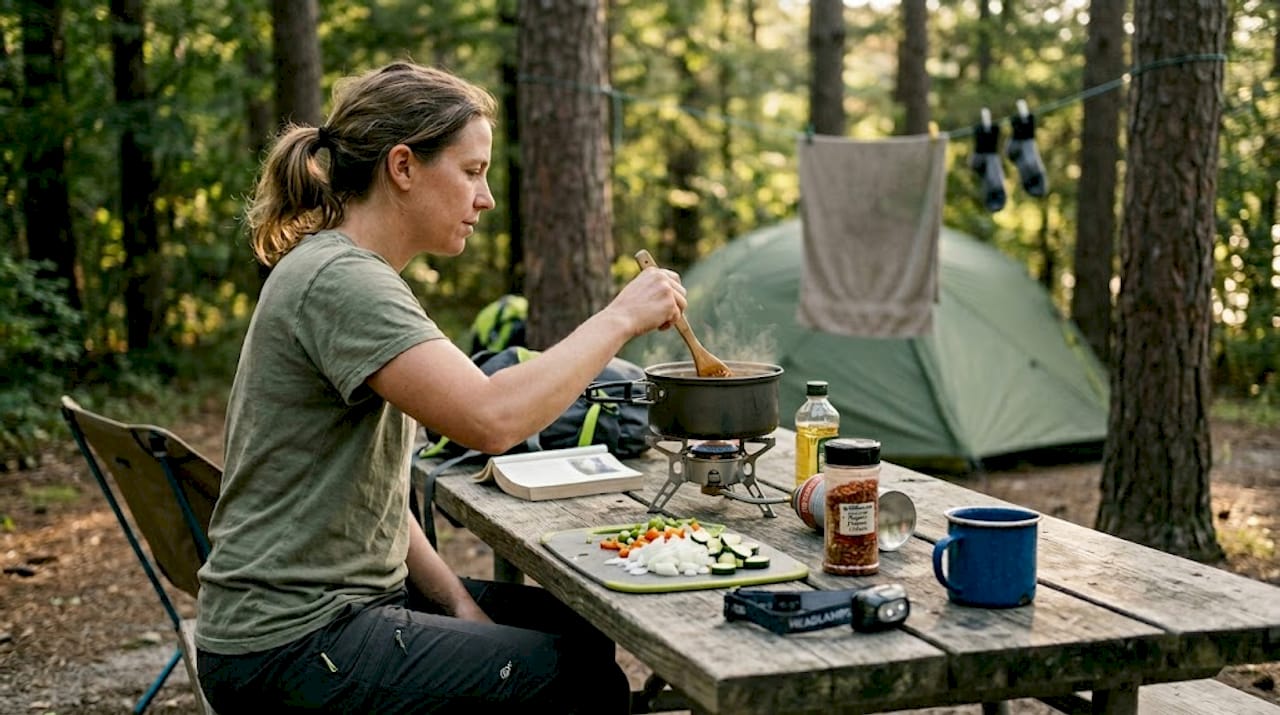
After setting up camp, a good meal is essential to comfort and morale — here’s how to be prepared. A well-stocked camp kitchen doesn’t require a culinary degree, but it does require a bit of planning.
| Category | Budget option | Premium option | Key spec to check |
|---|---|---|---|
| Camp stove | Single-burner canister | Two-burner propane | BTU output, boil time |
| cookware | Basic aluminum set | Hard-anodized nonstick | Weight, nesting ability |
| cooler | Budget hard-sided cooler | Best cooler for long trips | Ice retention (days) |
| water treatment | iodine tablets | UV pen or filter pump | Treatment time, volume |
| coffee | instant packets | pour-over or percolator | Weight vs. enjoyment |
For food storage, premium coolers genuinely earn their price tag. Premium coolers like the ones from comfort-focused car camping setups hold ice for 5 to 7 days when pre-chilled properly, so you’re not eating lukewarm food by day two. Pack your cooler tight, keep it in the shade, and open it as little as possible.
A solid camp kitchen checklist includes:
Also check out our camping meal accessories roundup for product picks that make cooking at camp actually enjoyable.
Pro tip: Pack a small fire-starting kit with multiple methods: a lighter, waterproof matches, and a ferro rod. And choose cookware that doubles as serving dishes to cut down on dishes and weight.
Your gear isn’t complete without protection from the elements and personal wellbeing — here’s how to cover all the bases. The layering system is the single most important clothing principle for outdoor comfort.
Beyond clothing layers, the Ten Essential categories cover navigation, sun protection, insulation, illumination, first aid, fire, repair tools, nutrition, shelter, and emergency gear. These ten categories prevent the vast majority of trip-ruining situations. Think of them as your safety floor.
For personal care, biodegradable soap is non-negotiable in backcountry environments, and a small hygiene kit prevents both discomfort and Leave No trace violations. Pack hand sanitizer, toilet paper in a sealed bag, and trowel for waste disposal.
Safety essentials:
One thing people consistently overlook: sleeping bag temperature ratings indicate survival thresholds, not comfort. Always choose a bag rated 10 to 20 degrees warmer than the coldest temperature you expect. That buffer is the difference between shivering all night and actually sleeping. Our ergonomic gear guide for personal needs has more tips on staying comfortable across varying conditions.
But not every adventure calls for the same approach. Here’s how your checklist should change based on camping style.
| Item | Car camping | backpacking |
|---|---|---|
| tent | 4-season family tent | ultralight solo/duo tent |
| sleeping pad | thick foam or inflatable (high R-value) | lightweight inflatable |
| chair | full-size folding camp chair | ultralight packable chair |
| stove | two-burner propane | single-burner canister |
| cooler | large hard-sided (60+ qt) | none (dry food only) |
| kitchen | full cookset, coffee maker | minimal titanium kit |
| clothing | comfort-first layering | weight-first layering |
| extras | games, rugs, string lights | none |
Car camping checklists allow heavier gear while backpacking demands a laser focus on base weight and multi-use essentials. The mental shift between the two is significant: car campers optimize for comfort, backpackers optimize for survival and efficiency.
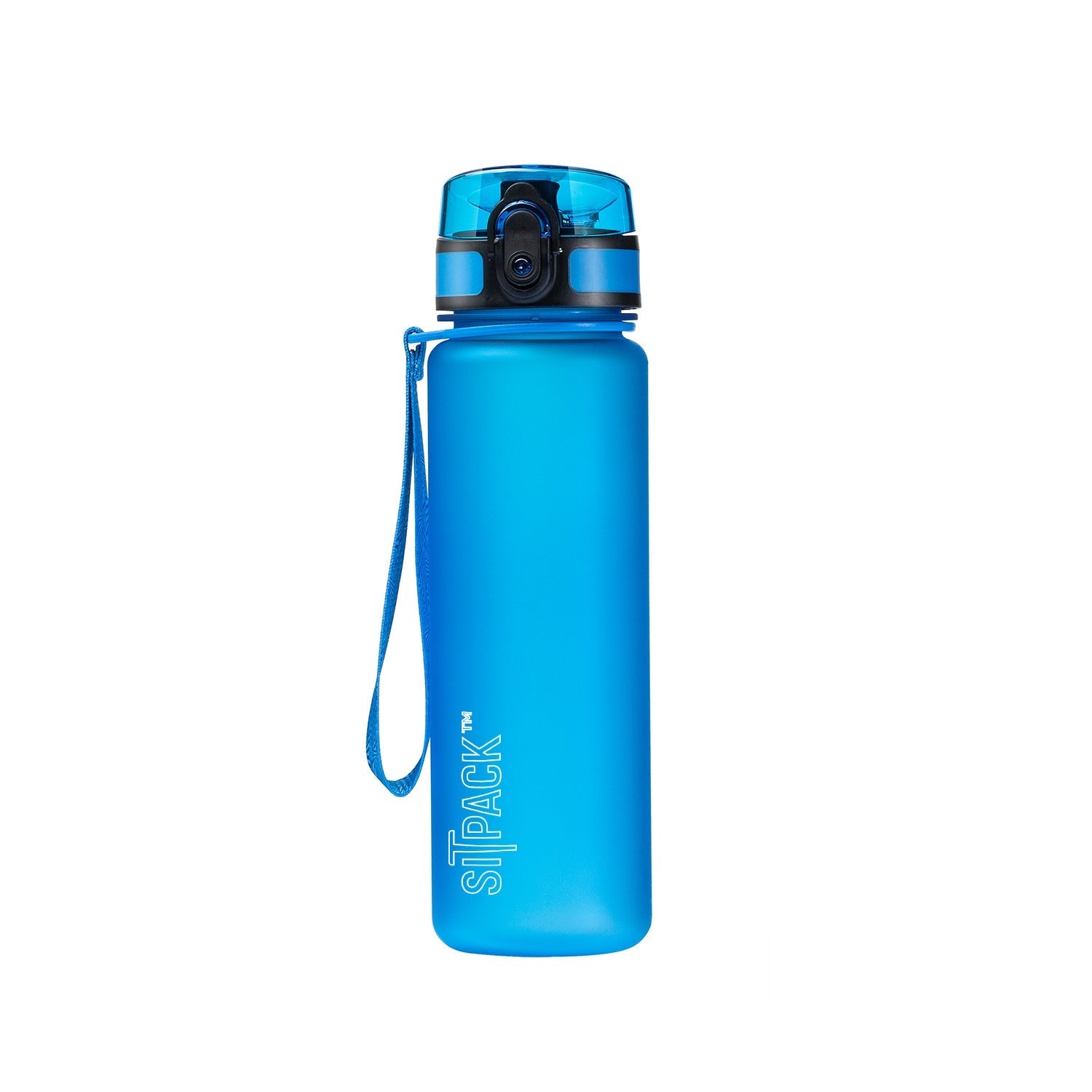
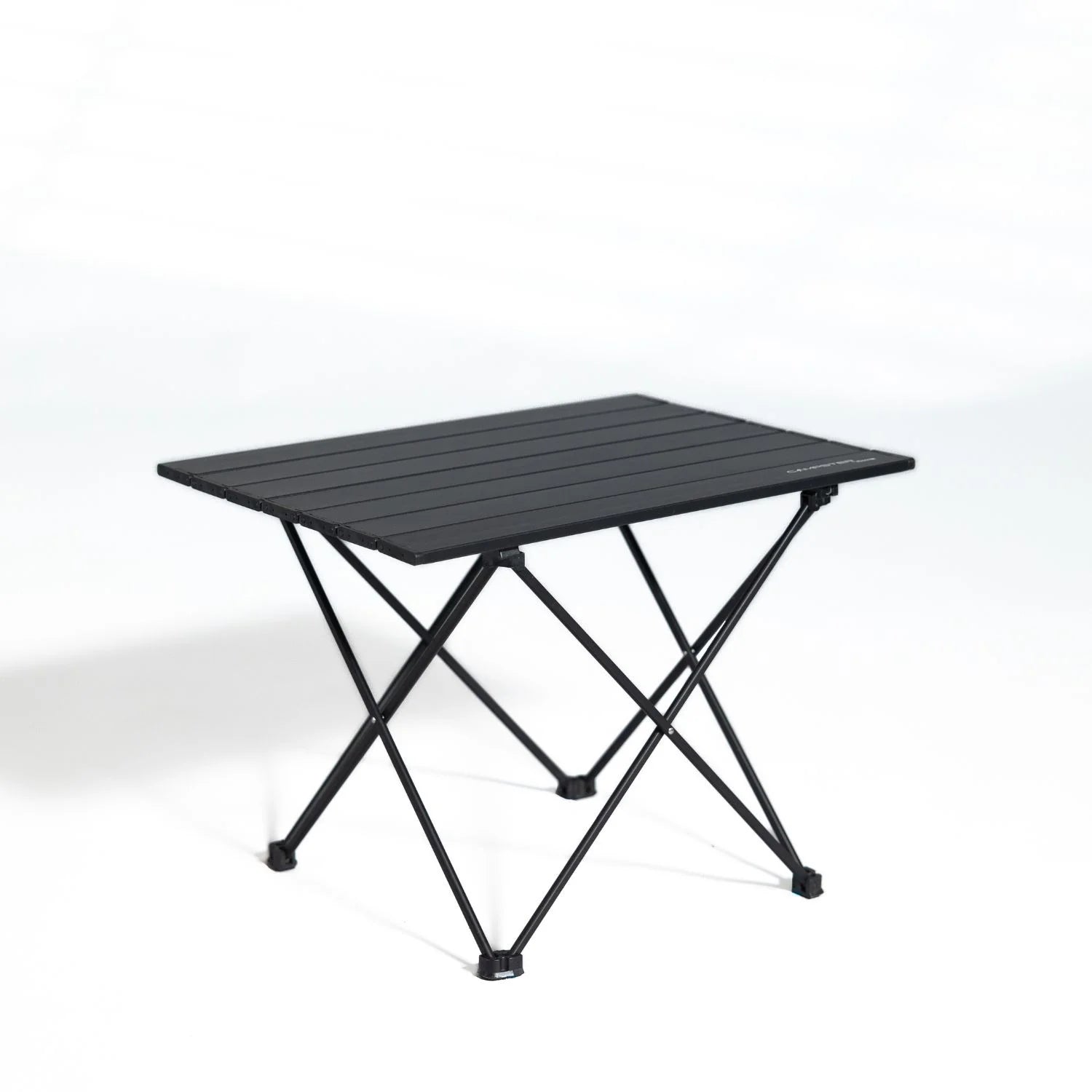
For hybrid trips, the sweet spot is bringing comfort extras that are genuinely lightweight. A packable camp chair, a compact folding table, or a high-quality water bottle can make a base camp feel luxurious without adding significant weight. Browse comfort gear for car campers if you want specific product ideas in this space, or revisit the full camping checklist for a complete breakdown by trip type.
Having seen how checklists adapt to different scenarios, let’s dig into what most articles and even many campers miss about preparation. Here’s an uncomfortable truth: most people treat their checklist as a shopping list, not a system. They accumulate gear, check boxes, and assume they’re ready. But gear quantity is not the same as gear appropriateness.
A generic checklist pulled from the internet cannot account for your specific weather window, terrain, group size, or personal physical needs. A 65-year-old hiker with bad knees needs different seating and sleep gear than a 25-year-old ultramarathoner. That’s not opinion — that’s just how bodies and conditions work.
Comfort gear is also routinely dismissed as “luxury” when it’s actually a resilience tool. A good chair reduces fatigue. A warm sleeping pad prevents hypothermia. A well-organized camp kitchen reduces stress when you’re exhausted at 7pm. Our guide to ultimate camping comfort makes the case that comfort-focused gear is often safety-focused gear in disguise. Build a checklist that’s yours, not a copy of someone else’s. Test it. Update it after every trip. That iteration is what actually makes you a prepared camper.
If you’re ready to upgrade your checklist beyond the basics, here’s where to start.
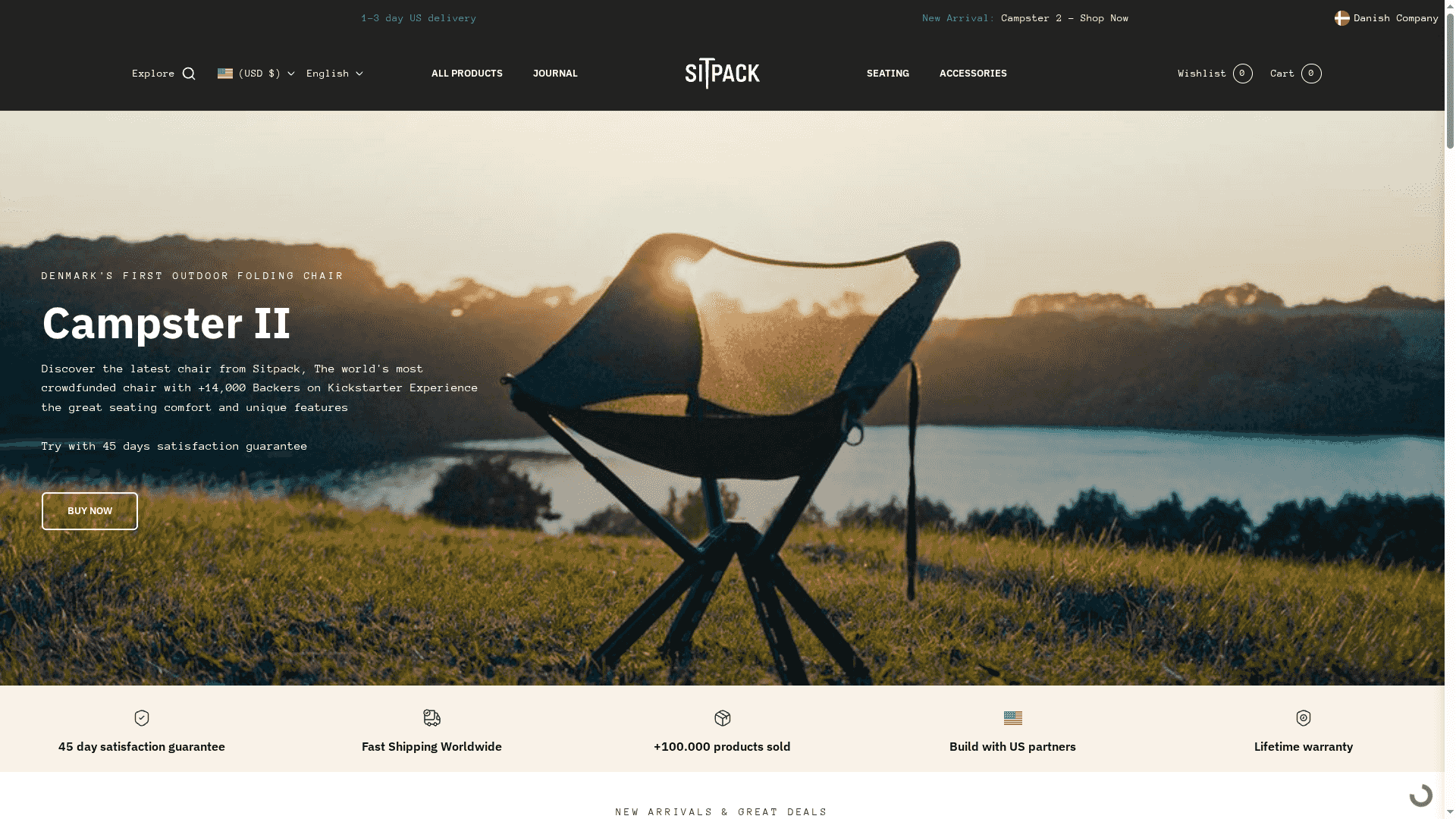
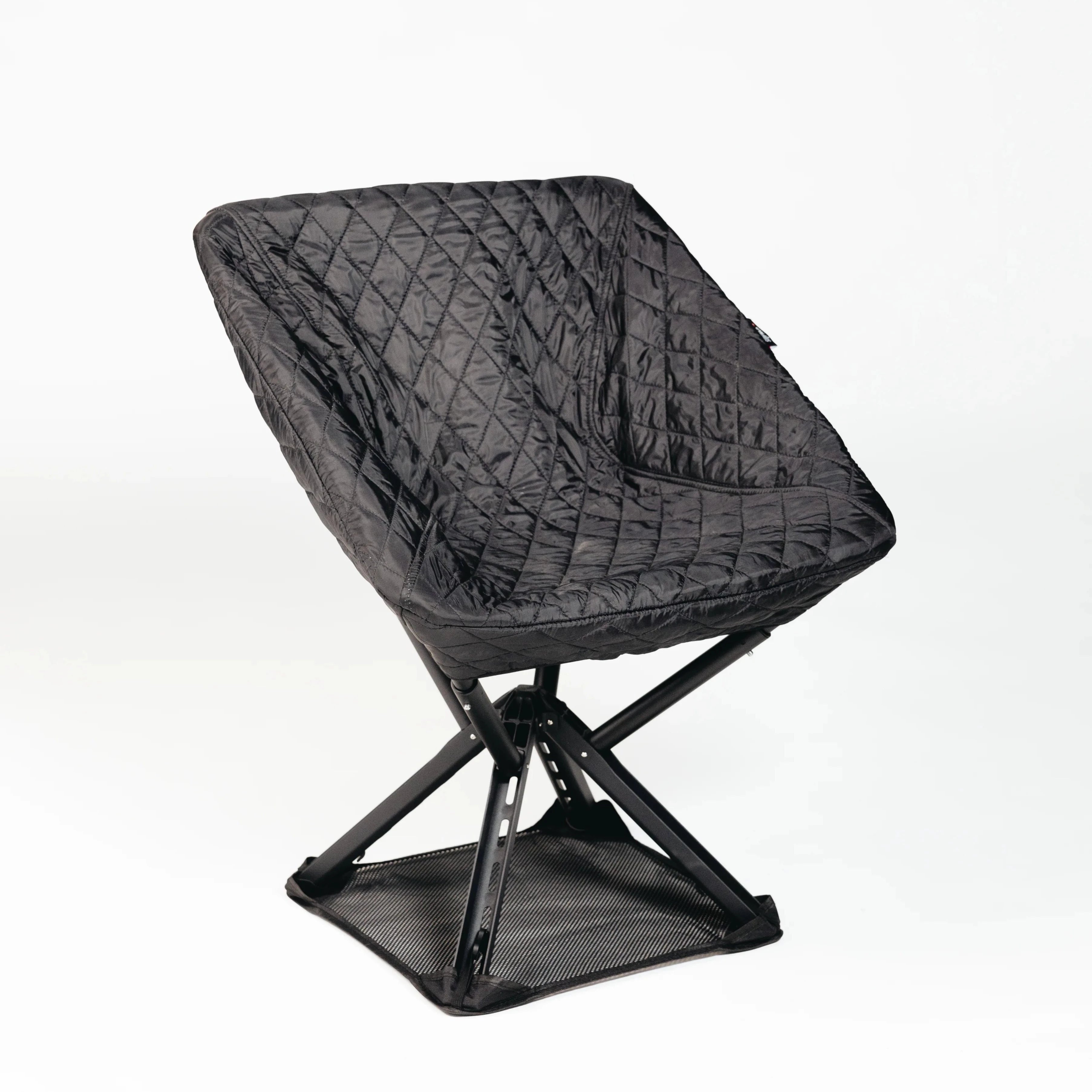
At sitpack, we’ve spent years thinking about what it means to be genuinely comfortable in the outdoors, not just surviving it. From lightweight portable chairs like the campster II and sitpack zen to accessories like seat warmers, thermal blankets, and travel towels, our gear is designed for people who take comfort seriously. Whether you’re a weekend warrior or a seasoned trail veteran, there’s something here that belongs on your checklist. Browse our ergonomic camping comfort gear to find the right fit for your next adventure. Free worldwide shipping and a 45-day satisfaction guarantee mean there’s very little risk in trying something new.
Always pack the Ten Essential categories: navigation, sun protection, insulation, illumination, first aid, fire, repair kit, nutrition, shelter, and emergency supplies. These cover the most critical scenarios you’ll face in the outdoors.
Car camping allows heavier comfort items like full-size coolers and two-burner stoves, while backpacking demands lighter gear focused on minimizing base weight without sacrificing safety or warmth.
Organize your checklist by category and run through it at least twice before leaving; testing your setup at home beforehand catches missing items and malfunctioning gear before you’re miles from the nearest store.
Use a quality cooler that’s been pre-chilled, pack it tight, and keep it shaded; coolers from top brands like yeti and rtic reliably hold ice for five to seven days when managed correctly.