カート
0
サインアップすると注文から 10 ドル割引になります
配達予定
1〜3日
こちらもおススメ
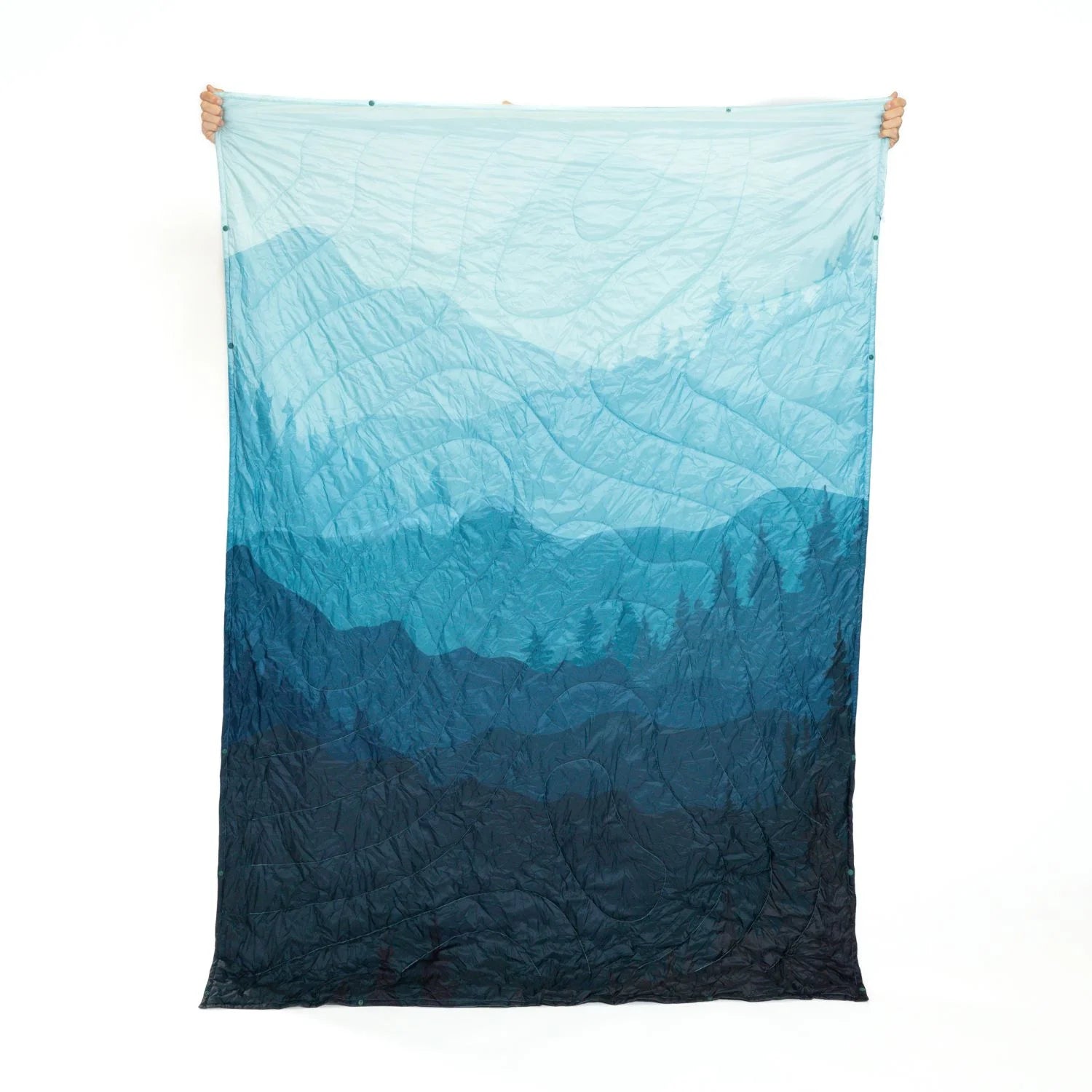


デンマークの会社


Most people assume that camping means trading comfort for fresh air, and that the only gear that matters is a decent tent and a sleeping bag. That’s a myth worth busting. The truth is, the right accessories are what separate a miserable, sleepless night from a genuinely enjoyable outdoor experience. Whether you’re a weekend warrior heading to a state park or a seasoned backcountry traveler pushing deep into the wilderness, the accessories you pack shape everything from how well you sleep to how safe you stay. Let’s walk through exactly how they do it.
| Point | Details |
|---|---|
| Accessories deliver comfort | Thoughtfully chosen accessories can turn a basic campsite into a relaxing and comfortable home away from home. |
| Safety is non-negotiable | Navigation, first aid, and emergency accessories help you handle the unexpected and stay safe outdoors. |
| Match gear to your style | Your accessory choices should reflect your camping goals—pack light for backpacking, or maximize comfort for a family trip. |
| Leave no trace matters | Ethical accessories protect the wilderness for future visitors and make campsites cleaner and safer. |
Every comfortable camping trip starts with two things: a solid shelter and a warm, supportive sleep system. But here’s what most beginners miss: the tent and sleeping bag are just the starting point. The accessories you layer on top of them are what actually make those systems work well.
Take shelter, for example. Camping accessories enhance shelter systems by providing insulation, ventilation, and weather protection through features like vestibules, mesh panels, and storage pockets. A footprint protects your tent floor from abrasion and moisture. A vestibule gives you a dry zone to stash muddy boots. These aren’t luxuries; they’re functional upgrades that extend the life of your gear and keep your living space cleaner.
Sleep is where accessories really earn their keep. Sleeping pads and bags prevent heat loss via conduction and provide comfort, with closed-cell foam pads recommended for cold weather. A sleeping bag liner adds warmth and keeps your bag cleaner. Layered clothing, from a moisture-wicking base layer to a puffy mid-layer, keeps your body temperature stable through the night.
“The ground steals your heat faster than cold air does. A quality sleeping pad isn’t optional; it’s the single most impactful piece of gear for cold-weather sleep comfort.”
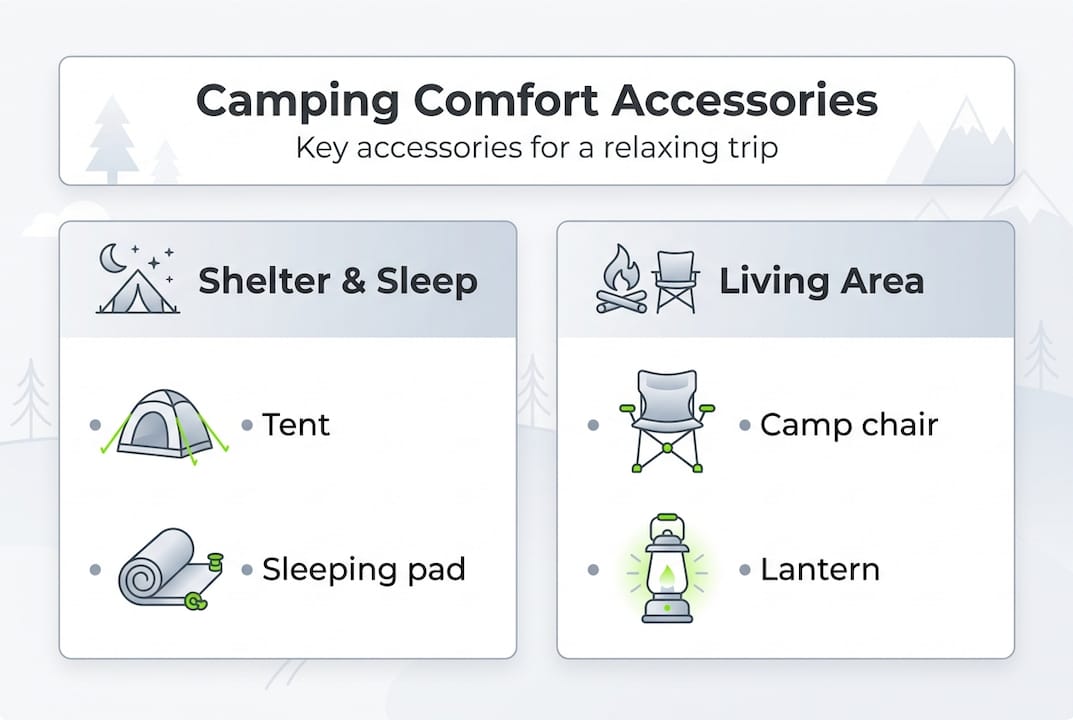
Here’s a quick look at what the types of camping accessories cover in the shelter and sleep category:
With the fundamentals in place, it’s time to see how specific accessories take your comfort and enjoyment even further. Camp furniture might sound like a luxury, but your body will thank you after a long day on the trail.
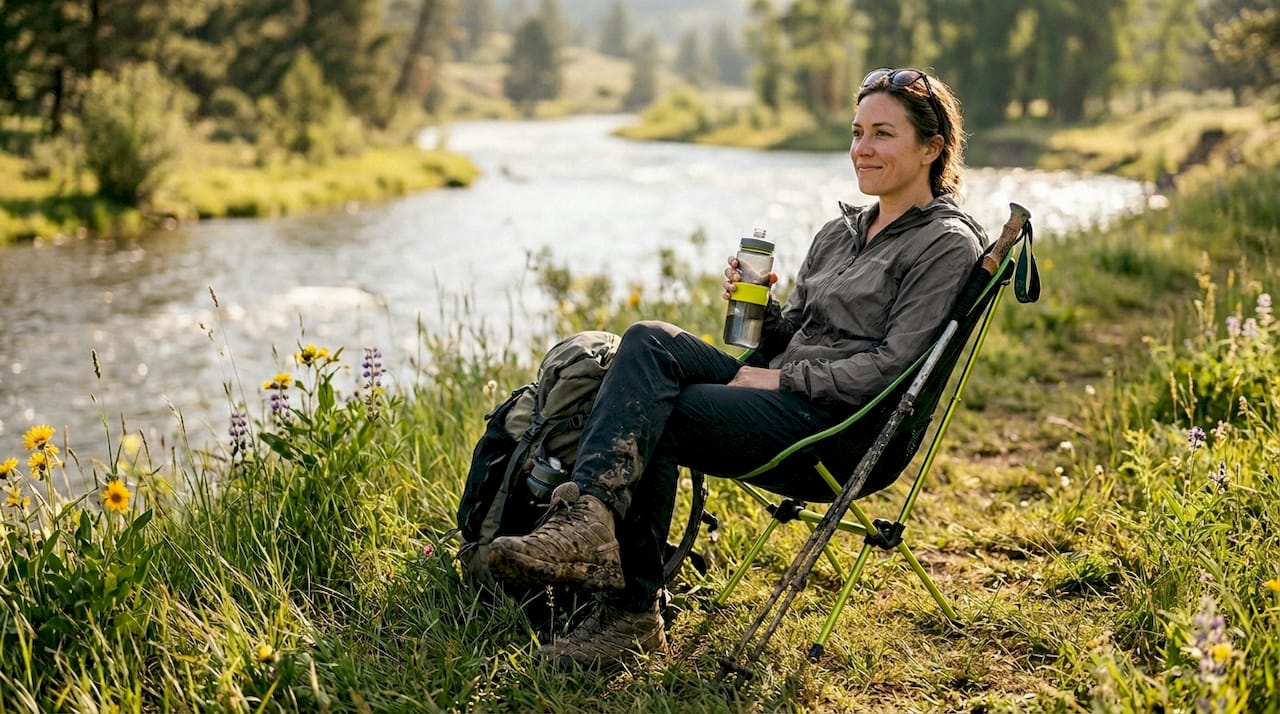
Lighting, camp chairs, tables, and tarps create functional living spaces and boost comfort significantly. A tarp rigged over your cooking area means you can still make dinner in the rain without turning it into a soggy disaster. A good headlamp keeps your hands free for camp chores after dark. These items transform a basic campsite into something that actually feels livable.
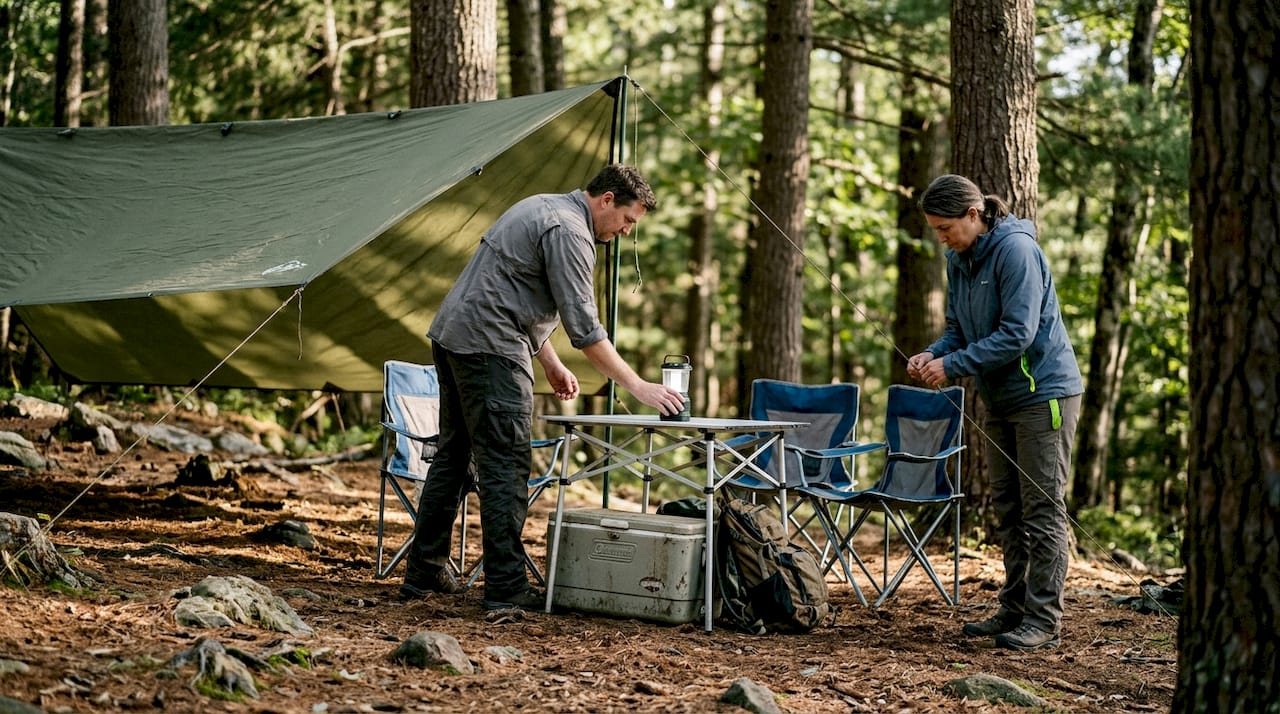
Sleeping pads deserve a closer look, especially for car campers who can afford to bring something bulkier. Here’s a quick comparison:
| Sleeping pad | Type | Comfort score | Best for |
|---|---|---|---|
| Therm-a-Rest MondoKing 3D | Self-inflating | 87/100 | Car camping |
| REI Camp Dreamer | Air pad | High, lower cost | Budget car camping |
| Closed-cell foam pad | Foam | Moderate | Backpacking, cold weather |
| Inflatable ultralight pad | Air | High, lightweight | Backpacking |
Pro Tip: If you want to enhance outdoor comfort without blowing your budget, start with a quality camp chair and a tarp. Those two items alone will change how you experience your campsite.
Comfort is crucial, but so is protecting yourself and your group in the wild. Next, let’s break down which safety accessories you really can’t skip.
Navigation, first aid, water treatment, and waste kits are essential safety accessories, and satellite communicators and multi-tools enable emergency response and repairs in remote areas. A satellite communicator is genuinely life-saving in areas without cell coverage. A water filter or purification tablets mean you’re never stuck without safe drinking water.
Before you leave camp each morning, run through this checklist:
If you’re exploring Ontario camping spots or any remote wilderness area, a satellite communicator moves from “nice to have” to non-negotiable. The terrain can change fast, and cell service is often nonexistent.
Pro Tip: Use the optimize camping accessory workflow approach: pack safety gear in a dedicated, brightly colored pouch so it’s always easy to find, even in a disorganized pack.
| Safety accessory | Purpose | Priority level |
|---|---|---|
| First aid kit | Treat injuries and illness | Critical |
| Water filter/tablets | Safe drinking water | Critical |
| Navigation tools | Route finding and orientation | High |
| Satellite communicator | Emergency contact off-grid | High |
| Multi-tool | Repairs and utility tasks | Medium |
After addressing internal safety, it’s time to look outward at how the environment itself shapes your gear choices. Nature is beautiful, but it also bites, burns, and soaks you if you’re not prepared.
Insect protection and sun gear address environmental hazards effectively, and here’s a fun fact: a head net weighs roughly 1 ounce but can completely transform a buggy evening into a pleasant one. That’s one of the best weight-to-impact ratios in all of camping gear.
Here’s what to pack for environmental protection:
Pro Tip: Check the essential camping accessory types guide before your trip to make sure you’ve matched your environmental protection gear to the specific region and season you’re camping in. A desert trip and a Pacific Northwest trip need very different kits.
Protecting yourself is vital, but so is taking care of the places you love. Your accessories can help you tread lightly and stay clean at the same time.
Leave No Trace accessories like trowels and waste bags ensure ethical camping, and hygiene kits prevent health issues across various terrains. These aren’t glamorous items, but they matter enormously for the health of ecosystems and the experience of other campers who come after you.
“Pack it in, pack it out. Every piece of waste you carry home is a gift to the next person who camps in that spot.”
Here’s what a solid Leave No Trace kit looks like:
Using the right hygiene accessory workflow keeps your campsite clean, your group healthy, and the wilderness intact for future visitors.
With an understanding of the accessory landscape, let’s see how you can refine your choices to suit your unique approach to camping.
The biggest mistake campers make is packing for someone else’s trip. A minimalist backpacker and a family car camper have almost nothing in common when it comes to gear priorities. Accessories should prioritize core systems, with shelter accounting for roughly 70% of pack weight before luxuries come into play. Ultralight backpackers minimize every ounce; car campers can maximize comfort without penalty.
In challenging conditions, guylines, footprints, and wide-surface stakes adapt your setup to wind, rain, and rocky terrain, but experts consistently recommend site selection as your first line of defense. Pick a sheltered, level spot and half your weather problems disappear before you even pitch the tent.
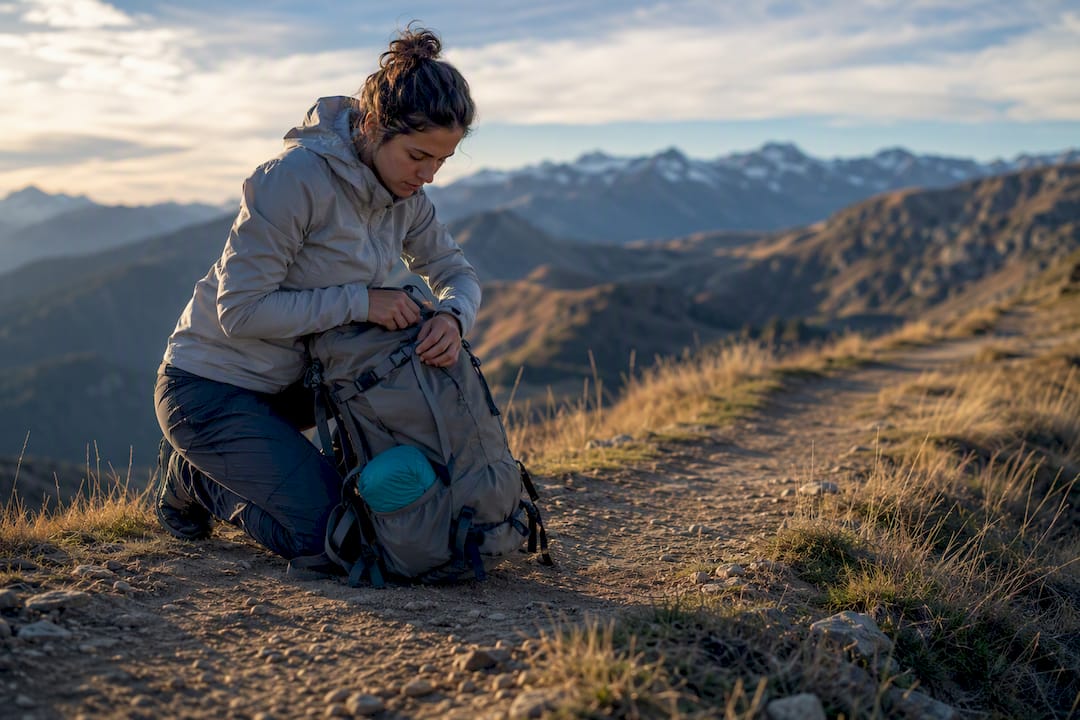
Power banks and solar chargers keep electronics running off-grid, while multi-use items like bandannas and paracord reduce weight while adding serious versatility. A bandanna alone can serve as a towel, sun shield, pot holder, and trail marker.
Here’s a style-based gear framework to help you decide what to bring:
Pro Tip: Before your next trip, check out these weekend camping tips and cross-reference your packing list against your actual trip style. You’ll almost always find something you can cut or something you wish you’d brought.
The best gear strategy for camping comfort with accessories is simple: nail the core systems first, then layer in comfort and specialty items based on how you travel.
The difference between a camping trip you endure and one you actually love often comes down to a handful of well-chosen accessories. From a proper sleeping pad to a lightweight camp chair that saves your back after a long hike, the right gear makes every hour outdoors more enjoyable, safer, and more memorable.
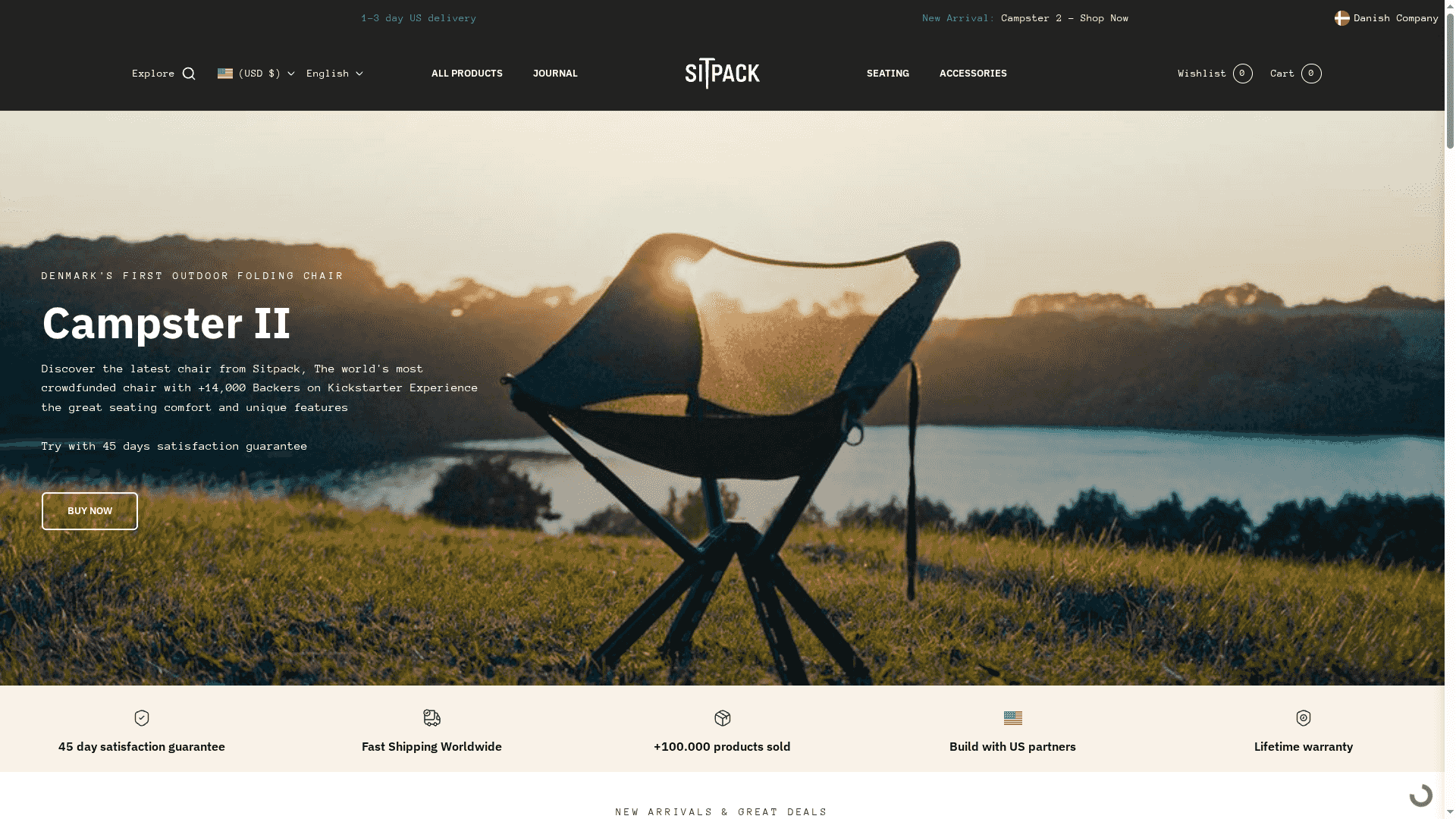
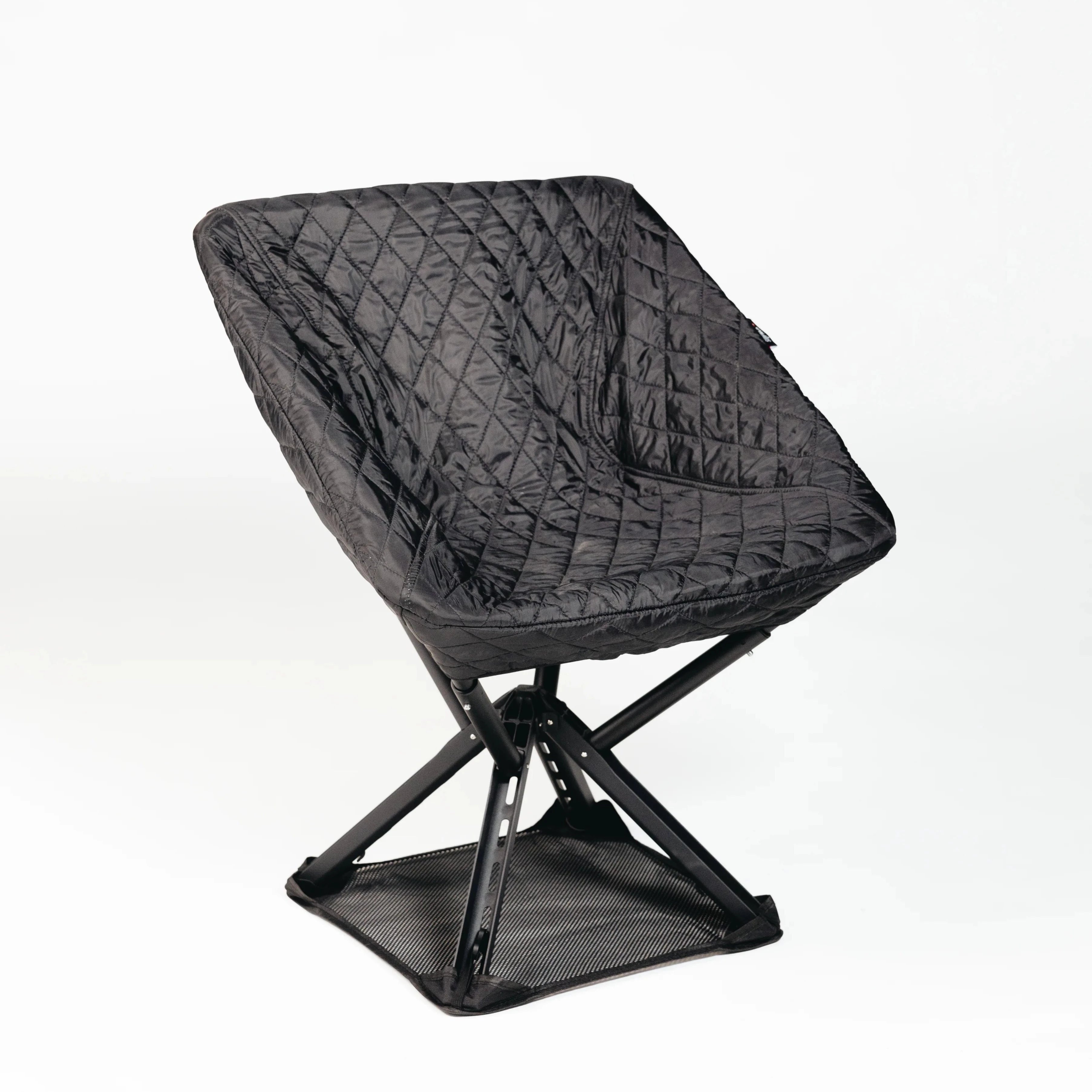
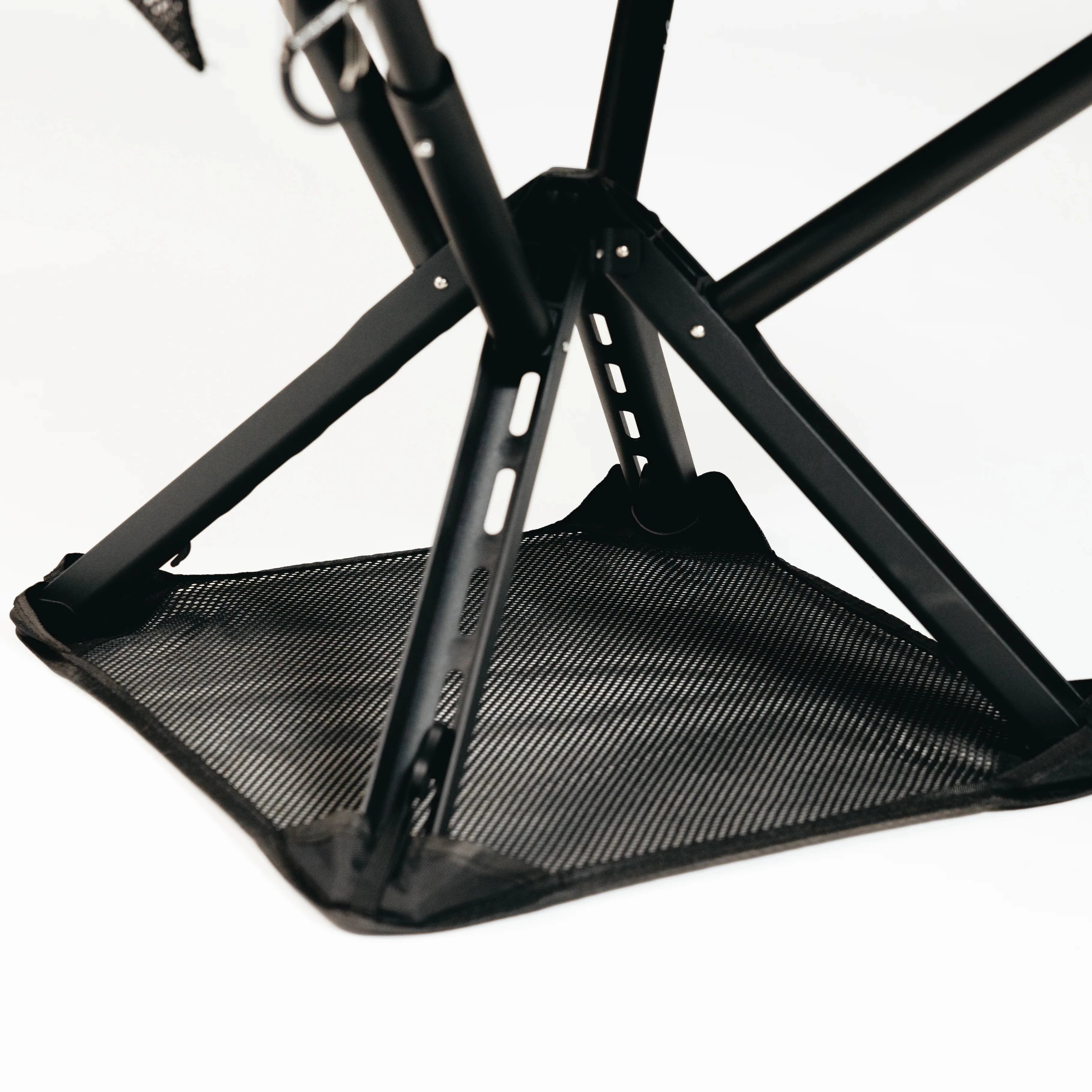
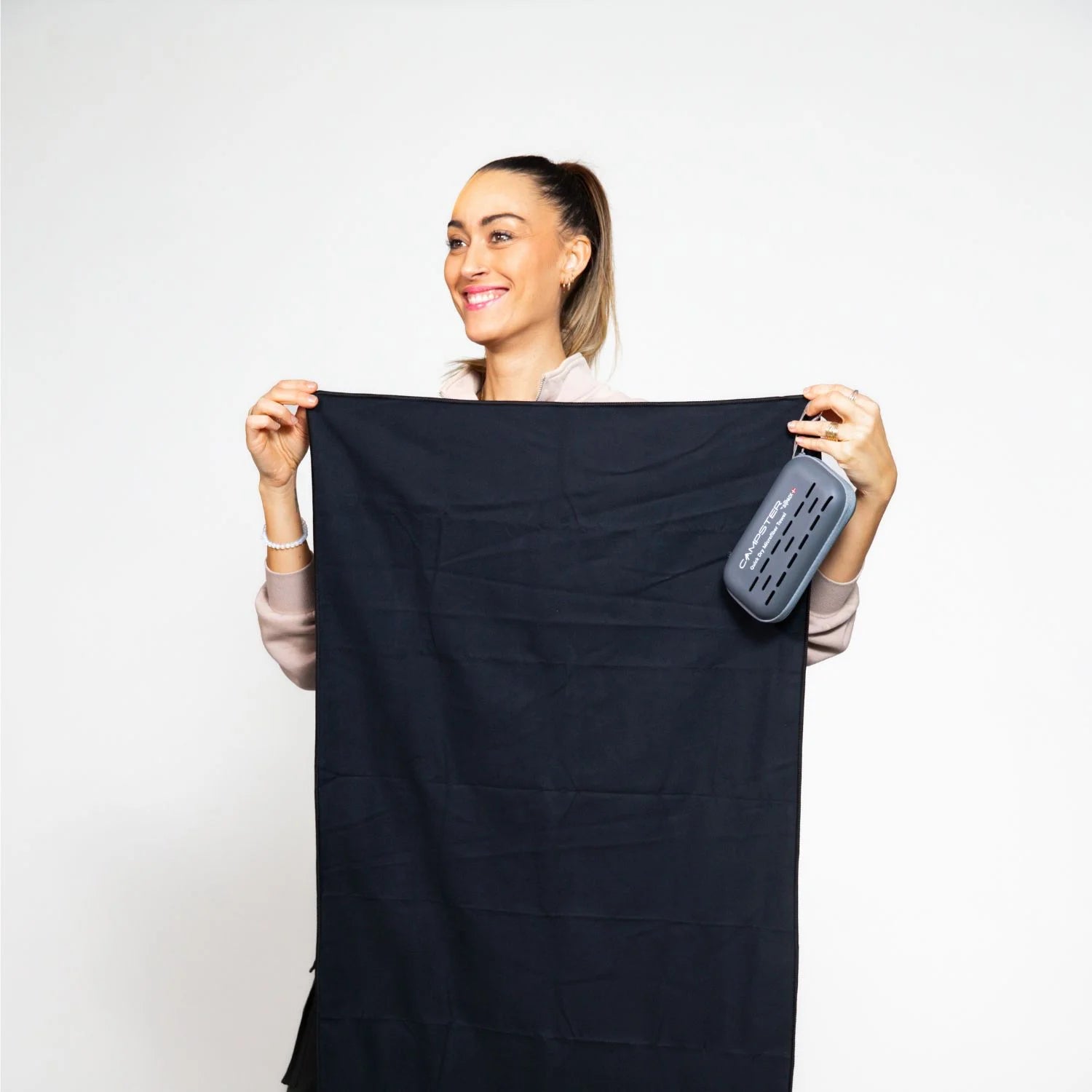
At Sitpack, we’ve built our entire lineup around that idea: gear that’s lightweight, durable, and genuinely useful in the field. Whether you’re after a portable folding chair that fits in your pack, a thermal blanket for cold nights, or a travel towel that actually dries fast, you’ll find accessories designed for real outdoor use. Explore the full range and find the pieces that fit your camping style, because great adventures deserve great gear.
Sleeping pads, chairs, tarps, and lighting offer the biggest boost to comfort once your shelter and sleeping bag are sorted. These four items alone can transform a basic campsite into a genuinely livable space.
Navigation tools, first aid kits, water treatment, and emergency equipment reduce risks significantly in unfamiliar or remote areas. Satellite communicators and multi-tools are especially valuable when you’re far from help.
Absolutely. Wool socks prevent blisters and manage moisture far better than cotton, and a sun hat protects you from UV exposure that adds up fast on exposed terrain.
Trowels, waste bags, and hygiene kits make it straightforward to leave no trace and protect campsites for everyone who comes after you. They’re small, light, and non-negotiable.
Start with core needs: shelter, sleep, and safety. Then prioritize core systems before luxuries and add comfort or specialty accessories based on your trip style and how you’re getting there.