Vogn
0
Tilmeld dig og få 10% i rabat på din ordre
Forventet levering
1-3 dage
Du vil måske også kunne lide



Dansk Firma


The biggest ways to reduce camping waste all happen before you leave the driveway: repack your food, swap single-use items for reusable ones, plan every meal, and bring gear built to last for years instead of one weekend. What you can’t avoid, you pack out. That’s the whole system, and it works whether you’re car camping, backpacking or just heading to the park with a folding seat.
We’ll walk through each step in the order you’d actually do it, with the rules land managers publish and the habits that keep a trash bag from filling up.
The Grand Canyon’s river guide calls it the pre-trip mantra: package and repackage. Dispose of and recycle unnecessary packaging at home, so it never rides to the campsite at all. Camp trash bins and bags are small, and the bulk of what fills them is packaging you could have shed in your kitchen.
Here’s how it plays out in practice:
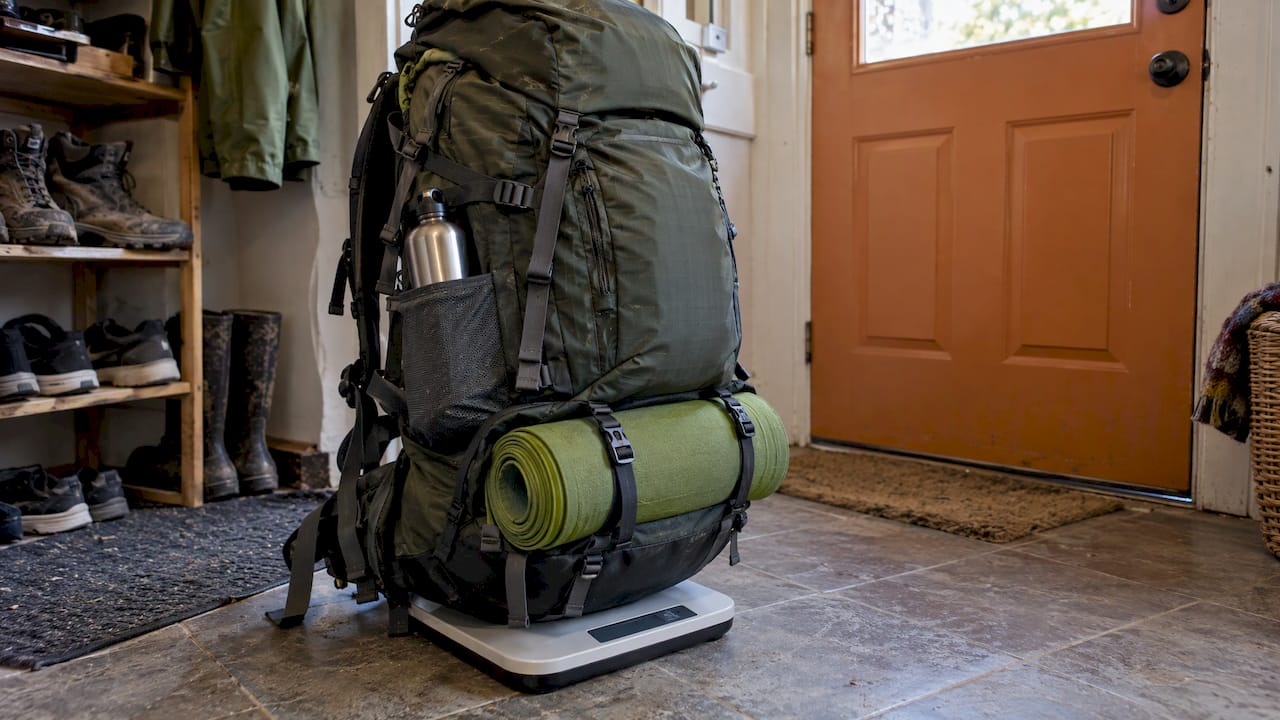
Scouting America has a neat demonstration of the payoff: one pack filled with one-pot meals repackaged into resealable bags, the other with bulky cans and bottles. The repackaged pack is much lighter and produces less garbage. Lighter and less trash, from the same dinners.
Food waste at camp comes in two forms: packaging and leftovers. Planning handles both.
A simple test: for each meal, can you name the container it lives in and the dish it gets eaten from? If not, it probably has a disposable wrapper hiding in the plan.
This is where most “zero waste camping” lists start, and for good reason. The recurring culprits are water bottles, plastic bags, foil, paper plates and plastic cutlery.
| Disposable | Reusable swap | What helps |
|---|---|---|
| Flat of bottled water | One large water jug and reusable cups or bottles | Recycle BC recommends this setup |
| Plastic grocery bags | Totes or heavy-duty reusable grocery bags | NYSDEC suggests them for packing food and supplies |
| Ziplock bags | Cotton or nylon food bags, stainless steel containers, beeswax wraps | Named by the Leave No Trace network |
| Tin foil | Soybean-wax-based waxed paper or certified compostable, chlorine-free parchment | Same Leave No Trace page |
| Paper plates, plastic cutlery | Reusable or recyclable dishes and cooking utensils | NYSDEC |
Give the reusables a permanent home: one bin or stuff sack that holds your mug, bowl, utensils and containers, packed the same way every trip. When the kit is always ready, you won’t grab a pack of paper cups at the last minute.
If you want more checklists for the gear side, our green camping checklist and our guide to eco-friendly camping tips go item by item.
Dishwater is waste too, just the liquid kind. The rules are consistent across agencies:
The strained food scraps go in your trash bag, not the bushes.
Even a careful camper makes some trash. The principle is simple: pack it in, pack it out. Inspect your campsite, cooking area and rest areas for trash or spilled food, and take all trash, leftover food and litter with you, including toilet paper and hygiene products. The U.S. Bureau of Land Management gives the same rule for public lands.
A few habits make it painless:
Empty camp stove canisters are a trash item that surprises people. Earth911 says a safer, more sustainable route than other disposal methods is taking empty cylinders to a household hazardous waste collection site. Refillable propane systems cut the problem at the source, and the LNT network’s advice is simply to choose fuels wisely.

This is the part nobody wants to plan, and the part that most affects the places you camp.
Catholes, where allowed. The BLM says to bury solid human waste in a cathole 6 to 8 inches deep, at least 200 feet from water, camp and trails, then cover and disguise it. Joshua Tree’s backcountry brochure gives the same dimensions. Rules vary by park: Shenandoah, for example, asks for a minimum of six inches deep and 20 yards from water. Check the rules for your specific area.

Pack-out systems, where required. Catholes don’t work on rock, hard-packed desert, snow or frozen ground, and are banned in many high-use areas. In many river corridors, climbing areas, alpine peaks and designated wilderness, campers must pack waste out in a WAG bag (a waste bag with gelling powder), according to Cleanwaste’s guide. Your land manager’s page will say which applies.
Toilet paper and hygiene products. Always pack them out. Saalt’s guide explains that used pads and tampons don’t break down quickly in a cathole and animals can dig them up. Double-bagging is smart on longer trips, and the waste bag should be stored with your food in a bear canister or hung from a tree.
The Grand Canyon river guide goes further for its corridor: a marked pee bucket at camp and a personal waste bag system for hikes.
The waste nobody sees is the gear that ends up in a landfill after two seasons. The Leave No Trace network lists the fixes: borrow or rent what you rarely use, buy second-hand, and choose brands with reliable warranties and repair departments, and use local sewing professionals for hard repairs.
When you do buy new, favor pieces that do more than one job and are built to survive years of use. If you want ideas for outfitting a travel setup around lasting, lower-waste choices, this piece on eco-friendly RV makeovers has a few. Our own take on why lighter, simpler kit pays off is in our post on minimalistic camping gear, and our sustainable camping workflow lays out a repeatable routine from planning to unpacking.
Before your next trip, run through these:
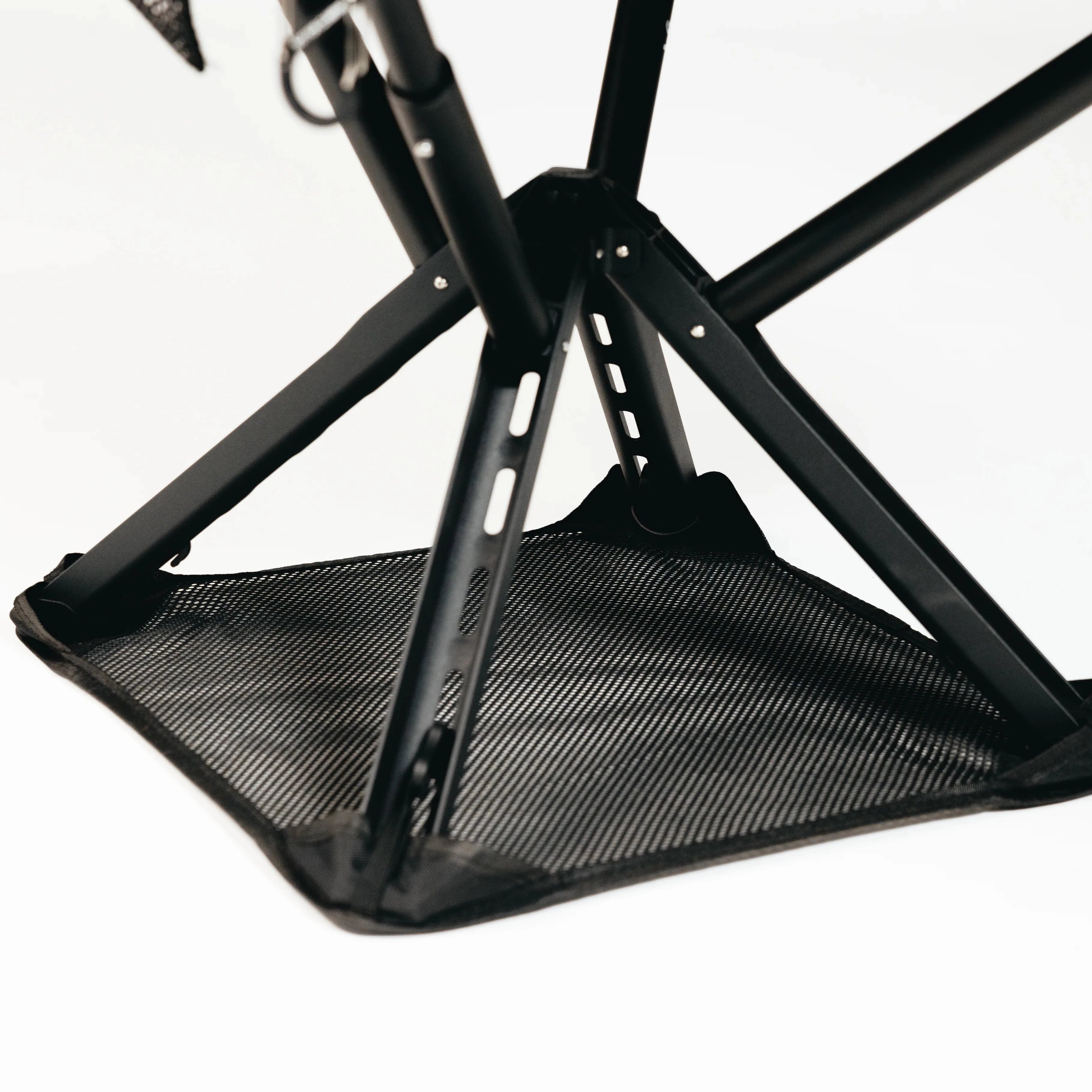
Here’s something we’ve learned from designing camp seating: the greenest piece of gear is the one you never have to replace. Cheap chairs that sag, snap or get left at the campsite are a quiet source of waste, and they come from the same “grab it, use it, toss it” habit as paper plates.
That’s why we build around lightweight, minimalistic designs and durable, often eco-friendly materials. Less weight means you’re happy to carry it, and less bulk means more room in the pack for the reusable kit this article is about. Our products come with a 45-day satisfaction guarantee, and a lifetime warranty on select items, because we want our gear on your trips for years, not one season.
So do the unglamorous things first: repack your food, ditch the disposables, pack out your trash. Then park your posterior on something that will still be going strong when your next trip rolls around.
Jonas
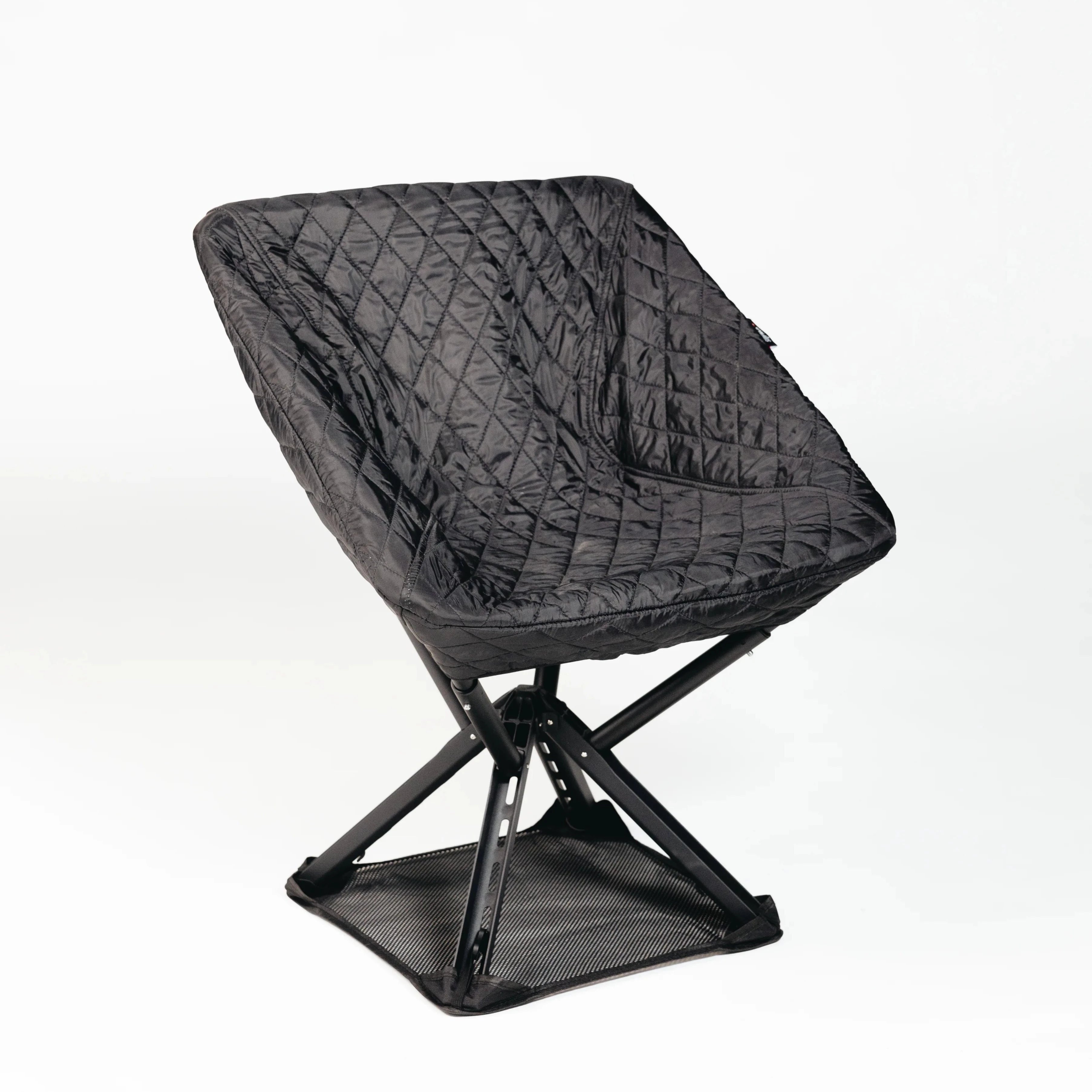
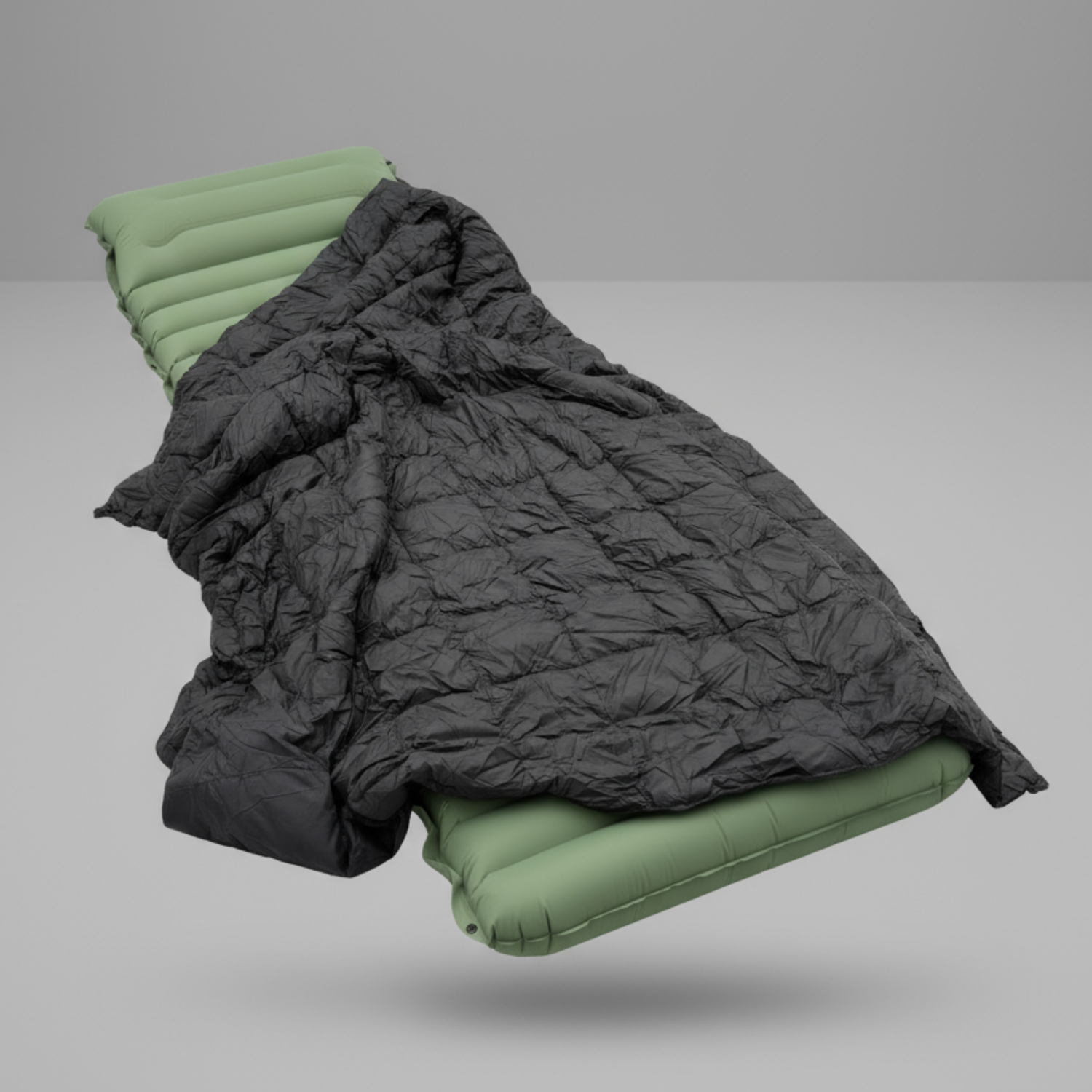
If you’re replacing a worn-out camp seat, our Campster II is a portable, foldable chair designed to be lightweight and durable. You can also browse the full range, including OCTO and Airwrap blankets, on our all products page. We ship internationally, and the 45-day satisfaction guarantee applies.
Start at home. Repack food into reusable containers, bring a large water jug and reusable cups, and pack a reusable dish kit. Those three changes remove most of the packaging and single-use items that fill a camp trash bag.
Pack it out. The National Park Service’s Leave No Trace guidance says to pack out all trash, leftover food and litter, including toilet paper and hygiene products. Use the campground’s trash and recycling facilities where they exist, and follow your land manager’s rules on human waste.
No. Food scraps, packaging and litter get packed out, which also keeps animals away from your camp. Only human waste may be buried, in a cathole where the local rules allow it.
Keep it well away from water. New York’s DEC says to use it at least 200 feet from water, and Parks Canada notes that even biodegradable wastewater needs to filter through soil to break down.